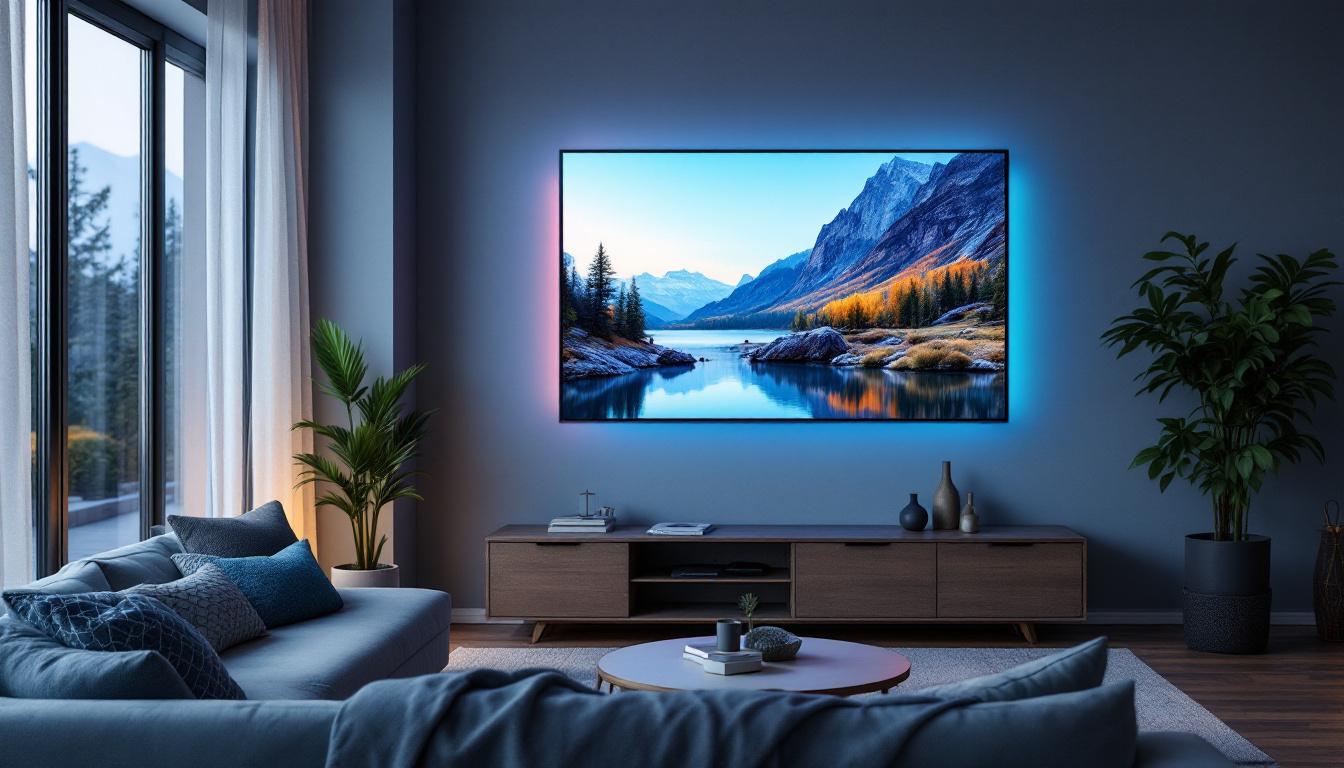
As digital signage continues to revolutionize advertising and information dissemination, LED displays have emerged as a leading technology for businesses and event organizers alike. The upcoming Next Rei Sale promises to showcase some of the most advanced LED display solutions on the market. This article delves into the fundamentals of LED displays, their advantages, applications, and what to expect from the Next Rei Sale event.
Understanding LED Display Technology
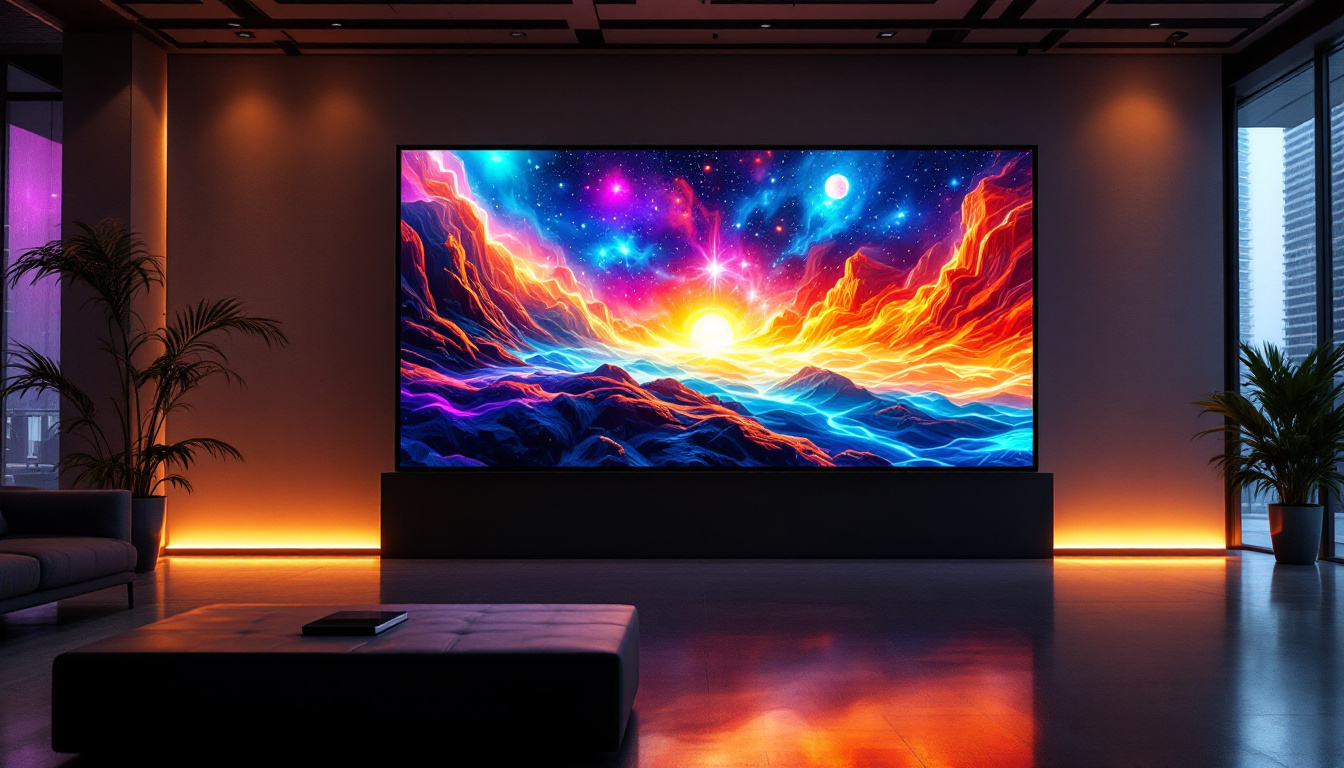
LED, or Light Emitting Diode, displays have transformed the way visual content is presented in public and private spaces. Unlike traditional LCD or projection screens, LED displays use an array of tiny light-emitting diodes to create bright, vivid images that are visible even in direct sunlight. This remarkable capability has made LED technology a preferred choice for everything from advertising billboards to sports arenas, where clarity and visibility are paramount.
How LED Displays Work
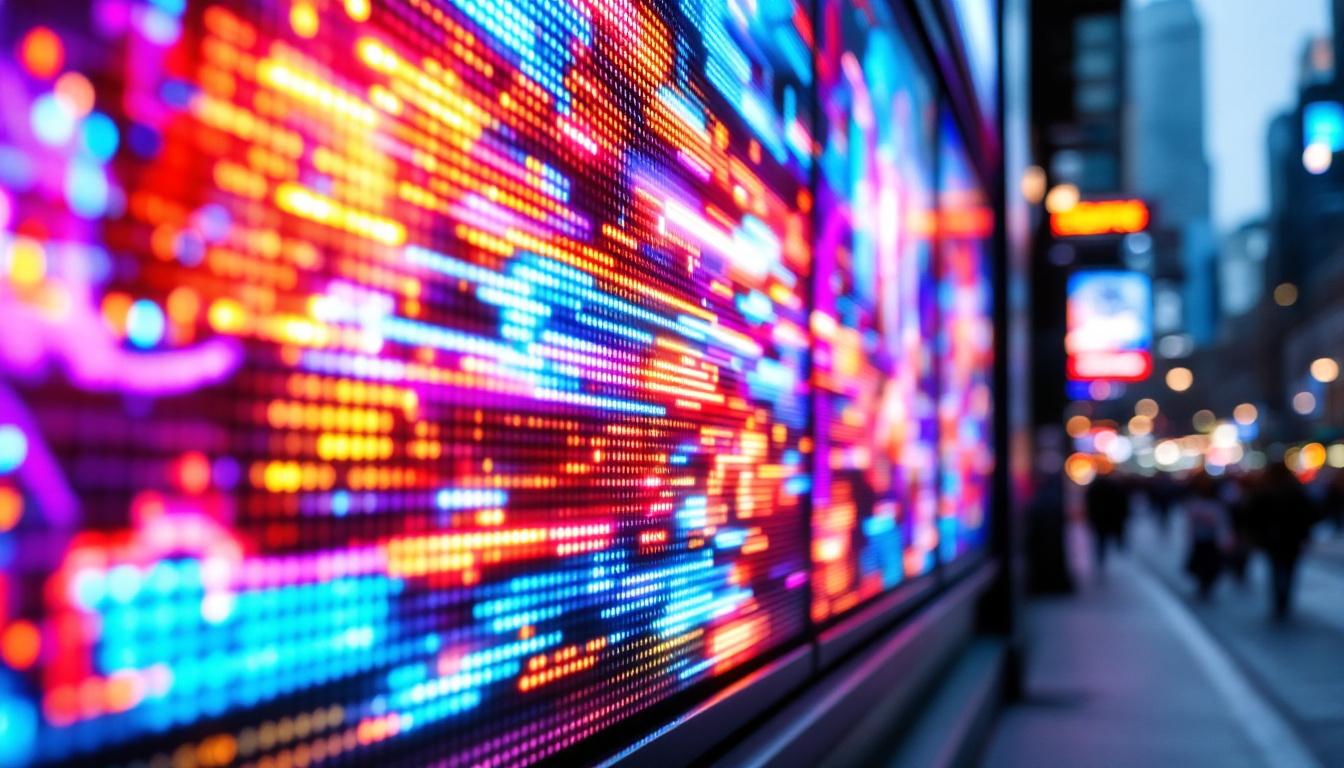
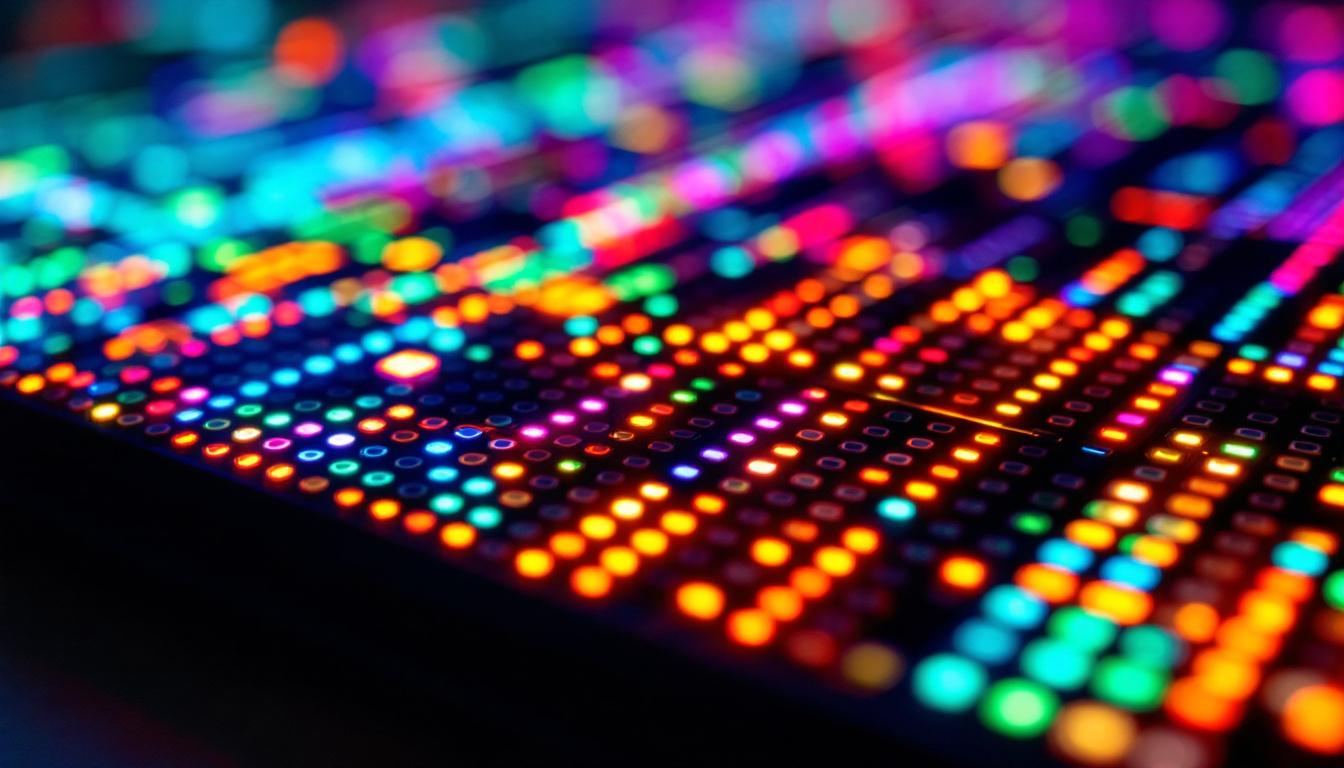
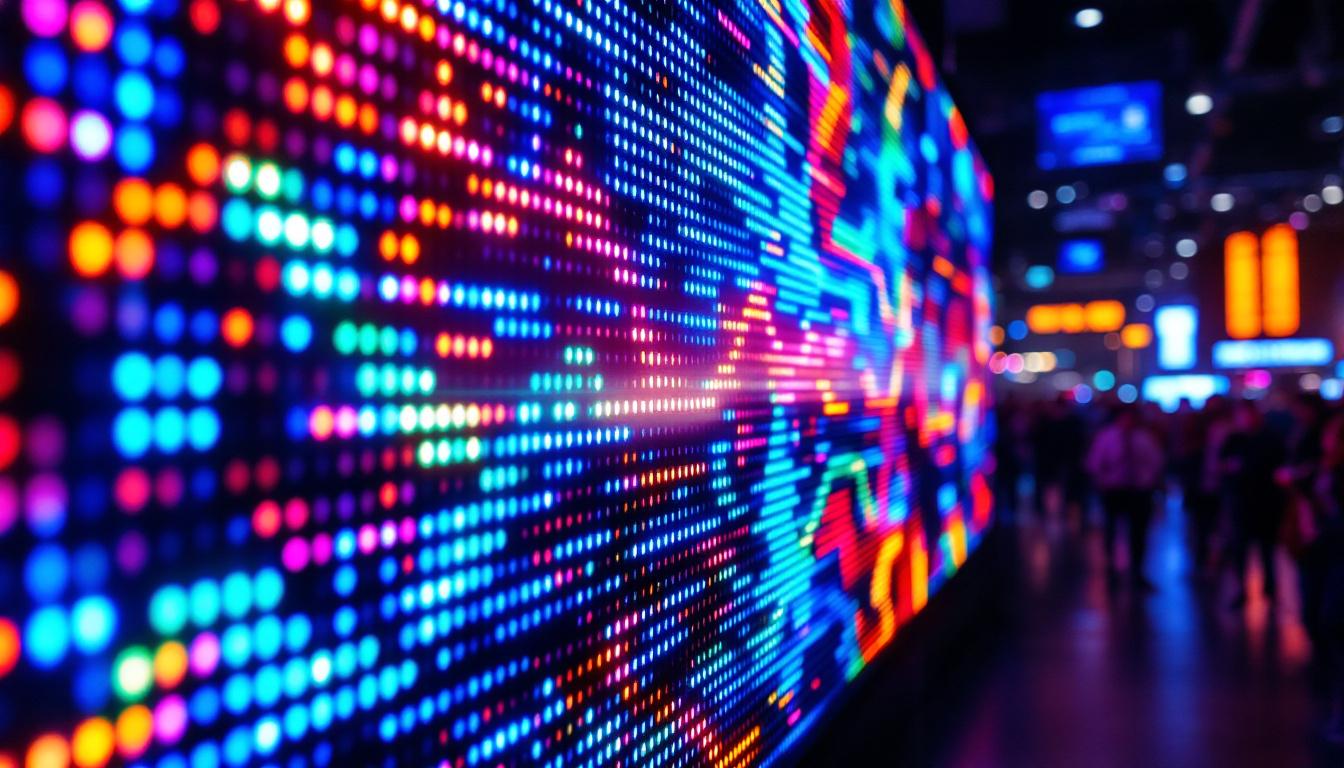
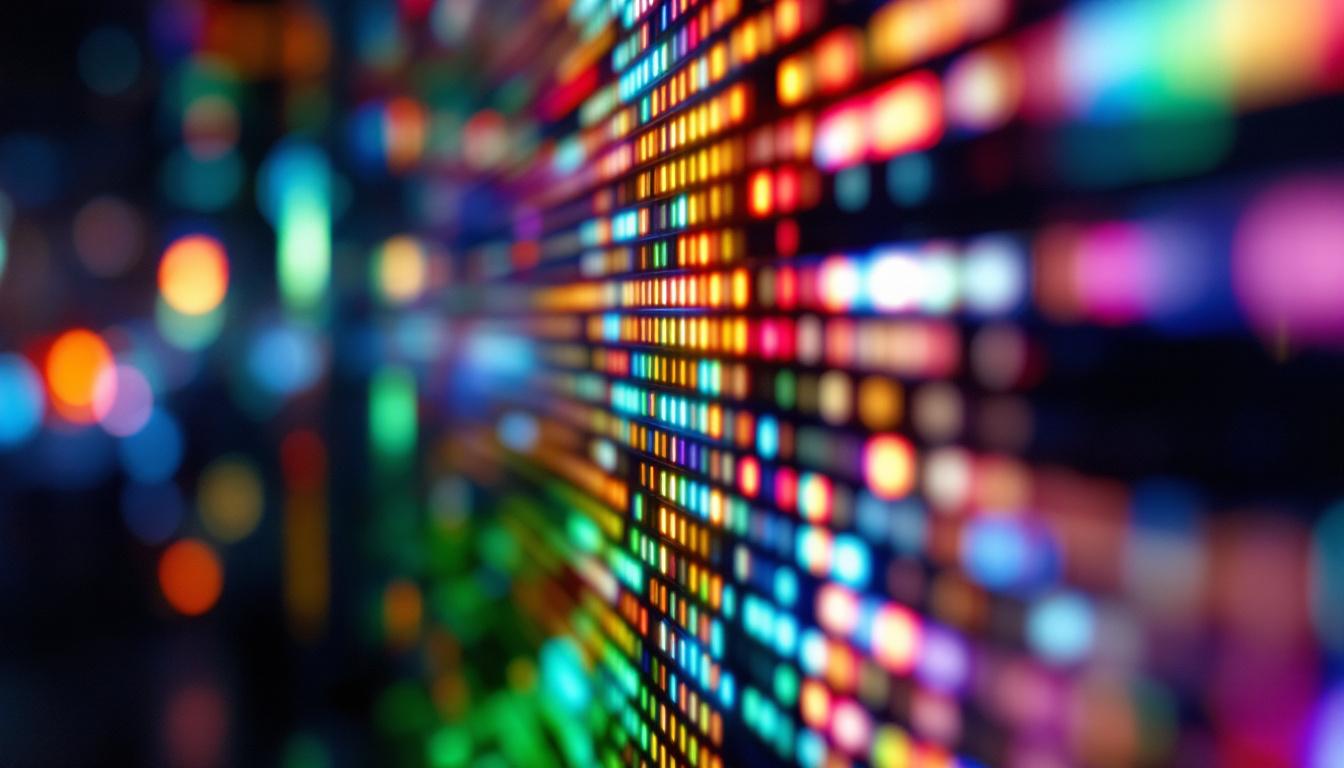
Each LED display is composed of numerous pixels, and each pixel contains red, green, and blue diodes. By varying the intensity of these diodes, the display can produce a full spectrum of colors. This direct emission of light allows LED screens to achieve superior brightness and contrast compared to other display technologies. Furthermore, the rapid response time of LEDs means that they can display fast-moving images without blurring, making them ideal for dynamic content such as video feeds and live broadcasts.
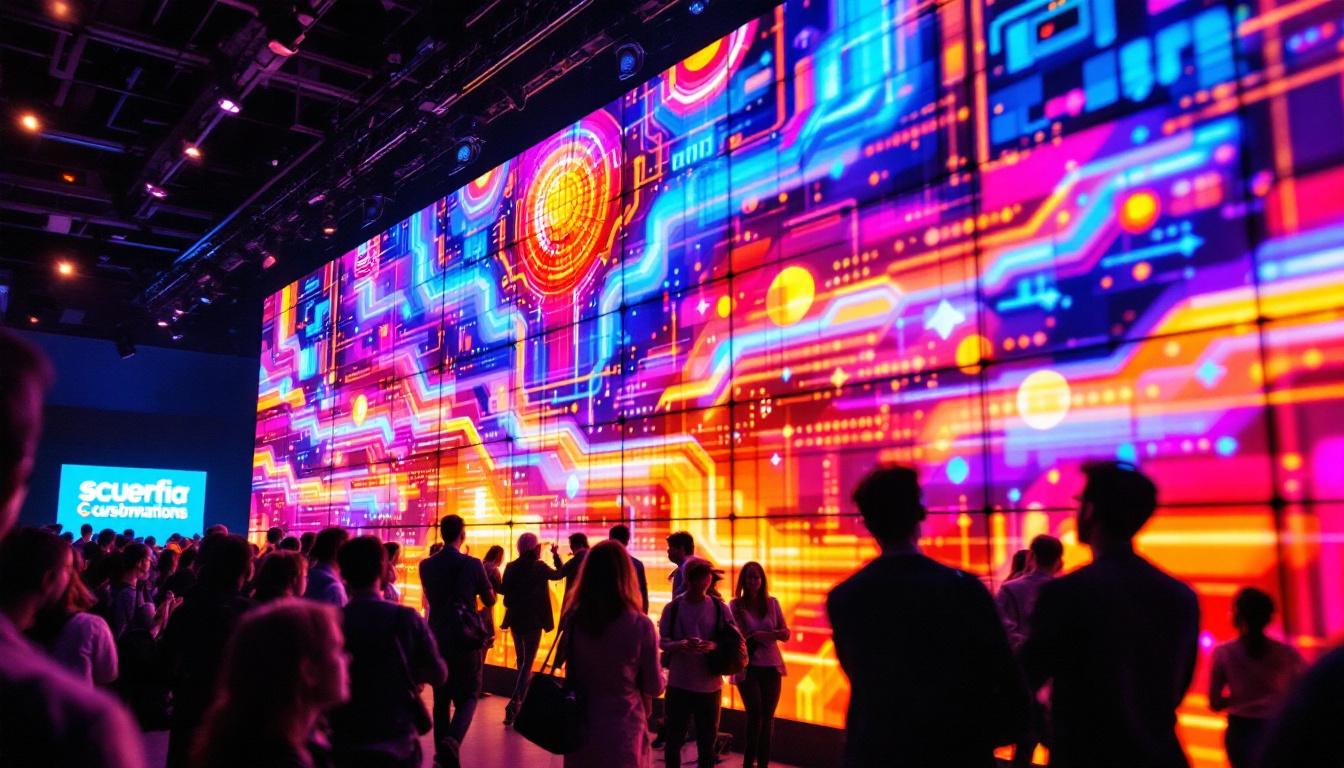
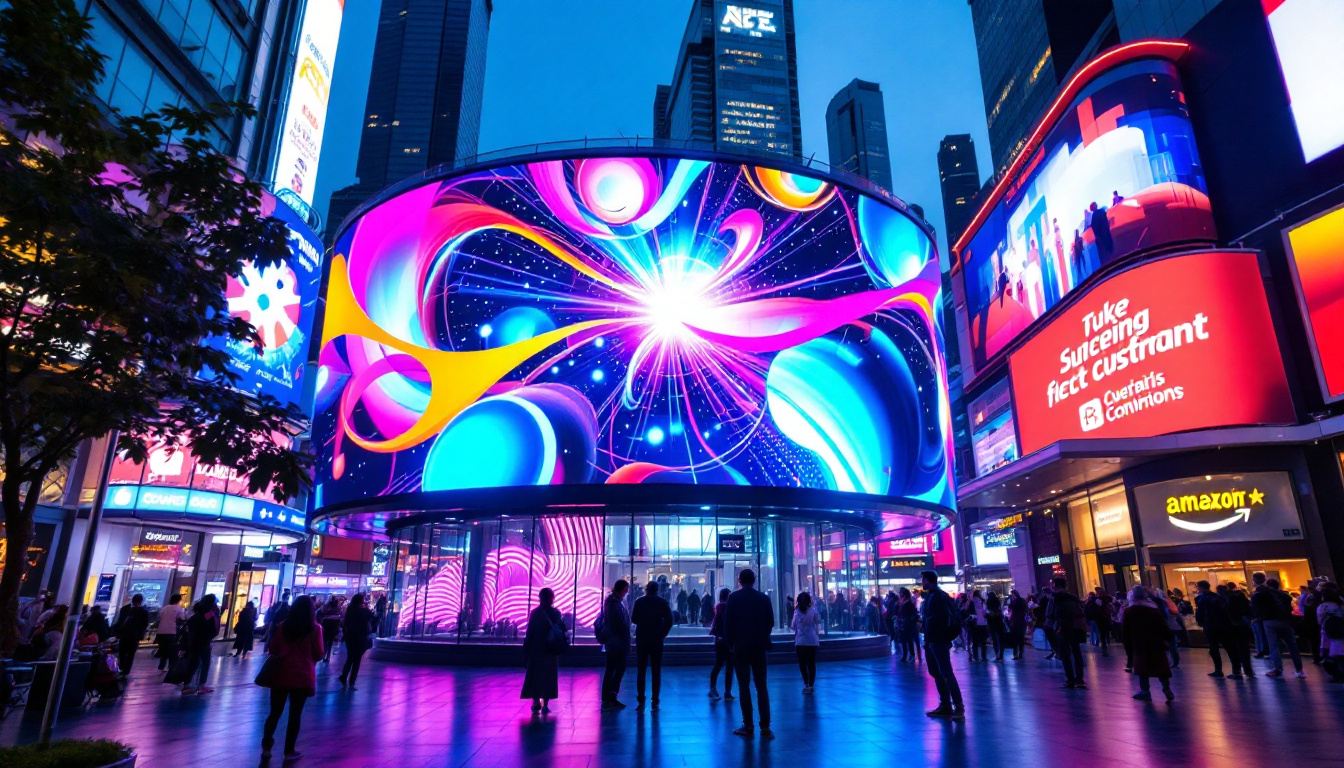
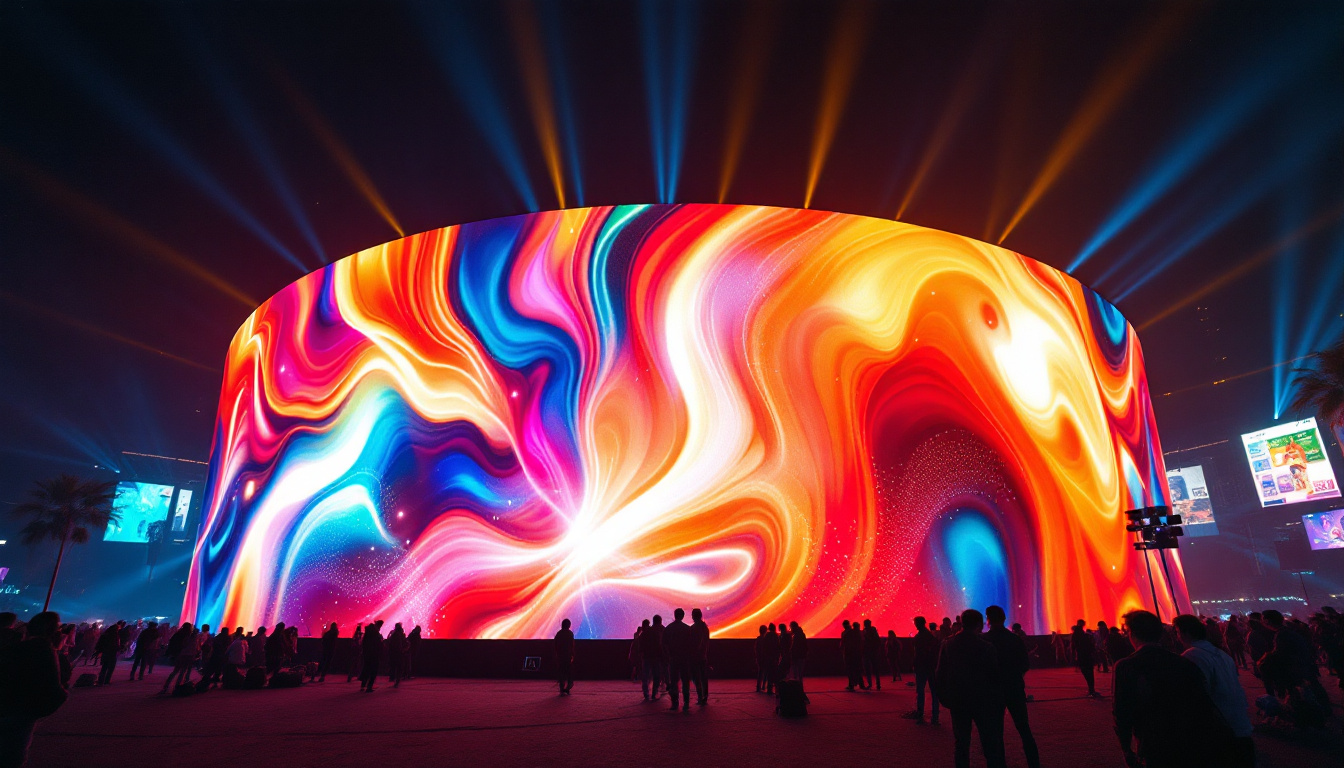
Additionally, LED displays can be manufactured in various sizes and shapes, from small indoor panels to massive outdoor billboards. The modular nature of LED panels means they can be seamlessly combined to create custom-sized screens tailored to specific needs. This flexibility has led to innovative applications, such as curved displays in retail environments or large-scale video walls at events, enhancing the viewer’s experience and engagement.
Types of LED Displays
There are primarily two types of LED displays: indoor and outdoor. Indoor LED displays typically have a higher pixel density, providing sharper images suitable for closer viewing distances. Outdoor LED displays prioritize brightness and weather resistance to maintain visibility under sunlight and adverse weather conditions. These outdoor displays often incorporate protective features such as waterproofing and UV-resistant coatings, ensuring longevity and performance in challenging environments.
Another classification is based on the LED packaging technology, including surface-mounted device (SMD) and through-hole LEDs. SMD technology is widely used for indoor and high-resolution displays due to its compact size and color accuracy, while through-hole LEDs are more common in large outdoor displays because of their durability and brightness. Additionally, advancements in technology have led to the development of newer variations, such as MicroLED and MiniLED displays, which offer even greater resolution and energy efficiency, pushing the boundaries of what is possible in visual display technology.
Advantages of LED Displays
LED displays offer numerous benefits that make them ideal for advertising, events, and information dissemination. These advantages contribute to their growing popularity across industries.
Superior Brightness and Visibility
One of the most significant advantages of LED displays is their exceptional brightness. Modern LED screens can reach brightness levels exceeding 5,000 nits, making them clearly visible even in direct sunlight. This feature is crucial for outdoor advertising and public information displays where ambient lighting conditions can vary dramatically. Furthermore, the high contrast ratio of LED displays enhances image clarity, ensuring that graphics and text are sharp and easy to read from various distances. This capability not only attracts attention but also improves viewer engagement, making it easier for businesses to convey their messages effectively.
Energy Efficiency and Longevity
Compared to traditional lighting and display technologies, LEDs consume significantly less power, reducing operating costs. Their energy efficiency also aligns with growing environmental concerns and sustainability goals. In addition to lower energy consumption, LED displays generate less heat, which can contribute to a more comfortable environment in indoor settings. This characteristic can also lead to reduced air conditioning costs, further enhancing overall energy savings.
Moreover, LED displays have a long operational lifespan, often exceeding 100,000 hours. This durability translates to lower maintenance costs and less frequent replacements, making LED displays a cost-effective investment over time. The robust nature of LED technology also means that these displays are less susceptible to damage from shocks and vibrations, making them suitable for a variety of environments, from bustling city streets to high-traffic indoor venues.
Flexibility and Customization
LED displays can be tailored to meet diverse requirements. Whether it’s a curved screen for a retail store, a transparent LED wall for an architectural installation, or a massive outdoor billboard, the modular design of LED panels allows for versatile configurations. This adaptability not only enhances aesthetic appeal but also enables businesses to create unique visual experiences that resonate with their target audience. For example, a sports venue can utilize LED displays to showcase live statistics and player highlights, enhancing the overall spectator experience.
This flexibility extends to content management as well. Modern LED displays support dynamic content updates, enabling businesses to change advertisements or messages in real-time, which is invaluable for marketing campaigns and event promotions. The integration of software solutions allows for scheduled content rotations and interactive features, such as touch capabilities or QR code scanning, further engaging viewers and driving customer interaction. This level of customization ensures that businesses can remain agile and responsive to market trends, maximizing their advertising impact and audience reach.
Applications of LED Displays in Various Industries
LED display technology has found applications across a broad spectrum of industries, each leveraging its unique benefits to enhance communication and engagement.
Advertising and Marketing
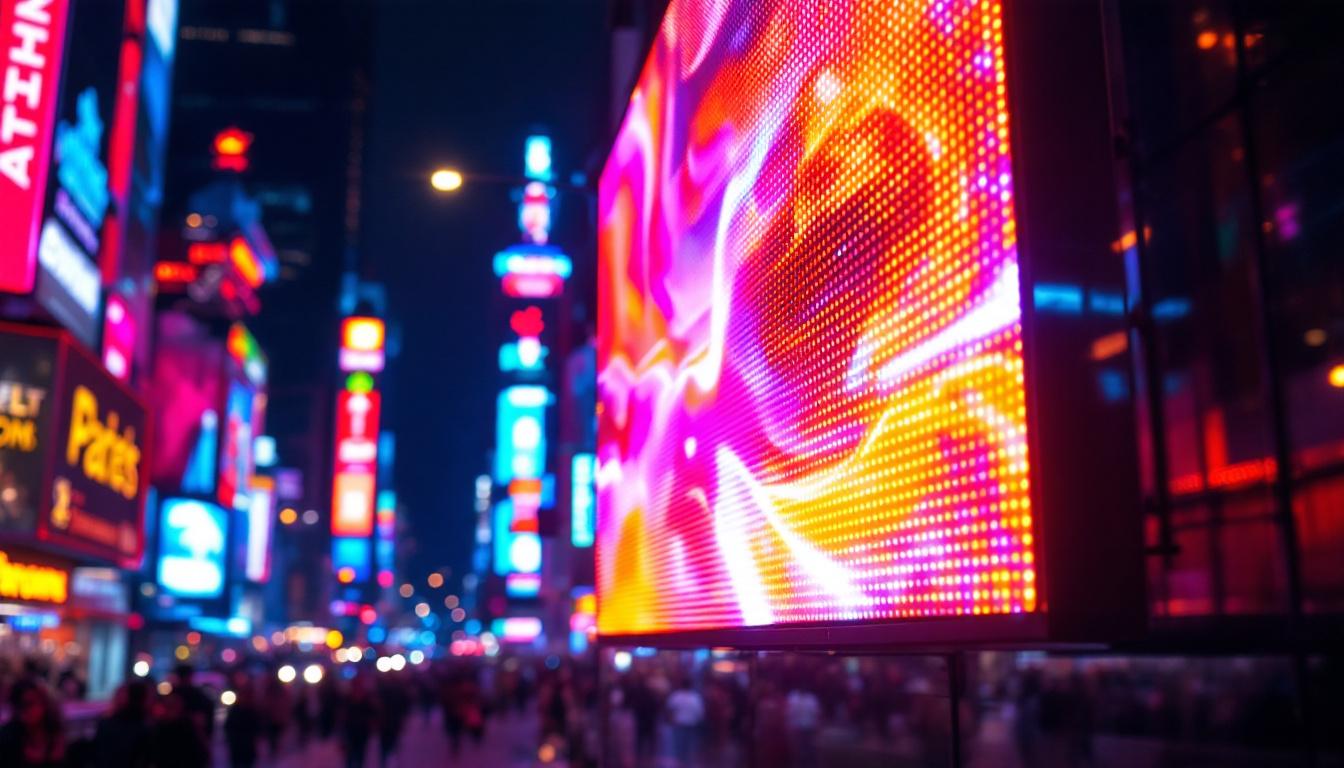
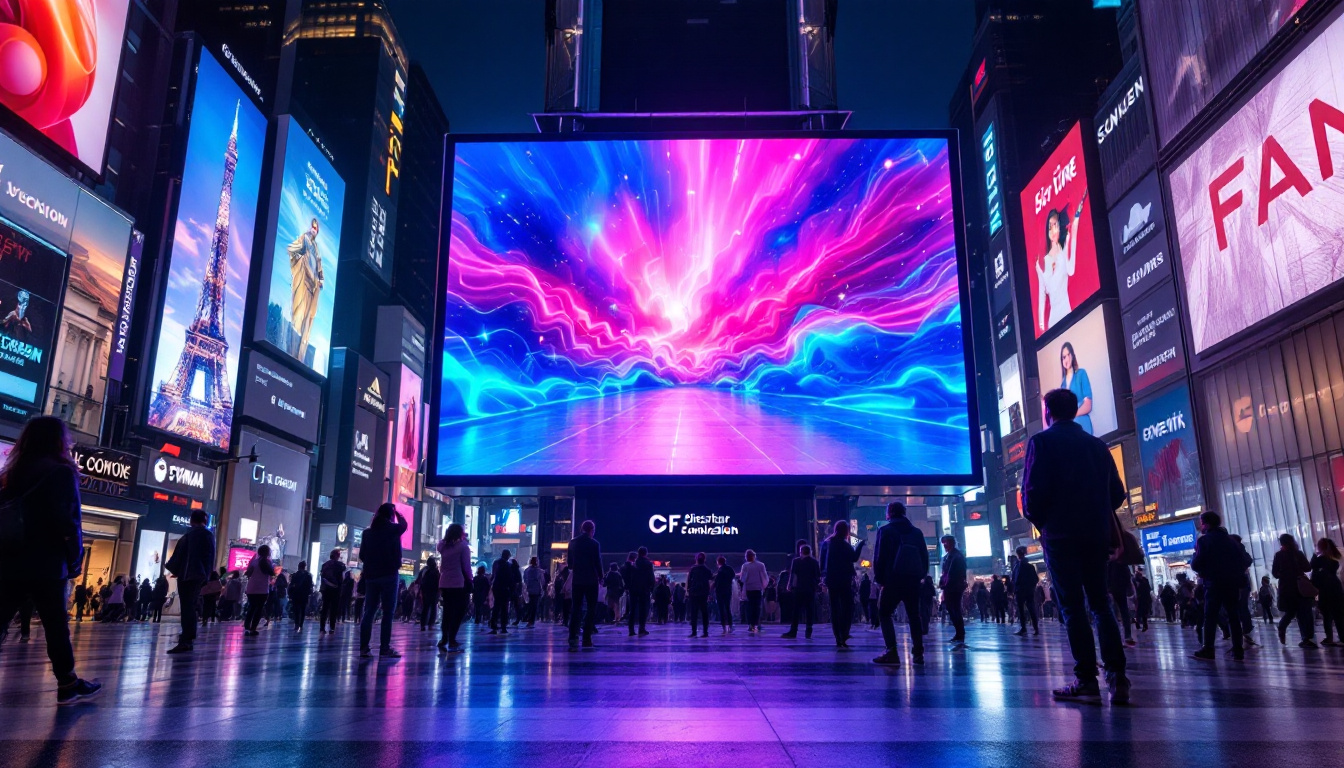
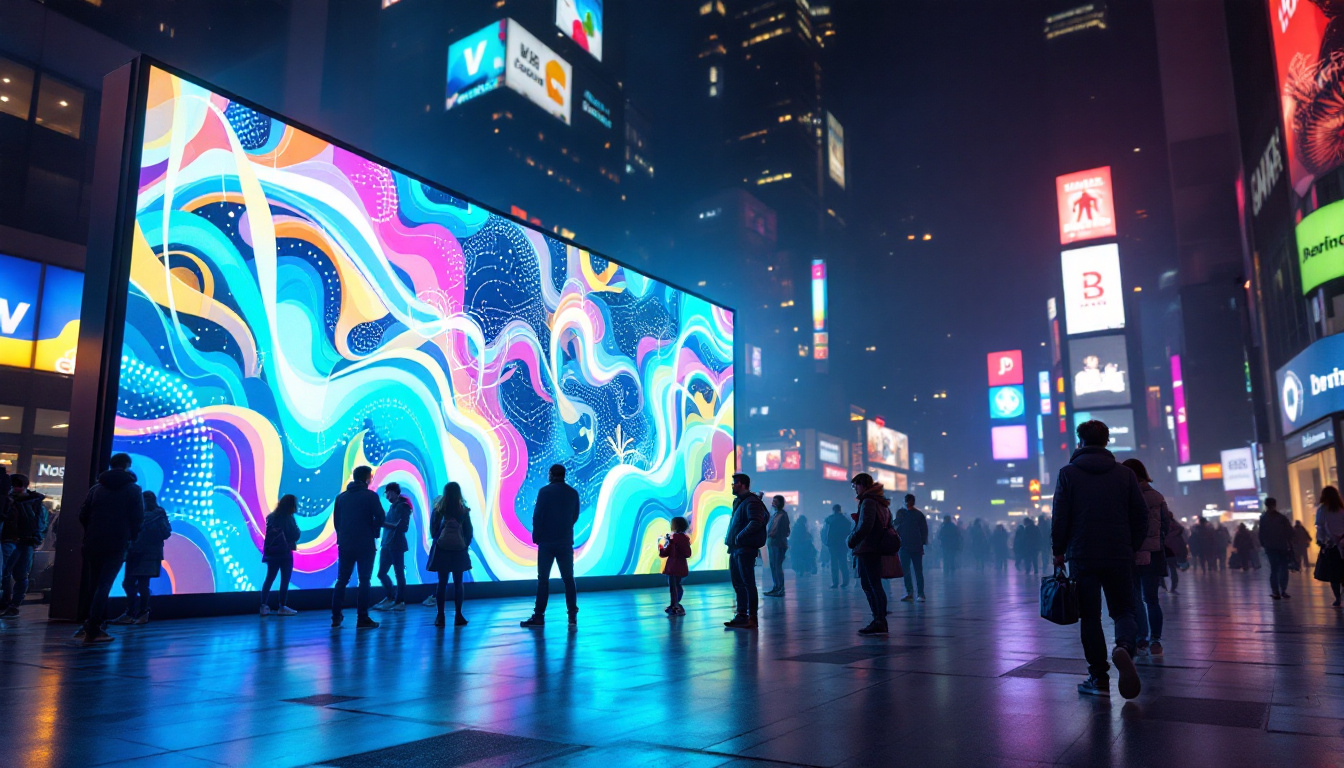
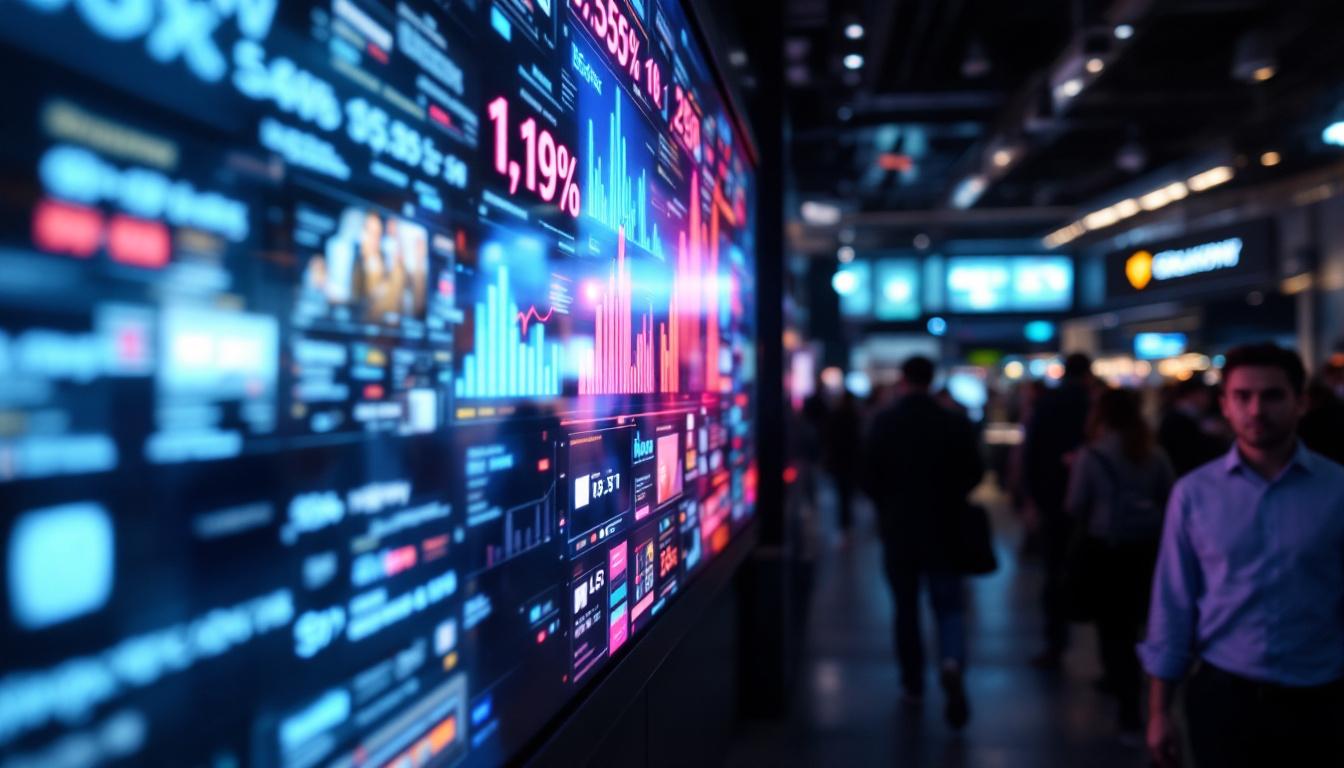
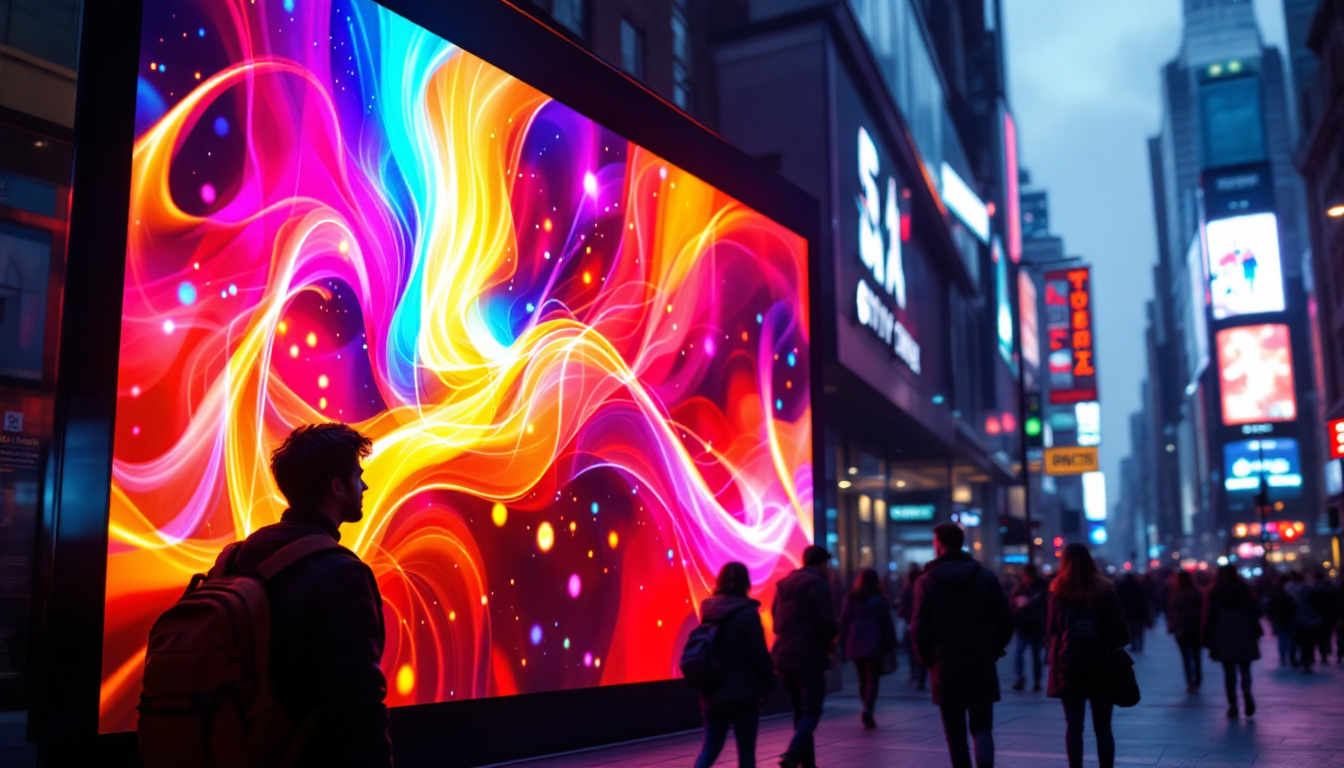
Outdoor LED billboards have become a staple in urban landscapes, delivering high-impact advertisements to thousands of passersby daily. Their ability to display dynamic content, including animations and videos, captures attention more effectively than static signs.
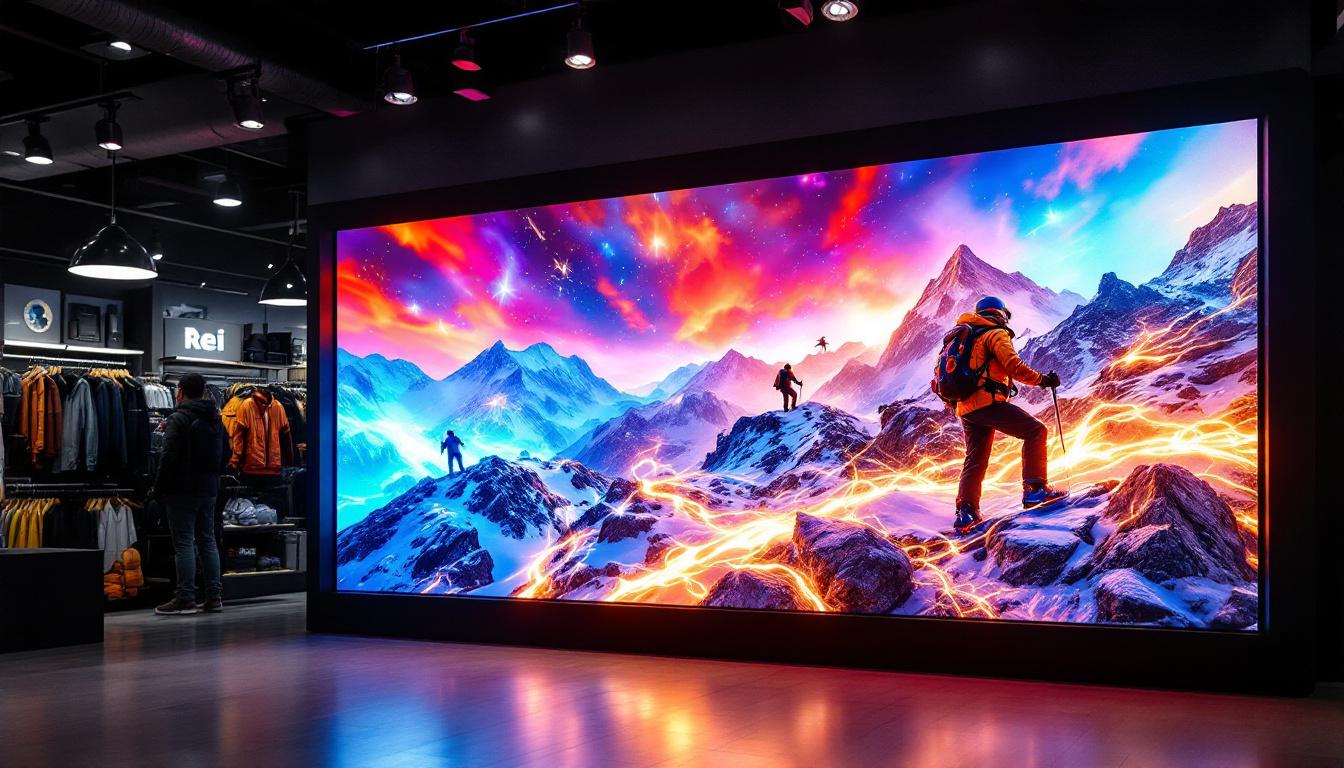
Retailers use indoor LED displays to create immersive shopping experiences, showcasing promotions and product information with vibrant visuals. The adaptability of LED screens allows marketers to tailor messages to specific audiences, increasing engagement and conversion rates.
Sports and Entertainment Venues
Stadiums and arenas utilize large-scale LED displays to enhance the spectator experience. From live game footage to instant replays and interactive content, LED screens keep audiences engaged and informed.
Concerts and festivals also benefit from LED technology, with stage backdrops and ambient lighting that synchronize with performances, creating memorable visual spectacles.
Corporate and Educational Environments
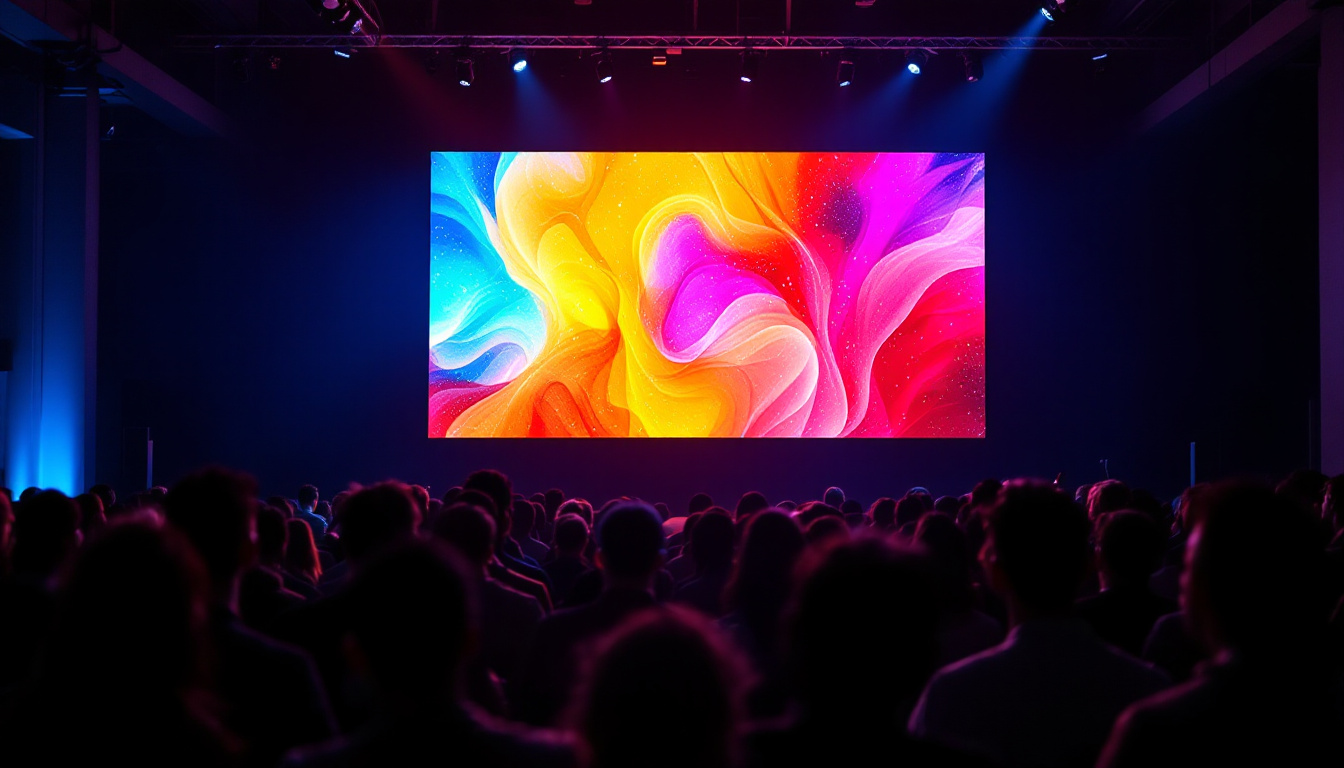
In corporate settings, LED displays are used for presentations, digital signage, and video conferencing. Their clarity and brightness ensure that information is conveyed effectively, even in large meeting rooms or auditoriums.
Educational institutions employ LED screens for interactive learning, announcements, and event coverage, enhancing communication with students and staff.
What to Expect at the Next Rei Sale
The Next Rei Sale is anticipated to be a significant event for those interested in the latest LED display technologies. Industry leaders, manufacturers, and technology enthusiasts will gather to showcase innovative products and solutions.
Showcasing Cutting-Edge LED Displays
Attendees can expect to see a wide range of LED display options, including ultra-high-definition panels, flexible and transparent LED screens, and energy-efficient models designed for various environments. Demonstrations will highlight advancements in pixel pitch, color accuracy, and brightness control.
Expert Insights and Educational Sessions
The event will feature seminars and workshops led by industry experts, covering topics such as LED display installation best practices, content management strategies, and emerging trends like micro-LED and mini-LED technologies. These sessions aim to equip attendees with the knowledge to make informed purchasing decisions.
Networking Opportunities
Next Rei Sale offers a platform for networking with manufacturers, distributors, and technology integrators. This interaction can foster partnerships and collaborations that drive innovation and business growth in the LED display sector.
Choosing the Right LED Display for Your Needs
Selecting an LED display involves considering several factors to ensure the technology aligns with your specific requirements and budget.
Assessing Viewing Distance and Resolution
The pixel pitch, or the distance between individual LEDs, determines the display’s resolution and clarity. For close-range viewing, such as indoor retail or corporate environments, a smaller pixel pitch (1-2 mm) is ideal to provide sharp images. For outdoor billboards viewed from a distance, a larger pixel pitch (10 mm or more) is sufficient and more cost-effective.
Evaluating Environmental Conditions
Outdoor LED displays must withstand weather elements including rain, wind, and temperature fluctuations. Look for displays with appropriate IP ratings (Ingress Protection) to ensure durability. Indoor displays, while not exposed to harsh weather, should still be assessed for factors like ambient lighting and mounting options.
Considering Power Consumption and Maintenance
Energy-efficient models reduce operational costs and environmental impact. Additionally, consider the ease of maintenance and availability of technical support, as these factors affect the total cost of ownership over the display’s lifespan.
Future Trends in LED Display Technology
The LED display industry is evolving rapidly, with several emerging trends poised to shape the future of digital signage and visual communication.
Micro-LED and Mini-LED Innovations
Micro-LED technology uses microscopic LEDs to deliver even higher resolution and brightness with improved energy efficiency. This advancement is expected to revolutionize displays in smartphones, TVs, and large-scale signage, offering superior image quality and longevity.
Flexible and Transparent Displays
Flexible LED panels enable curved and irregularly shaped displays, opening new possibilities for creative installations in retail and architecture. Transparent LED displays allow light and visibility through the screen, ideal for storefront windows and augmented reality applications.
Integration with Artificial Intelligence
AI-powered LED displays can dynamically adjust content based on audience demographics, weather conditions, and real-time data analytics. This capability enhances engagement and delivers personalized experiences, making advertising more effective and relevant.
Conclusion
LED display technology continues to advance, offering unparalleled brightness, flexibility, and energy efficiency. The Next Rei Sale represents an excellent opportunity to explore the latest innovations and find solutions tailored to diverse applications, from advertising to corporate communications.
Understanding the fundamentals of LED displays, their advantages, and how to select the right product is essential for businesses and organizations looking to leverage this dynamic technology. As the industry evolves with new trends like micro-LED and AI integration, staying informed will help stakeholders maximize the impact of their visual communications.
Discover LumenMatrix LED Display Solutions
Ready to elevate your visual communication strategy with cutting-edge LED technology? Look no further than LumenMatrix, a pioneer in crafting LED display modules that transform your brand’s presence and captivate your audience. From versatile Indoor and Outdoor LED Wall Displays to innovative solutions like Vehicle LED Displays, LED Posters, and Transparent LED Displays, LumenMatrix offers a wide array of products designed to make a lasting impression. Embrace the future of digital signage and create immersive experiences with our LED Sports Displays, Floor LED Displays, and Custom LED solutions. Don’t miss the chance to revolutionize your advertising and information dissemination. Check out LumenMatrix LED Display Solutions today and share your message with unparalleled impact and clarity.