In today’s digital age, LED displays have become an integral part of our daily lives, from smartphones and televisions to massive outdoor billboards. Understanding the dimensions of these screens, especially the diagonal measurement, is crucial for consumers, designers, and businesses alike. The diagonal screen size not only influences viewing experience but also impacts installation, compatibility, and cost considerations. This comprehensive article delves into the concept of diagonal screen measurement, the role of LED technology, and how to accurately calculate and interpret these dimensions for various applications.
Understanding Screen Size: Why the Diagonal Matters
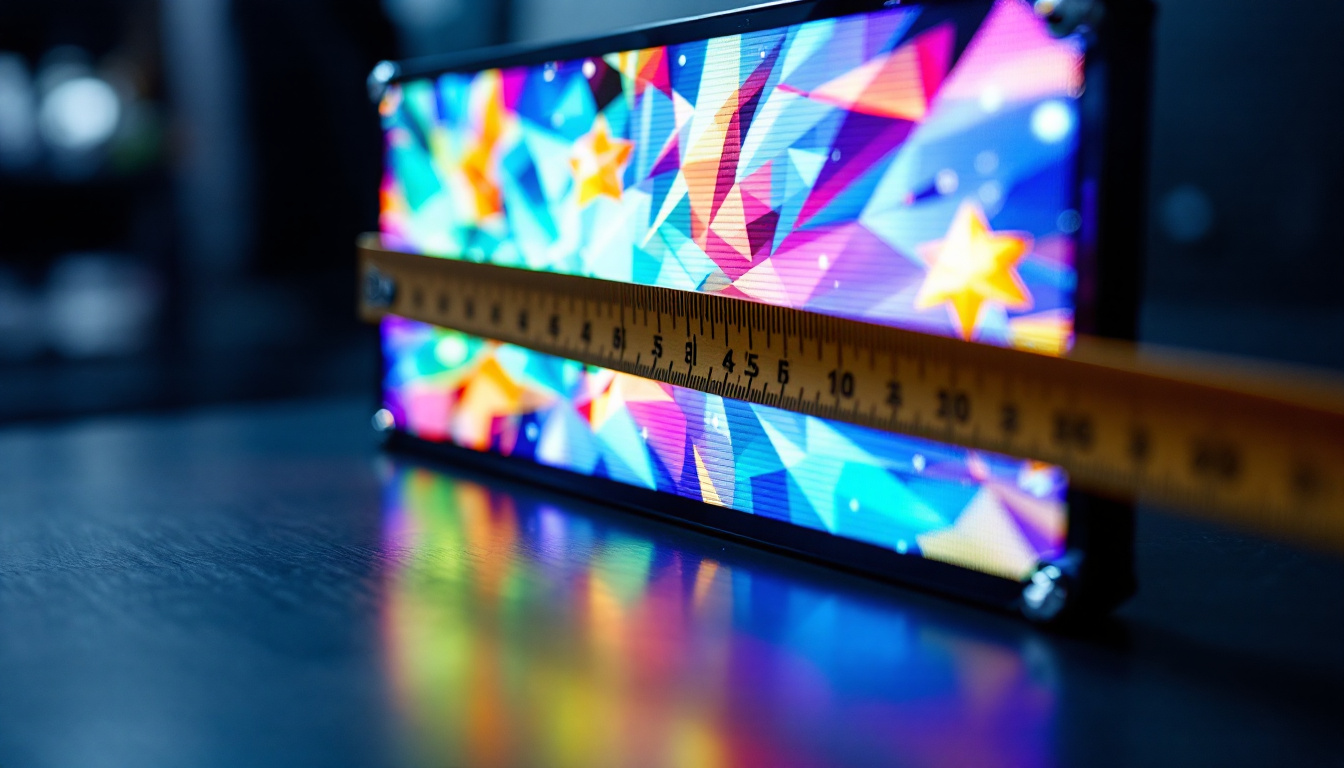
The size of a screen is most commonly expressed as the length of its diagonal, measured from one corner to the opposite corner. This standard measurement method is used globally for all types of displays, including LED screens, LCDs, and OLEDs. But why is the diagonal the preferred metric?
Measuring the diagonal provides a consistent way to compare screens of different aspect ratios. For example, a 55-inch TV with a 16:9 aspect ratio will have different width and height dimensions than a 55-inch monitor with a 21:9 aspect ratio, but the diagonal measurement remains the same. This uniformity simplifies marketing, purchasing decisions, and technical specifications.
Moreover, the diagonal measurement correlates closely with the viewing experience. Larger diagonals generally mean a more immersive experience, especially when combined with appropriate resolution and viewing distance. However, the diagonal alone does not tell the whole story; understanding the screen’s width, height, and pixel density is equally important.
The Relationship Between Aspect Ratio and Diagonal Size
Aspect ratio is the proportional relationship between a screen’s width and height, expressed as two numbers separated by a colon (e.g., 16:9). This ratio affects how the diagonal measurement translates into actual width and height.
For instance, a 55-inch screen with a 16:9 aspect ratio will have a width of approximately 47.9 inches and a height of about 27 inches. In contrast, a 55-inch screen with a 4:3 aspect ratio will be narrower and taller. This is why understanding aspect ratio is essential when interpreting diagonal measurements, especially for LED displays used in specialized applications like digital signage or video walls.
Additionally, the choice of aspect ratio can significantly influence the content being displayed. For example, widescreen formats such as 16:9 are ideal for watching movies and playing video games, as they provide a cinematic experience that fills the viewer’s peripheral vision. On the other hand, a 4:3 aspect ratio may be more suitable for traditional photography or specific types of presentations, where a taller display can enhance readability and focus on the content. As media consumption habits evolve, manufacturers are increasingly experimenting with unconventional aspect ratios to cater to diverse viewing preferences, leading to the emergence of ultra-wide screens that offer expansive real estate for multitasking and immersive gaming experiences.
Furthermore, the impact of screen size and aspect ratio extends beyond personal use; it plays a crucial role in professional settings as well. In industries such as graphic design, video editing, and gaming, the right combination of screen size and aspect ratio can enhance productivity and creativity. Designers may prefer wider screens to view multiple palettes and tools simultaneously, while video editors benefit from larger displays that allow for precise editing and a better overview of timelines. As technology continues to advance, understanding these nuances becomes increasingly important for both consumers and professionals alike, ensuring that they make informed choices that align with their specific needs and preferences.
LED Displays: Technology and Applications
Light Emitting Diode (LED) technology has revolutionized display screens by offering vibrant colors, high brightness, and energy efficiency. Unlike traditional LCDs that rely on backlighting, LEDs emit light directly, allowing for thinner panels and better contrast ratios.
LED displays come in various forms, including:
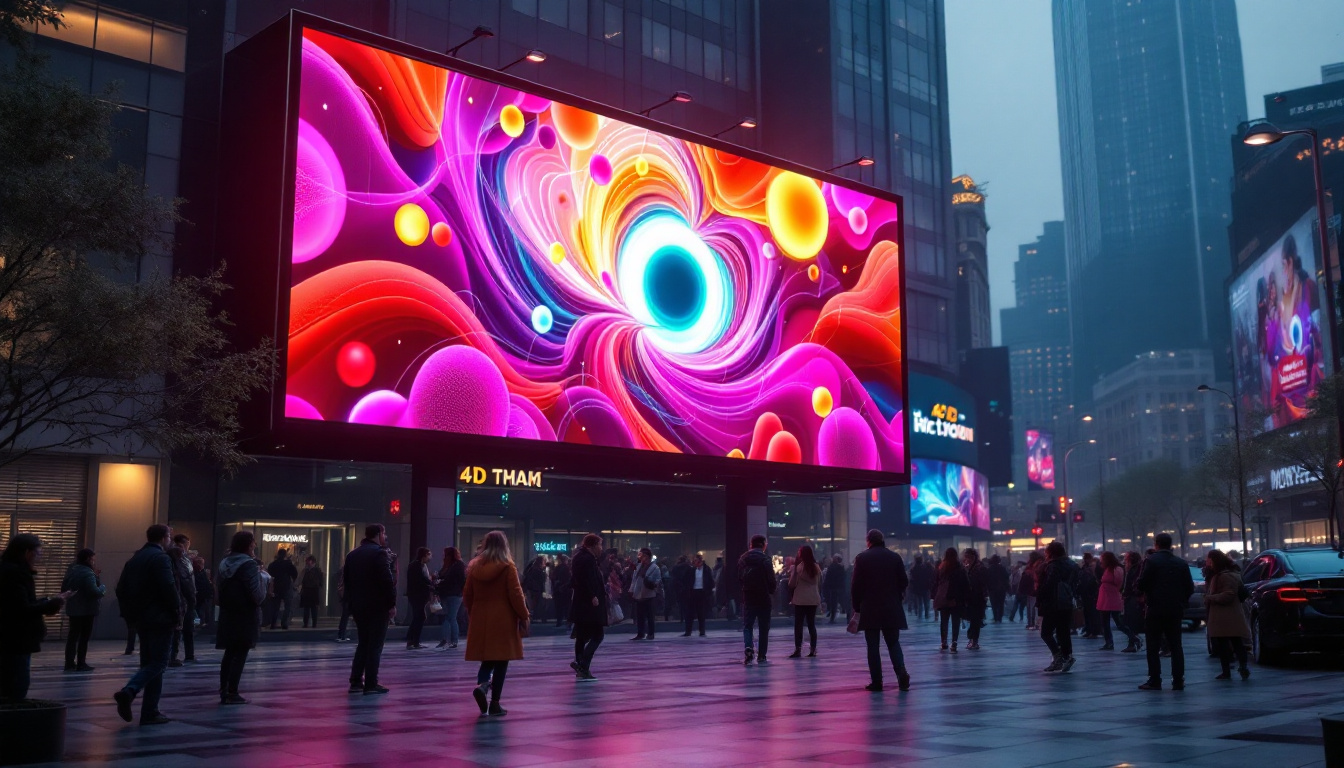
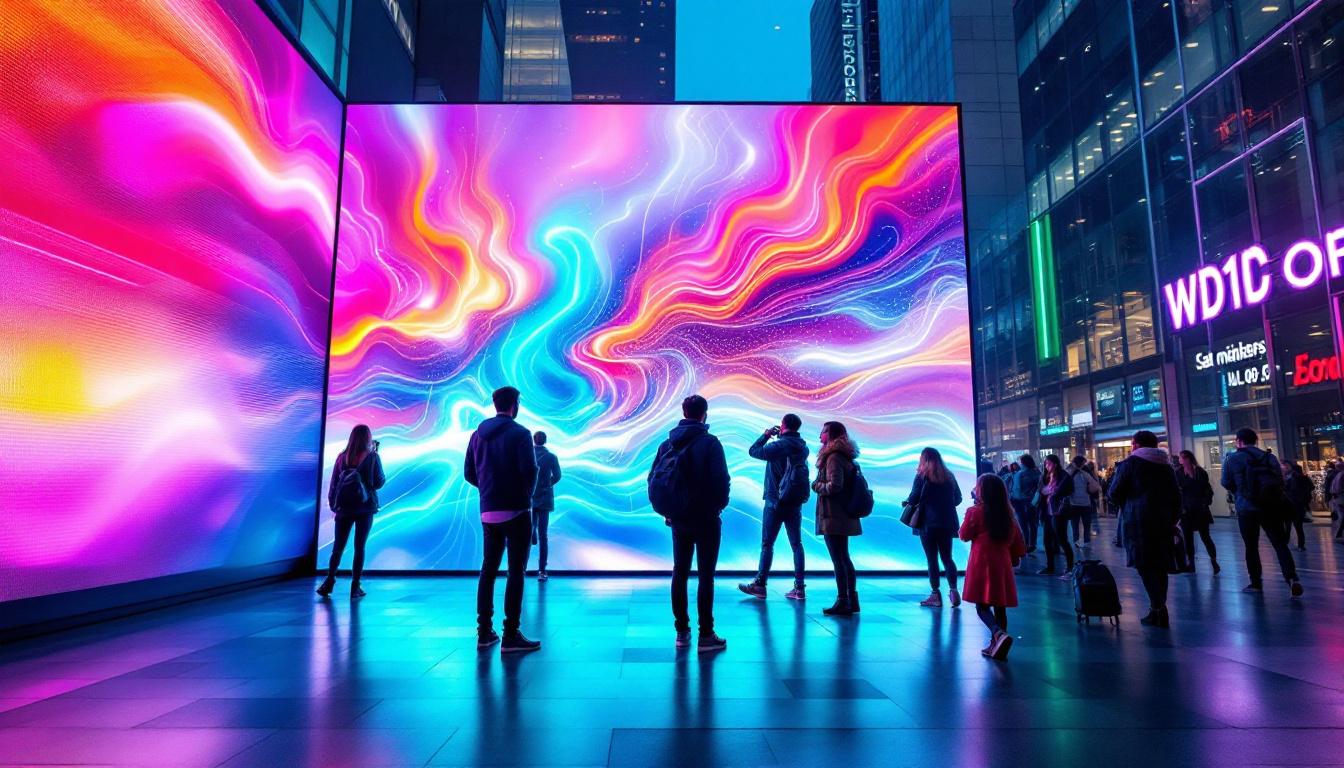
- Direct View LED (DVLED): These are large-scale displays made up of individual LEDs, commonly used in stadiums, billboards, and public information screens.
- LED-backlit LCDs: Most consumer TVs and monitors use LED backlighting to enhance picture quality.
- MicroLED: An emerging technology that uses microscopic LEDs for each pixel, promising superior brightness and longevity.
The choice of LED technology influences the screen’s physical dimensions, pixel density, and ultimately, the diagonal measurement’s relevance.
Why Diagonal Measurement is Critical for LED Displays
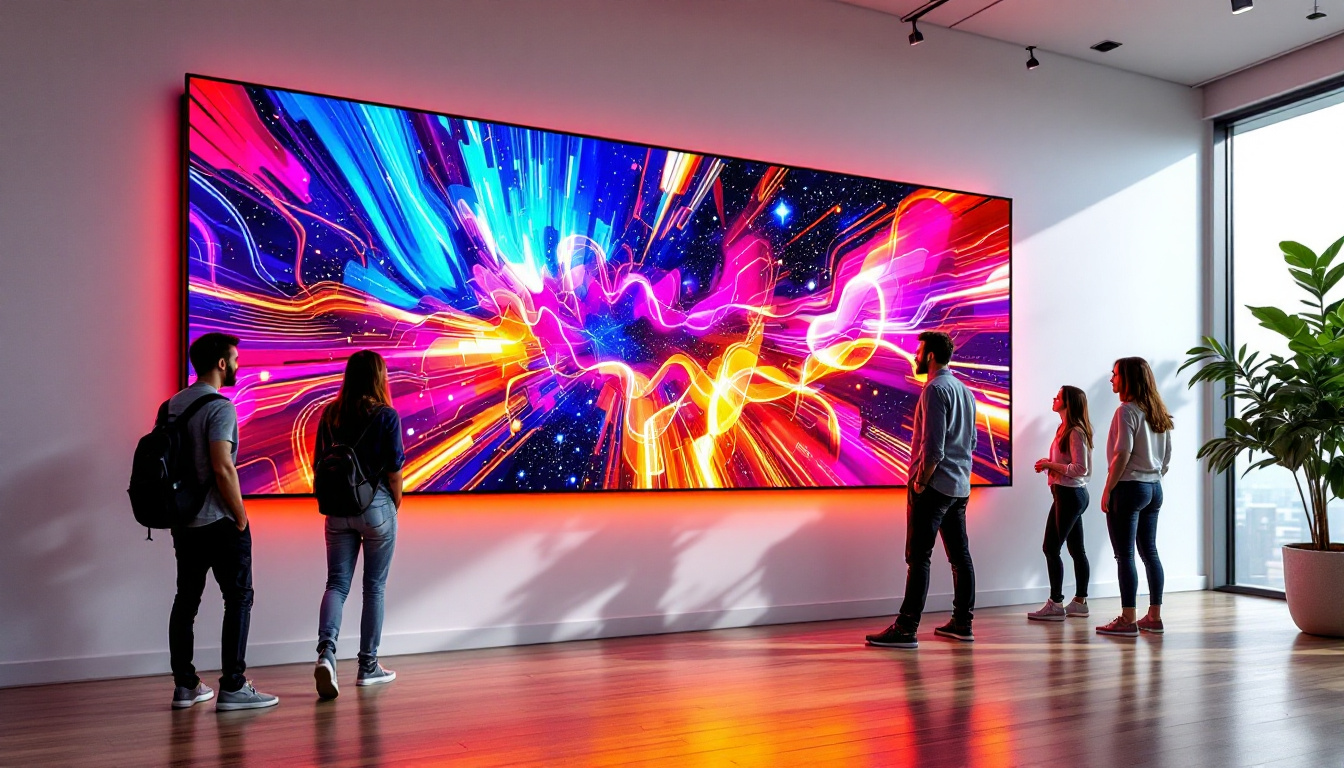
For LED displays, especially large-format direct view models, the diagonal size helps determine the viewing distance and pixel pitch required for optimal image clarity. Pixel pitch, the distance between individual LEDs, affects resolution and sharpness. A larger diagonal screen with a coarse pixel pitch may look pixelated up close but perfect from afar.
Understanding the diagonal size also aids in logistics and installation planning. Large LED walls must fit within architectural constraints, and knowing the exact diagonal helps ensure compatibility with mounting structures and transport limitations.
How to Calculate the Diagonal Screen Size
Calculating the diagonal of a screen is a straightforward application of the Pythagorean theorem. Given the width (W) and height (H) of the screen, the diagonal (D) is calculated as:
D = √(W² + H²)
This formula applies regardless of the screen technology or aspect ratio. However, in many cases, only the diagonal and aspect ratio are known, and the width and height need to be derived.
Deriving Width and Height from Diagonal and Aspect Ratio
Given a diagonal measurement (D) and an aspect ratio expressed as W:H, the width and height can be calculated using the following steps:
- Convert the aspect ratio to a decimal ratio: r = W / H
- Calculate the height: H = D / √(r² + 1)
- Calculate the width: W = r × H
For example, for a 65-inch screen with a 16:9 aspect ratio:
- r = 16 / 9 ≈ 1.78
- H = 65 / √(1.78² + 1) ≈ 31.9 inches
- W = 1.78 × 31.9 ≈ 56.8 inches
These dimensions help in planning space requirements and understanding the physical footprint of the display.
Using Online Diagonal Screen Calculators
While manual calculations are useful, many online diagonal screen calculators simplify the process by allowing users to input known parameters and instantly receive width, height, and diagonal measurements. These tools often include options for different aspect ratios and units of measurement, making them accessible for various industries and user needs.
For professionals working with LED displays, such calculators can save time and reduce errors during the design and procurement phases.
Practical Considerations When Choosing LED Screen Size
Choosing the right LED screen size involves more than just diagonal measurement. Several factors influence the decision, including viewing distance, resolution, installation environment, and budget.
Viewing Distance and Screen Size
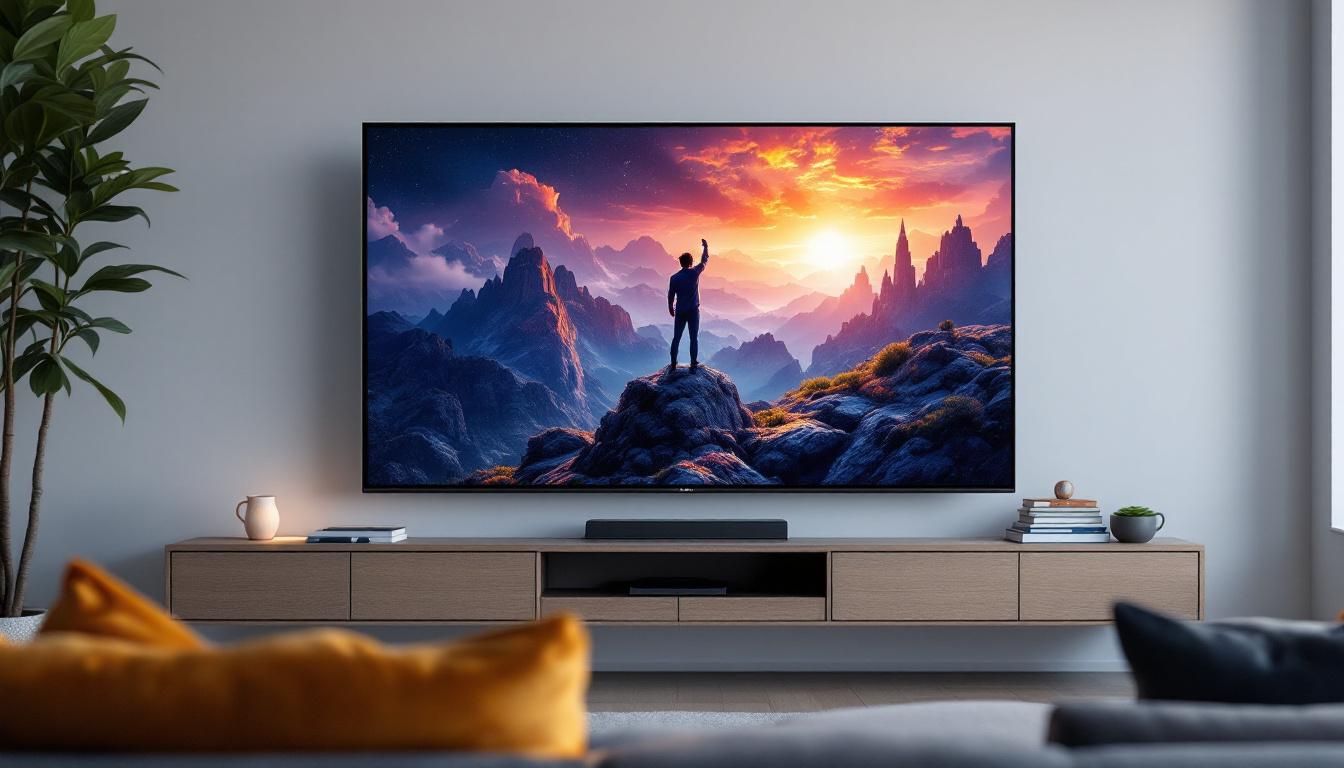
The optimal viewing distance depends on the screen’s diagonal size and resolution. A general rule is that the viewing distance should be approximately 1.5 to 2.5 times the diagonal size for HD displays. For example, a 55-inch screen is best viewed from about 6.5 to 11.5 feet away.
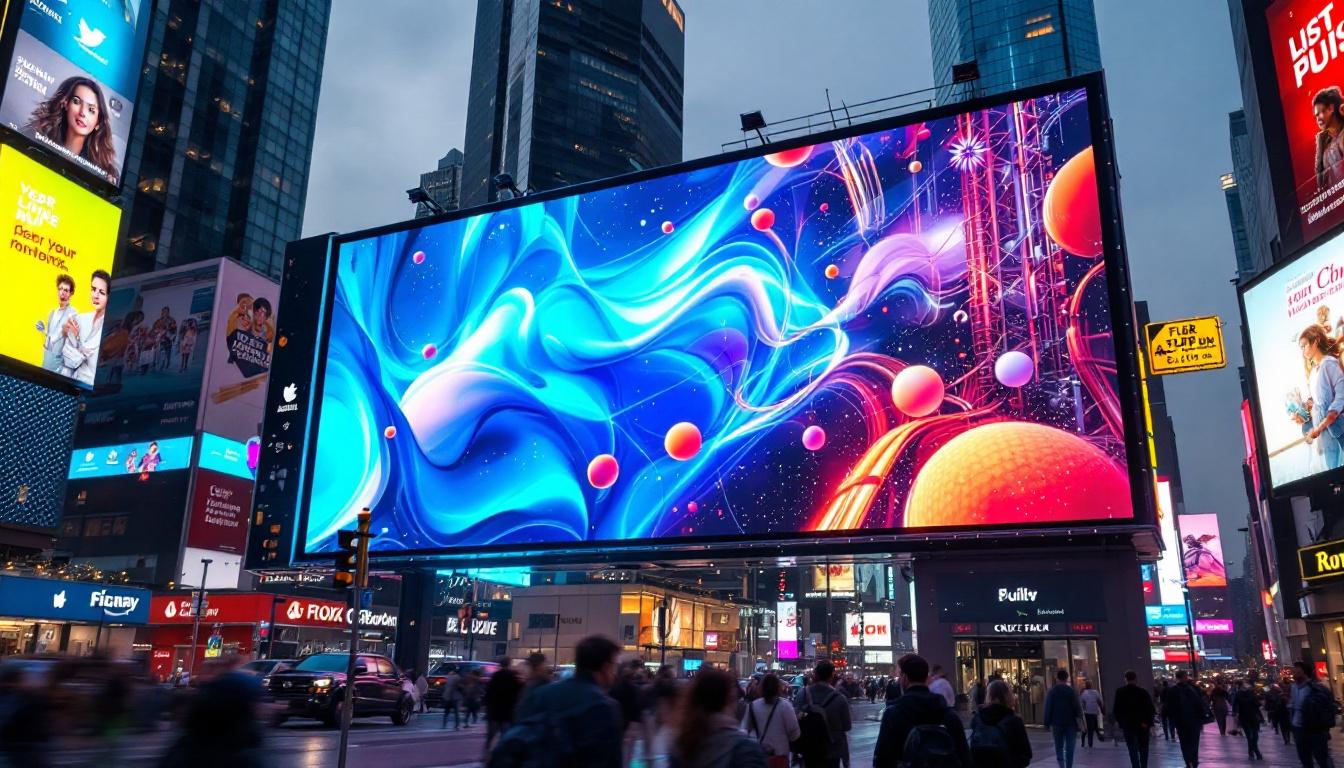
For large LED billboards or stadium screens, viewing distances can range from tens to hundreds of feet, allowing for larger pixel pitches and bigger diagonal sizes without sacrificing image clarity.
Resolution and Pixel Density
Resolution, measured in pixels, combined with screen size, determines pixel density (pixels per inch, PPI). Higher pixel density means sharper images but requires more processing power and higher costs.
For LED displays, pixel pitch is a critical metric. Smaller pixel pitch means higher resolution and closer optimal viewing distance. When selecting a screen size, balancing diagonal measurement with pixel pitch ensures the display meets visual requirements.
Installation Environment and Physical Constraints
Physical space, mounting options, and environmental factors such as lighting and weather conditions influence LED screen size choices. Outdoor LED displays often require higher brightness and weatherproofing, which can affect thickness and weight.
Understanding the diagonal size helps in assessing whether the screen fits the intended location and complies with structural limits.
Common Misconceptions About Screen Size and Diagonal Measurement
Despite its widespread use, the diagonal measurement can sometimes lead to misunderstandings among consumers and professionals.
Diagonal Size Does Not Equal Viewable Area
Two screens with the same diagonal size but different aspect ratios will have different viewable areas. For example, a 32-inch 4:3 monitor has less screen area than a 32-inch 16:9 monitor. This distinction is important when comparing devices based solely on diagonal size.
Diagonal Size Alone Does Not Indicate Quality
A larger diagonal does not guarantee better image quality. Factors such as resolution, panel technology, brightness, and color accuracy are equally important. For LED displays, pixel pitch and refresh rate also significantly impact performance.
Marketing May Inflate Screen Size
Some manufacturers include bezel or casing in their measurements, which can mislead consumers about the actual screen size. Always verify whether the diagonal measurement refers to the active display area.
Conclusion: Maximizing LED Display Effectiveness Through Accurate Measurement
The diagonal screen size remains a fundamental metric for understanding and comparing LED displays. By grasping how diagonal measurement relates to aspect ratio, resolution, and pixel pitch, users can make informed decisions tailored to their specific needs.
Whether selecting a television for home entertainment, designing a digital signage solution, or installing a massive outdoor LED billboard, accurate calculation and interpretation of screen dimensions are essential. Leveraging diagonal screen calculators and considering practical factors ensures optimal viewing experiences, efficient use of space, and cost-effective investments in LED technology.
As LED technology continues to evolve, integrating new advancements like MicroLED and flexible displays, the principles of screen measurement will remain a cornerstone for both consumers and professionals navigating the dynamic world of digital displays.
Discover LumenMatrix’s Advanced LED Display Solutions
Ready to experience the pinnacle of LED display technology? LumenMatrix invites you to explore our extensive range of innovative LED display modules. From the immersive Indoor LED Wall Display to the dynamic Outdoor LED Wall Display, and from the mobile versatility of Vehicle LED Displays to the sleek design of LED Poster Displays, we have solutions that cater to every need. Our mission is to transform visual communication with LED Sports Displays, interactive Floor LED Displays, and Custom LED Displays tailored to your unique requirements. Embrace the future with our All-in-One LED Display and LED Transparent Display options. Elevate your brand’s visibility and captivate your audience with displays that embody clarity and impact. Check out LumenMatrix LED Display Solutions and join the visual revolution today.