What Is LCD Monitors: LED Display Explained
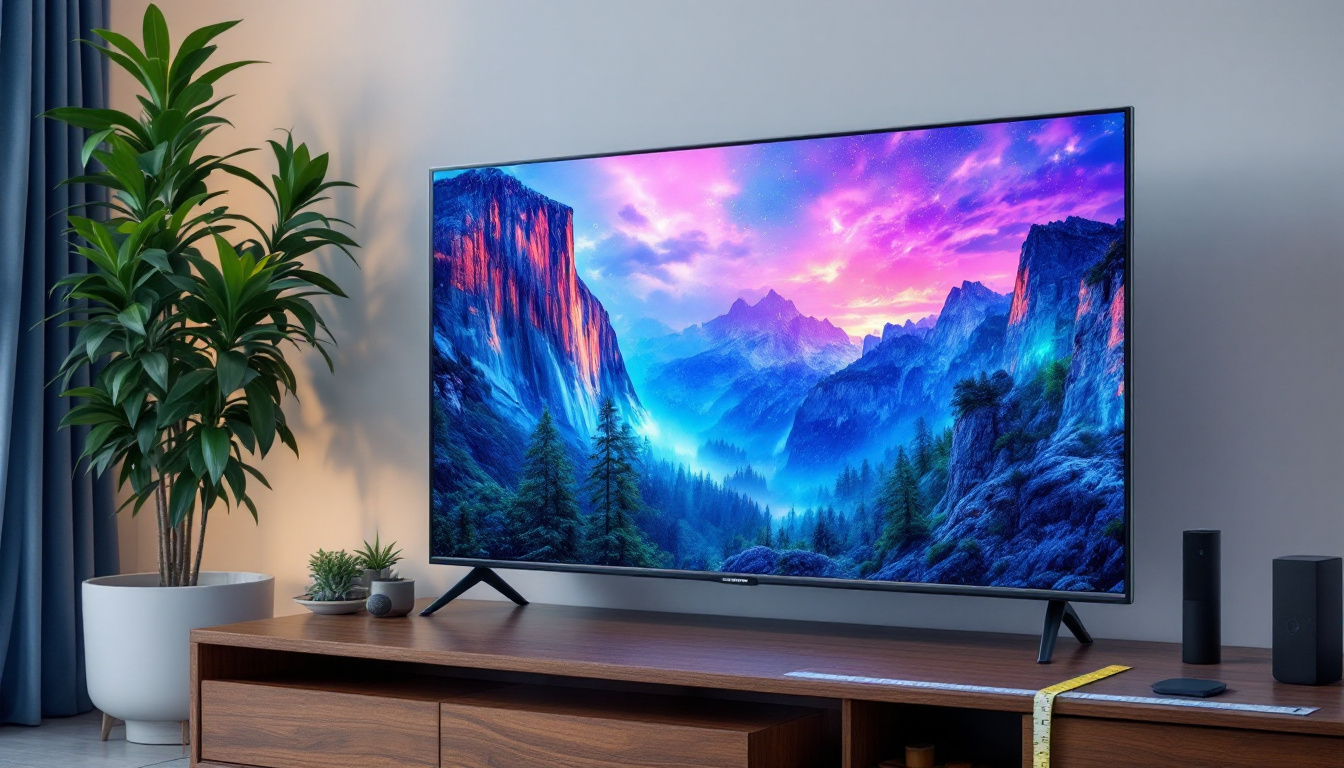
In the realm of computer displays, the terms LCD and LED are often used interchangeably, yet they represent distinct technologies that power the screens we interact with daily. Understanding what LCD monitors are and how LED displays enhance them is essential for anyone looking to purchase a new monitor, upgrade their setup, or simply deepen their knowledge about display technology. This comprehensive guide will explain the fundamentals of LCD monitors, clarify the role of LED backlighting, and explore the advantages and limitations of these technologies in today’s market.
Understanding LCD Technology
What Does LCD Stand For?
LCD stands for Liquid Crystal Display. This technology uses liquid crystals that do not emit light directly but manipulate light to produce images. The liquid crystals are sandwiched between two layers of polarized glass or plastic, and when an electric current passes through them, they align to allow varying amounts of light to pass through, creating the images we see on the screen. The unique properties of liquid crystals allow them to change their optical characteristics in response to electric fields, making them ideal for display technology.
How Do LCD Monitors Work?
Unlike older cathode ray tube (CRT) monitors, LCDs rely on a backlight to illuminate the screen. The liquid crystals themselves are not self-luminous. The backlight shines through the liquid crystal layer, and the crystals adjust to block or allow light through in specific patterns, forming pixels that create the display image. This backlighting can be achieved through various methods, including traditional fluorescent tubes or more modern LED technology, which offers improved energy efficiency and brightness.
Each pixel on an LCD screen is composed of three sub-pixels: red, green, and blue. By varying the intensity of these sub-pixels, the monitor can display a full spectrum of colors. This process happens rapidly and continuously, allowing for smooth images and video playback. Additionally, advancements in color calibration and processing have enabled LCD monitors to achieve greater accuracy in color reproduction, making them a preferred choice for photographers and videographers who require precise color fidelity.
The Evolution of LCD Monitors
LCD technology has evolved significantly since its inception in the 1960s. Early LCDs were monochrome and used primarily for calculators and digital watches. It wasn’t until the late 1990s and early 2000s that LCD monitors became mainstream for computer displays, largely replacing CRTs due to their slimmer profile, lower power consumption, and reduced eye strain. As LCD technology progressed, manufacturers began to experiment with different types of LCDs, such as Twisted Nematic (TN), In-Plane Switching (IPS), and Vertical Alignment (VA), each offering distinct advantages in terms of viewing angles, color accuracy, and response times.
Today’s LCD monitors boast high resolutions, wide color gamuts, and fast refresh rates, making them suitable for everything from office work to gaming and professional graphic design. The introduction of 4K and even 8K displays has pushed the boundaries of resolution, providing users with breathtaking detail and clarity. Moreover, features like adaptive sync technology have enhanced the gaming experience by reducing screen tearing and stuttering, allowing for a more immersive experience. As technology continues to advance, we can expect even more innovations in LCD design and functionality, further solidifying their place in the world of digital displays.
What Is LED in LCD Monitors?
Clarifying the Terminology: LED vs. LCD
A common source of confusion is the term “LED monitor.” Technically, all LED monitors are a type of LCD monitor. The key difference lies in the type of backlighting used. Traditional LCD monitors used cold cathode fluorescent lamps (CCFLs) for backlighting, whereas LED monitors use light-emitting diodes (LEDs) for this purpose.
Therefore, when people say “LED monitor,” they are referring to an LCD monitor that uses LED backlighting instead of CCFL backlighting.
Types of LED Backlighting
LED backlighting comes in two main forms:
- Edge-Lit LED: LEDs are placed along the edges of the screen, and light is diffused across the display. This design allows for thinner monitors but can sometimes result in uneven brightness.
- Full-Array LED: LEDs are placed directly behind the screen in a grid pattern. This allows for more precise control of brightness and contrast, especially when combined with local dimming technology, which can turn off LEDs in dark areas of the screen to improve black levels.
Advantages of LED Backlighting
LED backlighting offers several benefits over traditional CCFL backlighting:
- Energy Efficiency: LEDs consume less power, contributing to lower electricity bills and longer battery life in portable devices.
- Thinner and Lighter Designs: LED backlights are smaller, enabling slimmer monitor profiles.
- Improved Brightness and Contrast: LED monitors generally provide better brightness levels and more vibrant colors.
- Longer Lifespan: LEDs tend to last longer and are more durable than CCFLs.
Key Features and Specifications of LCD Monitors with LED Backlighting
Resolution and Screen Size
Resolution refers to the number of pixels displayed on the screen, typically measured in width × height (e.g., 1920×1080 for Full HD). Higher resolutions provide sharper images and more workspace on the screen. Common resolutions today include Full HD (1080p), Quad HD (1440p), and 4K Ultra HD (2160p).
Screen size is measured diagonally and ranges widely from compact 19-inch monitors to expansive 34-inch ultrawide displays. The choice depends on user needs, desk space, and budget.
Refresh Rate and Response Time
Refresh rate, measured in hertz (Hz), indicates how many times the display updates per second. Standard monitors have 60Hz, but gaming and professional monitors can reach 120Hz, 144Hz, or even 240Hz, providing smoother motion and less blur.
Response time measures how quickly a pixel changes color, typically in milliseconds (ms). Lower response times reduce ghosting and motion blur, essential for fast-paced gaming and video editing.
Color Accuracy and Gamut
Color accuracy is critical for tasks like photo editing, video production, and design. Monitors that cover a wide color gamut (such as Adobe RGB or DCI-P3) and offer factory calibration provide more precise and vibrant colors.
Many professional-grade LCD monitors with LED backlighting include features like 10-bit color depth and hardware calibration support.
Connectivity Options
Modern LCD monitors offer a variety of input ports, including HDMI, DisplayPort, USB-C, and sometimes legacy VGA or DVI. USB hubs and audio jacks are also common, enhancing the monitor’s versatility.
Applications and Use Cases for LCD Monitors with LED Displays
Everyday Computing and Office Work
For general use such as web browsing, document editing, and video streaming, LCD monitors with LED backlighting provide clear, bright displays that reduce eye strain. Features like flicker-free technology and blue light filters are increasingly common to improve comfort during extended use.
Gaming and Entertainment
Gamers benefit from LCD monitors with high refresh rates (144Hz or above) and low response times. LED backlighting enables vibrant colors and deep contrast, enhancing immersive gameplay experiences. Technologies such as NVIDIA G-Sync and AMD FreeSync help reduce screen tearing and stuttering.
Professional Creative Work
Graphic designers, photographers, and video editors require monitors with excellent color accuracy and wide color gamuts. High-end LCD monitors with LED backlighting often come factory-calibrated and support advanced color profiles, making them indispensable tools in creative workflows.
Medical and Industrial Applications
Specialized LCD monitors with LED backlighting are used in medical imaging, CAD design, and other fields requiring precise and reliable displays. Their ability to produce consistent brightness and color accuracy is crucial for critical tasks.
Limitations and Considerations
Viewing Angles
While LCD monitors have improved, some models still suffer from limited viewing angles, where colors and contrast shift when viewed from the side. This is less of an issue with IPS (In-Plane Switching) panels, which offer wider viewing angles compared to TN (Twisted Nematic) or VA (Vertical Alignment) panels.
Black Levels and Contrast
LCD technology inherently struggles with producing true blacks because the backlight is always on. Although LED backlighting with local dimming helps, OLED displays outperform LCDs in this regard by emitting light on a per-pixel basis.
Price Considerations
High-end LCD monitors with advanced LED backlighting and features can be expensive. Buyers should balance their needs against budget constraints, considering factors like resolution, refresh rate, and color accuracy.
The Future of LCD and LED Display Technology
Mini-LED and Micro-LED Innovations
Emerging technologies such as Mini-LED and Micro-LED promise to bridge the gap between LCD and OLED displays. Mini-LED uses thousands of tiny LEDs for backlighting, enabling finer local dimming zones and improved contrast. Micro-LED, still in development, offers self-emissive pixels like OLED but with higher brightness and longevity.
Integration with HDR and 8K Resolution
High Dynamic Range (HDR) support is becoming standard in premium LCD monitors with LED backlighting, delivering brighter highlights and richer colors. Additionally, 8K resolution monitors are entering the market, pushing the boundaries of image clarity and detail for professional and enthusiast users.
Conclusion
LCD monitors with LED backlighting represent the dominant display technology in the market today, combining energy efficiency, slim design, and excellent image quality. Understanding the distinctions between LCD and LED, the types of backlighting, and the key specifications can help consumers make informed decisions tailored to their needs.
Whether for everyday computing, gaming, creative work, or specialized applications, LCD monitors with LED displays continue to evolve, offering improved performance and new features that enhance the user experience. As display technology advances with innovations like Mini-LED and Micro-LED, the future promises even more vibrant, efficient, and immersive screens.
Discover Cutting-Edge LED Display Solutions
As you consider the advancements and future of display technology, LumenMatrix stands at the forefront, offering innovative LED display modules that take visual experiences to the next level. From captivating Indoor and Outdoor LED Wall Displays to dynamic Vehicle and Sports LED Displays, our solutions are designed to revolutionize visual communication. Explore our diverse range of products, including the sleek LED Poster Display, interactive Floor LED Display, versatile All-in-One LED Display, and the stunning LED Transparent Display. Embrace the future with LumenMatrix and enhance your brand visibility and audience engagement. Check out LumenMatrix LED Display Solutions today and empower your business to communicate with impact and clarity.