In the rapidly evolving world of display technology, programmable LED light panels have emerged as a versatile and powerful solution for a wide range of applications. From advertising billboards and dynamic architectural lighting to interactive art installations and smart home systems, these panels offer unmatched flexibility and visual impact. This article dives deep into the technology behind programmable LED light panels, explaining how they work, their key components, and their practical uses across various industries.
Understanding LED Technology: The Foundation of Programmable Light Panels
Light Emitting Diodes, or LEDs, are semiconductor devices that emit light when an electric current passes through them. Unlike traditional incandescent bulbs, LEDs are highly energy-efficient, durable, and capable of producing vibrant colors with minimal heat generation. These advantages make LEDs the preferred choice for modern lighting and display solutions.
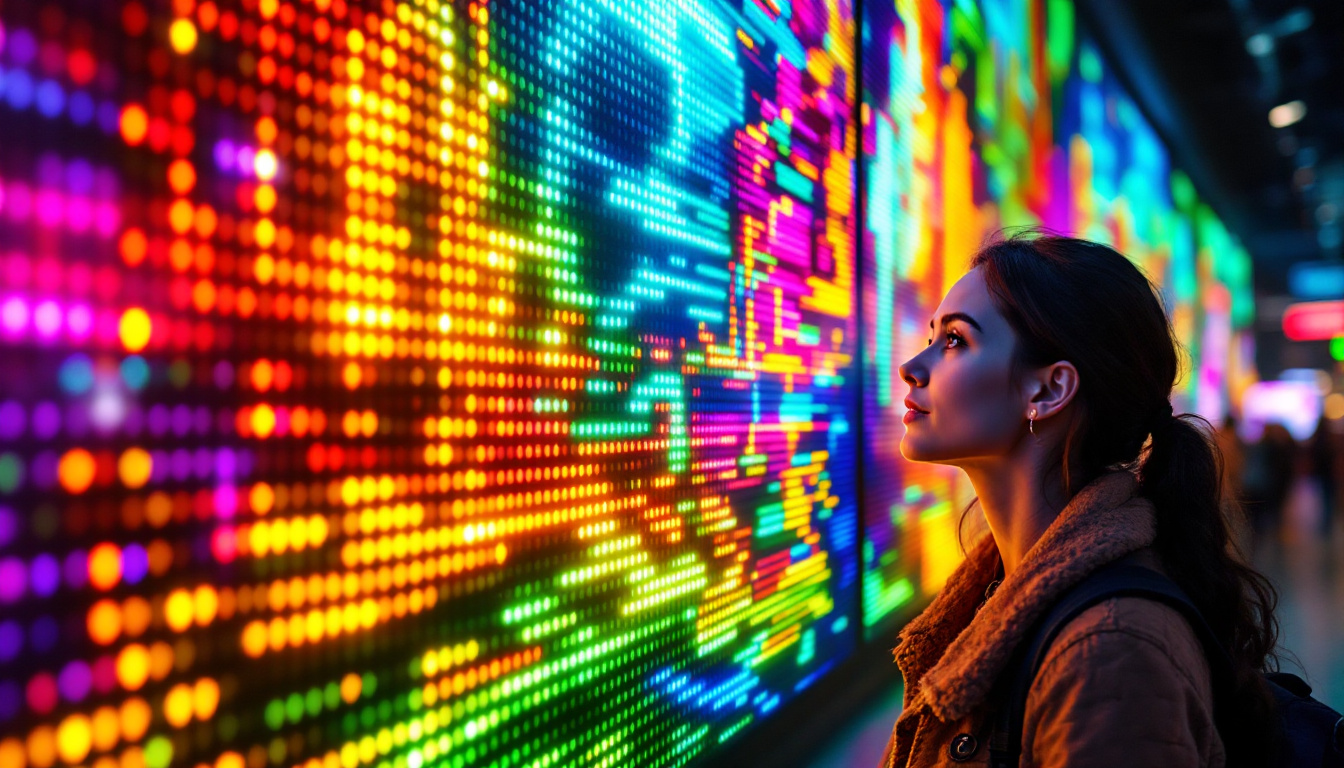
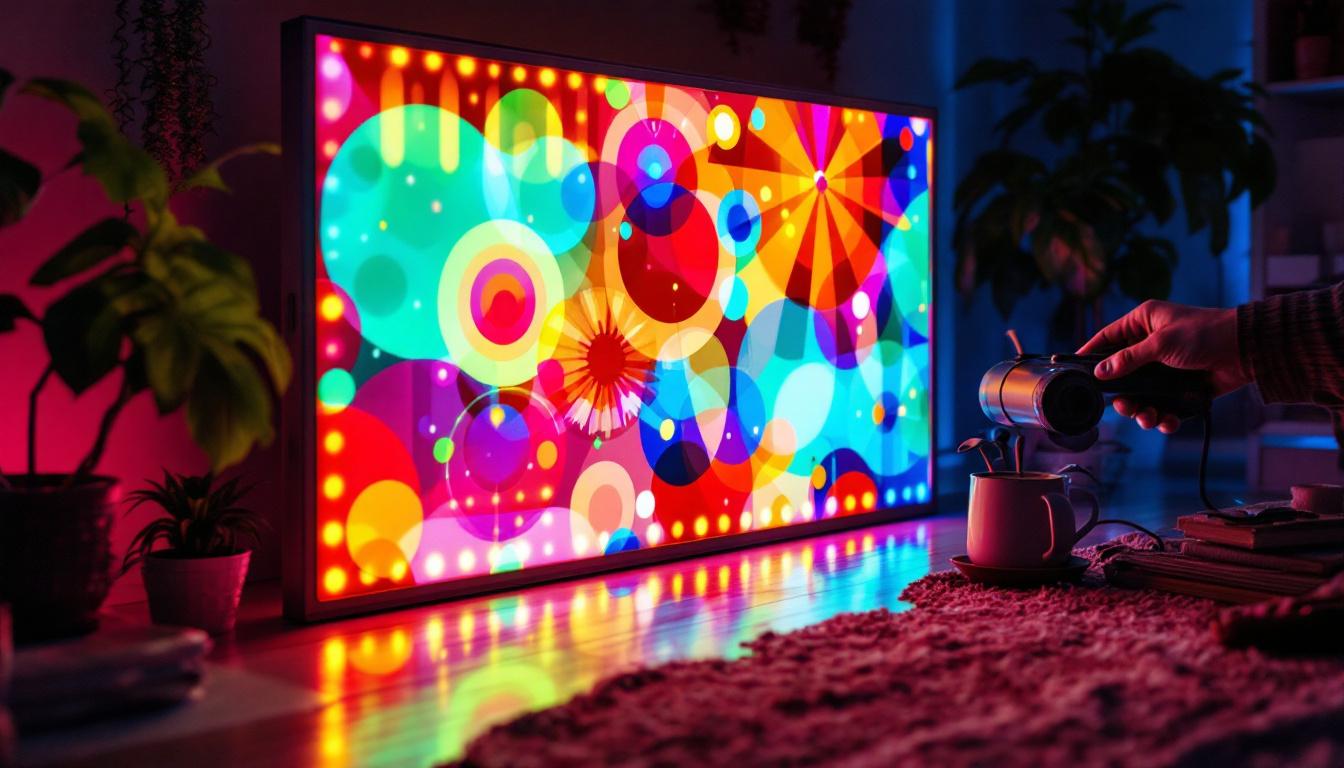
Programmable LED light panels consist of an array of these tiny LEDs arranged in a grid, which can be individually controlled to display images, text, animations, or color patterns. The ability to program each LED independently allows for dynamic content that can be updated in real-time, offering a level of customization that static displays cannot match.
How LEDs Work
At the heart of every LED is a semiconductor chip that emits photons when electrons recombine with holes in the material. The color of the light depends on the semiconductor material’s bandgap. Common LED colors include red, green, blue, and white, with RGB LEDs combining red, green, and blue diodes to produce a full spectrum of colors through color mixing.
This fundamental principle enables LED panels to create millions of colors by adjusting the intensity of each RGB diode, making them ideal for vibrant and eye-catching displays.
Types of LEDs Used in Panels
LEDs used in programmable panels vary in size and brightness. Surface-mount device (SMD) LEDs are the most common type, known for their compact size and high brightness. Another type, through-hole LEDs, are larger and typically used in outdoor displays where higher durability and visibility are required.
The choice of LED type affects the panel’s resolution, viewing distance, and power consumption, which are critical factors in designing a display for a specific application.
Key Components of Programmable LED Light Panels
While LEDs are the fundamental building blocks, a programmable LED light panel is a complex system that integrates several components to function effectively. Understanding these components helps appreciate the technology’s sophistication and potential.
LED Modules and Pixel Configuration
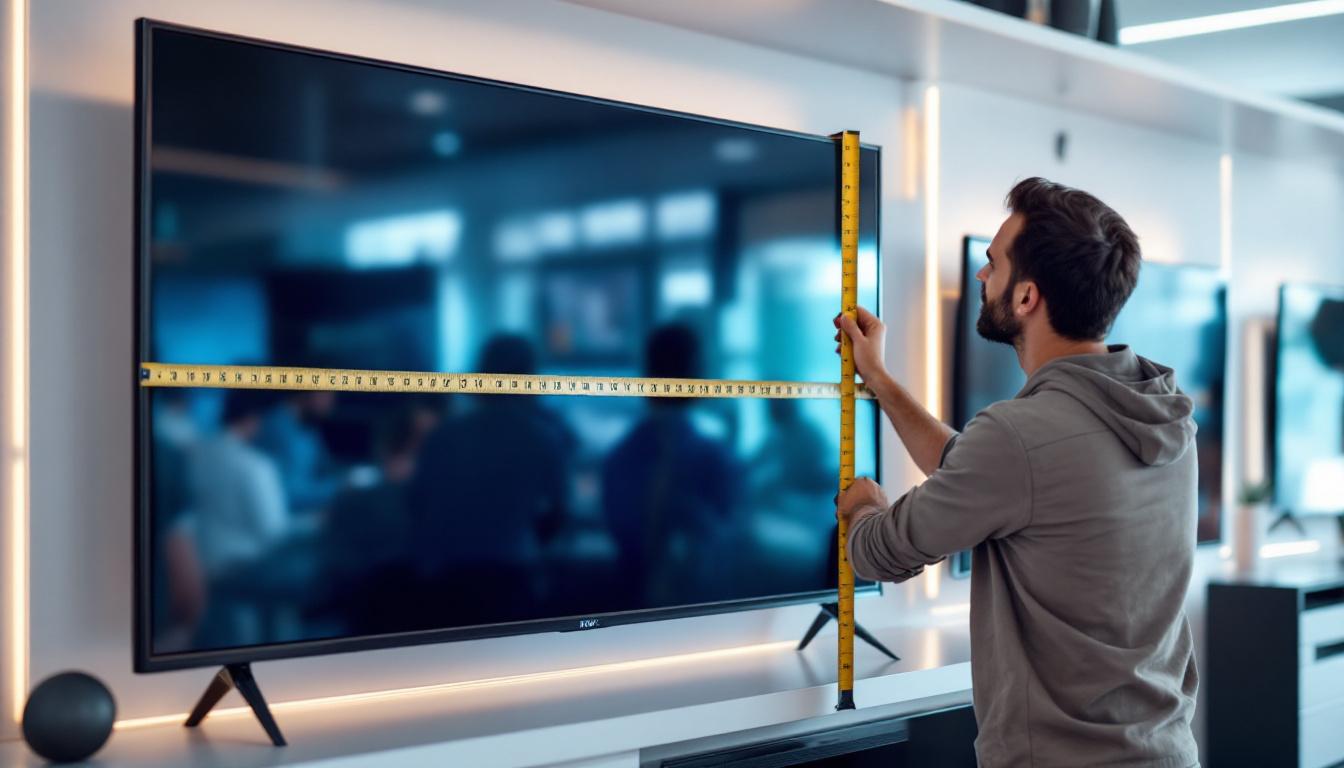
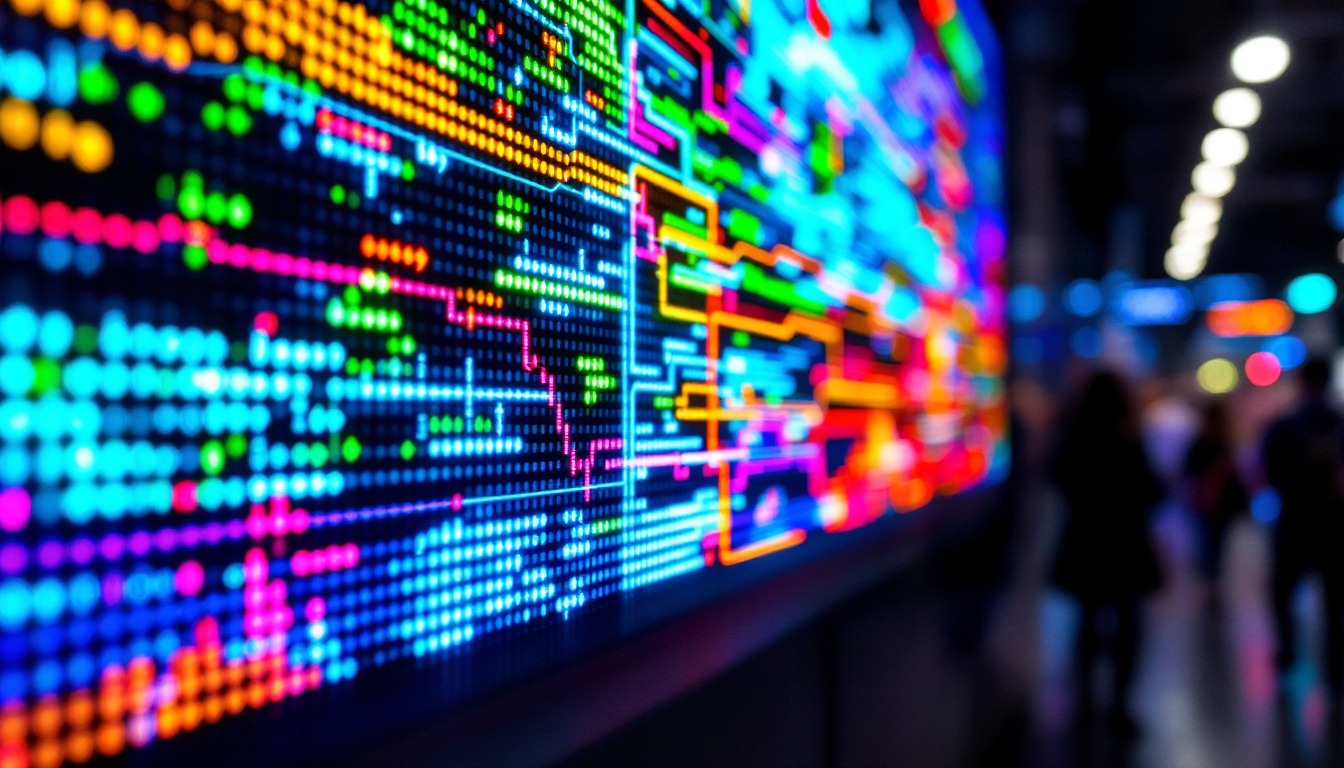
The LED module is the basic unit of a light panel, consisting of a matrix of LEDs arranged in rows and columns. Each LED or group of LEDs represents a pixel, the smallest controllable element of the display. Pixel pitch, defined as the distance between the centers of two adjacent pixels, determines the panel’s resolution and clarity.
For example, a pixel pitch of 2.5 mm is common in indoor displays, offering sharp images at close viewing distances, while outdoor displays might have a pixel pitch of 10 mm or more for visibility from afar.
Control Systems and Drivers
Programmable LED panels rely on control systems to manage the operation of each LED pixel. LED drivers regulate the current supplied to the LEDs, ensuring consistent brightness and color accuracy. These drivers are essential to prevent damage from electrical fluctuations and extend the lifespan of the LEDs.
The control system typically includes a microcontroller or processor that receives input data and translates it into signals to turn specific LEDs on or off or adjust their brightness and color. Advanced controllers support complex animations, video playback, and real-time data display.
Power Supply and Heat Management
LED panels require a stable power supply to maintain consistent performance. Depending on the panel size and brightness, power requirements can range from a few watts to several kilowatts. Efficient power management is crucial to optimize energy consumption and reduce operational costs.
Heat dissipation is another critical aspect. Although LEDs generate less heat than traditional bulbs, densely packed LEDs in a panel can accumulate heat, potentially affecting performance and longevity. Heat sinks, ventilation, and thermal interface materials are commonly used to manage temperature within safe limits.
Programming and Software: Bringing LED Panels to Life
The true power of programmable LED light panels lies in their software-driven flexibility. Programming these panels allows users to create customized visual content, synchronize displays, and respond to external inputs.
Programming Interfaces and Protocols
Most LED panels are programmed using dedicated software that interfaces with the control hardware via USB, Ethernet, or wireless connections. Common communication protocols include SPI (Serial Peripheral Interface), I2C, and DMX512, the latter being popular in stage lighting and entertainment applications.
These protocols enable precise timing and control, which are essential for smooth animations and high-quality video playback.
Content Creation and Management
Software tools for programmable LED panels range from simple pixel editors to sophisticated content management systems that support scheduling, remote updates, and multi-panel synchronization. Many platforms also support integration with external data sources, allowing panels to display live information such as weather updates, social media feeds, or stock market data.
This capability makes programmable LED panels highly adaptable for advertising, public information systems, and interactive exhibits.
Interactive and Smart Features
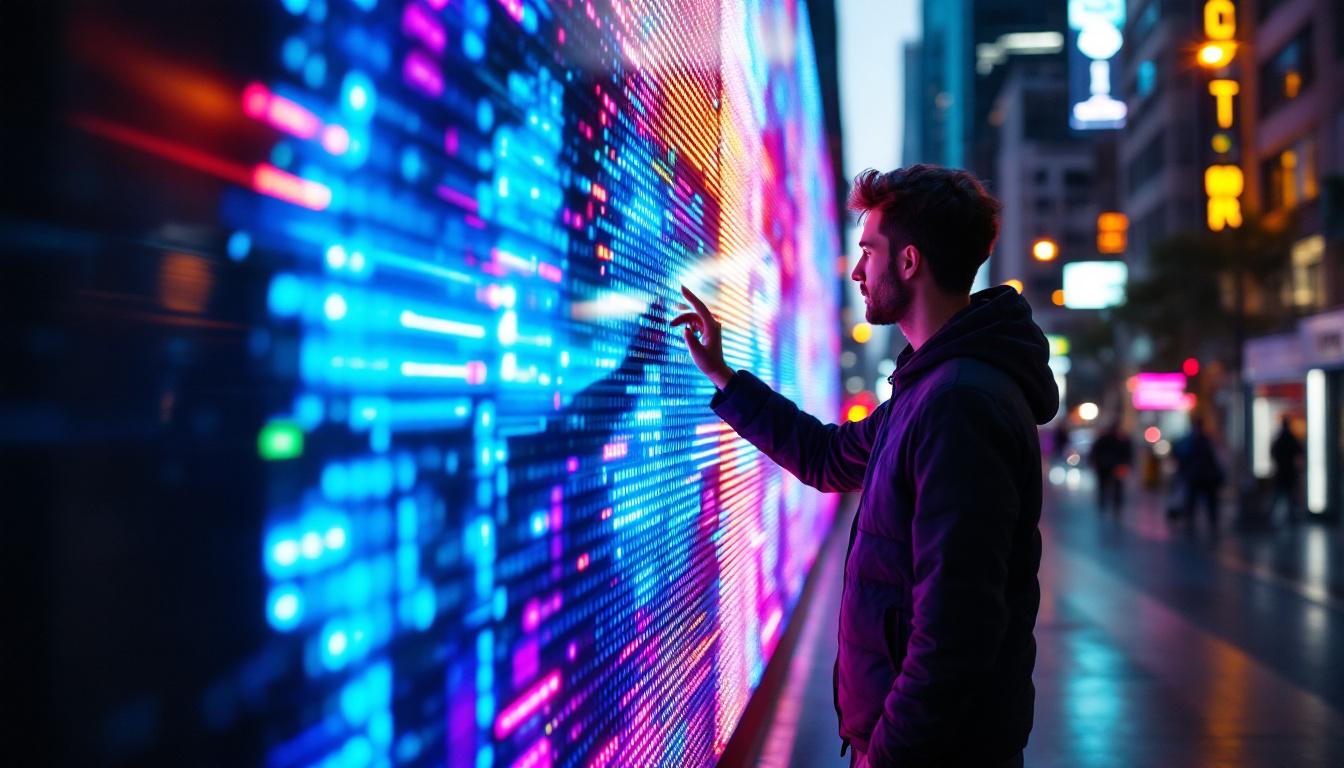
Modern programmable LED panels can incorporate sensors and connectivity to enable interactive experiences. For example, motion sensors can trigger animations when someone approaches, or touch-sensitive panels can respond to user input.
Integration with IoT (Internet of Things) platforms allows for smart lighting solutions that adjust brightness and color temperature based on ambient conditions or user preferences, enhancing energy efficiency and user comfort.
Applications of Programmable LED Light Panels
The versatility of programmable LED light panels has led to their widespread adoption across diverse sectors. Understanding these applications highlights the technology’s impact and potential.
Advertising and Digital Signage
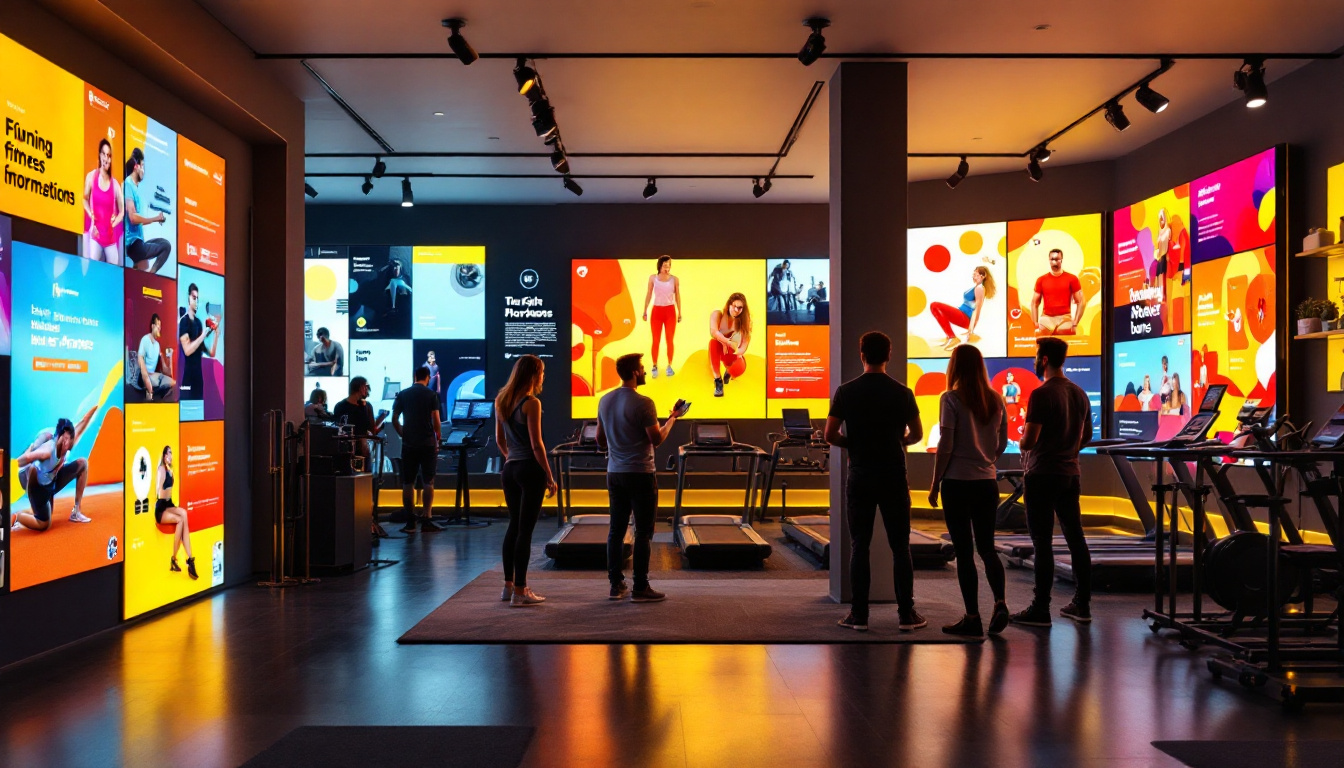
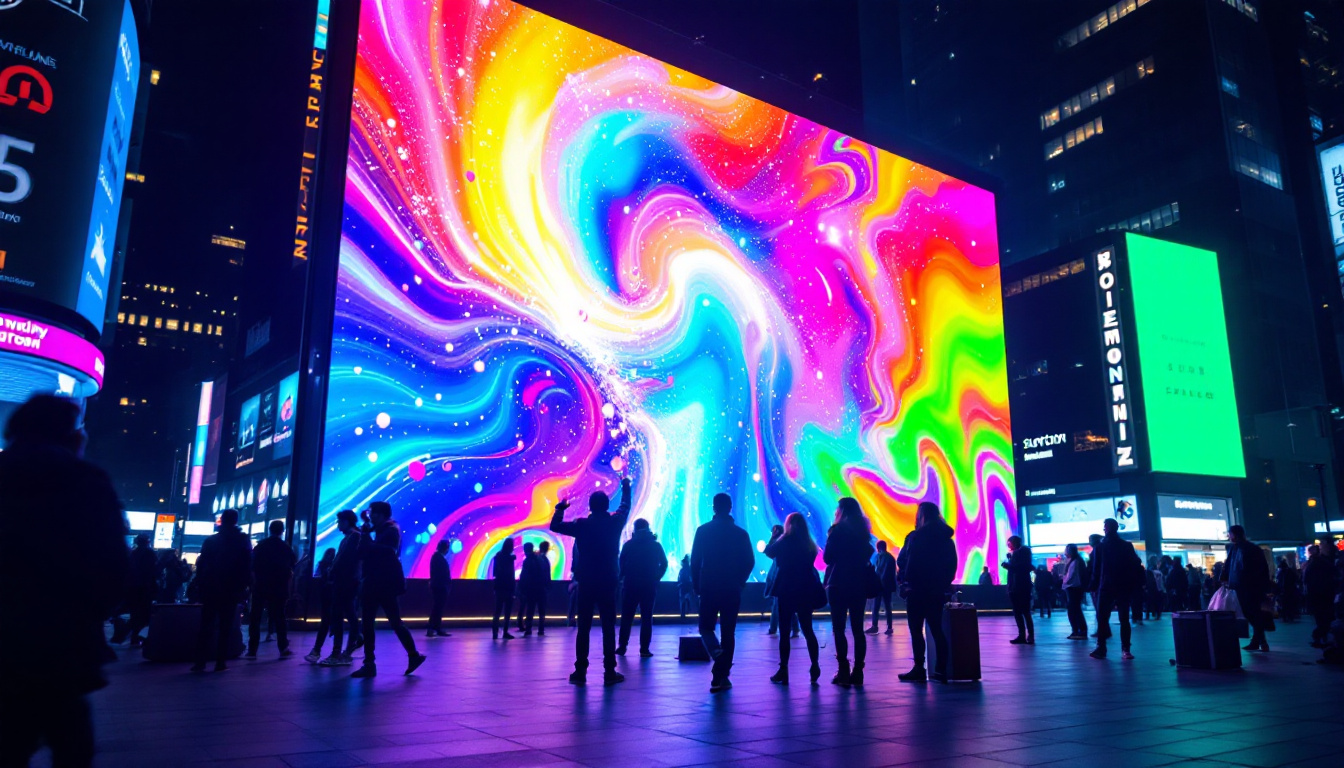
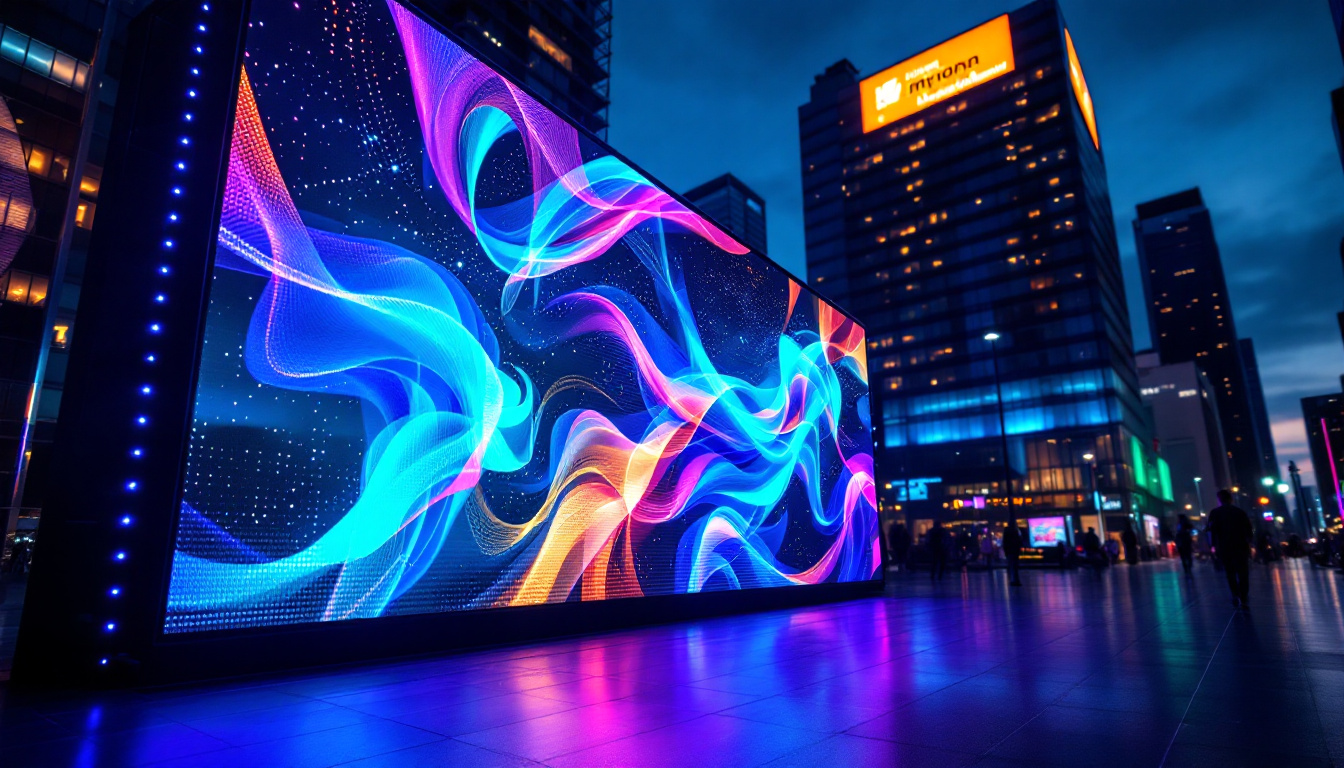
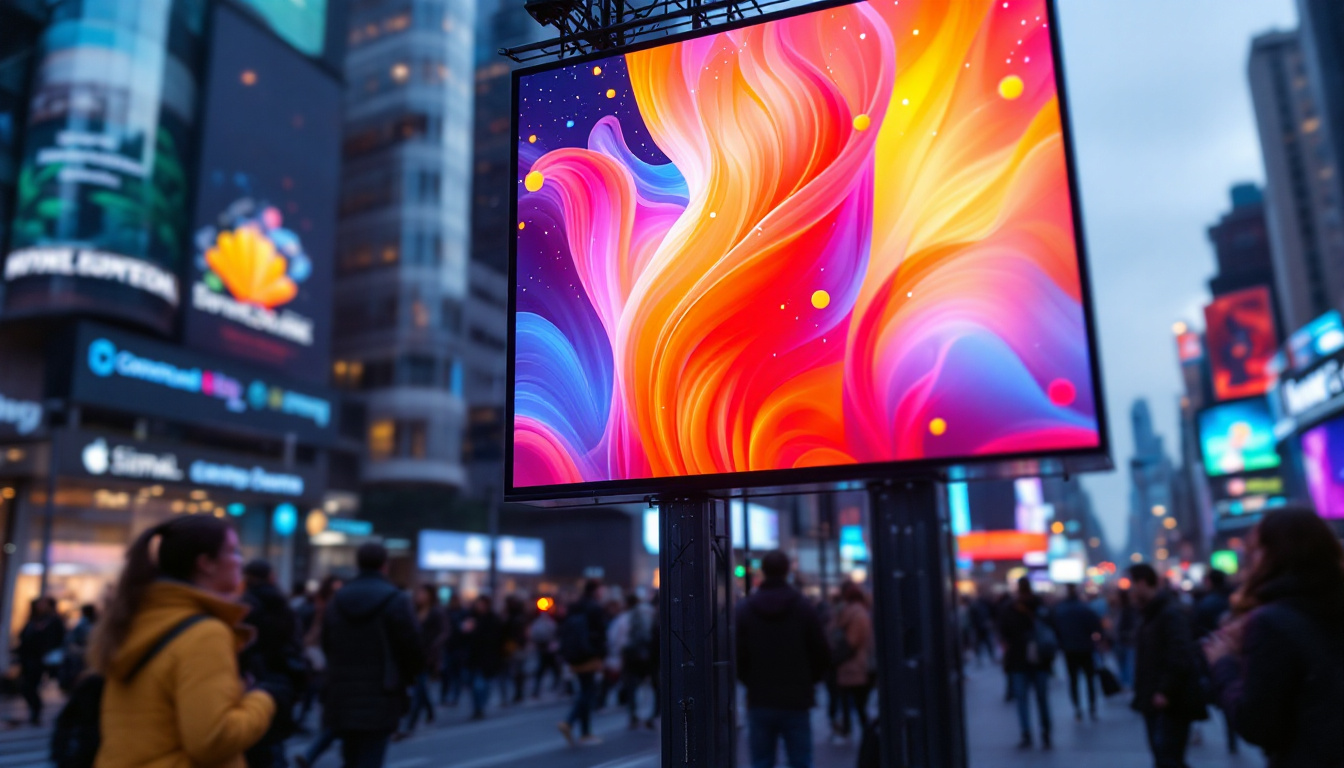
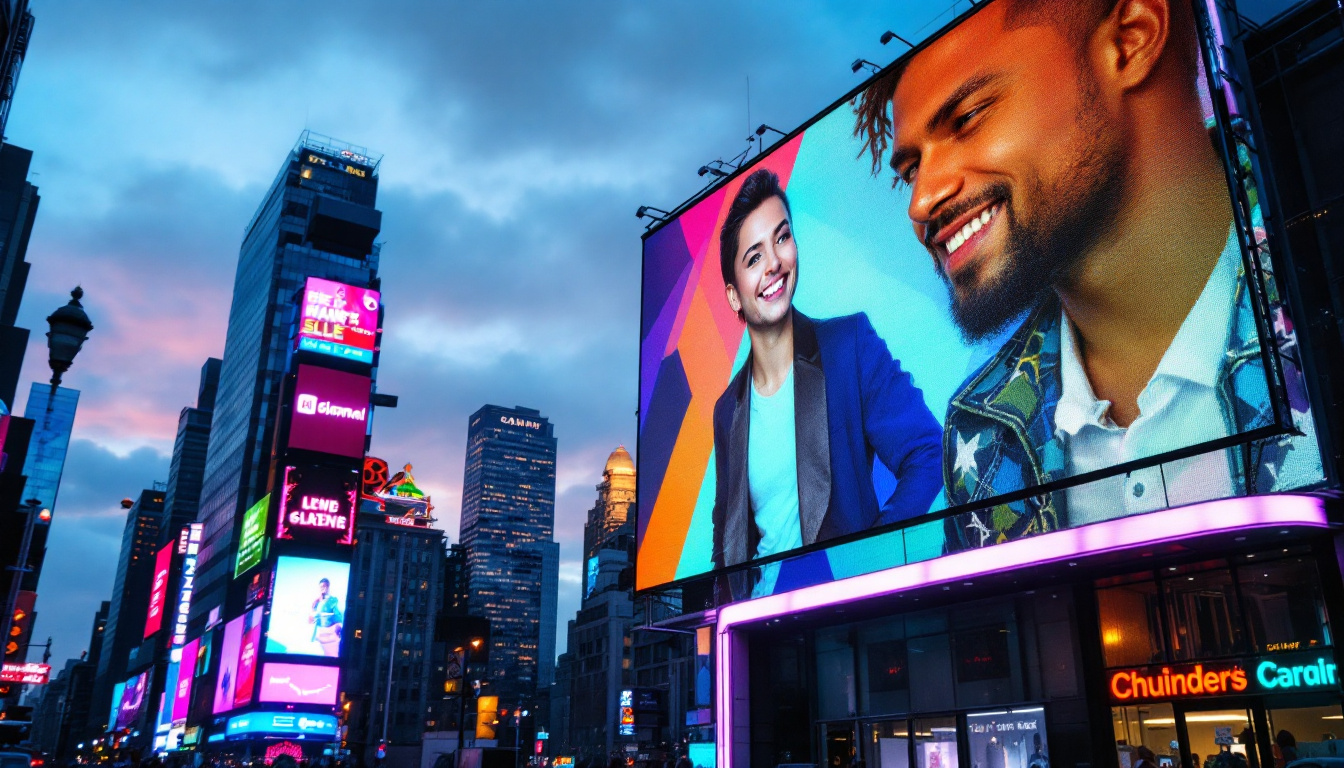
One of the most prominent uses of programmable LED panels is in advertising. Digital billboards and storefront displays leverage the panels’ brightness and color range to attract attention and deliver dynamic content. According to a recent industry report, the global digital signage market is expected to grow at a CAGR of over 8% through 2028, driven largely by LED technology advancements.
These displays enable advertisers to update messages instantly, tailor content to specific audiences, and incorporate interactive elements to boost engagement.
Architectural and Ambient Lighting
Programmable LED panels are increasingly used in architectural lighting to create visually stunning façades, interior accents, and ambient effects. Buildings can transform their appearance with color-changing panels that respond to events or seasons, enhancing aesthetic appeal and brand identity.
Moreover, programmable panels contribute to energy savings by enabling precise control over lighting levels and schedules.
Entertainment and Events
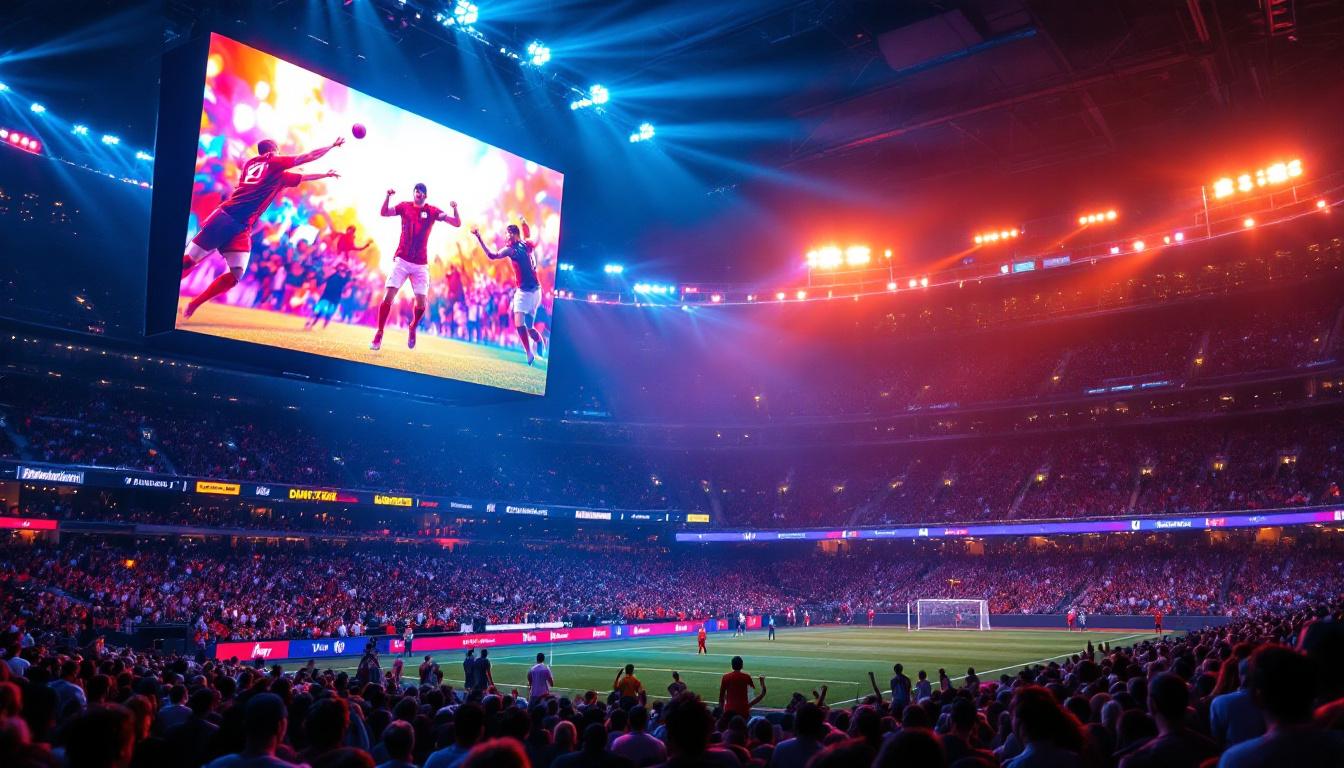
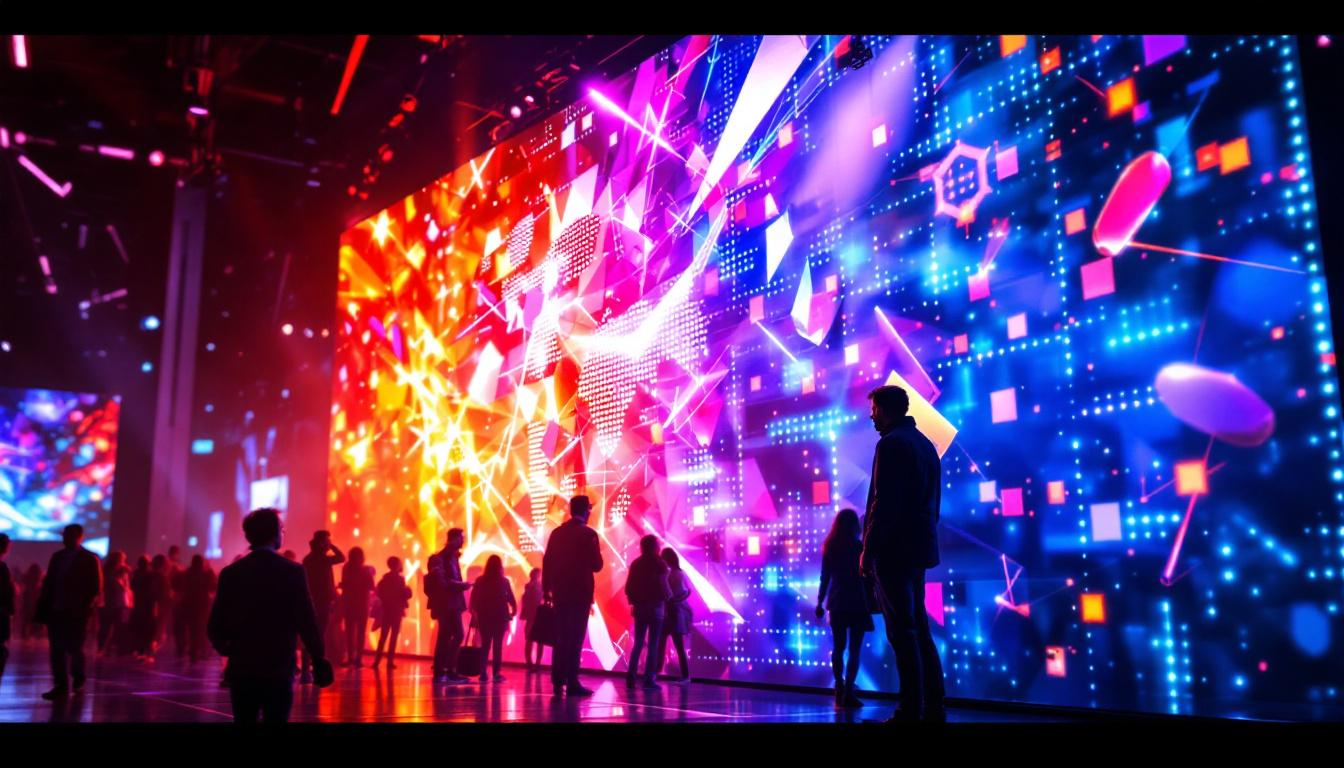
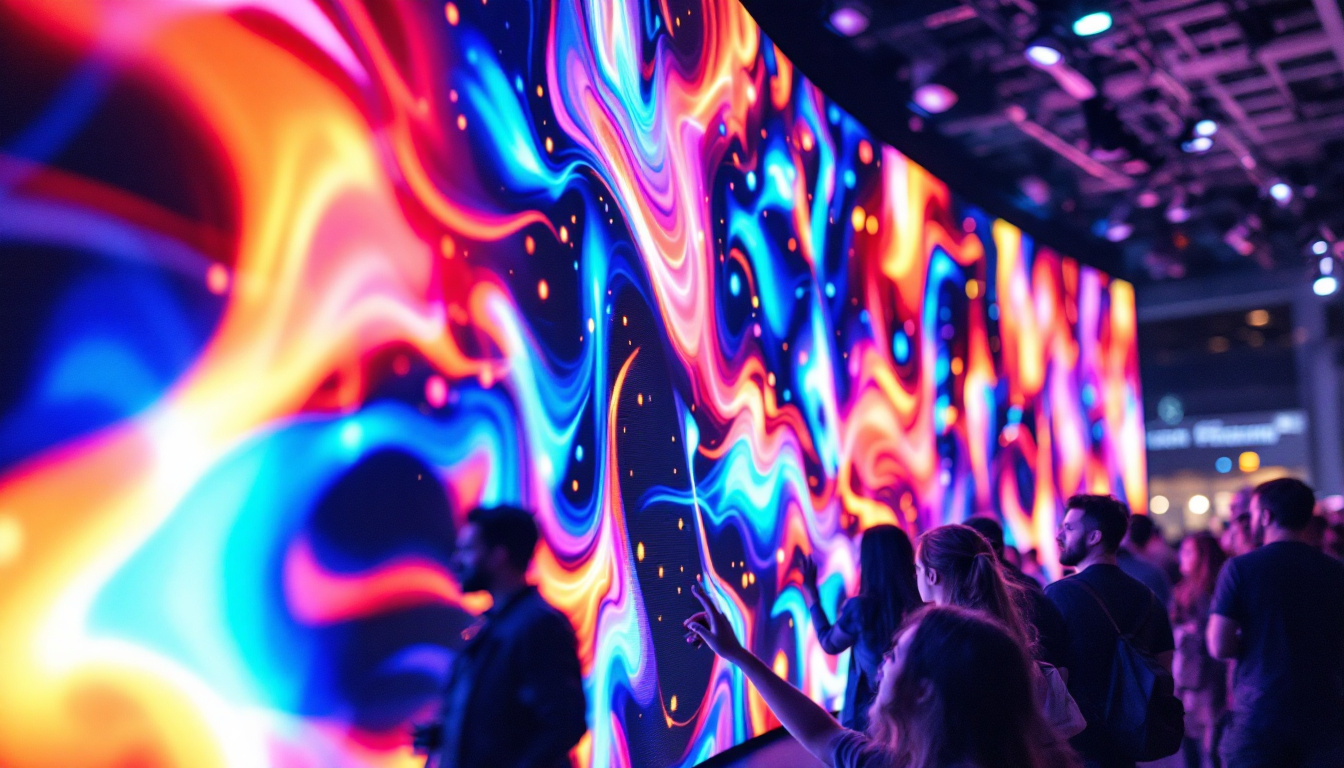
Concerts, theaters, and sports arenas utilize programmable LED panels for immersive visual effects and real-time information display. Large-scale video walls and stage backdrops create dynamic environments that enhance the audience experience.
The ability to synchronize multiple panels and integrate with lighting and sound systems allows for seamless multimedia presentations.
Smart Homes and Offices
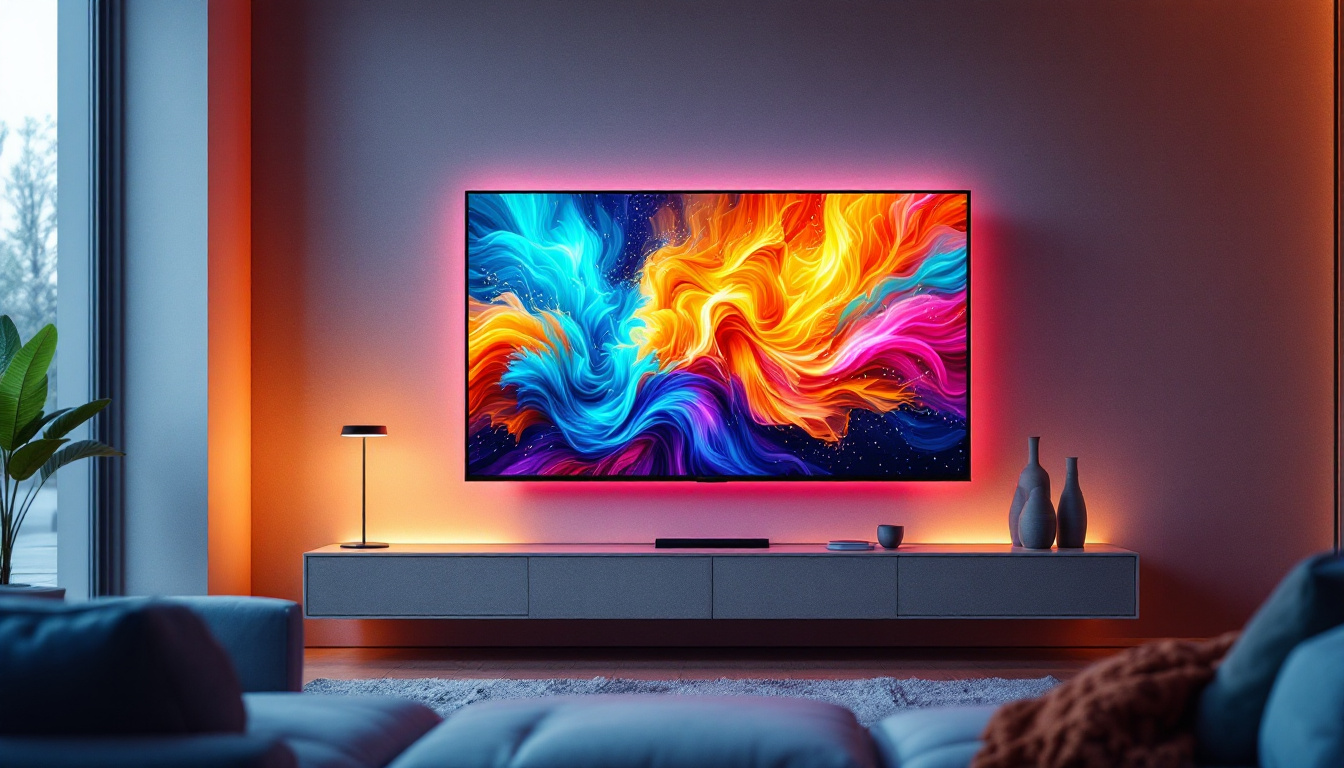
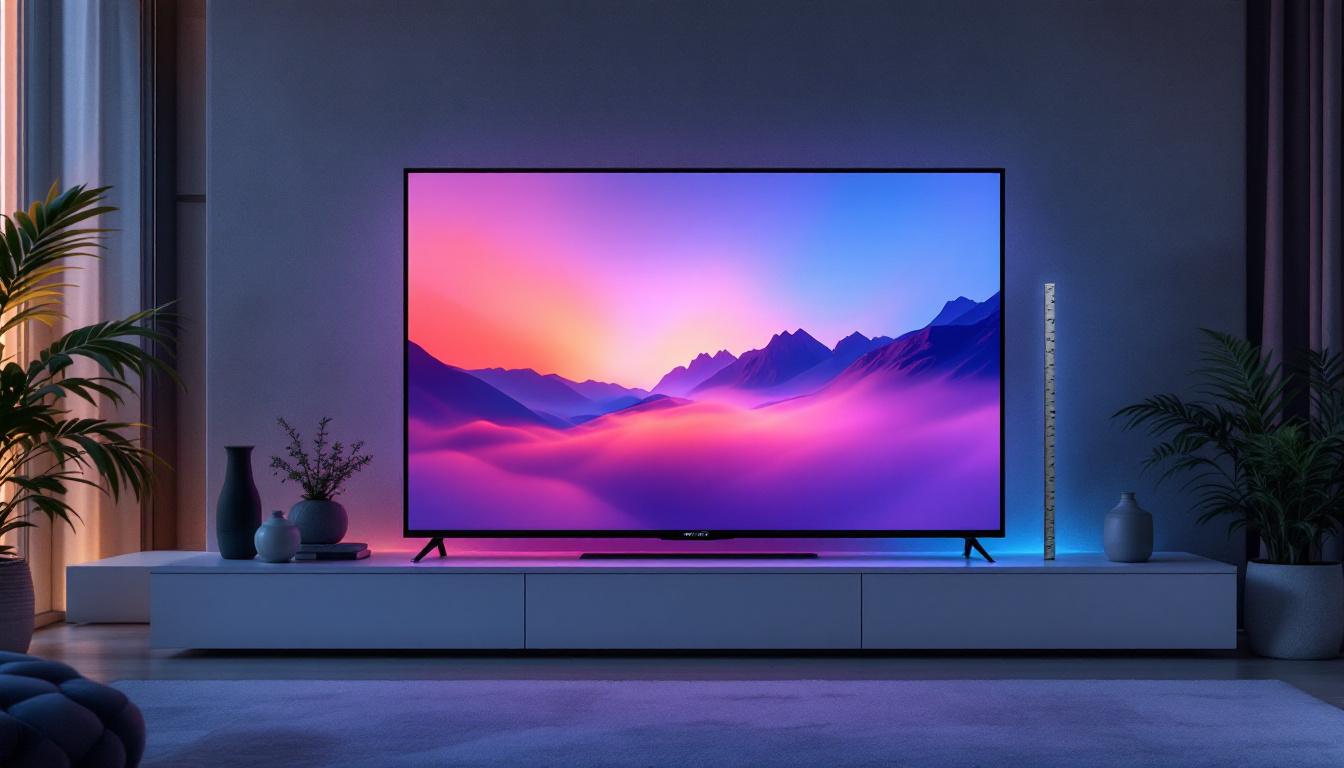
In residential and commercial spaces, programmable LED panels serve both functional and decorative purposes. They can provide customizable lighting scenes, display notifications, or act as digital art pieces.
Integration with smart home ecosystems enables voice control, automation, and energy monitoring, contributing to modern, connected living and working environments.
Choosing the Right Programmable LED Light Panel
Selecting the appropriate LED panel depends on several factors, including intended use, viewing distance, environment, and budget. Understanding these considerations ensures optimal performance and return on investment.
Resolution and Pixel Pitch
Higher resolution panels with smaller pixel pitches are ideal for close-range viewing, such as indoor advertising or interactive displays. Conversely, larger pixel pitches are suitable for outdoor or large venue applications where viewers are farther away.
Brightness and Color Quality
Brightness is measured in nits (candelas per square meter). Outdoor panels typically require brightness levels above 5,000 nits to remain visible in direct sunlight, while indoor panels usually operate at 800 to 1,500 nits.
Color quality is influenced by the LED type and control system. Look for panels with high color gamut coverage and uniformity for the best visual experience.
Durability and Environmental Protection
Outdoor installations demand panels with robust enclosures rated for water and dust resistance (IP65 or higher). Temperature tolerance and UV protection are also important to ensure longevity.
Software Compatibility and Support
Ensure the panel’s control system is compatible with your preferred programming software and supports necessary features like remote management, multi-panel synchronization, and content scheduling.
Future Trends in Programmable LED Light Panels
The programmable LED panel industry continues to innovate, driven by advancements in materials, electronics, and software. Several trends are shaping the future landscape.
MicroLED and MiniLED Technologies
Emerging MicroLED and MiniLED technologies promise even higher resolution, brightness, and energy efficiency. MicroLEDs, in particular, offer self-emissive displays with superior contrast and lifespan, potentially revolutionizing display quality.
Flexible and Transparent Panels
Flexible LED panels enable installation on curved surfaces and unconventional shapes, expanding design possibilities. Transparent LED panels allow for see-through displays on glass surfaces, blending digital content with physical environments.
AI and Machine Learning Integration
Artificial intelligence is being integrated to optimize content delivery based on audience behavior, environmental conditions, and contextual data. Machine learning algorithms can automate content adjustments, enhancing relevance and engagement.
Conclusion
Programmable LED light panels represent a convergence of cutting-edge hardware and software, offering dynamic, customizable, and energy-efficient display solutions. Their adaptability makes them indispensable across advertising, architecture, entertainment, and smart environments.
As technology advances, these panels will become even more sophisticated, enabling richer visual experiences and smarter interactions. Understanding the fundamentals of LED technology, panel components, programming, and applications empowers businesses and individuals to harness the full potential of programmable LED light panels for their unique needs.
Discover the Future of LED Displays with LumenMatrix
Ready to elevate your visual experience? LumenMatrix is at the forefront of LED display innovation, offering a comprehensive range of solutions that bring your brand to life. From mesmerizing Indoor LED Walls to expansive Outdoor Displays, and from mobile Vehicle LED Displays to interactive Floor LED solutions, we have everything you need to create an unforgettable impact. Embrace the future of visual communication with our Custom, All-in-One, and Transparent LED Displays. Check out LumenMatrix LED Display Solutions today and see how we can transform your space into a dynamic canvas of light and color.