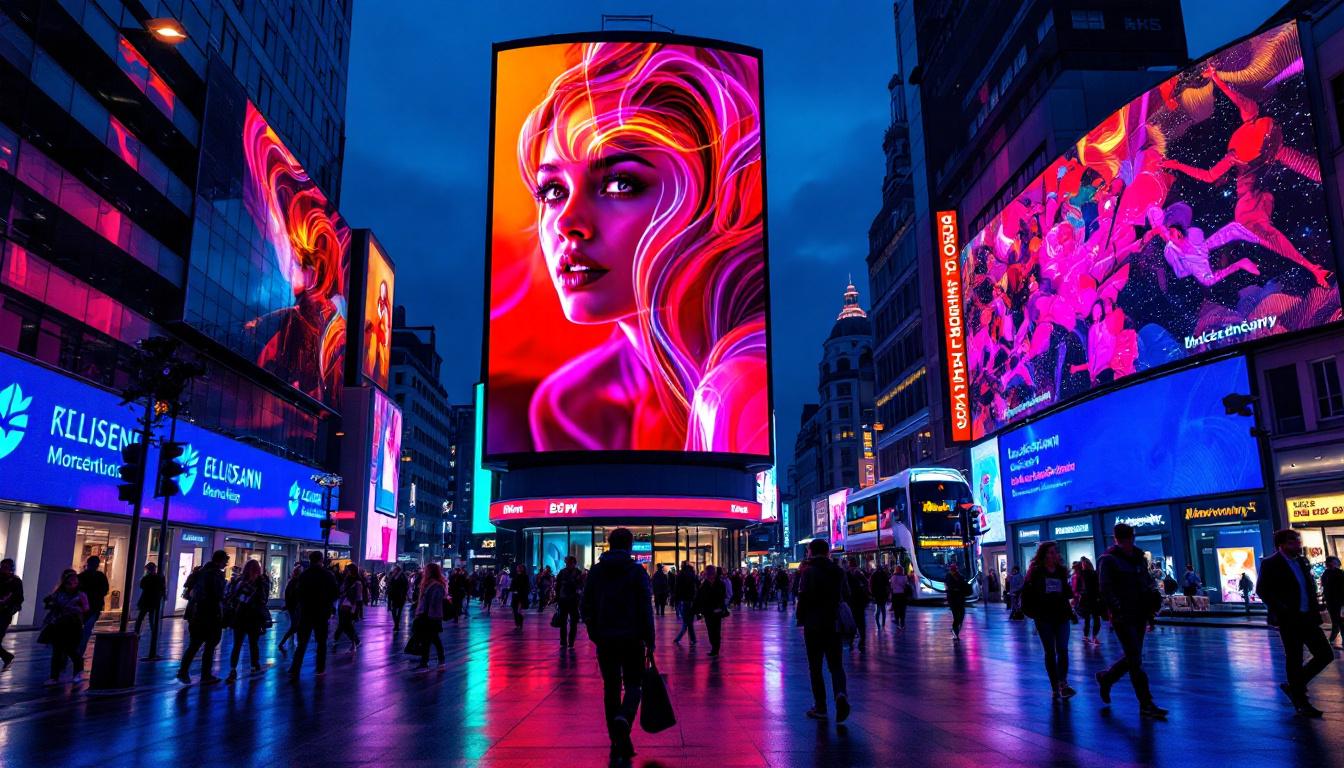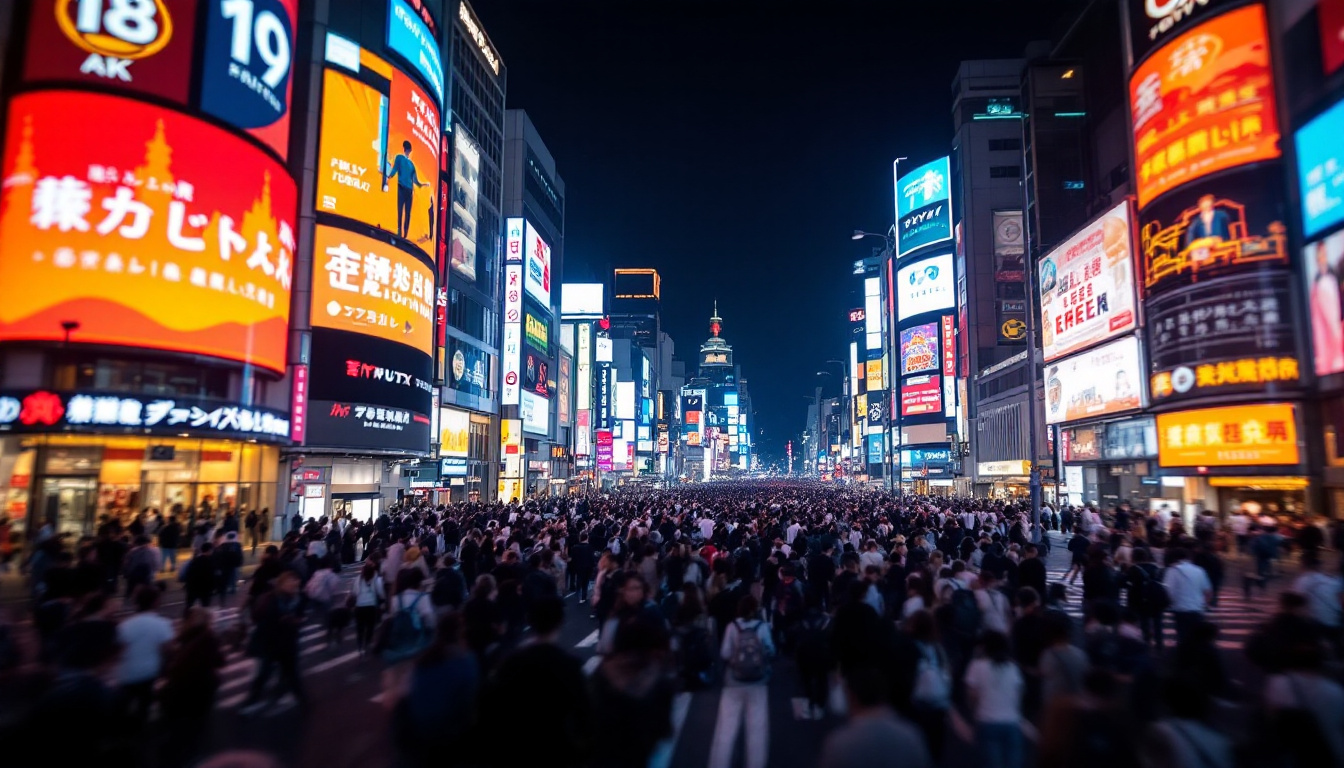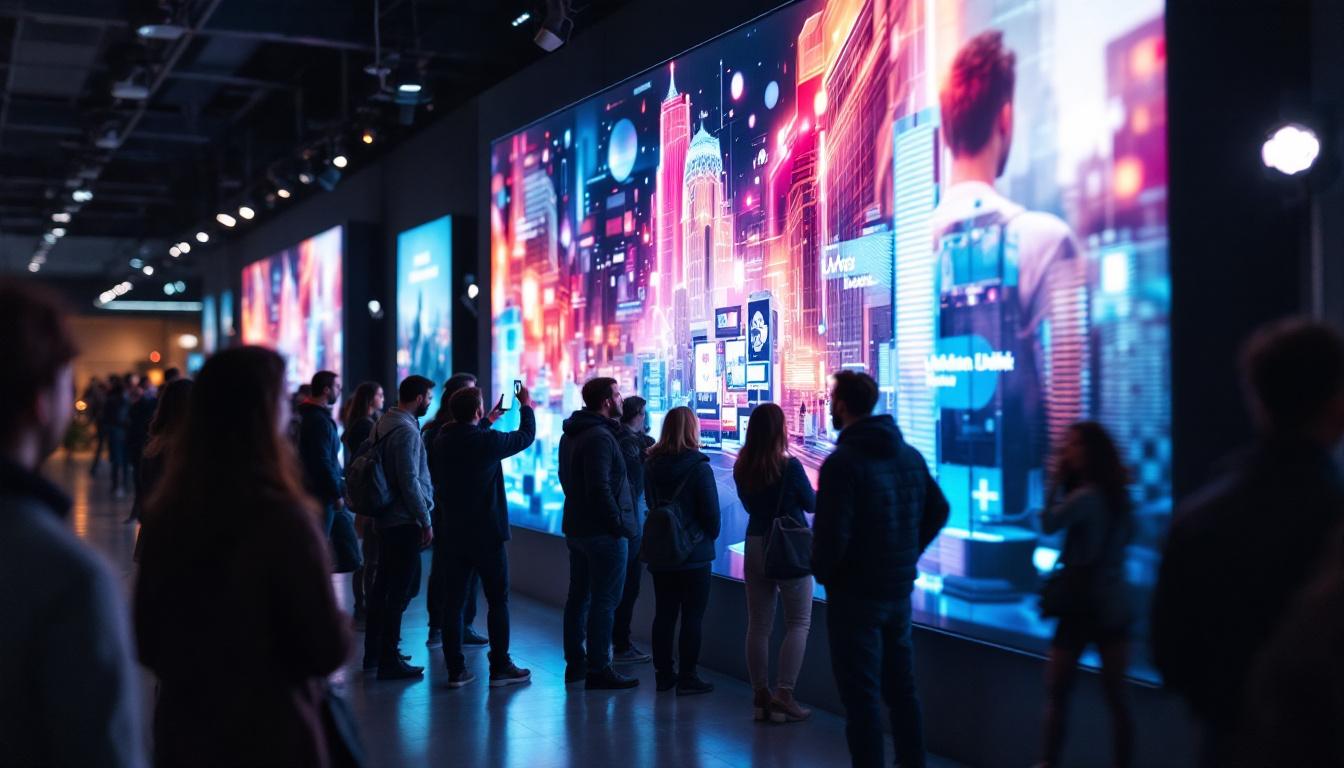
In today’s visually driven world, media walls have become a powerful tool for businesses, event organizers, and public spaces to communicate messages dynamically and effectively. At the heart of many media walls lies LED display technology, which offers vibrant colors, high brightness, and flexibility unmatched by traditional screens. This article delves into the essentials of media wall plans, focusing on LED displays, and offers insights into design considerations, technical specifications, and practical applications.
Understanding Media Walls and Their Growing Popularity
Media walls are large-scale digital displays composed of multiple screens or panels arranged to create a unified visual experience. These installations are commonly found in airports, shopping malls, corporate lobbies, stadiums, and public squares. Their ability to captivate audiences with dynamic content makes them an indispensable part of modern communication strategies.
According to a recent report by Grand View Research, the global digital signage market is expected to reach $31.71 billion by 2027, growing at a compound annual growth rate (CAGR) of 7.5%. This growth is largely driven by the increasing adoption of LED media walls, which are favored for their scalability and superior image quality.
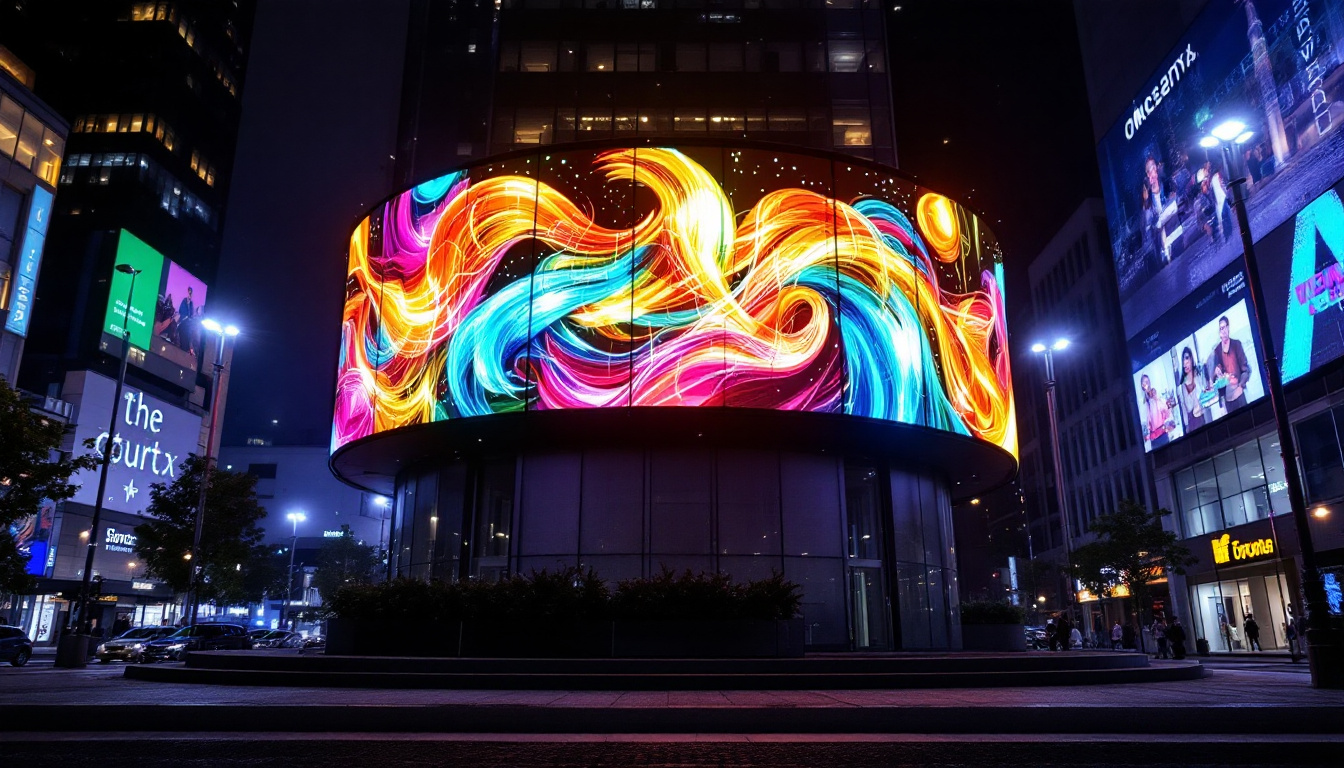
Media walls can be configured in various shapes and sizes, from simple rectangular arrays to curved or irregular designs, allowing for creative freedom and tailored messaging. The flexibility of LED technology enables these displays to perform well in diverse lighting conditions, including direct sunlight, making them suitable for both indoor and outdoor environments.
One of the key advantages of media walls is their ability to deliver real-time content updates, which is particularly beneficial for businesses looking to engage customers with timely promotions or information. For instance, airports utilize media walls to display flight information, ensuring travelers are kept informed of any changes or delays. Similarly, retail environments can leverage these displays to showcase new product launches or special sales, enhancing the shopping experience and driving foot traffic.
Moreover, the integration of interactive elements into media walls is becoming increasingly popular. Touchscreen capabilities allow users to engage directly with the content, whether it’s navigating through a digital directory in a mall or participating in a social media feed displayed on a large screen. This interactivity not only enhances user engagement but also provides valuable data insights for businesses, helping them understand customer preferences and behaviors in real-time.
The Fundamentals of LED Display Technology
What is an LED Display?
LED stands for Light Emitting Diode. An LED display is a flat panel display that uses an array of LEDs as pixels to create images and videos. Unlike LCD or OLED screens, LED displays rely on tiny light sources that emit their own light, resulting in higher brightness and better visibility in bright environments. This makes them particularly suitable for outdoor applications, such as billboards and advertising screens, where sunlight can wash out other types of displays.
LED displays are composed of modules, which are smaller panels containing a matrix of LEDs. These modules are combined to form larger screens or media walls. The modular nature allows for easy maintenance and scalability, as individual modules can be replaced or added without dismantling the entire display. This flexibility is a significant advantage in dynamic environments like sports arenas or concert venues, where the display needs can change rapidly, and quick adjustments are essential to meet the audience’s needs.
Key Technical Specifications
When planning a media wall with LED displays, understanding key technical parameters is crucial:
- Pixel Pitch: This refers to the distance between the centers of two adjacent pixels, usually measured in millimeters. A smaller pixel pitch means higher resolution and sharper images, which is essential for close viewing distances. For instance, a pixel pitch of 2.5mm is ideal for indoor environments where viewers are close to the screen, while a pitch of 10mm or more may be suitable for outdoor displays viewed from a distance.
- Brightness: Measured in nits (cd/m²), brightness determines how well the display performs under various lighting conditions. Outdoor LED displays typically require brightness levels of 5,000 nits or more to combat sunlight glare. Additionally, many modern LED displays come with adaptive brightness features that adjust the luminosity based on ambient light conditions, ensuring optimal visibility at all times.
- Refresh Rate: The number of times per second the image is refreshed, measured in Hertz (Hz). Higher refresh rates (above 1,000 Hz) reduce flicker and improve image smoothness, which is particularly important for video content and camera recording. This is especially critical in environments where live broadcasts occur, such as sports events or concerts, where any lag or flicker can detract from the viewing experience.
- Viewing Angle: The maximum angle from which the display can be viewed without significant loss of image quality. Wider viewing angles ensure the content is visible from multiple perspectives, enhancing audience engagement. This is particularly important in large venues where viewers may be seated at varying angles relative to the display, ensuring that everyone has a clear view of the content being presented.
- Color Depth: The range of colors the display can reproduce. Higher color depth results in more vibrant and accurate images. Displays with a color depth of 16 bits can produce over 65,000 colors, allowing for a richer and more immersive visual experience, which is essential for applications in art installations or high-definition video presentations.
In addition to these specifications, LED technology continues to evolve, with advancements such as flexible LED displays and transparent LED screens emerging on the market. Flexible displays can be curved or shaped to fit unique architectural designs, opening up new possibilities for creative installations. Transparent LED screens, on the other hand, allow for the display of content while still being able to see through the screen, making them ideal for retail environments where product visibility is crucial. These innovations not only enhance the aesthetic appeal of displays but also expand their functionality in various applications.
Planning Your Media Wall: From Concept to PDF Plans
Why Detailed Plans Matter
Creating a media wall plan in PDF format is a critical step that ensures all stakeholders—from designers and engineers to installers and clients—are aligned on the project’s specifications and expectations. A comprehensive plan minimizes errors, streamlines installation, and facilitates future maintenance or upgrades.
PDF plans serve as a universal document that can be easily shared, annotated, and archived. They typically include detailed drawings, technical specifications, wiring diagrams, and installation guidelines.
Key Elements to Include in Media Wall Plans
Effective media wall plans should cover the following components:
- Layout and Dimensions: Precise measurements of the media wall’s size, shape, and mounting location. This includes the number of LED modules and their arrangement.
- Structural Support Details: Information about the mounting framework, weight considerations, and safety factors to ensure the wall’s stability.
- Electrical and Data Cabling: Schematics showing power supply locations, cable routing, and data connections to control systems.
- Environmental Considerations: Details on weatherproofing, ventilation, and temperature management, especially for outdoor installations.
- Control System and Software: Specifications of the media player, content management system (CMS), and remote monitoring capabilities.
- Maintenance Access: Plans for easy access to modules and components for repair or replacement.
Utilizing Software Tools for Media Wall Design
Several software tools are available to assist in creating detailed media wall plans. CAD (Computer-Aided Design) software like AutoCAD or SolidWorks allows precise mechanical and electrical design. Additionally, specialized LED display design software helps simulate pixel pitch, brightness, and viewing angles to optimize visual performance.
Exporting these designs into PDF format ensures compatibility across platforms and devices, allowing seamless collaboration between architects, engineers, and clients.
Applications and Benefits of LED Media Walls
Corporate and Retail Environments
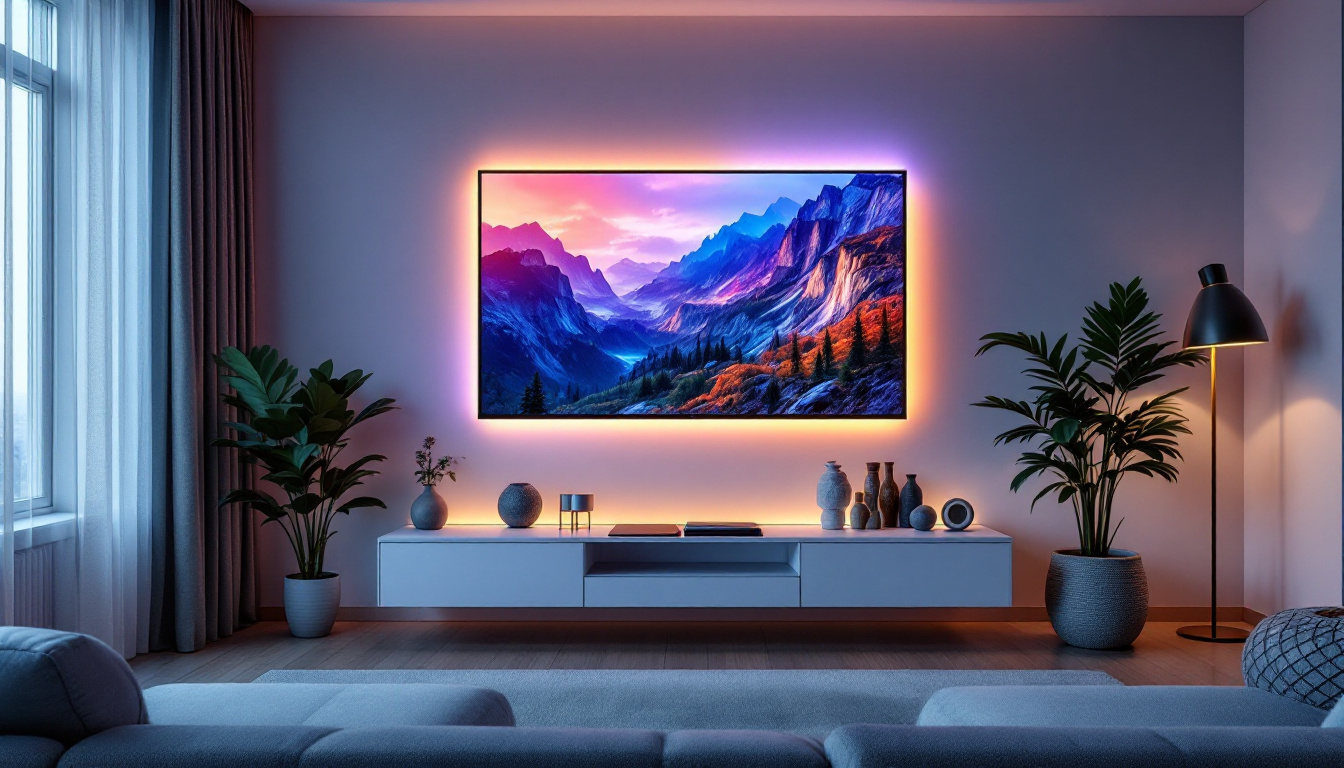
In corporate settings, LED media walls are often used in lobbies and conference rooms to display branding, announcements, and live data feeds. Their ability to create immersive environments enhances visitor experience and reinforces brand identity.
Retailers leverage media walls to showcase promotions, product videos, and interactive content. Studies indicate that dynamic digital signage can increase customer dwell time by up to 30%, leading to higher sales conversions.
Events and Entertainment
Concerts, sports arenas, and trade shows use LED media walls to deliver high-impact visuals that engage large audiences. The scalability of LED displays allows them to cover massive areas, creating stunning backdrops and live video feeds that enhance the overall event experience.
For example, the 2022 FIFA World Cup stadiums featured massive LED media walls that displayed real-time scores, player stats, and fan messages, demonstrating the technology’s versatility and impact.
Public Spaces and Transportation Hubs
Airports, train stations, and city squares utilize LED media walls for wayfinding, public service announcements, and advertising. Their high brightness and durability make them ideal for environments with heavy foot traffic and varying lighting conditions.
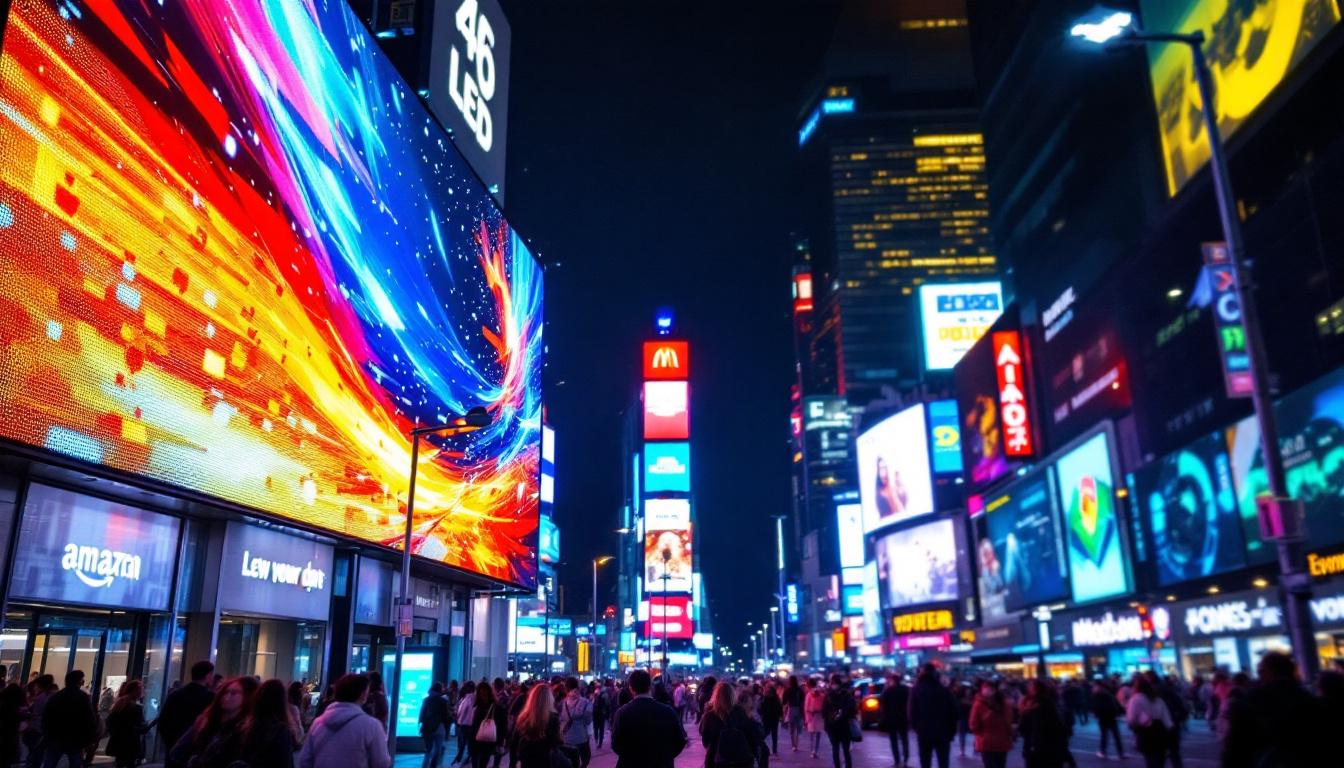
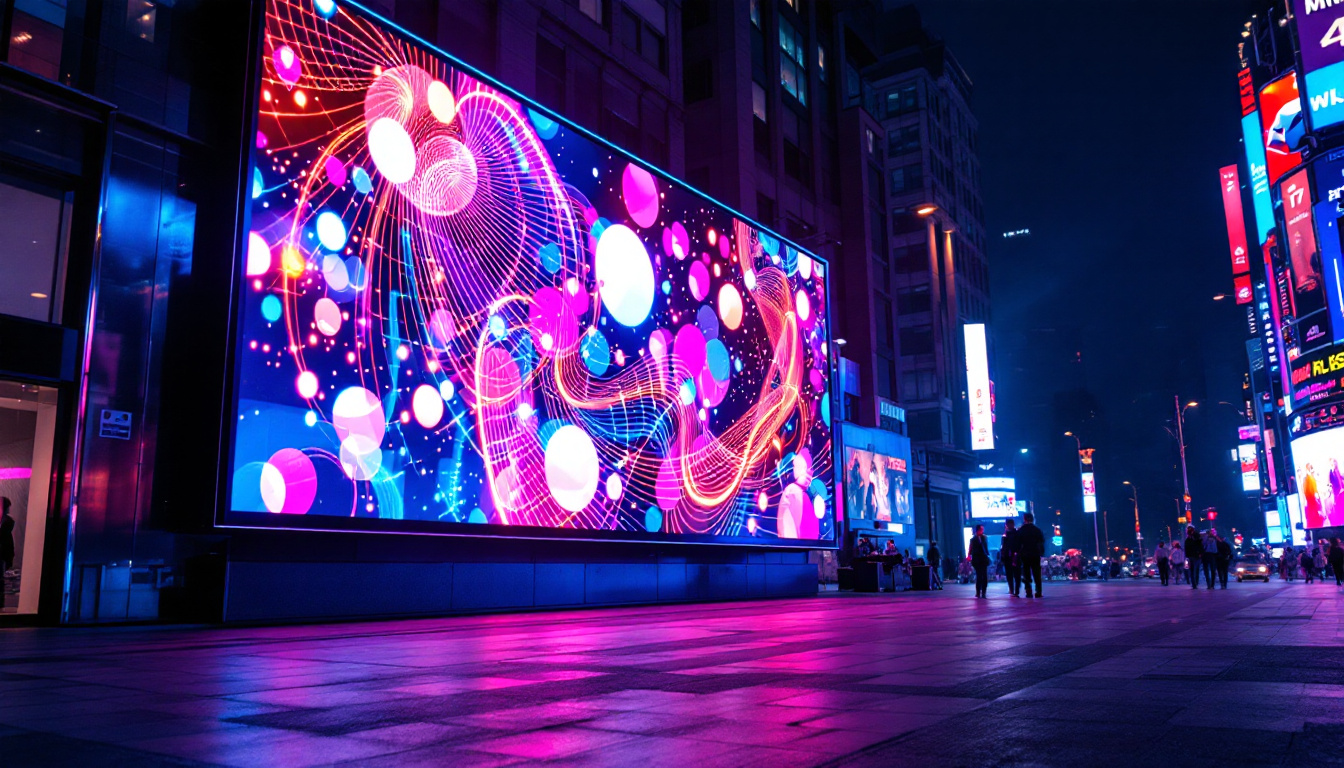
In New York’s Times Square, one of the world’s most famous media walls, LED displays continuously broadcast advertisements and news, attracting millions of viewers daily and generating significant advertising revenue.
Challenges and Considerations in LED Media Wall Implementation
Cost and Budgeting
While LED media walls offer numerous advantages, the initial investment can be substantial. Costs include the LED panels, control systems, structural supports, installation labor, and ongoing maintenance. However, the return on investment (ROI) is often justified through increased engagement, advertising revenue, and brand visibility.
Budget planning should also account for future scalability and potential upgrades to avoid costly replacements.
Technical Challenges
Ensuring uniform brightness and color consistency across large media walls can be complex. Calibration tools and regular maintenance are essential to maintain optimal performance.
Additionally, integrating the media wall with existing IT infrastructure requires careful planning to avoid connectivity issues and ensure smooth content delivery.
Environmental and Regulatory Compliance
Outdoor LED media walls must comply with local regulations regarding light pollution, energy consumption, and safety standards. Selecting energy-efficient displays and implementing dimming controls can help meet these requirements while reducing operational costs.
Conclusion: Maximizing Impact with Well-Planned LED Media Walls
Media walls powered by LED display technology represent a dynamic and effective way to communicate in various environments. By understanding the technical fundamentals, carefully planning the installation through detailed PDF plans, and considering the specific application needs, organizations can harness the full potential of LED media walls.
As digital signage continues to evolve, staying informed about the latest advancements and best practices will ensure that media walls remain a compelling medium for engagement and information delivery.
Whether for corporate branding, retail promotion, public information, or entertainment, LED media walls are a vibrant canvas for storytelling in the digital age.
Discover Cutting-Edge LED Display Solutions with LumenMatrix
Ready to elevate your space with the dynamic power of LED media walls? LumenMatrix is at the forefront of LED display innovation, offering a wide array of solutions tailored to your unique needs. From immersive indoor and outdoor displays to specialized options like vehicle and sports displays, our technology is designed to captivate and engage your audience. Embrace the future of visual storytelling with LumenMatrix and transform your brand’s communication. Check out LumenMatrix LED Display Solutions today and bring your message to life with unparalleled clarity and impact.