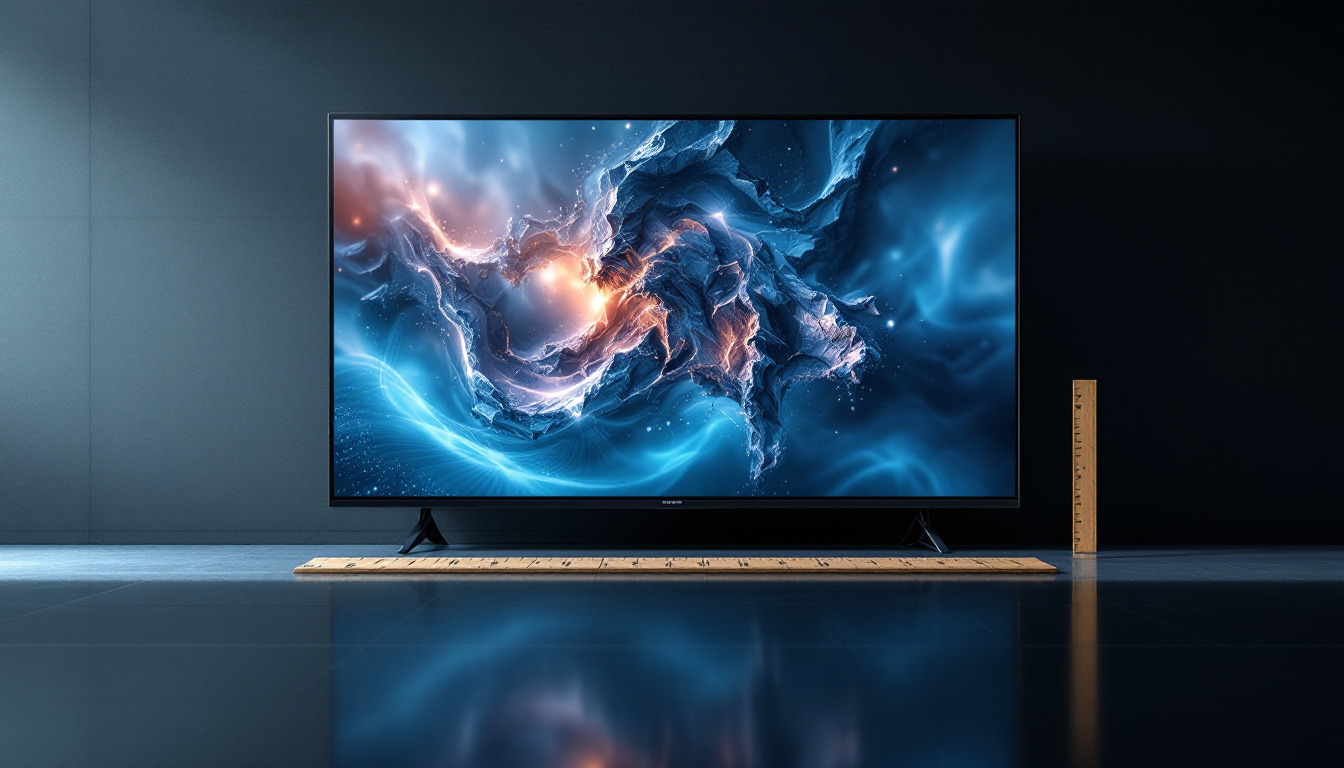
When shopping for or specifying an LED display, one of the most common questions is: “How big is 100 inches?” While the measurement might seem straightforward, understanding what 100 inches means in terms of LED display size, viewing experience, and practical application requires a deeper look. This article unpacks the concept of a 100-inch LED display, exploring its dimensions, pixel density, typical use cases, and how it compares to other display technologies.
Understanding the Measurement: What Does 100 Inches Represent?
The Diagonal Measurement Explained
When referring to a display size such as 100 inches, the measurement is taken diagonally from one corner of the screen to the opposite corner. This is the industry standard for measuring TVs, monitors, and LED displays. It does not represent the width or height of the screen directly but rather the hypotenuse of the rectangular display.
For example, a 100-inch LED display means the distance from the bottom-left corner to the top-right corner (or vice versa) measures 100 inches. This diagonal measurement helps standardize size descriptions across various aspect ratios and screen shapes. It allows consumers to compare different screens easily, irrespective of their intended use, whether for home entertainment, professional presentations, or gaming. Understanding this measurement is crucial for making informed decisions about which display will best fit your space and viewing needs.
Calculating Width and Height
To better visualize a 100-inch display, it’s helpful to convert the diagonal measurement into width and height. Most modern LED displays use a 16:9 aspect ratio, which means the width is 16 units for every 9 units of height.
Using the Pythagorean theorem, the width (W) and height (H) can be calculated as follows:
- W = 100 × (16 / √(16² + 9²)) ≈ 87.2 inches
- H = 100 × (9 / √(16² + 9²)) ≈ 49.0 inches
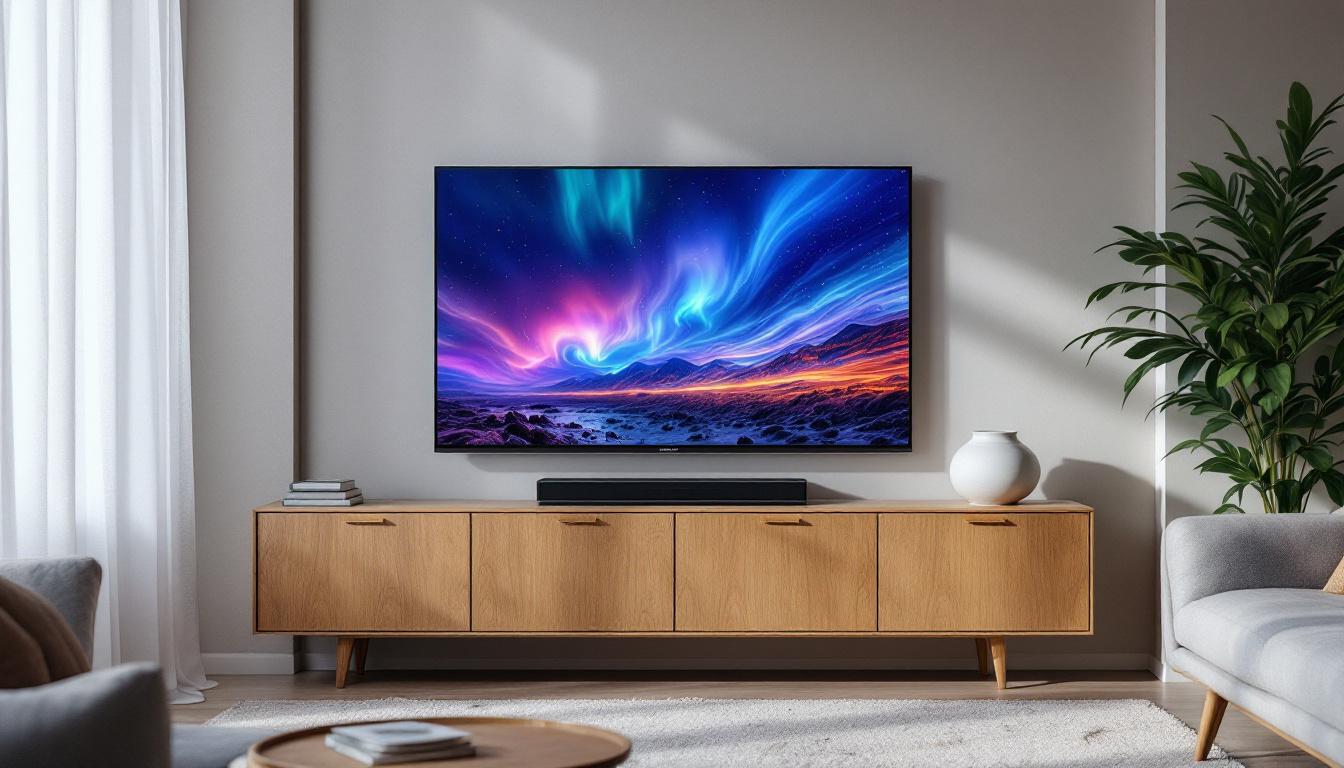
So, a 100-inch LED display with a 16:9 aspect ratio is approximately 87.2 inches wide and 49.0 inches tall. This is roughly 7.3 feet wide and just over 4 feet tall, which is a substantial size for many environments. Such a display can transform a living room into a mini-theater, providing an immersive viewing experience for movies and sports. Additionally, in commercial settings, a screen of this size can effectively capture the attention of audiences, making it ideal for advertising, presentations, or even interactive displays in retail environments.
Moreover, the size of the display can influence the optimal viewing distance. For a 100-inch screen, the recommended viewing distance is typically between 8 to 12 feet. This distance allows viewers to appreciate the full detail and clarity of high-definition content without straining their eyes. As technology advances, the resolution of displays continues to improve, making larger screens more practical for close-up viewing. Thus, understanding the implications of size and resolution can significantly enhance your viewing experience, whether at home or in a professional setting.
Why Size Matters: The Impact of a 100-Inch LED Display
Immersive Viewing Experience
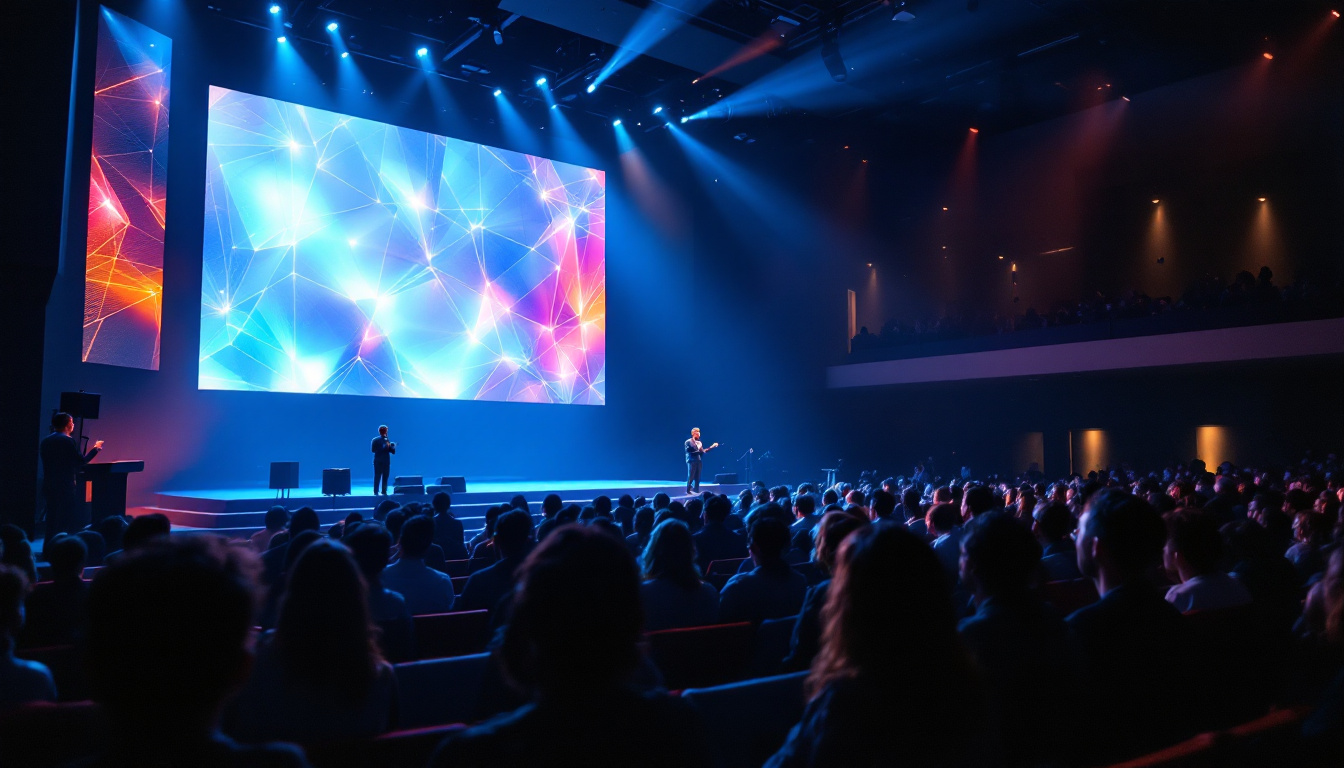
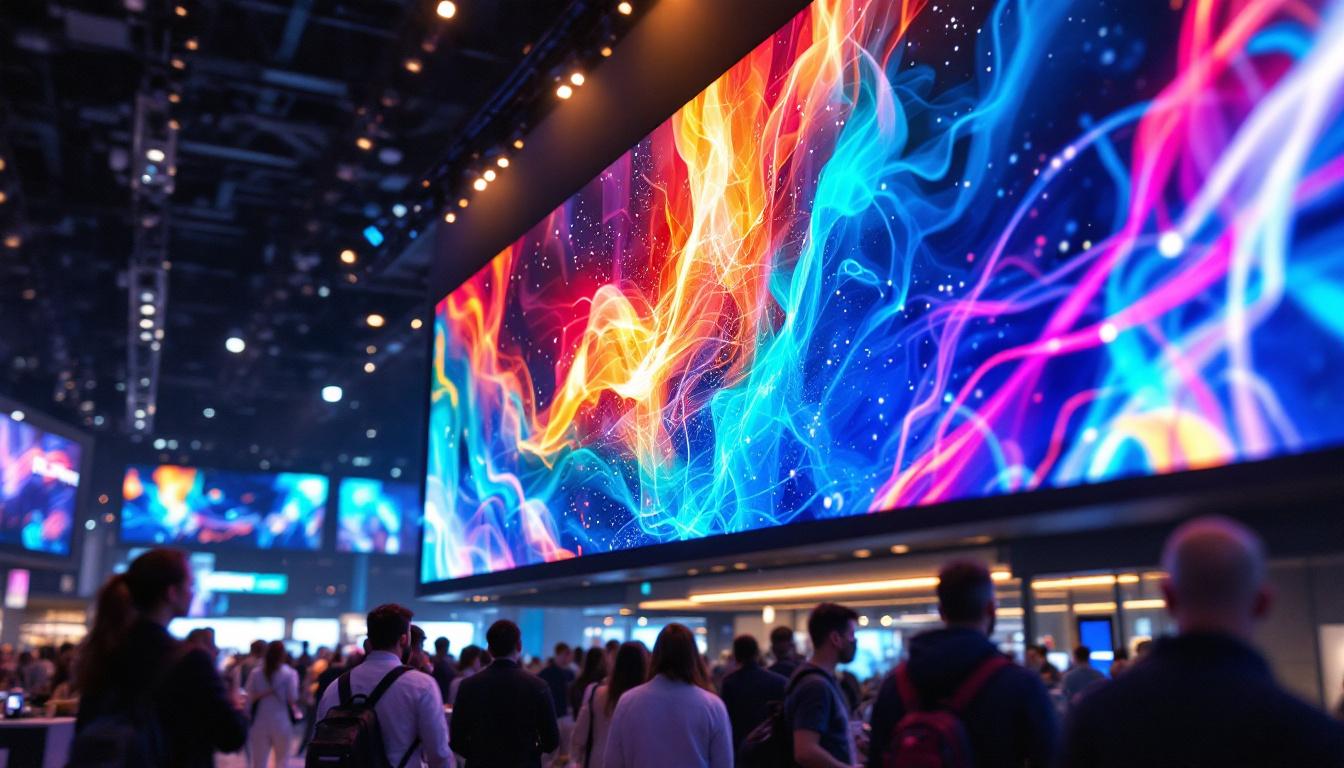
A 100-inch LED display offers an immersive viewing experience that smaller screens cannot match. The large size allows for more detailed visuals, making it ideal for environments where viewers are seated at a distance or where visual impact is critical. For example, in conference rooms, auditoriums, retail spaces, or digital signage applications, a 100-inch display can command attention and improve engagement. The sheer scale of the display draws viewers in, creating a captivating atmosphere that enhances presentations and advertisements alike.
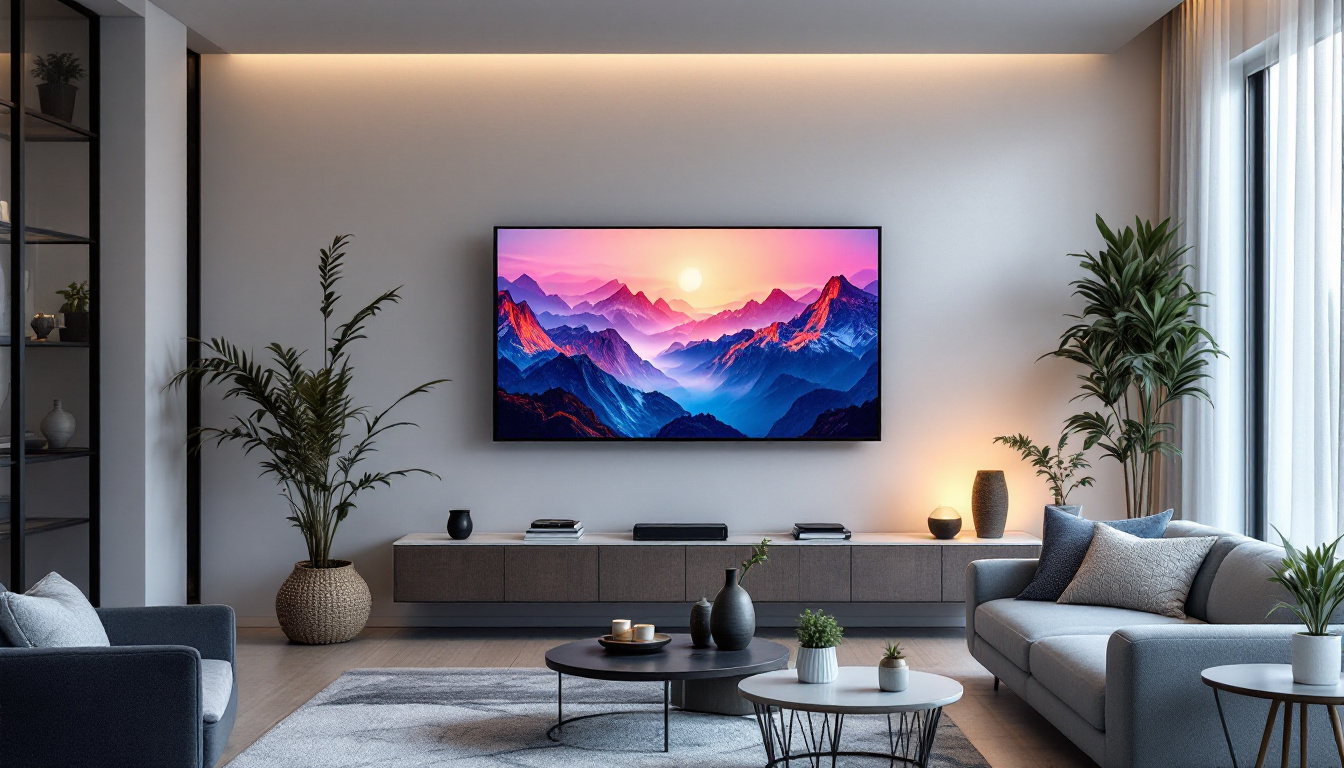
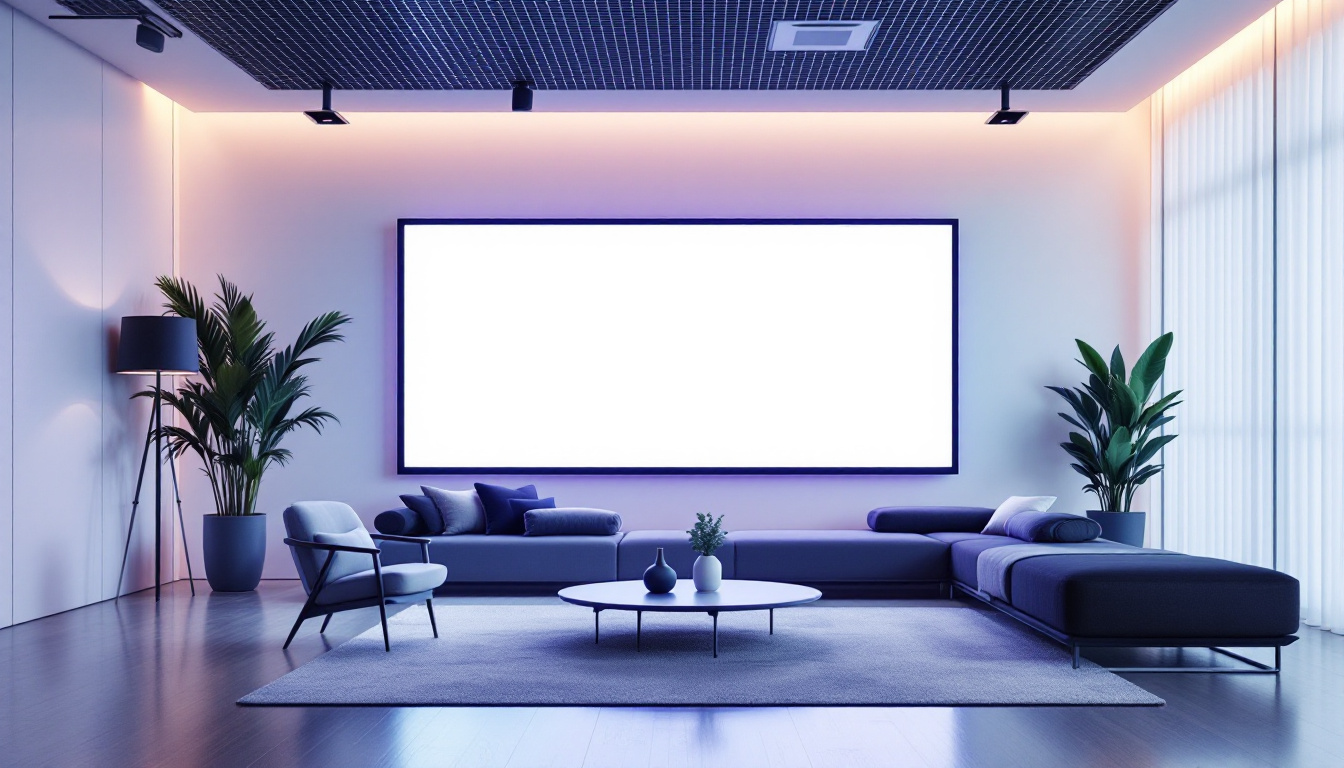
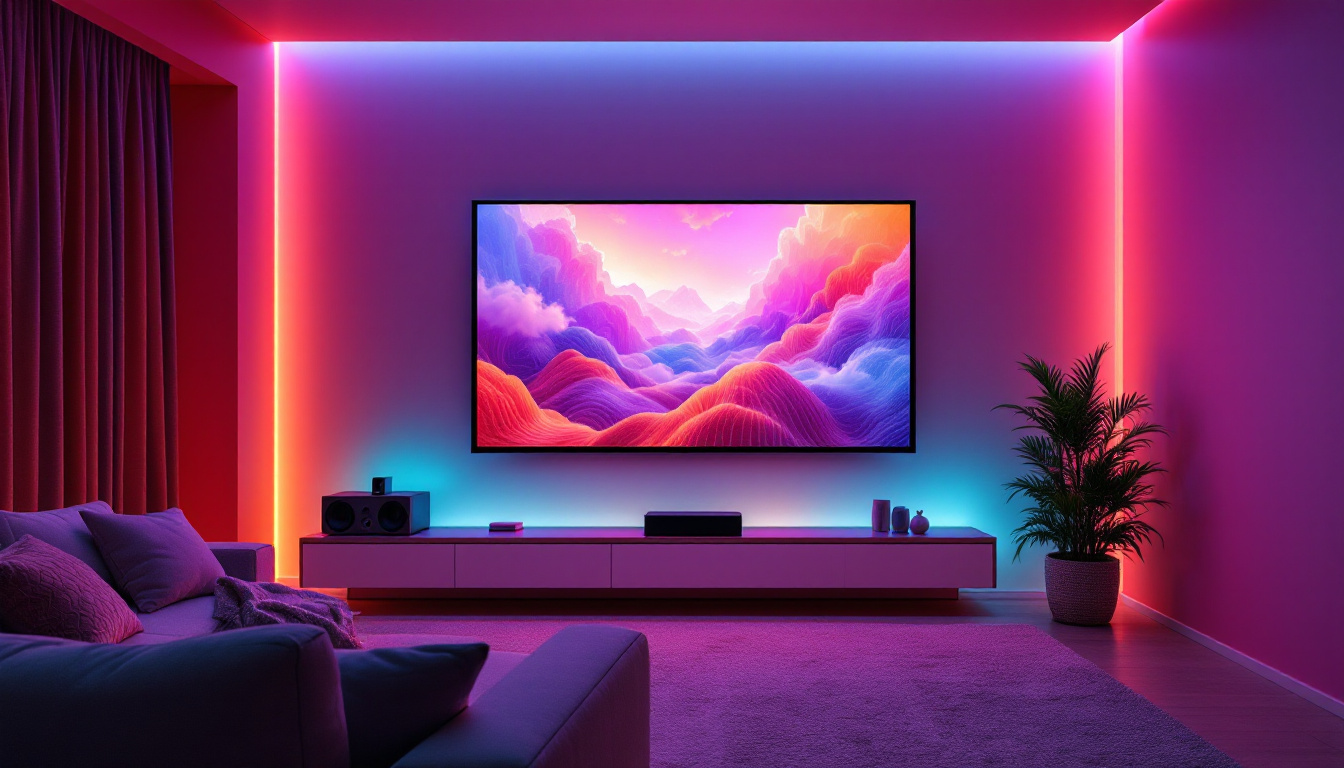
In home theater setups, a 100-inch screen can replicate the cinematic experience, providing viewers with a sense of scale and depth that enhances movie watching or gaming. Imagine the thrill of watching your favorite action film with a larger-than-life image that fills your peripheral vision, making every explosion and chase scene feel more intense. Additionally, the vibrant colors and sharp contrast of LED technology ensure that every detail is rendered beautifully, from the subtlest facial expressions to the grandest landscapes.
Optimal Viewing Distance
Size alone is not the only factor to consider; viewing distance plays a crucial role in how effectively a 100-inch display can be enjoyed. The Society of Motion Picture and Television Engineers (SMPTE) recommends a viewing distance of roughly 1.5 to 2.5 times the screen diagonal for HD content. For a 100-inch screen, this means sitting between 12.5 and 20.8 feet away. This optimal distance not only enhances clarity but also helps to create an enveloping experience that feels more like being in a theater than sitting at home.
For 4K resolution or higher, viewers can sit closer without noticing pixelation, which enhances the immersive effect. This makes 100-inch LED displays versatile for both large venues and premium home theaters. Moreover, the flexibility in seating arrangements allows for creative layouts in spaces such as classrooms or collaborative work environments, where multiple viewers can comfortably engage with the content without compromising on quality. The ability to adjust seating distance also means that the same display can cater to different types of events, from intimate gatherings to larger presentations, making it a valuable investment for any space.
Pixel Pitch and Resolution: Defining Image Quality on a 100-Inch LED Display
What Is Pixel Pitch?
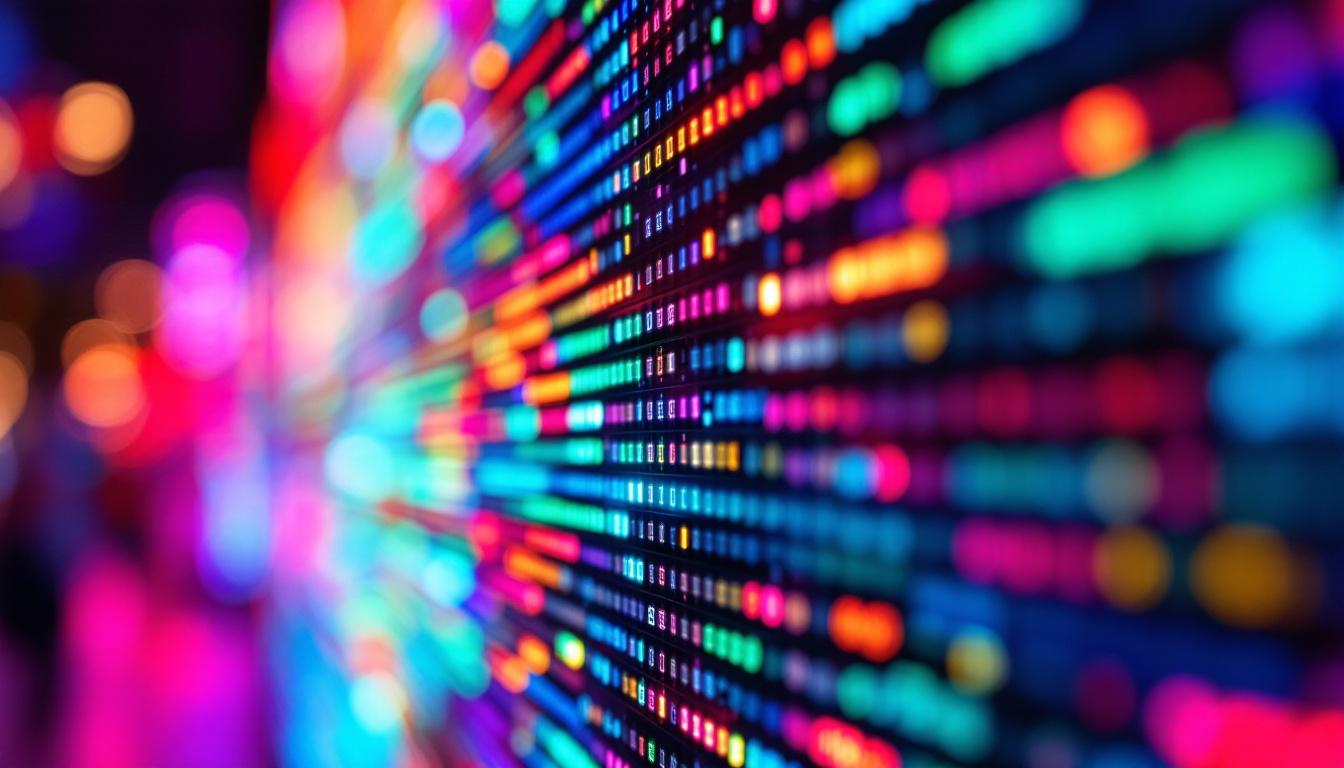
Pixel pitch is the distance between the centers of two adjacent pixels on an LED display, typically measured in millimeters. It directly influences the display’s resolution and image clarity. Smaller pixel pitch means higher pixel density, resulting in sharper images, especially when viewed up close.
For example, a pixel pitch of 1.5mm is common in indoor LED displays used for close viewing, while outdoor displays might have pixel pitches of 4mm or more due to greater viewing distances.
Resolution Considerations for a 100-Inch LED
The resolution of a 100-inch LED display depends on the pixel pitch and the total number of pixels. For indoor use, a 1.5mm to 2.5mm pixel pitch is typical, providing Full HD (1920×1080) or 4K (3840×2160) resolutions on a 100-inch screen.
Higher resolution is especially important for applications like corporate presentations, broadcast studios, or retail where fine detail and text clarity are essential. Conversely, for large-scale outdoor advertising, lower resolution with larger pixel pitch is acceptable because viewers are generally farther away.
Applications of 100-Inch LED Displays
Corporate and Educational Environments
In corporate boardrooms and educational institutions, 100-inch LED displays are increasingly popular for presentations, video conferencing, and collaborative work. The large screen size ensures that content is visible to everyone in the room, improving communication and engagement.
Additionally, LED displays offer superior brightness and contrast compared to traditional projection systems, making them suitable for rooms with ambient light.
Entertainment and Home Theater
Home theaters benefit greatly from 100-inch LED displays, which deliver vibrant colors, deep blacks, and high brightness levels. Unlike projectors, LED displays do not require a darkened room and offer consistent image quality without the need for screen maintenance or bulb replacements.
Gaming enthusiasts also appreciate large LED screens for immersive gameplay, where high refresh rates and low input lag are crucial.
Retail and Digital Signage
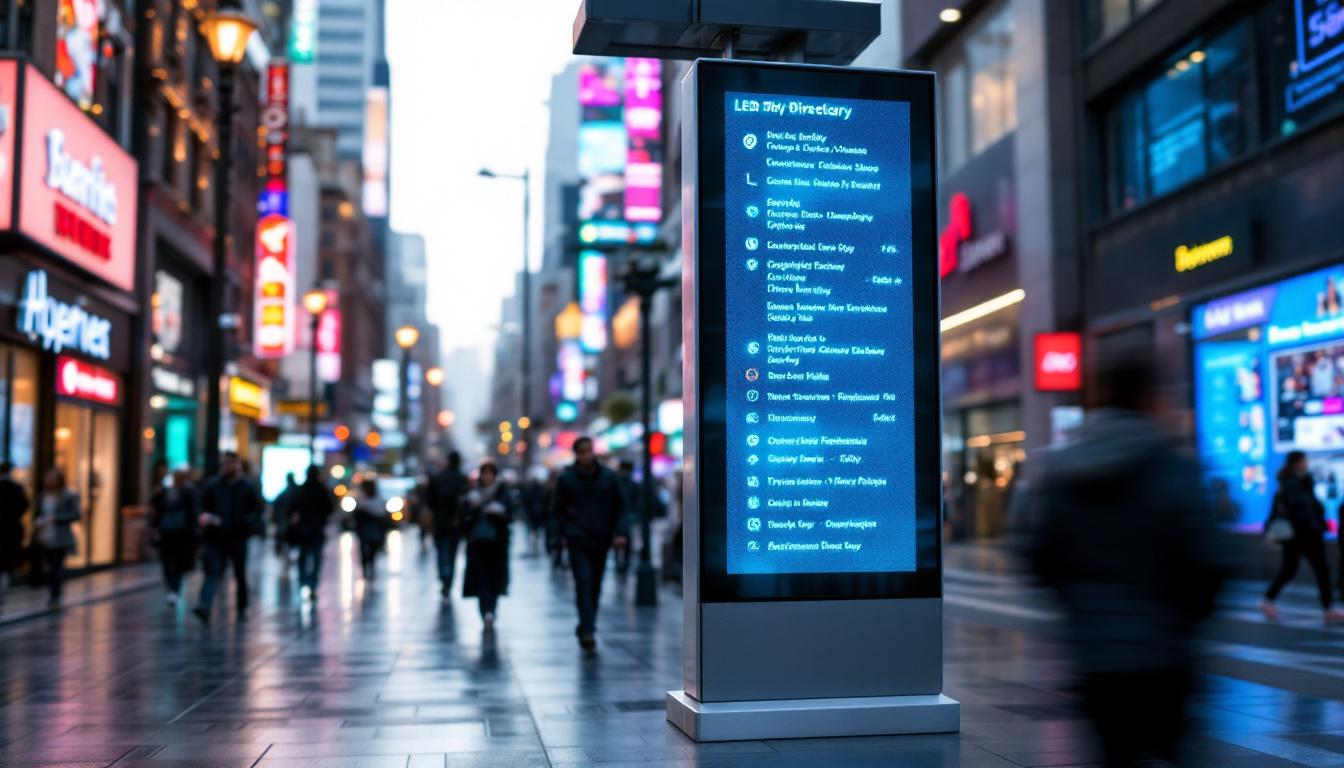
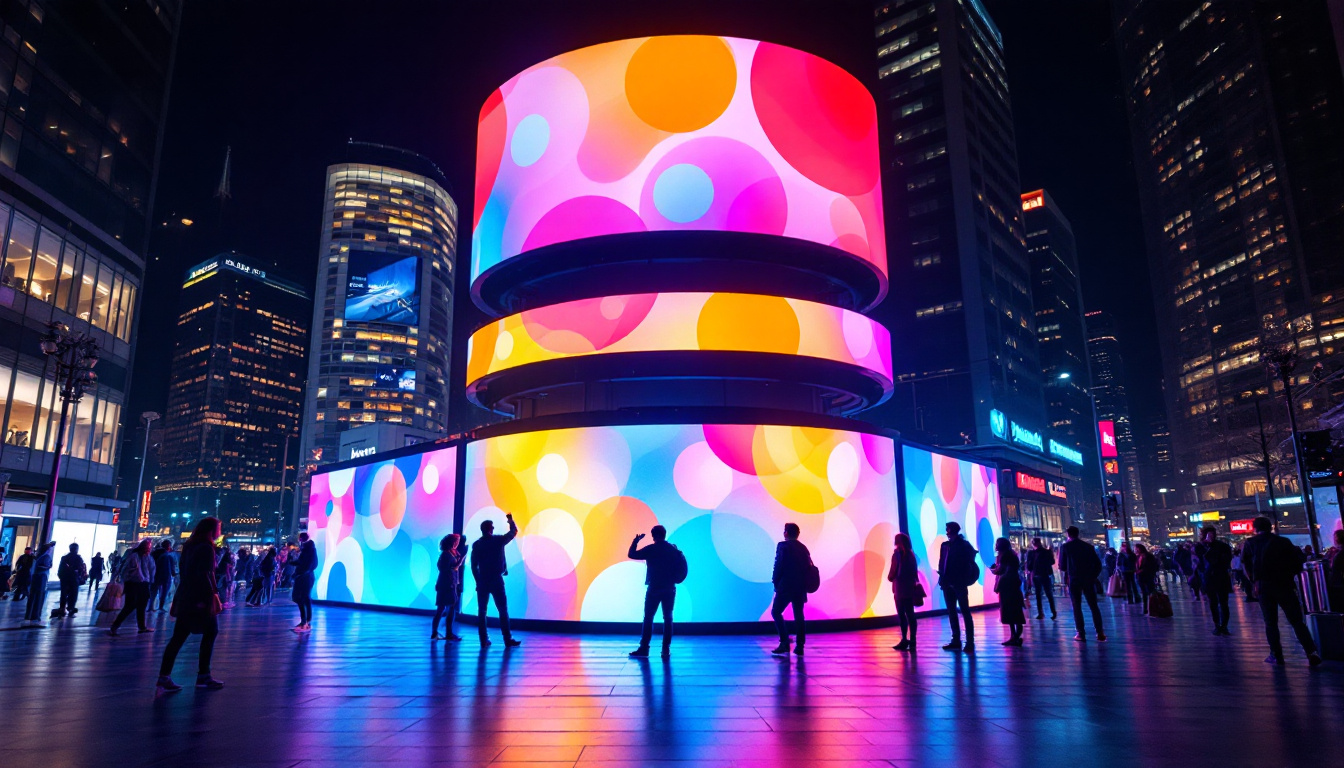
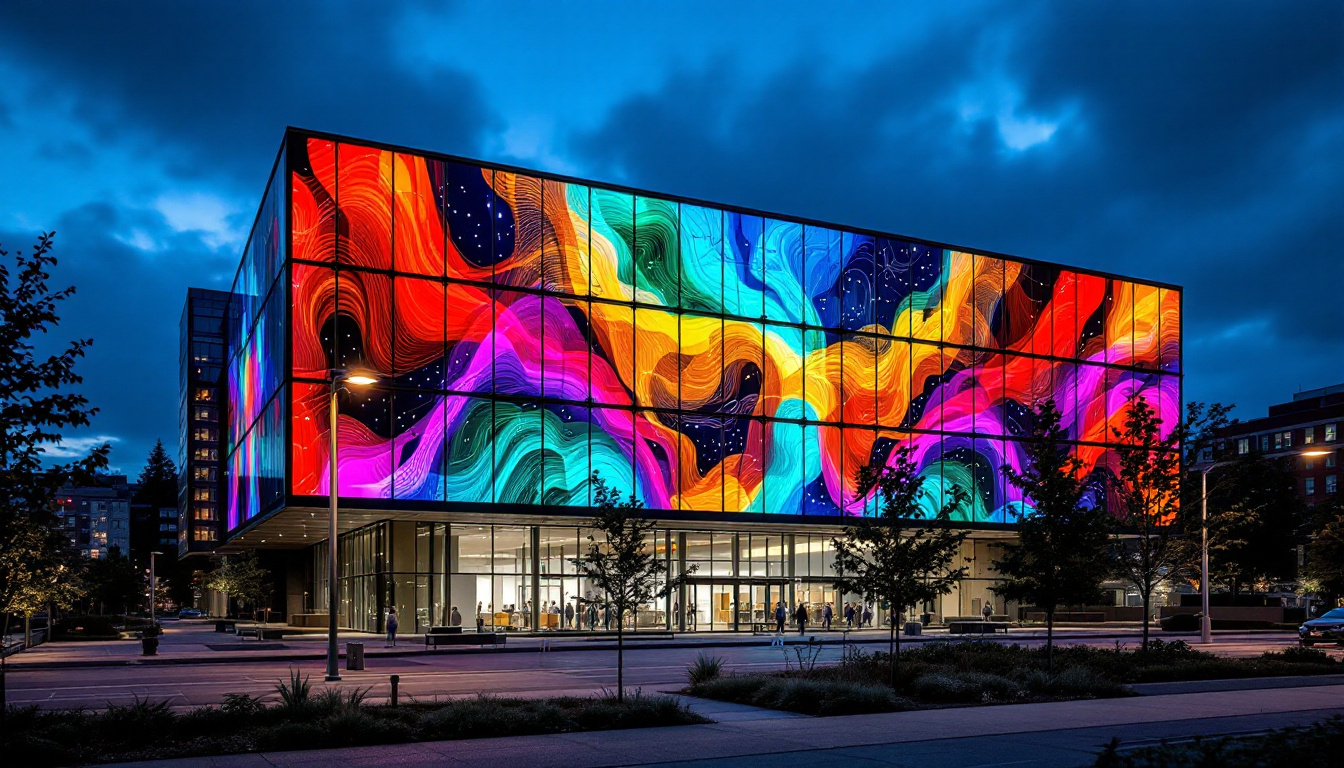
Retailers and advertisers use 100-inch LED displays to create eye-catching digital signage that attracts customers and conveys promotional messages effectively. The size and brightness of LED displays make them suitable for both indoor and outdoor use, withstanding various lighting conditions.
Dynamic content on large LED screens can increase customer engagement and drive sales, making them a valuable investment for businesses.
Comparing 100-Inch LED Displays to Other Technologies
LED vs. LCD Displays
While both LED and LCD displays are common, LED displays use light-emitting diodes for each pixel, providing superior brightness, contrast, and color accuracy. LCDs rely on backlighting, which can cause light bleed and reduce image quality on very large screens.
For a 100-inch screen, LED technology is often preferred for commercial and professional applications due to its scalability and image quality. However, LED displays tend to be more expensive than LCDs, so budget considerations come into play.
LED vs. Projection Systems
Projection systems can achieve large screen sizes, but they require controlled lighting environments and regular maintenance. LED displays offer consistent brightness and are less affected by ambient light, making them more versatile.
Moreover, LED displays provide better color saturation and sharper images without the need for a separate screen surface, simplifying installation and reducing space requirements.
Installation and Maintenance Considerations for 100-Inch LED Displays
Space and Mounting Requirements
Installing a 100-inch LED display requires careful planning regarding wall space, mounting hardware, and structural support. Due to their size and weight, professional installation is recommended to ensure safety and optimal performance.
Additionally, considerations such as cable management, power supply, and ventilation must be addressed to maintain the display’s longevity and functionality.
Maintenance and Longevity
LED displays are generally durable and require less maintenance than projection systems. However, regular cleaning to remove dust and periodic software updates are important to keep the display operating smoothly.
High-quality LED modules can have lifespans exceeding 100,000 hours, making them a cost-effective solution over time despite the higher initial investment.
Conclusion: Is a 100-Inch LED Display Right for You?
A 100-inch LED display represents a significant investment but offers unmatched visual impact, versatility, and durability. Whether for corporate presentations, home theaters, retail signage, or large-scale events, understanding the dimensions, resolution, and practical considerations is essential to making an informed decision.
By appreciating what 100 inches truly means in physical size and visual experience, users can better assess their needs and choose the right LED display to deliver stunning, immersive content that captivates audiences.
Discover the Perfect LED Display with LumenMatrix
Ready to elevate your visual experience with a 100-inch LED display? LumenMatrix is at the forefront of LED display innovation, offering a wide range of solutions tailored to your unique needs. From immersive indoor and outdoor LED walls to dynamic vehicle and sports displays, our cutting-edge technology is designed to make your brand stand out. Explore our versatile LED Poster Displays, interactive Floor LED Displays, sleek All-in-One LED Displays, and captivating LED Transparent Displays. Embrace the future of visual communication with LumenMatrix and transform your space into a captivating visual spectacle. Check out LumenMatrix LED Display Solutions today and see how we can help you share your message with unparalleled clarity and impact.