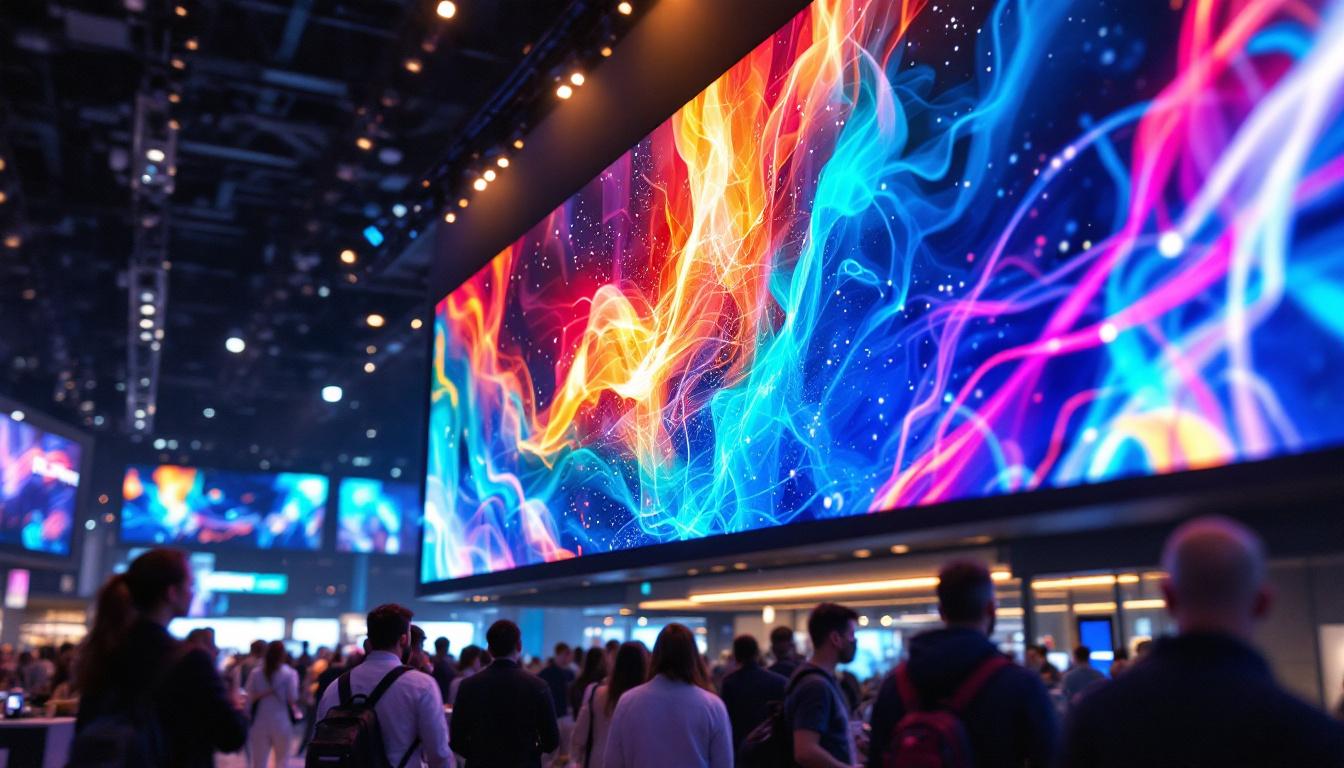
In the rapidly evolving world of digital displays, Directview LED technology has emerged as a leading solution for delivering vibrant, high-resolution images across a variety of applications. From massive outdoor billboards to indoor retail signage, Directview LED displays offer unparalleled brightness, color accuracy, and versatility. This article delves into the fundamentals of Directview LED technology, exploring how these displays work, their key advantages, and the diverse environments where they are transforming visual communication.
Understanding Directview LED Technology
What is Directview LED?
Directview LED refers to a type of digital display technology where light-emitting diodes (LEDs) are used as individual pixels to create images and videos that are viewed directly by the audience. Unlike traditional LCD or projection screens, Directview LED displays do not rely on backlighting or external light sources. Instead, each LED emits its own light, resulting in superior brightness and contrast.
The term “Directview” highlights the fact that viewers see the light emitted directly from the display surface, which enhances clarity and visibility even in challenging lighting conditions. This technology is commonly employed in both indoor and outdoor settings, with pixel pitches ranging from less than 1mm for ultra-fine indoor displays to several millimeters for large-scale outdoor installations.
How Do Directview LED Displays Work?
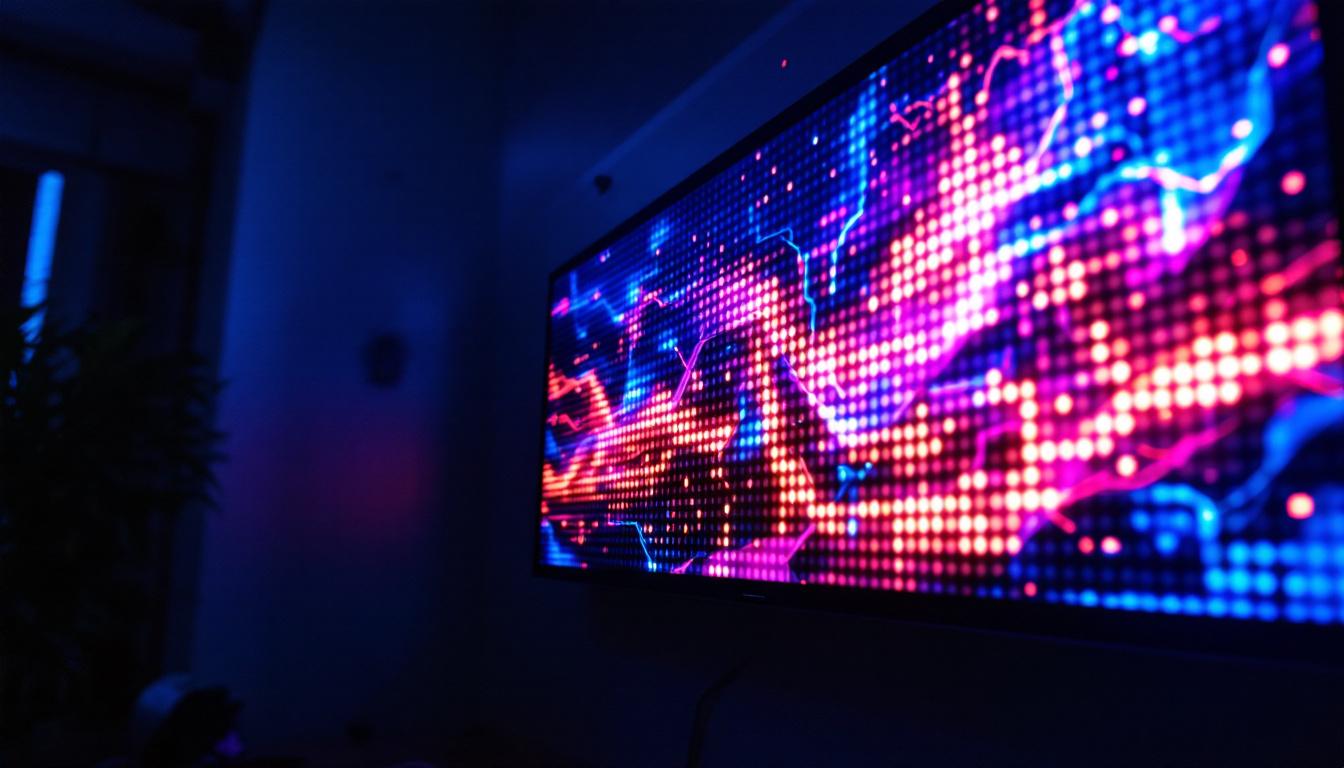
At the core of a Directview LED display are tiny LEDs arranged in a grid pattern. Each LED functions as a pixel that can emit red, green, and blue light. By adjusting the intensity of these three colors, the display can produce a full spectrum of colors. This RGB combination is fundamental to achieving vivid and accurate color reproduction.
The LEDs are mounted on modular panels that can be assembled to create screens of virtually any size or shape. These panels are connected to a control system that processes incoming video signals and manages the color and brightness of each LED pixel in real-time. This modular design offers flexibility, allowing displays to be customized for specific resolutions and viewing distances.
Types of LEDs Used in Directview Displays
There are primarily two types of LEDs used in Directview displays: surface-mount device (SMD) LEDs and through-hole LEDs. SMD LEDs are compact and integrate the red, green, and blue diodes into a single package, making them ideal for high-resolution indoor displays with small pixel pitches. Through-hole LEDs, on the other hand, are larger and often used in outdoor displays where brightness and durability are paramount.
Recent advancements have also introduced mini-LED and micro-LED technologies, which further enhance resolution and energy efficiency. These innovations are pushing the boundaries of what Directview LED displays can achieve, especially in premium applications like high-end retail, broadcast studios, and control rooms.
Key Advantages of Directview LED Displays
Exceptional Brightness and Visibility
One of the most significant benefits of Directview LED displays is their ability to deliver extremely high brightness levels. Outdoor LED screens can reach brightness levels exceeding 5,000 nits, ensuring that content remains clearly visible even under direct sunlight. This makes them ideal for advertising billboards, sports arenas, and transportation hubs where ambient light conditions can be challenging.
Indoor Directview LED displays, while less bright, still outperform many traditional display technologies in terms of luminance and contrast. Their self-emissive nature allows for deep blacks and vibrant colors, contributing to a more engaging and immersive viewing experience.
Wide Viewing Angles and Color Accuracy
Directview LED displays offer wide viewing angles, often up to 160 degrees or more, without significant color distortion or brightness loss. This ensures that viewers can experience consistent image quality from various positions, which is crucial in public spaces, retail environments, and event venues.
Color accuracy is another hallmark of LED technology. With precise control over each pixel’s color output, Directview LED screens can reproduce a broad color gamut and deliver smooth gradients. This capability is essential for applications requiring high fidelity visuals, such as digital art installations and live event backdrops.
Durability and Energy Efficiency
Directview LED displays are built to withstand harsh environmental conditions, especially outdoor models that feature weatherproof and dust-resistant enclosures. Many outdoor LED panels are rated with IP65 or higher, ensuring protection against rain, dust, and extreme temperatures.
In addition to robustness, LED technology is energy efficient compared to traditional lighting and display methods. LEDs consume less power and generate less heat, which reduces operational costs and extends the lifespan of the display components. This efficiency is increasingly important as businesses and municipalities seek sustainable solutions for digital signage.
Scalability and Customization
Because Directview LED displays are composed of modular panels, they offer remarkable scalability. Whether a client needs a small indoor screen for a retail store or a massive outdoor video wall spanning hundreds of square meters, the technology can be tailored to meet those requirements.
Customization extends beyond size. Pixel pitch can be selected based on viewing distance and resolution needs, while display shapes can be curved or irregular to fit architectural designs. This flexibility enables creative and impactful visual solutions that integrate seamlessly into a variety of environments.
Applications of Directview LED Displays
Outdoor Advertising and Digital Billboards
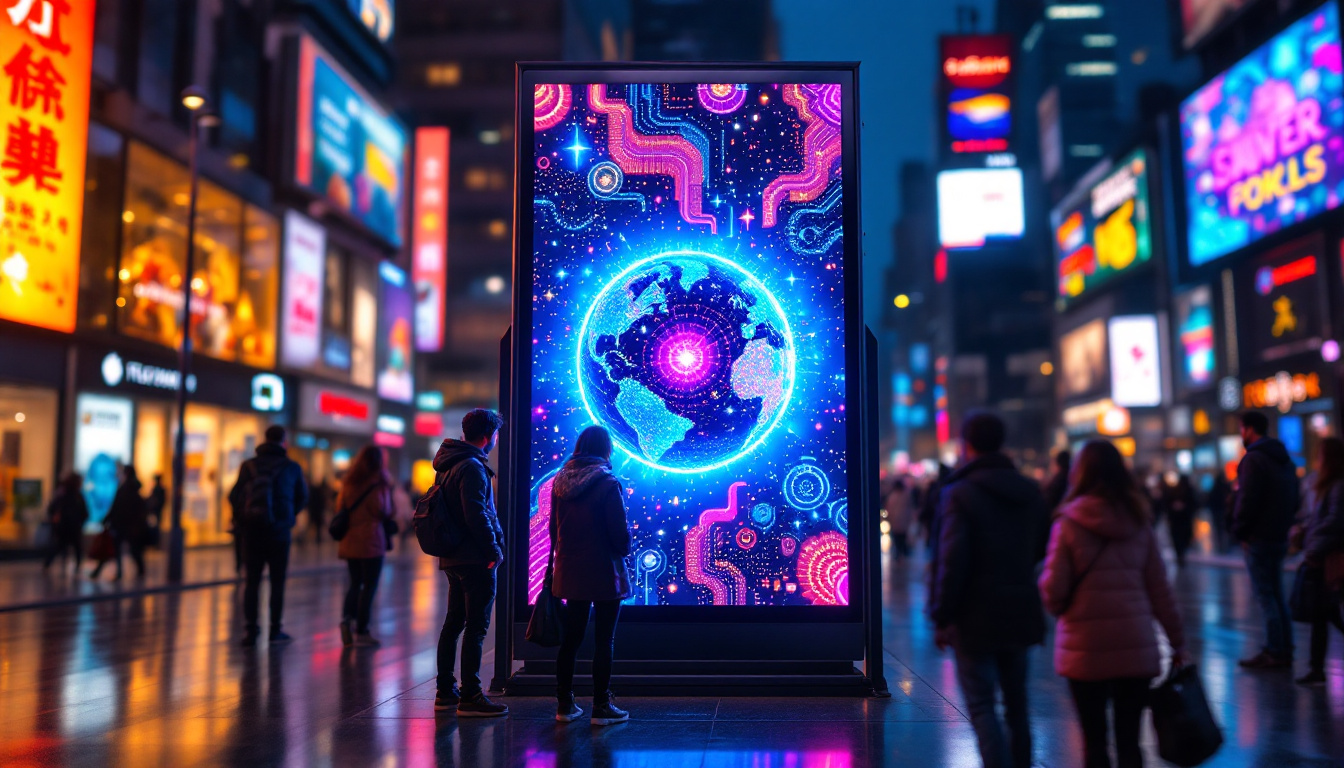
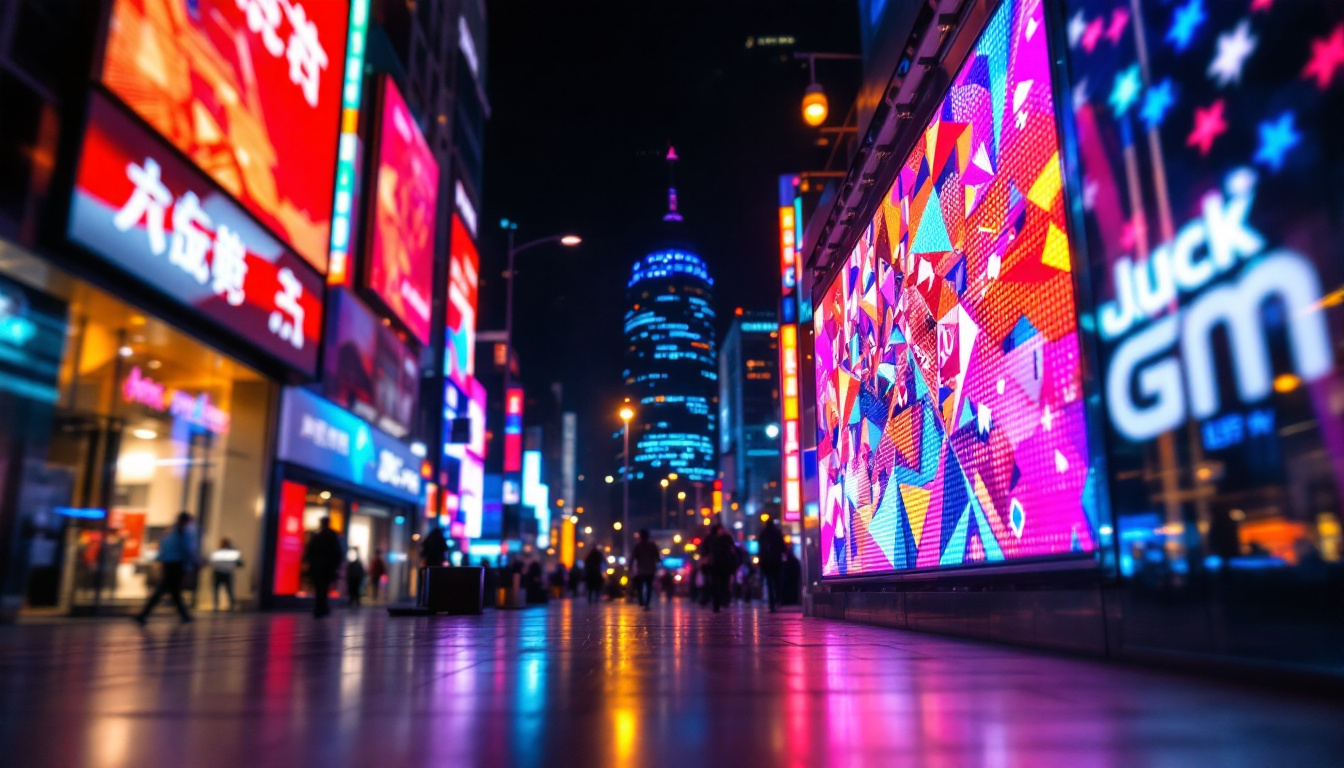
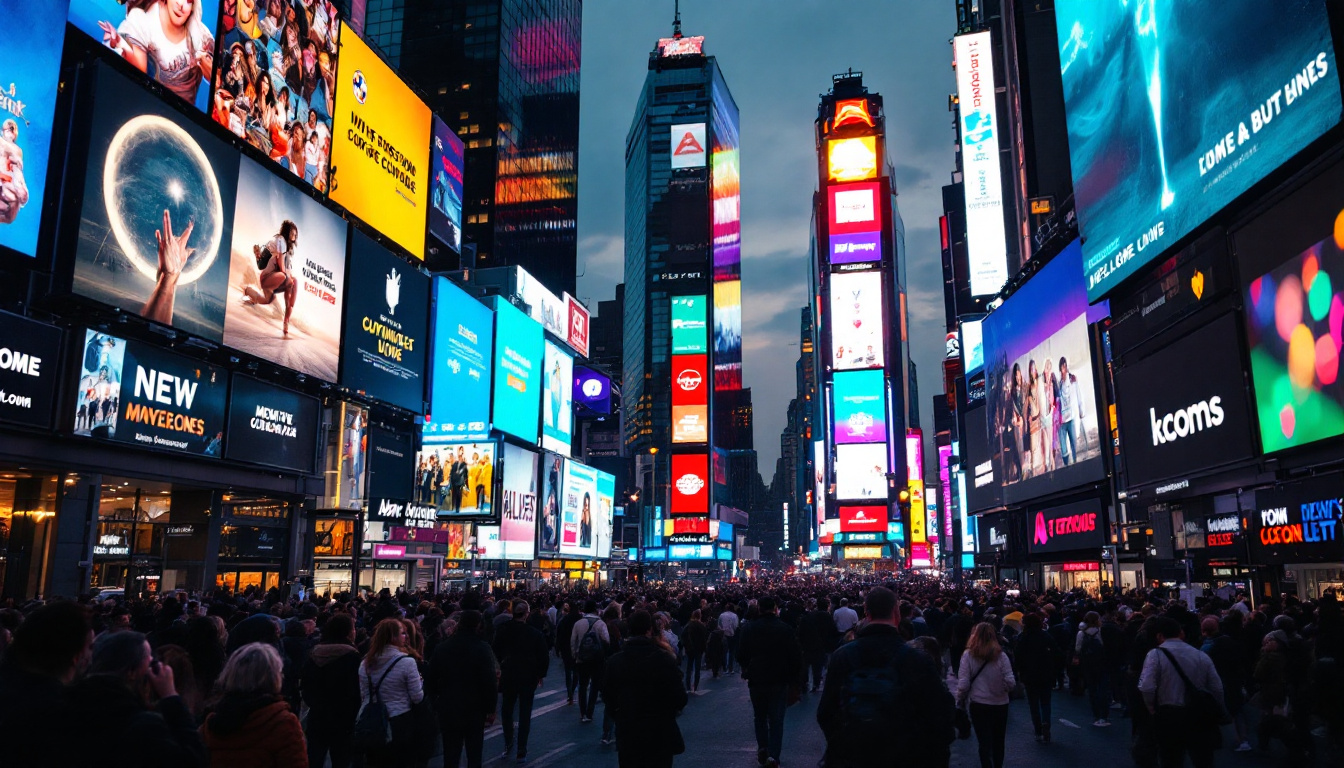
Outdoor advertising is one of the most prominent applications of Directview LED technology. Digital billboards equipped with high-brightness LEDs can capture attention with dynamic content that changes in real-time. According to recent industry reports, the global digital out-of-home (DOOH) advertising market is expected to grow at a compound annual growth rate (CAGR) of over 10% through 2027, driven largely by the adoption of LED displays.
These displays enable advertisers to deliver targeted messages based on time of day, weather conditions, or audience demographics, increasing engagement and return on investment. Moreover, LED billboards are more environmentally friendly than traditional printed posters, reducing waste and enabling instant updates.
Sports Arenas and Entertainment Venues
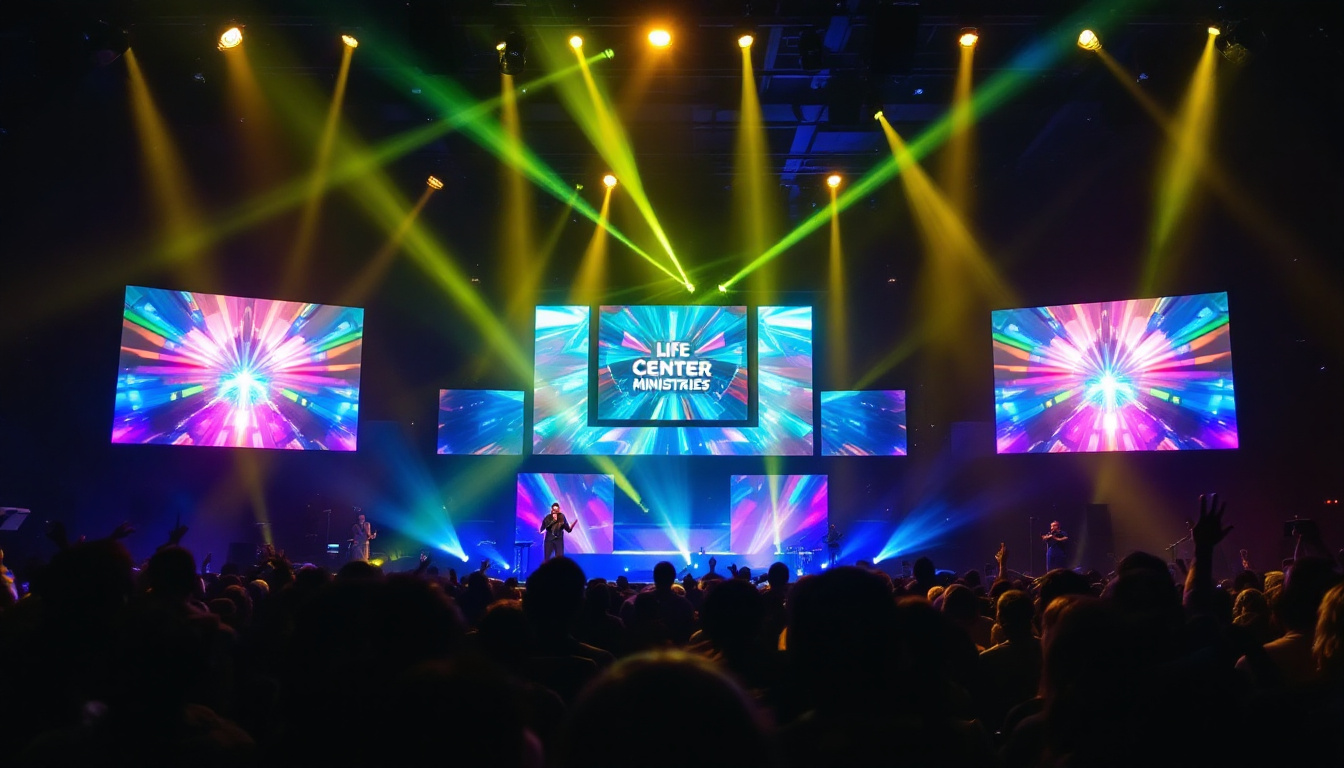
Directview LED displays are a staple in sports and entertainment venues, where large, high-resolution screens enhance the fan experience. From giant scoreboards to immersive LED ribbon boards and video walls, these displays provide real-time game updates, replays, and interactive content that keep audiences engaged.
In addition to brightness and size, the fast refresh rates and low latency of LED displays ensure smooth video playback and crisp graphics, which are critical during live events. The ability to customize screen shapes also allows venues to create unique visual environments that complement their architectural style.
Retail and Corporate Environments
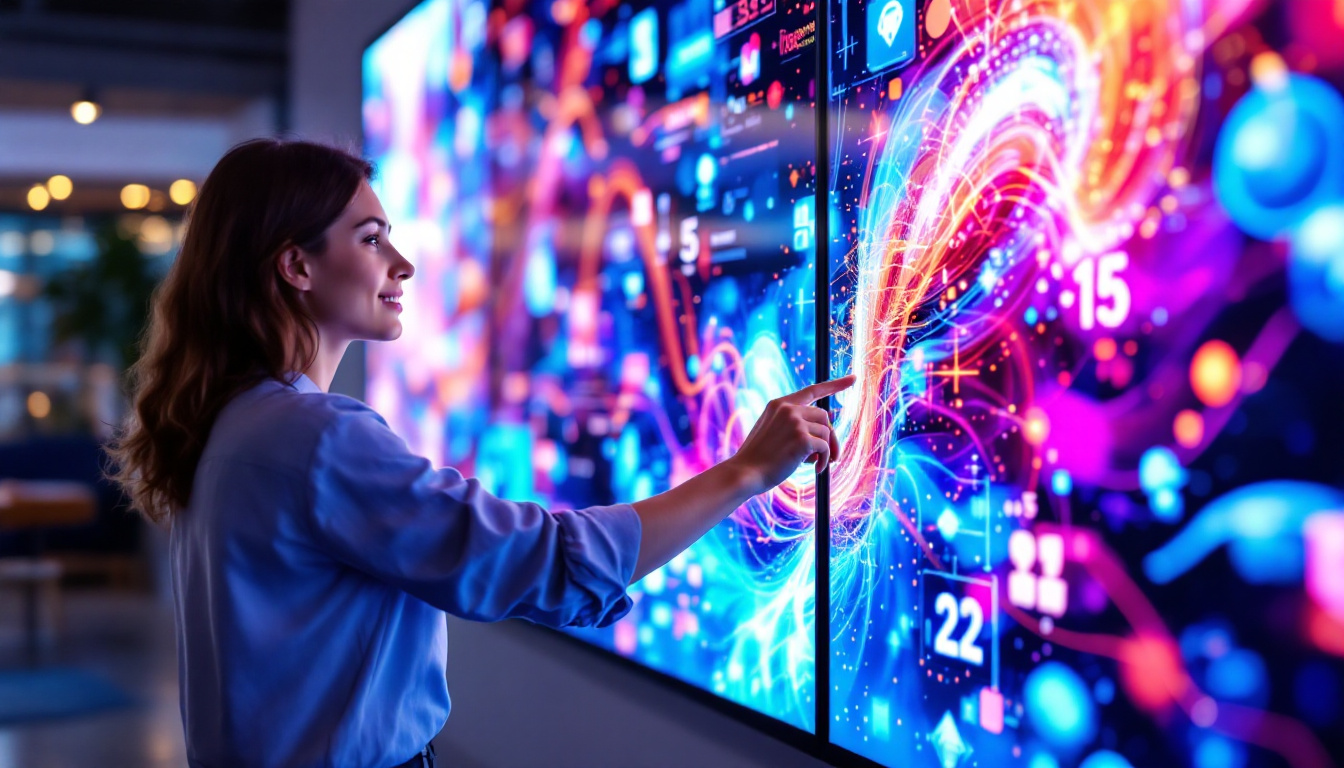
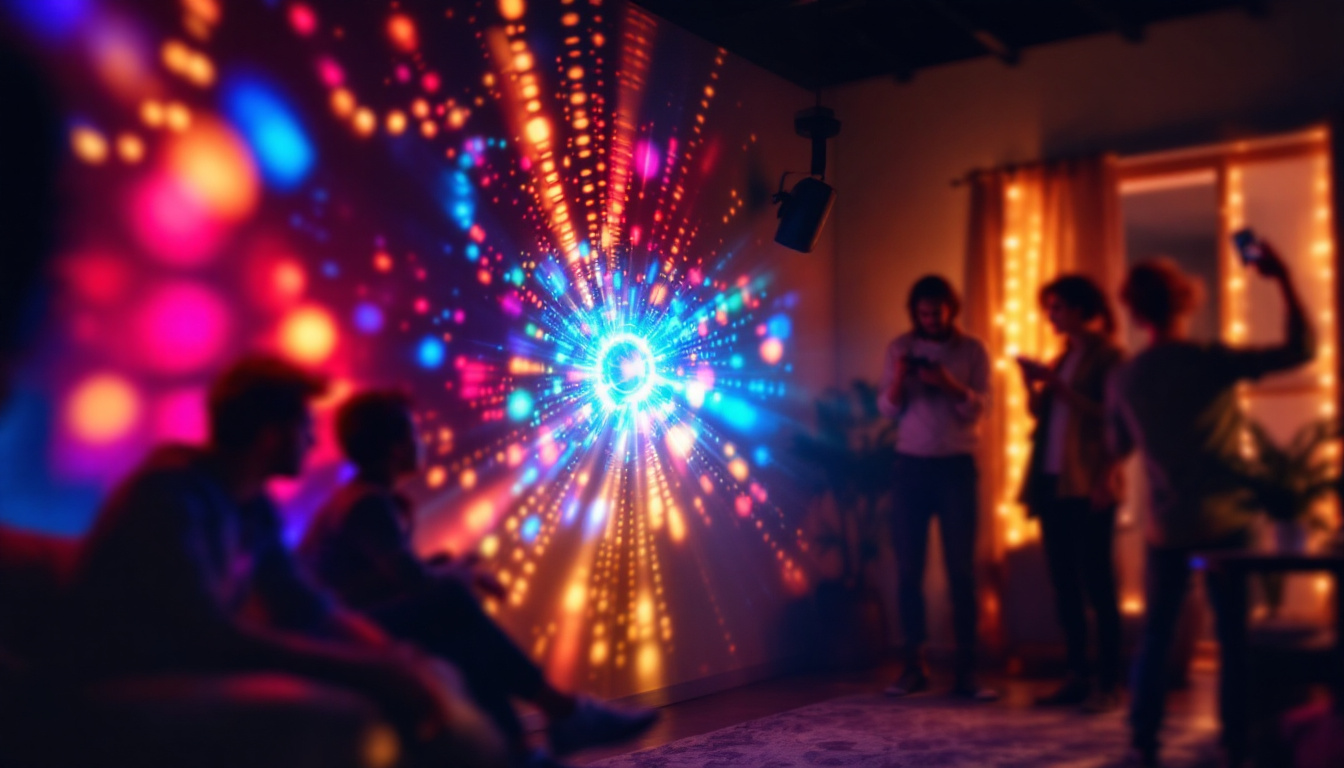
In retail stores and corporate settings, Directview LED displays are transforming how brands communicate with customers and employees. High-resolution indoor LED walls serve as digital signage, advertising platforms, and information hubs, delivering eye-catching content that drives sales and enhances brand perception.
Corporate lobbies and conference rooms benefit from LED displays that enable dynamic presentations and video conferencing with superior image quality. The flexibility of LED technology also supports creative digital art installations that can elevate the ambiance of commercial spaces.
Transportation and Public Spaces
Airports, train stations, and other transportation hubs utilize Directview LED displays for wayfinding, schedule updates, and emergency notifications. The high visibility and reliability of LED screens make them ideal for environments where clear communication is essential for safety and efficiency.
Public spaces such as city squares and museums also use LED displays for interactive exhibits, public announcements, and cultural events. The durability and weather resistance of outdoor LED panels ensure continuous operation in diverse conditions.
Choosing the Right Directview LED Display
Assessing Pixel Pitch and Resolution
One of the first considerations when selecting a Directview LED display is pixel pitch, which refers to the distance between the centers of adjacent LEDs. A smaller pixel pitch means higher resolution and sharper images, suitable for close viewing distances. Conversely, larger pixel pitches are acceptable for displays viewed from afar, such as roadside billboards.
For example, indoor LED walls often feature pixel pitches ranging from 0.9mm to 2.5mm, delivering crisp visuals at arm’s length. Outdoor displays might use pixel pitches from 4mm to 16mm, balancing resolution with cost and brightness requirements.
Brightness and Environmental Factors
Brightness requirements vary depending on the installation environment. Outdoor displays must achieve high nit levels to combat sunlight, while indoor screens can operate at lower brightness to reduce eye strain and power consumption.
Environmental factors such as humidity, temperature fluctuations, and exposure to dust or chemicals should also influence the choice of LED panels. Ensuring the display has appropriate ingress protection ratings and cooling mechanisms will enhance longevity and performance.
Installation and Maintenance Considerations
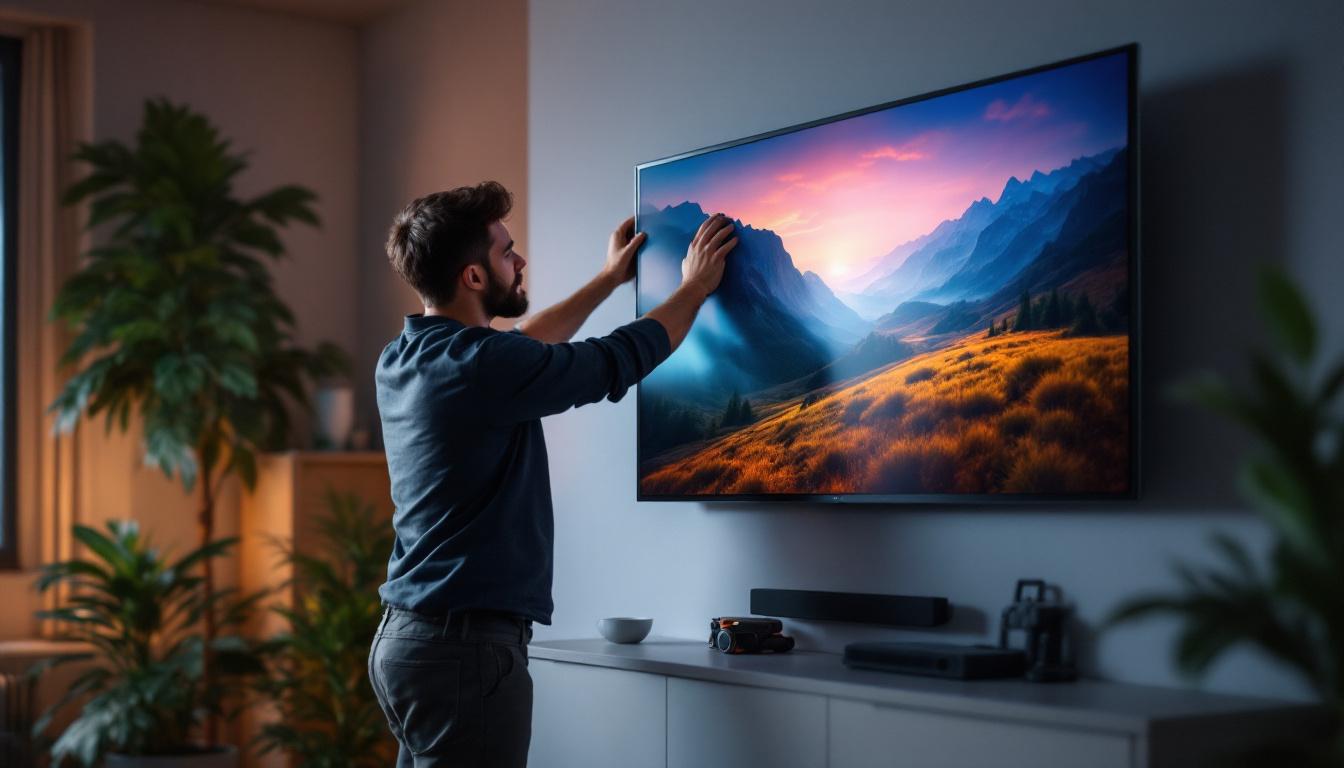
Directview LED displays require professional installation to ensure structural safety, optimal alignment, and seamless image quality. Modular panels should be installed with precision to avoid visible seams or color inconsistencies.
Maintenance is another critical factor. High-quality LED displays are designed for easy access to individual modules, facilitating quick repairs and minimizing downtime. Regular cleaning and software updates will help maintain peak performance over the display’s lifespan.
The Future of Directview LED Displays
Emerging Trends and Innovations
The Directview LED market continues to evolve with innovations such as micro-LED technology, which promises even higher resolution and energy efficiency. Micro-LEDs use microscopic LEDs to create displays with exceptional brightness, contrast, and color accuracy, potentially rivaling OLED screens in quality and durability.
Another trend is the integration of AI and IoT capabilities, enabling smart LED displays that can adapt content dynamically based on audience behavior, environmental conditions, or real-time data analytics. This enhances the effectiveness of digital signage and opens new possibilities for interactive experiences.
Sustainability and Energy Efficiency
As environmental concerns grow, manufacturers are focusing on making Directview LED displays more sustainable. Advances in LED chip design, power management, and recyclable materials are reducing the ecological footprint of these displays. Additionally, solar-powered LED installations and energy-saving modes are becoming more common, especially in outdoor applications.
Expanding Applications
Beyond traditional advertising and entertainment, Directview LED technology is finding new uses in education, healthcare, and transportation. Interactive LED walls are being used in classrooms and museums to create engaging learning environments, while hospitals employ LED displays for patient information and wayfinding.
In transportation, LED displays are increasingly integrated into smart city infrastructure, providing real-time traffic updates, public safety alerts, and environmental monitoring. These expanding applications highlight the versatility and growing importance of Directview LED technology in modern society.
Conclusion
Directview LED displays represent a transformative technology in the realm of digital signage and visual communication. Their ability to deliver bright, vivid images with exceptional clarity and durability makes them suitable for a wide range of applications, from outdoor advertising to immersive indoor experiences. As advancements continue to push the boundaries of resolution, energy efficiency, and interactivity, Directview LED displays are poised to become an even more integral part of how information and entertainment are delivered in the digital age.
For businesses, municipalities, and organizations seeking to captivate audiences and communicate effectively, understanding the capabilities and benefits of Directview LED technology is essential. With careful selection and professional installation, these displays can provide dynamic, impactful visuals that stand the test of time.
Illuminate Your Space with LumenMatrix
Ready to elevate your visual communication with the brilliance of Directview LED technology? LumenMatrix is at the forefront of LED innovation, offering a diverse range of solutions tailored to your unique needs. From vibrant Indoor and Outdoor LED Wall Displays to specialized options like Vehicle, Sports, and Floor LED Displays, our mission is to transform your space with captivating visuals. Discover the future of digital signage with our Custom, All-in-One, and Transparent LED Displays. Check out LumenMatrix LED Display Solutions today and step into a world where your message shines with unmatched clarity and impact.