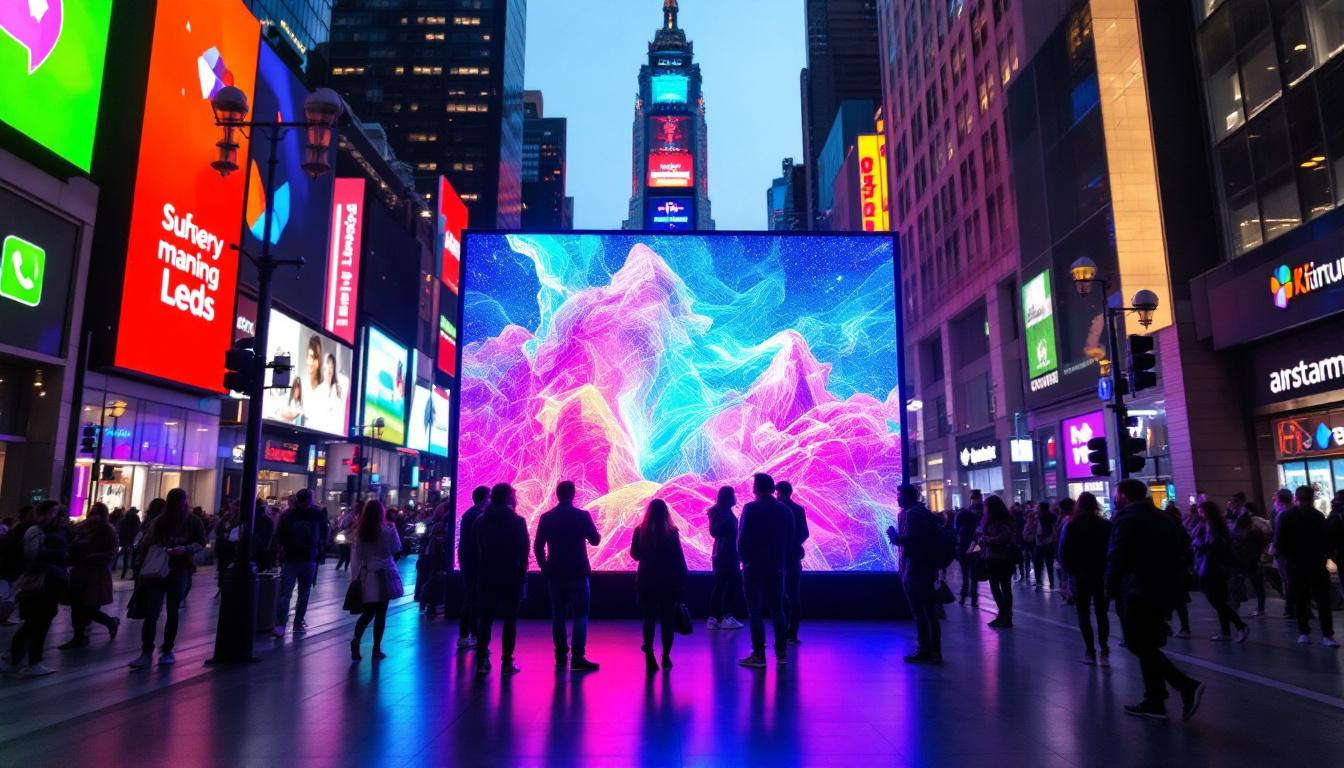
In today’s visually-driven world, LED displays have become an essential technology for communication, advertising, entertainment, and information dissemination. From massive outdoor billboards to indoor video walls, LED displays offer vibrant, dynamic visuals that capture attention and convey messages effectively. This article dives deep into the world of LED displays, exploring their technology, applications, advantages, and future trends, with a particular focus on how Vc Images utilizes this technology to deliver impactful visual experiences.
Understanding LED Display Technology
What is an LED Display?
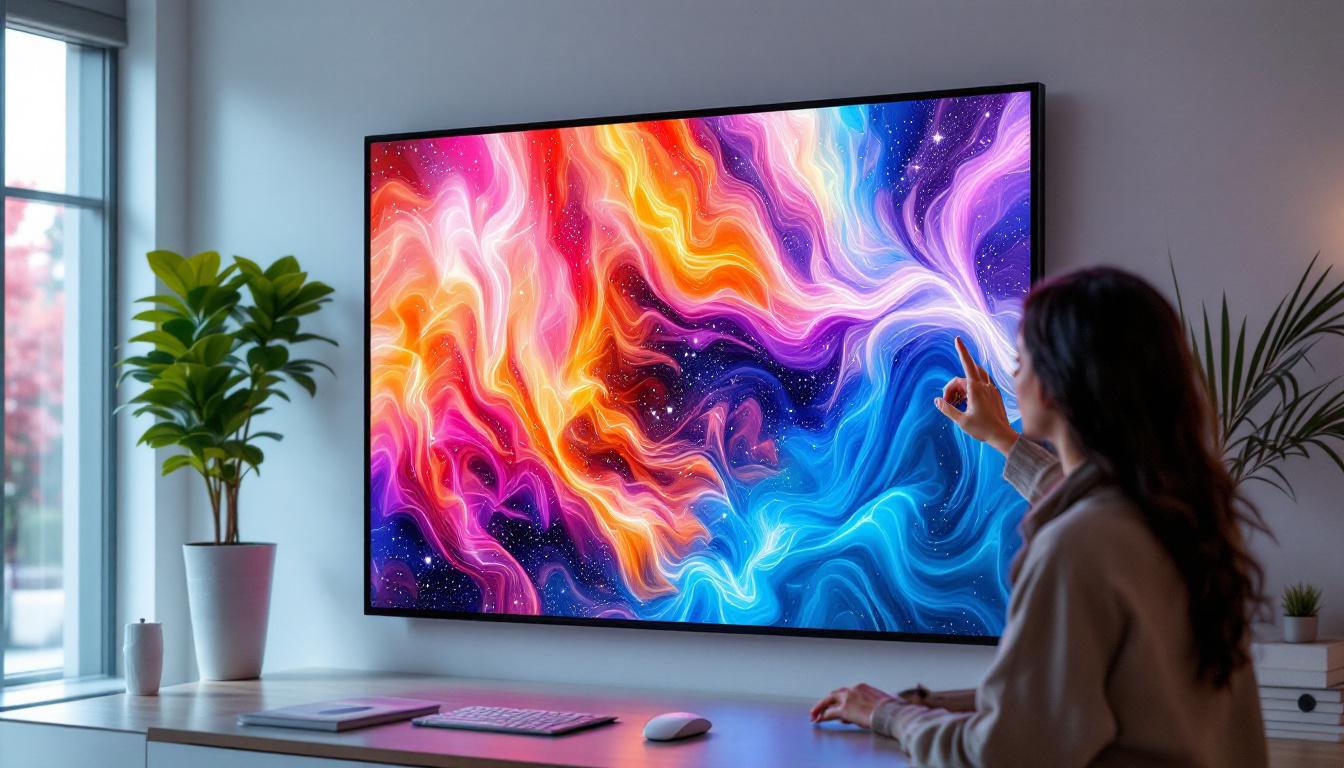
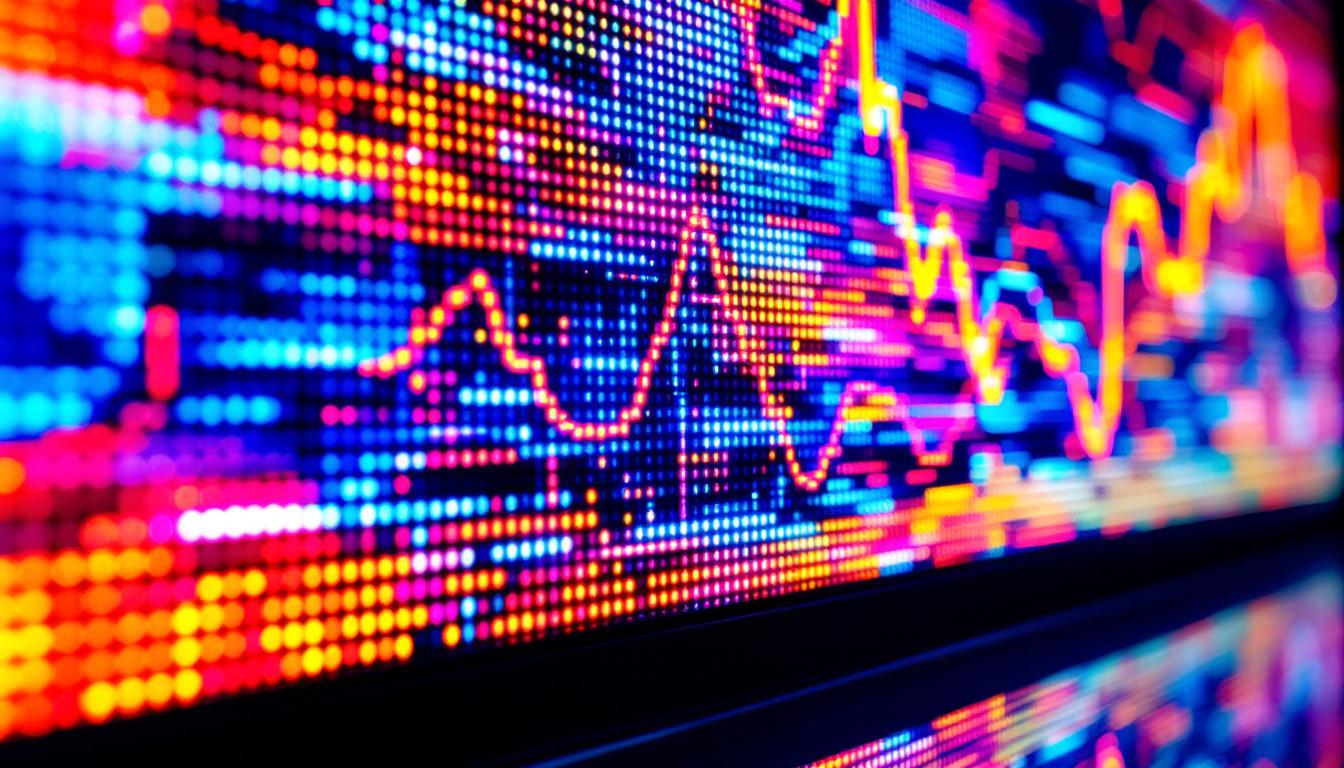
LED stands for Light Emitting Diode, a semiconductor device that emits light when an electric current passes through it. An LED display is essentially a matrix of these tiny diodes arranged in a grid to form pixels. Each pixel can emit light in different colors, allowing the display to produce images, videos, and text with remarkable clarity and brightness.
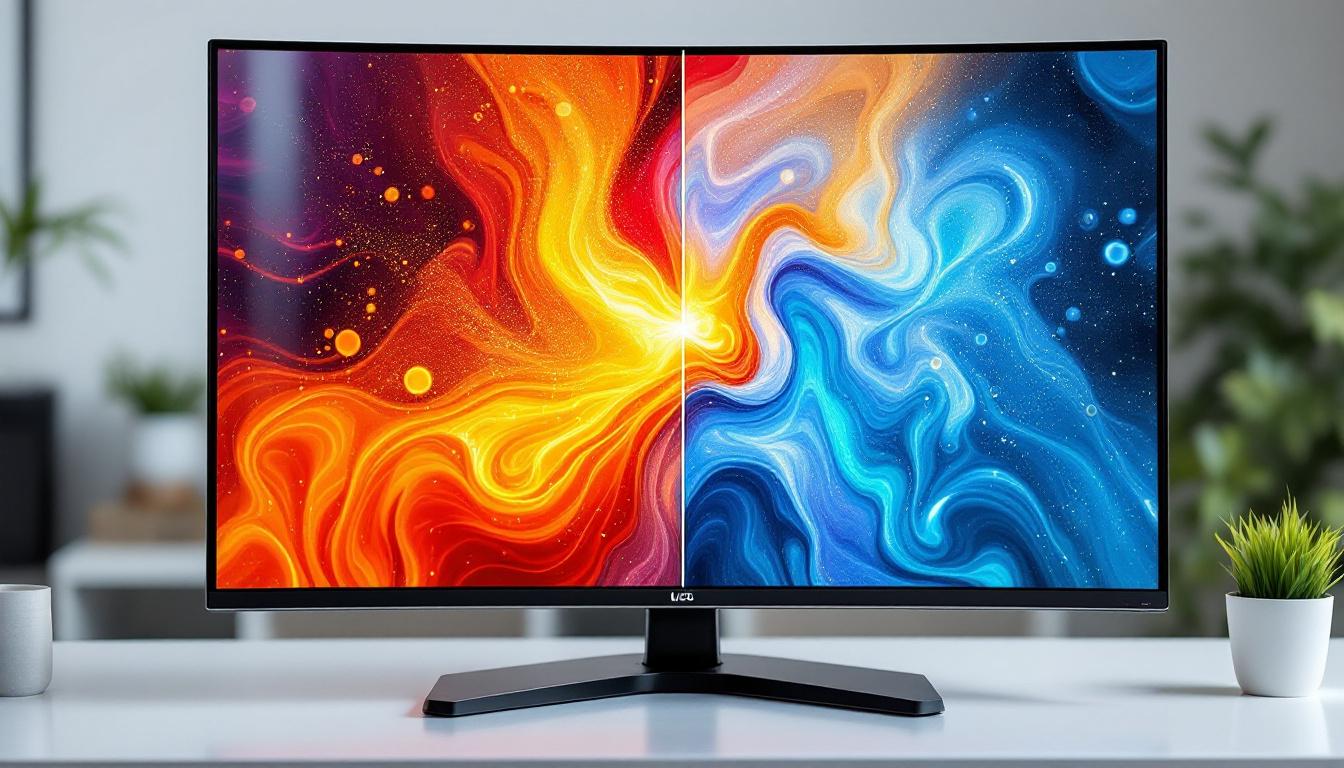
Unlike traditional LCD or plasma screens, LED displays use direct light emission, which results in higher contrast ratios and better visibility, especially in bright environments. This direct emission is why LED displays are preferred for outdoor advertising and large-scale digital signage. The ability to maintain visibility under various lighting conditions makes them an essential tool for businesses looking to capture attention in crowded spaces.
Furthermore, LED technology has evolved significantly, leading to the development of energy-efficient models that consume less power while providing superior performance. This efficiency not only reduces operational costs but also contributes to environmental sustainability, as many manufacturers are now focusing on creating eco-friendly displays that minimize waste and energy consumption.
Types of LED Displays
LED displays come in several forms, each tailored for specific uses:
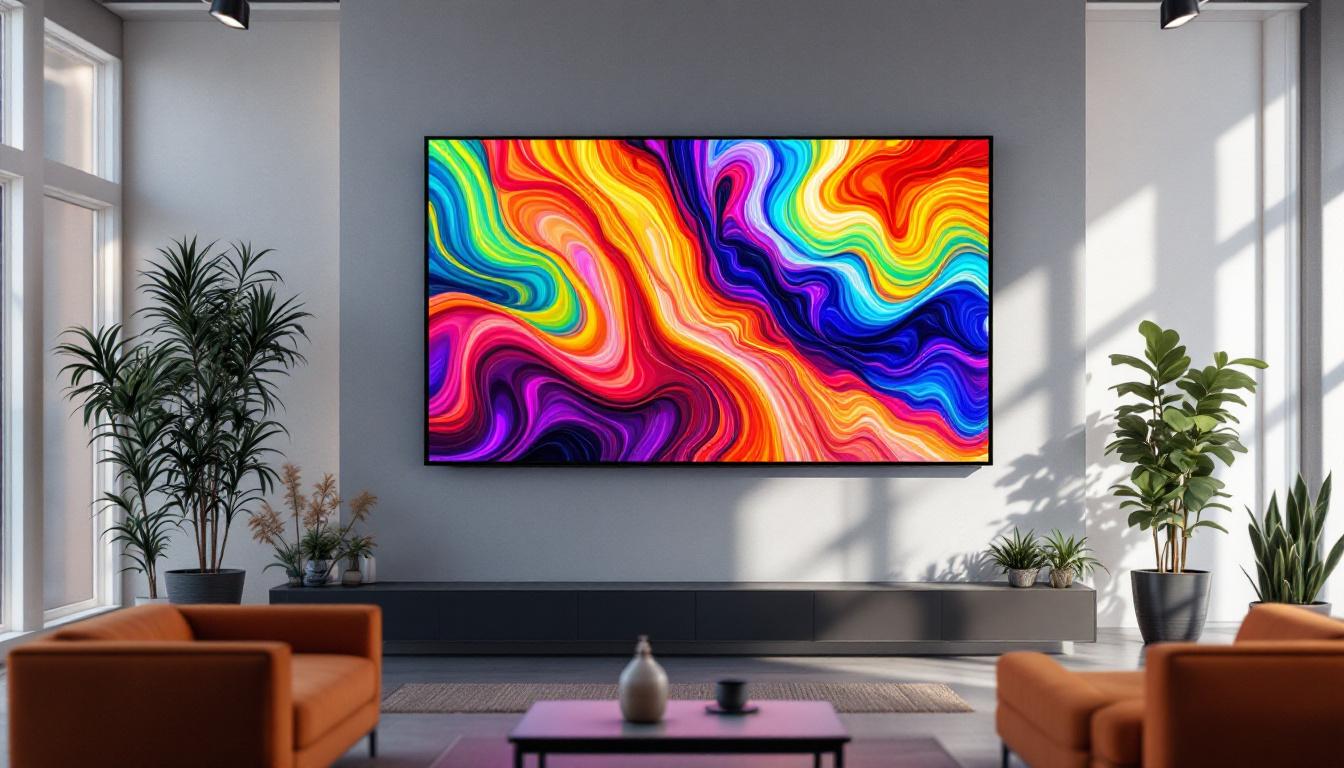
- Indoor LED Displays: Designed for controlled lighting environments, these displays have smaller pixel pitches (distance between pixels) for higher resolution and finer detail, ideal for conference rooms, retail stores, and event venues.
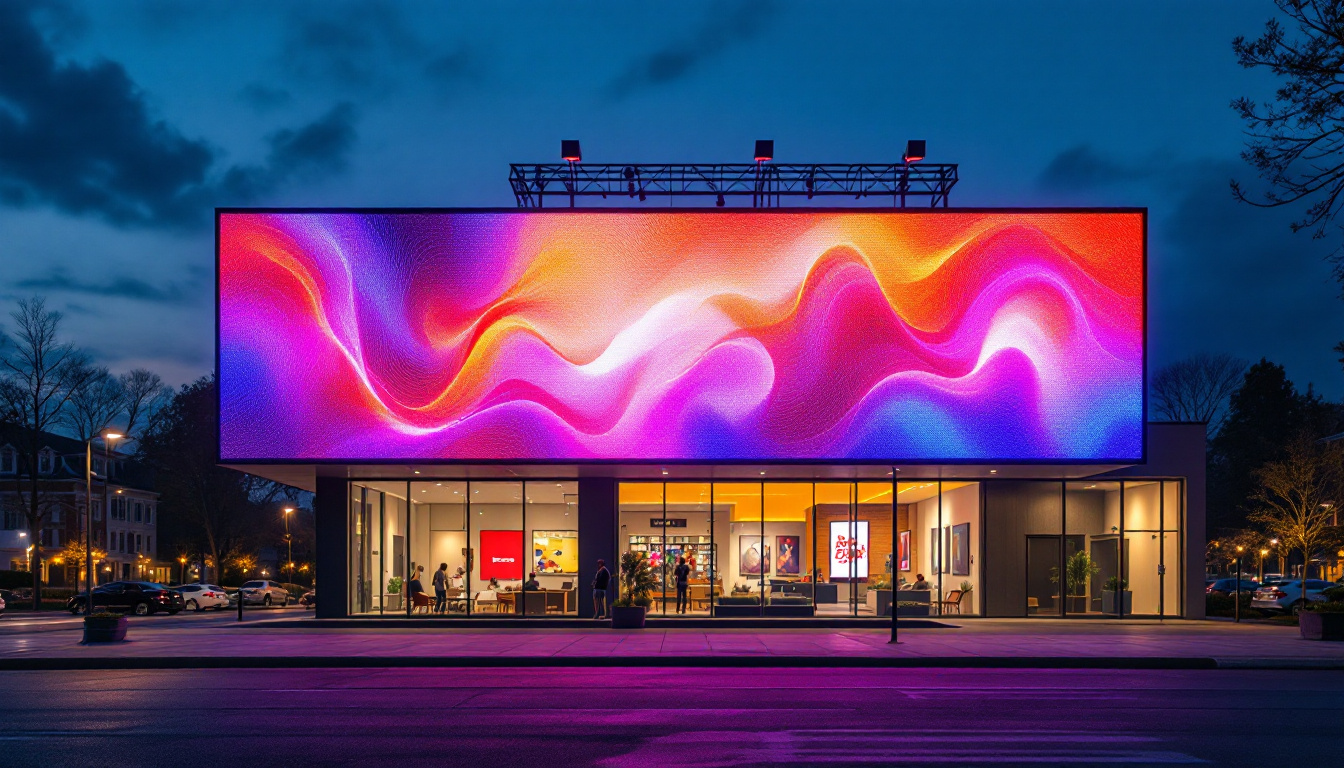
- Outdoor LED Displays: Built to withstand harsh weather conditions and direct sunlight, these displays have larger pixel pitches but compensate with higher brightness levels, making them perfect for billboards, stadiums, and public spaces.
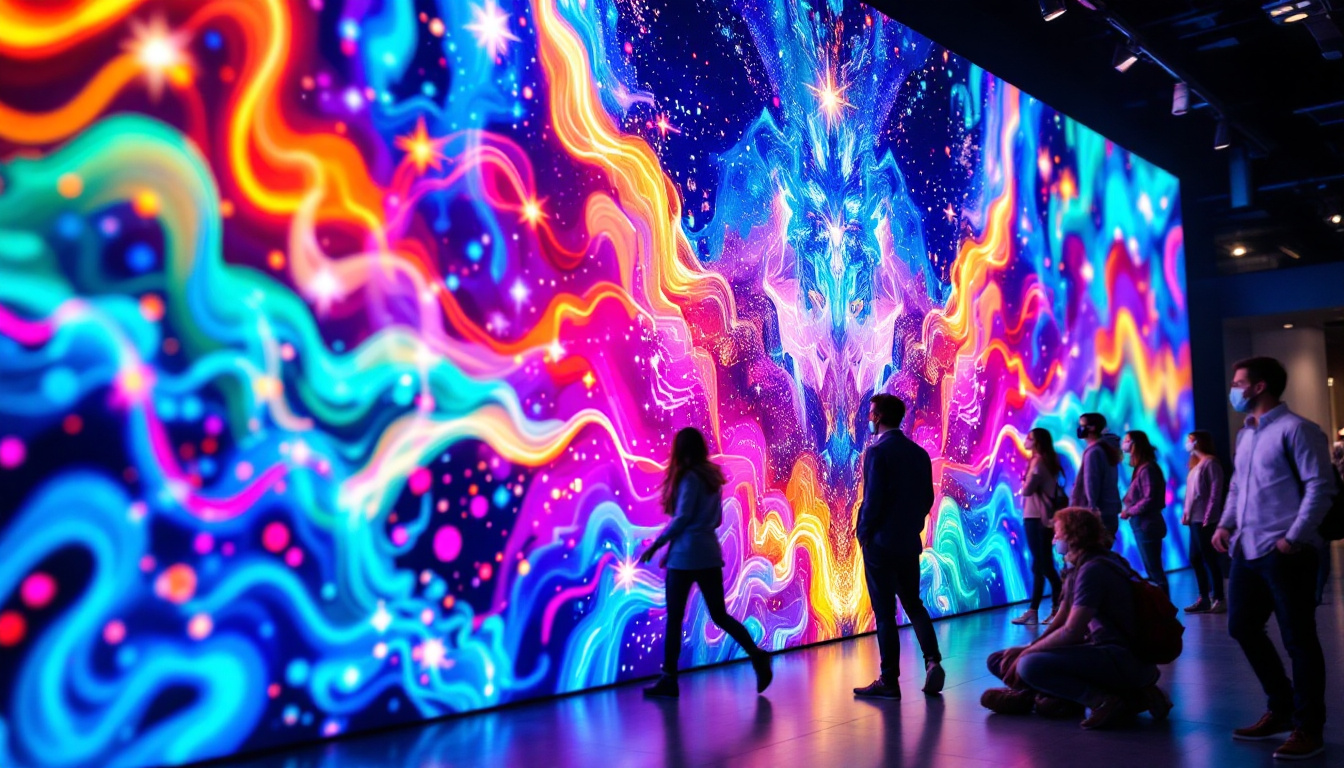
- Flexible LED Displays: These innovative panels can bend or curve, enabling creative installations on irregular surfaces like building facades or stage designs. Their adaptability allows designers to push the boundaries of traditional display formats, creating immersive experiences that engage audiences in unique ways.
- Transparent LED Displays: Allowing light to pass through, these displays are used in storefront windows or architectural glass, blending digital content with physical environments. This technology opens up new possibilities for advertising, as it allows brands to showcase their products without obstructing the view of the merchandise behind the screen.
How LED Displays Work
Each pixel in an LED display is composed of red, green, and blue diodes. By adjusting the intensity of these three colors, the display can produce a full spectrum of colors through a process called additive color mixing. This capability enables LED displays to render vibrant, true-to-life images.
The display is controlled by a driver circuit and a controller board that manage the timing and brightness of each diode. Modern LED displays often incorporate advanced processing technologies to optimize color accuracy, refresh rates, and power efficiency. Additionally, many LED displays now feature smart technology, allowing for real-time content updates and remote management through cloud-based systems. This connectivity not only enhances user experience but also provides businesses with the flexibility to tailor their messaging based on audience engagement and analytics.
Moreover, the integration of artificial intelligence in LED display technology is paving the way for even more sophisticated applications. AI can analyze viewer behavior and preferences, enabling dynamic content adjustments that resonate more effectively with target audiences. This level of personalization not only enhances the impact of advertising campaigns but also fosters a deeper connection between brands and consumers, making LED displays an invaluable asset in the digital marketing landscape.
Applications of LED Displays in Modern Visual Communication
Advertising and Marketing
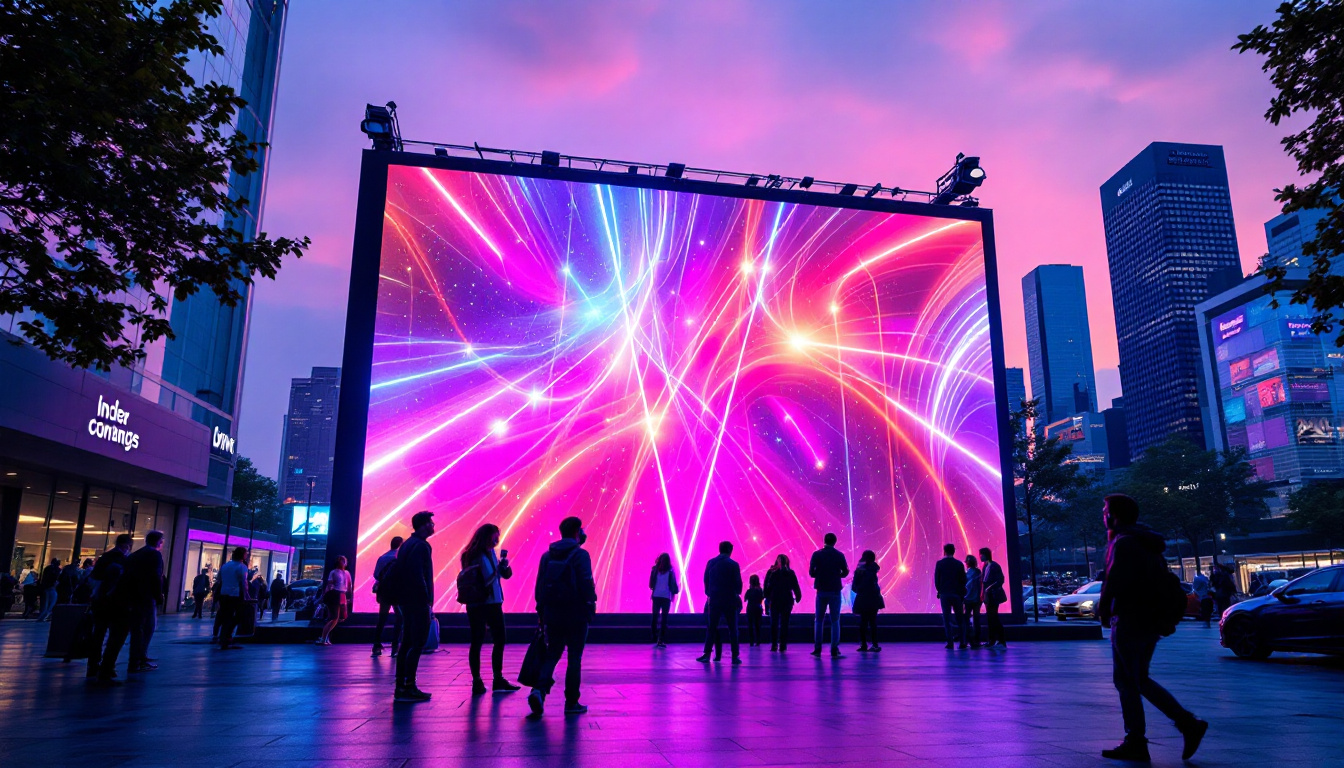
LED displays have revolutionized outdoor advertising by enabling dynamic, eye-catching content that can be updated remotely and instantly. According to a 2023 report by the Digital Signage Federation, digital out-of-home advertising, primarily driven by LED displays, is expected to grow at a compound annual growth rate (CAGR) of 11.2% through 2027.
Brands leverage LED billboards to showcase promotions, launch campaigns, and engage audiences with interactive content. The ability to display video, animations, and real-time data makes LED displays a powerful tool for marketers seeking to maximize visibility and impact.
Events and Entertainment
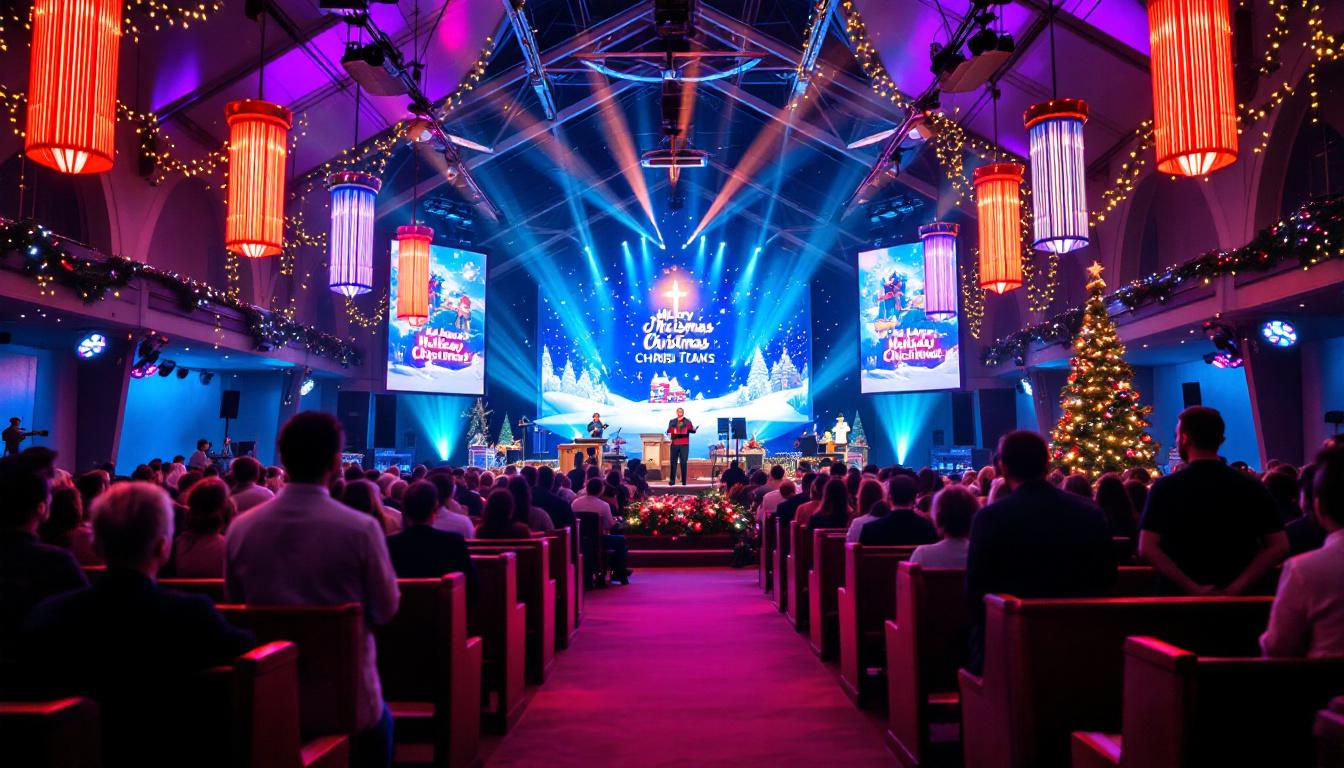
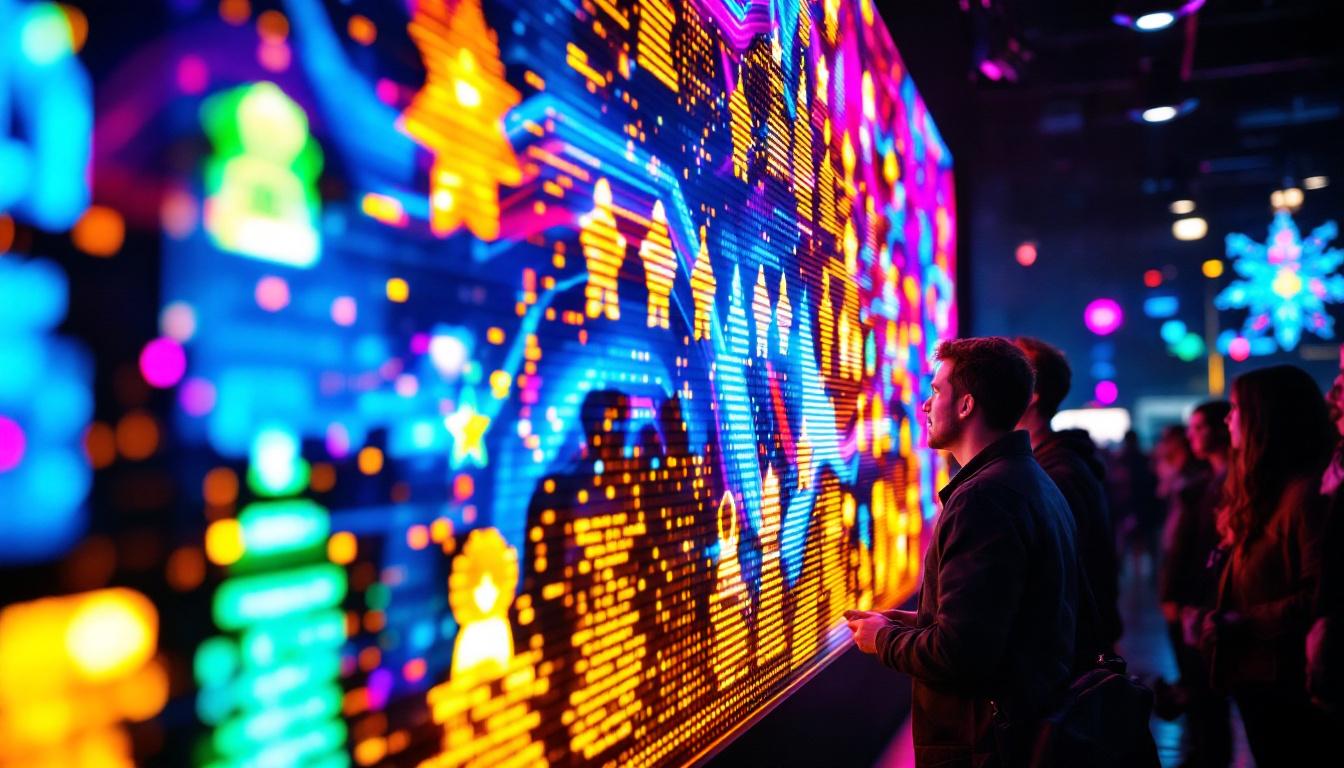
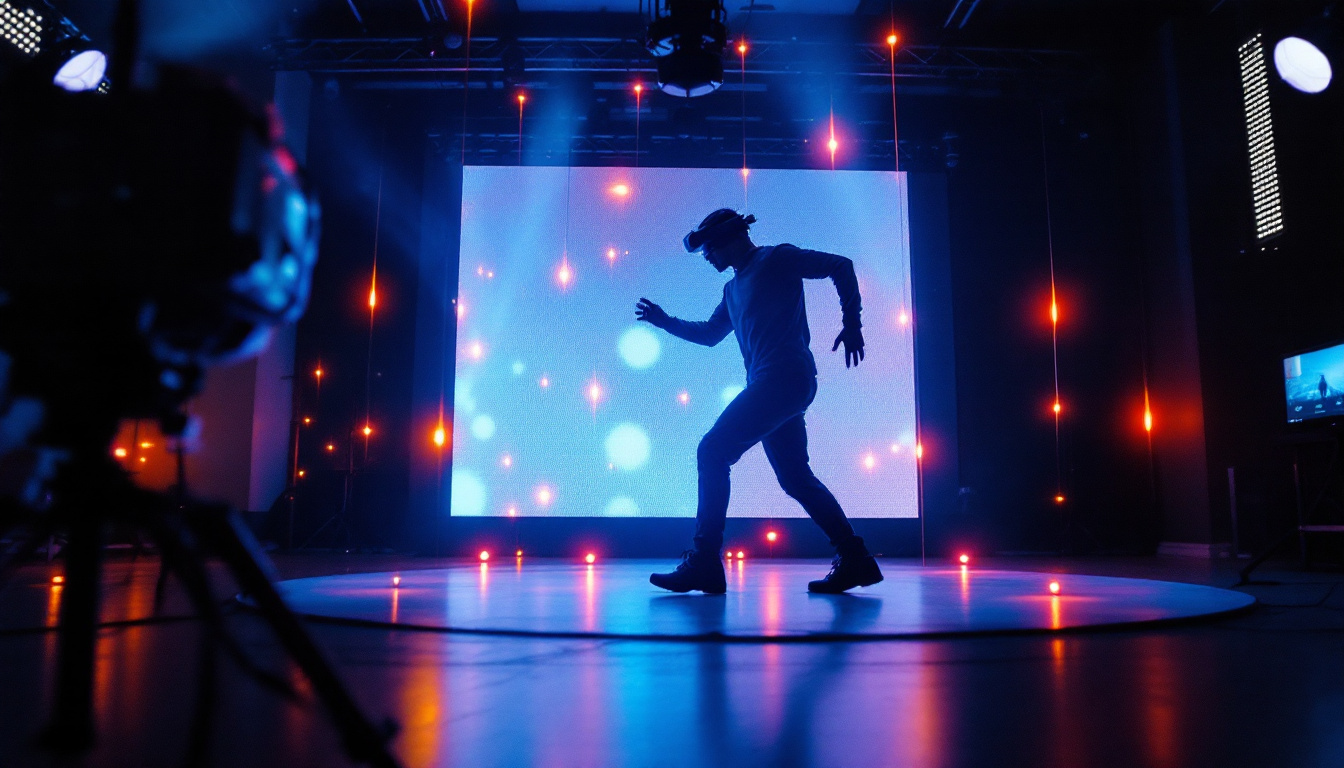
Concerts, sports arenas, and festivals rely heavily on LED displays to enhance the audience experience. Large-scale LED video walls provide immersive visuals, live feeds, and instant replays that keep attendees engaged. For example, the Super Bowl halftime show often features massive LED installations that transform the stage and create unforgettable spectacles.
LED technology also supports creative stage design, allowing for seamless integration of visuals with lighting and special effects. This versatility makes LED displays indispensable in the entertainment industry.
Corporate and Educational Use
In corporate environments, LED displays facilitate impactful presentations, video conferencing, and digital signage within office spaces. Their high resolution and brightness ensure clear visibility even in well-lit rooms.
Educational institutions employ LED displays in lecture halls and auditoriums to enhance learning through multimedia content. Interactive LED panels are increasingly popular for collaborative work and digital whiteboarding.
Advantages of LED Displays Over Other Technologies
Brightness and Visibility
One of the most significant advantages of LED displays is their superior brightness. Outdoor LED screens can reach brightness levels exceeding 5,000 nits, ensuring content remains visible even under direct sunlight. This contrasts sharply with LCD screens, which typically max out around 500-700 nits.
High brightness combined with excellent contrast ratios means LED displays deliver vibrant images that stand out in any environment, from bustling city streets to dimly lit conference rooms.
Energy Efficiency and Longevity
LEDs are inherently energy-efficient compared to other lighting and display technologies. They consume less power while providing brighter output, which translates into lower operational costs. Additionally, LEDs have a longer lifespan, often exceeding 100,000 hours of use before significant brightness degradation occurs.
This durability reduces maintenance and replacement expenses, making LED displays a cost-effective investment over time.
Flexibility and Customization
LED displays can be manufactured in various shapes and sizes, from small indoor panels to massive outdoor billboards. Flexible and transparent LED technologies further expand design possibilities, enabling unique installations that blend seamlessly with architecture and interior design.
Customization options include pixel pitch, resolution, brightness levels, and even interactive capabilities, allowing businesses to tailor displays to their specific needs.
Challenges and Considerations When Using LED Displays
Initial Investment and Installation
While LED displays offer long-term benefits, the upfront costs can be significant, especially for large or high-resolution installations. Factors influencing cost include panel size, pixel pitch, brightness, and additional features like weatherproofing or interactivity.
Installation complexity varies depending on the type and location of the display. Outdoor displays require robust mounting structures and weather protection, while indoor setups may involve integration with existing AV systems.
Maintenance and Technical Support
LED displays require regular maintenance to ensure optimal performance. This includes cleaning panels, checking connections, and updating software. Environmental factors such as dust, moisture, and temperature fluctuations can affect longevity and image quality.
Partnering with experienced providers who offer comprehensive technical support and maintenance services is crucial to minimizing downtime and maximizing return on investment.
Content Management
Effective use of LED displays depends heavily on content strategy. Poorly designed or static content can diminish the impact of the display. Utilizing content management systems (CMS) that allow for easy scheduling, updating, and customization of content ensures the display remains engaging and relevant.
Moreover, integrating real-time data feeds, social media, or interactive elements can enhance audience engagement but requires careful planning and technical expertise.
Vc Images and LED Display Solutions
Company Overview
Vc Images is a leading provider of LED display solutions, specializing in delivering high-quality visual experiences tailored to diverse industries. With a commitment to innovation and customer satisfaction, Vc Images combines cutting-edge technology with expert service to create impactful digital signage and display systems.
Product Offerings
Vc Images offers a comprehensive range of LED display products, including:
- Indoor and outdoor LED panels with various pixel pitches and brightness levels
- Flexible and curved LED displays for creative installations
- Transparent LED screens for architectural applications
- Customizable video walls and modular display systems
Each product is designed with durability, energy efficiency, and ease of maintenance in mind, ensuring clients receive reliable and visually stunning solutions.
Service and Support
Beyond supplying hardware, Vc Images provides end-to-end services including consultation, installation, content management, and ongoing technical support. Their team of experts works closely with clients to understand their unique needs and deliver tailored solutions that maximize impact and ROI.
Additionally, Vc Images stays at the forefront of LED technology trends, continuously updating their offerings to incorporate the latest advancements in display performance and interactivity.
The Future of LED Displays
Technological Innovations
Emerging technologies are set to further enhance LED display capabilities. MicroLED, for example, promises even higher resolution, better color accuracy, and improved energy efficiency by using microscopic LEDs as individual pixels. This technology could eventually rival OLED displays while overcoming some of their limitations.
Advances in flexible and transparent LED materials will enable more immersive and integrated digital experiences, transforming how environments communicate visually.
Integration with Smart Technologies
LED displays are increasingly being integrated with artificial intelligence (AI), Internet of Things (IoT), and augmented reality (AR) to create interactive and context-aware visual experiences. Smart LED displays can adapt content based on audience demographics, environmental conditions, or real-time data inputs, enhancing relevance and engagement.
Sustainability and Environmental Impact
As sustainability becomes a priority, LED display manufacturers and users are focusing on reducing energy consumption, using recyclable materials, and minimizing light pollution. Innovations in power management and eco-friendly design will play a crucial role in the future of digital signage.
Conclusion
LED displays have transformed the way businesses, organizations, and entertainers communicate visually. Their brightness, flexibility, and dynamic capabilities make them indispensable tools in a variety of settings. Understanding the technology, applications, and challenges associated with LED displays is essential for making informed decisions and maximizing their potential.
Vc Images exemplifies how expertise and innovation in LED display technology can deliver compelling visual solutions that captivate audiences and drive results. As LED technology continues to evolve, the possibilities for creative and effective digital communication will only expand, shaping the future of visual storytelling.
Discover LumenMatrix’s Innovative LED Solutions
Ready to elevate your visual communication strategy with the latest in LED technology? Look no further than LumenMatrix, a pioneer in crafting LED display modules that bring your brand to life. Whether you’re seeking to dazzle with an Indoor LED Wall Display, make a statement with an Outdoor LED Wall Display, or innovate with Custom LED Display options, LumenMatrix has the solution to meet your needs. Embrace the future of digital storytelling and check out LumenMatrix LED Display Solutions today to create unforgettable visual experiences that engage and inspire.