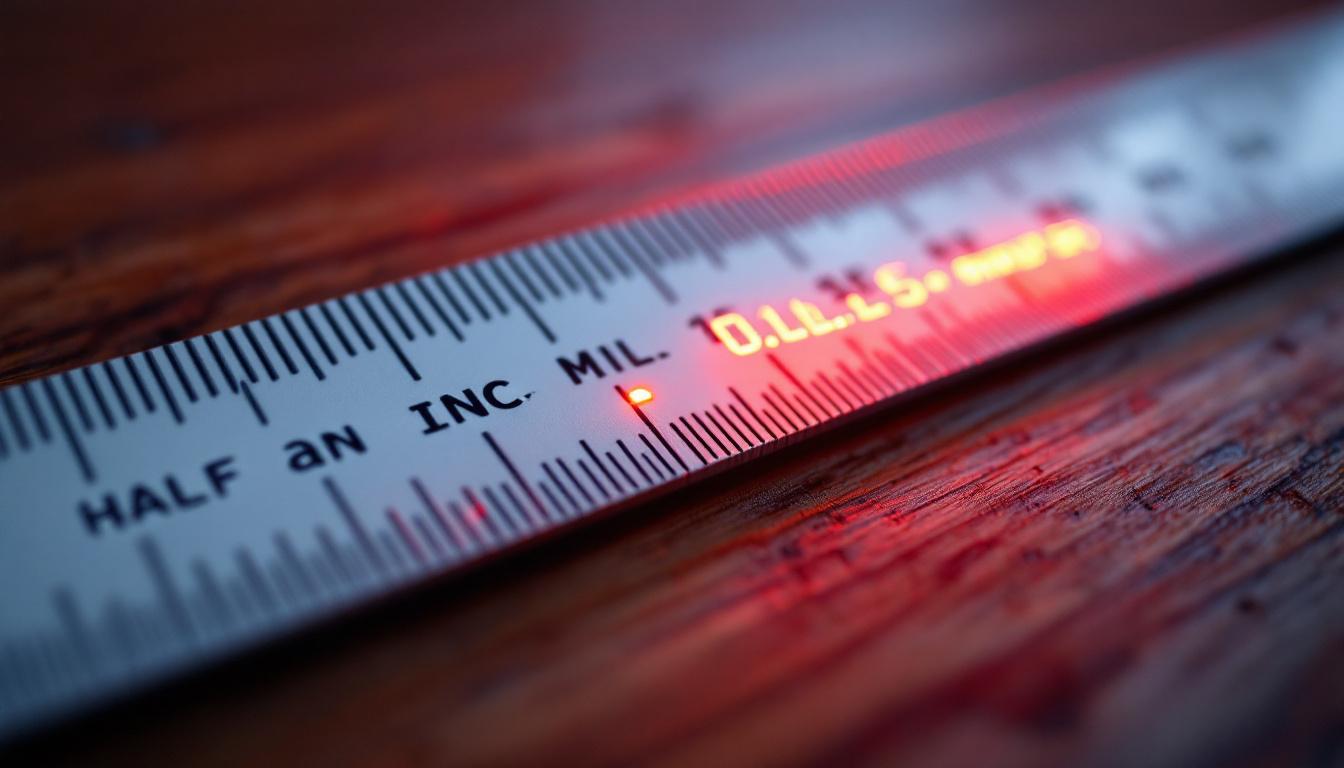
Understanding measurements is crucial in many technical fields, especially when dealing with LED displays. Whether you are involved in designing, manufacturing, or installing LED screens, knowing the precise conversions between imperial and metric units can make a significant difference. One common measurement that often arises is the half inch, and its equivalent in millimeters plays a vital role in LED display specifications.
This article explores the conversion of half an inch to millimeters and delves into how this measurement relates to LED display technology. From pixel pitch to panel dimensions, grasping these concepts will enhance your understanding of LED displays and improve your ability to work with them effectively.
Understanding the Conversion: How Many Millimeters in a Half Inch?
The inch and the millimeter are units of length used in different measurement systems. The inch is part of the imperial system, primarily used in the United States, while the millimeter belongs to the metric system, which is widely adopted worldwide.
To convert inches to millimeters, the standard conversion factor is:
1 inch = 25.4 millimeters
Therefore, to find out how many millimeters are in half an inch, the calculation is straightforward:
0.5 inch × 25.4 mm/inch = 12.7 millimeters
So, half an inch equals 12.7 millimeters. This precise conversion is essential in fields where accuracy matters, such as LED display manufacturing and installation.
Why Precise Measurement Matters in LED Displays
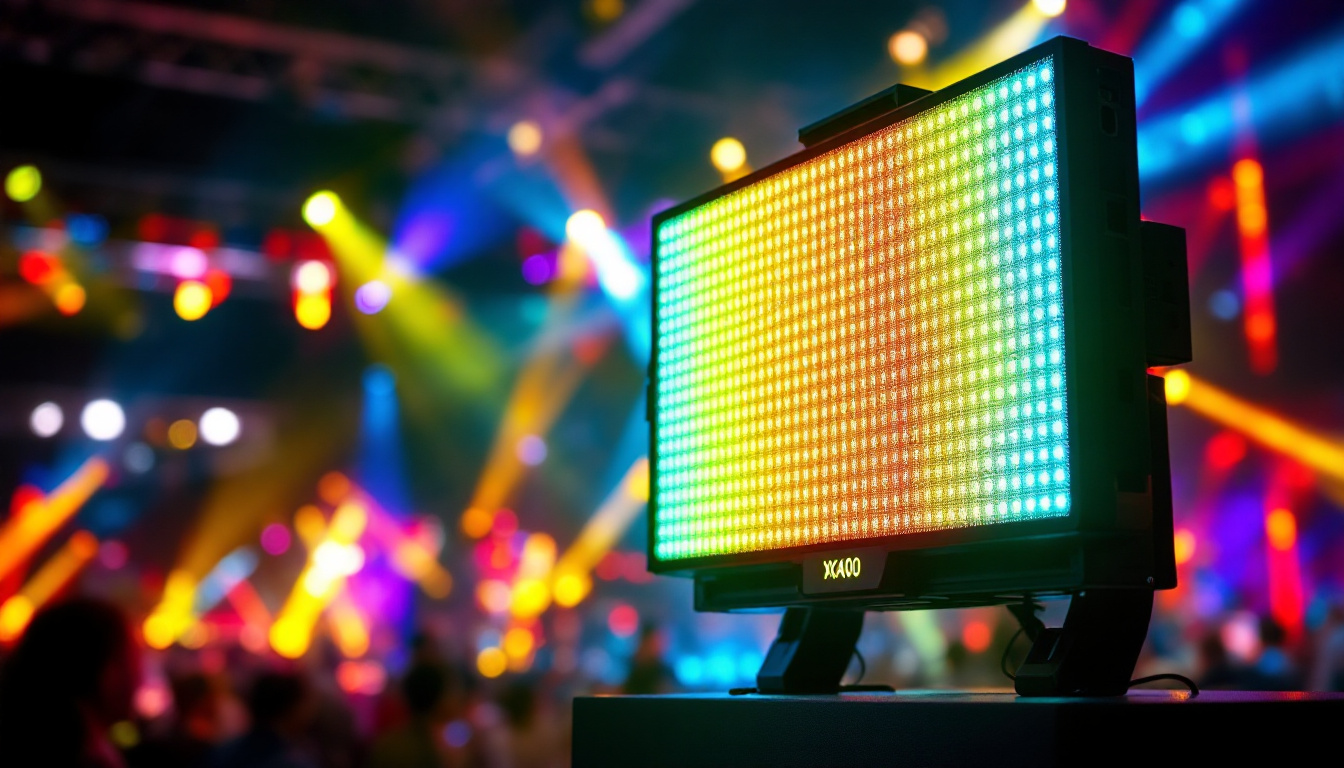
LED displays consist of numerous tiny light-emitting diodes arranged in a grid. The distance between these diodes, known as the pixel pitch, determines the display’s resolution and clarity. Pixel pitch is often measured in millimeters, but sometimes specifications may be given in inches, especially in the US market.
For example, a pixel pitch of 0.5 inches corresponds to 12.7 millimeters. Understanding this conversion allows engineers and designers to accurately specify and compare LED modules, ensuring the final product meets the desired visual quality and performance standards.
Moreover, the importance of precise measurements extends beyond just the pixel pitch. In the design and installation of LED displays, factors such as viewing distance and angle also play critical roles in determining the effectiveness of the display. A display with a pixel pitch that is too large for a given viewing distance may result in a pixelated image, diminishing the overall viewer experience. Thus, accurate conversions between inches and millimeters help professionals make informed decisions about the specifications needed for optimal display performance.
Additionally, as the global market for LED technology expands, the ability to seamlessly convert between measurement systems becomes increasingly vital. International collaborations in technology development often require teams from different regions to communicate specifications clearly. By standardizing measurements and understanding conversions like that of half an inch to 12.7 millimeters, companies can streamline their processes, reduce errors, and enhance the quality of their products, ultimately leading to greater customer satisfaction.
LED Display Basics: What Pixel Pitch Means
Pixel pitch is a fundamental concept in LED display technology. It refers to the distance from the center of one LED pixel to the center of the adjacent pixel. This measurement directly affects the resolution and viewing distance of the display.
Smaller pixel pitches mean LEDs are packed more closely together, resulting in higher resolution and sharper images. Conversely, larger pixel pitches are suitable for displays viewed from a distance, where fine detail is less critical.
Common Pixel Pitch Sizes and Their Applications
Pixel pitch sizes vary widely, from as small as 0.9 millimeters in high-definition indoor displays to over 20 millimeters for large outdoor billboards. Here are some typical examples:
- 0.9 mm to 2.5 mm: Used in indoor environments like control rooms, retail stores, and broadcast studios where viewers are close to the screen.
- 3 mm to 10 mm: Suitable for indoor and semi-outdoor applications such as conference halls, shopping malls, and event stages.
- 10 mm and above: Ideal for outdoor advertising, stadium screens, and large public displays.
Knowing that half an inch equals 12.7 millimeters helps place pixel pitches into perspective. For instance, a 12.7 mm pixel pitch would be considered a large-pitch display, typically used for outdoor signage where viewing distances are significant. This type of display can effectively capture attention from afar, making it a popular choice for billboards and promotional events.
In addition to the pixel pitch, the brightness and color accuracy of the LEDs also play a crucial role in the overall quality of the display. High-brightness LEDs ensure that images remain vivid and clear even in direct sunlight, while advanced color calibration techniques can enhance the visual experience by providing more accurate and vibrant colors. These factors combined with the pixel pitch create a comprehensive viewing experience tailored to specific environments and audiences.
How Pixel Pitch Affects Viewing Distance
One of the most practical considerations when selecting an LED display is the optimal viewing distance, which depends largely on pixel pitch. A general rule of thumb is that the minimum viewing distance (in meters) should be approximately equal to the pixel pitch (in millimeters) multiplied by 1.5 to 2.
For example, with a pixel pitch of 12.7 mm (half an inch), the recommended minimum viewing distance would be around 19 to 25 meters. This ensures the human eye perceives a smooth and clear image without noticing individual pixels. Understanding this relationship is essential for designers and marketers who want to maximize the impact of their displays, as it helps them choose the right pixel pitch for their specific audience and venue.
Moreover, the viewing angle is another critical aspect influenced by pixel pitch. Displays with smaller pixel pitches tend to have wider viewing angles, allowing more viewers to enjoy a clear image from various positions. This is particularly beneficial in environments like sports arenas or concert venues, where audiences are spread out over a large area. By carefully considering both pixel pitch and viewing angle, businesses can create engaging visual experiences that resonate with their target audience, ultimately enhancing their brand presence and communication efforts.
LED Panel Dimensions: The Role of Inches and Millimeters
Beyond pixel pitch, the physical dimensions of LED panels are another area where understanding inch-to-millimeter conversions is valuable. LED panels are modular units that can be combined to create larger displays, and their size is often specified in both imperial and metric units.
Manufacturers may provide panel dimensions in inches for markets accustomed to imperial measurements, but installation teams and engineers working internationally often rely on millimeters for precision.
Example: Converting Panel Size from Inches to Millimeters
Consider an LED panel measuring 20 inches by 10 inches. To convert these dimensions to millimeters:
- 20 inches × 25.4 mm/inch = 508 mm
- 10 inches × 25.4 mm/inch = 254 mm
Thus, the panel size is 508 mm by 254 mm. This conversion is critical when planning the layout and ensuring compatibility with mounting structures or enclosures designed to metric specifications.
Importance of Accurate Panel Sizing
Accurate panel sizing impacts not only the physical installation but also the electrical and thermal management of LED displays. Panels that do not fit precisely can cause alignment issues, leading to visual artifacts and potential damage over time.
Furthermore, precise measurements ensure that cabling, power supplies, and cooling systems are appropriately designed, contributing to the longevity and reliability of the display.
Practical Applications: Why Knowing Half Inch in Millimeters Matters
In the LED display industry, having a clear grasp of measurement conversions is more than academic; it influences practical decisions across design, manufacturing, and installation phases.
Design and Engineering
Designers use precise measurements to create LED modules that meet specific resolution and size requirements. For example, when designing a display with a half-inch pixel pitch, engineers must convert that to 12.7 mm to source components and layout circuits accurately.
Additionally, mechanical engineers rely on these conversions to design frames and mounting hardware that accommodate the LED panels without gaps or misalignments.
Manufacturing and Quality Control
During manufacturing, tolerances are tight, and even small deviations can affect performance. Knowing the exact millimeter equivalent of half an inch helps maintain consistency across production batches, ensuring each panel meets quality standards.
Quality control teams use these measurements to verify dimensions and pixel spacing, preventing defects that could compromise the display’s visual integrity.
Installation and Maintenance
Installers often work with both imperial and metric tools and specifications. Being able to convert half an inch to 12.7 millimeters on the fly aids in accurate placement, alignment, and securing of LED panels.
Maintenance personnel also benefit from this knowledge when replacing modules or components, ensuring compatibility and proper fit.
Additional Measurement Considerations in LED Displays
While the half-inch to millimeter conversion is fundamental, other measurement aspects also play a role in LED display technology.
Pixel Density and Resolution
Pixel density, measured in pixels per inch (PPI), is closely related to pixel pitch. A smaller pixel pitch results in a higher PPI, which translates to finer image detail. Understanding the relationship between inches and millimeters helps calculate PPI accurately.
Viewing Angles and Screen Size
Screen size, often given in inches diagonally, must be converted to metric units for precise spatial planning. Viewing angles, although measured in degrees, are influenced by pixel pitch and screen size, affecting the overall visual experience.
Weight and Thickness
While not directly related to length measurements, weight and thickness specifications often accompany panel dimensions. Accurate conversions ensure that these physical parameters align with installation requirements and structural support capabilities.
Conclusion: Mastering Measurement Conversions for LED Display Success
Knowing that half an inch equals 12.7 millimeters is more than a simple fact; it is a foundational piece of knowledge that underpins many aspects of LED display technology. From pixel pitch and panel dimensions to installation and maintenance, precise measurement conversions ensure that LED displays perform optimally and meet the high standards expected in today’s market.
As LED technology continues to advance, with ever-smaller pixel pitches and larger display sizes, the ability to seamlessly convert between imperial and metric units will remain a valuable skill for professionals across the industry. Whether you are designing a high-definition indoor display or installing a massive outdoor billboard, understanding these measurements will help you achieve the best results.
In summary:
- Half an inch equals exactly 12.7 millimeters.
- This conversion is essential for interpreting pixel pitch and panel size specifications.
- Accurate measurements impact design, manufacturing, installation, and maintenance of LED displays.
- Mastering measurement conversions enhances precision and quality in LED display projects.
By integrating this knowledge into your workflow, you can ensure that your LED display projects are executed with accuracy, professionalism, and technical excellence.
Discover Cutting-Edge LED Display Solutions with LumenMatrix
Ready to elevate your projects with the precision and innovation of LED technology? LumenMatrix is at the forefront of LED display solutions, offering a wide range of products from Indoor and Outdoor LED Wall Displays to specialized options like Vehicle and Sports LED Displays. Embrace the future of visual communication with our Custom, All-in-One, and Transparent LED Displays designed to captivate and engage your audience. Don’t just share your message—make an unforgettable impact. Check out LumenMatrix LED Display Solutions and transform your visual storytelling today.