In modern interior design and architectural innovation, the concept of adding a wall to a room has evolved far beyond traditional drywall or brick. One of the most exciting advancements is the use of LED displays as dynamic, functional walls. These LED walls not only redefine space but also transform the way we interact with our environments. This article explores how to add a wall to a room using LED display technology, detailing the benefits, installation process, design considerations, and practical applications.
Understanding LED Walls: What Are They and Why Use Them?
What Is an LED Wall?
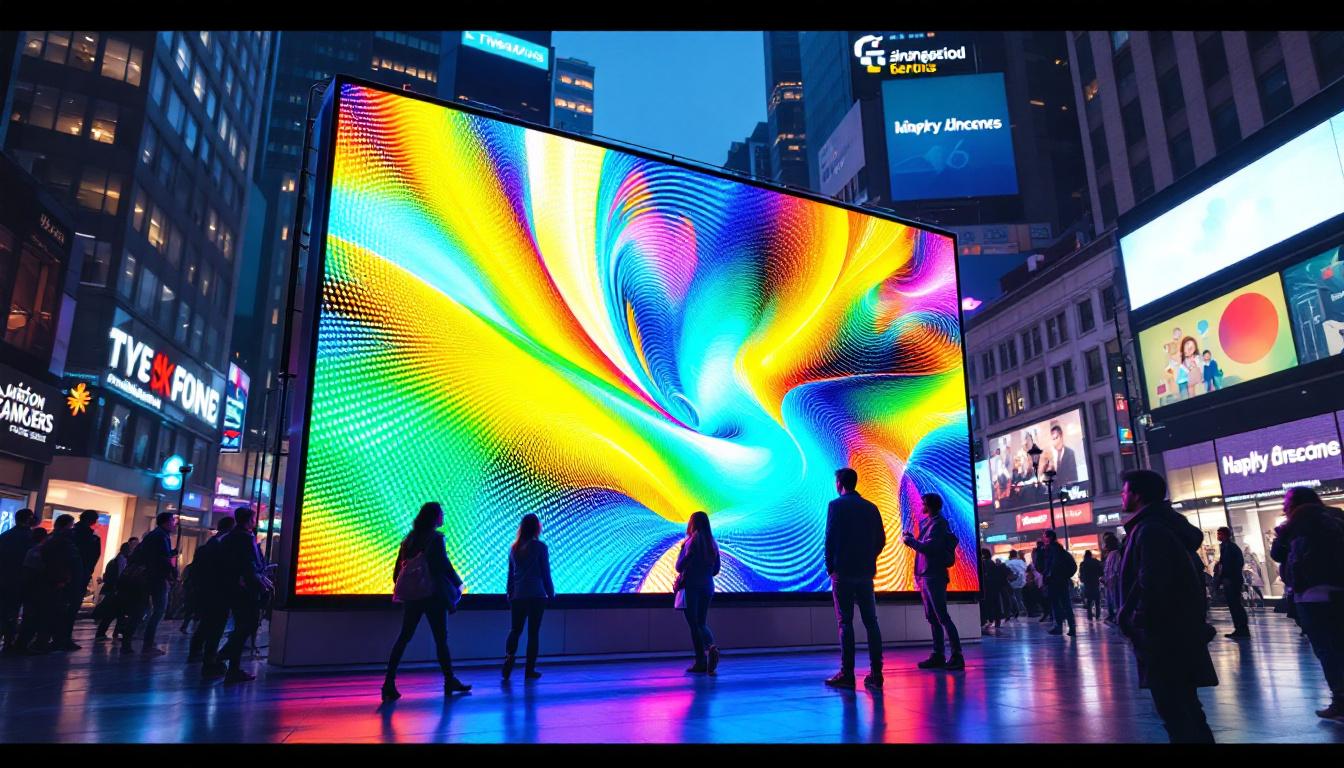
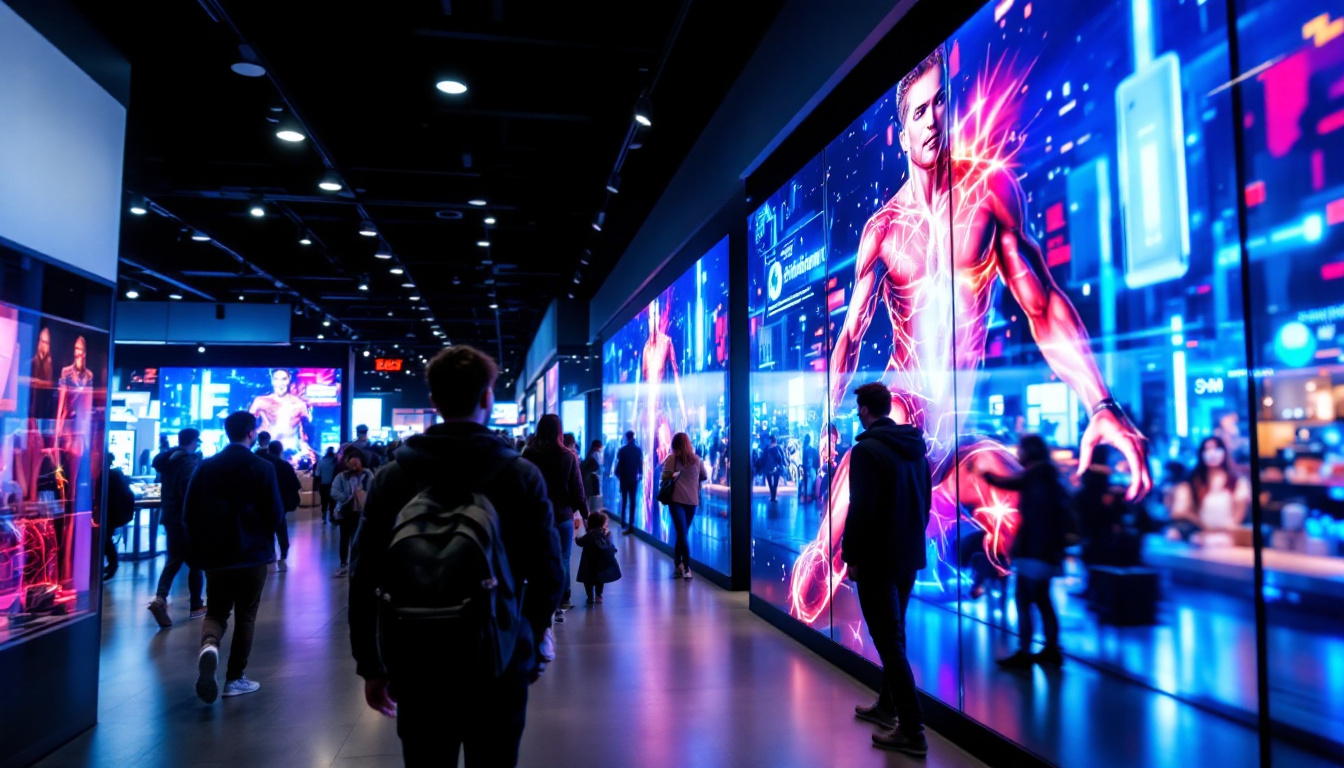
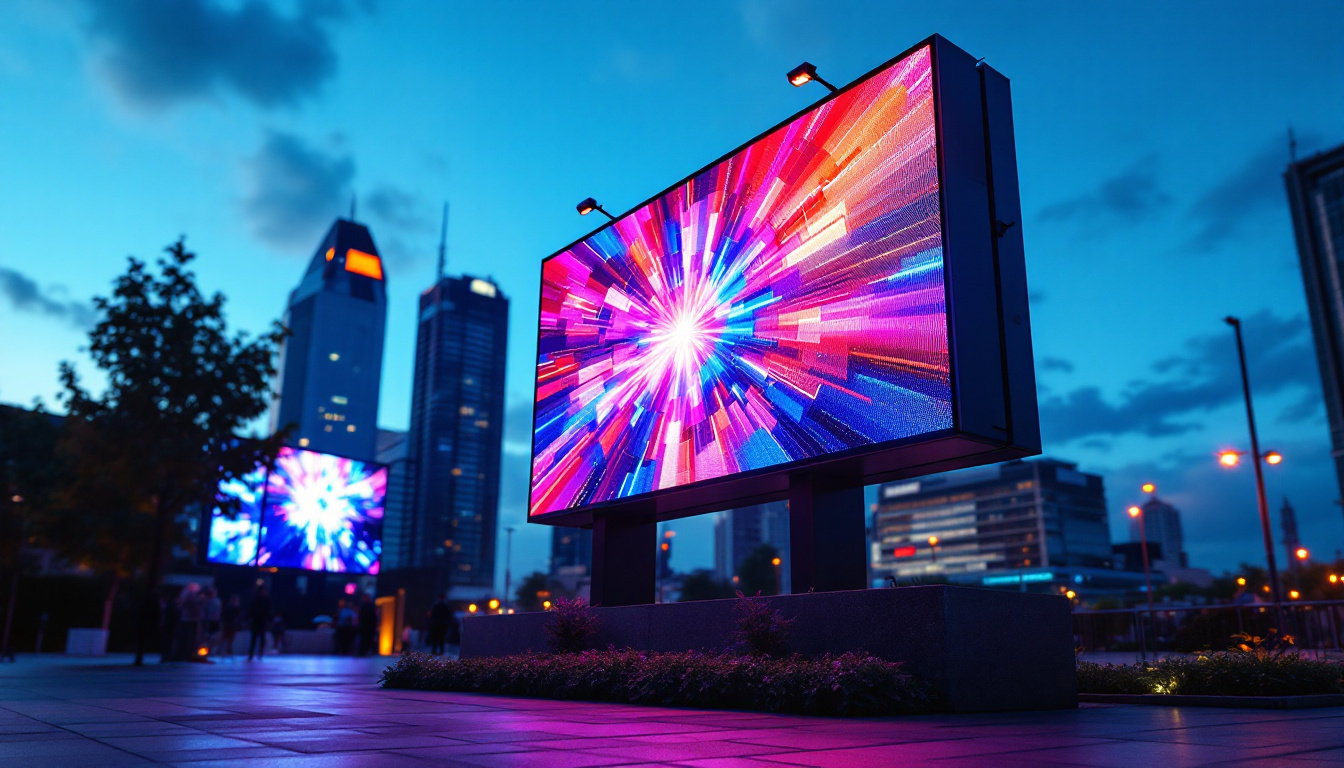
An LED wall is a large-scale display made up of numerous light-emitting diodes (LEDs) arranged in a grid. These diodes emit bright, vibrant colors that can display images, videos, or interactive content. Unlike traditional walls, LED walls are dynamic and can change their appearance instantly, offering unparalleled versatility.
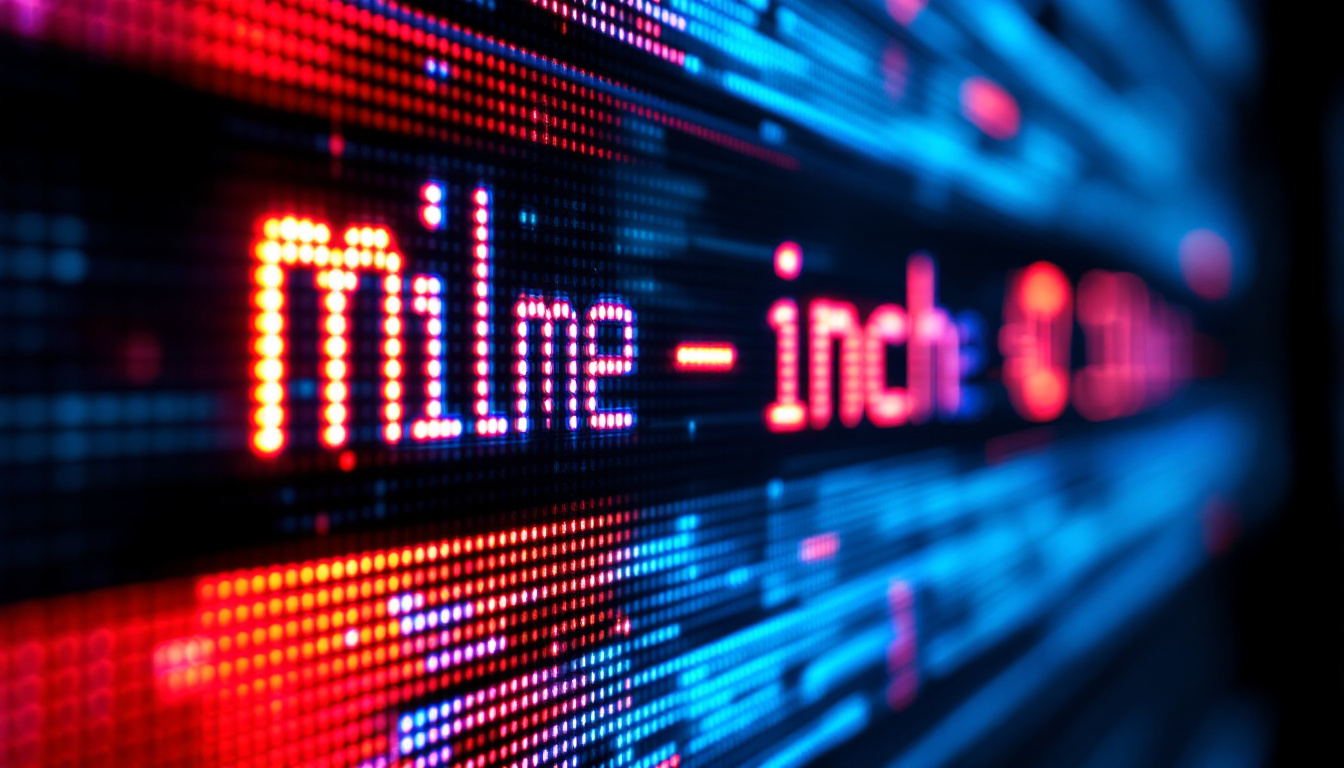
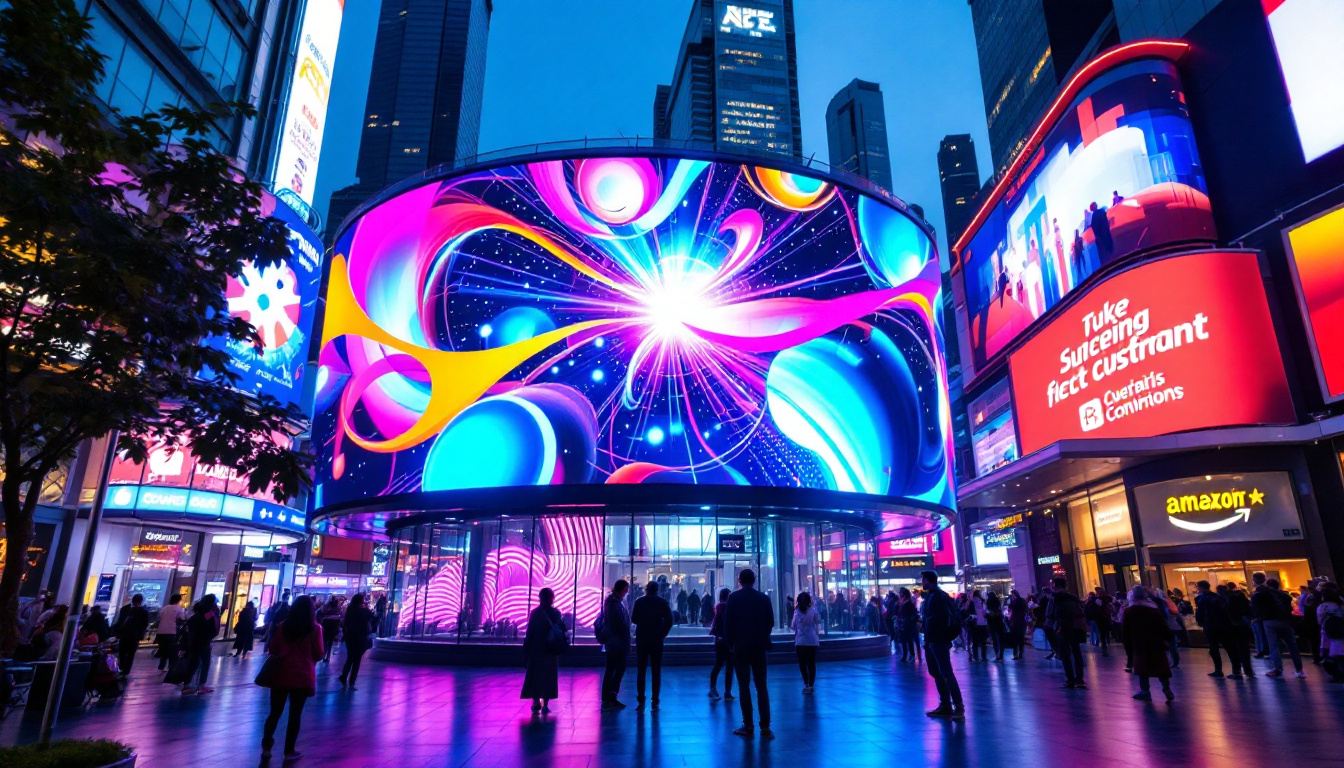
LED walls come in various pixel pitches, which refers to the distance between individual LEDs. Smaller pixel pitches mean higher resolution and sharper images, making them suitable for close viewing, while larger pitches are ideal for viewing from a distance. This adaptability allows LED walls to be utilized in a wide range of environments, from intimate art galleries to expansive sports arenas, ensuring that audiences receive the best visual experience regardless of their location.
Why Choose an LED Wall Over Traditional Walls?
Adding a physical wall to a room has always been a permanent and sometimes costly solution. LED walls offer a flexible alternative with several advantages:
- Dynamic Content: Change the wall’s appearance at any time, from artwork and ambient visuals to informational displays.
- Space Optimization: Use the wall as a display without sacrificing floor space or light flow.
- Enhanced Aesthetics: Create immersive environments with vibrant colors and motion.
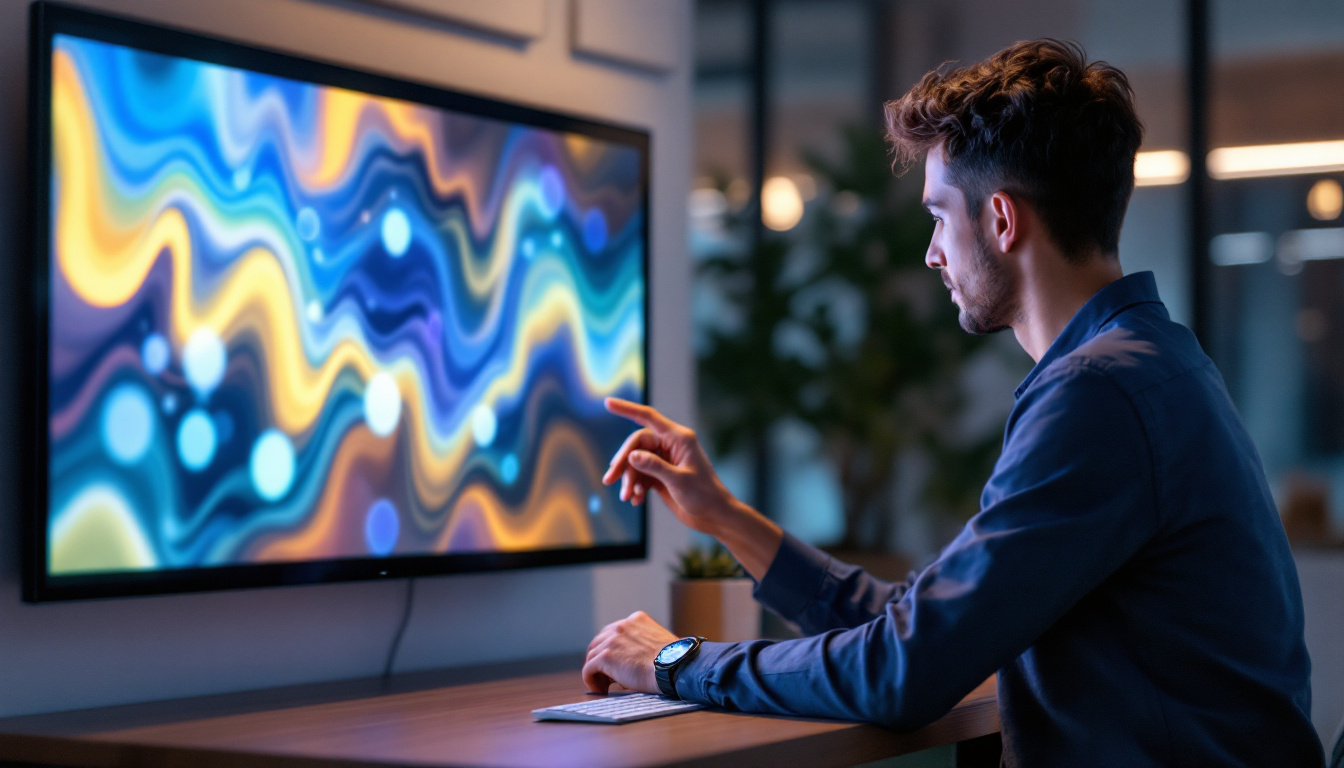
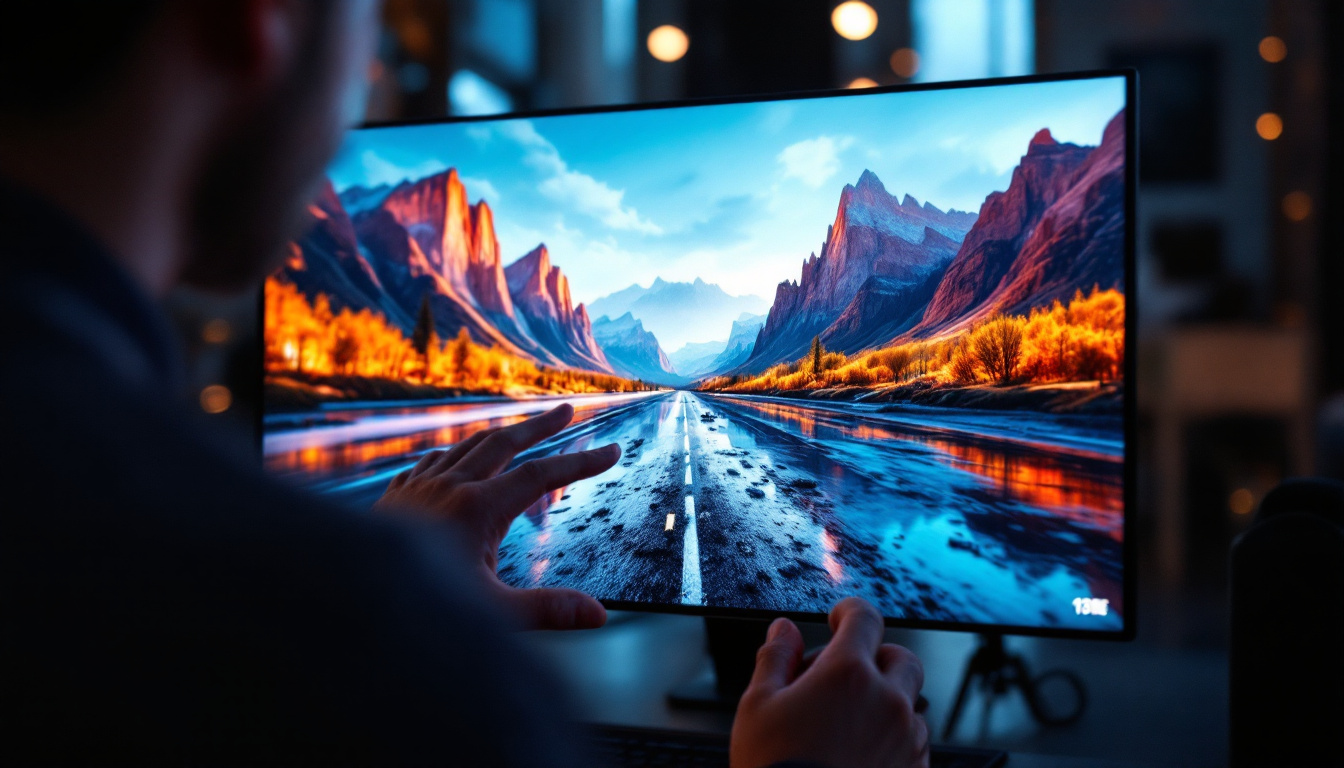
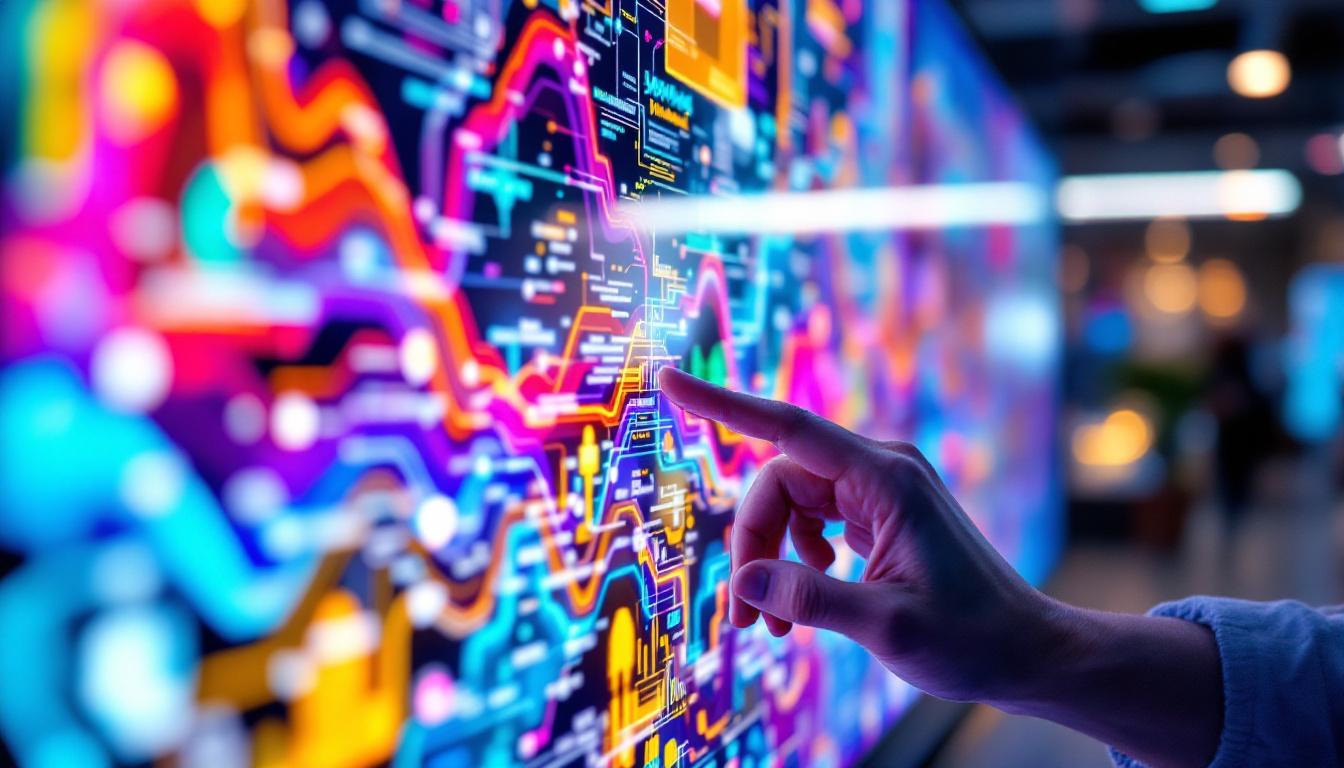
- Interactivity: Some LED walls support touch and gesture controls, increasing engagement.
- Durability and Maintenance: Modern LED panels are designed for long life and easy maintenance.
According to a 2023 report by MarketsandMarkets, the LED display market is expected to grow at a CAGR of 13.1% from 2023 to 2028, driven by increasing demand in commercial, residential, and public spaces. This trend highlights the growing acceptance and innovation in LED wall technology. As businesses and organizations look for ways to stand out in a crowded market, the use of LED walls has become a strategic choice, allowing them to create memorable experiences for their audiences.
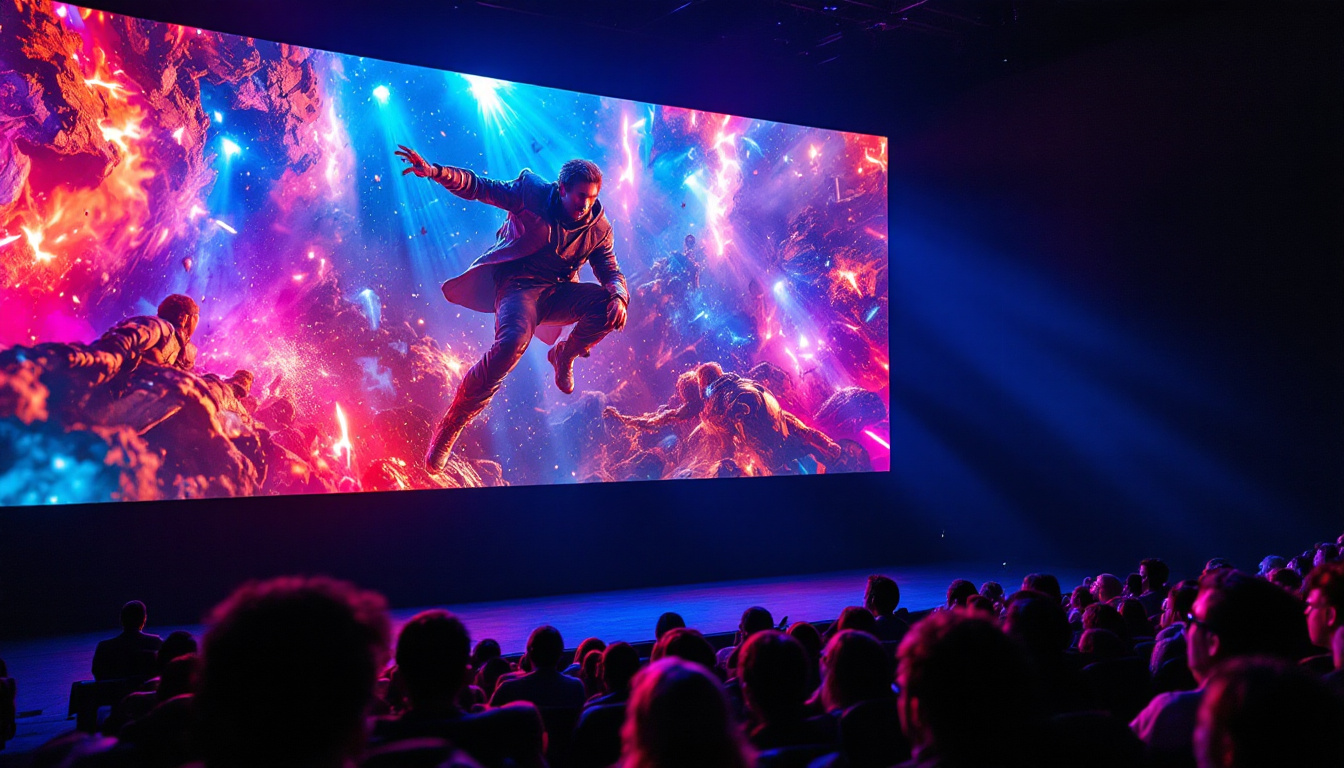
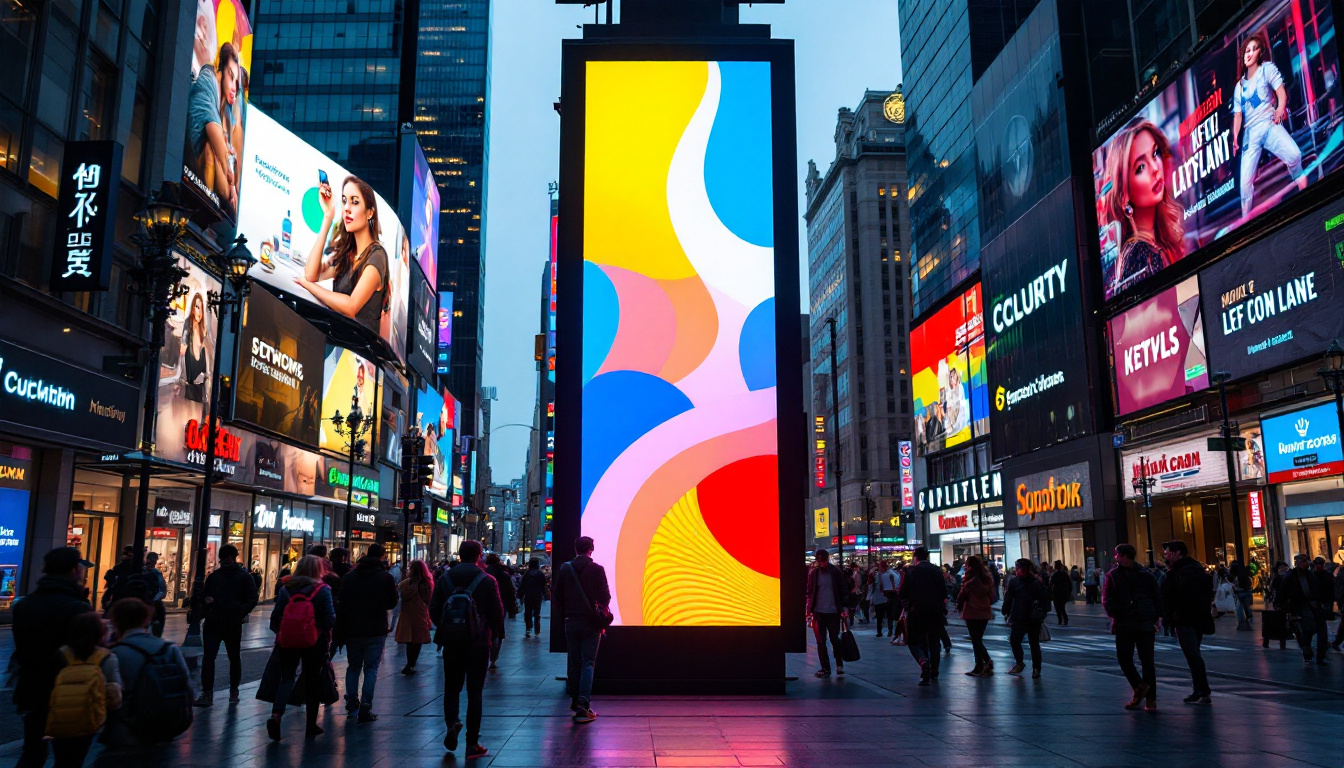
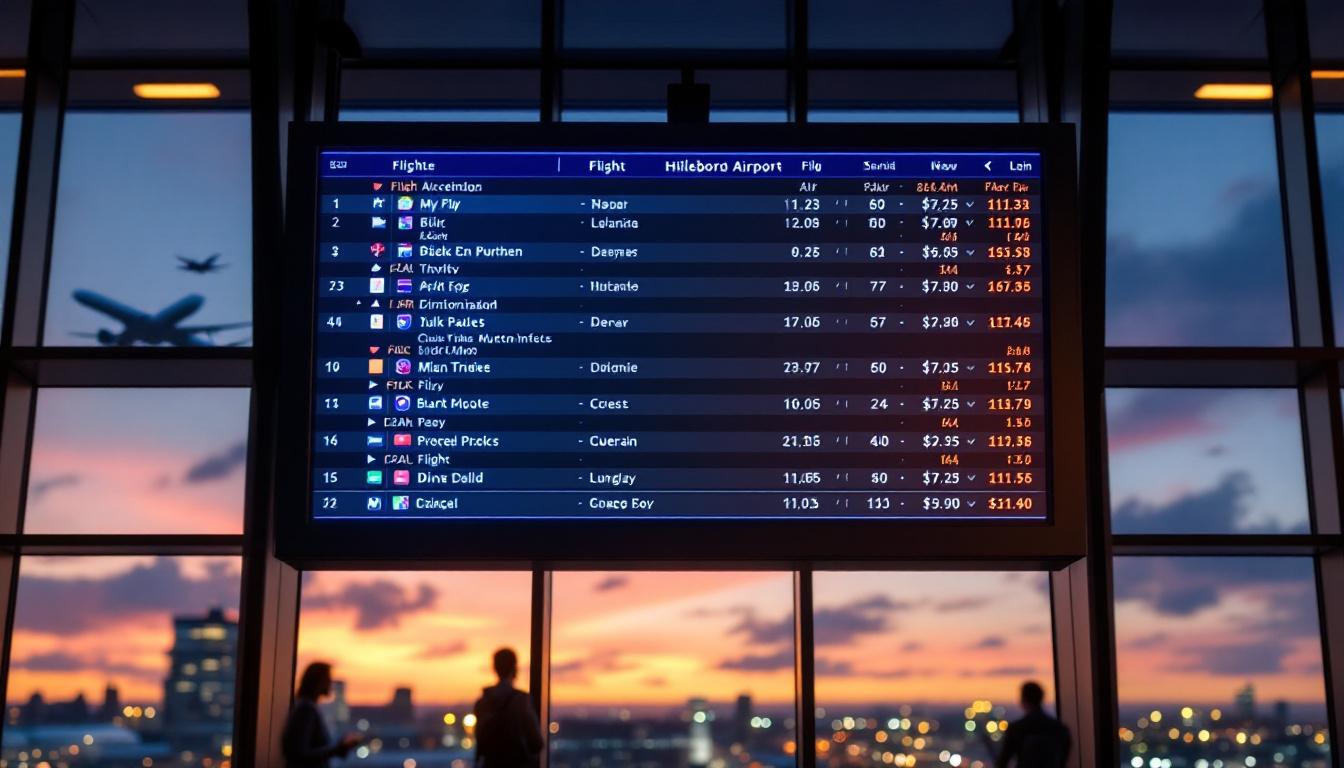
Furthermore, the integration of LED walls into various sectors is revolutionizing how information is communicated. In retail, for instance, brands can showcase their products in stunning detail, using high-definition visuals to attract customers’ attention. In the corporate world, LED walls serve as powerful tools for presentations and conferences, enabling dynamic storytelling that captivates attendees. The educational sector is also embracing this technology, with schools and universities utilizing LED walls to enhance learning environments, making lessons more engaging and interactive for students. As the technology continues to evolve, we can expect even more innovative applications of LED walls across different industries.
Planning Your LED Wall: Key Considerations Before Installation
Assessing the Room and Purpose
Before installing an LED wall, it’s crucial to evaluate the room’s dimensions, lighting conditions, and intended use. LED walls can serve different purposes, such as:
- Partitioning a large room into smaller zones
- Creating a focal point with digital art or branding
- Providing an interactive information kiosk or entertainment hub
Understanding the primary function will guide decisions about size, resolution, brightness, and interactivity.
Choosing the Right LED Display Type
There are several types of LED display technologies suitable for indoor walls:
- Direct View LED (DVLED): Offers high brightness and color accuracy, ideal for high-impact visuals.
- LED Video Walls: Modular panels combined to form large displays, perfect for scalability.
- Transparent LED Screens: Allow light and visibility through the screen, useful for windows or glass partitions.
Each type has unique installation requirements and visual effects, so selecting the right one depends on your design goals and budget.
Technical Specifications to Consider
When planning an LED wall, pay attention to these critical technical specs:
- Pixel Pitch: Determines resolution and image clarity. For indoor walls viewed at close range, a pixel pitch of 1.2mm to 2.5mm is common.
- Brightness: Measured in nits, indoor LED walls typically range from 800 to 1500 nits, ensuring visibility without overwhelming glare.
- Refresh Rate: Higher refresh rates (above 3840 Hz) reduce flicker, especially important for video recording or live broadcasts.
- Viewing Angle: Wide viewing angles (160° or more) ensure consistent image quality from different positions.
- Power Consumption: Efficient LED panels help manage energy costs, particularly for large installations.
Step-by-Step Guide to Installing an LED Wall in Your Room
Step 1: Design and Layout Planning
Begin by creating a detailed design plan. Use architectural drawings or 3D modeling software to visualize the LED wall’s placement. Consider the wall’s dimensions, the number of LED panels needed, and how the content will be managed.
Consult with LED display manufacturers or professional installers to ensure your design is feasible and optimized for performance.
Step 2: Preparing the Installation Site
Proper preparation of the installation site is essential. This includes:
- Ensuring the wall frame or structure can support the weight of the LED panels
- Installing appropriate electrical wiring and power supply units
- Setting up data connections for content control (Ethernet, HDMI, or wireless)
- Considering ventilation or cooling systems to prevent overheating
Structural integrity is critical, especially for large or heavy LED walls. Engage a structural engineer if necessary.
Step 3: Installing the LED Panels
LED walls are typically assembled from modular panels. Installation involves:
- Mounting the panels onto the wall frame with precision alignment
- Connecting the panels electrically and for data transmission
- Calibrating the panels for uniform brightness and color consistency
Professional installers use specialized tools and software to ensure seamless integration and optimal performance.
Step 4: Configuring Content Management Systems
Once the hardware is installed, the LED wall needs to be connected to a content management system (CMS). This software allows users to upload, schedule, and control the visual content displayed on the wall.
Many CMS platforms support remote management, multi-zone content, and interactive features. Selecting a user-friendly CMS is vital for ongoing operation and flexibility.
Step 5: Testing and Calibration
After installation and configuration, thoroughly test the LED wall. Check for:
- Uniformity in brightness and color across all panels
- Responsiveness and stability of interactive features
- Proper synchronization of video and animations
- Heat management and power consumption
Regular maintenance schedules should be established to keep the LED wall in optimal condition.
Design Ideas and Practical Applications of LED Walls
Transforming Residential Spaces
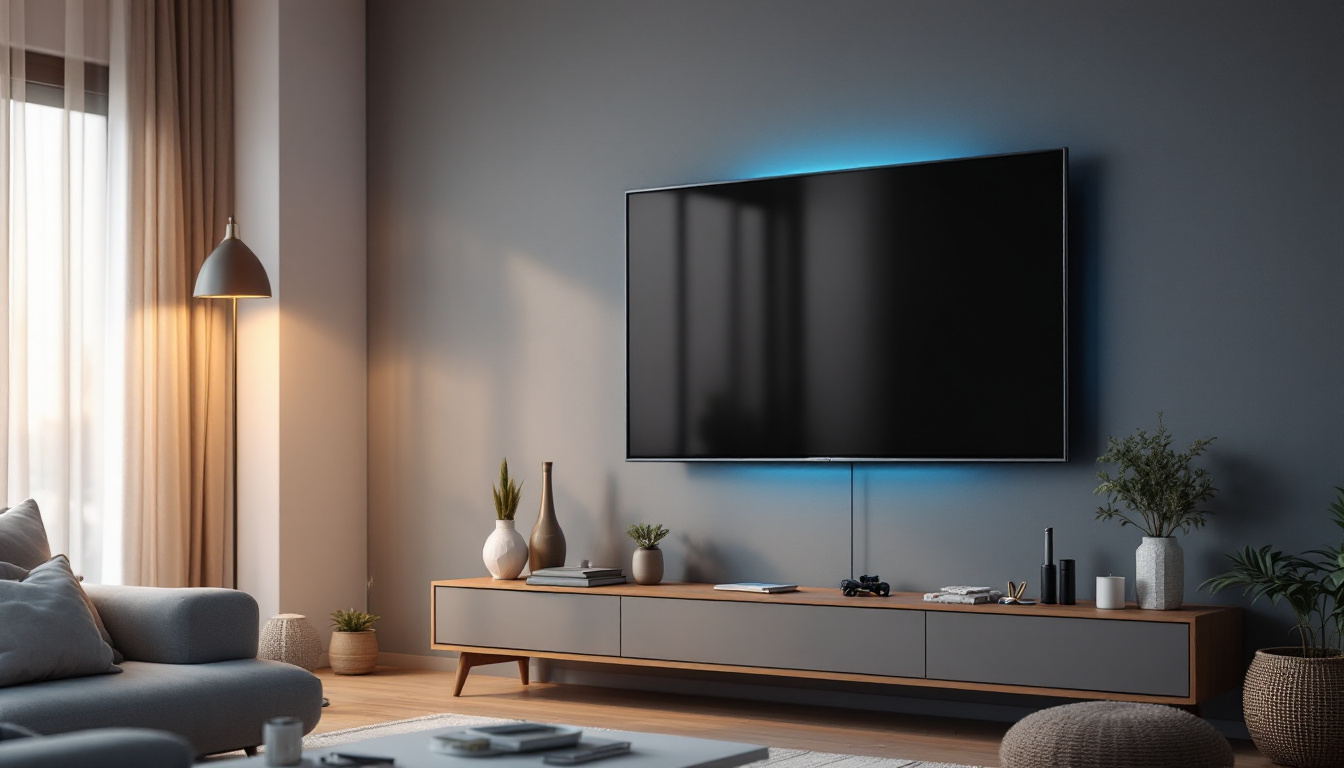
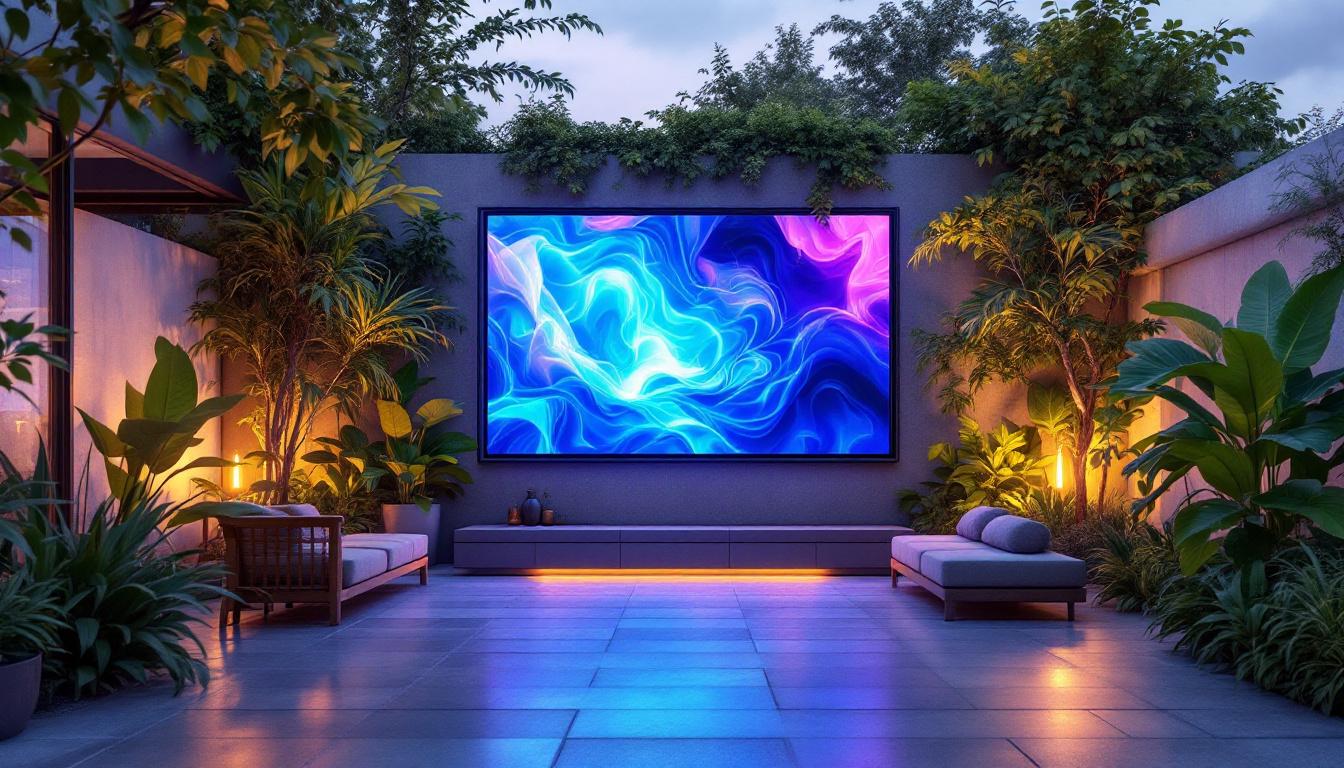
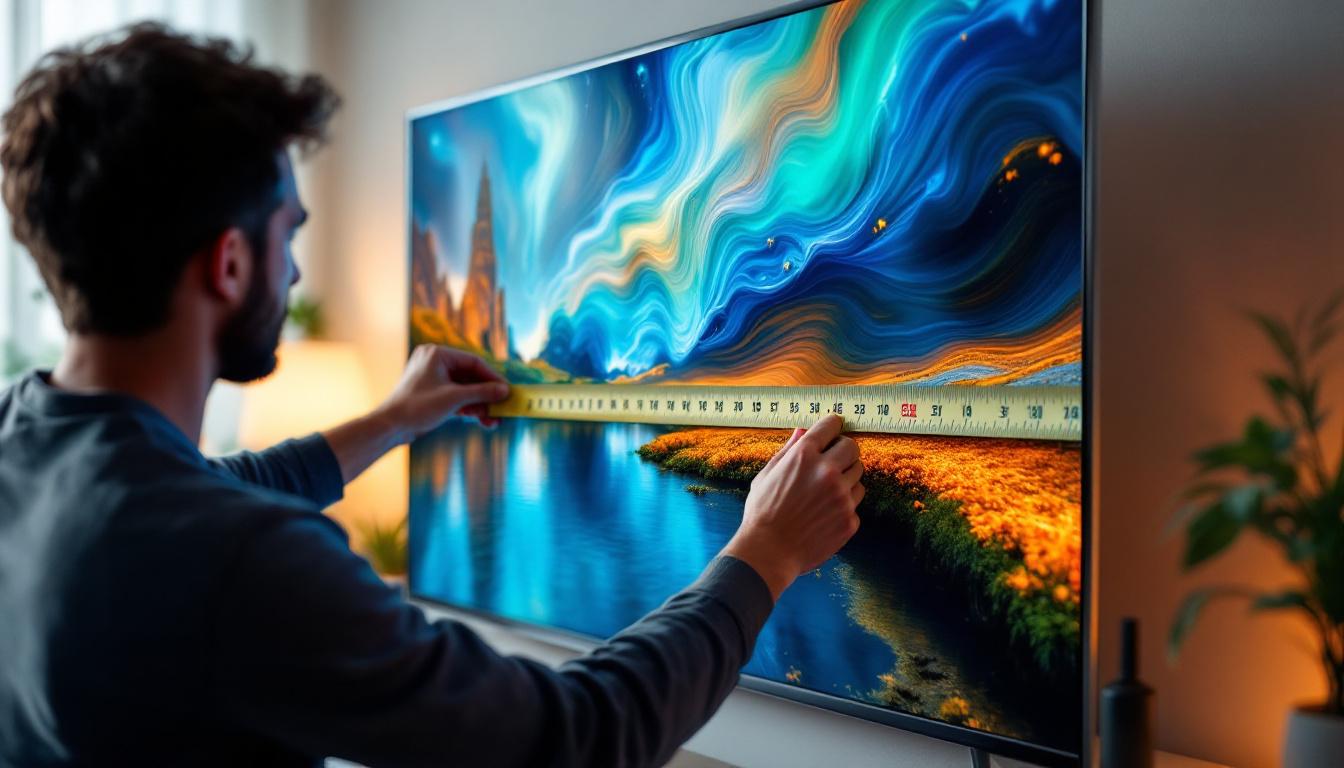
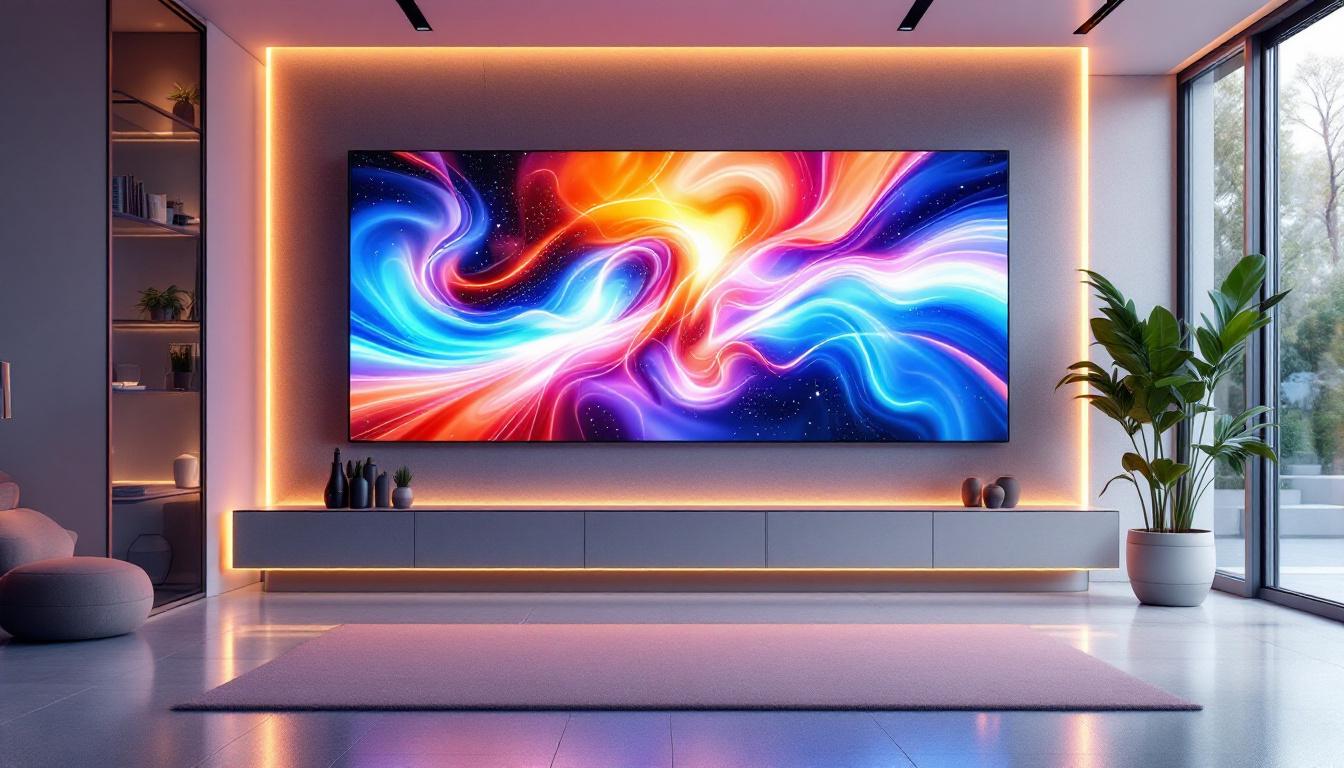
In homes, LED walls can serve as digital art galleries, entertainment centers, or even virtual windows displaying scenic landscapes. For example, a living room wall can be transformed into a dynamic aquarium or forest scene, enhancing ambiance without physical alterations to the room.
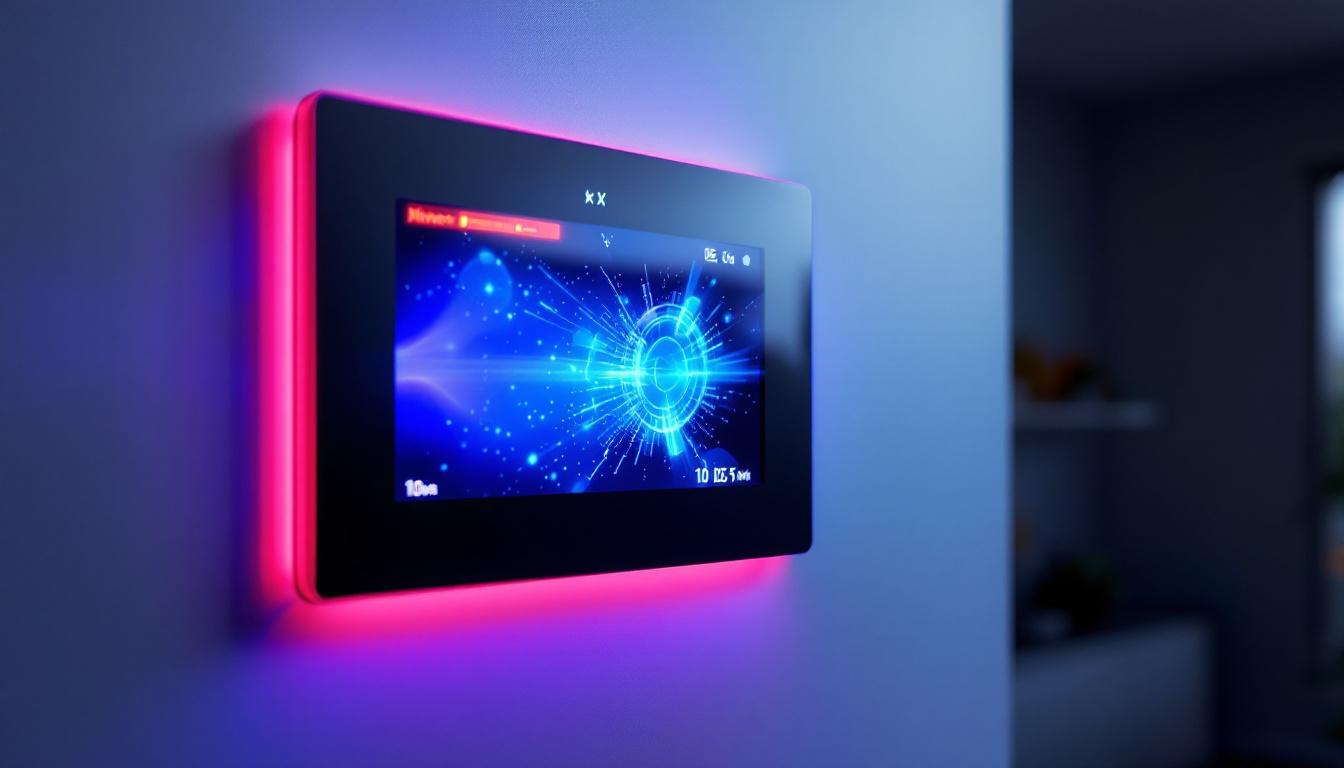
Smart home integration allows these walls to respond to lighting conditions, time of day, or user preferences, creating personalized environments.
Commercial and Retail Environments
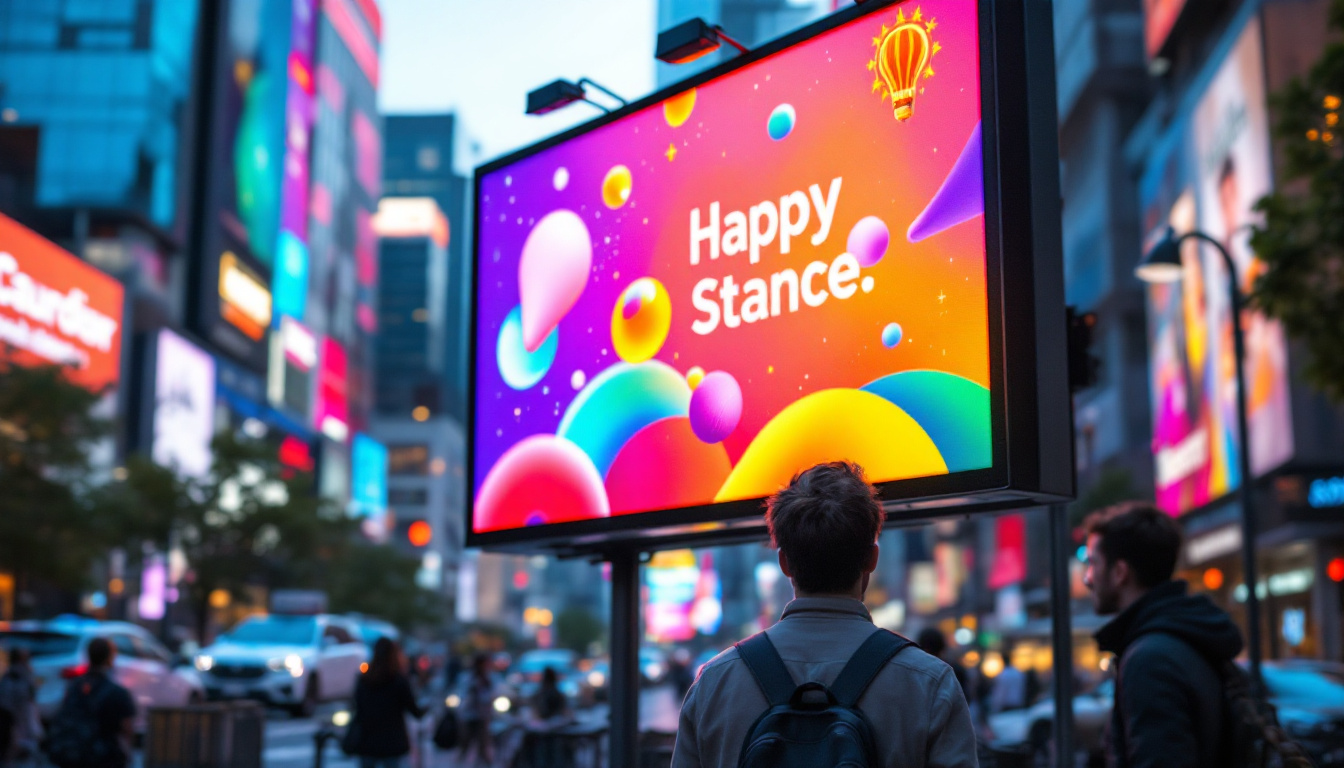
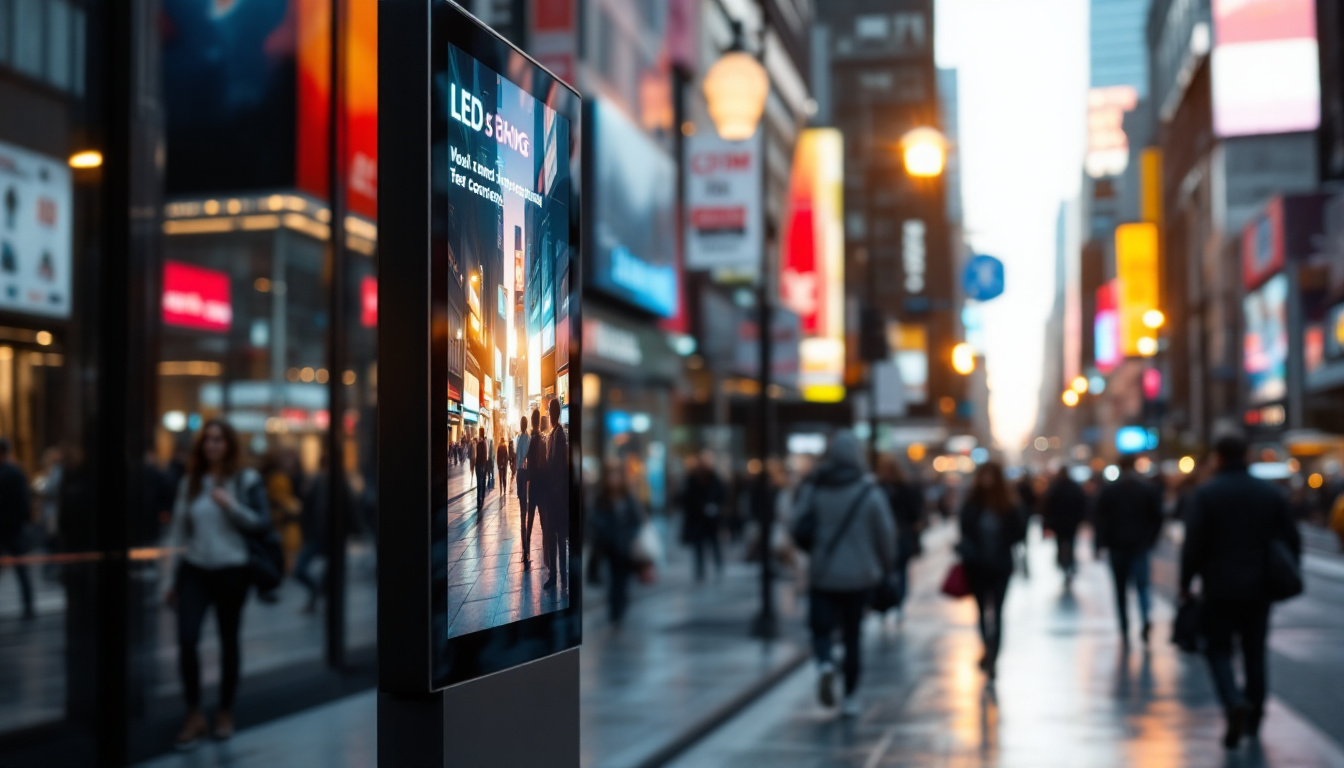
Retailers use LED walls to attract customers with vibrant advertisements, product showcases, and interactive promotions. In offices, LED walls can partition open-plan spaces while displaying company branding, news, or collaborative tools.
According to a 2022 survey by Digital Signage Today, 65% of retailers reported increased customer engagement after installing LED display walls, highlighting their effectiveness in commercial settings.
Hospitality and Entertainment Venues
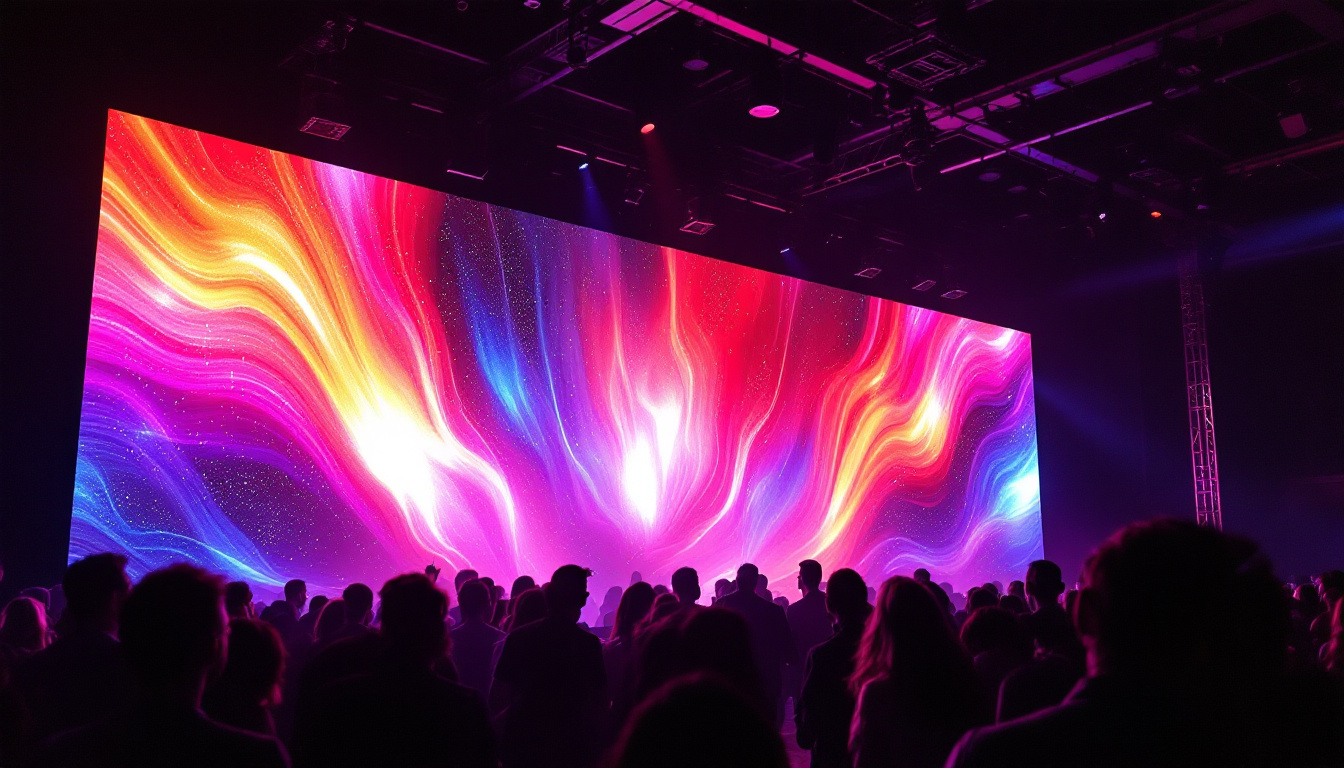
Hotels, restaurants, and event venues utilize LED walls to create immersive experiences. From mood lighting and thematic visuals to live event streaming, LED walls enhance guest experiences and provide flexible decor options.
For example, a hotel lobby might feature a large LED wall that changes scenes throughout the day, from sunrise to nighttime cityscapes, adding a dynamic storytelling element.
Challenges and Considerations When Adding LED Walls
Cost and Budgeting
While LED walls offer many benefits, they come with significant upfront costs. High-resolution panels, installation, and content management systems can be expensive. However, the long-term value through flexibility and engagement often justifies the investment.
Budget planning should include not only hardware but also installation labor, software licenses, and ongoing maintenance.
Technical Expertise and Maintenance
Installing and maintaining LED walls requires specialized knowledge. Partnering with experienced professionals ensures proper setup and troubleshooting. Additionally, periodic calibration and cleaning are necessary to maintain image quality and prolong the lifespan of the panels.
Environmental and Lighting Conditions
Ambient lighting can affect the visibility of LED walls. For rooms with large windows or bright lighting, choosing high-brightness panels and considering anti-glare coatings is important. Additionally, LED walls generate heat, so adequate ventilation must be planned.
Future Trends in LED Wall Technology
Flexible and Curved LED Walls
Emerging technologies allow LED panels to be flexible or curved, enabling new architectural possibilities. These walls can wrap around corners or form organic shapes, further blurring the line between structure and display.
Integration with Smart Home and IoT Systems
Integration with smart home devices and Internet of Things (IoT) platforms is becoming more common. This allows LED walls to respond automatically to environmental cues, user commands, or external data sources, creating truly intelligent spaces.
Energy Efficiency and Sustainability
Advancements in LED technology continue to improve energy efficiency, reducing the environmental impact of large installations. Sustainable materials and recycling programs for LED components are also gaining traction.
Conclusion
Adding a wall to a room using LED display technology is a revolutionary approach that combines functionality, aesthetics, and interactivity. Whether for residential, commercial, or entertainment purposes, LED walls offer unparalleled flexibility and creative potential.
By understanding the technical aspects, planning carefully, and working with experienced professionals, it is possible to transform any space with a vibrant, dynamic LED wall. As technology advances, these walls will become even more integral to how we design and experience our environments.
Explore the Possibilities with LumenMatrix
Ready to redefine your space with the vibrant, dynamic potential of LED display walls? Discover LumenMatrix’s comprehensive range of cutting-edge LED display solutions, from Indoor and Outdoor LED Wall Displays to specialized options like Vehicle, Sports, and Floor LED Displays. With our commitment to innovation and quality, LumenMatrix is here to help you create captivating visual experiences that enhance engagement and communicate your message with clarity. Check out LumenMatrix LED Display Solutions today and take the first step towards transforming your environment.