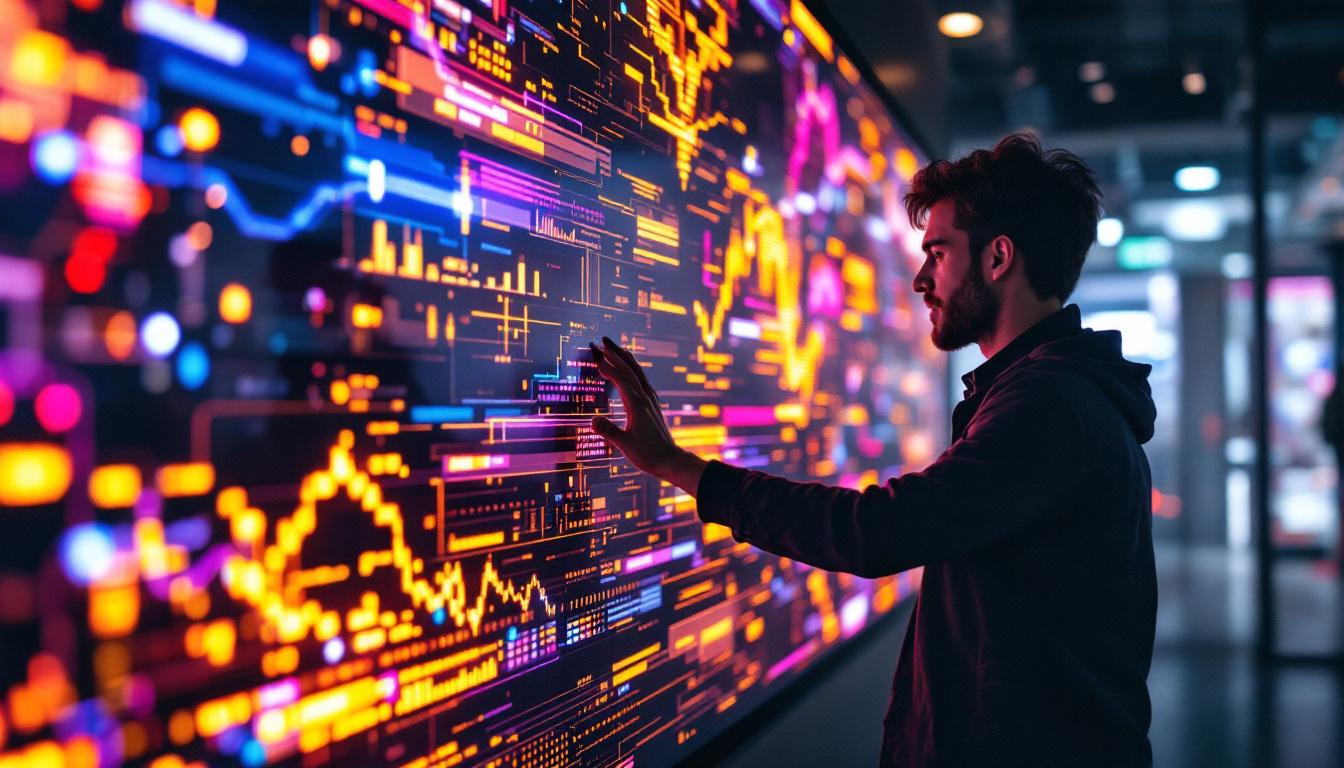
In the modern era of digital communication and entertainment, LED displays have become a cornerstone technology for delivering vibrant, high-quality video content on screens of all sizes. From massive outdoor billboards to indoor video walls and handheld devices, LED technology powers the visuals that capture attention and convey messages effectively. Understanding how to make video on screen using LED displays involves grasping the fundamentals of LED technology, the process of video signal transmission, and the practical aspects of setup and calibration.
Understanding LED Display Technology
LED, or Light Emitting Diode, displays are composed of numerous tiny diodes that emit light when an electric current passes through them. Unlike traditional LCD or plasma screens, LED displays produce their own light, which results in brighter images, deeper blacks, and better energy efficiency. This self-illuminating property not only enhances the visual experience but also allows for thinner and lighter designs, making LED displays a popular choice in modern technology.
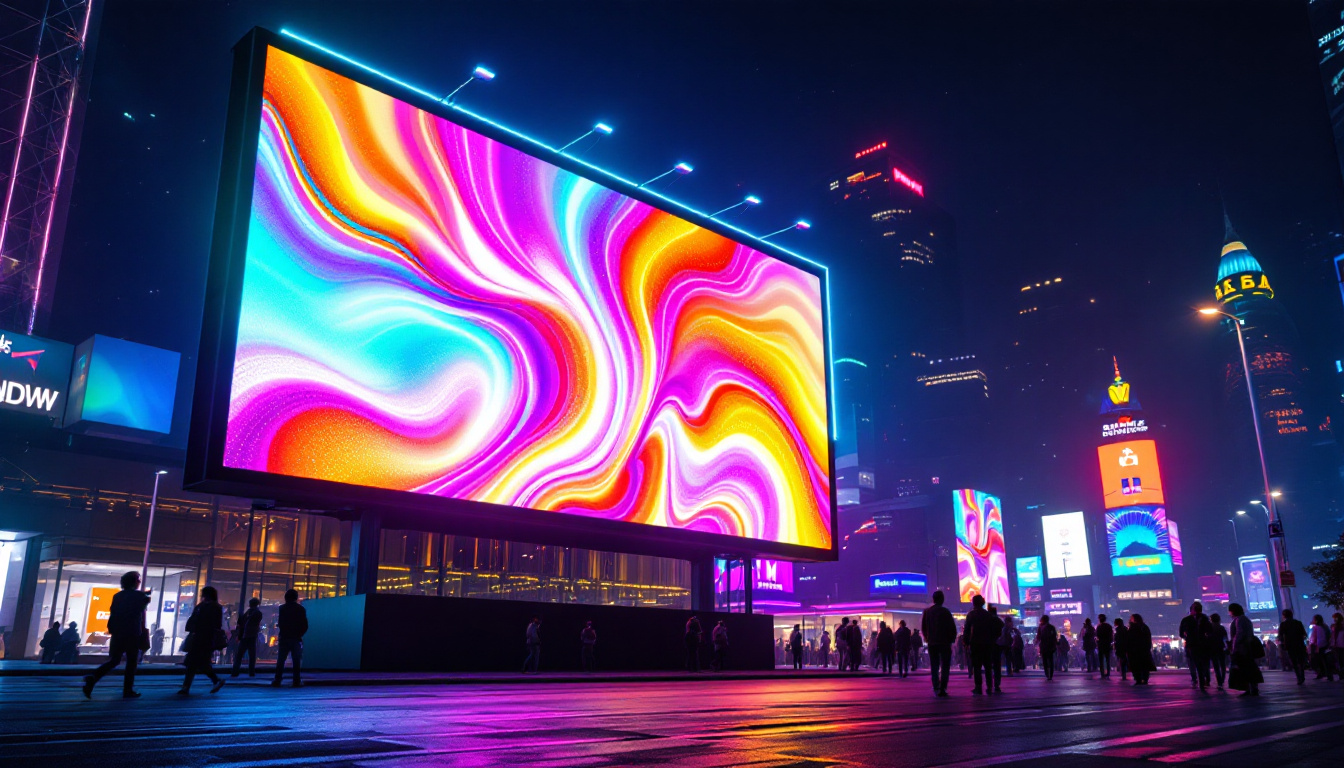
LED displays are typically categorized into two main types: direct view LED (DVLED) and LED-backlit LCD. Direct view LED displays use individual LEDs as pixels, making them ideal for large-scale screens such as stadium displays or digital billboards. These displays can be configured in various shapes and sizes, allowing for creative installations that can capture attention from great distances. LED-backlit LCDs, on the other hand, use LEDs as a backlight source behind an LCD panel, common in televisions and computer monitors. This technology has evolved significantly, with advancements in local dimming and color accuracy, providing viewers with a more immersive experience.
The Structure of an LED Display
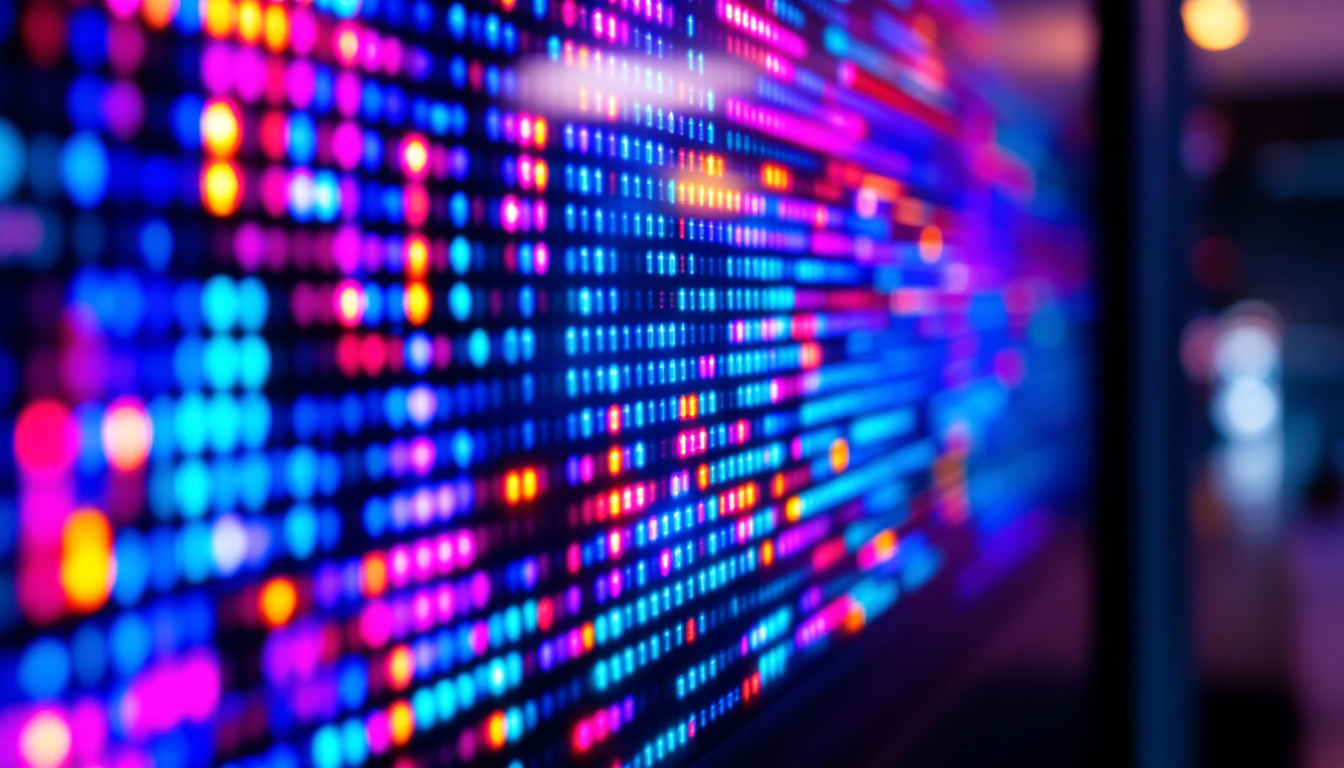
At the core of an LED display is the pixel, which may consist of one or more LEDs. For full-color video, each pixel usually contains red, green, and blue LEDs. By varying the intensity of these three colors, the display can produce a wide spectrum of colors. The density of these pixels, measured in pixels per inch (PPI) or pixel pitch (distance between pixels), directly affects the resolution and clarity of the video. Higher pixel densities allow for more detailed images, making them suitable for applications where clarity is paramount, such as in medical imaging or high-end gaming.
For example, a pixel pitch of 1.2 mm is considered very fine and suitable for close viewing distances, such as indoor displays, while larger pitches (e.g., 10 mm or more) are used for outdoor displays viewed from afar. Additionally, advancements in LED technology have introduced features like HDR (High Dynamic Range), which enhances the contrast and color range, providing a more lifelike viewing experience. As LED technology continues to evolve, we can expect to see even more innovations, such as flexible displays and improved energy efficiency, further expanding the possibilities for LED applications in various fields, from advertising to entertainment and beyond.
How Video is Processed and Displayed on LED Screens
Creating video content for LED screens involves several steps, from source video preparation to the final display output. The process requires an understanding of video formats, signal transmission, and display control systems.
Video Source and Format
Video content can originate from various sources including cameras, computers, media players, or live feeds. The video must be in a compatible format that the LED display controller can process. Common video formats include MP4, AVI, and MOV, with codecs such as H.264 or H.265 used for compression.
For high-quality LED displays, the resolution of the video should match or exceed the resolution of the screen to avoid pixelation. For instance, a 4K LED video wall requires 3840×2160 pixels of input video to utilize its full potential. Additionally, frame rates play a crucial role in ensuring smooth playback; a standard frame rate of 30 or 60 frames per second is often necessary for dynamic content, while higher frame rates may be employed for fast-moving visuals, enhancing the viewer’s experience.
Signal Transmission and Processing
The video signal is transmitted from the source device to the LED display controller, which manages how the video is rendered on the screen. This controller acts as the brain of the system, decoding the video signal, mapping it to the LED pixels, and managing refresh rates and color calibration.
Signal transmission typically uses HDMI, DVI, or SDI cables for short distances, while for larger setups, fiber optic cables or specialized LED data cables are employed to maintain signal integrity over long distances. In addition to physical connections, wireless transmission technologies are also gaining traction, allowing for more flexible setups, especially in temporary installations or events where mobility is essential. These advancements in signal transmission contribute to a more versatile and efficient video display environment.
LED Display Controllers and Processors
LED controllers convert the incoming video data into signals that drive the LEDs. They handle tasks such as scaling the video to fit the screen size, adjusting brightness and contrast, and synchronizing multiple display panels for seamless video playback.
Advanced processors support real-time video processing, including image enhancement, color correction, and dynamic content management, which are essential for professional-grade LED video walls used in events, advertising, and broadcasting. Moreover, these processors often come equipped with features like content scheduling and remote management capabilities, allowing operators to change displays on-the-fly or pre-program content for specific times. This level of control is particularly beneficial in environments like sports arenas or concert venues, where the visual experience can significantly impact audience engagement and overall event atmosphere.
Practical Steps to Make Video on an LED Screen
Successfully displaying video on an LED screen involves more than just feeding a video file into the system. It requires careful planning, hardware setup, and software configuration.
1. Selecting the Right LED Display
Choosing the appropriate LED display depends on the intended application, viewing distance, environment, and budget. Indoor displays favor smaller pixel pitches for close viewing, while outdoor displays prioritize brightness and weather resistance.
For example, a retail store might use a 2.5 mm pixel pitch LED video wall for crisp visuals at arm’s length, whereas a highway billboard might use a 16 mm pitch display for visibility from hundreds of meters away.
2. Preparing the Video Content
Video content should be optimized for the LED display’s resolution and aspect ratio. Editing software such as Adobe Premiere Pro or DaVinci Resolve can be used to format and enhance the video. It is also important to consider the content’s brightness and contrast levels, as LED displays are highly bright and can wash out poorly optimized videos.
3. Connecting and Configuring Hardware
Once the LED display and video source are selected, connect the devices using the appropriate cables. The LED controller must be configured to recognize the input signal and map it correctly to the display panels.
Calibration tools and software are often used to adjust color balance, brightness, and uniformity across the entire display. This step ensures that the video looks consistent and visually appealing.
4. Testing and Troubleshooting
Before going live, thoroughly test the video playback on the LED screen. Check for issues such as dead pixels, color inconsistencies, or signal lag. Adjust settings as needed to achieve the best performance.
Regular maintenance and software updates help maintain optimal display quality over time.
Applications and Benefits of LED Video Displays
LED video displays have revolutionized how video content is presented in various industries. Their versatility and visual impact make them a preferred choice for many applications.
Advertising and Marketing
Outdoor LED billboards and indoor digital signage are widely used for advertising due to their brightness, visibility, and ability to display dynamic content. According to industry reports, digital out-of-home advertising using LED displays is projected to grow by over 10% annually, reflecting their effectiveness in capturing consumer attention.
Events and Entertainment
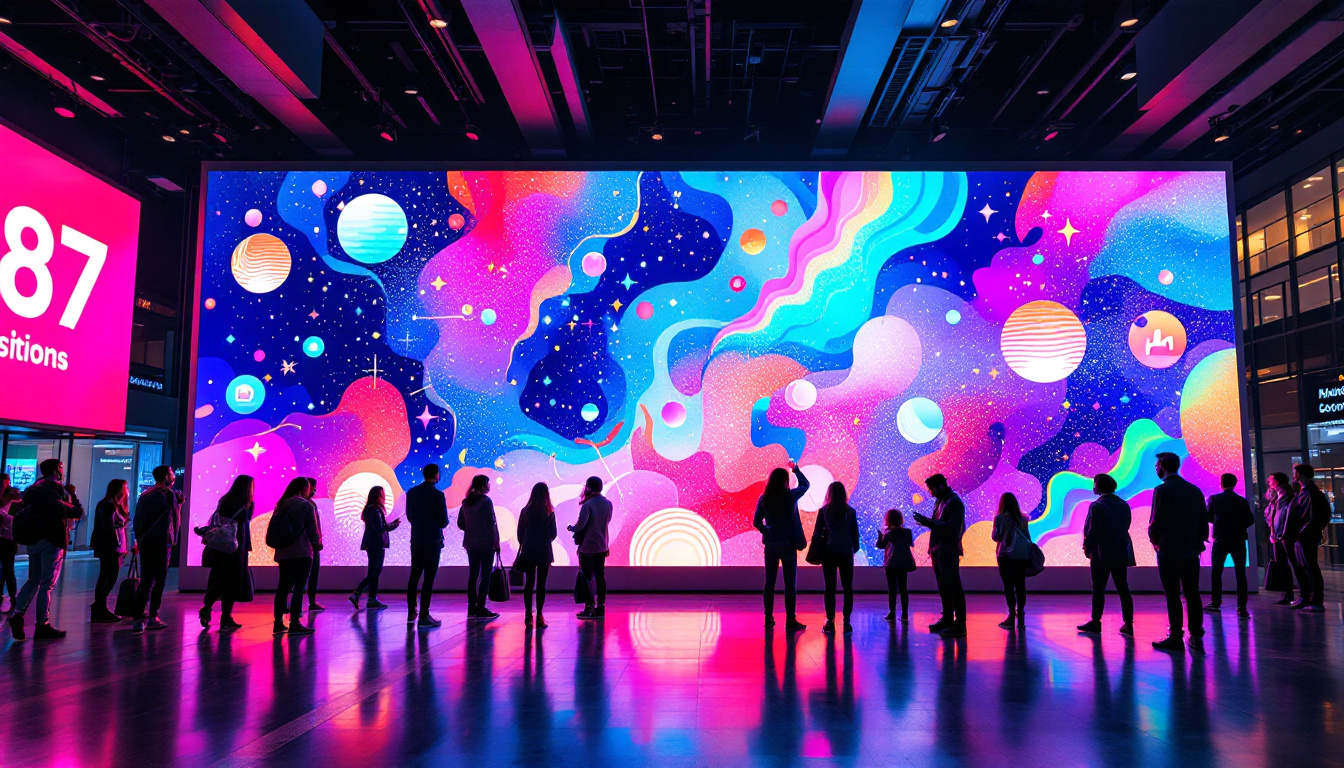
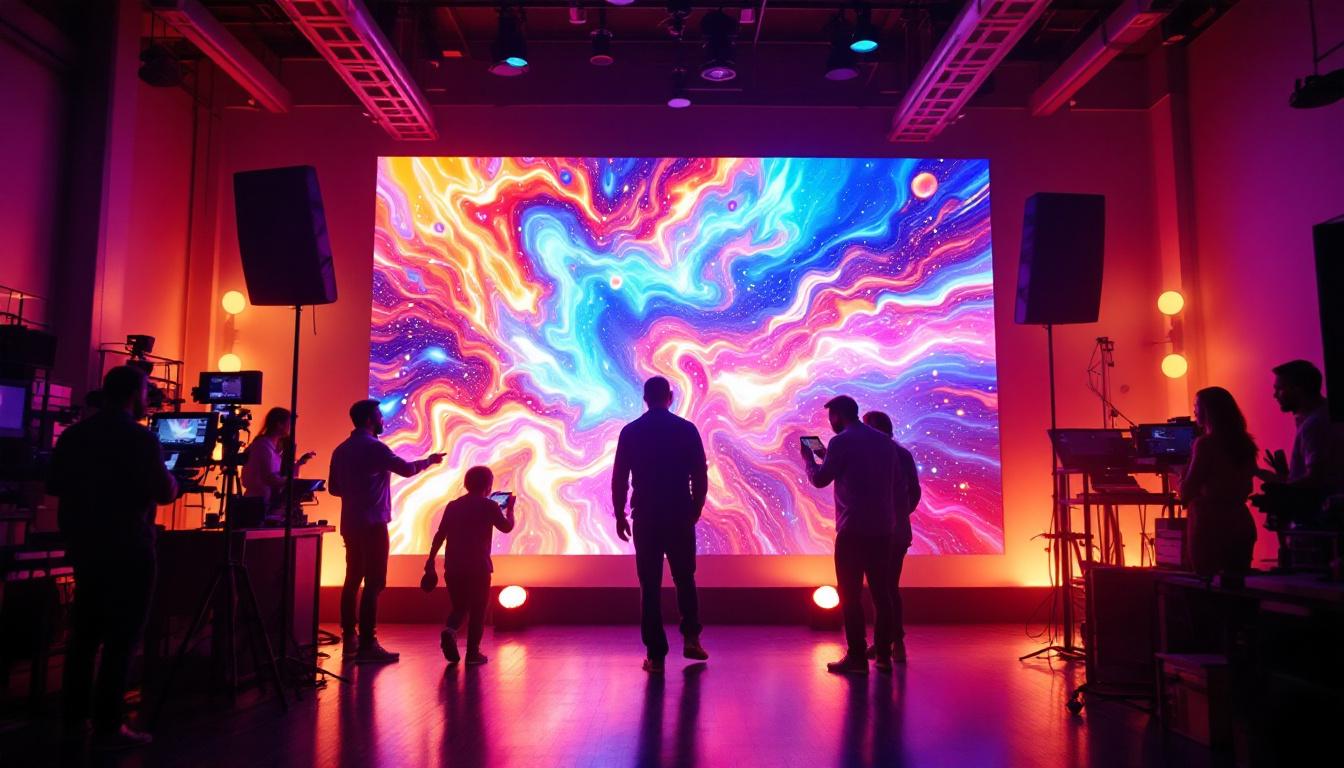
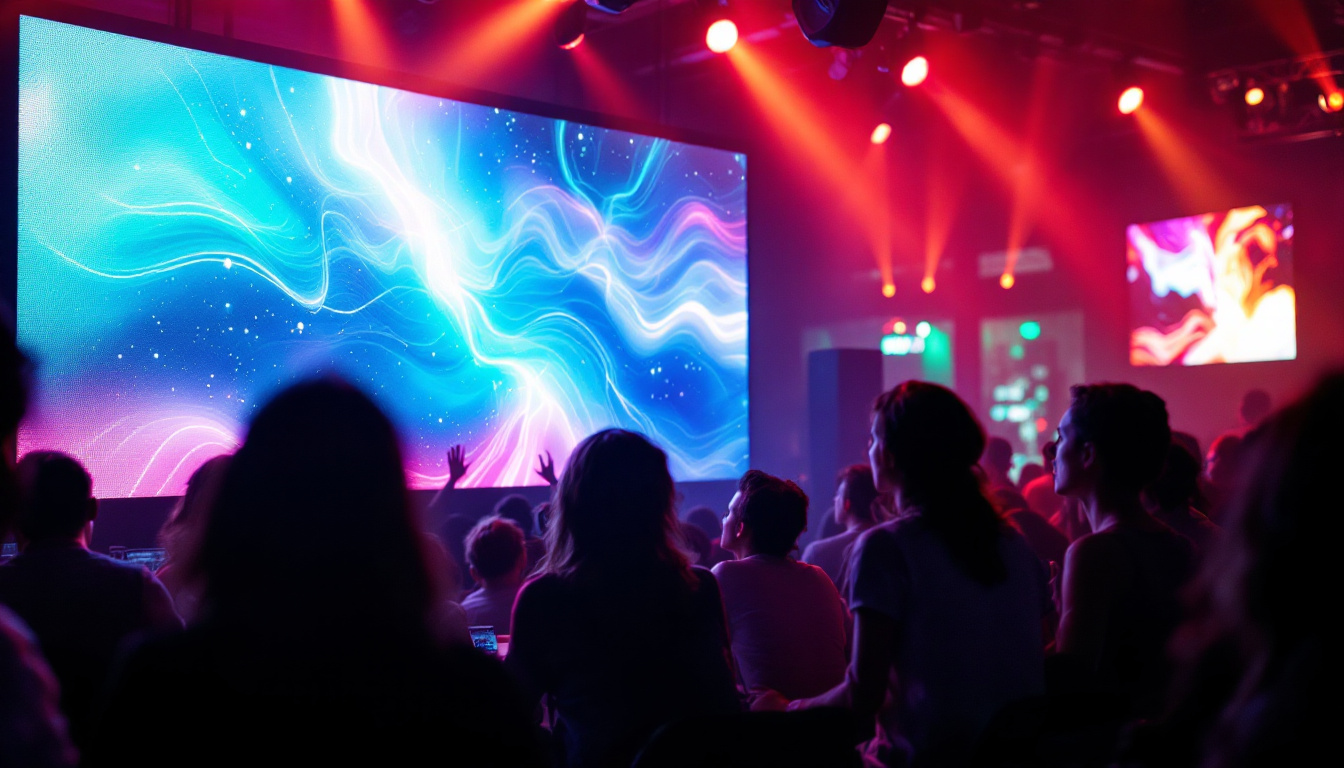
Concerts, sports arenas, and conferences utilize large LED video walls to enhance the audience experience. These displays provide clear visuals even in bright environments and can be customized to fit various stage designs.
Corporate and Educational Settings
LED displays are increasingly used in meeting rooms, lecture halls, and control centers for presentations and real-time data visualization. Their scalability and image quality support effective communication and collaboration.
Future Trends in LED Video Display Technology
The LED display industry continues to innovate, driven by advancements in materials, manufacturing, and digital processing.
MicroLED and MiniLED Technologies
Emerging MicroLED and MiniLED technologies promise even higher resolution, better color accuracy, and improved energy efficiency. MicroLEDs, in particular, offer the potential for self-emissive displays with pixel sizes smaller than 100 micrometers, enabling ultra-high-definition screens.
Integration with AI and IoT
Artificial intelligence and Internet of Things (IoT) integration are enhancing LED displays with features like automated content adaptation, predictive maintenance, and interactive capabilities. Smart LED displays can adjust brightness based on ambient light or tailor advertisements to audience demographics in real-time.
Flexible and Transparent LED Screens
Innovations in flexible and transparent LED panels are expanding design possibilities, allowing screens to be curved, bent, or embedded into glass surfaces. These developments open new avenues for creative video display applications in architecture and retail environments.
Conclusion
Making video on screen using LED displays involves a synergy of advanced technology, careful content preparation, and precise hardware configuration. The vibrant, high-resolution visuals delivered by LED screens have transformed how video content is consumed across advertising, entertainment, corporate, and public sectors.
By understanding the underlying technology and practical steps involved, businesses and individuals can leverage LED displays to create impactful video experiences that engage and captivate audiences. As LED technology continues to evolve, its role in visual communication will only become more prominent and exciting.
Discover Cutting-Edge LED Display Solutions with LumenMatrix
Ready to elevate your visual communication and create unforgettable experiences? Look no further than LumenMatrix, a pioneer in LED display technology. With our extensive range of innovative products, including Indoor and Outdoor LED Wall Displays, Vehicle LED Displays, LED Poster Displays, LED Sports Displays, Floor LED Displays, Custom LED Displays, All-in-One LED Displays, and LED Transparent Displays, we are committed to transforming your brand’s visibility. Experience the future of dynamic and engaging content with LumenMatrix. Check out LumenMatrix LED Display Solutions today and start making an impact that resonates with your audience.