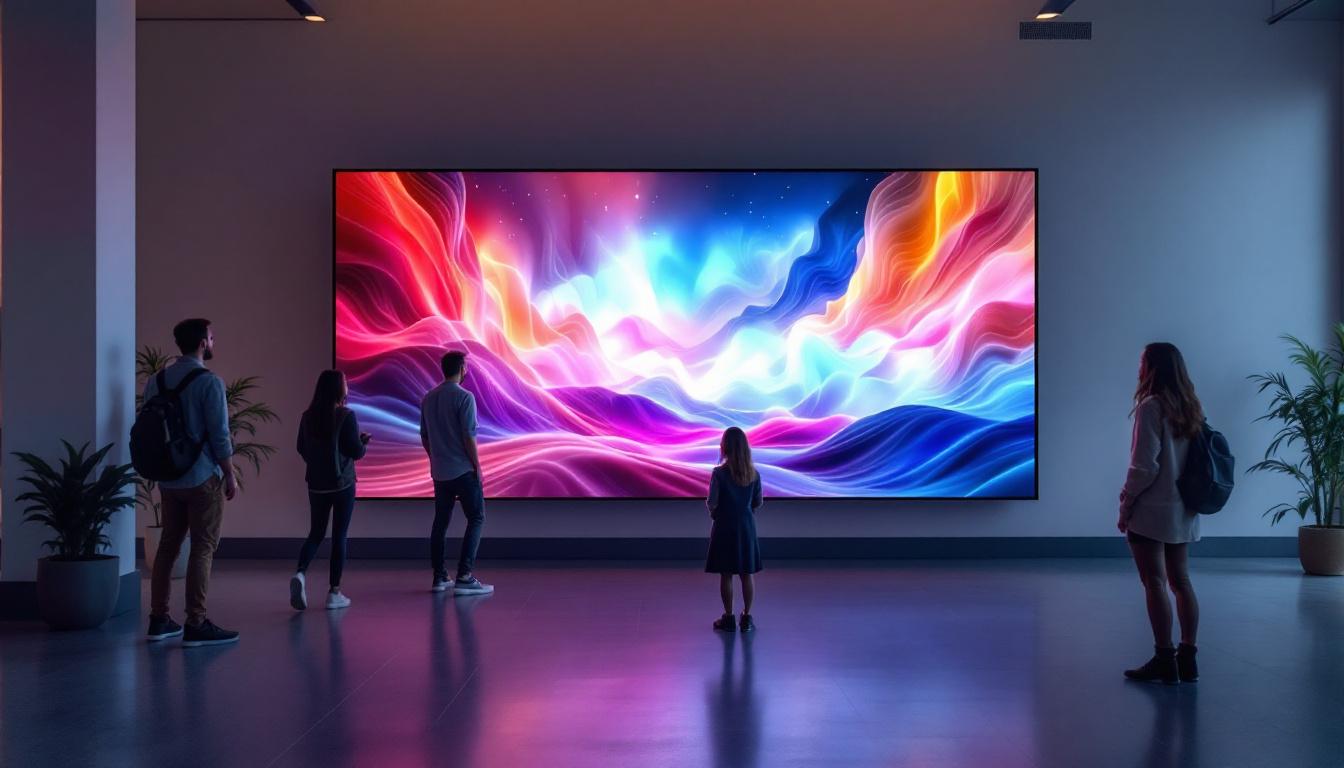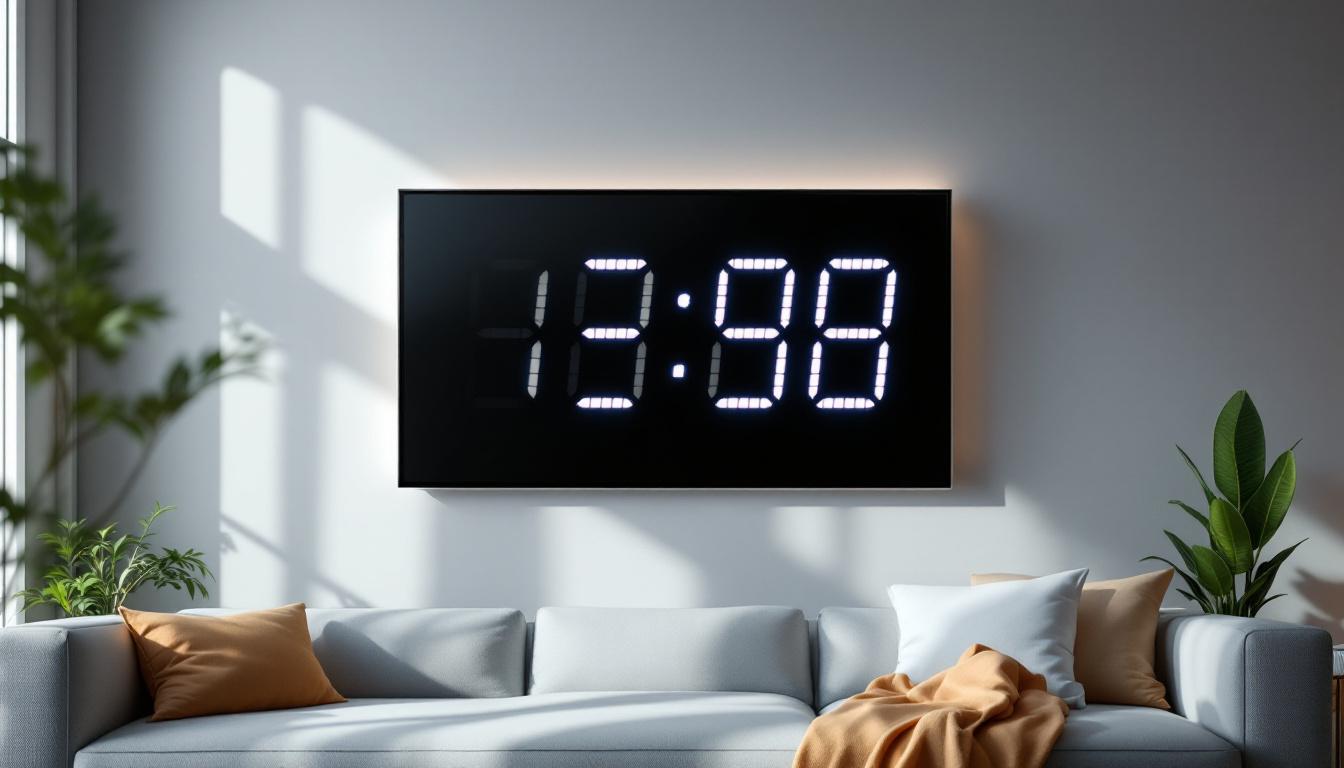
In today’s fast-paced world, time management is more crucial than ever. Whether in offices, schools, hospitals, or homes, having a clear and easily readable clock is essential. Digital wall clocks with large LED displays have become increasingly popular due to their visibility, accuracy, and modern design. This article delves into the technology behind LED displays in digital wall clocks, explores their benefits, and provides insights into choosing the right clock for various environments.
Understanding LED Displays in Digital Wall Clocks
Light Emitting Diodes (LEDs) are the core technology behind the bright and clear displays found in many digital wall clocks. Unlike traditional analog clocks, which rely on mechanical hands, digital clocks use electronic displays to show time numerically. The LED display is a type of electronic display that uses small light-emitting diodes to form digits and sometimes additional information like date or temperature.
LED technology has evolved significantly since its inception in the 1960s. Early LED displays were limited to simple numeric readouts with low brightness and limited color options. Modern LEDs offer high brightness, energy efficiency, and a wide range of colors, making them ideal for large wall clocks that need to be visible from a distance and in various lighting conditions.
How LED Displays Work
Each digit on a digital wall clock is typically made up of seven segments arranged in a figure-eight pattern. By illuminating different combinations of these segments, the display can show numbers from 0 to 9. These segments are composed of LEDs that emit light when an electric current passes through them.
More advanced LED displays may use dot matrix or full graphic displays, allowing for more complex characters and symbols beyond simple digits. However, seven-segment displays remain the most common for timekeeping due to their simplicity and clarity.
Advantages of Large LED Displays in Digital Wall Clocks
Large LED displays offer several advantages over other types of clock displays, making them a preferred choice in many settings.
Enhanced Visibility and Readability
The primary benefit of a large LED display is its visibility. Bright LEDs can be seen clearly from across a room, even in bright daylight or dim lighting. This makes them ideal for large spaces such as conference rooms, classrooms, gyms, and public areas where people need to glance at the time quickly without straining their eyes.
Additionally, large digits reduce ambiguity and make it easier for people with impaired vision to read the time. According to the World Health Organization, approximately 2.2 billion people globally have some form of vision impairment, so accessible display options are essential in public and workplace environments.
Energy Efficiency and Longevity
LEDs are known for their energy efficiency compared to other lighting technologies like incandescent or fluorescent bulbs. Digital wall clocks with LED displays consume minimal power, which is beneficial for battery-operated clocks or those connected to power-saving systems.
Moreover, LEDs have a long operational lifespan, often exceeding 50,000 hours. This means that digital wall clocks with LED displays require less maintenance and fewer replacements, reducing costs and environmental waste over time.
Modern Aesthetic and Versatility
Large LED digital clocks offer a sleek, modern look that fits well in contemporary interiors. Their minimalist design complements a variety of décor styles, from corporate offices to tech-savvy homes.
Furthermore, LED displays can be customized in terms of color, brightness, and even additional information displayed, such as temperature, date, or countdown timers. This versatility allows users to tailor the clock to their specific needs and preferences.
Types of LED Displays Used in Digital Wall Clocks
Not all LED displays are created equal. Understanding the different types can help in selecting the right clock for a particular environment.
Seven-Segment LED Displays
The most common type of LED display in digital clocks is the seven-segment display. It consists of seven individual LED bars arranged to form numbers by illuminating the appropriate segments. This design is straightforward, cost-effective, and highly readable.
Seven-segment displays are typically monochrome, often red or green, due to the high visibility of these colors. However, some clocks use blue or white LEDs for a different aesthetic effect.
Dot Matrix LED Displays
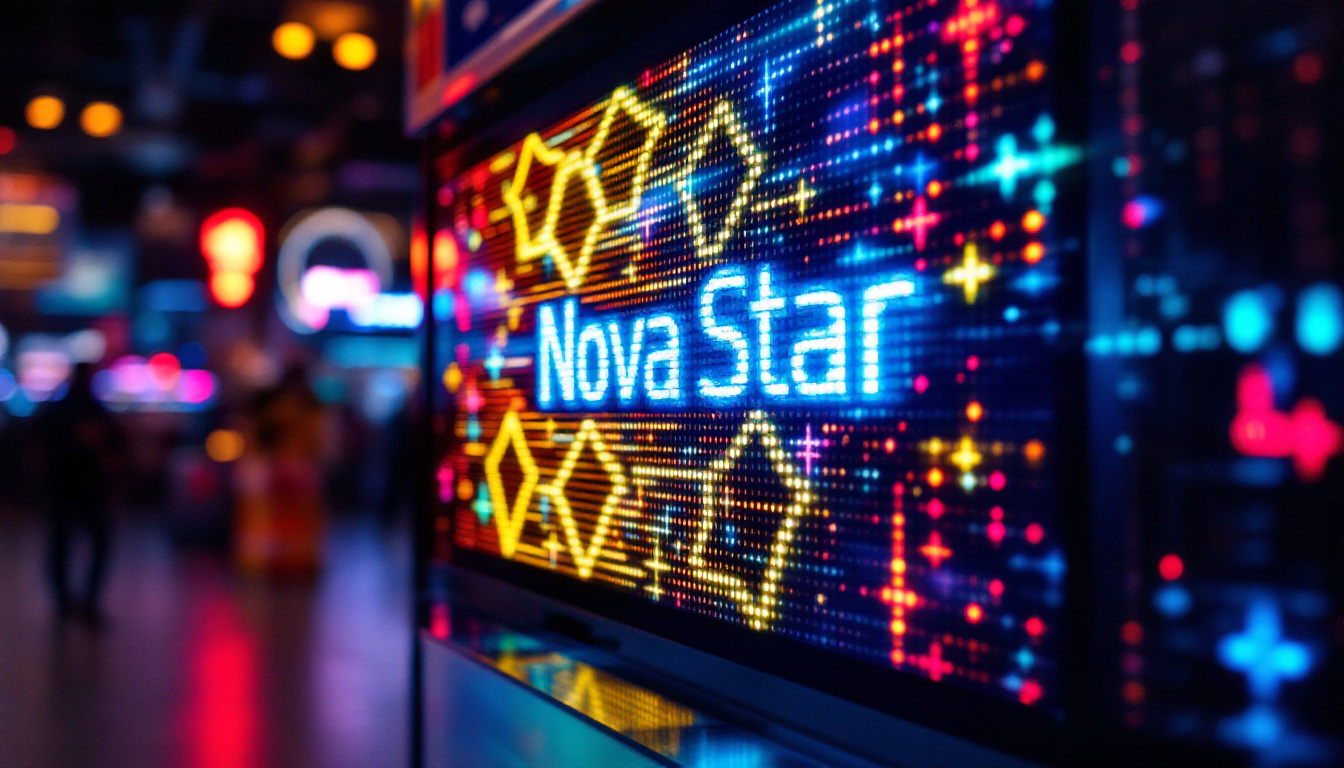
Dot matrix displays use a grid of LEDs to form characters and symbols. This allows for more complex information to be shown, such as scrolling text, multiple time zones, or graphical elements. While less common in simple wall clocks, dot matrix displays are popular in public information boards and advanced timekeeping devices.
OLED and LCD Alternatives
While not LED-based, it’s worth mentioning Organic LED (OLED) and Liquid Crystal Displays (LCD) as alternatives. OLEDs provide high contrast and vibrant colors but are generally more expensive. LCDs are energy-efficient but often require backlighting to be visible in low light, which can reduce clarity compared to LED displays.
Choosing the Right Digital Wall Clock with Large LED Display
Selecting the ideal digital wall clock involves considering several factors beyond just the size of the LED display.
Display Size and Viewing Distance
The size of the LED digits should correspond to the typical viewing distance. As a general rule, each inch of digit height provides readability up to about 50 feet. For example, a clock with 4-inch digits is easily readable from 200 feet away, making it suitable for large halls or gymnasiums.
Ensuring the digits are large enough for the intended space prevents users from squinting or moving closer to check the time, enhancing convenience and productivity.
Brightness and Adjustable Settings
Brightness is a critical factor, especially in environments with varying lighting conditions. Some digital wall clocks come with adjustable brightness controls or ambient light sensors that automatically dim or brighten the display based on surrounding light levels.
This feature not only improves visibility but also reduces energy consumption and prevents glare, which can be distracting or uncomfortable.
Power Source and Backup Options
Most LED digital wall clocks are powered by AC adapters or batteries. In critical environments like hospitals or control rooms, clocks with battery backup or dual power sources ensure continuous operation during power outages.
Battery-operated clocks offer flexibility in placement but may require regular battery changes. Power adapters provide consistent power but limit mobility.
Additional Features
Modern digital wall clocks often include extra functionalities such as:
- Date and Day Display: Useful in offices and classrooms for quick reference.
- Temperature and Humidity Sensors: Beneficial in environments where climate control is important.
- Alarm and Timer Functions: Handy in kitchens, gyms, or industrial settings.
- Synchronization Capabilities: Clocks that sync with internet time servers or radio signals ensure precise timekeeping.
Choosing a clock with features tailored to the specific environment enhances its utility and user satisfaction.
Applications of Large LED Digital Wall Clocks
Large LED digital wall clocks are versatile and find applications across various sectors due to their readability and reliability.
Educational Institutions
Schools and universities benefit from large LED clocks in classrooms, auditoriums, and hallways. They help keep schedules on track, especially during exams or timed activities, where precise timekeeping is essential.
Large displays ensure that students and teachers can easily see the time from anywhere in the room without disruption.
Healthcare Facilities
In hospitals and clinics, accurate and visible timekeeping is critical for medication schedules, appointments, and shift changes. Large LED clocks provide clear time displays that staff can rely on, even in fast-paced or low-light situations.
Additionally, clocks with synchronized time help maintain consistency across departments.
Corporate and Industrial Environments
Offices, manufacturing plants, and warehouses use large LED clocks to improve punctuality and coordination among teams. In industrial settings, clocks with additional timers or alarms assist in process management and safety protocols.
The durability and visibility of LED displays make them suitable for environments where dust, vibrations, or lighting conditions might challenge other clock types.
Public Spaces and Transportation Hubs
Airports, train stations, and bus terminals require clocks that can be seen by large crowds. Large LED digital clocks provide clear, reliable time displays that help travelers stay on schedule and reduce confusion.
Some clocks in these settings integrate with public address systems or display multiple time zones, catering to international travelers.
Maintenance and Care for LED Digital Wall Clocks
Proper maintenance ensures the longevity and performance of digital wall clocks with LED displays.
Cleaning and Dusting
Regular cleaning of the clock’s surface and display helps maintain visibility and prevents dust buildup, which can dim the LEDs or cause overheating. Use a soft, dry cloth or a slightly damp microfiber cloth to clean the display gently.
Battery and Power Checks
For battery-operated clocks, periodic battery replacement is necessary to avoid interruptions. It’s advisable to use high-quality batteries and check for corrosion or leakage in the battery compartment.
For clocks powered by adapters, ensure cables are intact and connections are secure to prevent power loss.
Software and Time Synchronization
Some advanced digital clocks require occasional software updates or manual synchronization to maintain accurate time. Following manufacturer instructions for updates and calibration helps keep the clock precise.
Future Trends in LED Digital Wall Clocks
As technology advances, digital wall clocks with LED displays continue to evolve, integrating smarter features and improved designs.
Smart Connectivity and IoT Integration
Future digital clocks are increasingly connected to the Internet of Things (IoT), allowing remote control, automatic updates, and integration with other smart devices. For example, clocks can sync with calendars, adjust for daylight saving time automatically, or display notifications.
Energy Harvesting and Sustainable Designs
Innovations in energy harvesting, such as solar-powered LED clocks, are emerging to reduce reliance on batteries and external power sources. Sustainable materials and eco-friendly manufacturing processes are also becoming priorities for manufacturers.
Enhanced Customization and User Interaction
Touchscreen interfaces, customizable display colors, and adaptive brightness are becoming standard features. These enhancements improve user experience and allow clocks to serve multifunctional roles beyond simple timekeeping.
Conclusion
Digital wall clocks with large LED displays offer a combination of visibility, accuracy, energy efficiency, and modern aesthetics that make them indispensable in many environments. Understanding the technology behind LED displays and the factors to consider when selecting a clock ensures users get the best performance and value.
From educational institutions and healthcare facilities to corporate offices and public spaces, these clocks enhance time management and contribute to smoother daily operations. As technology progresses, LED digital wall clocks will continue to adapt, offering smarter, more sustainable, and user-friendly solutions for timekeeping needs.
Explore Cutting-Edge Timekeeping with LumenMatrix
As you consider the benefits of large LED digital wall clocks for your environment, remember that LumenMatrix is at the forefront of LED display innovation. Our extensive range of solutions, from Indoor and Outdoor LED Wall Displays to specialized options like Vehicle, Sports, and Floor LED Displays, is designed to meet your unique needs. Embrace the future of visual communication with our Custom, All-in-One, and Transparent LED Displays, and experience how LumenMatrix is transforming the way businesses and public spaces engage with time and information. Check out LumenMatrix LED Display Solutions and elevate your space with unparalleled clarity and style.