The evolution of display technology has transformed how we consume visual content, with ultra-wide formats like the 32:9 aspect ratio gaining significant attention. This article delves into the intricacies of 32:9 video and LED displays, explaining their technical foundations, practical applications, and why they represent a leap forward in immersive viewing experiences.
Understanding the 32:9 Aspect Ratio
The 32:9 aspect ratio is an ultra-wide format that essentially doubles the width of the traditional 16:9 widescreen display. While 16:9 has been the industry standard for HDTVs, monitors, and streaming content for over a decade, 32:9 pushes the boundaries of horizontal screen real estate, offering a panoramic viewing experience.
To put it simply, a 32:9 display has 32 units of width for every 9 units of height. This aspect ratio is often referred to as “super ultra-wide” and is equivalent to placing two 16:9 screens side by side without any bezel interruption. The resolution of these displays can vary, but common configurations include 5120×1440 pixels, which effectively doubles the horizontal pixel count of a 2560×1440 QHD screen.
Why 32:9? The Appeal of Ultra-Wide Screens
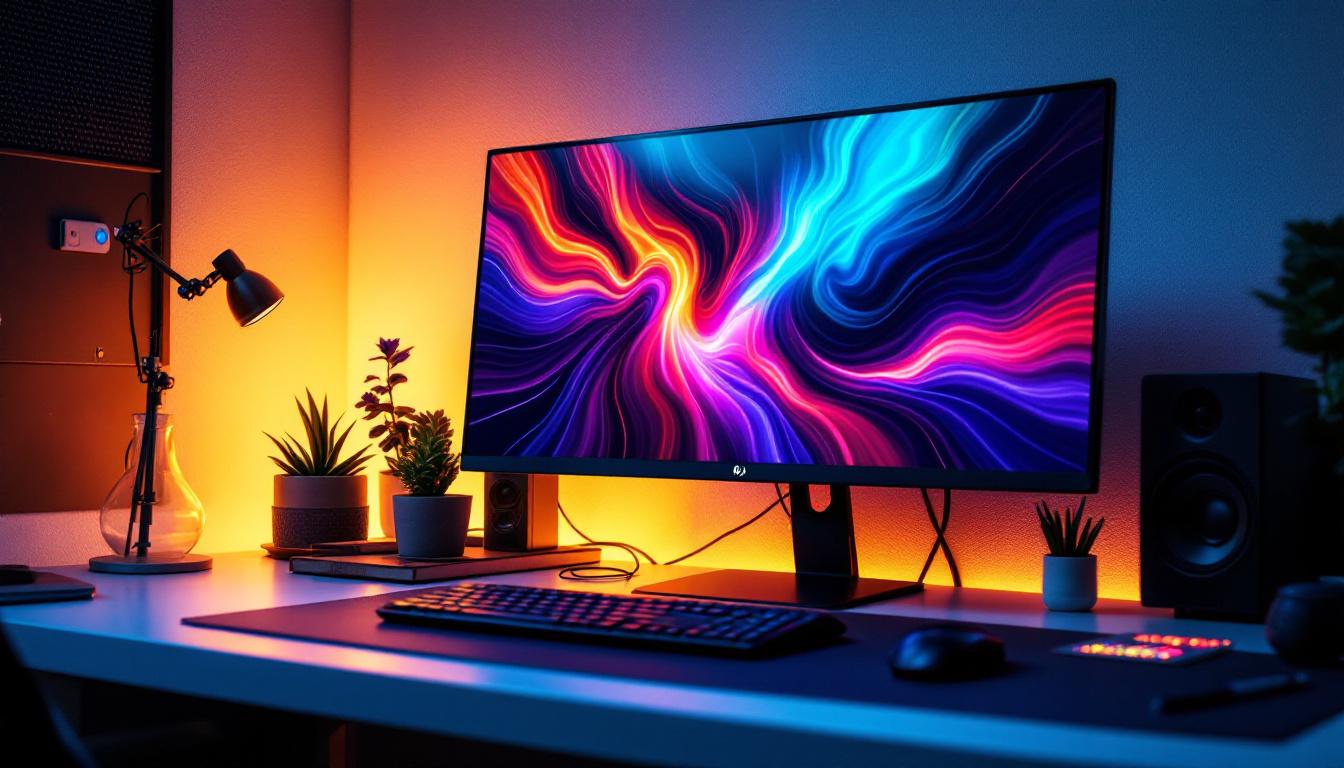
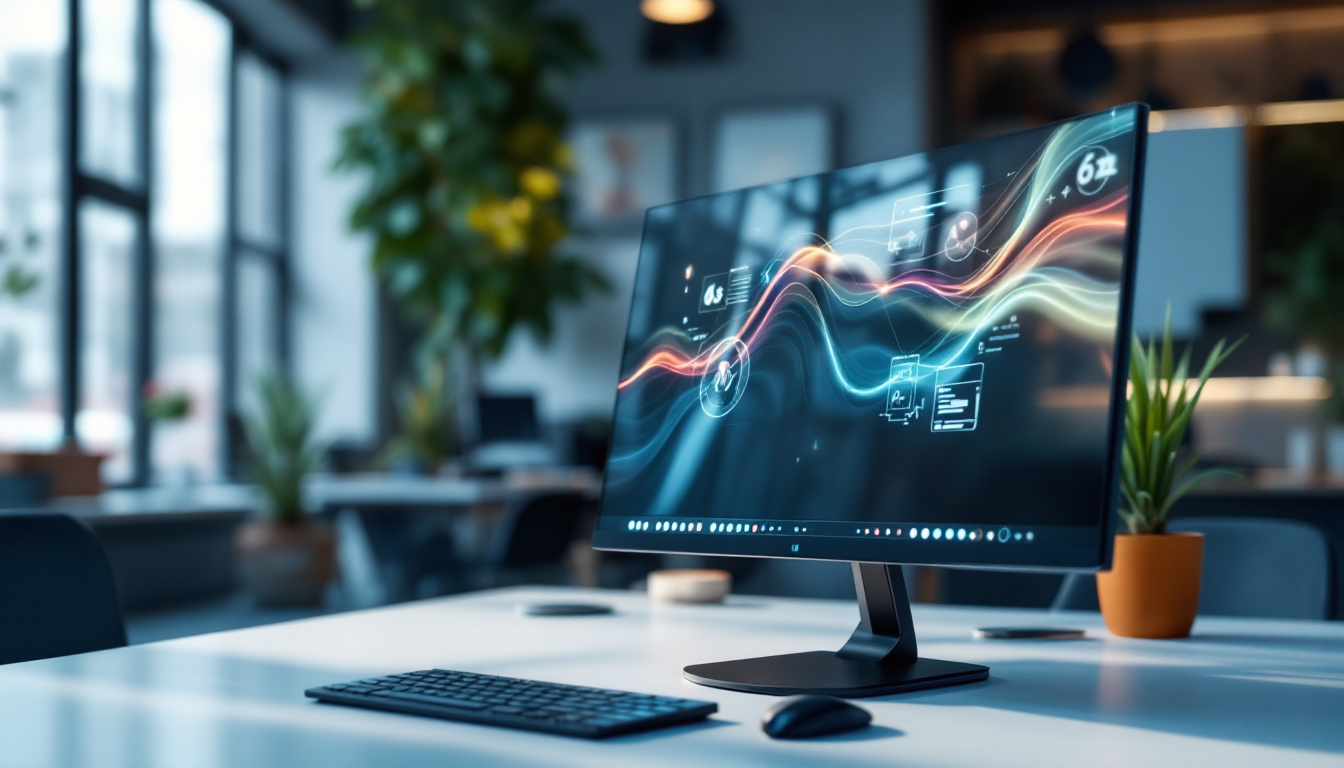
Ultra-wide displays cater to users who require extensive horizontal space, such as gamers, content creators, financial analysts, and professionals who manage multiple applications simultaneously. The 32:9 aspect ratio enhances multitasking by allowing multiple windows to be open side by side without overlapping, improving productivity and workflow efficiency.
Moreover, in gaming and entertainment, the wider field of view offered by 32:9 displays provides a more immersive experience. For example, racing simulators and flight simulators benefit greatly from this format, as it mimics the natural human peripheral vision more closely than standard screens. This immersive quality is further enhanced by the ability to experience cinematic content in a format that closely resembles how it was intended to be viewed, allowing for a more engaging storytelling experience.
In addition to gaming, the 32:9 aspect ratio is also gaining traction in professional environments. Video editors and graphic designers find that the extra screen space allows for more efficient workflows, as they can have their editing software, preview windows, and reference materials all visible at once. This eliminates the need for constant window switching, which can disrupt the creative flow. Furthermore, businesses that utilize data visualization tools can display multiple dashboards simultaneously, providing a comprehensive view of critical metrics without the clutter of multiple monitors.
The Role of LED Technology in 32:9 Displays
LED (Light Emitting Diode) technology is fundamental to the performance and quality of modern 32:9 displays. Unlike older LCD panels that rely on cold cathode fluorescent lamps (CCFL) for backlighting, LED displays use arrays of LEDs to illuminate the screen, resulting in better brightness, contrast, and energy efficiency.
Types of LED Displays
There are several types of LED display technologies used in ultra-wide screens:
- Edge-Lit LED: LEDs are positioned along the edges of the screen, and light is distributed across the panel using light guides. This design allows for thinner screens but may suffer from uneven brightness and contrast.
- Direct-Lit LED: LEDs are placed directly behind the screen, providing more uniform lighting. This method improves contrast and brightness but can result in thicker displays.
- Full-Array Local Dimming (FALD): An advanced form of direct-lit LED where the backlight is divided into zones that can be dimmed independently. This technology enhances contrast ratios dramatically, making blacks deeper and colors more vibrant.
- Mini-LED: A newer innovation that uses thousands of tiny LEDs to provide even more precise local dimming, improving HDR performance and brightness uniformity.
Advantages of LED in Ultra-Wide Displays
LED technology enables ultra-wide 32:9 displays to deliver superior image quality. The benefits include:
- High Brightness and Contrast: LED backlighting can achieve peak brightness levels exceeding 1000 nits in some models, essential for HDR content.
- Energy Efficiency: LEDs consume less power than CCFL backlights, reducing energy costs and heat output.
- Slim Form Factor: LED backlighting allows for thinner and lighter displays, which is important for large ultra-wide monitors.
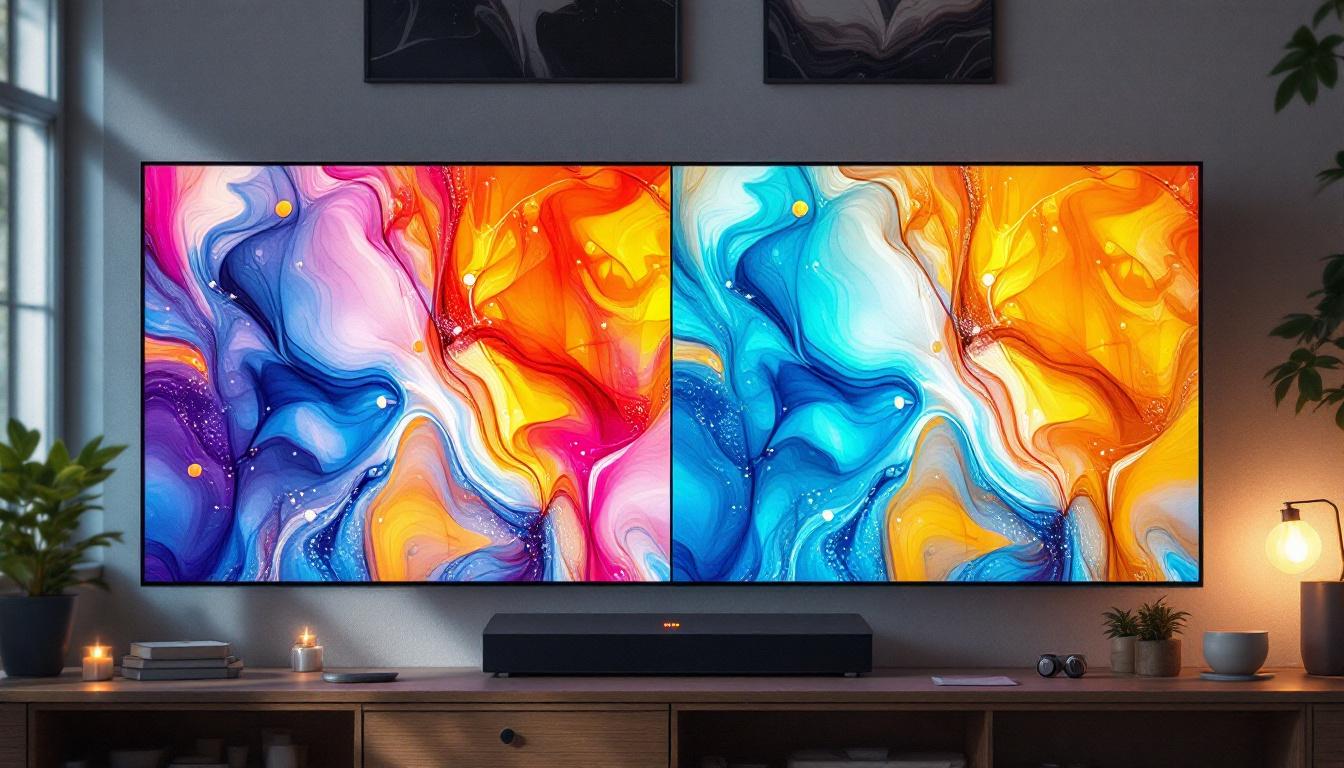
- Color Accuracy: LED displays can cover wide color gamuts such as DCI-P3 and Adobe RGB, crucial for professional content creation.
Moreover, the rapid advancements in LED technology have significantly enhanced the viewing experience for gamers and professionals alike. With features like variable refresh rates and low input lag, these displays cater to the needs of high-performance gaming, offering a competitive edge in fast-paced environments. The immersive nature of a 32:9 aspect ratio, combined with the vibrant colors and sharp details provided by LED technology, allows users to engage deeply with their content, whether it’s gaming, video editing, or multitasking across multiple applications.
In addition to performance improvements, LED technology also contributes to the longevity of displays. Unlike traditional backlighting methods, LEDs have a longer lifespan and are less prone to burn-in, making them a more reliable choice for users who spend extended hours in front of their screens. This durability, coupled with the ability to produce stunning visuals, positions LED-equipped 32:9 displays as a preferred option for both home and professional setups, ensuring that users can enjoy their investment for years to come.
Applications of 32:9 LED Displays
The unique characteristics of 32:9 LED displays have led to their adoption across various sectors, each benefiting from the expansive screen space and enhanced image quality.
Professional Workstations and Productivity
For professionals in finance, software development, video editing, and design, 32:9 displays provide ample space to organize multiple applications and toolbars without clutter. For example, financial traders can monitor several live data streams and charts simultaneously, reducing the need for multiple monitors and minimizing desktop clutter.
Content creators benefit from the ability to view timelines, preview windows, and editing tools side by side, streamlining the creative process. The high color accuracy and HDR support of LED panels ensure that the final output matches the creator’s vision.
Gaming and Entertainment
Gamers are among the most enthusiastic adopters of 32:9 ultra-wide monitors. The expansive field of view enhances situational awareness in competitive games, providing a tangible advantage. Titles like racing simulators, first-person shooters, and real-time strategy games leverage the wider aspect ratio to deliver more immersive gameplay.
In entertainment, watching movies and videos on a 32:9 display can replicate the cinematic experience of ultra-wide theater screens. However, content must be specifically produced or formatted for ultra-wide to avoid black bars or distortion.
Digital Signage and Public Displays
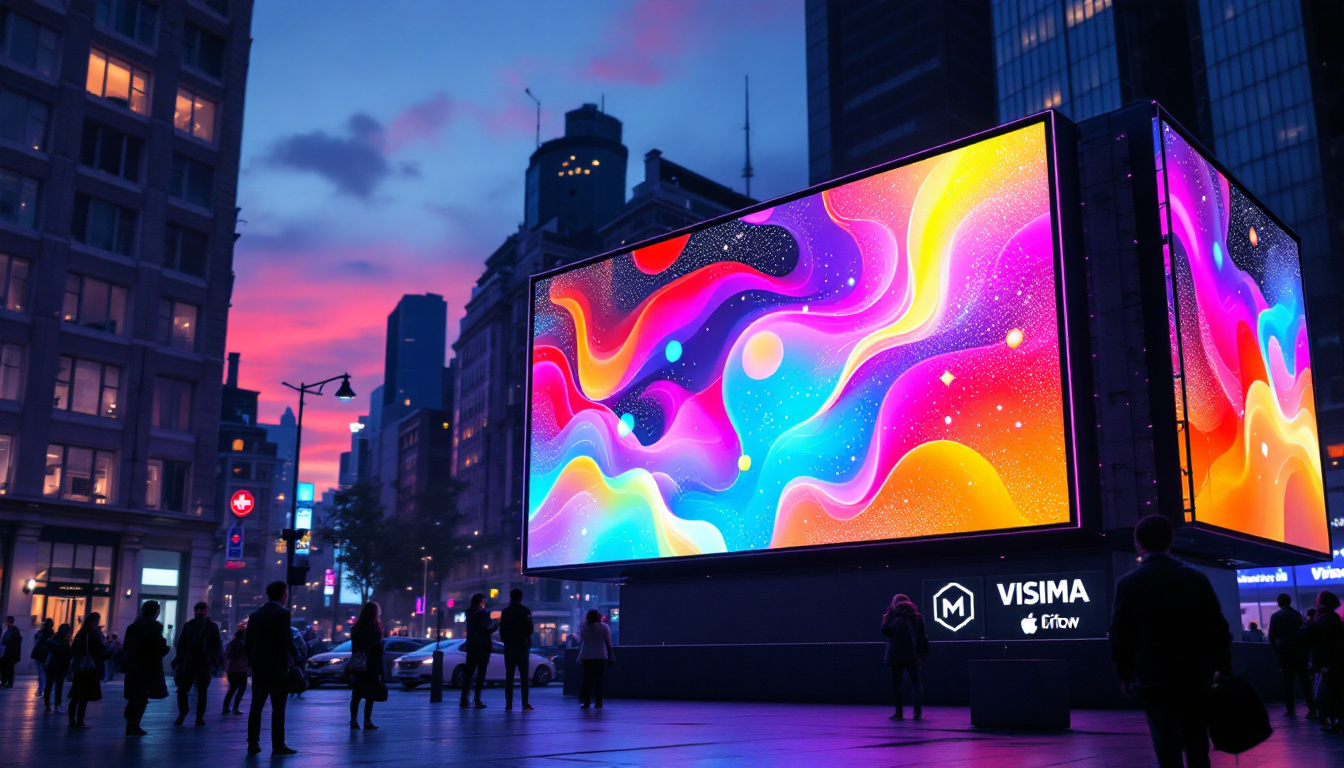
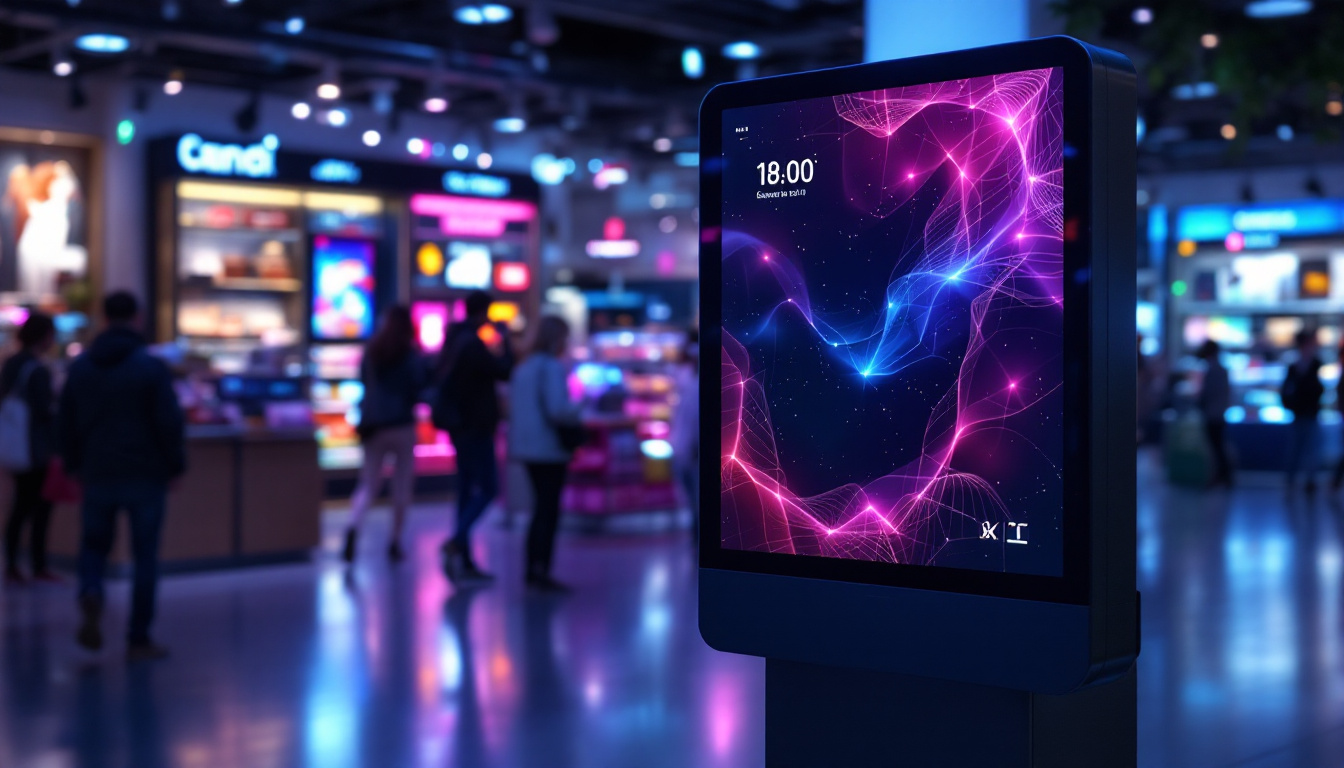
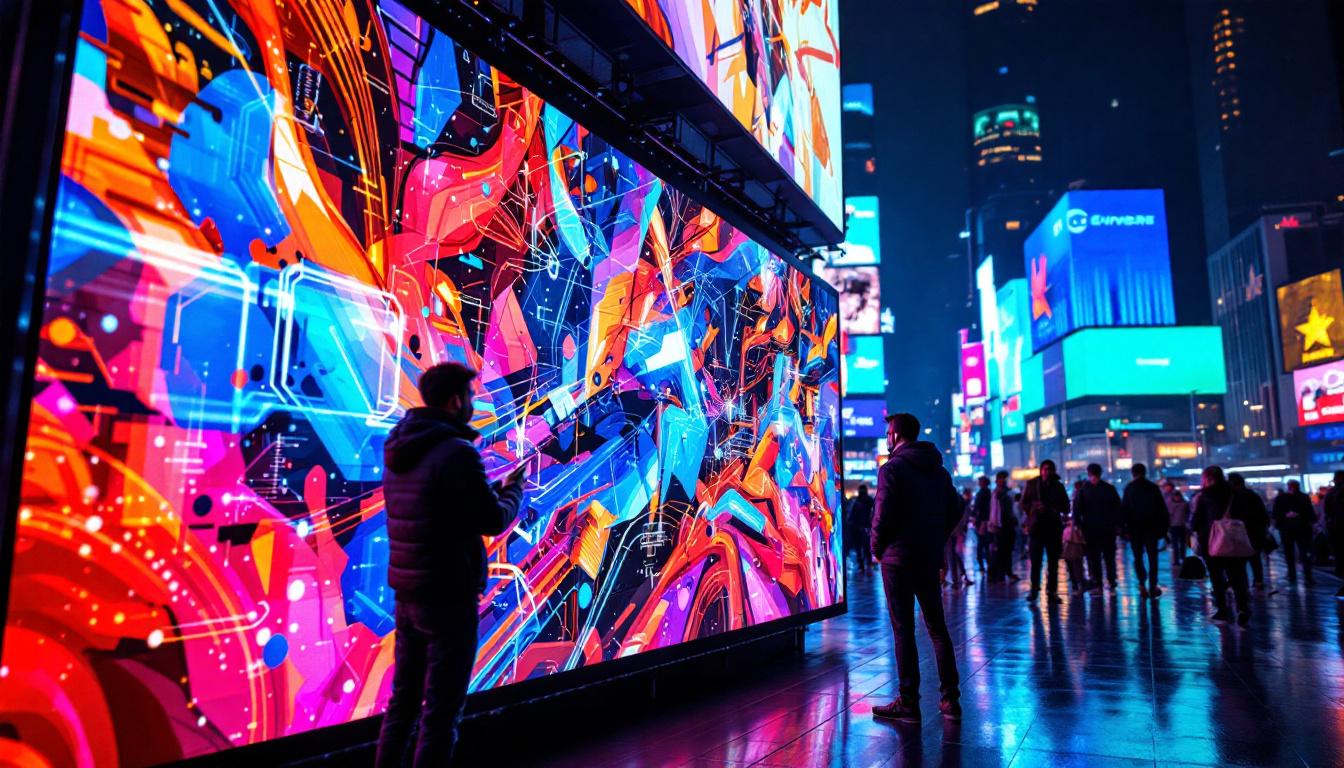
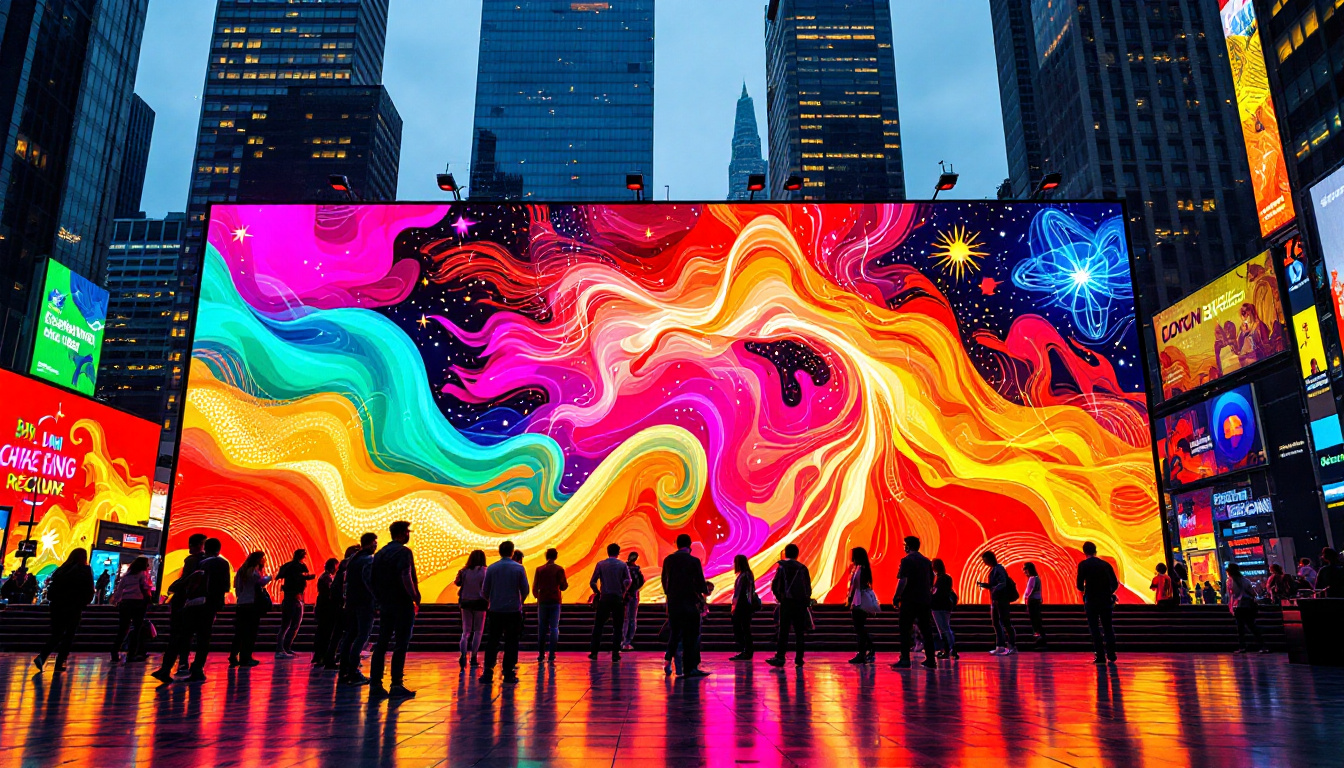
Beyond personal and professional use, 32:9 LED displays are increasingly used in digital signage for advertising, information kiosks, and event backdrops. Their wide format allows for creative content layouts and dynamic presentations that capture audience attention effectively.
Technical Considerations and Challenges
While 32:9 LED displays offer numerous benefits, there are technical challenges and considerations that users and manufacturers must address.
Content Compatibility and Scaling
One of the primary challenges is content compatibility. Most video content is produced in 16:9 or 21:9 formats. Playing standard 16:9 content on a 32:9 display often results in black bars on the sides or stretched images, which can degrade the viewing experience.
To mitigate this, some media players and operating systems offer scaling options or allow users to crop the image. Additionally, content creators are beginning to experiment with ultra-wide formats, but widespread adoption remains limited.
Hardware Requirements
Driving a 32:9 display requires powerful hardware, especially for gaming and professional applications. The increased pixel count demands more from graphics cards and processors, potentially necessitating high-end GPUs such as NVIDIA’s RTX 30-series or AMD’s RX 6000-series to maintain smooth performance at native resolution.
Connectivity is another consideration. DisplayPort 1.4 and HDMI 2.1 standards support the bandwidth needed for ultra-wide high-resolution displays, but older devices may not be compatible.
Ergonomics and Desk Space
Due to their size, 32:9 monitors require ample desk space and thoughtful ergonomic setup. Users must consider viewing distance and angle to prevent neck strain and eye fatigue. Adjustable stands or monitor arms are often necessary to optimize comfort.
Future Trends in 32:9 Video and LED Displays
The future of 32:9 video and LED displays looks promising, driven by advancements in display technology and growing demand for immersive experiences.
Integration with HDR and OLED Technologies
While LED remains dominant, OLED (Organic Light Emitting Diode) technology is making inroads into ultra-wide displays. OLED offers perfect blacks and infinite contrast ratios, enhancing HDR content dramatically. However, manufacturing large ultra-wide OLED panels remains costly and complex.
Hybrid approaches, such as microLED, are also emerging, combining the best of LED and OLED technologies. MicroLED promises higher brightness, better color accuracy, and longer lifespan without burn-in issues.
Increased Adoption of Ultra-Wide Content
As ultra-wide displays become more common, content producers and streaming services are exploring native 32:9 video formats. Gaming studios are incorporating ultra-wide support to maximize the advantages for players, and filmmakers are experimenting with ultra-wide aspect ratios to create novel cinematic experiences.
Enhanced Connectivity and Smart Features
Future 32:9 LED displays are expected to integrate smarter features such as AI-driven image optimization, adaptive refresh rates, and seamless multi-device connectivity. These innovations will further enhance user experience and productivity.
Conclusion
32:9 video and LED display technology represent a significant evolution in how visual content is presented and consumed. The ultra-wide aspect ratio combined with advanced LED backlighting offers unmatched immersion, productivity gains, and versatility across multiple industries.
While challenges such as content compatibility and hardware demands remain, ongoing technological advancements and growing market adoption suggest that 32:9 displays will become increasingly mainstream. Whether for gaming, professional work, or digital signage, understanding the capabilities and limitations of 32:9 LED displays is essential for making informed decisions in today’s visual-centric world.
Discover the Future of Ultra-Wide Displays with LumenMatrix
Embrace the full potential of 32:9 video and LED display technology with LumenMatrix, a pioneer in crafting immersive visual experiences. Our extensive range of innovative LED display solutions, from Indoor and Outdoor LED Wall Displays to specialized options like Vehicle, Sports, and Custom LED Displays, is designed to elevate your visual storytelling and captivate your audience. Ready to transform your space with the latest in LED technology? Check out LumenMatrix LED Display Solutions and step into a world where clarity meets impact.