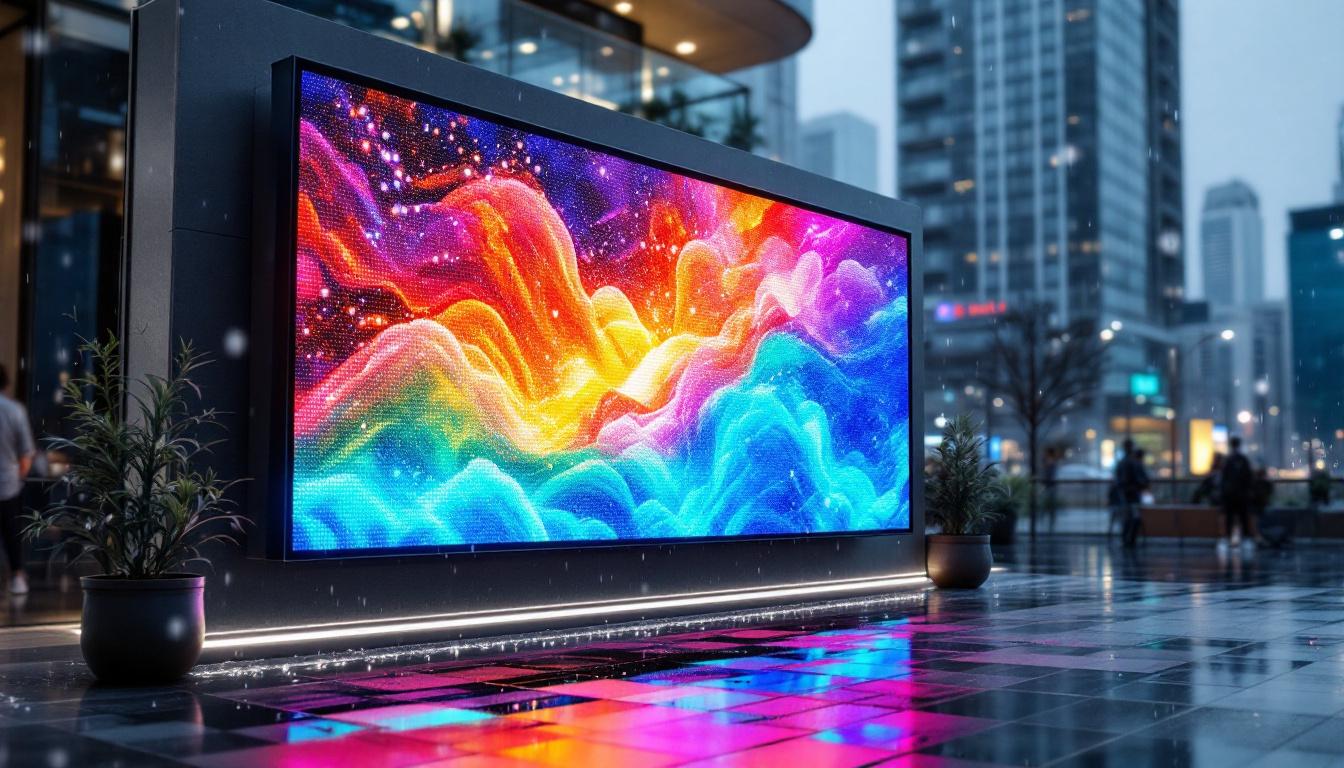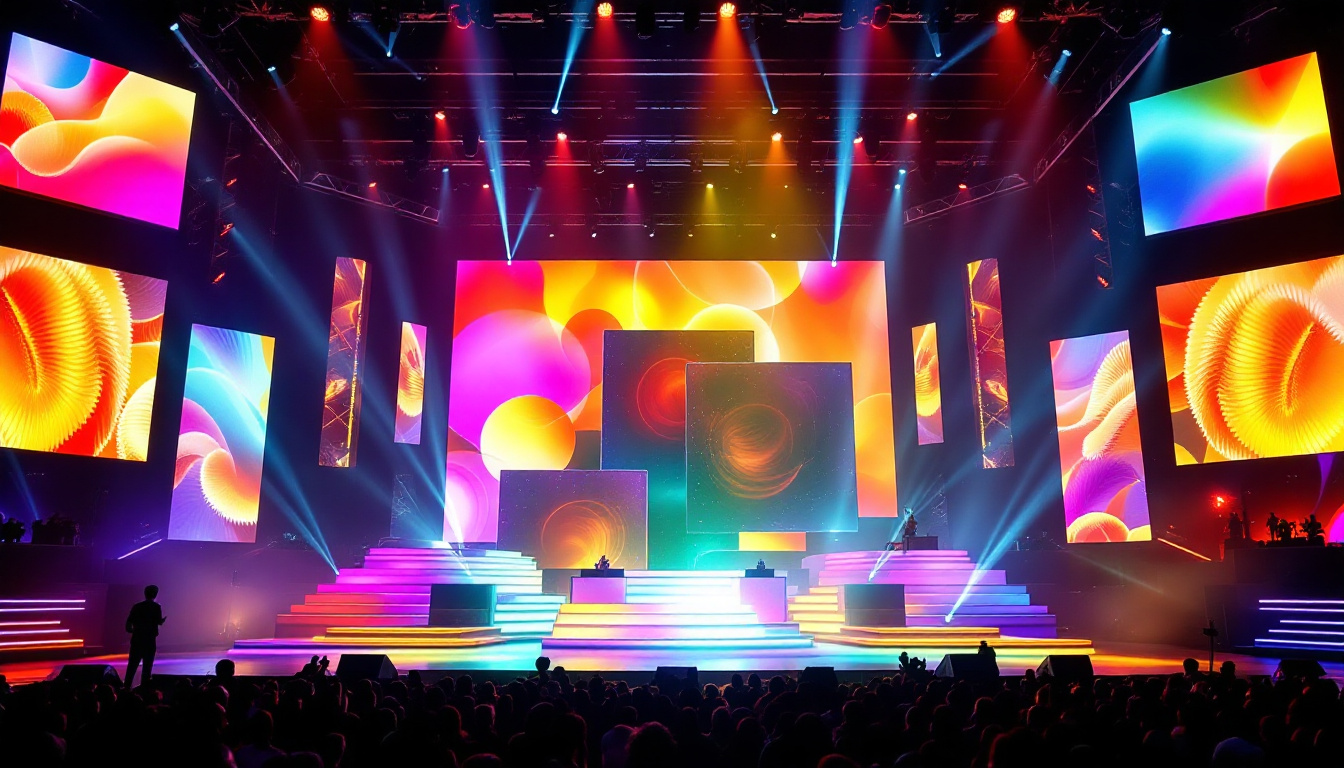
In the world of large-scale visual displays, the term “Jumbotron” has become synonymous with massive LED screens that captivate audiences in stadiums, concerts, public squares, and events worldwide. These colossal digital canvases are engineering marvels, blending cutting-edge technology with creative design to deliver breathtaking visuals on an unprecedented scale. This article explores the largest Jumbotrons ever built, the technology behind LED displays, and their impact on entertainment, advertising, and public communication.
The Evolution of Jumbotron Technology
The concept of the Jumbotron originated in the 1980s when Sony introduced the first large-scale video screen under this brand name. Early Jumbotrons utilized cathode ray tube (CRT) technology, which, while revolutionary at the time, had limitations in size, brightness, and resolution. The transition to LED (Light Emitting Diode) technology marked a significant leap forward, enabling larger, brighter, and more energy-efficient displays.
LED displays use millions of tiny diodes that emit light when electrically charged. Unlike traditional screens that rely on backlighting, LEDs produce their own light, allowing for higher contrast ratios and vibrant colors. This technology also supports modular construction, meaning screens can be assembled from smaller panels to create virtually any size or shape. This flexibility has paved the way for the enormous Jumbotrons seen today.
From CRT to LED: Why the Shift Matters
CRT-based Jumbotrons were bulky, consumed vast amounts of power, and were prone to image degradation over time. In contrast, LED displays are slimmer, more durable, and capable of operating in various lighting conditions, including direct sunlight. This makes them ideal for outdoor venues like sports stadiums and urban landmarks.
Moreover, LED technology supports higher refresh rates and resolutions, providing smoother video playback and sharper images. This is crucial for live broadcasts and dynamic content, where clarity and responsiveness significantly enhance viewer experience.
The Largest Jumbotrons in the World
As LED technology advanced, manufacturers and event organizers pushed the boundaries of screen size to create immersive visual experiences. The largest Jumbotrons today are engineering feats that combine scale, resolution, and brightness to engage tens of thousands of spectators simultaneously.
1. The Daktronics Board at the Dallas Cowboys Stadium
One of the most iconic examples is the Daktronics scoreboard at AT&T Stadium in Arlington, Texas, home to the Dallas Cowboys NFL team. Installed in 2014, this Jumbotron measures approximately 160 feet wide by 72 feet tall, totaling over 11,500 square feet of LED display area. It is suspended from the stadium’s roof, providing unobstructed views from every seat in the house.
This massive screen features a pixel pitch of 10mm, delivering crisp images and video content. The display is capable of showing multiple video feeds simultaneously, including live game footage, replays, advertisements, and interactive content. Its brightness exceeds 3,000 nits, ensuring visibility even under bright daylight.
2. The Fremont Street Experience in Las Vegas
Another remarkable example is the Viva Vision canopy at the Fremont Street Experience in Las Vegas, Nevada. This is not a traditional Jumbotron but rather an expansive LED display covering a pedestrian mall ceiling. Measuring approximately 1,500 feet long and 90 feet wide, it spans over 130,000 square feet, making it one of the largest continuous LED displays globally.
With a pixel pitch of 12.5mm, the Viva Vision canopy delivers stunning light shows, animations, and immersive entertainment that attract millions of visitors annually. The display’s brightness and color accuracy are optimized for nighttime viewing, creating a unique urban spectacle.
3. The Panasonic “Big Hoss” Video Board at Texas Motor Speedway
The Texas Motor Speedway features the “Big Hoss” video board, which was the world’s largest HD LED display when it debuted in 2009. Measuring 218 feet wide by 94.6 feet tall, this display covers over 20,600 square feet. It was designed to provide race fans with detailed live action, replays, and race statistics during NASCAR events.
Although newer displays have since surpassed it in size, the Big Hoss remains a benchmark in large-scale LED technology for its combination of size, resolution, and brightness. Its pixel pitch of 16mm balances image clarity with viewing distance, making it ideal for the vast open-air environment of a speedway.
Understanding LED Display Technology
To appreciate the scale and impact of the largest Jumbotrons, it is essential to understand the fundamental technology that powers them. LED displays consist of several key components and design considerations that determine their performance and suitability for various applications.
Pixel Pitch and Resolution
Pixel pitch refers to the distance between the centers of two adjacent pixels, usually measured in millimeters. It directly influences the resolution and viewing distance of the display. A smaller pixel pitch means more pixels per square meter, resulting in higher resolution and sharper images, especially at close range.
For example, indoor LED screens used in conference halls or retail environments might have pixel pitches as low as 1.2mm to 2.5mm. In contrast, outdoor Jumbotrons, which are viewed from greater distances, typically have pixel pitches ranging from 10mm to 20mm. This balance ensures optimal image quality without excessive cost or power consumption.
Brightness and Contrast
Brightness is measured in nits (candelas per square meter) and is a critical factor for outdoor displays exposed to sunlight. The largest Jumbotrons often exceed 3,000 nits, allowing content to remain visible and vibrant even in bright daylight. High contrast ratios, achieved through precise LED control, enhance image depth and color richness.
Modern LED displays also incorporate sensors and automatic brightness adjustment systems to optimize visibility and reduce power consumption based on ambient lighting conditions.
Modular Design and Maintenance
Large LED displays are constructed from modular panels, each containing thousands of LEDs. This modularity facilitates transportation, installation, and maintenance. If a panel malfunctions, it can be replaced without dismantling the entire screen, minimizing downtime and repair costs.
Advanced control systems manage the synchronization of all modules, ensuring seamless image rendering across the entire display surface. This is particularly important for the largest Jumbotrons, where even minor discrepancies can disrupt the viewing experience.
Applications and Impact of Large Jumbotrons
The deployment of massive LED Jumbotrons has transformed how audiences engage with live events, advertising, and public messaging. Their ability to deliver dynamic, high-resolution content on a grand scale has opened new possibilities across multiple sectors.
Sports and Entertainment Venues
In stadiums and arenas, Jumbotrons enhance the spectator experience by providing live action replays, player statistics, and interactive content. They help bridge the gap between the live event and the audience, ensuring that even fans seated far from the field or stage can enjoy detailed visuals.
Concerts and festivals also benefit from large LED displays, which serve as backdrops or immersive environments that complement performances. The ability to synchronize visuals with music and lighting creates memorable, multisensory experiences.
Advertising and Branding
For advertisers, giant LED screens offer unparalleled visibility and impact. Brands leverage these displays in high-traffic locations like Times Square in New York City or Piccadilly Circus in London to reach millions of viewers. The dynamic nature of LED content allows for real-time updates, targeted messaging, and creative storytelling.
Moreover, the scale of these displays commands attention and can elevate brand perception by associating it with innovation and spectacle.
Public Communication and Urban Art
Beyond commercial uses, large LED Jumbotrons serve as platforms for public information, emergency alerts, and cultural expression. Cities use these displays to broadcast news, weather updates, and community messages, enhancing civic engagement.
Urban art installations utilizing LED technology have also gained popularity, transforming public spaces into interactive galleries that celebrate creativity and technology.
Challenges and Future Trends in Jumbotron Technology
While the largest Jumbotrons represent impressive achievements, they also present challenges related to cost, energy consumption, and environmental impact. Maintaining such massive displays requires significant investment in infrastructure, technical expertise, and ongoing operational expenses.
Energy Efficiency and Sustainability
As concerns about environmental sustainability grow, manufacturers are focusing on improving the energy efficiency of LED displays. Innovations such as low-power LEDs, intelligent brightness control, and recyclable materials aim to reduce the carbon footprint of large-scale screens.
Some venues are integrating solar power and energy storage solutions to offset electricity consumption, aligning with broader green initiatives.
Advancements in Resolution and Interactivity
Future Jumbotrons are expected to feature even higher resolutions with smaller pixel pitches, enabling ultra-clear images at closer viewing distances. Emerging technologies like MicroLED and OLED may further enhance image quality and flexibility.
Interactivity is another growing trend. Incorporating sensors, cameras, and augmented reality elements can transform passive displays into engaging platforms that respond to audience behavior and preferences.
Integration with 5G and IoT
The rollout of 5G networks and the expansion of the Internet of Things (IoT) ecosystem open new possibilities for Jumbotron content delivery and management. Real-time data streams, remote control, and personalized content can be seamlessly integrated, enhancing the relevance and impact of displayed information.
Conclusion
The largest Jumbotrons stand as testaments to human ingenuity, combining advanced LED technology with architectural and creative vision to produce awe-inspiring visual experiences. From the colossal scoreboard at AT&T Stadium to the immersive canopy of the Fremont Street Experience, these displays redefine how audiences connect with entertainment, advertising, and public communication.
Understanding the technology behind these massive LED screens reveals the complexity and innovation required to achieve such scale and quality. As technology continues to evolve, the future promises even more spectacular and interactive Jumbotrons that will further transform public spaces and events worldwide.
For businesses, event organizers, and city planners, investing in large-scale LED displays offers opportunities to captivate audiences, convey messages powerfully, and create memorable experiences that resonate long after the screen goes dark.
Discover the Future of Visual Displays with LumenMatrix
As you marvel at the technological wonders of the world’s largest Jumbotrons, imagine the possibilities for your own space. LumenMatrix stands at the forefront of LED display innovation, offering a wide array of solutions tailored to bring your vision to life. Whether you’re looking to enhance a sports venue with a dynamic LED Sports Display, captivate shoppers with an eye-catching Indoor LED Wall Display, or make a bold statement in the urban landscape with a Custom LED Display, LumenMatrix has the expertise to elevate your brand’s presence. Don’t just dream about the future of visual communication—be a part of it. Check out LumenMatrix LED Display Solutions and join the revolution of immersive digital experiences.