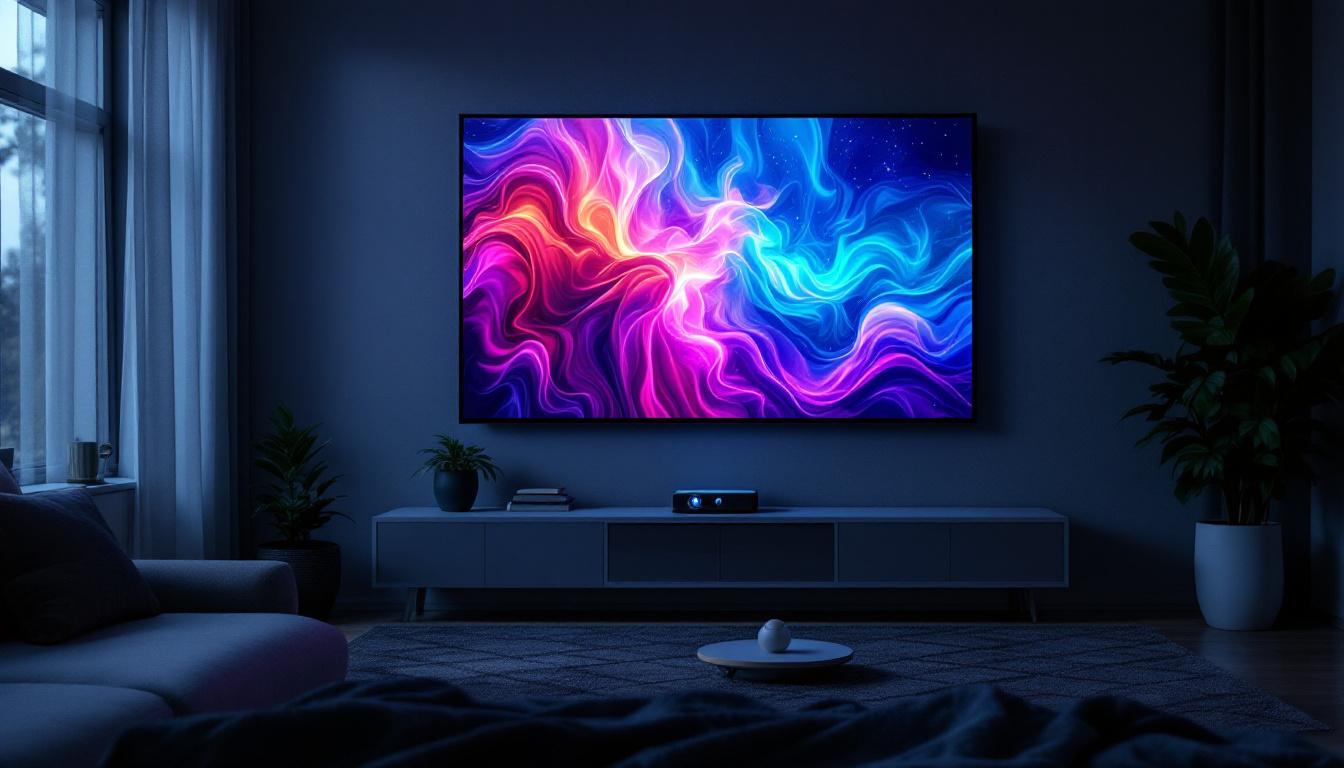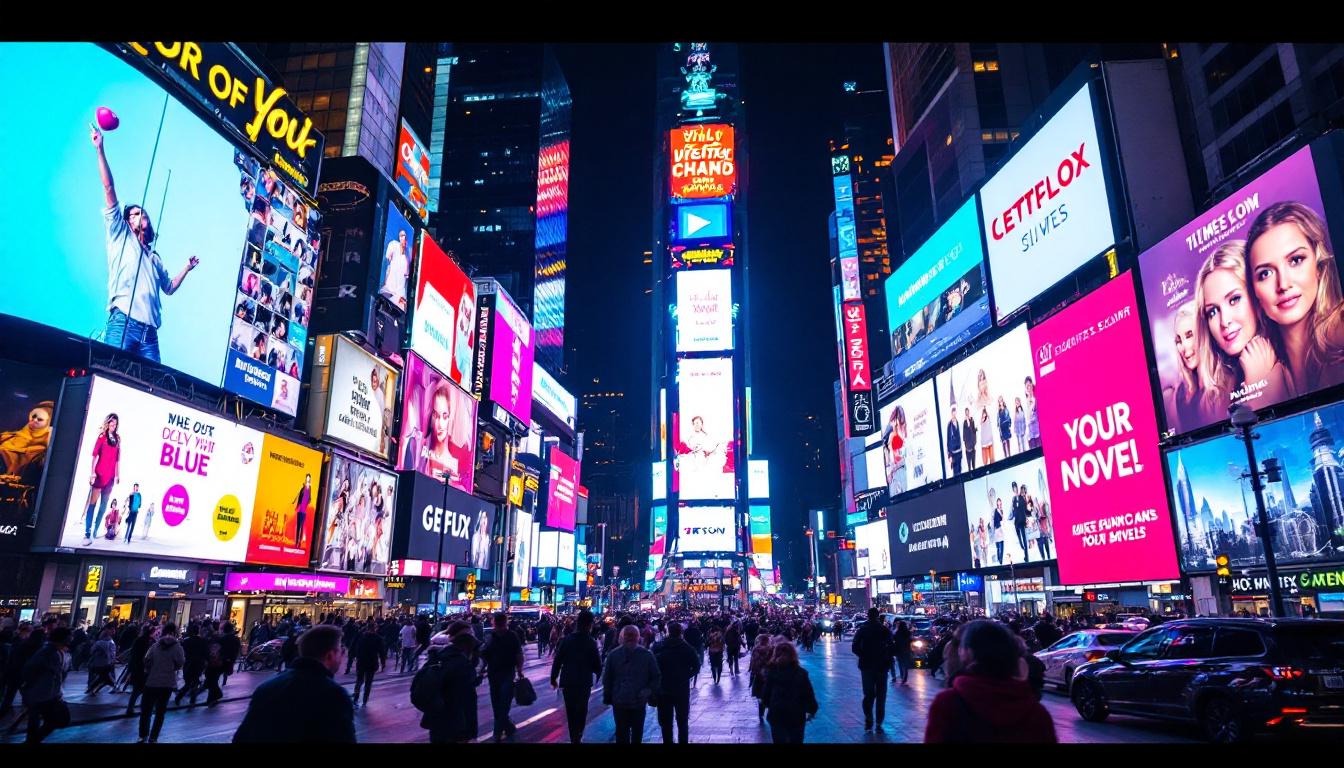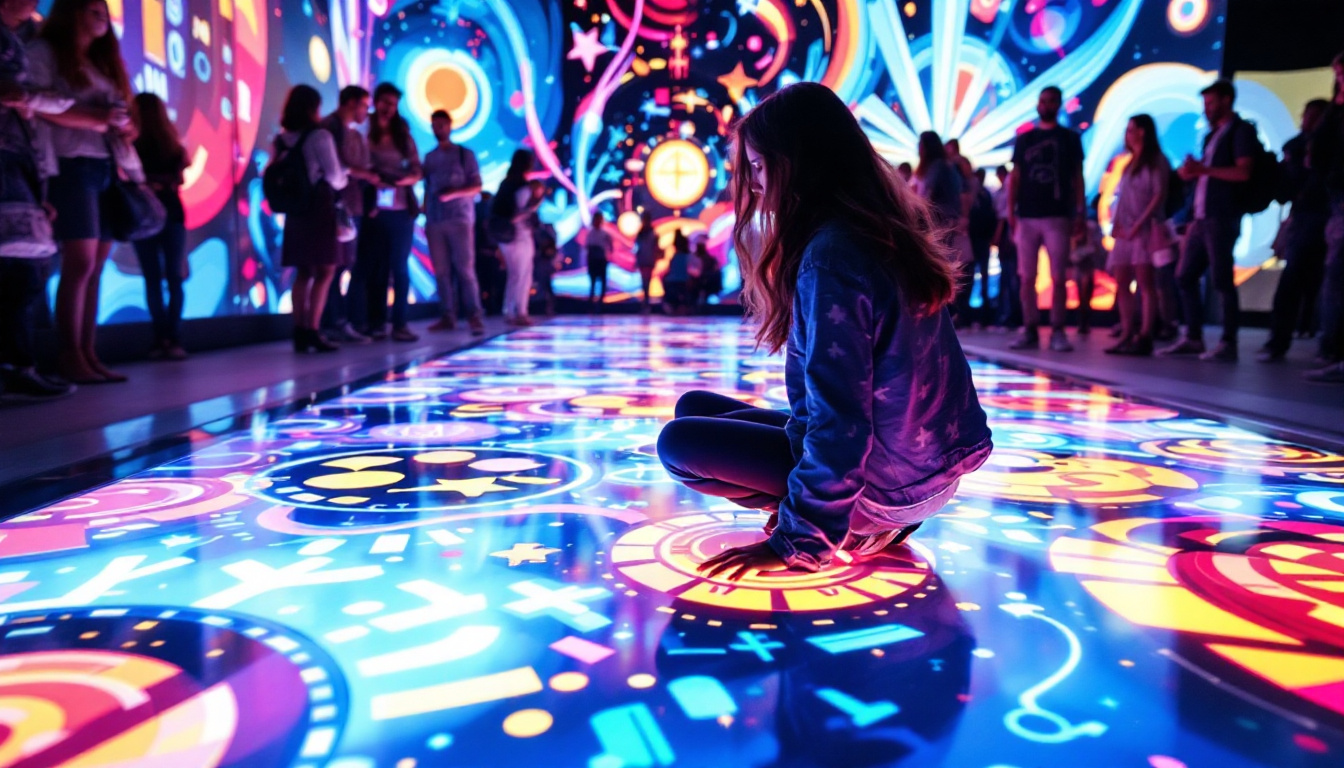
In today’s digital age, LED displays have become a cornerstone of visual technology, transforming how content is viewed across various devices—from televisions and monitors to large-scale advertising billboards. Understanding the technology behind LED displays is essential for consumers, professionals, and enthusiasts who want to make informed decisions about their display needs. This article delves into the intricacies of LED displays, exploring their technology, advantages, applications, and future trends.
What is an LED Display?
LED stands for Light Emitting Diode, a semiconductor device that emits light when an electric current passes through it. An LED display is a flat panel display that uses an array of these tiny LEDs as pixels to produce images. The term “LED display” often refers to screens that use LEDs as a backlight source or as the actual light-emitting elements themselves, depending on the technology.
There are two primary types of LED displays: direct LED displays and LED-backlit LCD displays. Direct LED displays, often called OLED or microLED in advanced applications, use LEDs as the actual pixels that emit light. In contrast, LED-backlit LCD displays use LEDs as a backlight behind a liquid crystal display panel. This distinction is crucial for understanding the performance and quality differences between various screens. Direct LED displays offer superior contrast ratios and color accuracy, making them ideal for high-end applications such as televisions and professional monitors, while LED-backlit LCDs are widely used in everyday devices due to their cost-effectiveness and versatility.
How Do LED Displays Work?
In an LED display, each pixel is composed of one or more LEDs that emit red, green, and blue light. By adjusting the intensity of these LEDs, the display can create a full spectrum of colors. The human eye perceives these combinations as images, videos, or text. This capability allows for vibrant visuals that can enhance the viewing experience, whether it’s for gaming, watching movies, or displaying intricate graphics in professional settings.
For LED-backlit LCDs, the LEDs provide consistent illumination behind the LCD panel. The liquid crystals then modulate this light to create the desired image by blocking or allowing light to pass through color filters. This method improves brightness and energy efficiency compared to older CCFL (cold cathode fluorescent lamp) backlighting. Additionally, advancements in LED technology have led to features such as local dimming, which enhances contrast by controlling the brightness of specific areas of the screen, further improving the overall picture quality. As a result, LED displays are becoming increasingly popular in various applications, from smartphones and tablets to large-scale advertising screens and digital billboards, where clarity and brightness are paramount.
Advantages of LED Displays
LED displays offer several advantages over other display technologies, making them the preferred choice for a wide range of applications.
Superior Brightness and Contrast
One of the most significant benefits of LED displays is their ability to produce brighter images with higher contrast ratios. This makes them ideal for environments with high ambient light, such as outdoor advertising or brightly lit rooms. Modern LED displays can reach brightness levels exceeding 1,000 nits, which is substantially higher than traditional LCDs with CCFL backlighting. This enhanced brightness not only improves visibility but also ensures that colors appear more vibrant and lifelike, capturing the attention of viewers more effectively. As a result, LED displays are increasingly being used in various sectors, from retail to entertainment, where visual impact is crucial.
Energy Efficiency
LEDs consume less power compared to older display technologies. This energy efficiency translates into lower electricity bills and a reduced environmental footprint. For businesses operating large LED billboards or video walls, this can result in substantial cost savings over time. Moreover, the lower energy consumption of LED displays contributes to a decrease in greenhouse gas emissions, aligning with global sustainability goals. Many organizations are now prioritizing energy-efficient technologies, and the adoption of LED displays is a significant step towards achieving greener operations.
Thin and Lightweight Designs
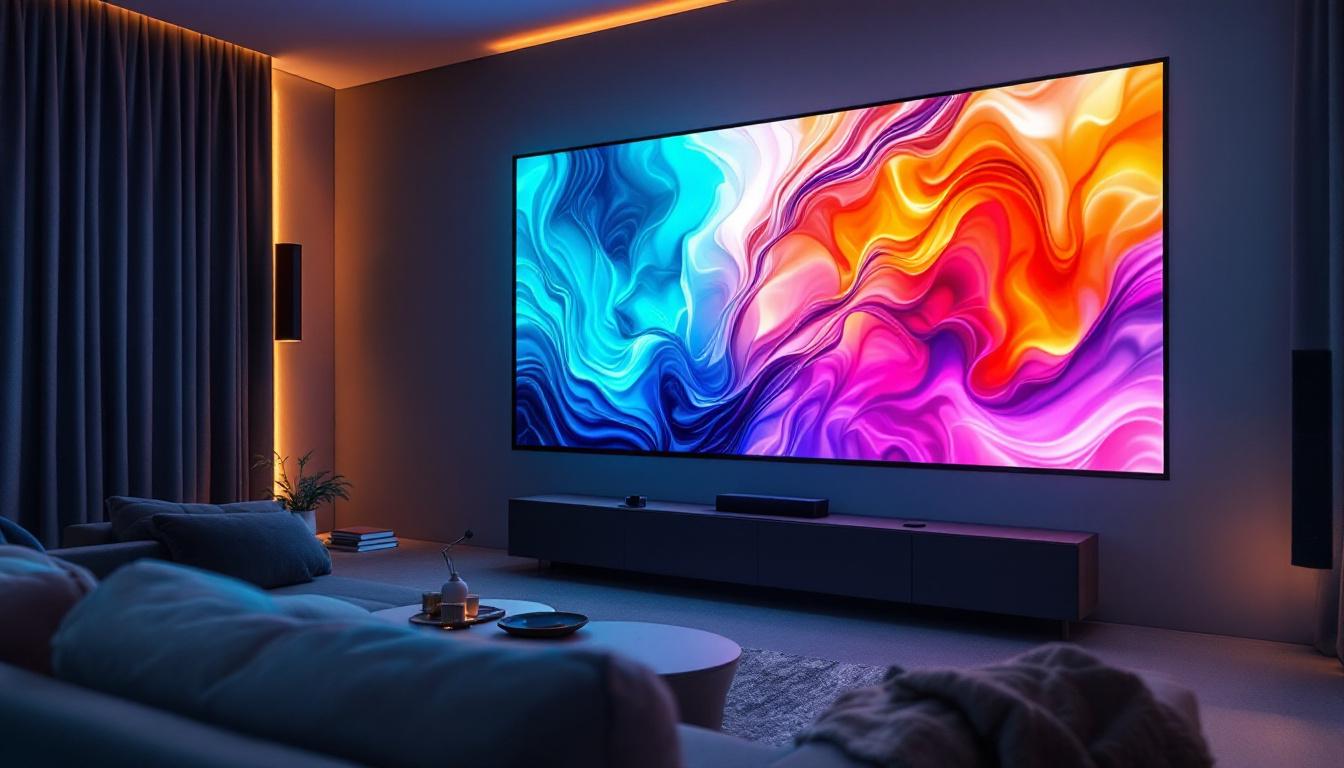
Because LEDs are small and efficient light sources, LED displays can be manufactured to be thinner and lighter than many other types of screens. This makes them easier to install and integrate into various settings, from sleek home televisions to expansive commercial displays. The lightweight nature of LED panels also allows for innovative mounting solutions, such as wall-mounted screens or suspended displays, which can enhance the aesthetic appeal of a space. Furthermore, the flexibility in design enables creative installations that can transform environments, making LED displays a popular choice for art installations and immersive experiences.
Long Lifespan and Durability
LEDs have a longer operational life compared to other lighting technologies, often exceeding 50,000 hours of use. Additionally, LED displays are more resistant to shock and vibration, which is particularly important for outdoor and public installations. This durability not only reduces maintenance costs but also ensures consistent performance over time, making LED displays a reliable choice for critical applications such as transportation signage and emergency alerts. With advancements in technology, manufacturers are continually improving the resilience of LED displays, further enhancing their suitability for challenging environments, including extreme temperatures and weather conditions.
Types of LED Displays and Their Applications
LED display technology has evolved to encompass a variety of formats, each suited to different use cases and environments.
LED-Backlit LCD Displays
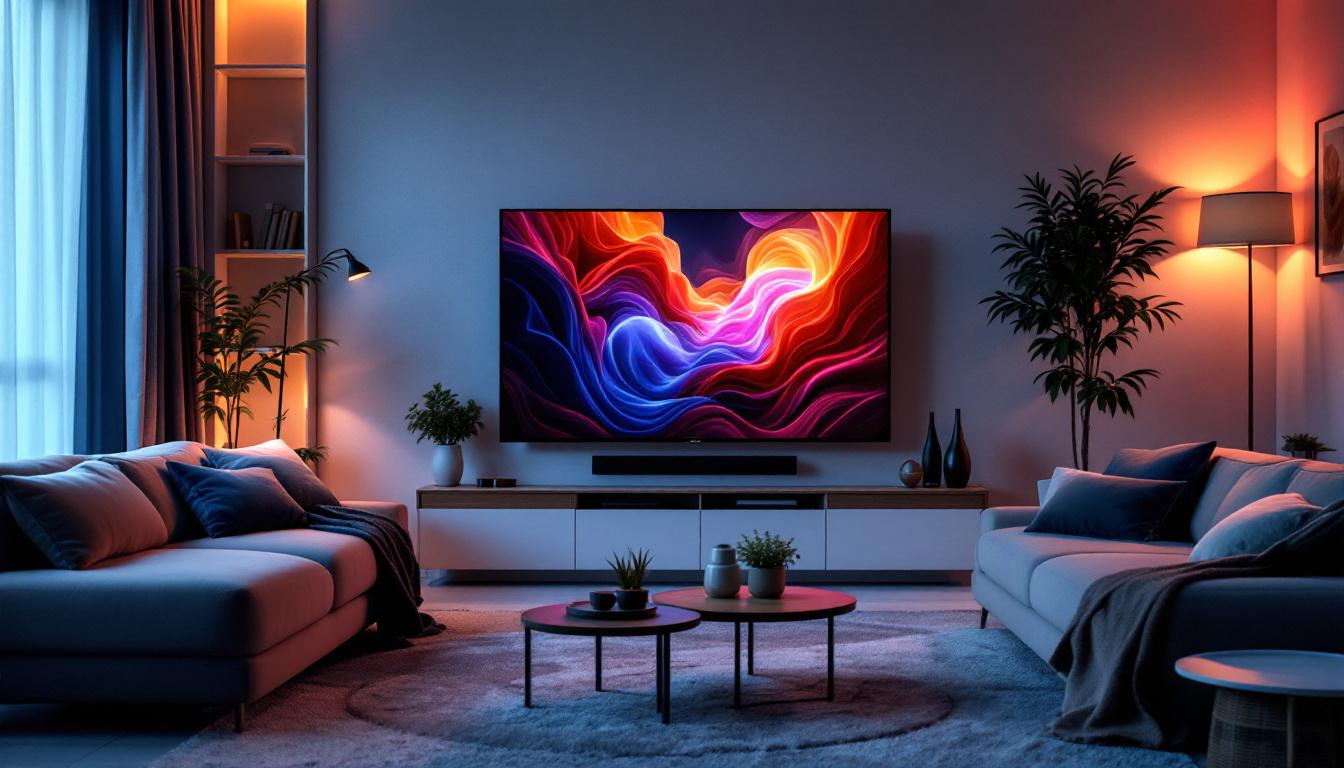
The most common type of LED display in consumer electronics, including televisions and computer monitors, is the LED-backlit LCD. These displays combine the color accuracy and resolution of LCD panels with the brightness and efficiency of LED backlighting.
For example, many modern 4K TVs use full-array LED backlighting with local dimming, which enhances contrast by adjusting the brightness of specific zones on the screen. This technology delivers deeper blacks and more vibrant colors, improving the overall viewing experience.
Direct View LED (DVLED) Displays
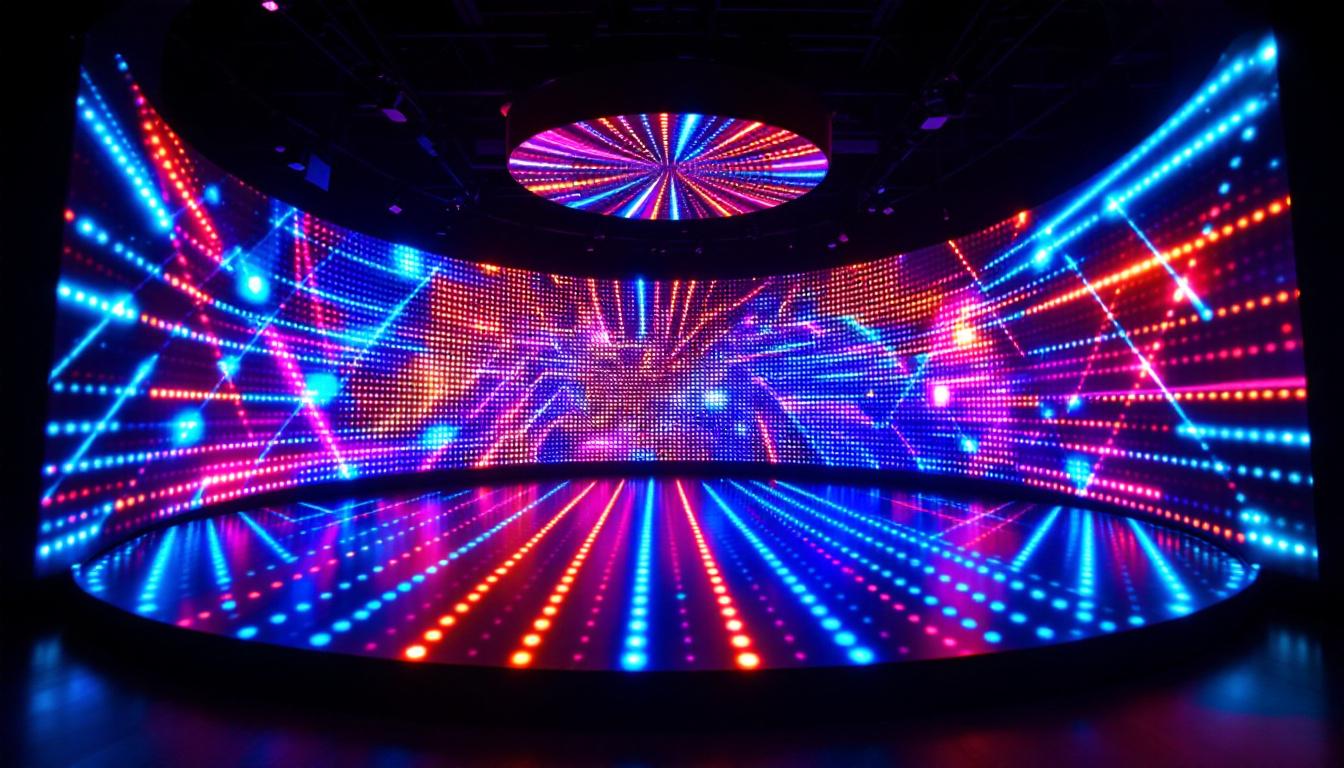
Direct View LED displays use LEDs as the actual pixels that emit light, rather than as a backlight. These displays are commonly used in large-scale applications like stadium screens, digital billboards, and indoor video walls. DVLEDs offer exceptional brightness and viewing angles, making them visible even in direct sunlight.
Recent advancements in microLED technology have brought direct view LED displays closer to consumer-grade applications, offering the promise of ultra-high resolution, superior color accuracy, and energy efficiency in smaller form factors.
OLED vs. LED
While OLED (Organic Light Emitting Diode) displays are technically a type of LED display, they operate differently. Each OLED pixel emits its own light without the need for a backlight, allowing for perfect black levels and infinite contrast ratios. OLEDs are widely used in smartphones, high-end TVs, and professional monitors.
However, OLED displays tend to be more expensive and have shorter lifespans compared to traditional LED-backlit LCDs, which is why LED technology remains dominant in many markets.
Key Factors to Consider When Choosing an LED Display
Selecting the right LED display depends on several factors, including intended use, viewing environment, and budget. Understanding these considerations can help buyers make informed decisions.
Resolution and Pixel Pitch
Resolution refers to the number of pixels displayed on the screen, typically expressed as width x height (e.g., 1920×1080 for Full HD). Higher resolutions provide sharper images and more detail, which is especially important for close viewing distances.
In large-format LED displays, pixel pitch—the distance between the centers of adjacent pixels—is a critical metric. Smaller pixel pitches mean higher pixel density and better image clarity. For example, a pixel pitch of 1.5mm is suitable for indoor displays viewed at close range, while outdoor billboards may have pixel pitches of 10mm or more due to greater viewing distances.
Brightness and Contrast Ratio
Brightness is measured in nits (cd/m²) and determines how well the display performs under various lighting conditions. Higher brightness levels are essential for outdoor displays exposed to sunlight.
Contrast ratio, the difference between the darkest black and the brightest white a display can produce, affects image depth and realism. LED displays with local dimming or direct view LED technology typically offer superior contrast ratios.
Viewing Angle
Viewing angle defines the range within which the display maintains accurate color and brightness. LED displays generally offer wide viewing angles, making them suitable for public spaces where viewers may be positioned at various angles.
Durability and Weather Resistance
For outdoor applications, displays must withstand environmental factors such as rain, dust, and temperature fluctuations. Look for LED displays with appropriate IP (Ingress Protection) ratings to ensure durability and longevity.
Connectivity and Smart Features
Modern LED displays often come equipped with multiple input options, including HDMI, DisplayPort, and wireless connectivity. Some models also feature smart capabilities, allowing for remote management, content scheduling, and integration with other digital systems.
Emerging Trends and the Future of LED Displays
The LED display industry continues to innovate rapidly, driven by consumer demand and technological advancements.
MicroLED Technology
MicroLED is an emerging technology that uses microscopic LEDs to form each pixel. It combines the best features of OLED and traditional LED displays, offering high brightness, perfect blacks, and long lifespan without the burn-in issues associated with OLEDs.
Major manufacturers are investing heavily in microLED research, with prototypes already demonstrating impressive image quality. While still expensive, microLED displays are expected to become more accessible in the coming years, potentially revolutionizing TVs, monitors, and wearable devices.
Flexible and Transparent LED Displays
Innovations in materials have led to the development of flexible and transparent LED displays. These can be integrated into curved surfaces, windows, or even clothing, opening new possibilities for advertising, architecture, and design.
Energy Efficiency and Sustainability
As environmental concerns grow, LED display manufacturers are focusing on reducing energy consumption and using sustainable materials. Advances in LED efficiency and recycling programs are helping to minimize the ecological impact of display production and operation.
Conclusion
LED displays have become ubiquitous, powering everything from home entertainment systems to massive outdoor billboards. Their superior brightness, energy efficiency, and versatility make them a preferred choice across industries. Understanding the different types of LED displays, their advantages, and key specifications enables consumers and professionals to select the right technology for their needs.
With ongoing innovations like microLED and flexible displays on the horizon, the future of LED technology promises even more exciting developments, enhancing visual experiences and expanding the possibilities of digital display technology.
Explore Cutting-Edge LED Display Solutions with LumenMatrix
As you consider the vast potential and applications of LED displays, LumenMatrix stands at the forefront of this innovative technology. With a commitment to revolutionizing visual communication, LumenMatrix offers a diverse range of LED display modules designed to elevate brand presence and captivate audiences. Whether you’re interested in Indoor LED Wall Displays, Outdoor LED Wall Displays, or specialized solutions like Vehicle LED Displays and Transparent LED Displays, LumenMatrix has the expertise to bring your vision to life. Experience the future of digital signage and create unforgettable visual experiences. Check out LumenMatrix LED Display Solutions today and see how we can enhance your message with unparalleled clarity and impact.