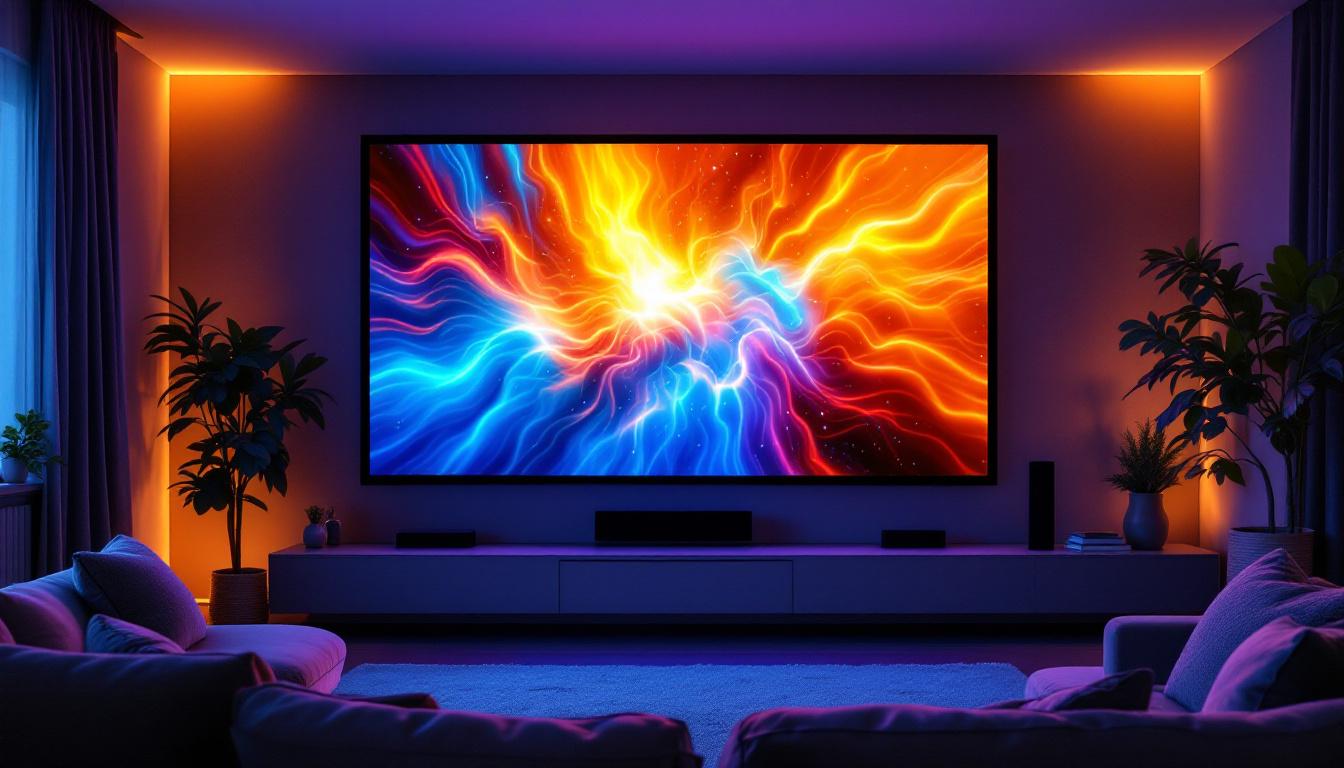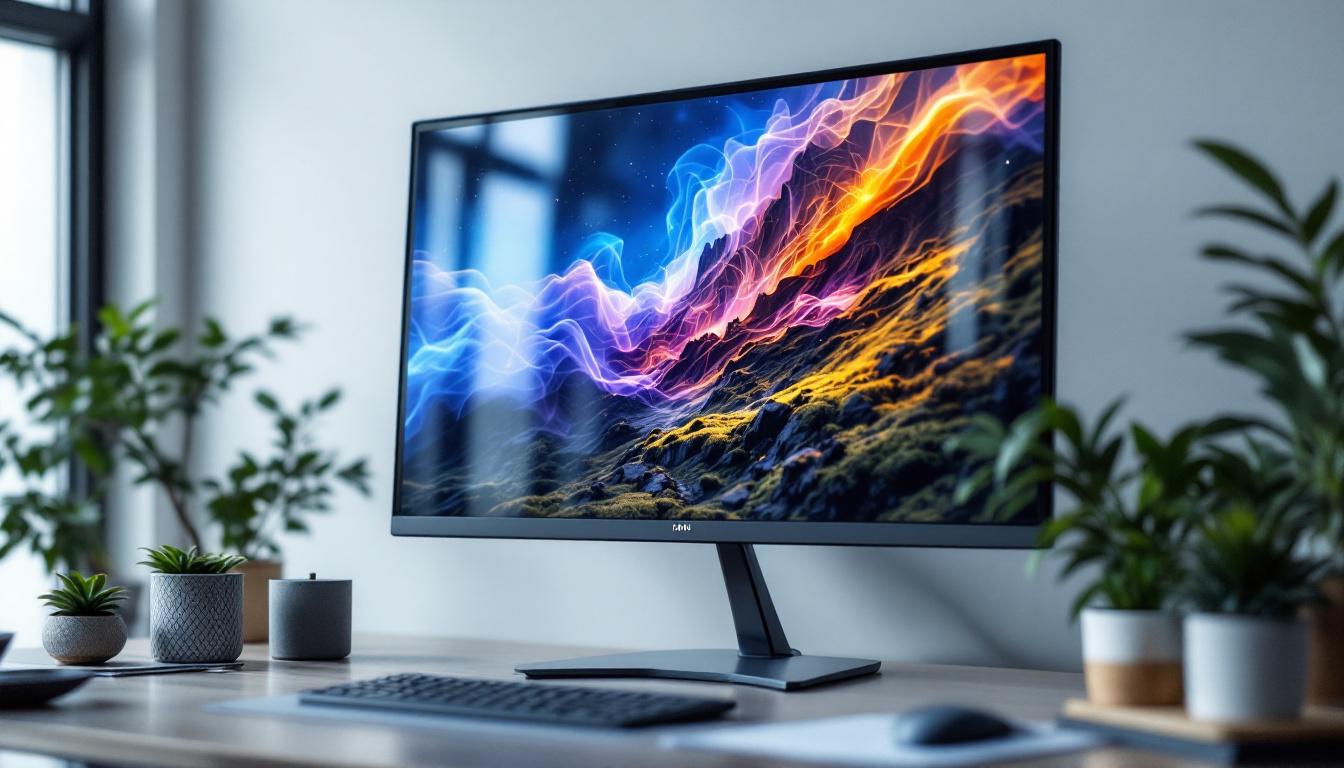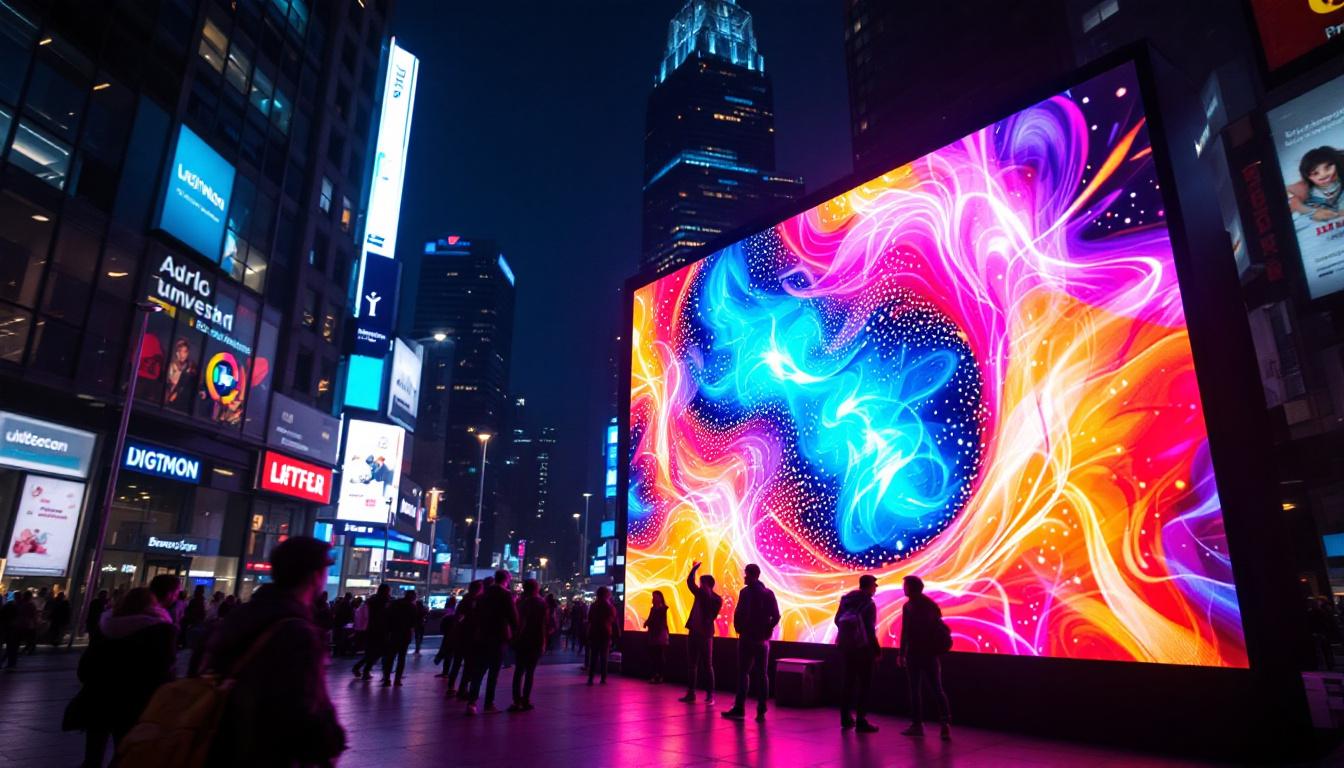
In the rapidly evolving world of visual technology, LED displays have become a cornerstone for advertising, entertainment, and information dissemination. Behind the vibrant and dynamic visuals lies a complex process of design and engineering, facilitated by specialized panel design software. This article delves into the essentials of LED display technology, the role of panel design software, and how these tools empower designers and engineers to create stunning, efficient, and reliable LED panels.
Understanding LED Display Technology
LED (Light Emitting Diode) displays are composed of numerous tiny light sources that emit light when an electric current passes through them. These displays are favored for their brightness, energy efficiency, and long lifespan, making them ideal for both indoor and outdoor applications.
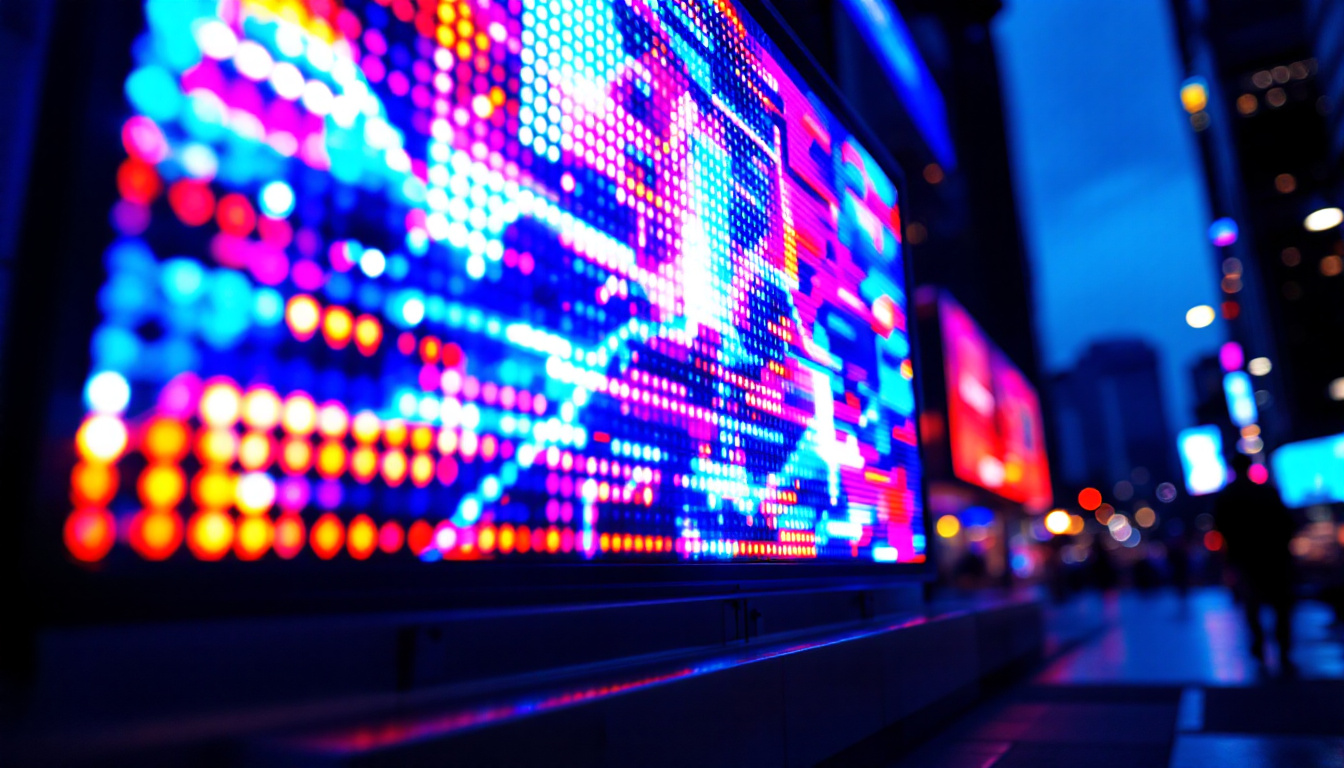
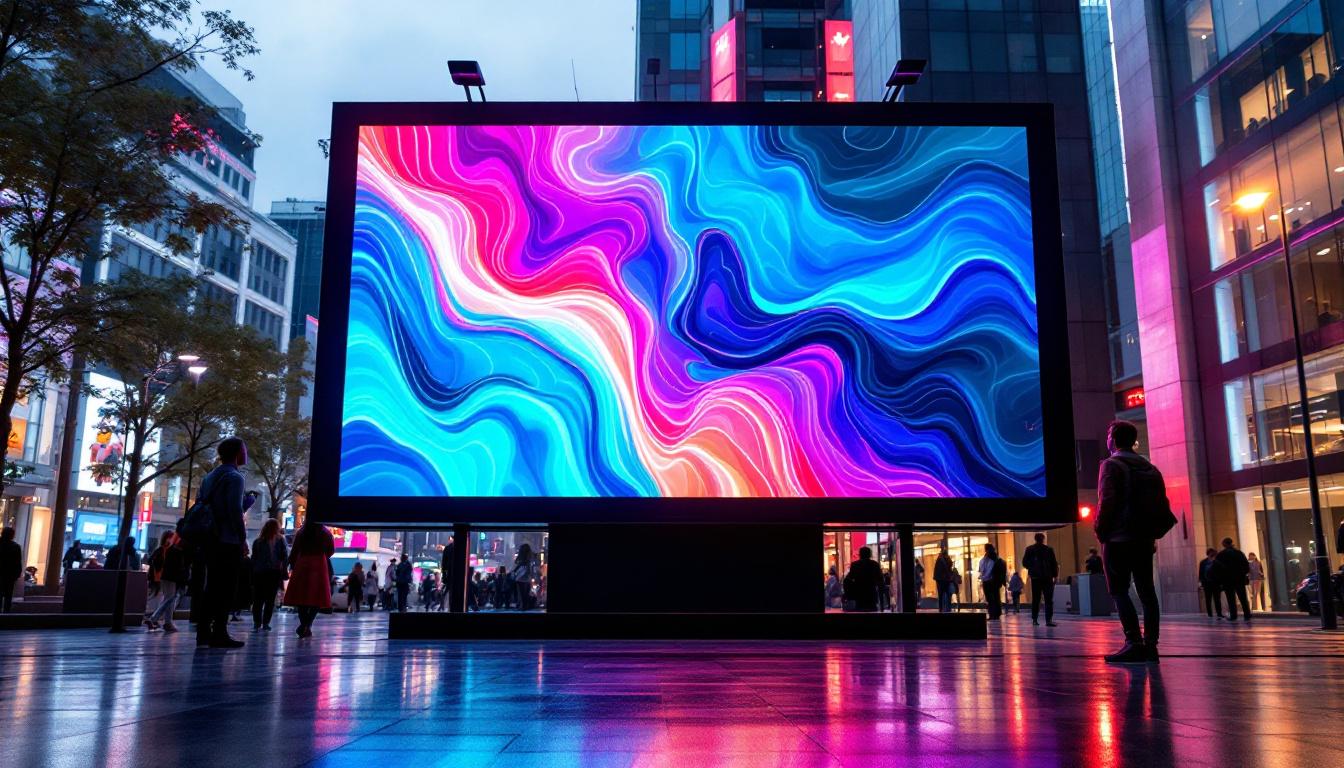
Modern LED displays range from small digital signage to massive stadium screens. They consist of modular panels or tiles, which are assembled to form larger displays. Each panel contains a matrix of LEDs, controlled individually or in groups to produce images and videos with high resolution and color accuracy.
Key Components of LED Displays
The primary components include the LED modules, control systems, power supplies, and the structural framework. The LED modules are the heart of the display, where each diode contributes to the overall image. Control systems manage the data input and synchronize the display output, while power supplies ensure consistent energy delivery. The structural framework supports the panels and allows for flexible installation configurations.
Additionally, the thermal management system is crucial in LED displays, as excessive heat can diminish performance and lifespan. Effective cooling solutions, such as heat sinks and fans, are integrated to maintain optimal operating temperatures. Moreover, advancements in technology have led to the development of smart LED displays that can connect to the internet, enabling real-time content updates and remote monitoring capabilities, thus enhancing user experience and operational efficiency.
Applications and Market Trends
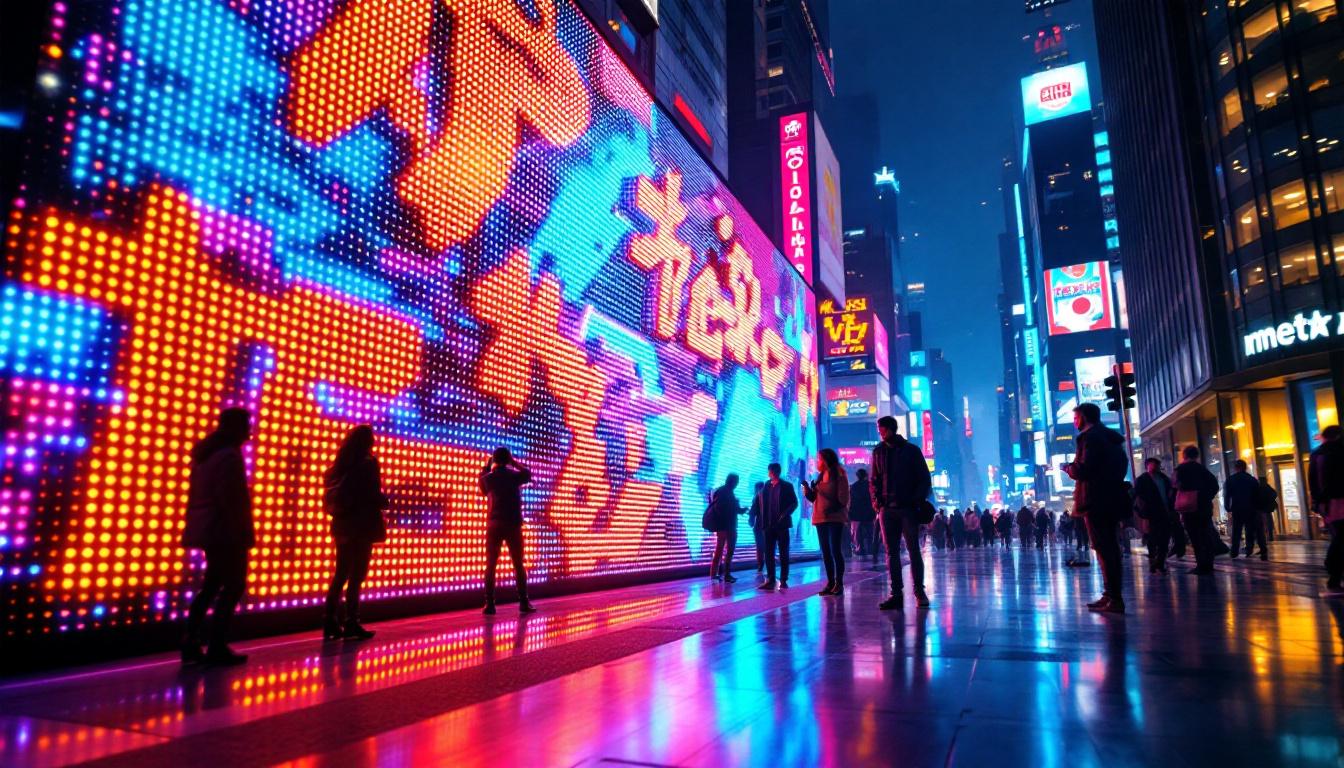
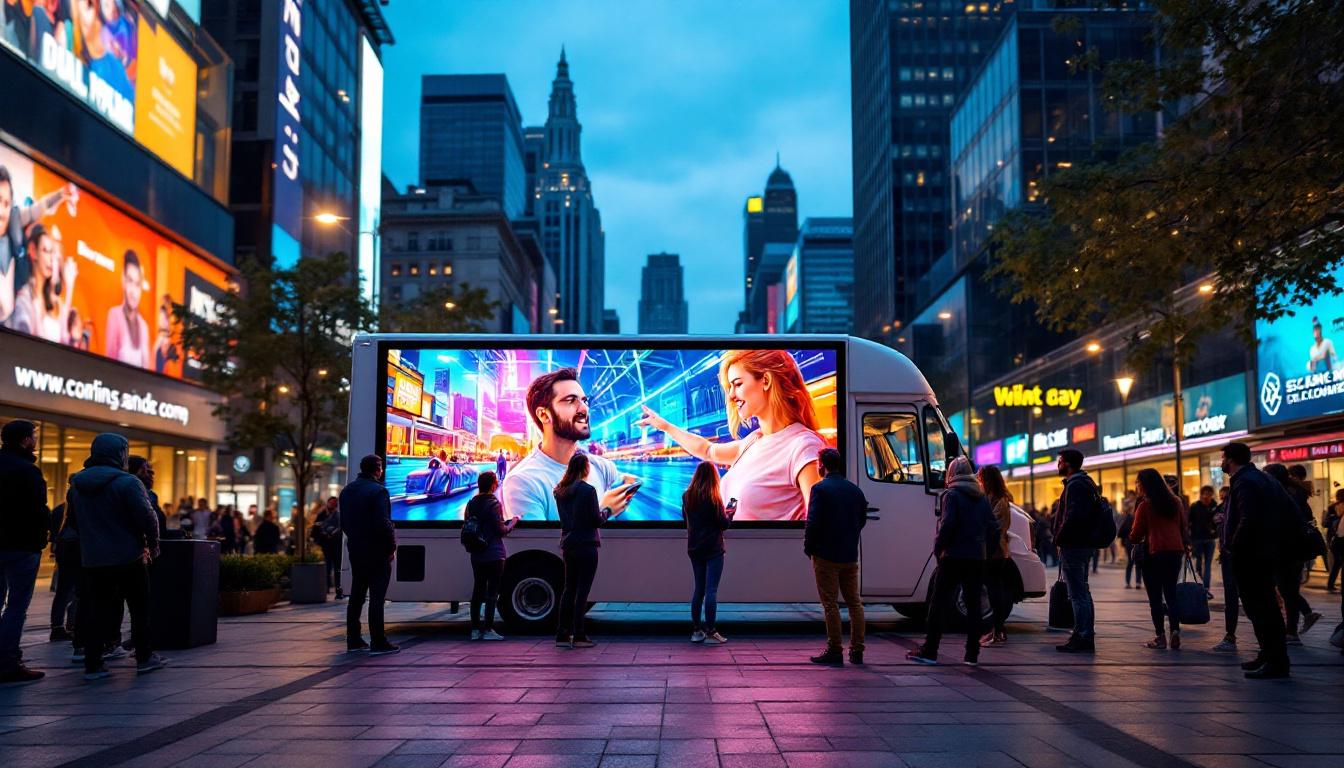
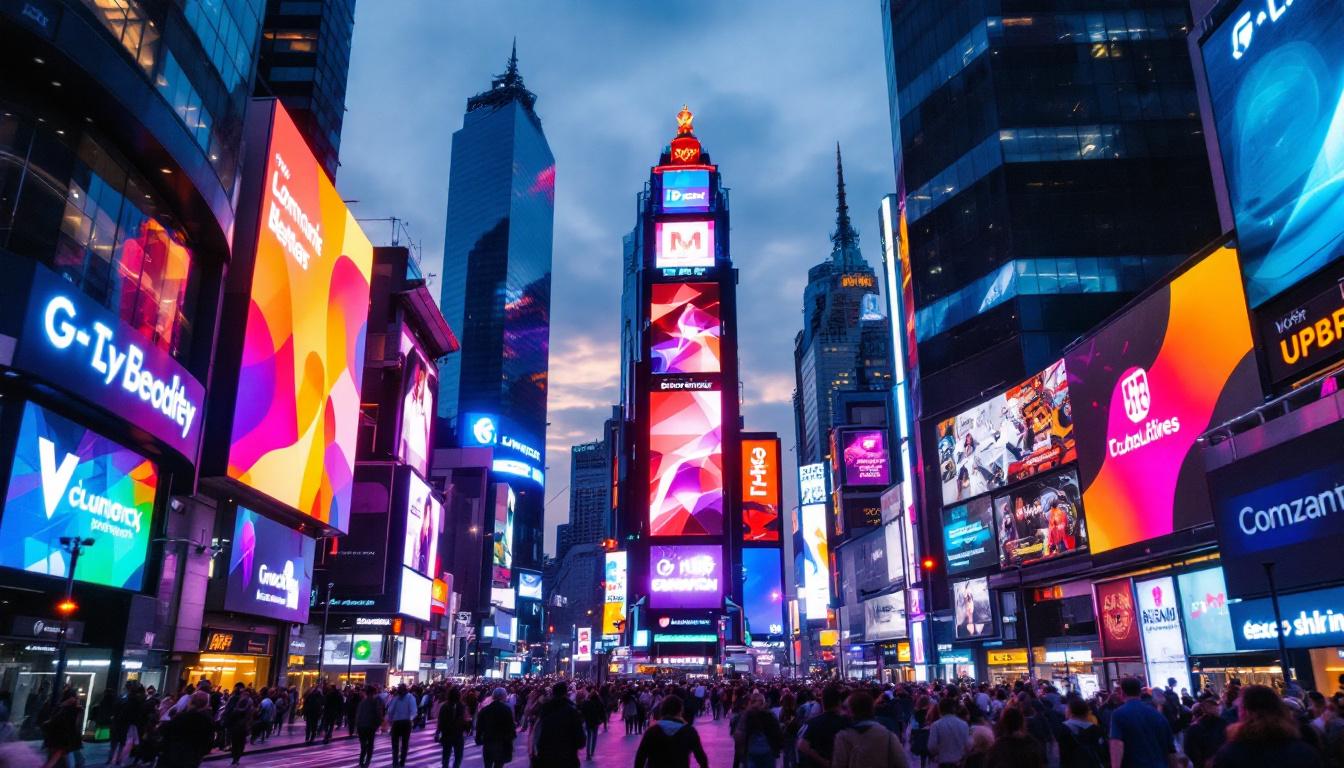
LED displays are ubiquitous in advertising, sports arenas, public transportation hubs, and retail environments. According to a 2023 report by Grand View Research, the global LED display market is expected to grow at a CAGR of 12.4% from 2023 to 2030, driven by increasing demand for digital signage and smart city initiatives.
Innovations such as flexible LED panels, transparent displays, and higher pixel densities are expanding the possibilities for designers and end-users alike. For instance, flexible LED displays can be curved or shaped to fit unconventional spaces, allowing for creative installations that captivate audiences. Transparent LED displays are gaining traction in retail environments, providing a unique way to showcase products while maintaining visibility into the store. Furthermore, the integration of augmented reality (AR) with LED technology is paving the way for immersive advertising experiences, where consumers can interact with digital content in real-time, blurring the lines between the physical and digital worlds.
The Role of Panel Design Software in LED Display Creation
Designing an LED display panel is a complex task that requires precision, customization, and efficiency. Panel design software serves as the critical tool that bridges the gap between conceptual ideas and physical products.
What is Panel Design Software?
Panel design software is specialized computer-aided design (CAD) software tailored for the creation and simulation of LED display panels. It enables designers to layout LED modules, configure pixel pitches, define electrical connections, and simulate visual output before manufacturing.
These tools often integrate features such as 3D modeling, thermal analysis, and structural integrity checks, ensuring that the final product meets technical and aesthetic requirements. By incorporating advanced algorithms, these software solutions can also predict how different environmental factors, such as ambient light conditions and weather variations, will impact display performance, allowing for a more robust design process.
Benefits of Using Panel Design Software
One of the primary advantages is the ability to visualize the display in a virtual environment, reducing errors and costly revisions. Designers can experiment with different configurations, pixel densities, and panel sizes to optimize performance and cost. This capability not only saves time but also enhances creativity, as designers can quickly iterate on ideas without the constraints of physical prototypes.
Additionally, software solutions facilitate collaboration among multidisciplinary teams, including electrical engineers, mechanical designers, and content creators, streamlining the development process. The integration of cloud-based features allows for real-time updates and feedback, making it easier for teams to stay aligned on project goals and timelines. This collaborative approach ensures that all aspects of the display, from technical specifications to visual content, are harmoniously integrated for the best possible outcome.
Popular Features in LED Panel Design Software
- Modular Layout Tools: Allowing easy arrangement and customization of LED modules.
- Pixel Pitch Configuration: Adjusting the distance between LEDs to balance resolution and viewing distance.
- Electrical Circuit Design: Planning power distribution and signal routing to ensure reliability.
- Thermal Management Simulation: Predicting heat dissipation to prevent overheating.
- 3D Visualization: Providing realistic renderings of the final display in its intended environment.
Moreover, many panel design software packages include built-in libraries of components and materials, allowing designers to select from a wide range of options that meet industry standards. This feature not only speeds up the design process but also ensures compliance with safety regulations and performance benchmarks. Additionally, some software solutions offer predictive analytics tools that can assess the long-term performance of the LED panels, helping designers make informed decisions about durability and maintenance needs.
As LED technology continues to evolve, panel design software is also adapting to incorporate new advancements, such as organic light-emitting diodes (OLEDs) and microLED technology. These innovations require designers to rethink traditional approaches to panel design, and the software is being updated to provide the necessary tools for these cutting-edge applications. This ongoing evolution ensures that designers remain at the forefront of the industry, equipped with the latest technology to create stunning and effective LED displays.
Design Considerations for LED Display Panels
Creating an effective LED display involves balancing multiple factors, from technical specifications to environmental conditions. Panel design software helps address these considerations systematically.
Resolution and Pixel Pitch
Resolution is determined by the number of pixels in the display, directly influenced by pixel pitch—the distance between individual LEDs. A smaller pixel pitch yields higher resolution and sharper images but increases cost and power consumption.
Designers must consider the typical viewing distance and application to select an appropriate pixel pitch. For example, indoor displays in retail environments often use pixel pitches as low as 1.2mm, while large outdoor billboards may use pitches of 10mm or more.
Brightness and Color Accuracy
Brightness levels are critical for visibility, especially in outdoor settings with direct sunlight. LED panels must deliver sufficient luminance, often exceeding 5,000 nits for outdoor displays.
Color accuracy is equally important for brand representation and viewer engagement. Panel design software can simulate color output and help designers choose LEDs with appropriate color temperatures and calibration capabilities.
Thermal Management
LEDs generate heat during operation, which can degrade performance and lifespan if not properly managed. Effective thermal design includes heat sinks, ventilation, and materials selection.
Software tools enable thermal simulations to predict hotspots and optimize panel structure, ensuring reliable operation under various environmental conditions.
Structural and Environmental Factors
LED panels must withstand physical stresses such as wind loads, vibration, and potential impacts. The structural design must comply with safety standards and installation requirements.
Environmental factors like humidity, temperature extremes, and exposure to dust or water influence enclosure design and component selection. Software can model these conditions to guide material choices and protective measures.
Integrating Content and Control Systems
Beyond physical design, LED displays rely on sophisticated control systems to manage content delivery and synchronization. Panel design software often includes tools to interface with these systems.
Content Management and Playback
Effective content management systems (CMS) allow operators to schedule, update, and monitor display content remotely. Integration with panel design software ensures that the physical layout aligns with content requirements, avoiding issues like pixel misalignment or dead zones.
Signal Processing and Synchronization
LED displays use various signal protocols to transmit image data to the panels. Design software helps configure signal routing and timing to maintain smooth, flicker-free visuals.
For large-scale installations, synchronization across multiple panels is critical. Software tools simulate timing and data flow to prevent latency and ensure cohesive display performance.
Future Trends in LED Panel Design Software
The landscape of LED display technology continues to evolve, and panel design software is adapting to meet new challenges and opportunities.
Artificial Intelligence and Automation
AI-powered design assistants are emerging, capable of optimizing layouts, predicting failure points, and suggesting improvements based on vast datasets. Automation reduces design cycles and enhances accuracy.
Augmented Reality (AR) Integration
AR tools enable designers and clients to visualize LED displays in real-world environments before installation. This immersive approach improves decision-making and client satisfaction.
Cloud-Based Collaboration
Cloud platforms facilitate real-time collaboration among global teams, allowing seamless sharing of design files, simulations, and feedback. This trend supports increasingly complex projects and distributed workflows.
Conclusion
LED display technology continues to transform how information and advertising are presented, driven by advances in both hardware and software. Panel design software plays a pivotal role in this ecosystem, enabling precise, efficient, and innovative design processes.
By understanding the technical fundamentals, leveraging sophisticated design tools, and anticipating future trends, professionals can create LED displays that captivate audiences, withstand environmental challenges, and deliver lasting value.
As the demand for high-quality digital displays grows globally, mastering panel design software becomes an essential skill for engineers, designers, and content creators alike.
Discover LumenMatrix’s Advanced LED Display Solutions
Ready to elevate your visual communication with cutting-edge technology? LumenMatrix offers a comprehensive range of LED display solutions tailored to meet your needs. From vibrant Indoor and Outdoor LED Wall Displays to dynamic Vehicle and Sports LED Displays, our products are designed to captivate your audience and enhance brand visibility. Experience the innovation with our Custom, All-in-One, and Transparent LED Displays, and see how LumenMatrix is revolutionizing the industry. Check out LumenMatrix LED Display Solutions today and transform your space into a mesmerizing visual experience.