In today’s digital age, LED displays have become ubiquitous, appearing everywhere from smartphones and televisions to massive outdoor billboards and stadium screens. Central to the technology behind these vibrant and dynamic visuals is the concept of the “pixel.” But what exactly is a pixel in the context of LED displays, and how does it influence the quality and functionality of the screens we rely on daily? This article provides a comprehensive explanation of pixels within LED displays, exploring their structure, function, and impact on display technology.
Understanding the Pixel: The Building Block of LED Displays
What Is a Pixel?
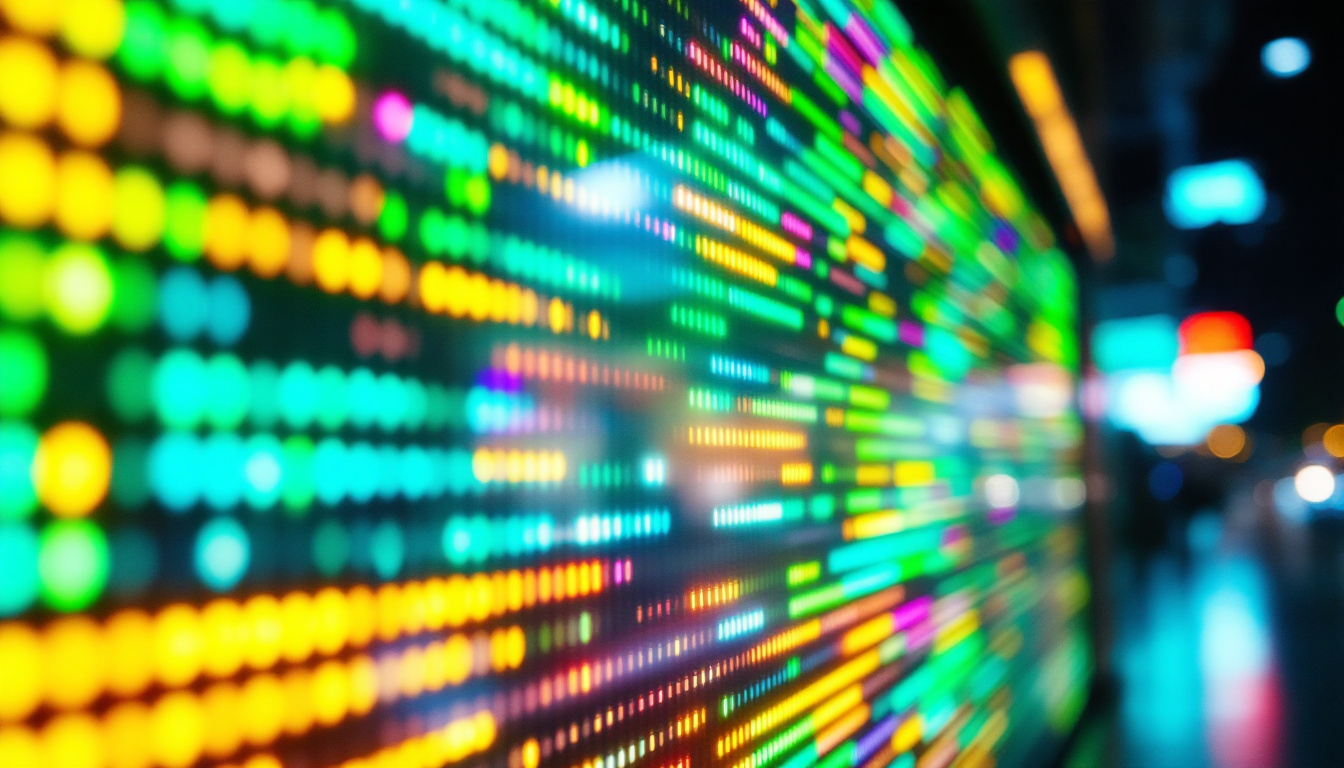
A pixel, short for “picture element,” is the smallest controllable unit of a digital image or display. In LED displays, each pixel is a tiny cluster of light-emitting diodes (LEDs) that work together to produce a single point of color on the screen. When millions of these pixels are combined, they form the images and videos that viewers see.
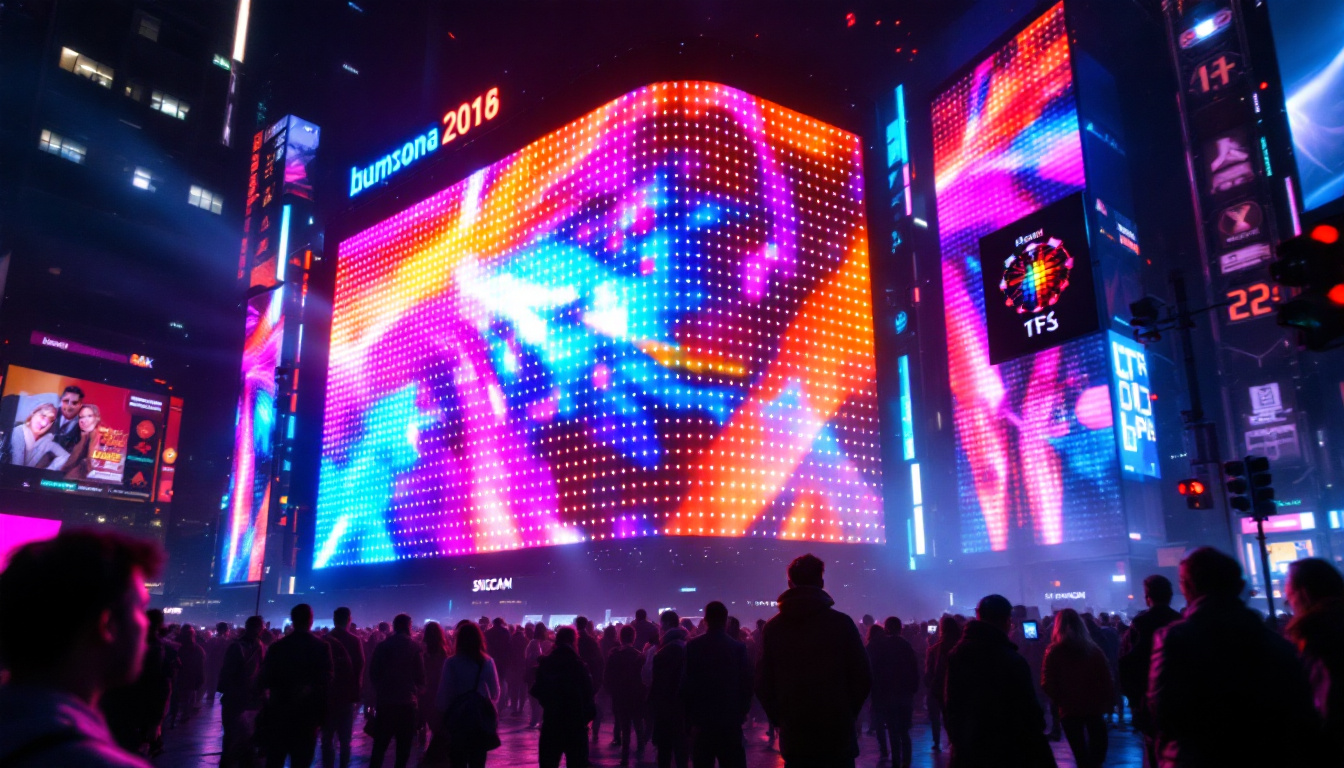
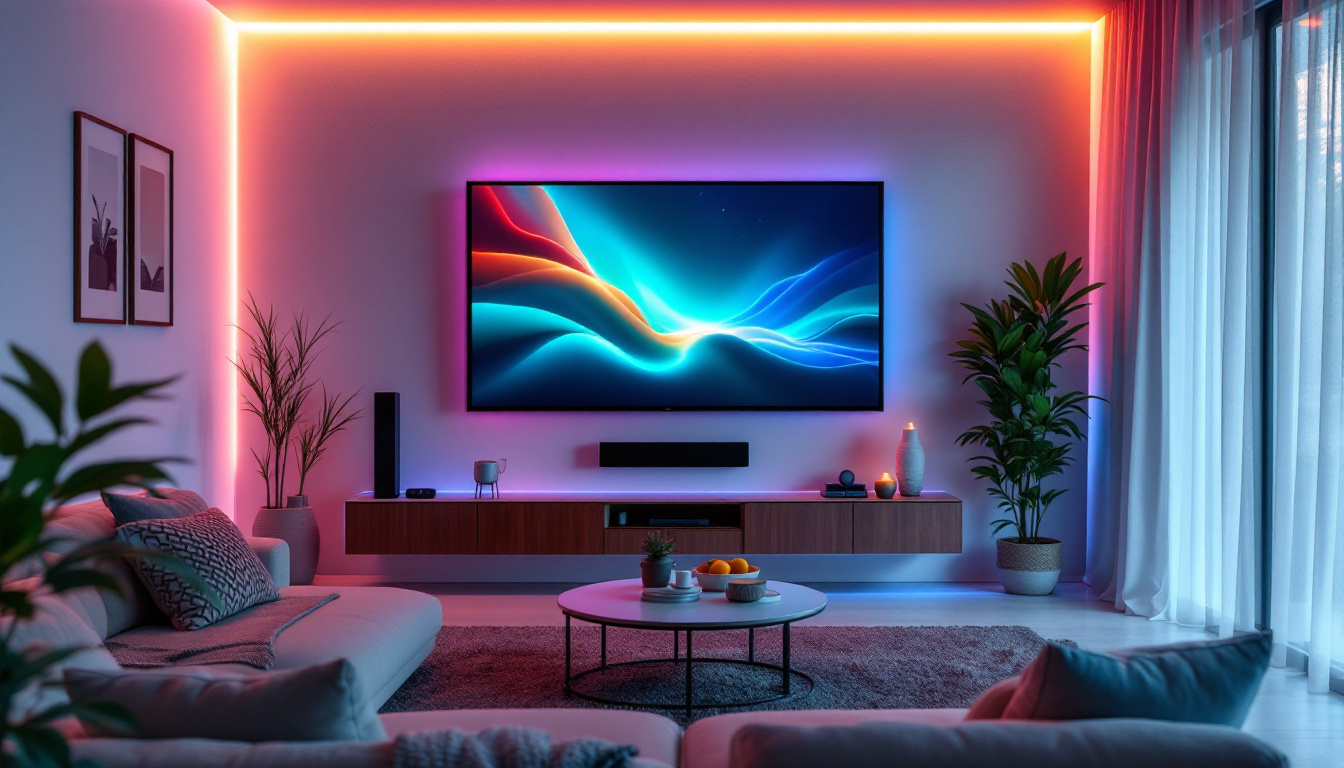
Unlike traditional LCD screens that use liquid crystals to modulate light, LED displays rely on actual light sources—LEDs—within each pixel. This fundamental difference allows LED displays to offer superior brightness, contrast, and color vibrancy, making them ideal for both indoor and outdoor applications. The ability to produce high levels of brightness is particularly advantageous in outdoor settings where ambient light can wash out images on less capable displays, ensuring that content remains visible and impactful even in direct sunlight.
The Anatomy of an LED Pixel
Each pixel in an LED display typically consists of three sub-pixels: red, green, and blue LEDs. These sub-pixels can be individually controlled and combined in varying intensities to produce a wide spectrum of colors through a process known as additive color mixing. By adjusting the brightness of each sub-pixel, the display can render millions of distinct colors. This capability is crucial for applications ranging from digital signage to high-definition televisions, where accurate color reproduction is essential for viewer engagement.
Modern LED pixels may also employ additional colors, such as white or amber LEDs, to enhance color accuracy and brightness. This approach, known as “quad-color” or “multi-primary” LED technology, is increasingly used in high-end displays to deliver richer and more natural images. Furthermore, advancements in pixel design have led to the development of microLED and miniLED technologies, which utilize smaller LEDs to create even finer pixel densities. This results in displays that can achieve stunning resolutions, making them suitable for immersive experiences in virtual reality and augmented reality applications, where every detail matters.
Pixel Pitch: Defining Resolution and Image Quality
What Is Pixel Pitch?
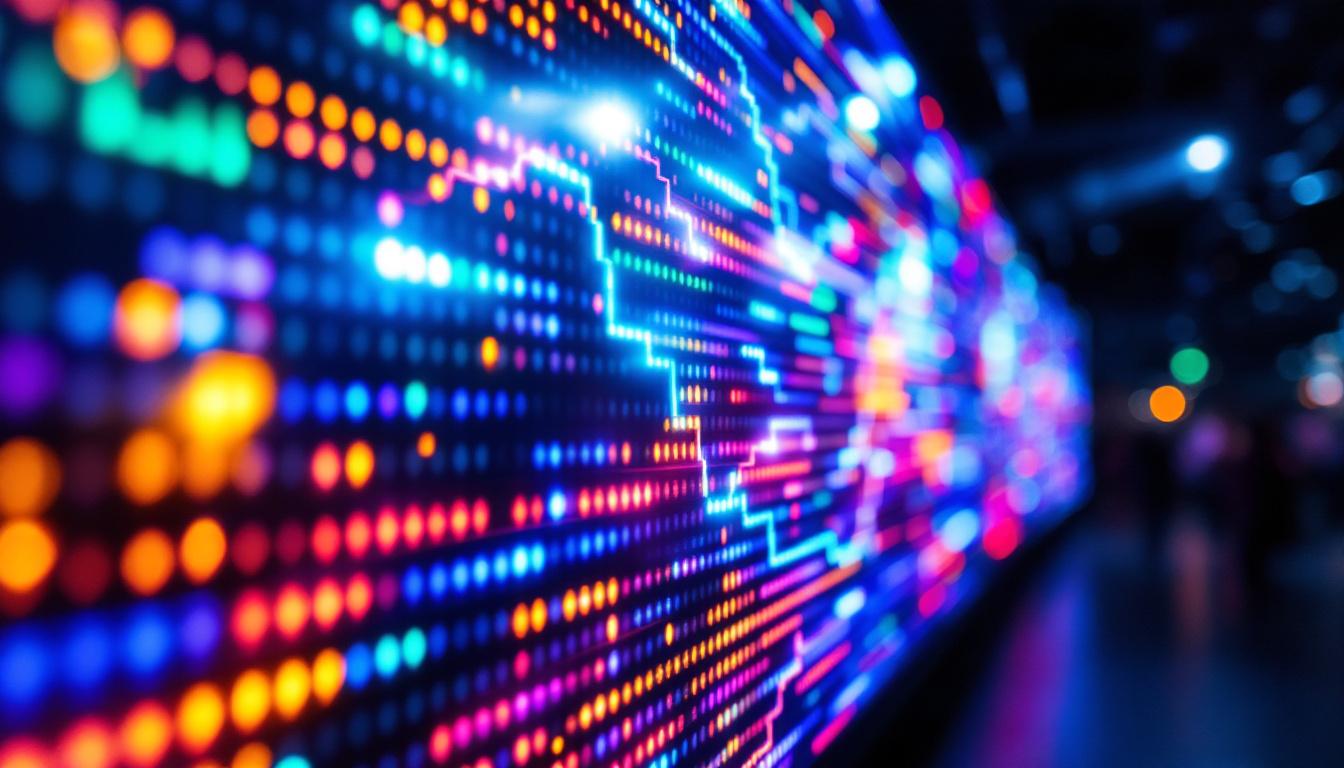
Pixel pitch is a critical specification in LED displays that refers to the distance from the center of one pixel to the center of the adjacent pixel, typically measured in millimeters. It essentially determines how densely packed the pixels are on the display surface.
A smaller pixel pitch means that pixels are closer together, resulting in higher resolution and sharper images. Conversely, a larger pixel pitch indicates more space between pixels, which can lead to a less detailed image but often allows for larger display sizes at a lower cost. This trade-off is crucial for manufacturers and consumers alike, as it influences the overall performance and application of the display.
Why Pixel Pitch Matters
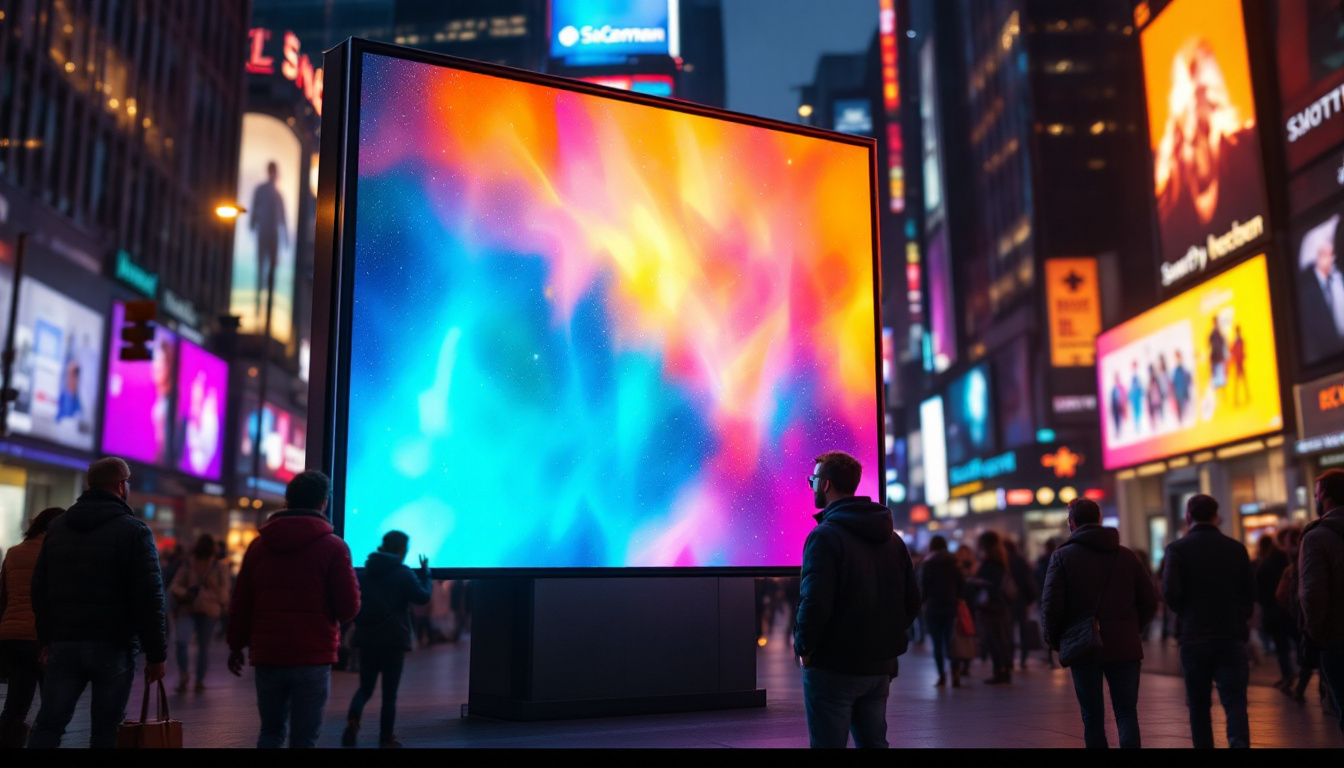
Pixel pitch directly impacts the viewing experience. For example, a display with a 1.2mm pixel pitch is ideal for close-up viewing environments such as control rooms or retail displays, where viewers are only a few feet away. On the other hand, a display with a 10mm pixel pitch is better suited for large outdoor billboards, where viewers typically view the screen from a greater distance. This differentiation is vital for ensuring that the content displayed is not only visually appealing but also legible and engaging from various distances.
Choosing the right pixel pitch is essential for balancing cost, resolution, and viewing distance. Advances in LED manufacturing have enabled pixel pitches as low as 0.7mm, pushing the boundaries of resolution for indoor LED displays and rivaling traditional LCD and OLED screens. Furthermore, as technology progresses, we are witnessing the emergence of microLED displays, which utilize even smaller pixel pitches to deliver unprecedented image quality and color accuracy. These innovations are transforming industries such as entertainment, advertising, and information dissemination, allowing for immersive experiences that captivate audiences.
Moreover, the pixel pitch also plays a significant role in energy efficiency and longevity of the display. Displays with smaller pixel pitches often require more sophisticated cooling systems and power management to maintain optimal performance, which can impact operational costs over time. Conversely, larger pixel pitches may consume less power but can compromise the visual fidelity that modern consumers expect. As a result, understanding pixel pitch is not only about image quality but also about the overall sustainability and efficiency of display technology in various applications.
Types of LED Pixels and Their Applications
Surface-Mounted Device (SMD) Pixels
SMD technology is the most common type of LED pixel used in modern displays. In SMD pixels, red, green, and blue LEDs are mounted on a single chip, creating a compact and efficient pixel design. This integration allows for smaller pixel pitches and better color blending, resulting in smoother and more vibrant images.
SMD LED displays are widely used for indoor applications such as conference rooms, retail signage, and digital advertising due to their high resolution and excellent color performance.
Through-Hole LED Pixels
Through-hole LEDs are individual LEDs mounted separately on the display panel. Each color LED is a distinct component, which can result in larger pixel pitches and less precise color blending compared to SMD technology. However, through-hole LEDs are known for their durability and brightness, making them suitable for outdoor displays exposed to harsh environmental conditions.
These pixels are commonly found in large-scale outdoor billboards, sports arenas, and transportation signage where visibility from long distances is paramount.
Mini-LED and Micro-LED Pixels
Emerging technologies like mini-LED and micro-LED are pushing the envelope of pixel design. Mini-LED pixels use thousands of tiny LEDs as backlighting units in LCD displays, improving contrast and brightness. Micro-LED pixels, on the other hand, are self-emissive like traditional LEDs but much smaller—often less than 100 micrometers in size—allowing for extremely high resolution and brightness with excellent energy efficiency.
Micro-LED displays are poised to revolutionize the market, offering superior image quality without the burn-in issues associated with OLEDs. However, manufacturing challenges currently limit their widespread adoption.
How Pixels Influence LED Display Performance
Color Accuracy and Brightness
The quality of individual pixels directly affects the color accuracy and brightness of an LED display. High-quality LEDs with precise color calibration ensure that the display can reproduce colors faithfully, which is crucial for applications such as digital cinema, medical imaging, and professional broadcasting.
Brightness levels are also tied to pixel design. LED pixels can achieve luminance levels exceeding 1,000 nits for indoor displays and up to 10,000 nits or more for outdoor screens, ensuring visibility even in direct sunlight.
Refresh Rate and Motion Clarity
Pixels in LED displays can be refreshed at high rates, often exceeding 1,000 Hz, which reduces flicker and motion blur. This capability is especially important for live events, sports broadcasts, and gaming, where smooth motion rendering enhances the viewer’s experience.
Higher refresh rates also reduce eye strain and improve the overall perceived quality of the display.
Energy Efficiency and Lifespan
The efficiency of pixels impacts the power consumption of LED displays. Advances in LED technology have led to more energy-efficient pixels that consume less power while maintaining high brightness levels. This is beneficial for reducing operational costs and environmental impact.
Additionally, LED pixels typically have long lifespans—often exceeding 100,000 hours—making them reliable for continuous use in commercial and public settings.
Future Trends in Pixel Technology for LED Displays
Higher Pixel Density and Resolution
As consumer demand for ultra-high-definition content grows, LED display manufacturers are focusing on increasing pixel density. Innovations in micro-LED and fine-pitch SMD technologies are enabling displays with resolutions surpassing 8K, providing unprecedented detail and clarity.
This trend is particularly relevant for applications such as virtual reality, augmented reality, and professional video production, where image fidelity is paramount.
Smart Pixels and Integrated Electronics
Future LED pixels are expected to incorporate more integrated electronics, including sensors and processing units. These “smart pixels” could adjust brightness and color dynamically based on ambient lighting conditions or content type, optimizing the viewing experience and energy consumption.
Such advancements will also facilitate more interactive and adaptive display systems, expanding the possibilities for digital signage and immersive environments.
Sustainability and Eco-Friendly Materials
Environmental concerns are driving research into sustainable materials and manufacturing processes for LED pixels. Efforts to reduce the use of rare earth elements and hazardous substances aim to make LED displays more eco-friendly without compromising performance.
Recyclability and energy-efficient design will continue to be key factors influencing the development of next-generation LED pixel technologies.
Conclusion
The pixel is the fundamental element that defines the performance and capabilities of LED displays. Understanding the structure, types, and specifications of pixels—such as pixel pitch, color composition, and refresh rates—provides valuable insight into how these displays deliver stunning visuals across a wide range of applications.
As LED technology continues to evolve, pixels will become even more sophisticated, enabling higher resolutions, better color accuracy, and smarter, more sustainable displays. For industries ranging from advertising and entertainment to healthcare and transportation, mastering pixel technology is key to unlocking the full potential of LED displays.
Discover the Future of Visuals with LumenMatrix
Ready to experience the pinnacle of pixel perfection? LumenMatrix is at the forefront of LED display innovation, offering a diverse range of solutions tailored to your unique needs. From the immersive Indoor LED Wall Display to the dynamic Outdoor LED Wall Display, and from the mobile versatility of Vehicle LED Displays to the interactive Floor LED Displays, our products are designed to make your brand shine and engage your audience like never before. Embrace the revolution in visual communication with LumenMatrix’s cutting-edge technology. Check out LumenMatrix LED Display Solutions today and transform your space into a captivating visual experience.