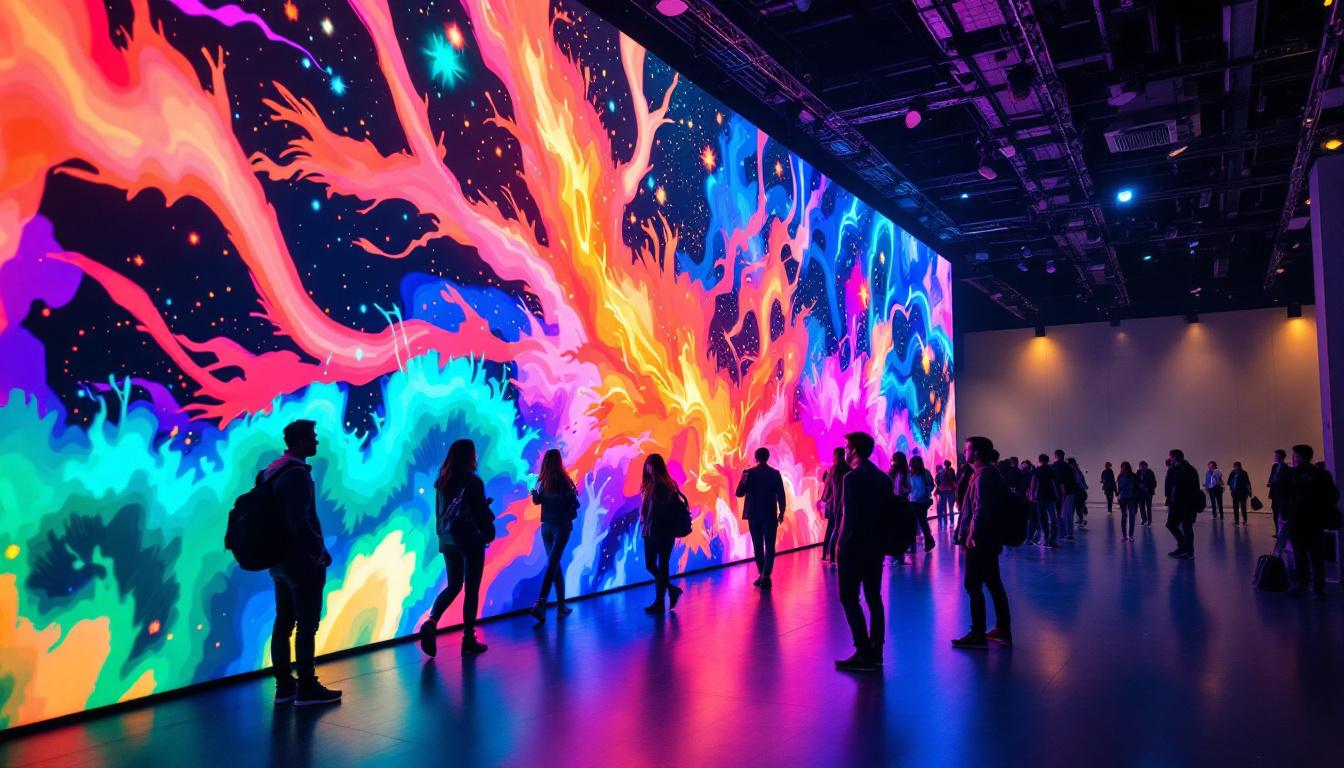
In the rapidly evolving world of digital signage and display technology, understanding the nuances of LED displays is crucial for businesses, advertisers, and tech enthusiasts alike. Among the many specifications that define an LED display’s performance and suitability for various environments, the terms “55 grade” and “65 grade” often surface, especially in the context of commercial and industrial LED panels. But what exactly do these grades mean? How do they impact the quality, durability, and cost of an LED display? This comprehensive article delves into the concept of 55/65 grade LED displays, explaining their differences, applications, and why these distinctions matter for your next digital signage project.
Understanding LED Display Grades: What Does 55/65 Grade Mean?
LED displays are composed of numerous tiny light-emitting diodes (LEDs) arranged in a matrix to form images and videos. The quality of these LEDs and the components used in the display panels can vary significantly, leading manufacturers to classify them into different grades. The “55 grade” and “65 grade” classifications refer primarily to the quality and specifications of the LED chips and related materials used in the display modules.
Typically, a 55 grade LED display uses mid-tier LED chips and components, while a 65 grade display employs higher-grade materials. The numbers themselves do not denote a standardized industry rating but rather an internal or regional classification system used by manufacturers and suppliers to indicate quality tiers. This grading impacts several key performance aspects, including brightness, color accuracy, lifespan, and overall reliability.
Key Differences Between 55 and 65 Grade LED Displays
The distinction between 55 and 65 grade LED displays can be broken down into several technical and practical differences:
- LED Chip Quality: 65 grade displays typically use LED chips with better phosphor coatings and more consistent manufacturing processes, resulting in brighter and more uniform light output.
- Color Consistency: Higher-grade LEDs offer improved color saturation and stability, which is crucial for applications requiring precise color reproduction.
- Brightness and Viewing Angle: 65 grade panels often achieve higher brightness levels and wider viewing angles, enhancing visibility in challenging lighting conditions.
- Durability and Lifespan: Components in 65 grade displays tend to have longer operational lifespans and better resistance to environmental factors such as humidity and temperature fluctuations.
- Cost: Due to superior materials and manufacturing standards, 65 grade displays generally come at a higher price point compared to 55 grade options.
In addition to these technical specifications, the application context also plays a significant role in determining the appropriate grade of LED display. For instance, a 55 grade display might be suitable for indoor environments where ambient lighting is controlled, such as retail stores or conference rooms. Conversely, a 65 grade display would be more appropriate for outdoor advertising or public events, where exposure to direct sunlight and varying weather conditions can significantly impact visibility and performance. This consideration of environment is crucial for ensuring that the display not only meets aesthetic requirements but also functions effectively over time.
Moreover, the advancements in LED technology continue to push the boundaries of what is possible with display panels. Innovations such as dynamic contrast ratios, enhanced refresh rates, and energy-efficient designs are increasingly being integrated into both 55 and 65 grade displays. As manufacturers strive to meet consumer demands for higher quality and more versatile display options, understanding these grades becomes essential for making informed purchasing decisions. Additionally, the growing trend of smart displays, which incorporate connectivity and interactivity features, further complicates the landscape, as these functionalities may also vary between different grades.
Technical Specifications and Performance Metrics
To appreciate the practical implications of choosing between 55 and 65 grade LED displays, it’s important to understand the technical specifications that define their performance. These specifications influence how well the display performs in different environments and use cases.
Brightness and Contrast Ratio
Brightness, measured in nits (cd/m²), is a critical factor for LED displays, especially those used outdoors or in brightly lit indoor environments. A 65 grade LED display typically offers brightness levels ranging from 5,000 to 7,000 nits, whereas a 55 grade display might range between 3,000 and 5,000 nits. This difference ensures that 65 grade displays remain visible and vibrant even under direct sunlight.
Contrast ratio, the difference between the darkest black and brightest white a display can produce, also tends to be higher in 65 grade displays. This enhances image depth and clarity, making visuals more engaging and easier to interpret.
Pixel Pitch and Resolution
Pixel pitch, the distance between the centers of two adjacent pixels, directly affects the resolution and viewing distance of an LED display. Both 55 and 65 grade displays can be manufactured with varying pixel pitches, but higher-grade displays often support finer pixel pitches due to better manufacturing precision. This means 65 grade panels can deliver sharper images at closer viewing distances, making them ideal for indoor applications like retail stores, control rooms, and conference halls.
Color Accuracy and Uniformity
Color accuracy is essential for applications where brand colors and visual fidelity are critical. The superior LED chips used in 65 grade displays provide more consistent color reproduction across the entire panel. This uniformity reduces the risk of color shifting or patchiness, which can degrade the viewer’s experience and diminish the impact of advertising or informational content.
Lifespan and Reliability
LED displays are a significant investment, and their longevity is a key consideration. While both 55 and 65 grade displays are designed to operate for tens of thousands of hours, 65 grade panels generally boast a longer lifespan, often exceeding 100,000 hours under optimal conditions. This is due to higher quality LEDs and better thermal management components, which reduce degradation over time.
Applications and Use Cases for 55 and 65 Grade LED Displays
Choosing between a 55 grade and a 65 grade LED display largely depends on the intended application, environmental conditions, and budget constraints. Understanding where each grade excels can help stakeholders make informed decisions.
55 Grade LED Displays: Cost-Effective Solutions for Moderate Use
55 grade LED displays are well-suited for applications where budget is a significant factor and extreme performance is not mandatory. Common use cases include:
- Indoor Signage: Retail stores, malls, and corporate environments where ambient lighting is controlled and viewing distances are moderate.
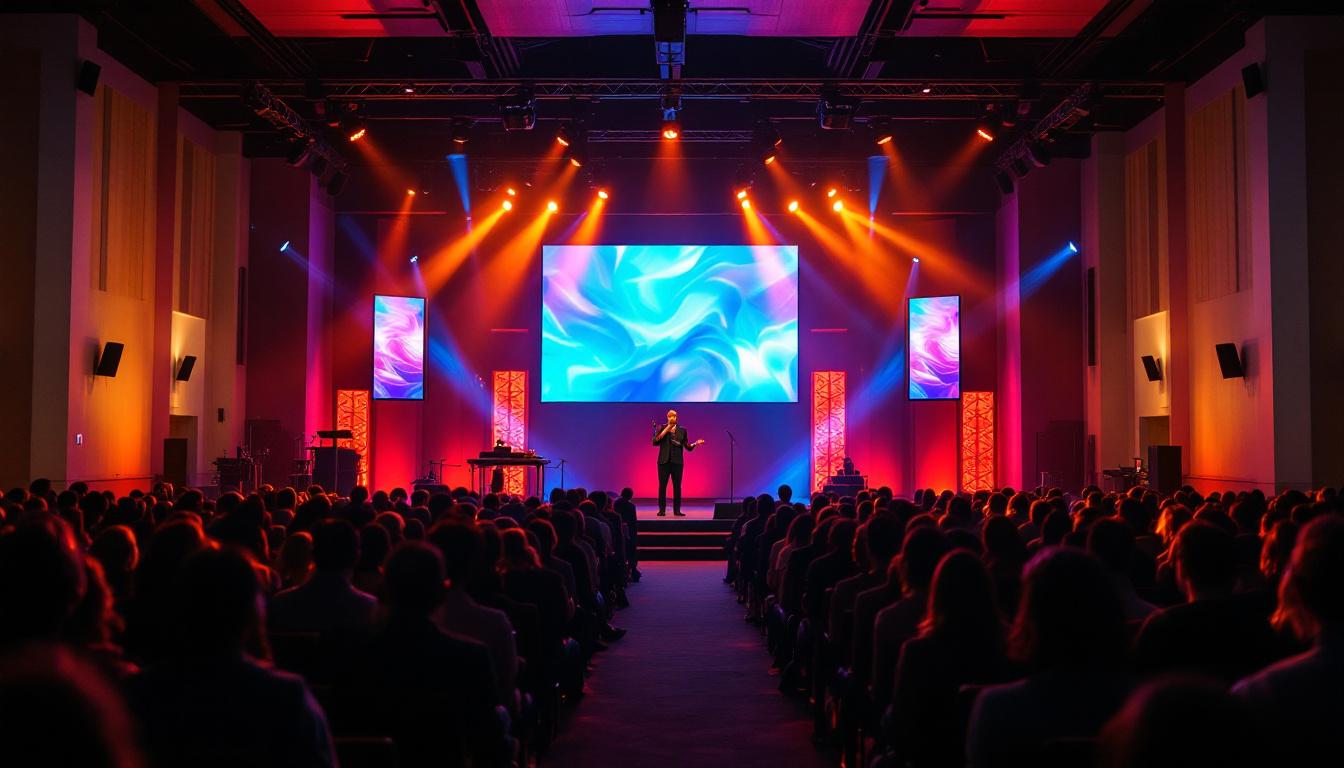
- Event Displays: Temporary installations such as trade shows or conferences where the display is used for a limited time.
- Information Boards: Public transportation hubs or educational institutions where content clarity is important but ultra-high brightness is not critical.
In these scenarios, 55 grade displays provide a balance between cost and performance, delivering acceptable brightness and color quality without the premium price tag.
65 Grade LED Displays: Premium Performance for Demanding Environments
65 grade LED displays are the preferred choice for high-impact, long-term installations where visual quality and durability cannot be compromised. Typical applications include:
- Outdoor Advertising: Billboards and digital signage exposed to direct sunlight and weather elements, requiring high brightness and robust construction.
- Broadcast and Studio Displays: Environments demanding precise color accuracy and consistent performance for live events and productions.
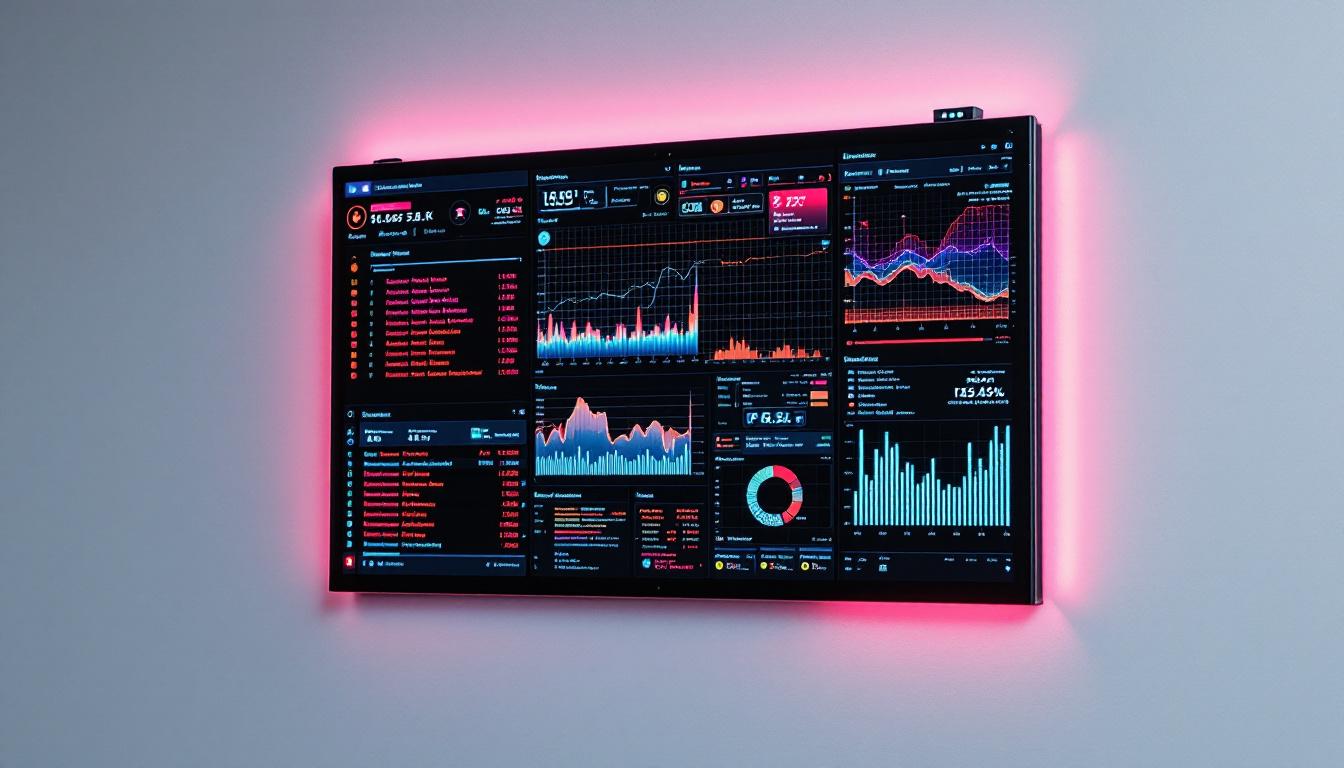
- Control Rooms and Command Centers: Facilities that require reliable, high-resolution displays for critical monitoring and data visualization.
- Large Venue Screens: Stadiums, concert halls, and arenas where wide viewing angles and high brightness are essential for audience engagement.
Investing in 65 grade LED displays ensures longevity, superior image quality, and resilience against environmental challenges, justifying the higher upfront cost.
Factors to Consider When Choosing Between 55 and 65 Grade LED Displays
Making the right choice between these two grades involves evaluating multiple factors beyond just the technical specifications. Here are some key considerations:
Budget Constraints and Total Cost of Ownership
While 55 grade LED displays are more affordable initially, their shorter lifespan and potentially higher maintenance costs can increase the total cost of ownership over time. Conversely, 65 grade displays, despite higher upfront costs, often prove more economical in the long run due to reduced downtime and maintenance needs.
Environmental Conditions
Outdoor installations or locations with extreme temperature variations demand the enhanced durability and weather resistance of 65 grade LED displays. Indoor environments with controlled lighting and climate can often accommodate 55 grade displays without compromising performance.
Viewing Distance and Audience Expectations
For applications where viewers are close to the display, such as retail or control rooms, the higher resolution and color accuracy of 65 grade panels are beneficial. For large-scale outdoor advertising viewed from a distance, the brightness and durability advantages of 65 grade displays are critical.
Maintenance and Support
Higher-grade displays often come with better manufacturer support, warranties, and service agreements. This can be a decisive factor for installations where uptime is crucial.
Future Trends and Innovations in LED Display Technology
The LED display industry continues to evolve, with ongoing advancements that blur the lines between different grades and push performance boundaries. Understanding these trends can help buyers future-proof their investments.
Mini-LED and Micro-LED Technologies
Emerging technologies like mini-LED and micro-LED offer even finer pixel pitches, higher brightness, and better energy efficiency compared to traditional LED displays. These innovations promise to elevate display quality beyond current 65 grade standards, particularly for high-end applications such as augmented reality and ultra-high-definition signage.
Improved Energy Efficiency
Manufacturers are increasingly focusing on reducing power consumption without sacrificing brightness or color accuracy. This trend benefits both 55 and 65 grade displays by lowering operating costs and environmental impact.
Enhanced Smart Features
Integration of AI-driven content management, real-time diagnostics, and adaptive brightness controls are becoming standard features in advanced LED displays. These capabilities improve user experience and operational efficiency, making higher-grade displays more attractive.
Conclusion: Making an Informed Choice
Choosing between 55 and 65 grade LED displays involves a careful balance of performance requirements, environmental conditions, budget, and long-term goals. While 55 grade displays offer cost-effective solutions suitable for many indoor and moderate-use scenarios, 65 grade displays deliver superior brightness, color accuracy, durability, and lifespan essential for demanding applications.
By understanding the technical distinctions and practical implications of these grades, businesses and organizations can select LED display solutions that maximize impact, reliability, and return on investment. As LED technology continues to advance, staying informed about the latest developments will ensure that your digital signage remains cutting-edge and effective for years to come.
Explore Cutting-Edge LED Displays with LumenMatrix
Ready to elevate your visual communication with top-tier LED display technology? LumenMatrix offers a comprehensive range of solutions tailored to your needs, from Indoor and Outdoor LED Wall Displays to innovative LED Sports and Floor Displays. Embrace the future of digital signage with our Custom, All-in-One, and Transparent LED Displays, designed to captivate your audience and amplify your message. Don’t settle for less—check out LumenMatrix LED Display Solutions today and experience the pinnacle of display technology.