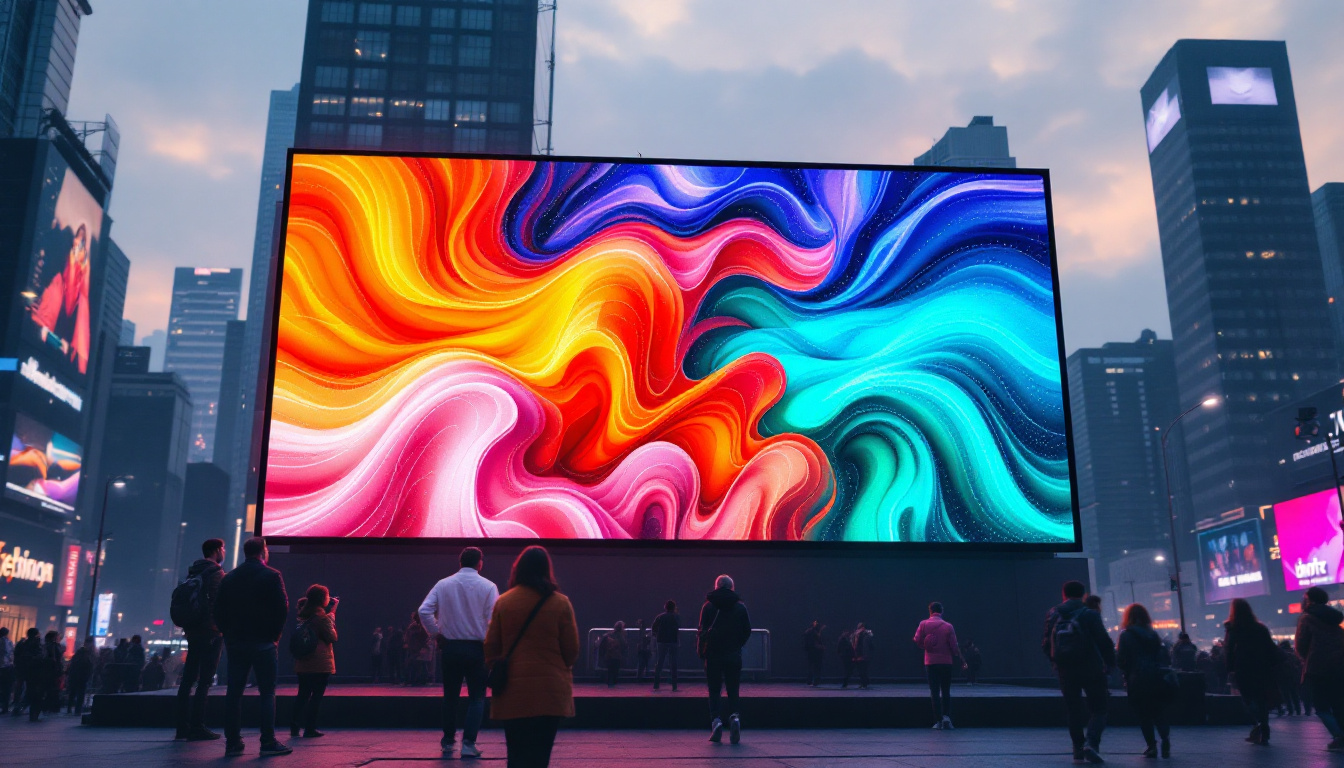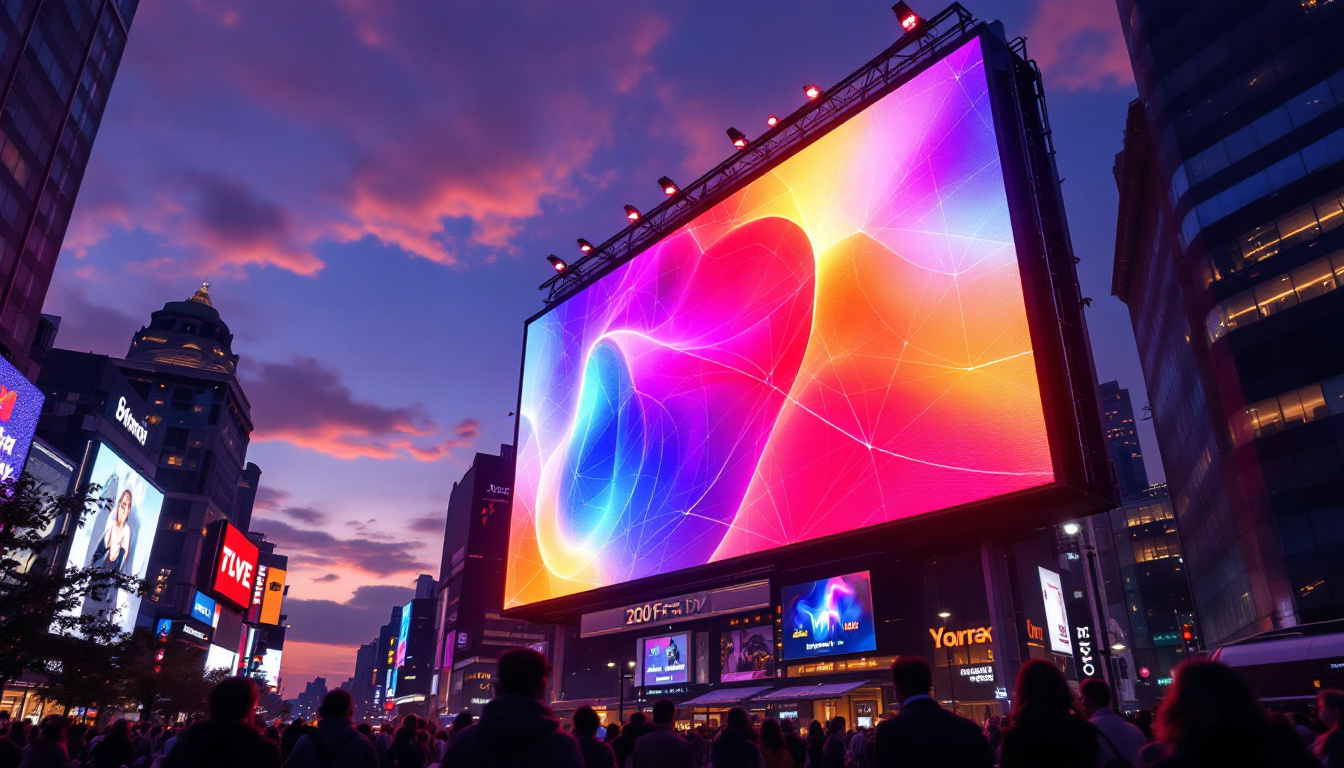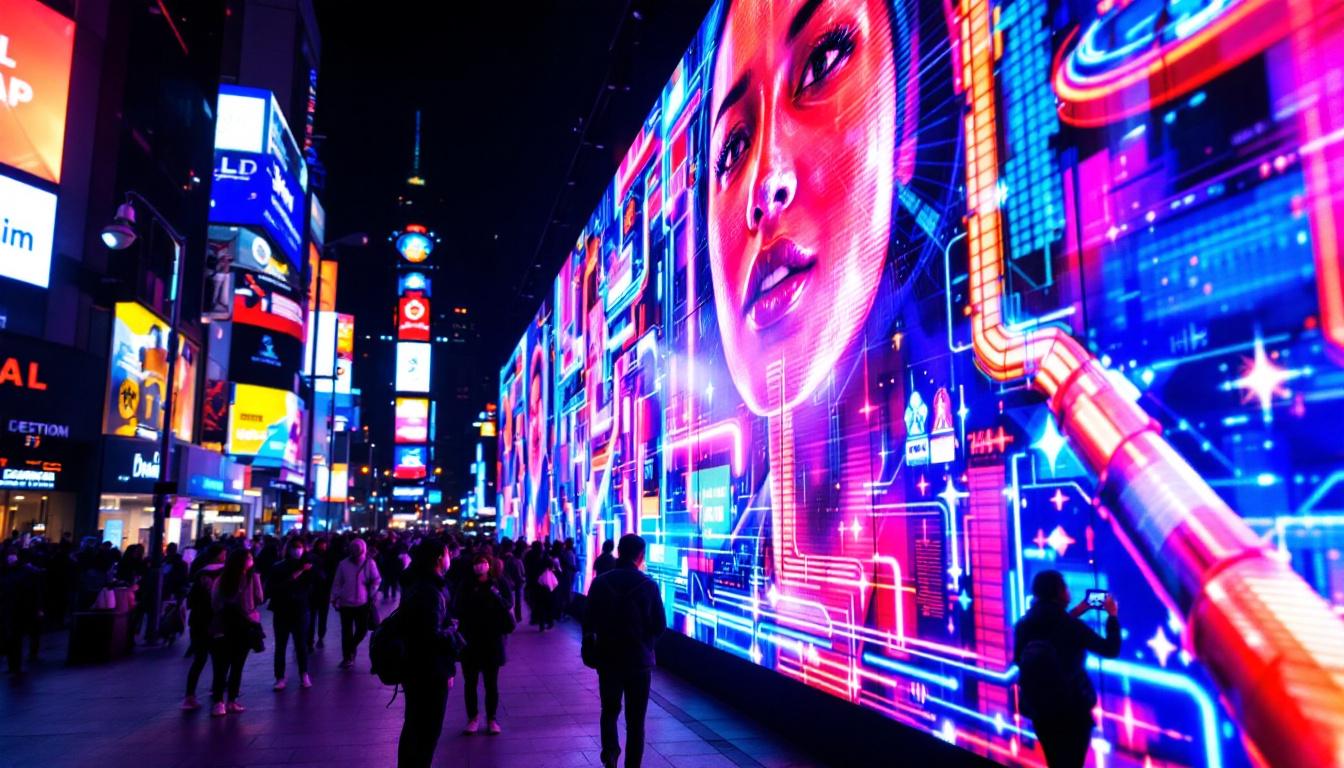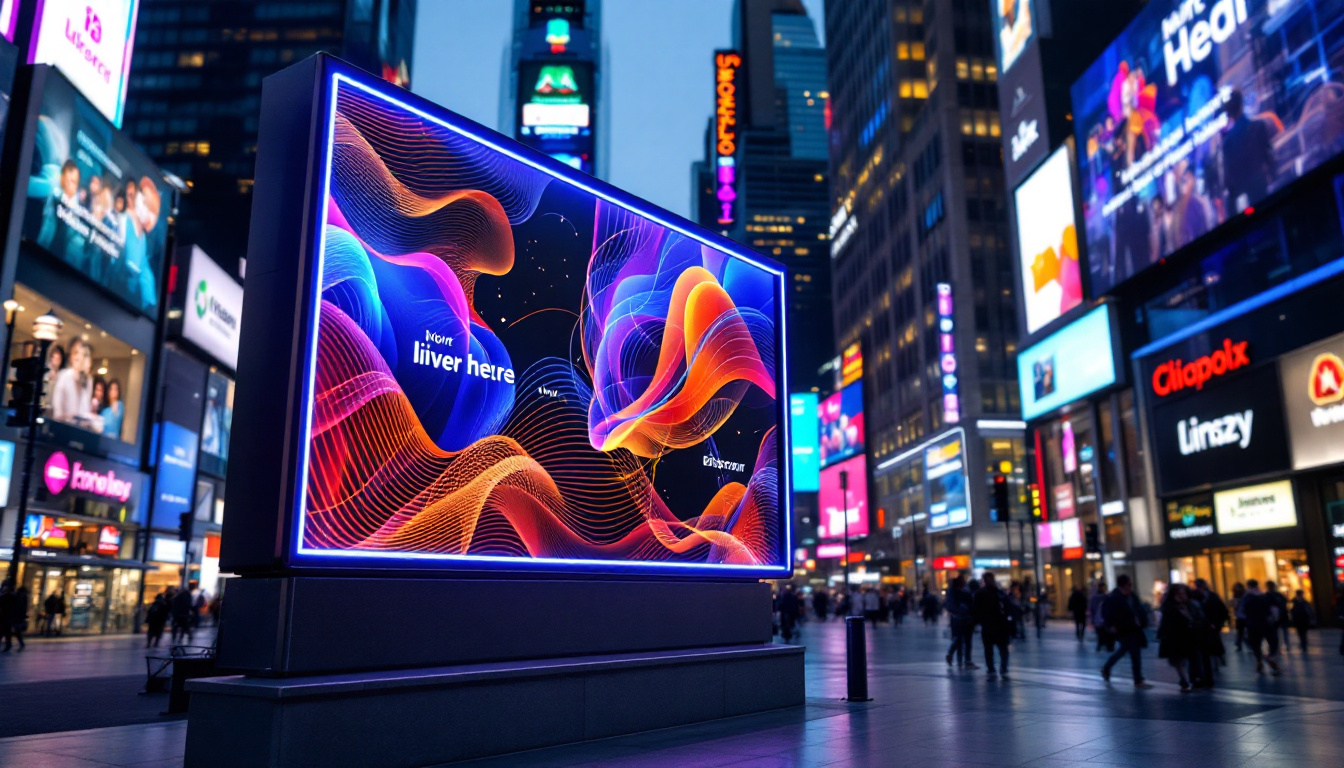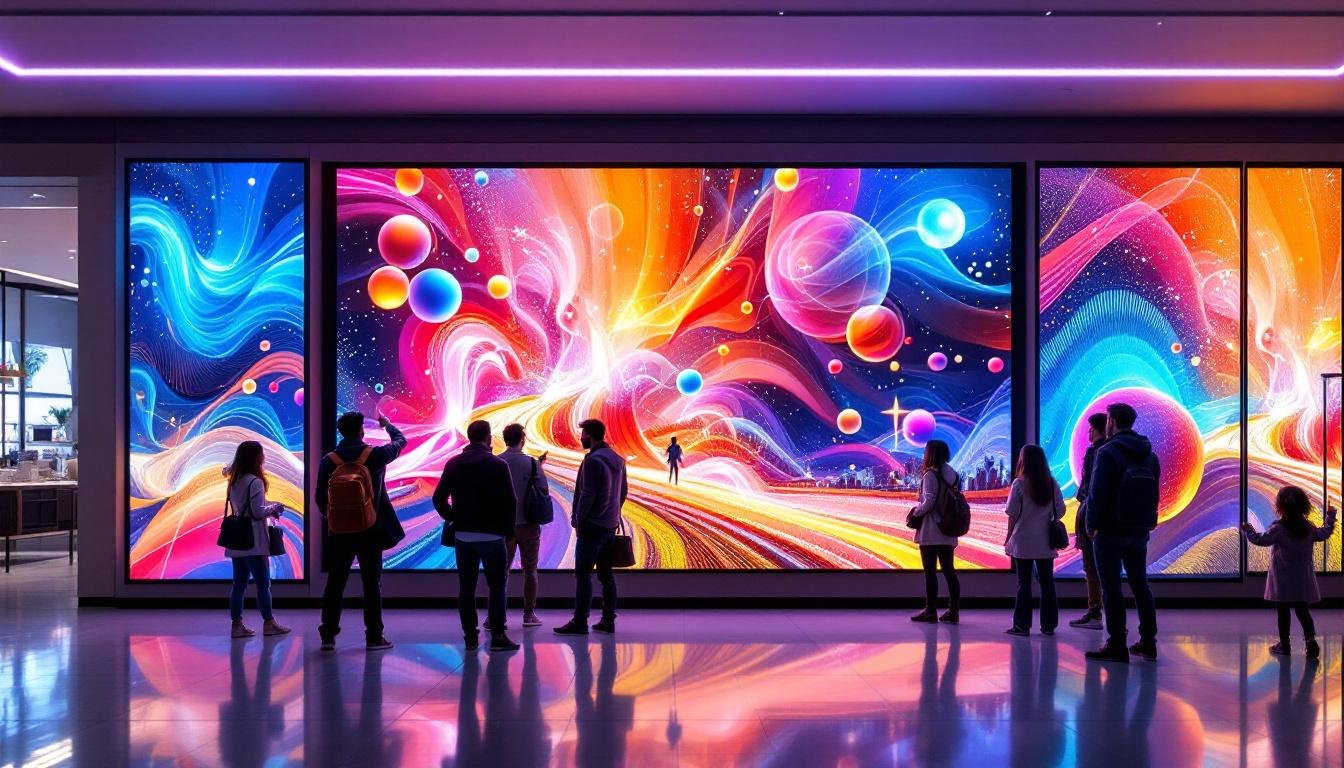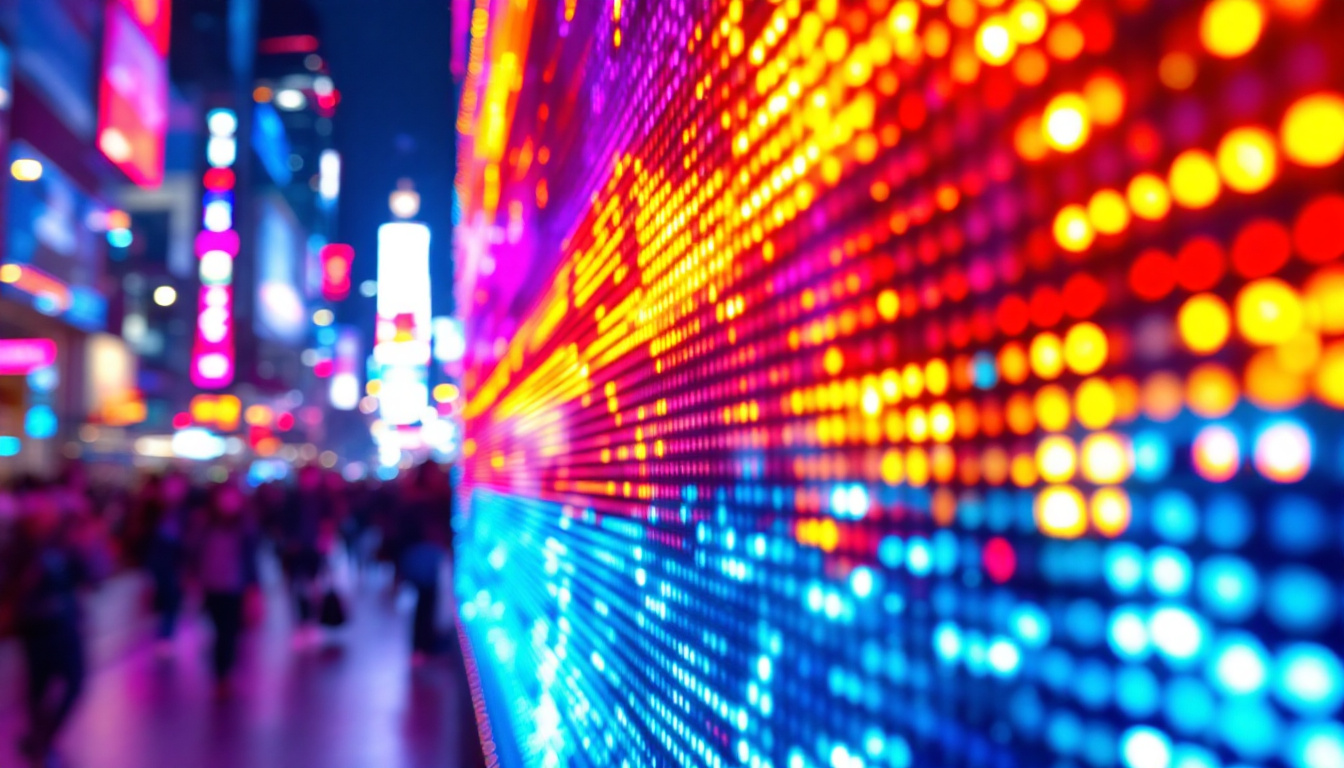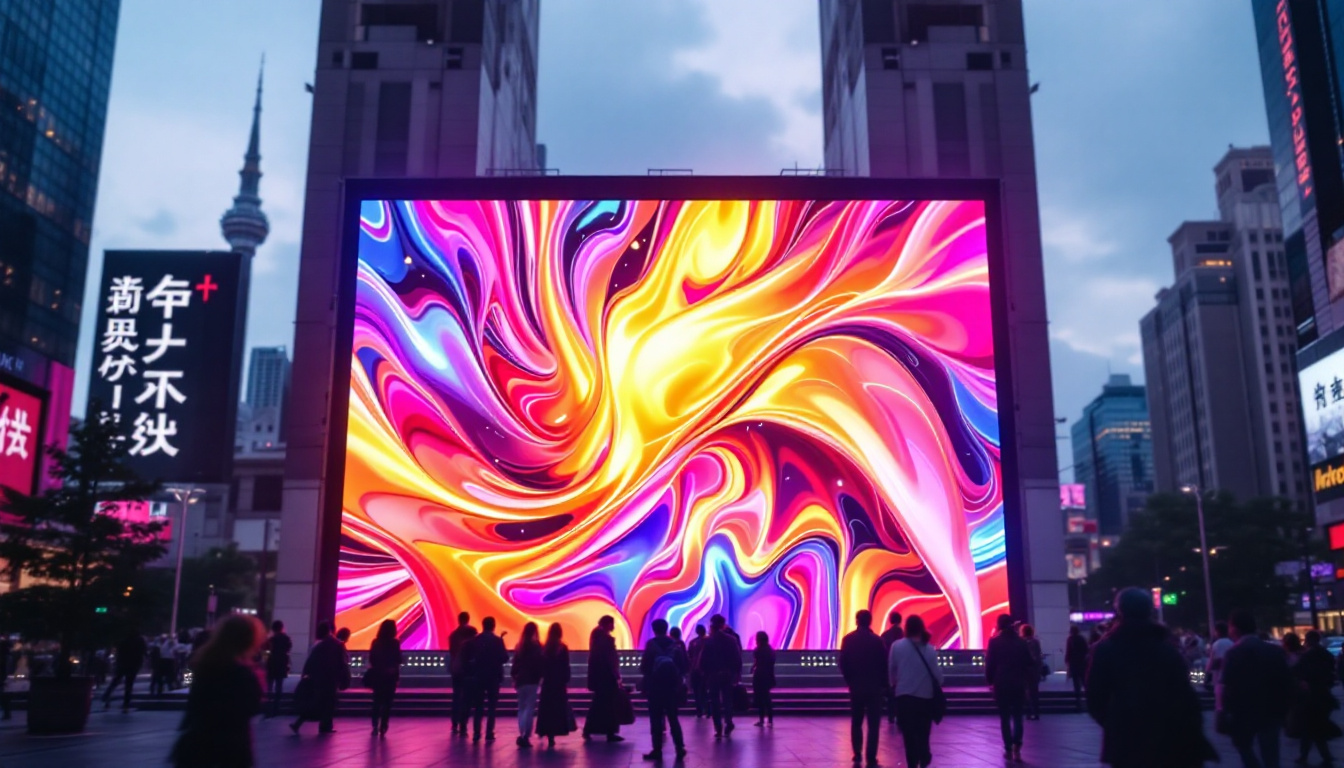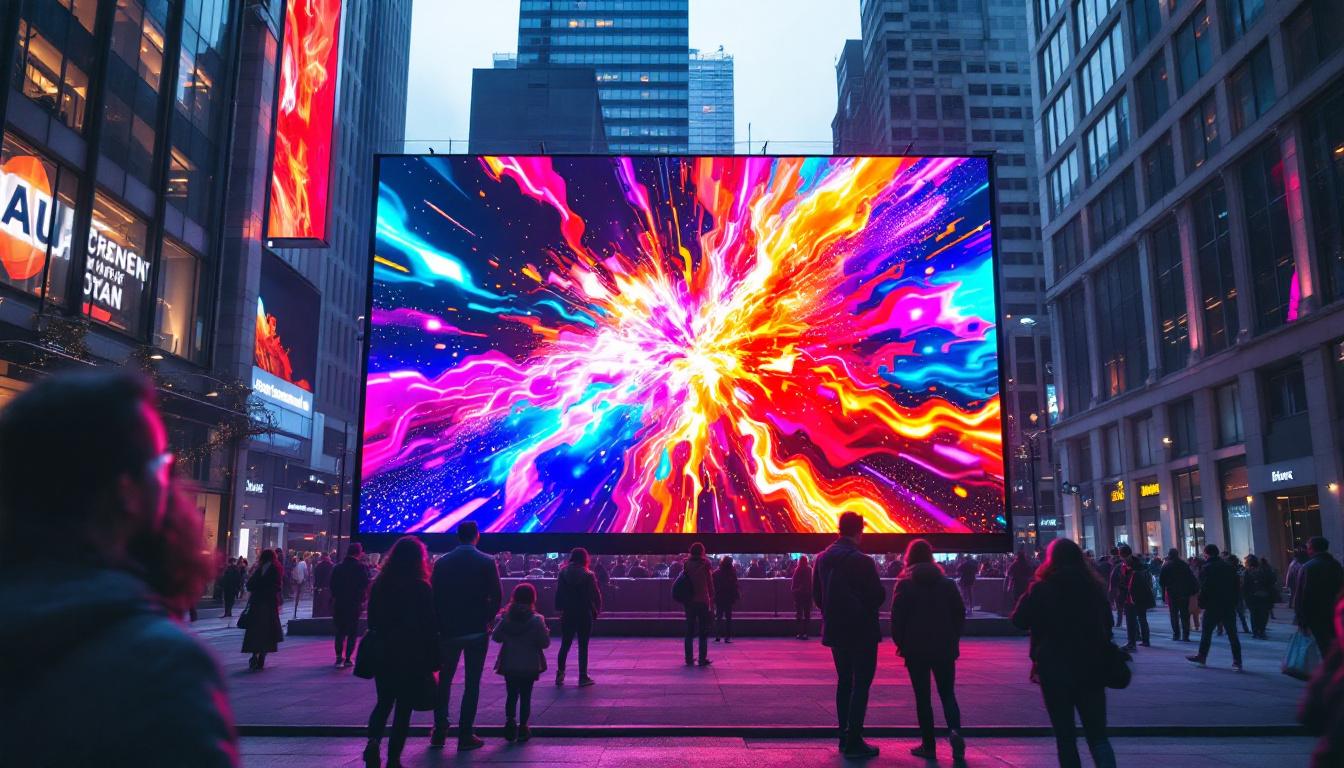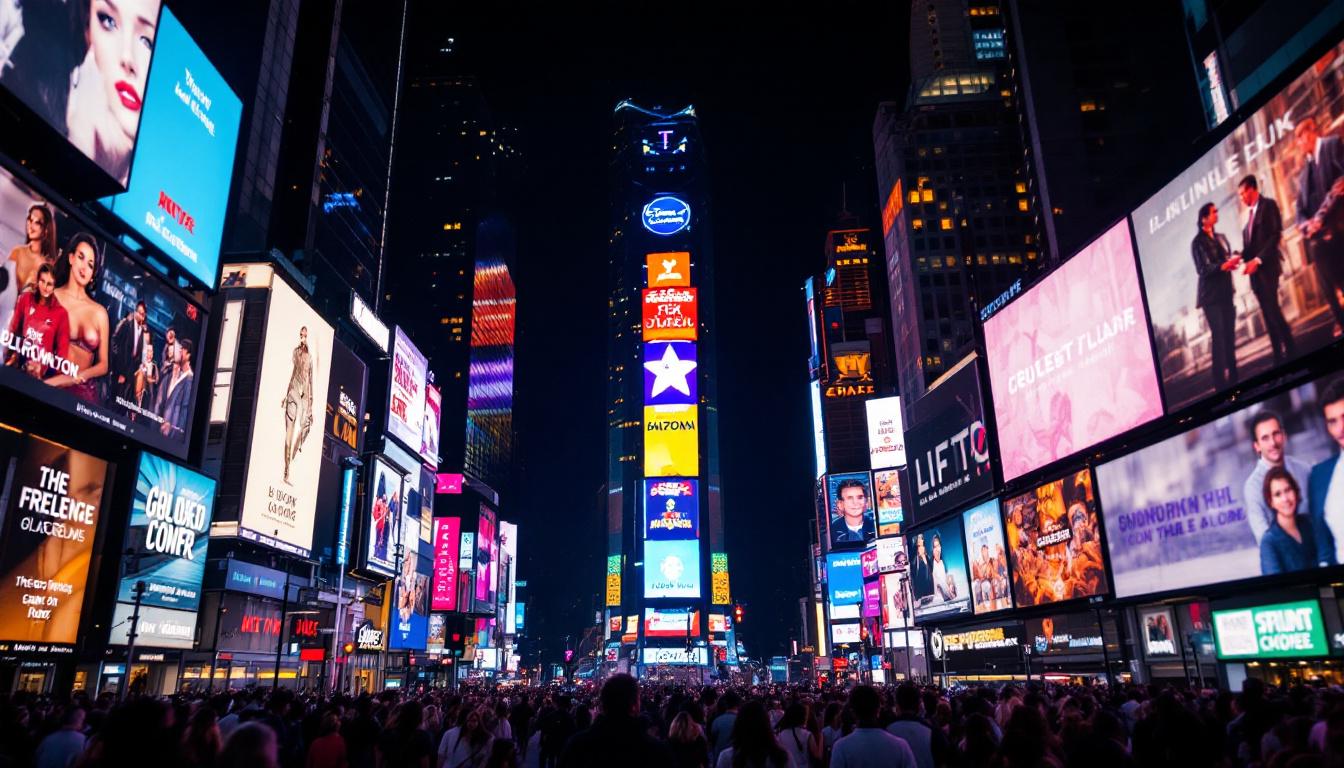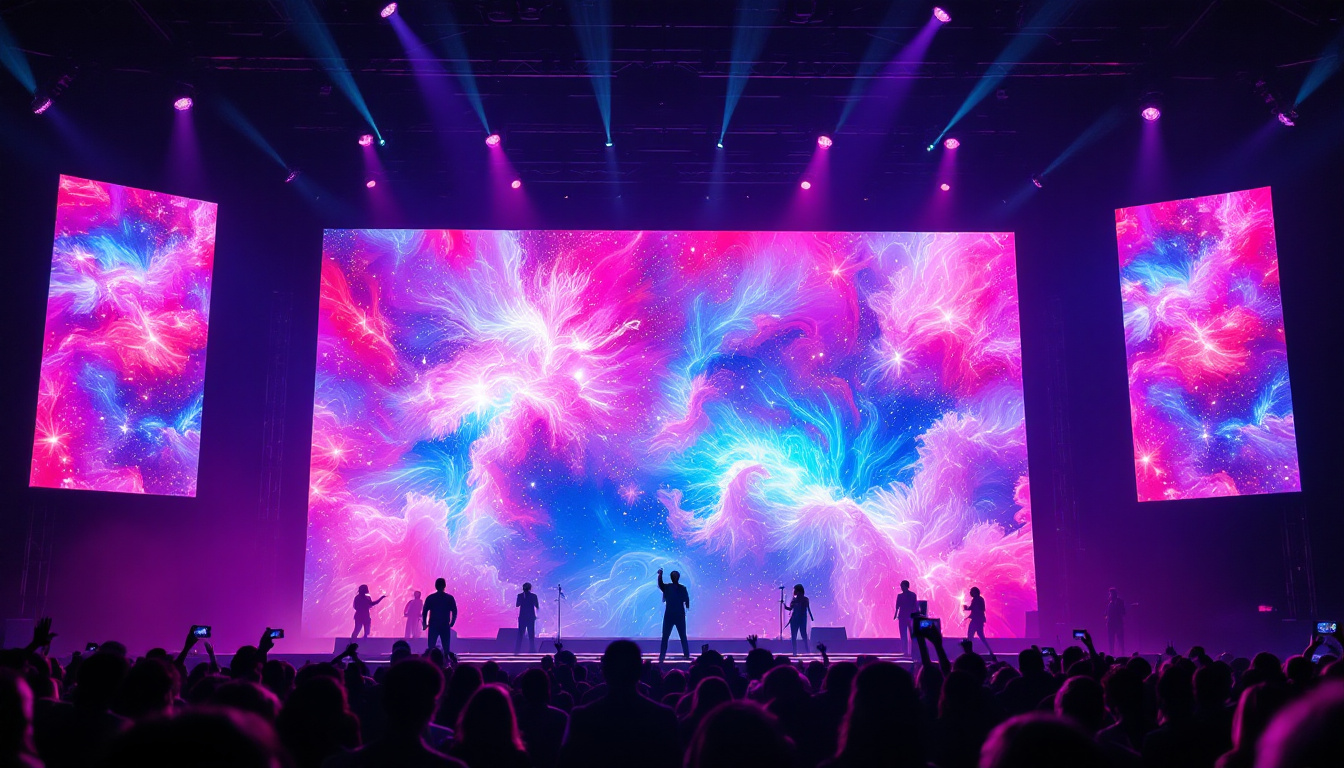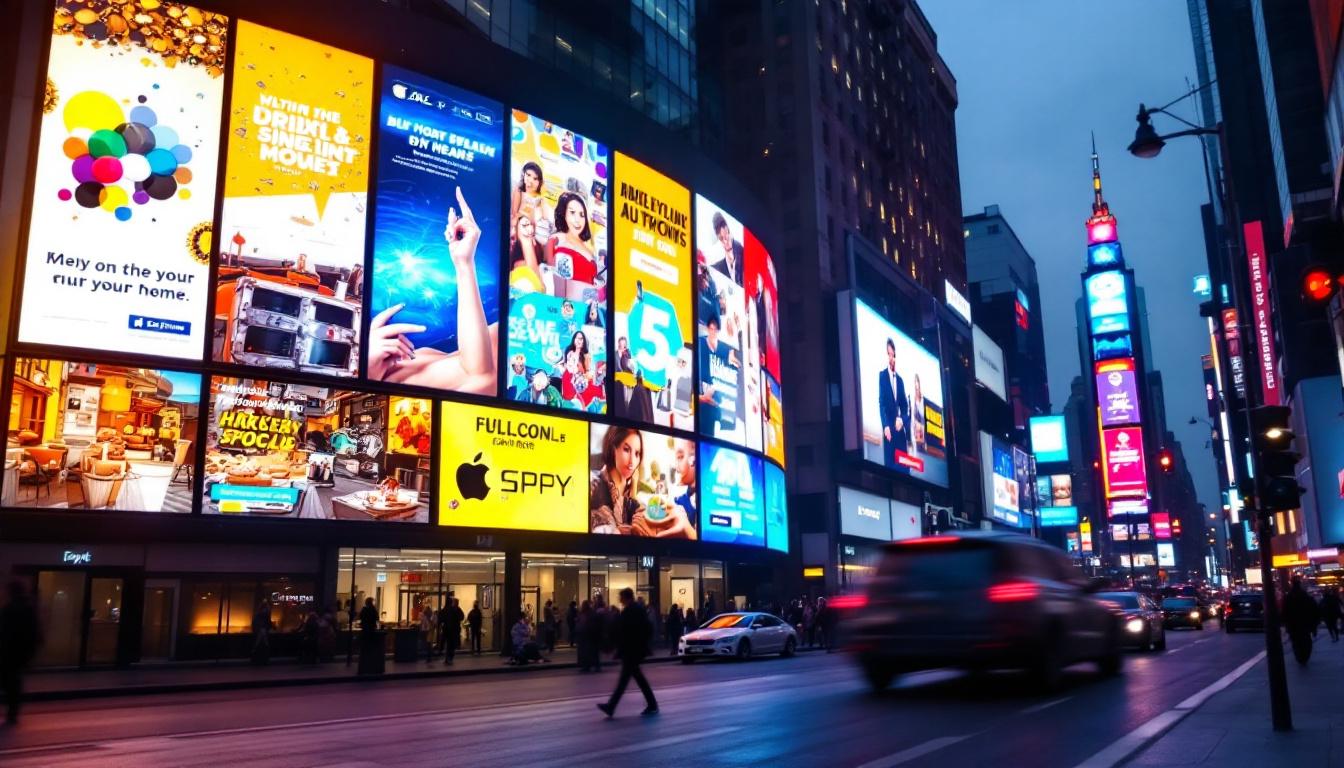
In today’s fast-paced digital world, businesses are constantly seeking innovative ways to capture attention, convey messages, and enhance customer experiences. One technology that has revolutionized visual communication across various industries is the commercial LED display. From towering billboards in Times Square to dynamic retail signage and immersive event backdrops, LED displays have become a cornerstone of modern advertising and information dissemination.
This article delves into the world of commercial LED displays, exploring their technology, benefits, applications, and future trends. Whether you are a business owner considering a digital signage upgrade or a marketing professional aiming to understand the latest display technologies, this comprehensive guide will provide valuable insights.
Understanding LED Display Technology
What Is an LED Display?
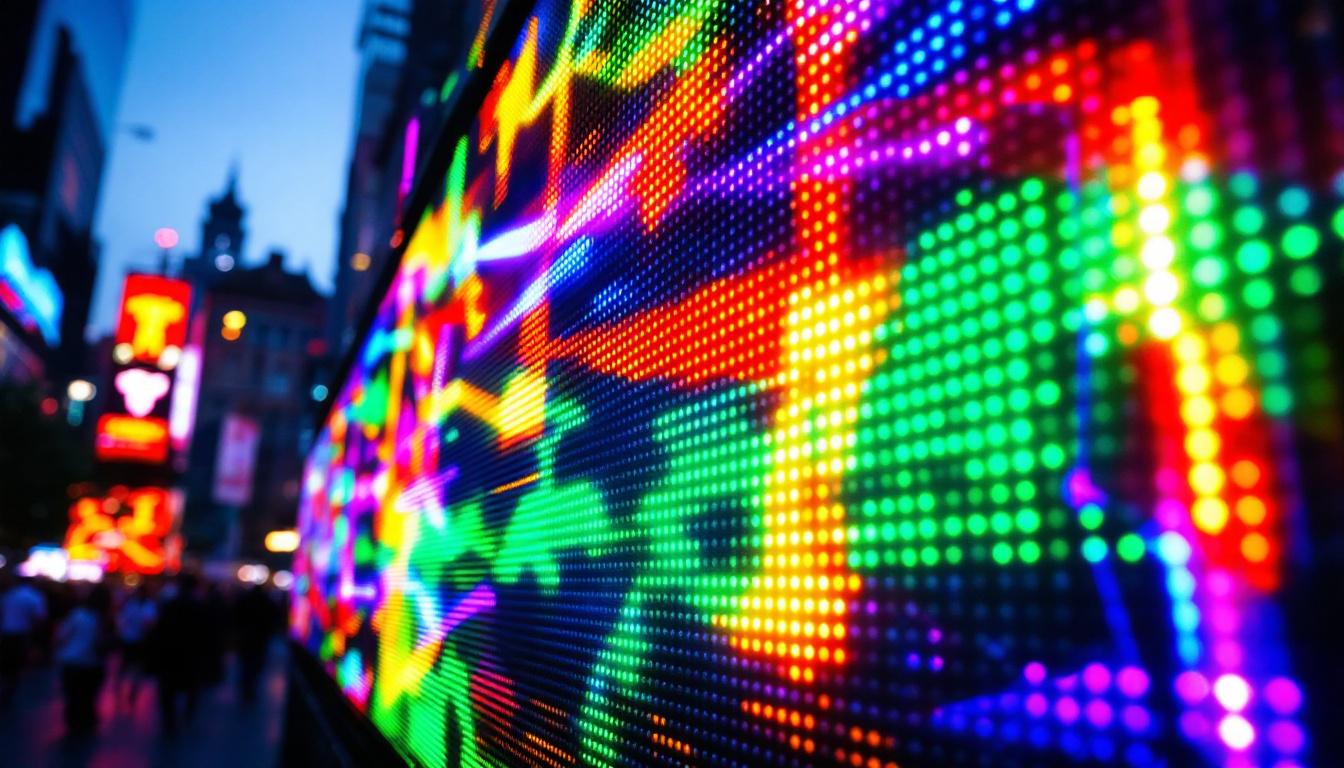
LED stands for Light Emitting Diode, a semiconductor device that emits light when an electric current passes through it. An LED display is composed of numerous tiny LEDs arranged in a matrix to form images, text, or video. These displays can vary in size from small indoor panels to massive outdoor screens spanning several meters. The versatility in size and configuration allows LED displays to be utilized in a multitude of settings, from intimate venues to grand stadiums, catering to diverse audience needs.
Unlike traditional LCD or projection displays, LED displays produce their own light, which results in higher brightness and better visibility even under direct sunlight. This self-illumination capability makes LED displays ideal for commercial environments where clarity and vibrancy are crucial. Moreover, the energy efficiency of LED technology contributes to lower operational costs, making it a sustainable choice for businesses looking to reduce their carbon footprint while still delivering high-quality visual experiences.
Types of LED Displays
Commercial LED displays come in several types, each suited for different applications:
- Indoor LED Displays: Designed for controlled lighting environments such as retail stores, airports, and conference rooms. These displays have a higher pixel density, offering sharper images and finer detail. Their ability to showcase vibrant colors and dynamic content makes them perfect for advertising and branding purposes.
- Outdoor LED Displays: Built to withstand harsh weather conditions and ambient light. They are brighter and more robust, commonly used for billboards, stadium screens, and public information boards. These displays often incorporate advanced technologies to enhance visibility, such as anti-glare coatings and weatherproof casings, ensuring that messages remain clear and impactful regardless of the environment.
- Transparent LED Displays: These innovative panels allow light to pass through, making them perfect for storefront windows and architectural installations without obstructing the view. This unique feature not only enhances the aesthetic of a space but also provides businesses with the opportunity to engage customers with eye-catching digital content while maintaining a sense of openness.
- Flexible and Curved LED Displays: Offering creative freedom, these displays can be bent or curved to fit unique spaces, enhancing aesthetic appeal in commercial settings. Their adaptability allows for imaginative installations that can transform ordinary environments into immersive experiences, captivating audiences in ways traditional displays cannot.
Key Components of an LED Display
Understanding the components helps appreciate the complexity and quality factors of LED displays:
- LED Modules: The basic building blocks containing multiple LEDs arranged in pixels. These modules can be easily replaced or upgraded, allowing for flexible maintenance and customization.
- Driver ICs: Integrated circuits that control the brightness and color of each LED pixel. Advanced driver technology enables precise color calibration, ensuring that the display maintains consistent quality across different viewing angles and lighting conditions.
- Control System: Hardware and software that manage content playback, synchronization, and display settings. This system is crucial for real-time updates and can integrate with various content management platforms, allowing users to schedule and modify displays effortlessly.
- Power Supply: Ensures consistent and reliable power delivery to the LEDs. High-quality power supplies are essential for maintaining performance and longevity, as fluctuations in power can lead to reduced display quality and lifespan.
- Cabinet or Frame: The physical structure housing the modules, designed for durability and ease of maintenance. These cabinets often feature modular designs that facilitate quick assembly and disassembly, making installation and repairs more efficient.
In addition to these core components, LED displays often incorporate advanced features such as built-in sensors for ambient light adjustment, enabling the display to automatically optimize brightness based on surrounding conditions. This not only enhances visibility but also contributes to energy savings. Furthermore, many modern LED displays are equipped with connectivity options, allowing for seamless integration with various digital signage solutions, ensuring that content can be updated remotely and in real-time. As technology continues to evolve, the capabilities of LED displays are expanding, paving the way for even more innovative applications across different industries.
Benefits of Commercial LED Displays
Exceptional Visual Impact
One of the primary reasons businesses invest in LED displays is their unmatched visual impact. With brightness levels often exceeding 5,000 nits for outdoor screens, LED displays remain visible in direct sunlight, unlike many other display technologies. The vibrant colors and high contrast ratios make content more engaging and memorable.
For instance, retail chains using LED displays report up to a 30% increase in customer engagement and foot traffic, thanks to dynamic and eye-catching visuals that static signs cannot match.
Energy Efficiency and Longevity
Modern LED displays are designed with energy efficiency in mind. Compared to traditional neon or incandescent signage, LEDs consume significantly less power, reducing operational costs. Additionally, LEDs have a long lifespan, often exceeding 100,000 hours, which translates to years of reliable service with minimal maintenance.
This durability is particularly important for outdoor installations where accessibility for repairs can be challenging and costly.
Flexibility and Customization
LED displays offer unparalleled flexibility in terms of size, shape, and content. Businesses can customize displays to fit specific spaces, whether it’s a curved wall in a shopping mall or a giant billboard alongside a highway. Content can be updated remotely and in real-time, allowing for timely promotions, emergency alerts, or interactive experiences.
Cost-Effectiveness Over Time
While the initial investment in LED displays may be higher than traditional signage, the long-term benefits often justify the cost. Reduced energy consumption, lower maintenance requirements, and the ability to update content without printing new materials contribute to a favorable return on investment (ROI).
According to a 2023 industry report, businesses that transitioned from static to LED digital signage saw an average ROI increase of 25% within the first two years.
Applications of Commercial LED Displays
Advertising and Marketing
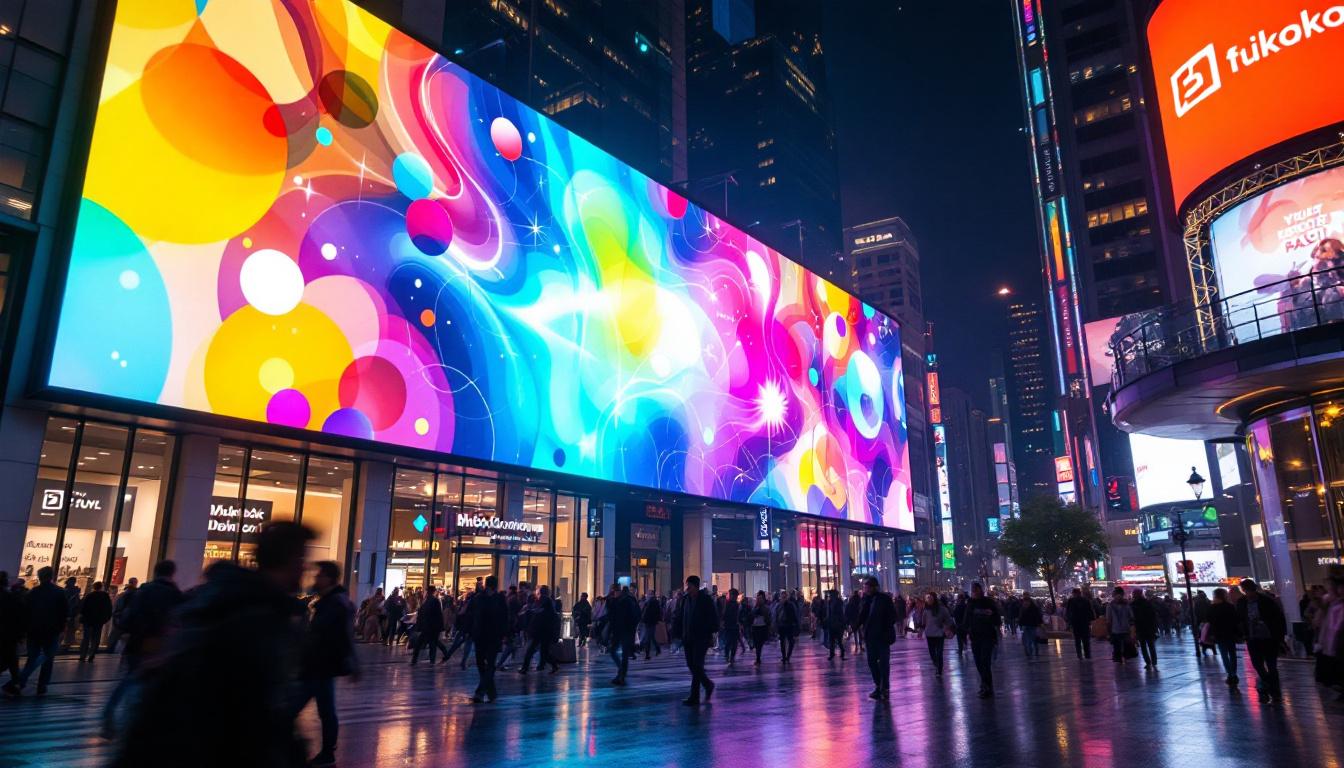
Advertising remains the most prominent application for commercial LED displays. High-traffic locations such as city centers, shopping malls, and sports arenas utilize LED billboards and video walls to broadcast advertisements that captivate large audiences. The ability to display dynamic content enables advertisers to tailor messages based on time of day, audience demographics, or special events.
For example, a global beverage brand launched an interactive LED campaign in major cities, resulting in a 40% uplift in brand engagement compared to traditional static ads.
Retail and Hospitality
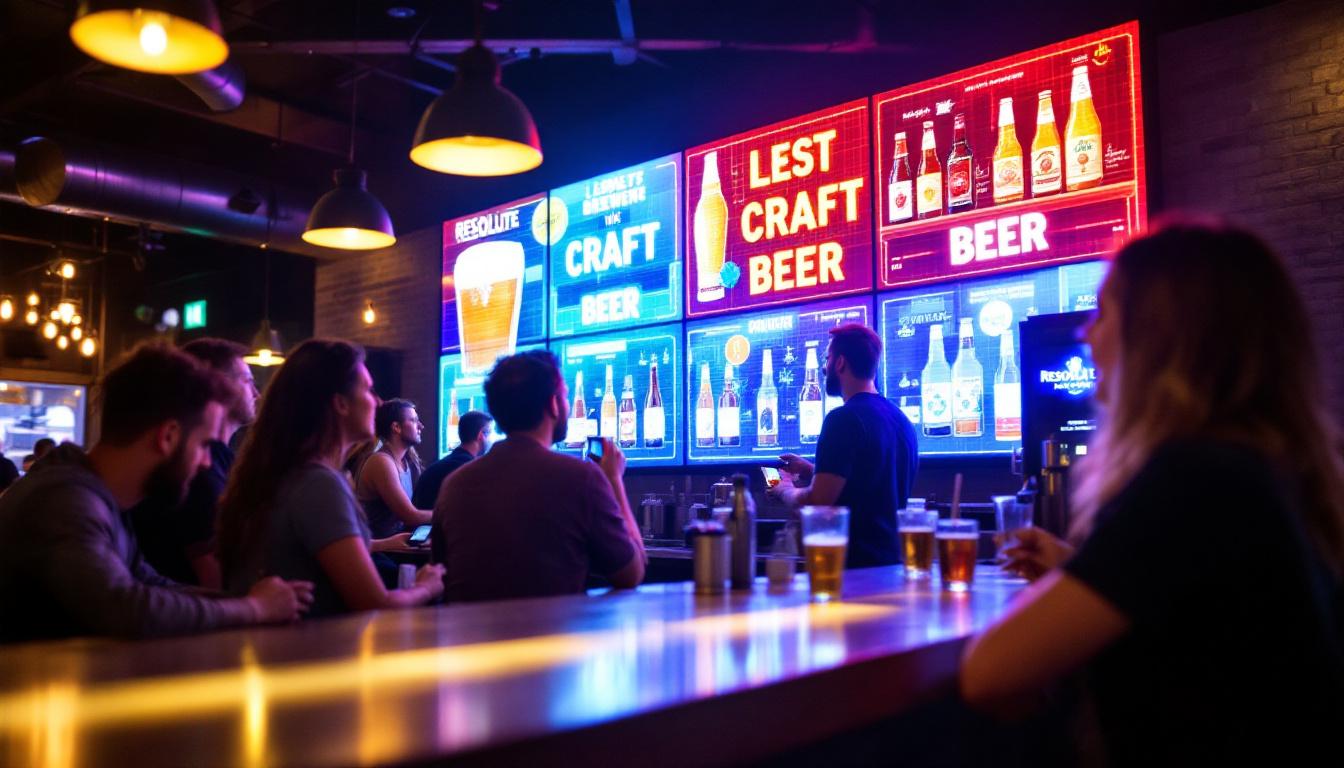
In retail environments, LED displays enhance the shopping experience by showcasing promotions, product information, and brand storytelling. Hotels and restaurants use LED signage for wayfinding, menu boards, and event announcements, creating a modern and welcoming atmosphere.
Moreover, transparent LED displays in storefront windows allow retailers to attract passersby without compromising natural light or visibility inside the store.
Transportation and Public Spaces
Airports, train stations, and bus terminals rely on LED displays for real-time information such as arrivals, departures, and safety messages. Outdoor LED screens in public spaces also serve as platforms for community announcements, cultural events, and emergency alerts.
Sports and Entertainment Venues
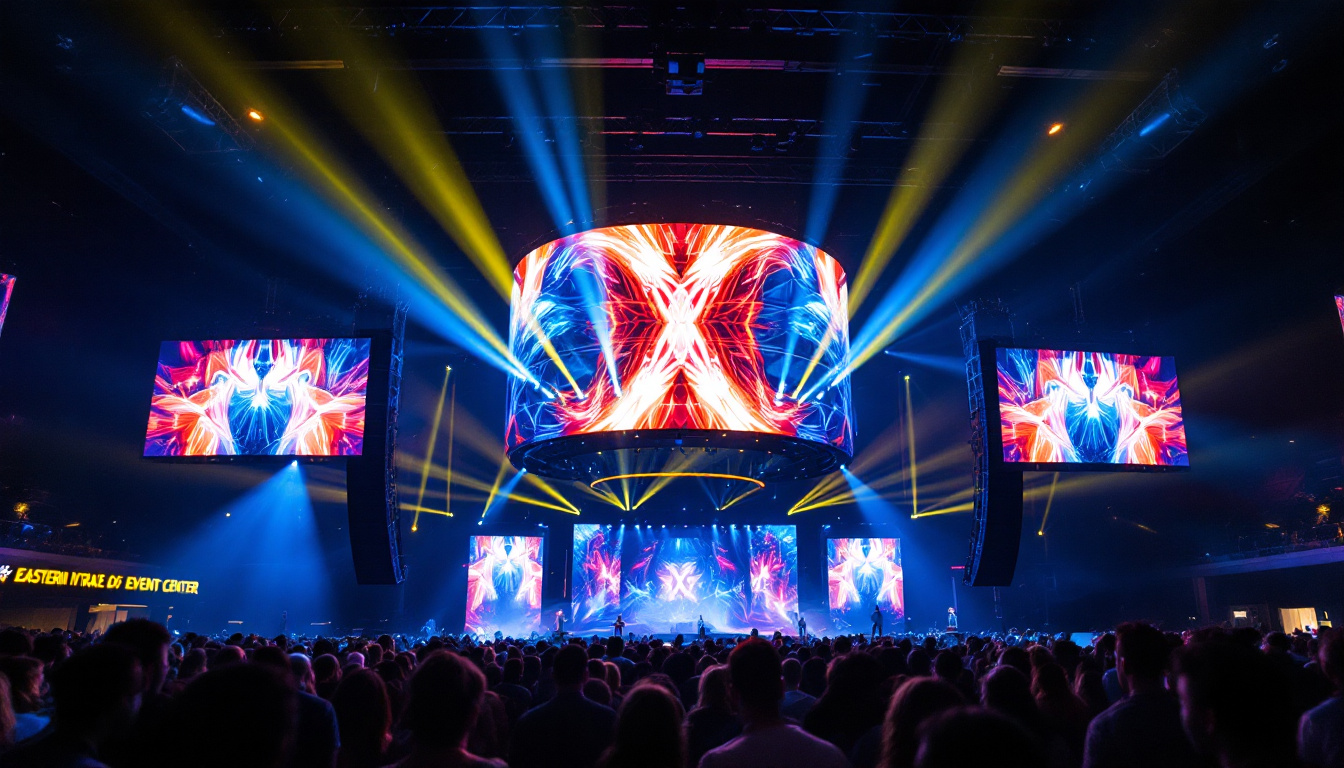
Sports arenas and concert venues use large-scale LED displays to provide spectators with close-up views, replays, and interactive content. These displays contribute to the overall event experience, making it more immersive and engaging.
Choosing the Right LED Display for Your Business
Assessing Your Needs
Before investing in an LED display, it’s essential to evaluate your specific requirements:
- Location: Is the display for indoor or outdoor use? This affects brightness, weatherproofing, and durability considerations.
- Viewing Distance: Pixel pitch (the distance between LED pixels) should be chosen based on how far viewers will be from the screen. Smaller pixel pitch means higher resolution but higher cost.
- Content Type: Will you display static images, videos, or interactive content? This impacts the control system and software needed.
- Budget: Consider both upfront costs and ongoing expenses such as maintenance and electricity.
Pixel Pitch and Resolution
Pixel pitch is a critical factor in LED display quality. For indoor displays viewed up close, pixel pitches can be as small as 1.2mm, delivering crisp visuals. Outdoor displays usually have larger pixel pitches (4mm to 10mm or more) since they are viewed from greater distances.
Choosing the right pixel pitch ensures content is clear and legible without overspending on unnecessary resolution.
Brightness and Weather Resistance
Outdoor LED displays require high brightness levels (typically 5,000 to 8,000 nits) to remain visible in daylight. They also need to be weatherproof, with ratings such as IP65 or higher to protect against dust and water.
Indoor displays generally have lower brightness requirements (around 800 to 1,200 nits) but must offer excellent color accuracy and viewing angles.
Installation and Maintenance
Consider the complexity of installation, especially for large or curved displays. Modular designs facilitate easier assembly and maintenance. Additionally, ensure that the vendor provides reliable technical support and warranty coverage.
Future Trends in Commercial LED Displays
MicroLED and MiniLED Technologies
Emerging technologies like MicroLED and MiniLED promise even higher brightness, better contrast, and improved energy efficiency. MicroLEDs, in particular, offer pixel-level control without organic materials, leading to longer lifespans and superior color performance.
Interactive and Smart Displays
The integration of touch sensors, cameras, and AI-driven analytics is transforming LED displays into interactive platforms. Businesses can engage customers with personalized content, real-time feedback, and enhanced interactivity, creating memorable experiences.
Eco-Friendly Innovations
As sustainability becomes a priority, manufacturers are focusing on eco-friendly materials, recyclable components, and energy-saving features. Solar-powered LED displays and intelligent brightness adjustment systems are examples of green innovations gaining traction.
Conclusion
Commercial LED displays have become indispensable tools for businesses seeking to communicate effectively and captivate audiences. Their superior brightness, flexibility, and durability make them suitable for a wide range of applications, from advertising and retail to transportation and entertainment.
By understanding the technology, benefits, and considerations involved, businesses can make informed decisions and leverage LED displays to enhance brand visibility, improve customer engagement, and achieve a strong return on investment. As LED technology continues to evolve, the possibilities for creative and impactful commercial displays are virtually limitless.
Illuminate Your Business with LumenMatrix
Ready to elevate your brand’s presence and captivate your audience with unparalleled visual experiences? LumenMatrix is at the forefront of LED display innovation, offering a diverse range of solutions tailored to your unique needs. From Indoor and Outdoor LED Wall Displays to specialized options like Vehicle, Sports, and Floor LED Displays, our mission is to transform your visual communication with clarity and impact. Don’t miss the opportunity to revolutionize your advertising and engagement strategies. Check out LumenMatrix LED Display Solutions today and step into the future of digital signage.