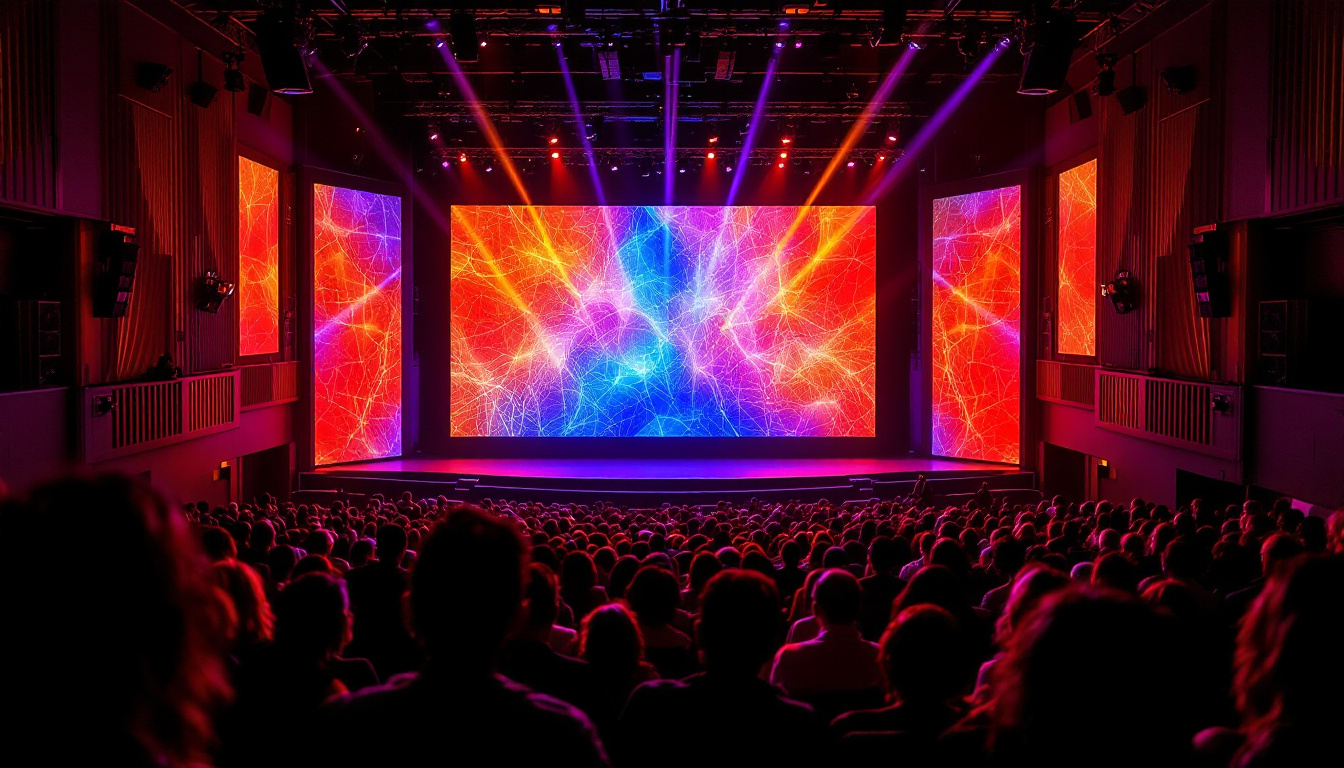
In the world of modern display technology, terms like LED and LCD are often used interchangeably, yet they refer to distinct components and technologies. Understanding the evolution from LED to LCD displays—and how these technologies work together—provides valuable insight into the screens that dominate our daily lives, from smartphones and televisions to digital signage and computer monitors.
The Evolution of Display Technology
The journey from early display technologies to today’s sophisticated LED-backlit LCD screens is marked by continuous innovation aimed at improving image quality, energy efficiency, and design flexibility. Initially, display devices relied on cathode ray tubes (CRTs), which were bulky and power-hungry. The advent of liquid crystal display (LCD) technology in the late 20th century revolutionized the industry by enabling thinner, lighter, and more energy-efficient screens.
However, early LCDs required a backlight to illuminate the liquid crystals, which themselves do not emit light. Initially, cold cathode fluorescent lamps (CCFLs) were used as backlights, but these had limitations in terms of brightness, energy consumption, and environmental impact. The introduction of light-emitting diodes (LEDs) as backlighting sources marked a significant leap forward, combining the advantages of LCD technology with the efficiency and versatility of LEDs.
As LED technology continued to evolve, manufacturers began to explore various configurations, such as edge-lit and direct-lit displays, which allowed for even thinner designs without sacrificing image quality. Edge-lit displays, in particular, gained popularity in consumer electronics due to their sleek profiles, making them ideal for modern aesthetics in televisions and monitors. Meanwhile, direct-lit displays provided more uniform brightness across the screen, enhancing the viewing experience for users who demanded high-quality visuals for gaming and professional applications.
In recent years, the emergence of organic light-emitting diodes (OLEDs) has further transformed the landscape of display technology. Unlike traditional LCDs, OLEDs do not require a backlight, as each pixel emits its own light. This capability allows for deeper blacks, vibrant colors, and wider viewing angles, making OLED displays a favorite among photographers, videographers, and gamers alike. Additionally, advancements in flexible OLED technology have opened up new possibilities for curved and foldable screens, pushing the boundaries of how we interact with digital content. As we look to the future, the integration of augmented reality (AR) and virtual reality (VR) technologies promises to usher in yet another wave of innovation, fundamentally altering our relationship with display devices.
Understanding LCD Technology
What is an LCD?
Liquid Crystal Display (LCD) technology uses liquid crystals that modulate light to produce images. These crystals do not emit light themselves; instead, they control the passage of light from a backlight source. By applying varying electrical currents to the crystals, the display can control the intensity and color of each pixel, creating the images we see on the screen.
LCD panels consist of several layers, including polarizing filters, glass substrates, liquid crystal molecules, and color filters. When the backlight shines through, the liquid crystals twist and untwist to allow specific amounts of light to pass through, forming the desired image. This intricate process is what enables LCDs to display vibrant colors and sharp images, making them a popular choice for everything from smartphones to large television screens. The efficiency of LCD technology has also led to its widespread adoption in various applications, including digital signage, computer monitors, and portable devices.
Types of LCD Panels
There are several types of LCD panels, each with unique characteristics impacting viewing angles, color accuracy, and response times:
- Twisted Nematic (TN): Known for fast response times and affordability but limited viewing angles and color reproduction.
- In-Plane Switching (IPS): Offers superior color accuracy and wide viewing angles, favored in professional and consumer displays.
- Vertical Alignment (VA): Provides high contrast ratios and deeper blacks, often used in televisions and monitors aimed at multimedia consumption.
In addition to these common types, there are also variations such as Advanced Fringe Field Switching (AFFS) and Super In-Plane Switching (S-IPS), which aim to enhance the performance of standard IPS panels. These advanced technologies improve color reproduction and reduce response times, making them suitable for high-end applications like graphic design and gaming. Furthermore, the ongoing evolution of LCD technology has led to innovations such as LED backlighting, which enhances brightness and energy efficiency, and Quantum Dot technology, which expands the color gamut for even more vibrant displays. As manufacturers continue to refine these technologies, the capabilities of LCD panels are expected to grow, providing users with ever more immersive viewing experiences.
The Role of LED in LCD Displays
LED as a Backlight Source
While LCD panels manipulate light, they require a backlight to make images visible. Light-emitting diodes (LEDs) serve as this backlight in modern LCD displays, replacing older CCFL technology. LEDs offer numerous advantages, including lower power consumption, longer lifespan, and the ability to produce brighter and more evenly distributed light.
LED backlighting can be implemented in two primary ways:
- Edge-Lit LED: LEDs are placed around the edges of the screen, and light is guided across the display using light guides. This design allows for thinner panels but can sometimes result in uneven brightness.
- Direct-Lit or Full-Array LED: LEDs are distributed evenly behind the entire screen, enabling more uniform illumination and advanced features like local dimming, which enhances contrast by dimming specific screen areas.
Why LED Backlighting Matters
The switch to LED backlighting has been transformative for LCD displays. LEDs consume significantly less power—up to 40% less compared to CCFLs—making devices more energy-efficient and environmentally friendly. Additionally, LED backlights can achieve higher brightness levels and better color reproduction, critical for high-definition content and HDR (High Dynamic Range) displays.
Moreover, the advancements in LED technology have led to the development of various types of LEDs, such as Quantum Dot LEDs, which further enhance color accuracy and vibrancy. These innovations allow manufacturers to create displays that not only meet but exceed consumer expectations for visual performance. The ability to produce a wider color gamut means that viewers can experience more lifelike images, making LED-backlit LCDs particularly appealing for photographers, graphic designers, and film enthusiasts who require precise color representation.
In addition to improved visuals, the longevity of LED backlighting also plays a crucial role in the overall lifespan of LCD displays. Unlike CCFLs, which tend to dim over time, LEDs maintain their brightness for a much longer period, ensuring that the display remains vibrant and usable for years. This durability translates to lower replacement costs and less electronic waste, aligning with the growing consumer demand for sustainable technology solutions. As manufacturers continue to innovate, the integration of LED technology into LCD displays is likely to evolve, leading to even more impressive advancements in display quality and energy efficiency.
Common Misconceptions: LED vs. OLED
One of the most frequent sources of confusion in display technology is the distinction between LED and OLED. While LED refers to the backlighting technology used in LCDs, OLED (Organic Light Emitting Diode) is a fundamentally different technology where each pixel emits its own light.
OLED displays do not require a backlight, allowing for deeper blacks, thinner panels, and better contrast ratios. However, OLEDs tend to be more expensive and can suffer from issues like burn-in over time. LED-backlit LCDs remain dominant in many applications due to their cost-effectiveness and mature manufacturing processes.
Applications of LED-Backlit LCDs
Consumer Electronics
LED-backlit LCDs are ubiquitous in consumer electronics, including smartphones, laptops, tablets, and televisions. Their balance of performance, cost, and energy efficiency makes them the preferred choice for mass-market devices. For example, the latest 4K and 8K televisions often use full-array LED backlighting with local dimming to deliver stunning picture quality at affordable prices.
Digital Signage and Outdoor Displays
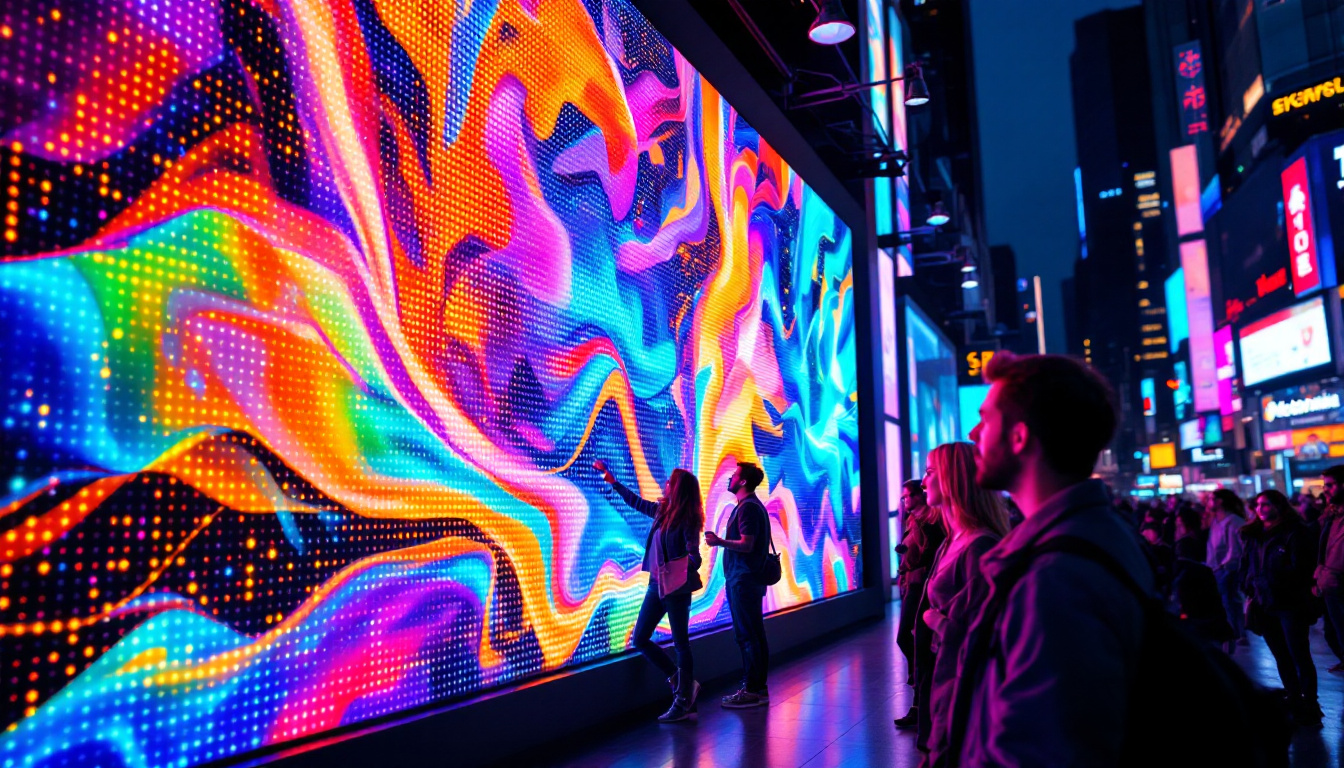
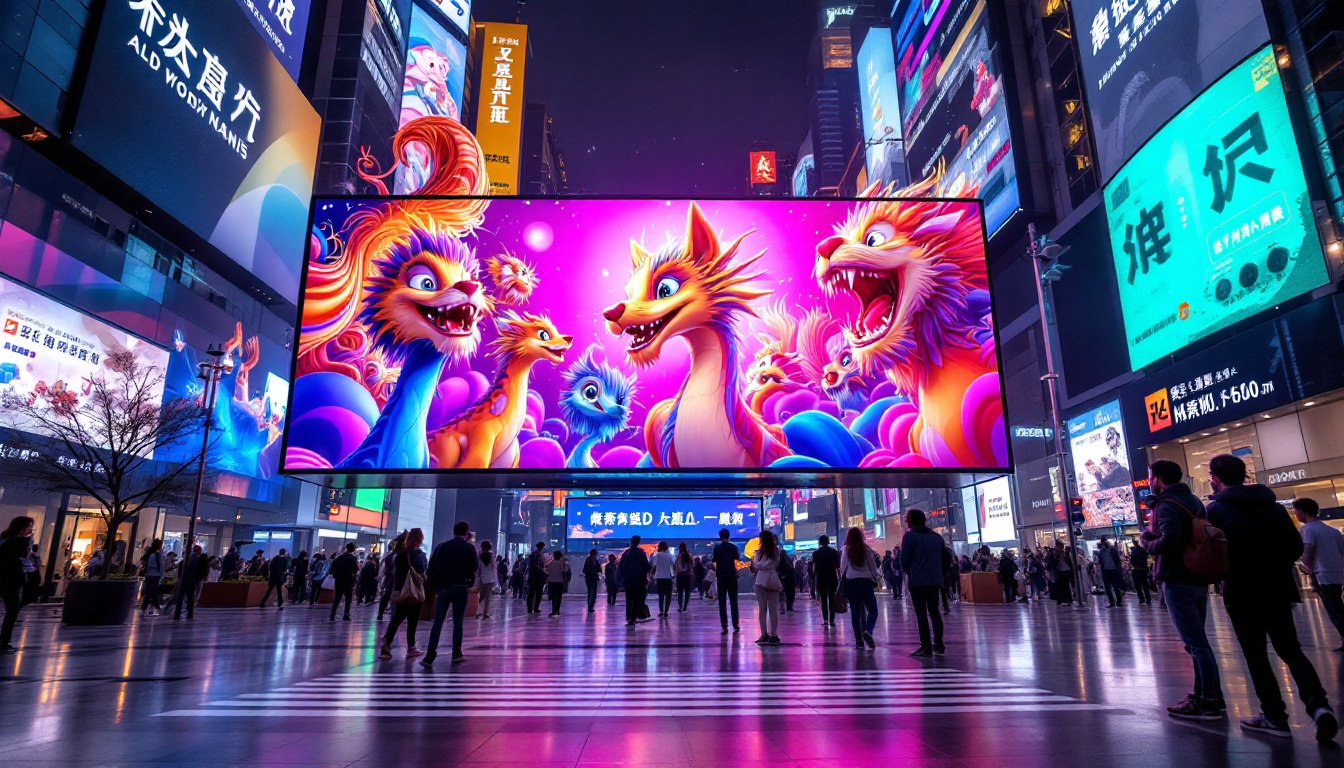
In digital signage, LED-backlit LCDs provide bright, clear images that remain visible even in challenging lighting conditions. Their durability and energy efficiency make them suitable for outdoor advertising, transportation hubs, and retail environments. Advances in LED technology have also enabled larger screen sizes and flexible designs, expanding creative possibilities.
Professional and Industrial Use
Industries such as medical imaging, aerospace, and manufacturing rely on LED-backlit LCDs for their high resolution and color accuracy. The ability to customize backlighting and panel types allows these displays to meet stringent requirements for clarity and reliability in critical applications.
Future Trends in LED and LCD Technologies
The display industry continues to evolve rapidly, with ongoing research focused on enhancing LED and LCD performance. Innovations such as mini-LED and micro-LED technologies are pushing the boundaries of what LED-backlit LCDs can achieve.
Mini-LED and Micro-LED Backlighting
Mini-LED technology uses thousands of tiny LEDs as backlights, allowing for even more precise local dimming and improved contrast. This technology is already being integrated into premium monitors and televisions, delivering near-OLED levels of picture quality with the benefits of LCD durability.
Micro-LED, on the other hand, represents a hybrid between LED and OLED, where microscopic LEDs serve as individual pixels. Though still in early stages and costly, micro-LED promises exceptional brightness, contrast, and energy efficiency without the burn-in risks associated with OLED.
Quantum Dot Enhancements
Quantum dot technology, often combined with LED-backlit LCDs, enhances color accuracy and brightness by using semiconductor nanocrystals that emit precise wavelengths of light. Quantum dot displays have become popular in high-end TVs, offering vibrant colors and improved energy efficiency.
Conclusion: The Synergy of LED and LCD
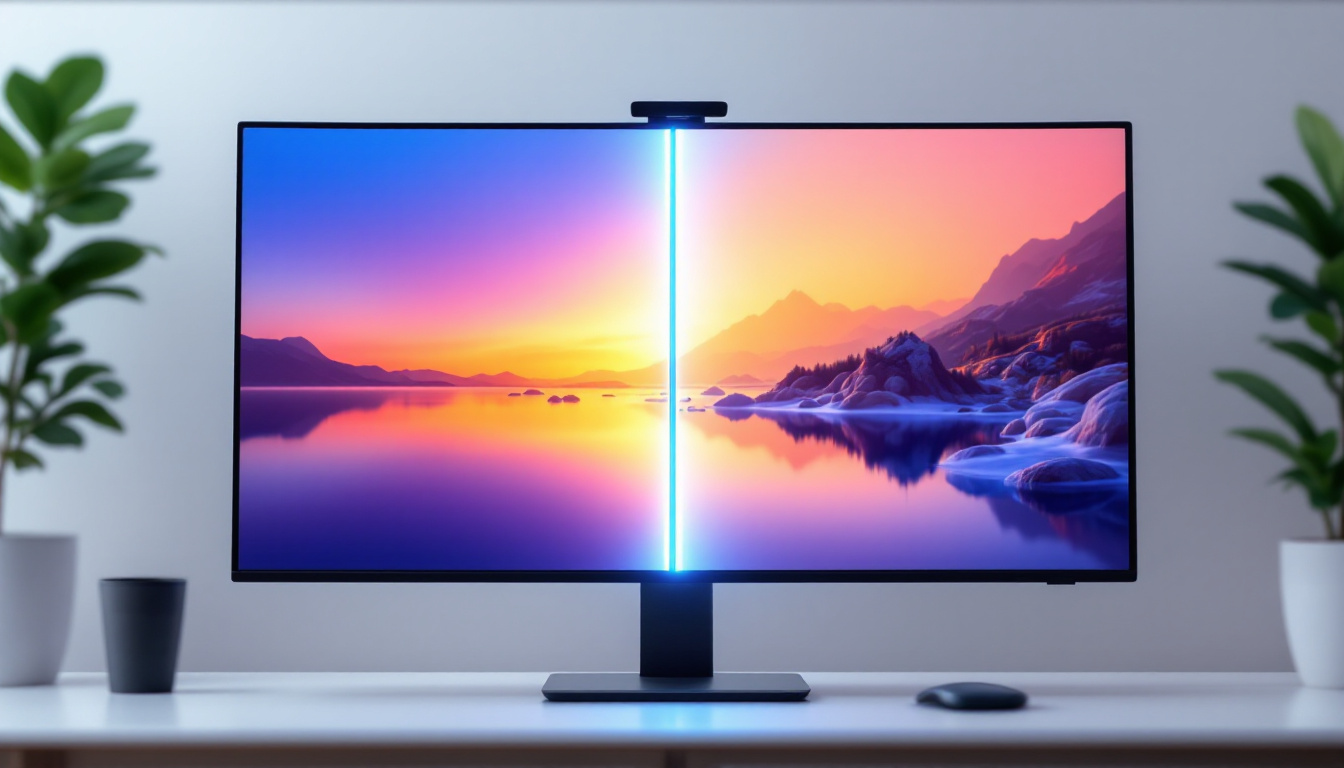
The phrase “LED display” often refers to LED-backlit LCD screens, a technology that has become the standard in modern displays. By combining the light modulation capabilities of liquid crystals with the efficient illumination of LEDs, manufacturers have created displays that are brighter, more energy-efficient, and capable of delivering stunning image quality.
Understanding the distinctions and interplay between LED and LCD technologies helps consumers and professionals alike make informed decisions when selecting displays for their needs. As advancements like mini-LED, micro-LED, and quantum dots continue to emerge, the future of LED-backlit LCDs looks brighter than ever.
Discover the Future of Visual Display with LumenMatrix
As you’ve explored the synergy between LED and LCD technologies, it’s clear that the future of display is bright and innovative. LumenMatrix stands at the forefront of this evolution, committed to revolutionizing visual communication with our comprehensive range of LED display solutions. From captivating Indoor LED Walls to dynamic Outdoor Displays and beyond, our mission is to enhance engagement and empower your message. Ready to transform your visual experience? Check out LumenMatrix LED Display Solutions and join the visual revolution.