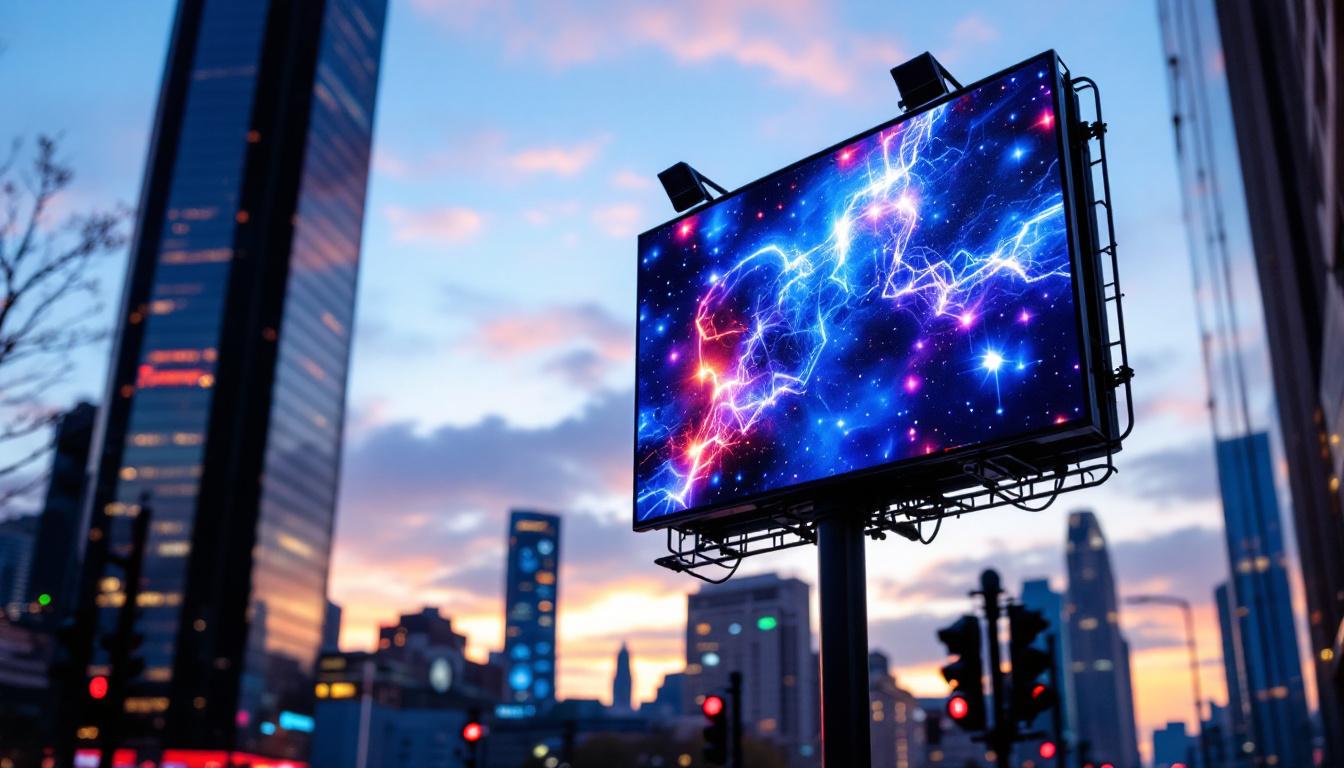
In today’s fast-paced world, the demand for dynamic, eye-catching communication tools has never been higher. LED matrix signs have emerged as a leading technology in advertising, public information, and entertainment sectors. These versatile displays combine advanced LED technology with programmable control systems to deliver vibrant, customizable messages that capture attention and convey information effectively.
This article delves into the fundamentals of LED matrix signs, exploring how they work, their applications, benefits, and considerations for choosing the right display. Whether you are a business owner, event organizer, or technology enthusiast, understanding LED matrix displays can help you leverage this powerful medium to its full potential.
What Is an LED Matrix Sign?
An LED matrix sign is a type of electronic display composed of a grid (or matrix) of light-emitting diodes (LEDs) arranged in rows and columns. Each LED in the matrix can be individually controlled to turn on or off, or vary in brightness and color, allowing the display to present text, images, animations, or videos.
The matrix structure enables high flexibility in displaying content. Unlike traditional static signs, LED matrix signs are programmable and can be updated in real-time, making them ideal for dynamic messaging. The size of the matrix can vary widely, from small handheld devices to massive outdoor billboards spanning several meters. This versatility makes LED matrix signs suitable for a variety of applications, including advertising, public information displays, and artistic installations, where the ability to change content frequently is crucial for engagement.
How LED Matrix Displays Work
The core of an LED matrix sign is the LED panel itself. Each LED acts as a pixel, and by controlling these pixels, the system creates the desired visual output. The control system typically includes a microcontroller or computer that sends signals to the LEDs based on the programmed content. This process allows for intricate designs and animations that can capture the attention of passersby, making LED matrix signs an effective tool for communication in busy environments.
There are two common types of LED matrices: monochrome and full-color. Monochrome displays use LEDs of a single color, often red or amber, and are widely used for simple text or numeric displays. Full-color matrices use red, green, and blue LEDs combined in each pixel, enabling millions of color combinations to produce rich images and videos. The advancement in technology has also led to improvements in resolution and brightness, allowing for clearer and more vibrant displays that can be seen even in direct sunlight.
Technical Components Behind LED Matrix Signs
Besides the LED panel, several components contribute to the functionality of an LED matrix sign:
- Driver Circuits: These regulate the power supplied to each LED and control the on/off states and brightness.
- Controller Boards: They receive input from the content source and translate it into signals for the driver circuits.
- Software Interface: User-friendly software allows operators to design, schedule, and update content remotely, often via Wi-Fi or Ethernet.
- Power Supply: A stable power source ensures consistent brightness and longevity of the LEDs.
In addition to these essential components, LED matrix signs often feature advanced technologies such as sensors that can adjust brightness based on ambient light conditions, ensuring optimal visibility at all times. Some models are equipped with built-in cameras or microphones, allowing for interactive features that engage audiences in real-time. This interactivity can enhance user experience, making the displays not only informative but also entertaining. Furthermore, the integration of cloud-based systems allows for centralized management of multiple signs across different locations, streamlining operations for businesses and organizations that rely on timely and effective communication.
Applications of LED Matrix Signs
The versatility of LED matrix signs has led to their adoption across various industries and environments. Their ability to display clear, bright, and changeable content makes them invaluable in multiple contexts.
Advertising and Retail
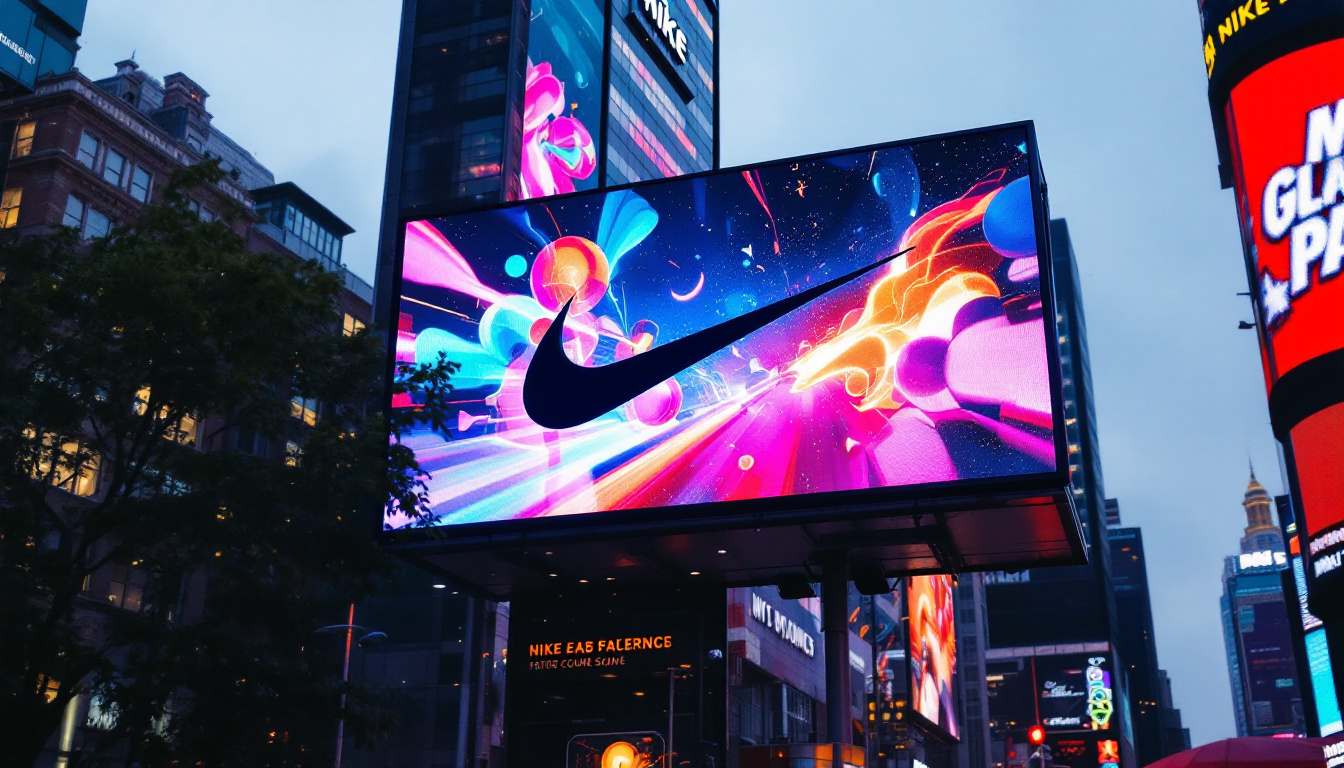
One of the most common uses of LED matrix signs is in advertising. Retailers and businesses use these signs to promote sales, new products, or brand messages. Their bright displays attract customers even in challenging lighting conditions, such as nighttime or inclement weather.
For example, a convenience store might use a red monochrome LED matrix sign to display fuel prices and promotional offers, updating them in real-time to reflect market changes. Larger retail chains often deploy full-color LED matrices for animated advertisements that enhance brand engagement.
Transportation and Public Information
LED matrix signs play a crucial role in transportation hubs such as airports, train stations, and bus terminals. They provide real-time updates on schedules, delays, and safety information. The high visibility and legibility of these signs help passengers navigate complex environments efficiently.
Additionally, roadways utilize LED matrix signs for traffic management and safety alerts. Variable message signs (VMS) warn drivers about accidents, speed limits, or road closures, contributing to safer and smoother traffic flow.
Sports and Entertainment Venues
Sports arenas and concert venues often incorporate large LED matrix displays to enhance the spectator experience. These signs show scores, player statistics, instant replays, and interactive content, keeping audiences engaged throughout events.
Moreover, outdoor festivals and public celebrations use LED matrix signs to display schedules, announcements, and sponsor messages, improving event coordination and audience communication.
Benefits of LED Matrix Signs
Choosing LED matrix signs over traditional signage options offers several compelling advantages, making them a preferred choice for many organizations.
High Visibility and Brightness
LEDs are known for their intense brightness and clarity, which ensures that messages are visible from long distances and in various lighting conditions. This is particularly important for outdoor signage exposed to sunlight or adverse weather.
Modern LED matrix signs often feature adjustable brightness sensors that automatically adapt to ambient light, optimizing visibility while conserving energy.
Energy Efficiency and Longevity
Compared to incandescent or fluorescent lighting, LEDs consume significantly less power. This energy efficiency translates into lower operational costs, especially for large-scale or continuously operating signs.
Additionally, LEDs have a long lifespan, often exceeding 50,000 hours of operation. This durability reduces maintenance frequency and replacement costs, making LED matrix signs a cost-effective investment over time.
Dynamic Content and Flexibility
Unlike static signs, LED matrix displays can be programmed to show a wide range of content, including scrolling text, animations, videos, and real-time data feeds. This flexibility enables businesses to tailor messages for specific audiences or events instantly.
Remote content management capabilities allow operators to update messages from anywhere, facilitating timely communication without the need for physical intervention.
Customization and Scalability
LED matrix signs come in various sizes and resolutions, allowing customization to fit different spaces and requirements. Whether a small indoor display or a massive outdoor billboard, LED matrix technology scales effectively.
Furthermore, modular designs enable easy expansion or reconfiguration of displays, adapting to evolving business needs or technological advancements.
Key Considerations When Choosing an LED Matrix Sign
Selecting the right LED matrix sign involves evaluating several factors to ensure the display meets your specific needs and delivers optimal performance.
Resolution and Pixel Pitch
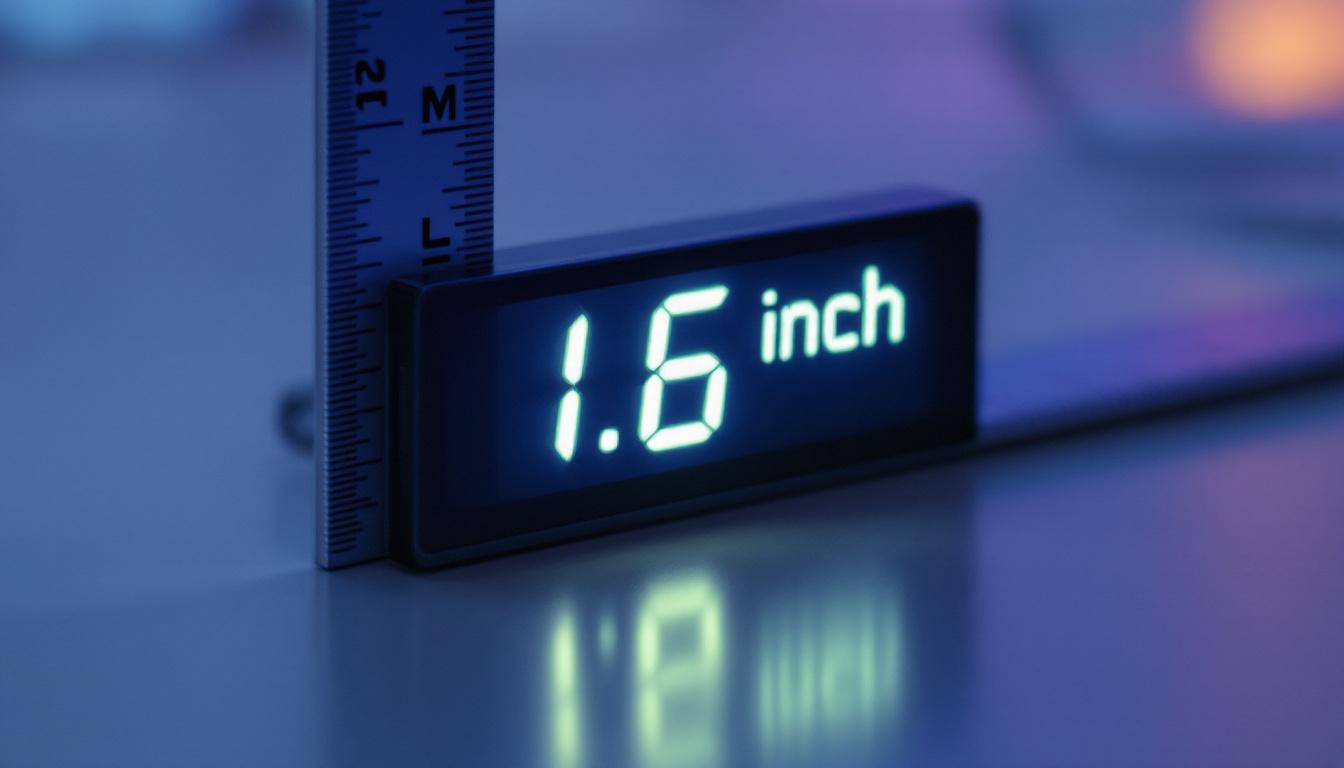
Resolution refers to the number of LEDs in the matrix, while pixel pitch is the distance between the centers of adjacent LEDs. A smaller pixel pitch means higher resolution and sharper images, which is essential for close viewing distances.
For example, indoor displays typically require pixel pitches between 1.5mm and 4mm for clear text and graphics, whereas outdoor signs can have larger pixel pitches (10mm or more) since they are viewed from greater distances.
Brightness and Viewing Angle
Brightness is measured in nits (candela per square meter). Outdoor LED matrix signs often require brightness levels exceeding 5,000 nits to remain visible in direct sunlight. Indoor signs can operate at lower brightness levels to reduce glare and power consumption.
Viewing angle determines how well the sign is seen from different positions. Wide viewing angles are critical for public spaces where audiences approach from multiple directions.
Durability and Weather Resistance
Outdoor LED matrix signs must withstand harsh environmental conditions, including rain, dust, temperature fluctuations, and UV exposure. Look for signs with appropriate IP (Ingress Protection) ratings, typically IP65 or higher for outdoor use.
Robust construction materials and protective coatings extend the lifespan of the display and reduce maintenance needs.
Control System and Software Features
The ease of content management depends heavily on the control system and software interface. Intuitive software with scheduling, remote access, and multi-user capabilities enhances operational efficiency.
Some advanced systems integrate with external data sources, enabling dynamic content such as weather updates, social media feeds, or stock prices.
Installation and Maintenance
Consider the complexity of installation, including mounting options, power supply requirements, and connectivity. Professional installation ensures optimal performance and safety.
Maintenance accessibility is also important. Modular panels that can be serviced individually reduce downtime and repair costs.
Future Trends in LED Matrix Sign Technology
The LED matrix sign industry continues to evolve rapidly, driven by technological innovation and changing market demands.
Higher Resolution and Miniaturization
Advances in LED manufacturing have enabled smaller pixel pitches and higher resolutions, making LED matrix signs suitable for applications previously dominated by LCD or OLED displays. This trend opens new possibilities for detailed graphics and video playback in compact form factors.
Integration with IoT and Smart Systems
Integration with Internet of Things (IoT) platforms allows LED matrix signs to become interactive and context-aware. For instance, signs can adjust content based on real-time environmental data, audience demographics, or user interactions via mobile devices.
Energy Harvesting and Sustainability
Emerging technologies focus on reducing the environmental impact of LED matrix signs. Solar-powered displays and energy-efficient components contribute to greener operations, aligning with corporate sustainability goals.
Augmented Reality and 3D Effects
Some cutting-edge LED matrix signs incorporate augmented reality (AR) elements or 3D visual effects to create immersive experiences. These innovations enhance engagement and differentiate brands in competitive markets.
Conclusion
LED matrix signs represent a powerful and flexible communication tool that combines vivid visual impact with dynamic content capabilities. Their widespread adoption across advertising, transportation, entertainment, and public information sectors underscores their effectiveness and versatility.
By understanding the technical aspects, applications, and key considerations involved in selecting an LED matrix sign, organizations can make informed decisions that maximize return on investment and enhance audience engagement. As technology continues to advance, LED matrix signs will remain at the forefront of digital display innovation, offering exciting opportunities for creative and impactful messaging.
Discover LumenMatrix’s Innovative LED Display Solutions
Ready to elevate your messaging with high-impact visual displays? LumenMatrix offers a comprehensive range of LED display solutions tailored to your unique needs. From captivating Indoor and Outdoor LED Wall Displays to dynamic Vehicle and Sports LED Displays, our cutting-edge technology ensures your brand stands out. Experience the future of visual communication with our Custom, All-in-One, and Transparent LED Displays. Don’t miss the opportunity to transform your space with LumenMatrix’s state-of-the-art LED modules. Check out LumenMatrix LED Display Solutions today and start creating unforgettable visual experiences.