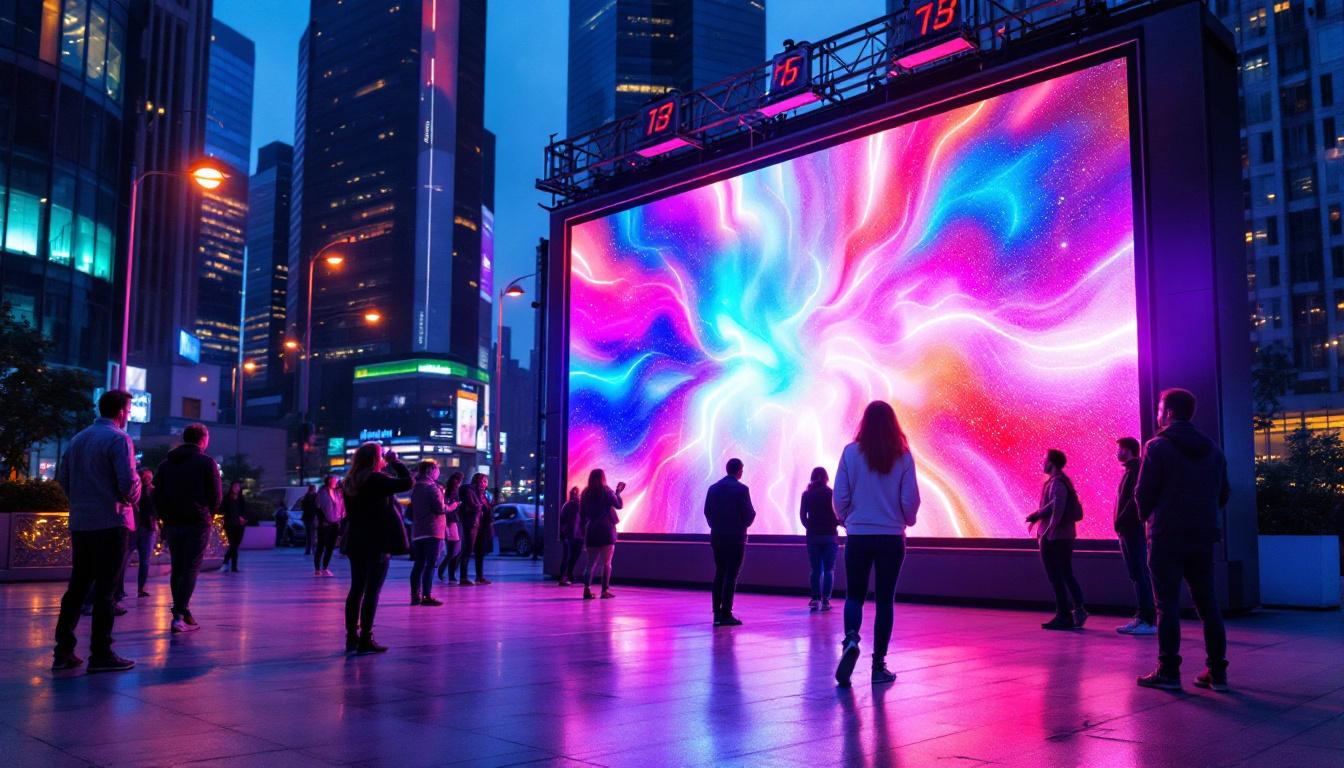
In today’s digital age, LED displays have become an integral part of visual communication, transforming everything from advertising billboards to stadium screens and even indoor digital signage. Their vibrant colors, energy efficiency, and versatility have made them the preferred choice for businesses and event organizers worldwide. But what exactly are LED displays, how do they work, and why have they become so dominant in the display technology landscape? This article delves deep into the world of LED displays, unpacking their technology, applications, benefits, and future trends.
Understanding LED Display Technology
What is an LED Display?
LED stands for Light Emitting Diode, a semiconductor device that emits light when an electric current passes through it. An LED display is essentially a flat panel or flexible surface composed of thousands to millions of these tiny LEDs arranged in a grid. Each LED acts as a single pixel or part of a pixel, producing light in specific colors to create images, videos, or text.
Unlike traditional LCD or plasma screens, LED displays generate their own light, eliminating the need for backlighting. This self-emissive property allows for higher contrast ratios, brighter images, and more vivid colors, which are particularly advantageous in outdoor and high-ambient-light environments.
Types of LED Displays
LED displays come in various forms, primarily categorized based on their design and application:
- Direct View LED (DV-LED): This is the most common LED display type, where LEDs are directly visible to the viewer. DV-LEDs are often used in large outdoor billboards, stadium screens, and concert backdrops.
- LED-backlit LCD: Here, LEDs serve as the backlight for an LCD panel. This type is prevalent in consumer electronics like TVs, monitors, and smartphones, offering better brightness and energy efficiency compared to older CCFL backlights.
- MicroLED: An emerging technology where microscopic LEDs form each pixel. MicroLED displays promise superior brightness, color accuracy, and longevity, potentially rivaling OLED technology in the near future.
How Do LED Displays Work?
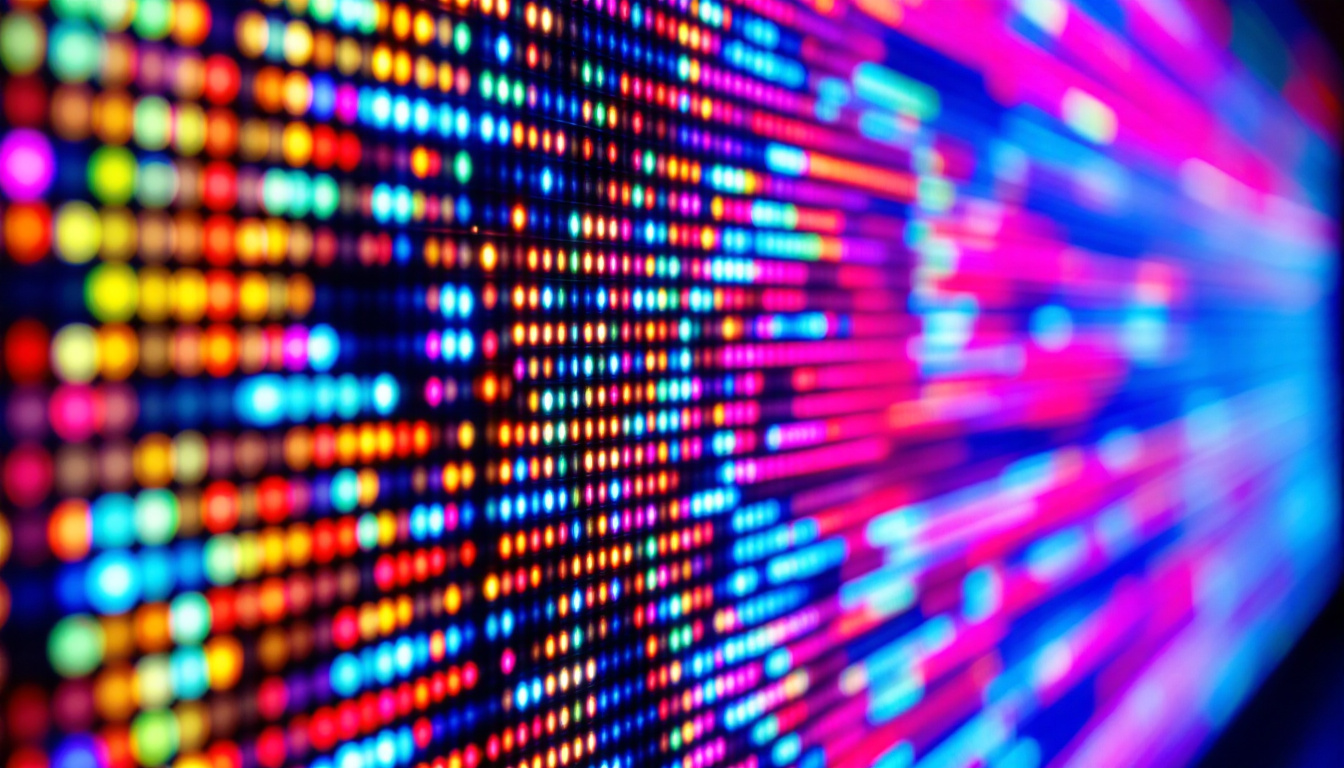
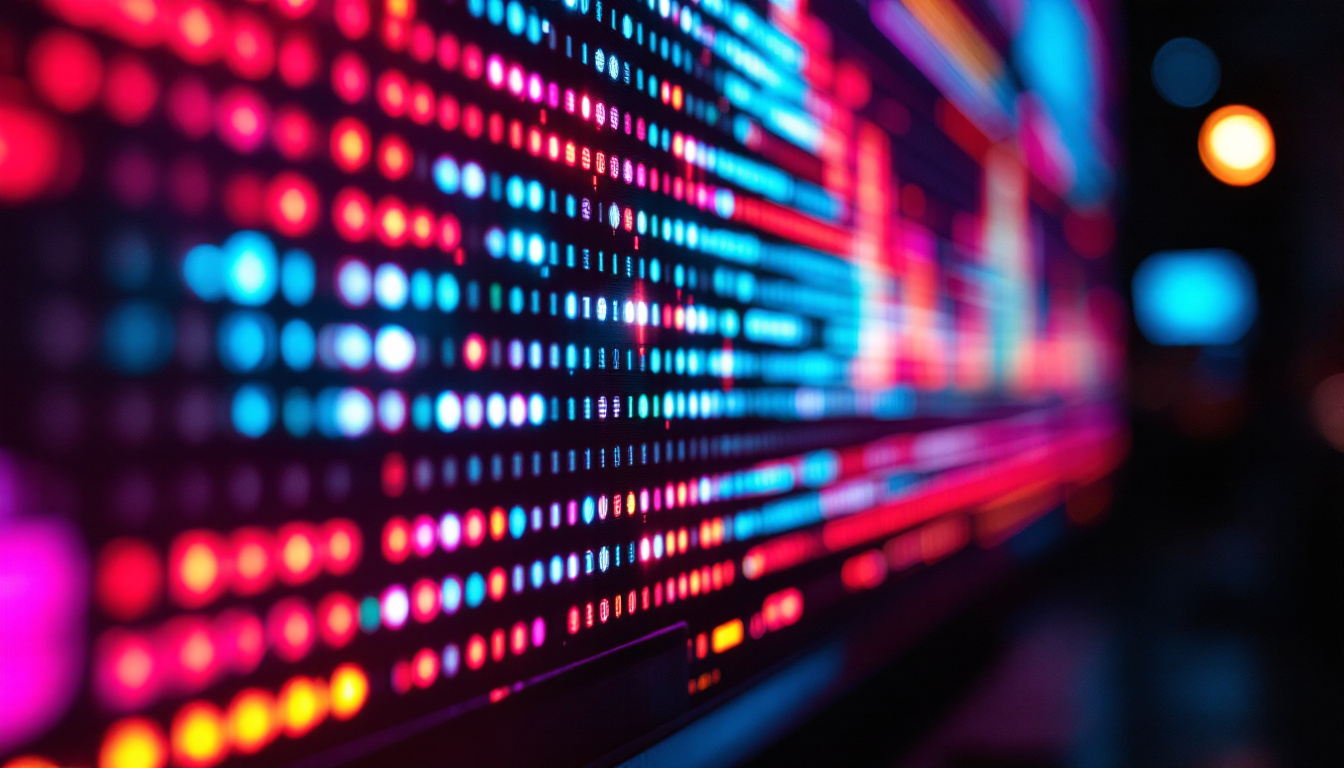
At the core of an LED display’s operation is the manipulation of individual LEDs to produce the desired image. Each pixel typically consists of three sub-pixels: red, green, and blue (RGB). By varying the intensity of these sub-pixels, the display can render millions of colors.
Control circuits send electrical signals to each LED, adjusting brightness and color in real-time. Advanced LED displays use sophisticated drivers and processors to ensure smooth video playback, accurate color representation, and synchronization across large panels.
Applications of LED Displays
Outdoor Advertising and Digital Billboards
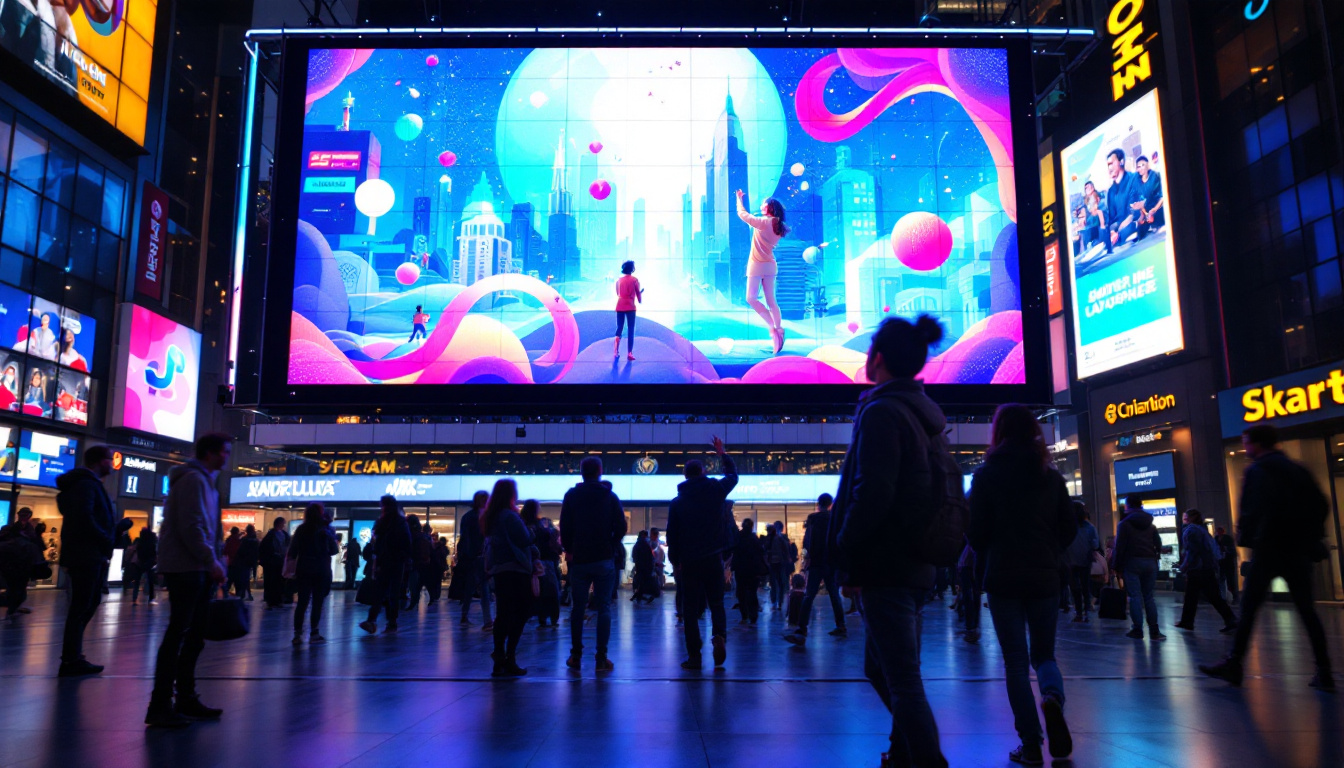
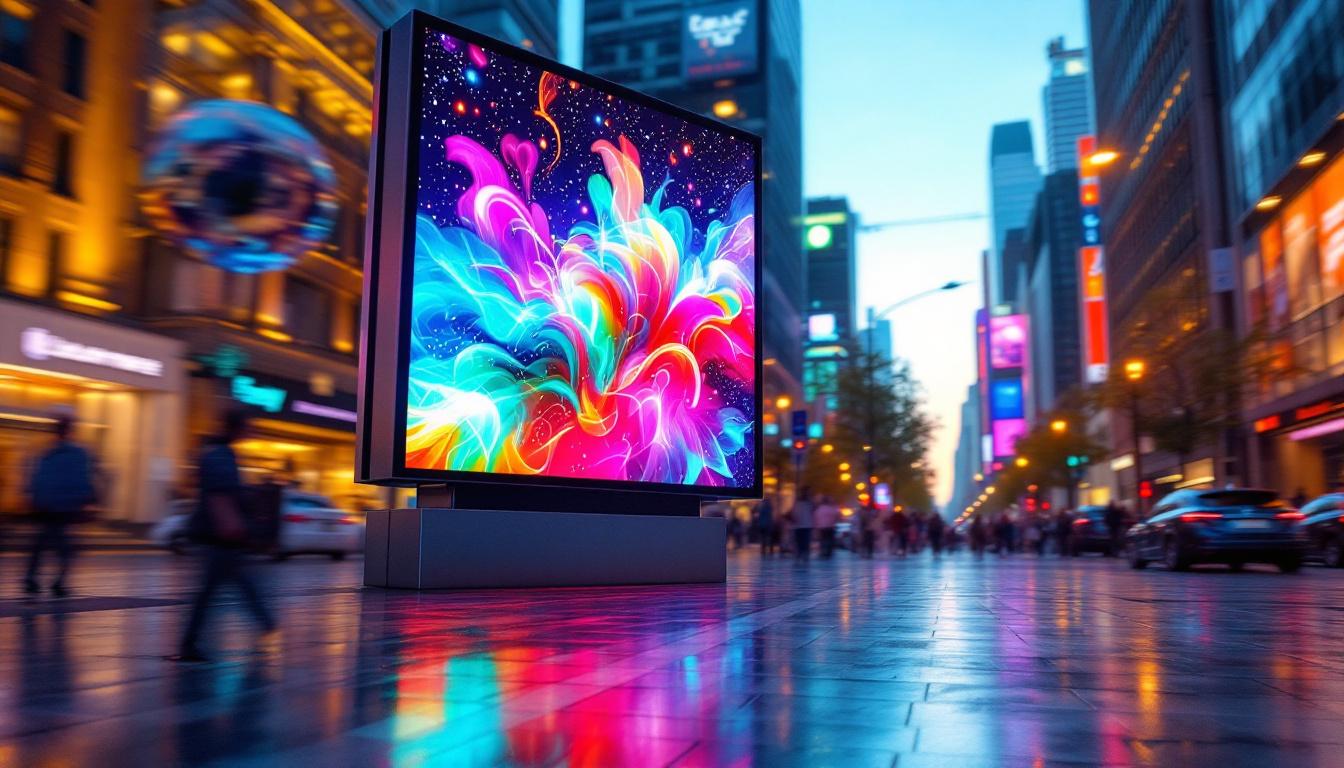
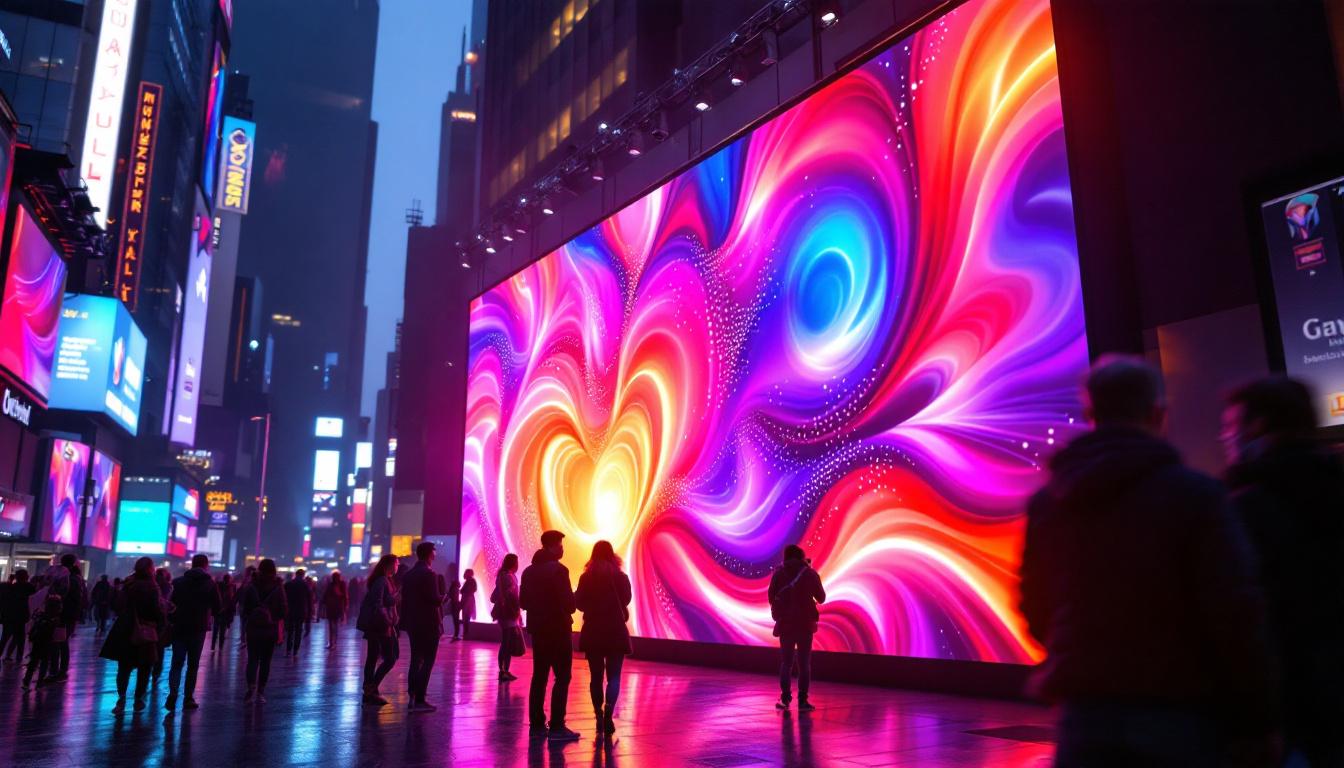
One of the most visible uses of LED displays is in outdoor advertising. LED billboards have revolutionized the marketing industry by enabling dynamic, eye-catching content that can be updated remotely and instantly. According to recent market reports, the global digital billboard market is expected to grow at a compound annual growth rate (CAGR) of over 15% through 2028, driven largely by LED technology advancements.
The brightness and durability of LED displays make them ideal for outdoor environments, where sunlight and weather conditions can challenge other display types. High refresh rates and wide viewing angles ensure that advertisements remain clear and vibrant regardless of the time of day or viewer position.
Sports and Entertainment Venues
LED displays have become a staple in stadiums and arenas, enhancing the fan experience with giant screens that show live action, replays, and interactive content. These displays can span hundreds of square meters, providing visibility to tens of thousands of spectators simultaneously.
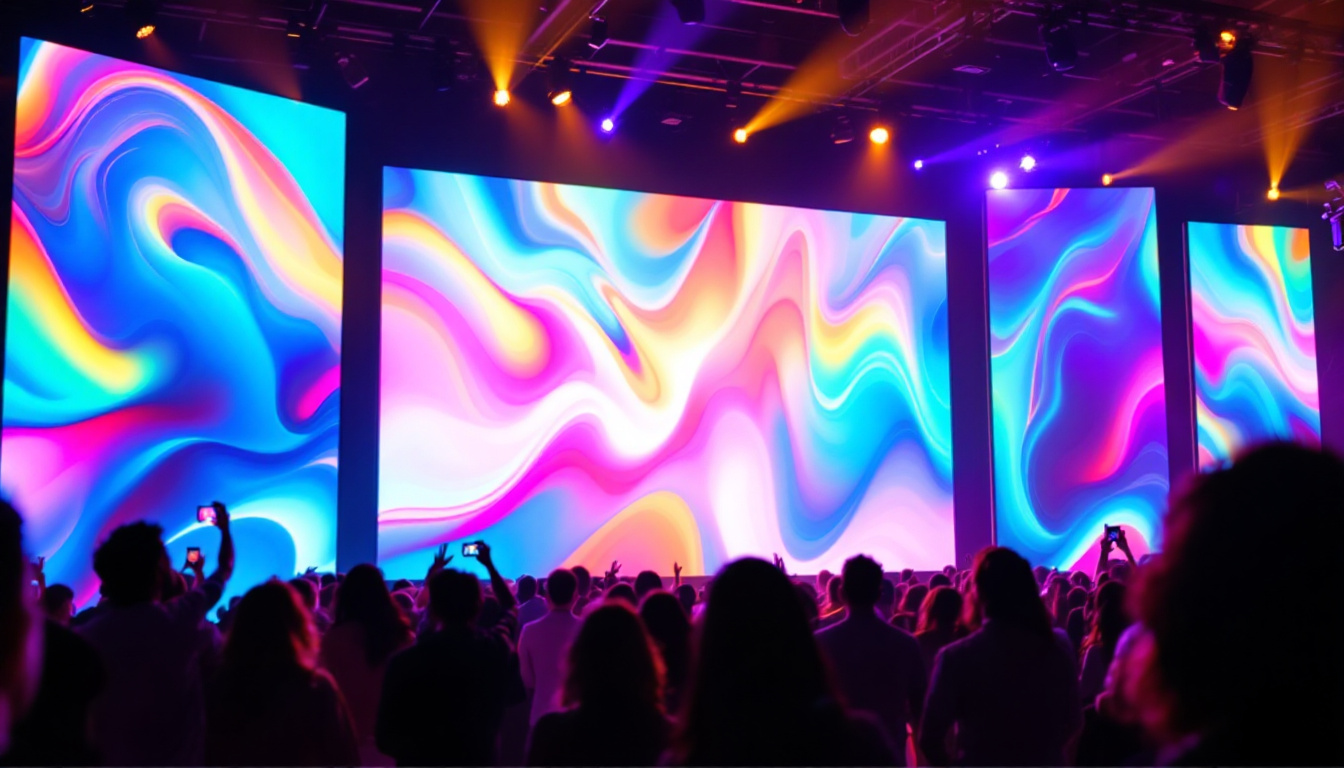
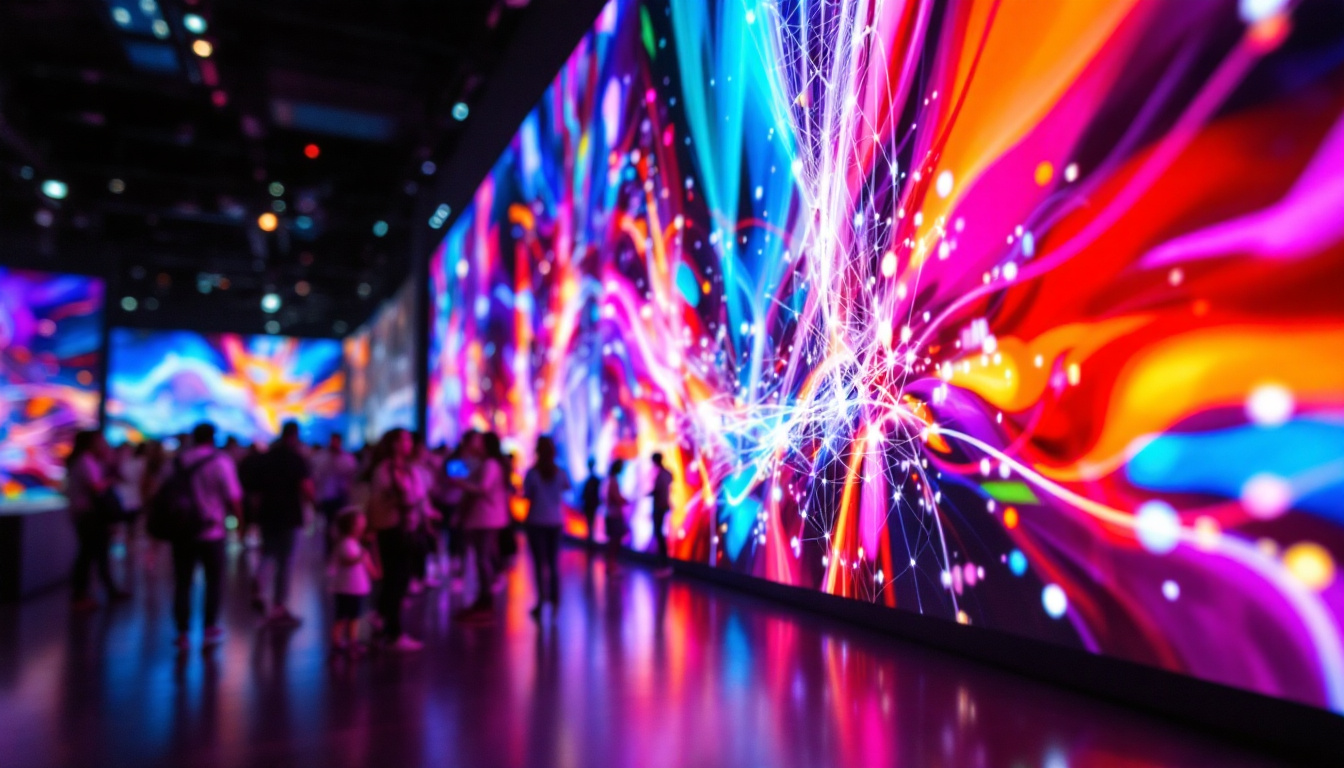
Beyond sports, concert venues and theaters use LED walls and panels to create immersive visual backdrops. The flexibility of LED technology allows for curved, flexible, and even transparent screens, opening new creative possibilities for event designers and artists.
Indoor Digital Signage and Retail
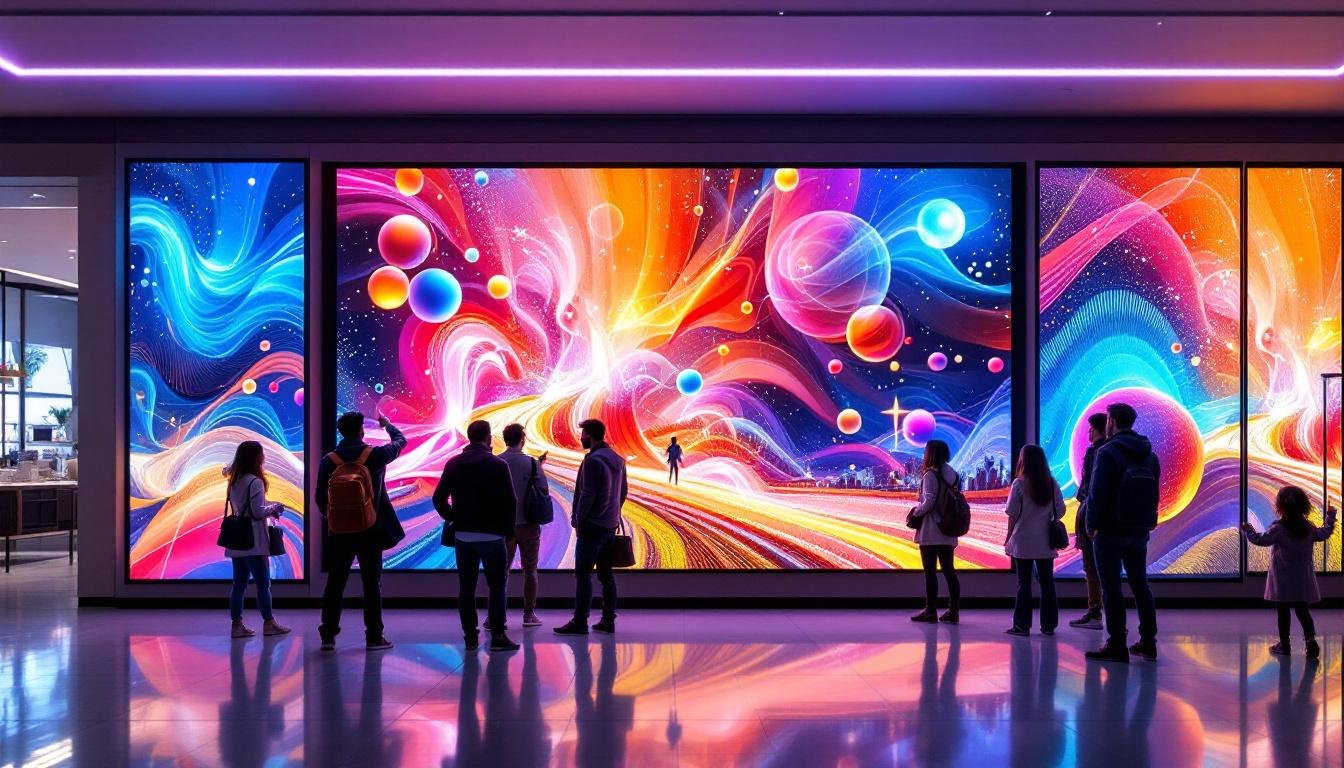
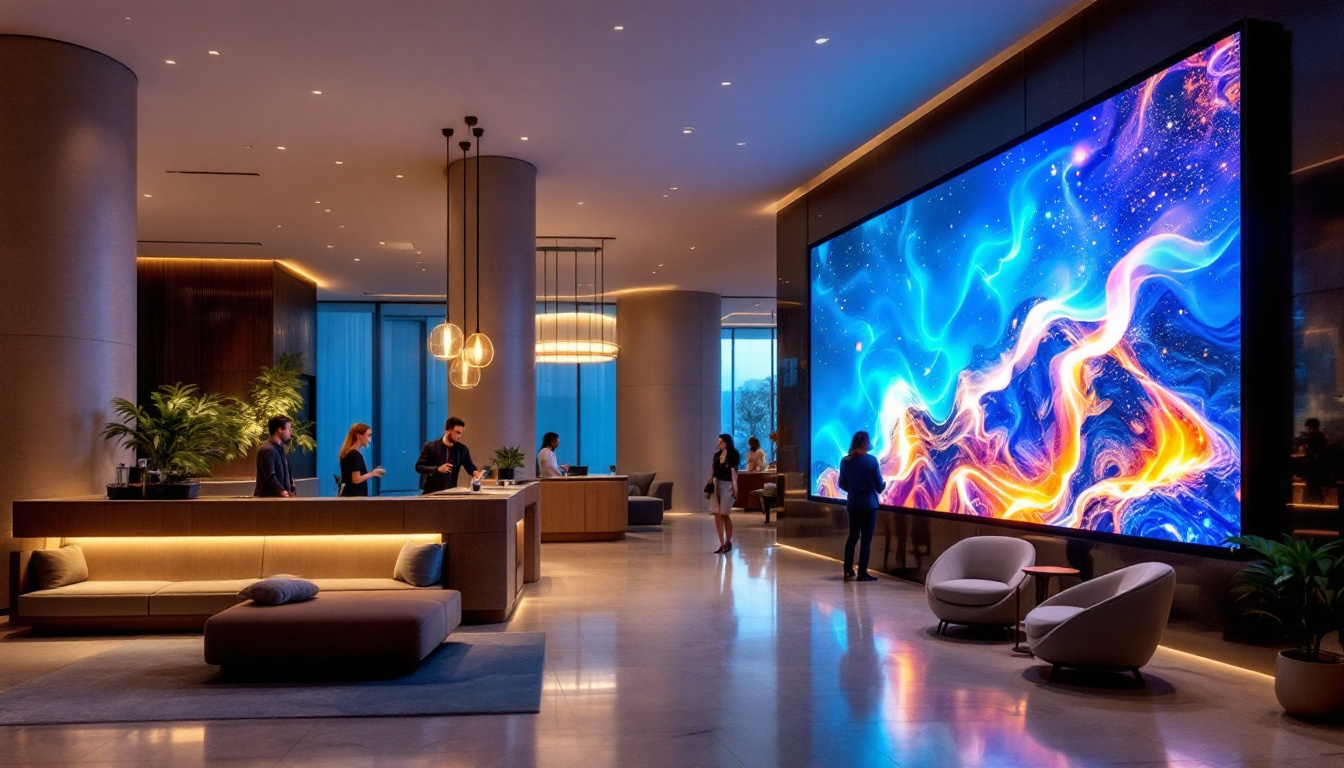
In retail environments, LED displays are used to attract customers, provide product information, and enhance brand presence. Smaller LED panels with high pixel density deliver crisp images suitable for close viewing distances, making them perfect for indoor signage, menu boards, and promotional displays.
Interactive LED displays are also gaining traction, enabling touch capabilities and integration with mobile devices to create engaging customer experiences. This trend aligns with the broader shift toward experiential retail, where digital technology plays a central role in customer engagement.
Advantages of LED Displays Over Other Technologies
Brightness and Visibility
One of the most significant advantages of LED displays is their superior brightness. Outdoor LED billboards can reach brightness levels exceeding 5,000 nits, ensuring visibility even in direct sunlight. In contrast, traditional LCDs typically max out around 500-700 nits, making them less effective for outdoor use.
This high brightness capability not only improves visibility but also enhances color vibrancy and contrast, making images more striking and attention-grabbing.
Energy Efficiency and Longevity
LEDs are inherently energy-efficient, converting a higher percentage of electrical energy into light compared to older technologies like incandescent or fluorescent lighting. This efficiency translates into lower operating costs, especially important for large-scale installations that run continuously.
Moreover, LEDs have a long lifespan, often exceeding 50,000 hours of operation. This durability reduces maintenance costs and downtime, which is critical for commercial applications where display reliability is paramount.
Design Flexibility and Scalability
LED displays offer remarkable flexibility in design. Modules can be assembled in various shapes and sizes, from small indoor panels to massive outdoor walls spanning thousands of square meters. The ability to create curved, flexible, or even transparent LED screens expands potential applications beyond traditional flat displays.
Scalability is another key benefit. Businesses can start with a smaller display and expand it over time by adding more modules, allowing for cost-effective growth and customization.
Fast Refresh Rates and High Resolution
Modern LED displays support refresh rates well above 1,000 Hz, eliminating flicker and providing smooth motion rendering. This capability is essential for live video, sports broadcasts, and interactive content.
High pixel density LED panels can deliver resolutions comparable to LCD and OLED screens, making them suitable for close-up viewing in indoor environments. Advances in mini-LED and microLED technologies continue to push the boundaries of resolution and image quality.
Challenges and Considerations in LED Display Deployment
Initial Investment and Installation
Despite their many advantages, LED displays often require a higher upfront investment compared to traditional signage or LCD screens. The cost of LED modules, control systems, and installation labor can be substantial, particularly for large-scale outdoor installations.
However, this initial expense is often offset by lower operating costs, longer lifespan, and increased advertising effectiveness over time. Careful planning and vendor selection are crucial to optimize return on investment.
Pixel Pitch and Viewing Distance
Pixel pitch—the distance between the centers of two adjacent LEDs—is a critical factor in determining image clarity. Smaller pixel pitches deliver higher resolution but increase cost and complexity.
Choosing the right pixel pitch depends on the typical viewing distance. For example, a billboard viewed from 50 meters away can use a larger pixel pitch (e.g., 16mm), while indoor displays viewed up close require pitches as low as 1mm or less to maintain image sharpness.
Environmental and Maintenance Factors
Outdoor LED displays must withstand harsh weather conditions, including rain, wind, dust, and temperature fluctuations. High-quality enclosures with appropriate IP (Ingress Protection) ratings are essential to protect the electronics and ensure longevity.
Regular maintenance, such as cleaning and module replacement, is necessary to preserve image quality. Advances in modular design make servicing easier, but operational teams must be trained to handle these tasks safely and efficiently.
The Future of LED Displays
Emerging Technologies: MicroLED and Mini-LED
MicroLED technology represents the next frontier in LED displays. By using microscopic LEDs as individual pixels, microLED screens promise unparalleled brightness, contrast, and energy efficiency without the burn-in issues associated with OLEDs. Although still in early commercial stages, microLED displays are expected to revolutionize premium TVs, smartphones, and augmented reality devices within the next five years.
Mini-LED, a more immediate innovation, uses thousands of tiny LEDs as backlighting for LCD panels, significantly improving contrast and HDR performance. This hybrid approach is already appearing in high-end laptops, tablets, and monitors.
Integration with Smart Technologies
LED displays are increasingly integrated with smart technologies such as IoT sensors, AI-driven content management, and real-time data analytics. This integration enables dynamic, context-aware content that can adapt to audience demographics, weather conditions, or time of day, maximizing engagement and advertising effectiveness.
For example, a digital billboard might automatically adjust its brightness based on ambient light or change advertisements based on local events or traffic patterns, providing a highly personalized viewer experience.
Sustainability and Environmental Impact
As sustainability becomes a priority across industries, LED display manufacturers are focusing on reducing environmental impact through energy-efficient designs, recyclable materials, and longer product lifecycles. Solar-powered LED billboards and displays with smart energy management systems are emerging trends that align with global efforts to reduce carbon footprints.
Conclusion
LED displays have transformed the way information and advertising are presented, offering unparalleled brightness, flexibility, and efficiency. From towering outdoor billboards to immersive stadium screens and sleek indoor signage, LED technology continues to evolve and expand its reach.
Understanding the core principles of LED displays, their advantages, and the challenges involved is essential for businesses and organizations looking to leverage this powerful medium. As innovations like microLED and AI integration advance, the future of LED displays promises even more dynamic, engaging, and sustainable visual experiences.
Whether for marketing, entertainment, or communication, LED displays remain at the forefront of screen technology, illuminating the path toward a more connected and visually vibrant world.
Illuminate Your Space with LumenMatrix
Ready to elevate your visual communication with the brilliance of LED technology? Discover LumenMatrix’s innovative range of LED display solutions, from vibrant Indoor and Outdoor LED Wall Displays to dynamic Vehicle and Sports LED Displays, and beyond. Embrace the future with our cutting-edge Custom, All-in-One, and Transparent LED Displays, each designed to create captivating visual experiences and enhance brand visibility. Check out LumenMatrix LED Display Solutions today and transform your space into a beacon of engagement and clarity.