In the world of digital imaging, graphic design, photography, and video production, color accuracy is paramount. Whether you are a professional colorist or a hobbyist photographer, having a reliable color tester monitor is essential to ensure that the colors you see on your screen match the final output. Among the various display technologies available today, LED displays have become the standard for color testing due to their superior brightness, contrast, and color reproduction capabilities.
This article dives deep into understanding color tester monitors with a focus on LED display technology. It explores how LED displays work, why they are preferred for color-critical tasks, and what to consider when selecting a monitor for color testing. By the end, readers will have a comprehensive understanding of how LED color tester monitors function and how to choose the right one for their needs.
Understanding Color Tester Monitors
What Is a Color Tester Monitor?
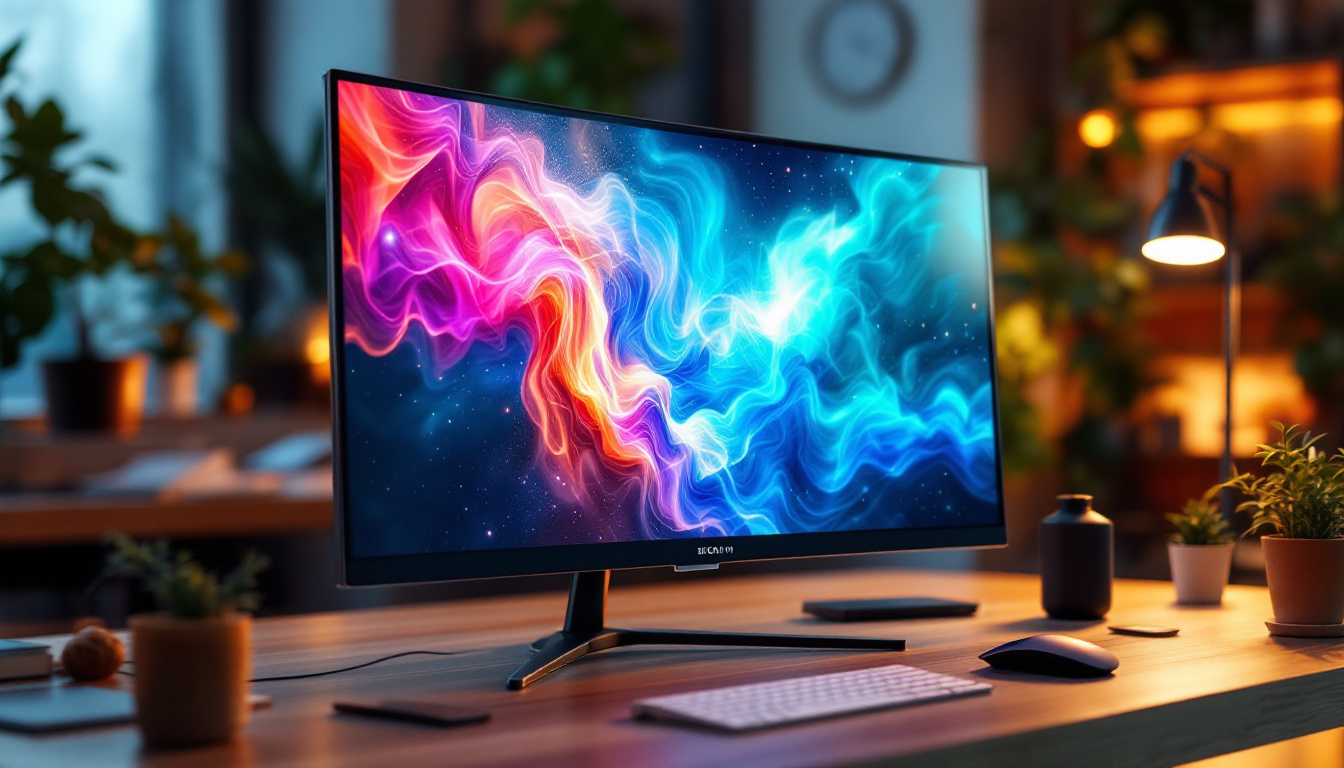
A color tester monitor is a specialized display device designed to provide highly accurate and consistent color reproduction. Unlike standard monitors, which prioritize general usability and affordability, color tester monitors are calibrated to adhere to strict color standards such as sRGB, Adobe RGB, DCI-P3, or Rec. 709. This makes them indispensable tools in industries where color precision affects the quality of the final product.
These monitors typically undergo factory calibration and offer hardware calibration support, allowing users to maintain color accuracy over time. They also feature wider color gamuts, higher bit-depths, and advanced color management capabilities. For professionals working in print, video editing, or digital art, a color tester monitor ensures that the colors they see on screen will closely match printed materials or broadcast outputs. Additionally, many models come equipped with features like uniformity compensation, which helps to correct color and brightness variations across the screen, ensuring that every corner of the display meets the same high standards of accuracy.
Why Color Accuracy Matters
Color accuracy is crucial in many fields because color discrepancies can lead to costly mistakes and misinterpretations. For example, in product photography, inaccurate colors can mislead customers, resulting in dissatisfaction and returns. In film and video production, color grading is a vital step to establish mood and narrative coherence; any deviation in color can alter the intended viewer experience. This is particularly important in industries like fashion and cosmetics, where the true representation of colors can significantly impact consumer choices and brand reputation.
Moreover, with the rise of digital content consumption on various devices, maintaining consistent color across platforms has become more challenging and important. A color tester monitor helps professionals ensure that their work looks as intended, regardless of where or how it’s viewed. In addition, as more consumers engage with content on mobile devices, tablets, and high-definition televisions, the need for color accuracy has expanded beyond traditional media. This evolution has led to increased demand for color calibration tools and practices, making color tester monitors not just a luxury but a necessity for anyone serious about their visual work. Furthermore, the integration of software solutions that complement these monitors allows for an even deeper level of color management, enabling users to create profiles that can be shared across different devices, ensuring a seamless visual experience.
LED Display Technology Explained
What Is an LED Display?
LED stands for Light Emitting Diode, a semiconductor device that emits light when an electric current passes through it. LED displays use arrays of these diodes to illuminate pixels on the screen. In the context of monitors, LED technology is used as a backlighting method for LCD panels, replacing older CCFL (Cold Cathode Fluorescent Lamp) backlights.
There are two main types of LED displays:
- Edge-Lit LED Displays: LEDs are placed along the edges of the screen, and light is diffused across the display.
- Direct-Lit or Full-Array LED Displays: LEDs are arranged directly behind the screen, allowing for local dimming and better contrast.
Full-array LED displays are generally preferred in color-critical environments due to their superior uniformity and contrast ratios.
Advantages of LED Displays for Color Testing
LED displays offer several advantages that make them ideal for color tester monitors:
- Brightness and Contrast: LEDs can achieve higher brightness levels and better contrast ratios than older backlighting technologies. This enhances the visibility of subtle color gradations and shadow details.
- Wide Color Gamut: LED backlights can be tuned to cover wide color gamuts such as Adobe RGB and DCI-P3, which are essential for professional color work.
- Energy Efficiency: LEDs consume less power and generate less heat, which contributes to longer device lifespan and more stable color performance.
- Thin and Lightweight: LED technology allows for slimmer monitor designs, making them easier to integrate into various work environments.
These benefits collectively improve the accuracy, consistency, and reliability of color reproduction, making LED displays the preferred choice for color tester monitors.
Key Features to Look for in a Color Tester LED Monitor
Color Gamut Coverage
The color gamut defines the range of colors a monitor can display. For color-critical work, it’s important to select a monitor that covers a wide gamut such as Adobe RGB (approximately 99%) or DCI-P3 (around 98%). These gamuts encompass a broader spectrum of colors than the standard sRGB, allowing for more vibrant and precise color representation.
Monitors with 100% sRGB coverage are sufficient for web design and general digital content, but professionals working in print or cinema should prioritize wider gamut coverage to ensure fidelity across media.
Calibration and Color Accuracy
Calibration is the process of adjusting a monitor’s output to match a known standard. A color tester monitor should either come factory-calibrated or support hardware calibration tools such as X-Rite i1Display Pro or Datacolor SpyderX.
Look for monitors with a Delta E value of less than 2, which indicates minimal color deviation from the reference standard. Some high-end monitors offer Delta E values below 1, providing near-perfect color accuracy.
Bit Depth and Color Precision
Bit depth refers to the number of bits used to represent each color channel. An 8-bit panel can display 16.7 million colors, while a 10-bit panel can display over 1 billion colors. Higher bit depth reduces color banding and allows for smoother gradients, which is critical in professional color grading and retouching.
Many professional LED color tester monitors support 10-bit color depth or use FRC (Frame Rate Control) to simulate 10-bit color on 8-bit panels.
Uniformity and Viewing Angles
Uniform brightness and color across the entire screen are essential for accurate color evaluation. Some monitors include uniformity compensation technology to ensure consistent luminance and color temperature across the display.
Wide viewing angles, typically provided by IPS (In-Plane Switching) panels, prevent color shifts when viewing the screen from different positions. This is especially important in collaborative environments where multiple people may view the monitor simultaneously.
Resolution and Screen Size
Higher resolution monitors (such as 4K UHD) provide greater detail and workspace, allowing users to see finer nuances in images and videos. Screen size is a personal preference but generally, a 27-inch or larger monitor provides a comfortable viewing area for detailed work.
How to Maintain Your LED Color Tester Monitor
Regular Calibration
Even the best color tester monitors can drift over time due to aging components and environmental factors. Regular calibration is necessary to maintain color accuracy. Professionals typically calibrate their monitors monthly or bi-monthly, depending on usage intensity.
Using a hardware calibration device ensures that the monitor’s color output stays aligned with industry standards, preserving the integrity of the work.
Proper Environment Setup
The environment in which the monitor is used also affects color perception. Ambient lighting should be controlled to avoid glare and reflections. Neutral-colored walls and consistent lighting conditions help reduce color bias.
Additionally, maintaining a stable room temperature and humidity level can prolong the lifespan of the monitor and stabilize its performance.
Firmware and Software Updates
Manufacturers occasionally release firmware updates to improve monitor performance or fix bugs. Keeping the monitor’s firmware and associated calibration software up to date ensures optimal functionality and compatibility with calibration devices.
Popular LED Color Tester Monitors on the Market
BenQ PD3220U
The BenQ PD3220U is a 32-inch 4K UHD monitor designed for creative professionals. It offers 95% DCI-P3 and 99% Adobe RGB coverage, 10-bit color depth, and hardware calibration support. Its Thunderbolt 3 connectivity and HDR support make it a versatile choice for video editors and photographers alike.
Eizo ColorEdge CG319X
The Eizo ColorEdge CG319X is a flagship 31.1-inch monitor with 4096 x 2160 resolution and 99% Adobe RGB coverage. It features built-in calibration sensors, a wide color gamut, and a Delta E of less than 1. This monitor is widely regarded as one of the most accurate color tester monitors available, ideal for high-end print and video production.
ASUS ProArt PA32UCX
ASUS’s ProArt PA32UCX offers 32 inches of 4K HDR display with 97% DCI-P3 and 99% Adobe RGB coverage. It supports 10-bit color and includes hardware calibration tools. Its high brightness and contrast ratio make it suitable for HDR content creation and color grading.
Conclusion: Why Choose an LED Color Tester Monitor?
LED color tester monitors represent the cutting edge in display technology for color-critical applications. Their ability to deliver high brightness, wide color gamuts, and precise color accuracy makes them indispensable tools for professionals in photography, video production, graphic design, and printing.
Choosing the right LED monitor involves understanding key specifications such as color gamut coverage, bit depth, calibration capabilities, and panel uniformity. Maintaining the monitor through regular calibration and proper environmental setup ensures consistent performance over time.
As digital media continues to evolve, investing in a high-quality LED color tester monitor is a strategic decision that enhances the quality and reliability of visual work, ultimately leading to better creative outcomes and satisfied clients.
Discover LumenMatrix’s Advanced LED Solutions
Ready to elevate your color-critical work to new heights? LumenMatrix, a pioneer in LED display technology, offers an extensive range of innovative LED display solutions tailored to meet the demands of professionals in photography, video production, graphic design, and printing. From Indoor and Outdoor LED Wall Displays to specialized options like Vehicle and Floor LED Displays, LumenMatrix is committed to enhancing your visual projects with superior brightness, color accuracy, and cutting-edge technology. Check out LumenMatrix LED Display Solutions today and experience the future of visual communication.