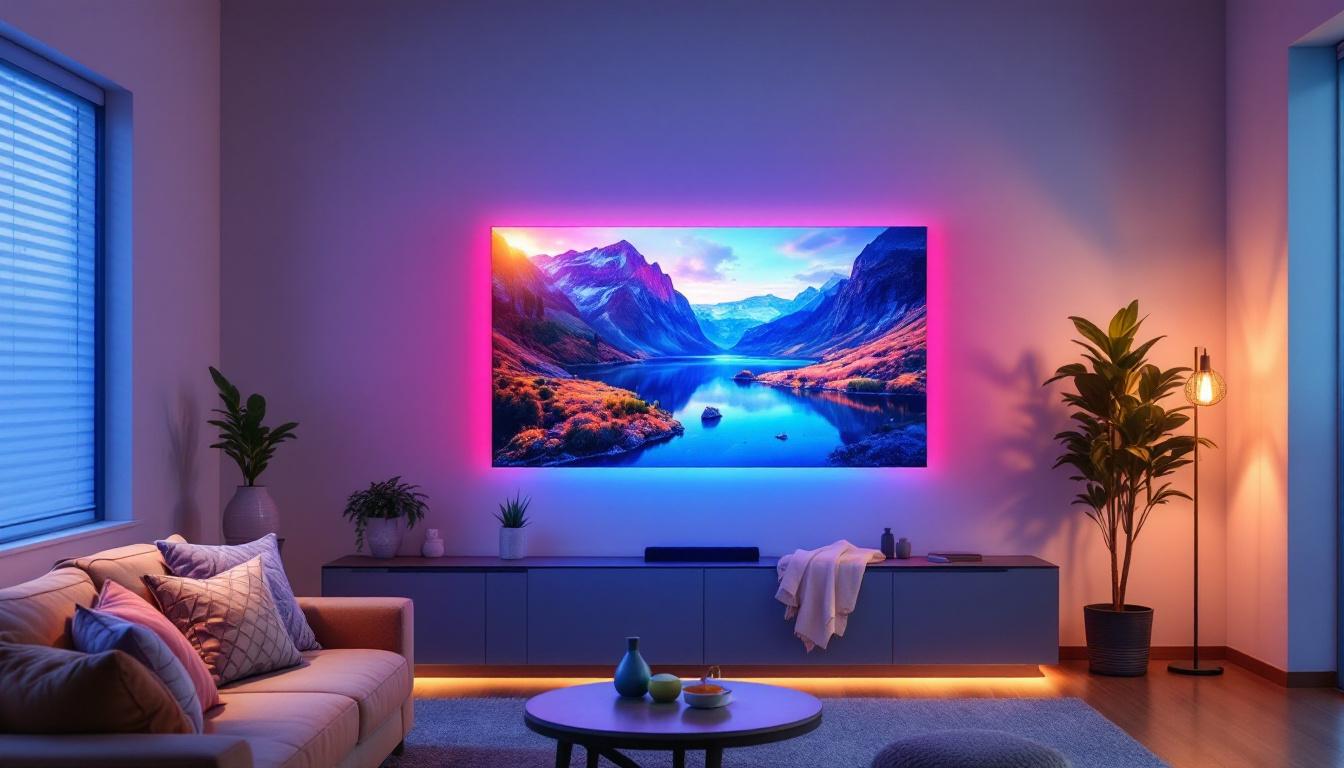
In recent years, the way we display images and videos in homes, offices, and public spaces has evolved dramatically. One of the most compelling options gaining traction is the use of projectors that cast images directly onto walls, combined with the innovative technology of LED displays. This article explores the intersection of projector technology and LED displays, explaining how they work together, their advantages, and what to consider when choosing a setup for your space.
Understanding Projector Technology
Projectors have been a staple in presentation and entertainment technology for decades. At their core, projectors work by shining light through a small image or video source and enlarging that image onto a surface such as a wall or screen. The technology behind projectors has evolved significantly, with different types such as LCD, DLP, and LCoS offering varying image quality and performance.
Modern projectors can deliver impressive brightness and resolution, making them suitable for home theaters, classrooms, and business environments. However, the quality of the projected image depends heavily on the surface it is cast upon. Walls, in particular, present unique challenges and opportunities when used as projection surfaces.
The Role of Wall Surfaces in Projection
When using a projector on a wall, the color, texture, and finish of the wall can dramatically affect image quality. Ideally, walls should be painted with a matte, neutral color such as light gray or white to maximize brightness and contrast. Glossy or textured walls can scatter light unevenly, reducing clarity and sharpness.
Specialized projector screen paints are available that enhance reflectivity and color accuracy, transforming ordinary walls into high-quality projection surfaces. These paints can be an affordable alternative to traditional projector screens, especially in spaces where installing a screen is impractical. Furthermore, the use of these paints can help mitigate the effects of ambient light, which is crucial in environments where complete darkness is not achievable.
In addition to paint, the distance between the projector and the wall also plays a critical role in the overall viewing experience. The throw distance, which is the distance from the projector lens to the wall, must be considered to ensure that the image is not only large enough but also sharp and clear. Many modern projectors come equipped with zoom and lens shift capabilities, allowing for greater flexibility in positioning the projector without sacrificing image quality. This adaptability is particularly beneficial in multi-purpose spaces where the projector may need to be moved or adjusted frequently.
Moreover, the advancements in projector technology have introduced features such as keystone correction and lens distortion adjustments, which help to maintain image integrity even when the projector is not perfectly aligned with the wall. These features are essential for achieving a professional-grade presentation, especially in environments like classrooms or conference rooms where the projector setup may vary from one use to another. As a result, understanding both the technology of the projector and the characteristics of the projection surface can significantly enhance the viewing experience, making it more immersive and engaging for the audience.
What is an LED Display?
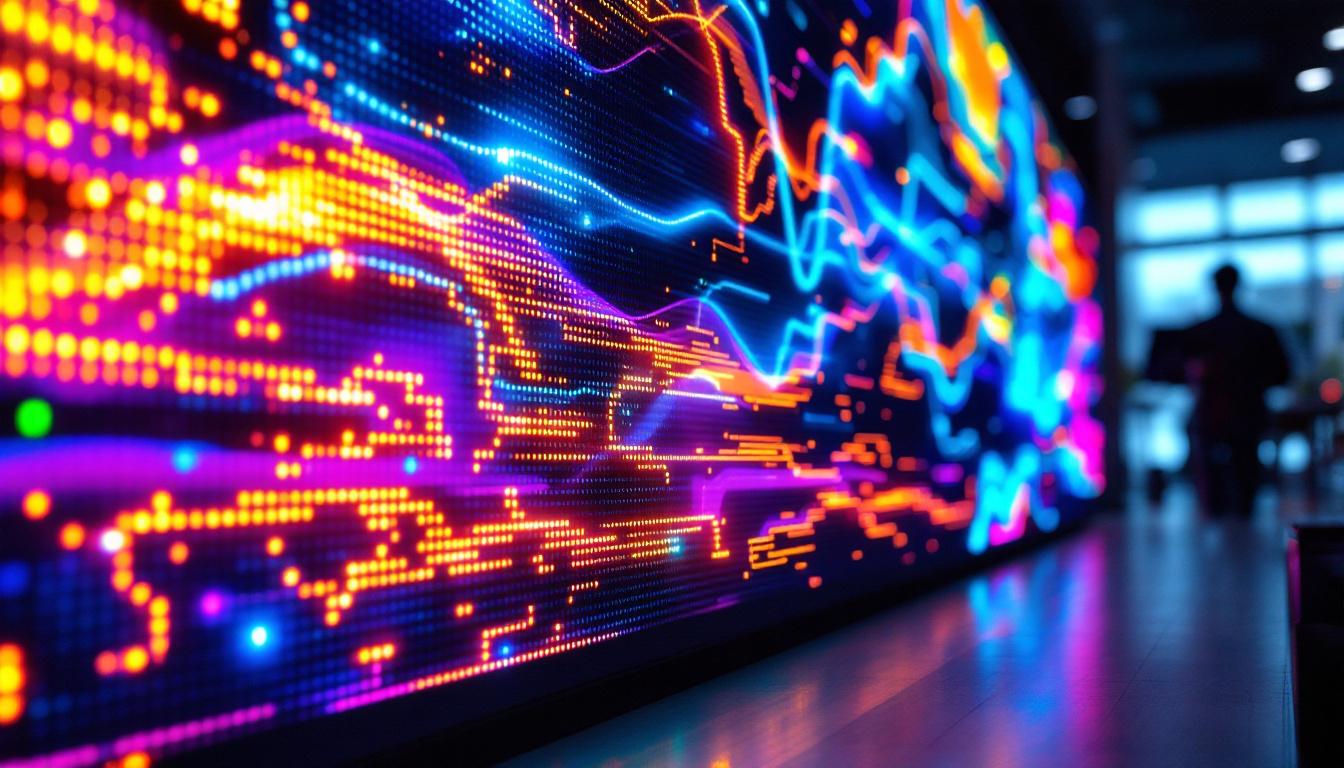
LED displays are a different approach to visual presentation compared to traditional projectors. Instead of projecting light onto a surface, LED displays consist of an array of light-emitting diodes (LEDs) that produce their own light to form images and videos. This self-illuminating technology offers several advantages.
Types of LED Displays
LED displays come in various forms, including:
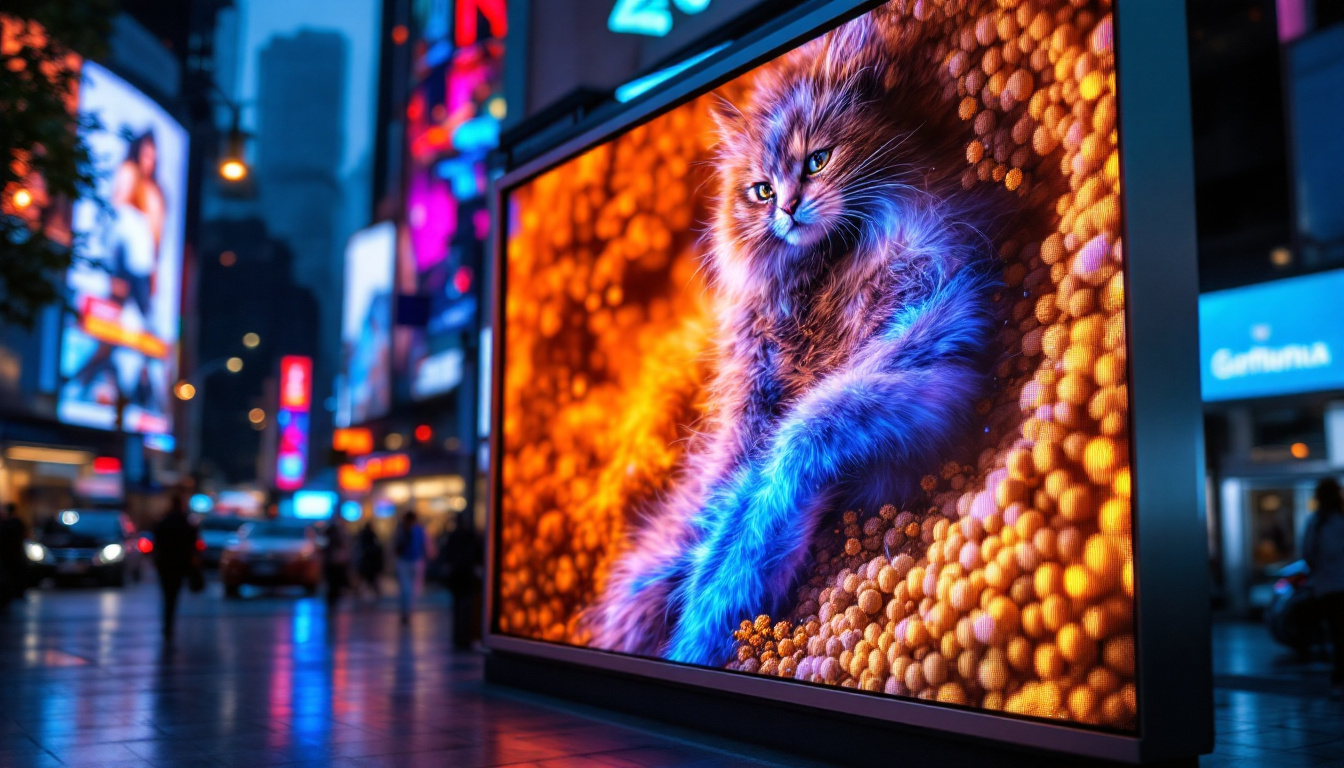
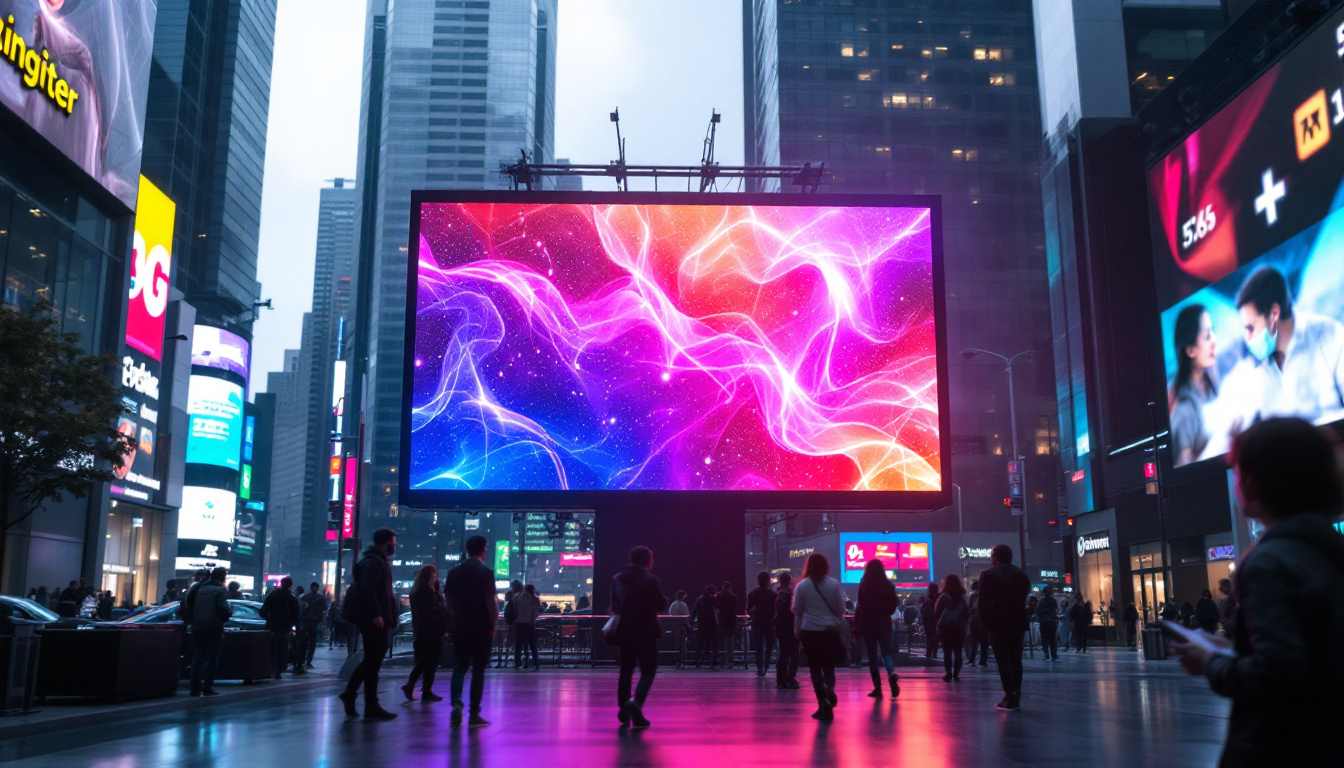
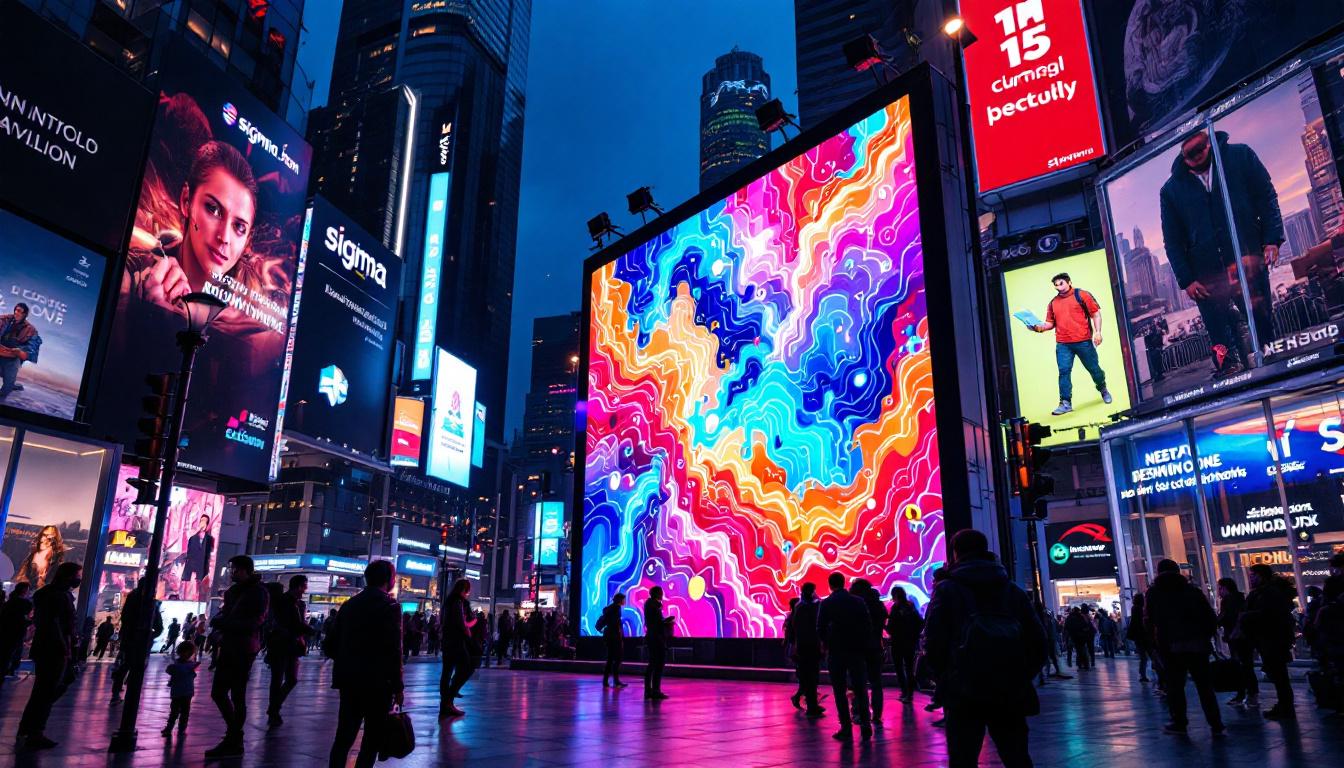
- Direct View LED (DVLED): These are large-scale displays made up of many small LED modules. Commonly used in stadiums, advertising billboards, and large public displays, they offer high brightness and excellent visibility even in daylight.
- MicroLED: A newer technology that uses microscopic LEDs to create ultra-high-resolution displays with exceptional color accuracy and contrast. MicroLED is emerging as a competitor to OLED technology in premium TVs and monitors.
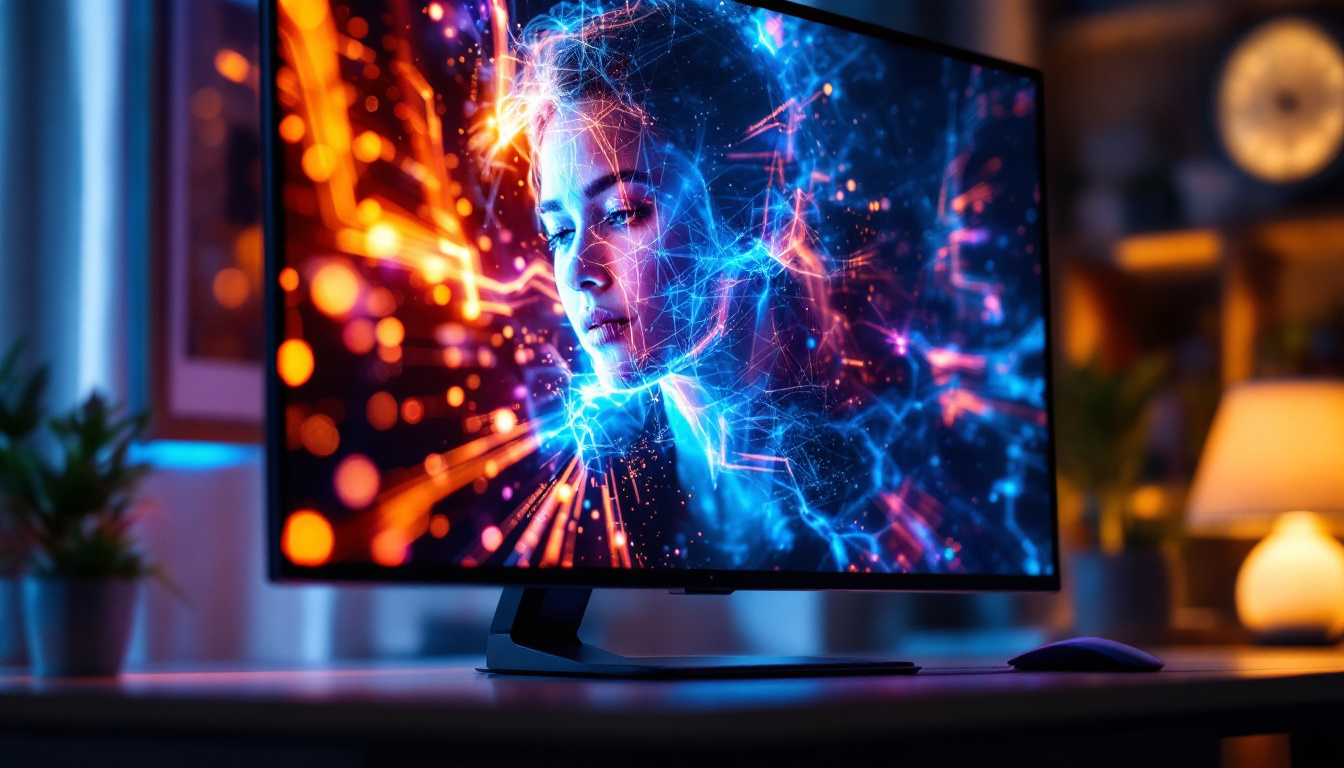
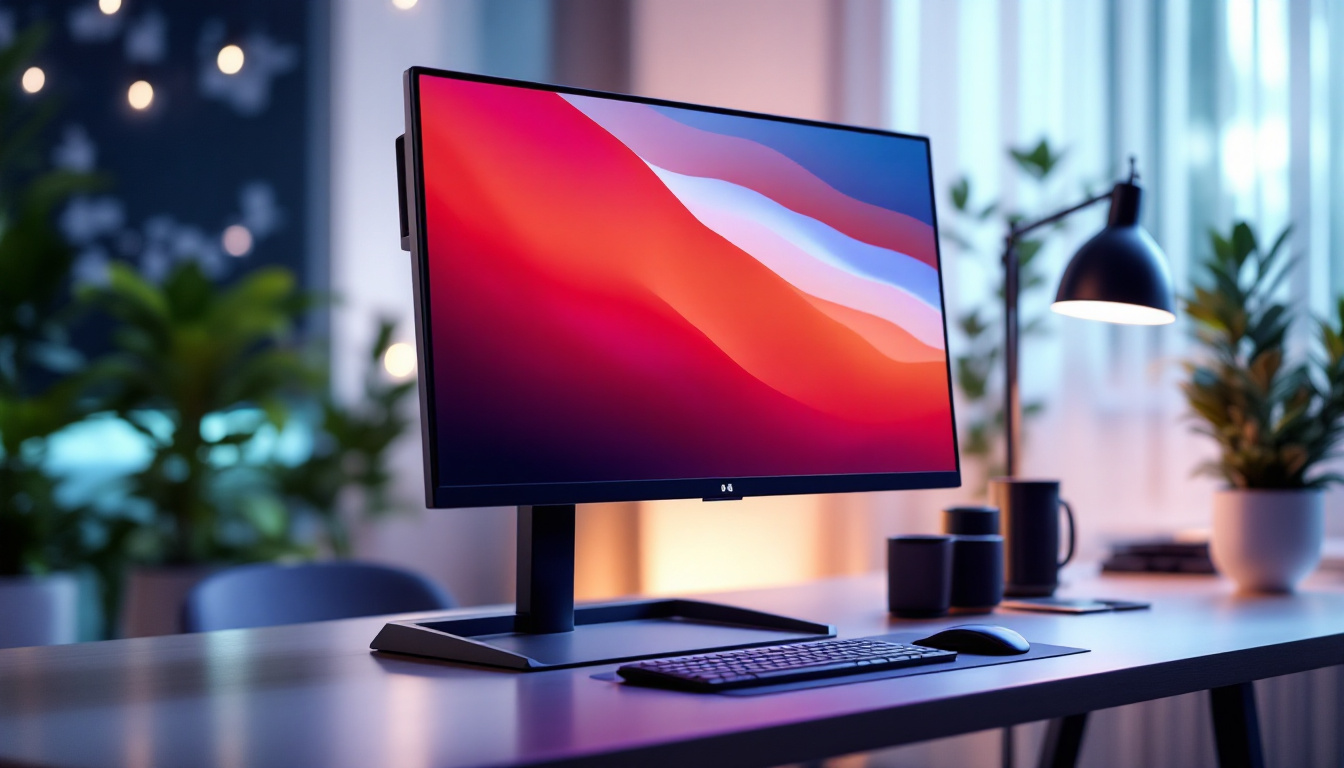
- LED-backlit LCD: Most consumer TVs and monitors use LEDs as a backlight for LCD panels, improving brightness and energy efficiency compared to older CCFL backlights.
Advantages of LED Displays
LED displays are known for their vibrant colors, high brightness, and energy efficiency. Because each LED emits its own light, these displays can achieve true blacks and high contrast ratios, especially with technologies like MicroLED. Additionally, LED displays typically have longer lifespans and lower maintenance costs compared to projectors, which require lamp replacements and careful alignment.
Combining Projectors with LED Displays: The Emerging Trends
While projectors and LED displays have traditionally been seen as competing technologies, recent innovations are blending the two to create hybrid solutions that leverage the strengths of both. This section explores how these technologies intersect and what the future might hold.
LED Projection Technology
One notable advancement is the use of LED light sources within projectors themselves. Unlike traditional projectors that use lamps or lasers, LED projectors employ LEDs as their light source, offering several benefits:
- Longer lifespan: LED light sources can last up to 20,000 hours or more, significantly reducing maintenance.
- Energy efficiency: LEDs consume less power, making projectors more environmentally friendly and cost-effective.
- Compact design: LED projectors are often smaller and more portable.
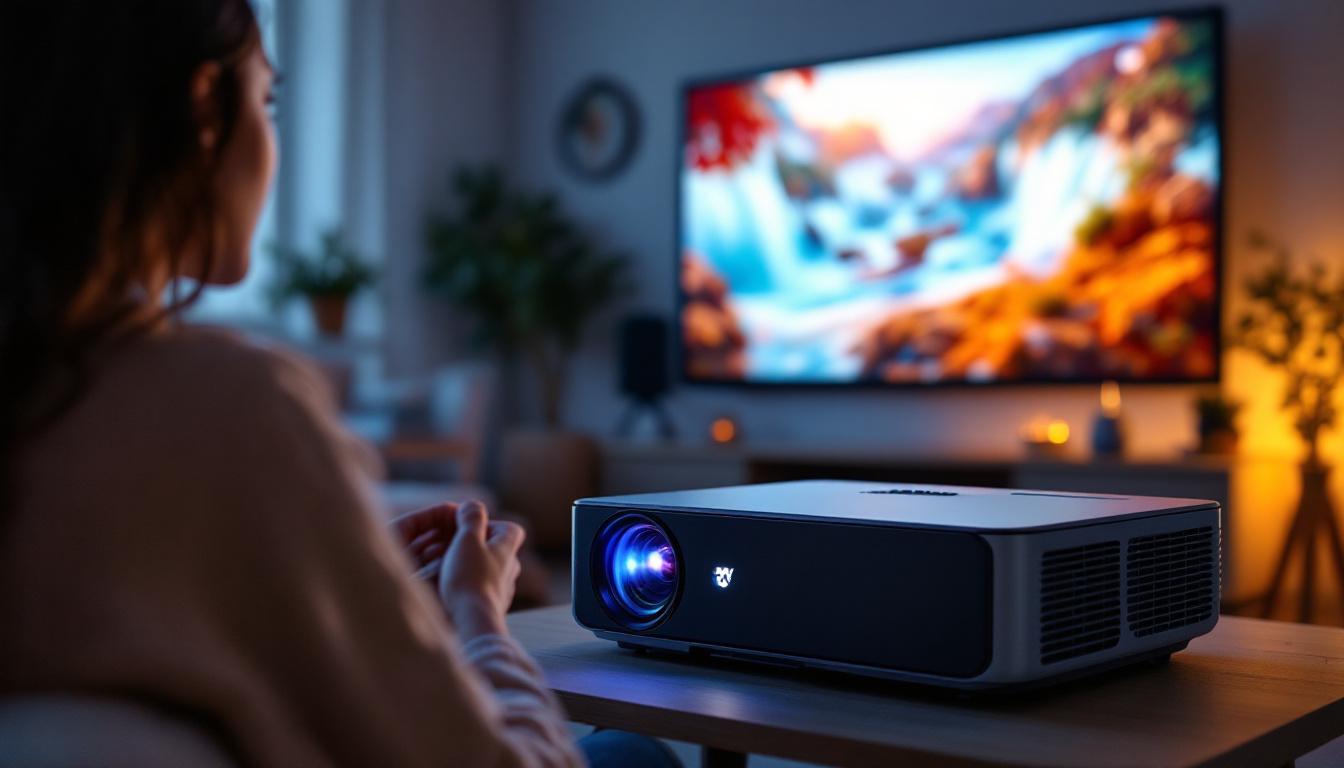
These LED projectors can be used to cast images onto walls, combining the flexibility of projection with the reliability of LED illumination.
LED Walls as Projection Surfaces
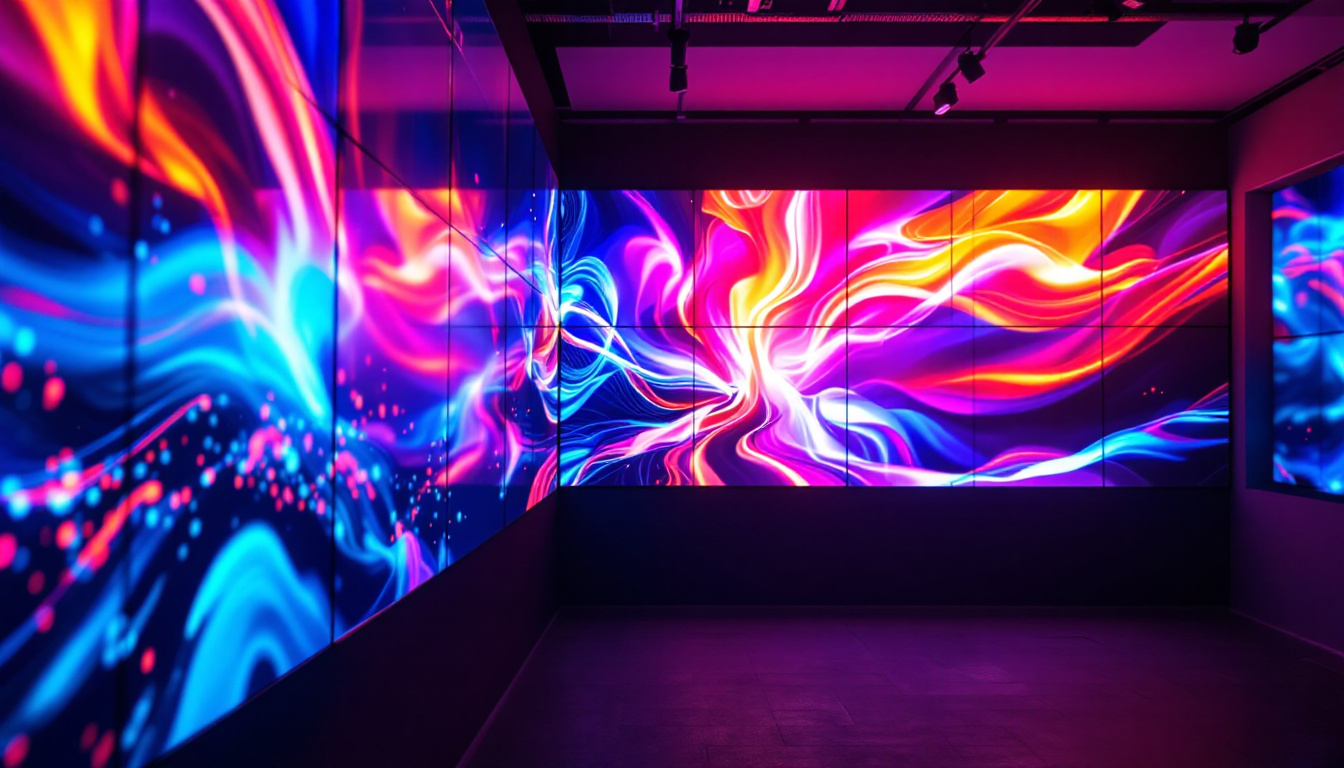
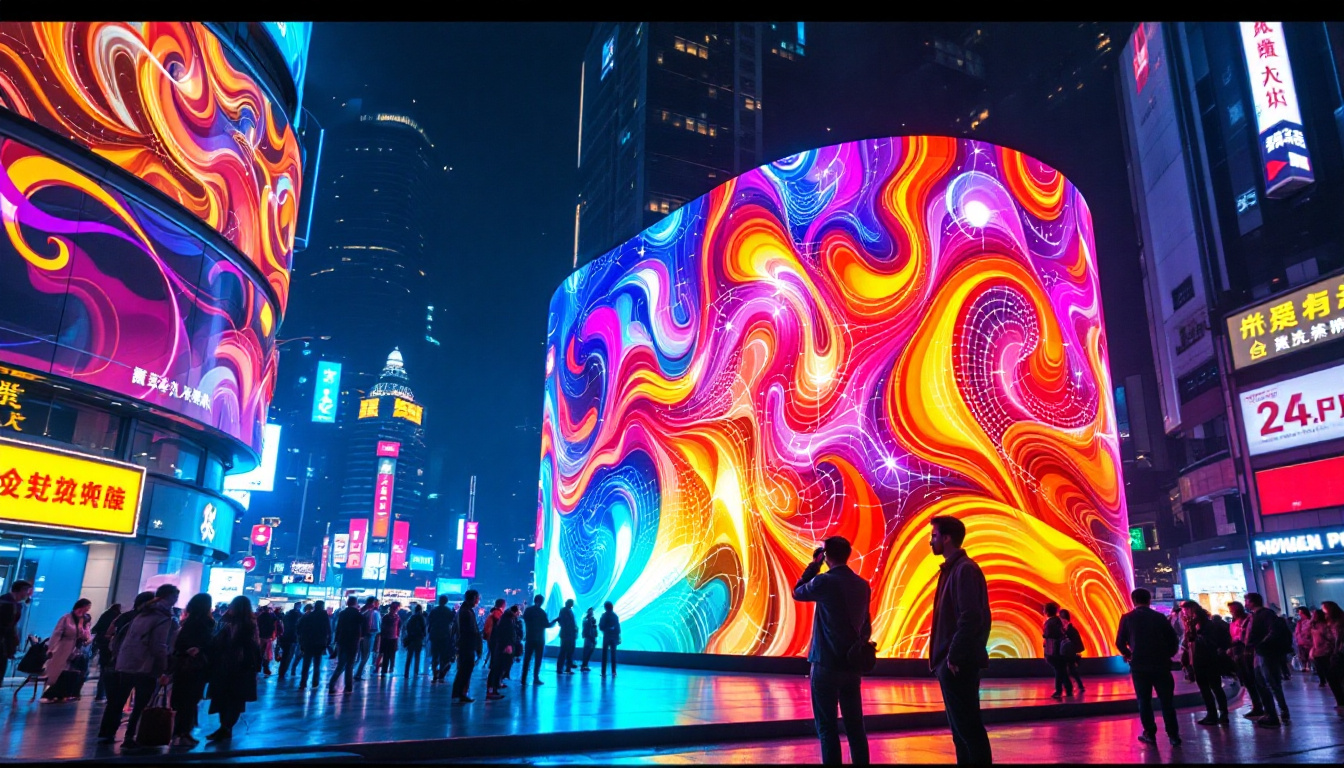
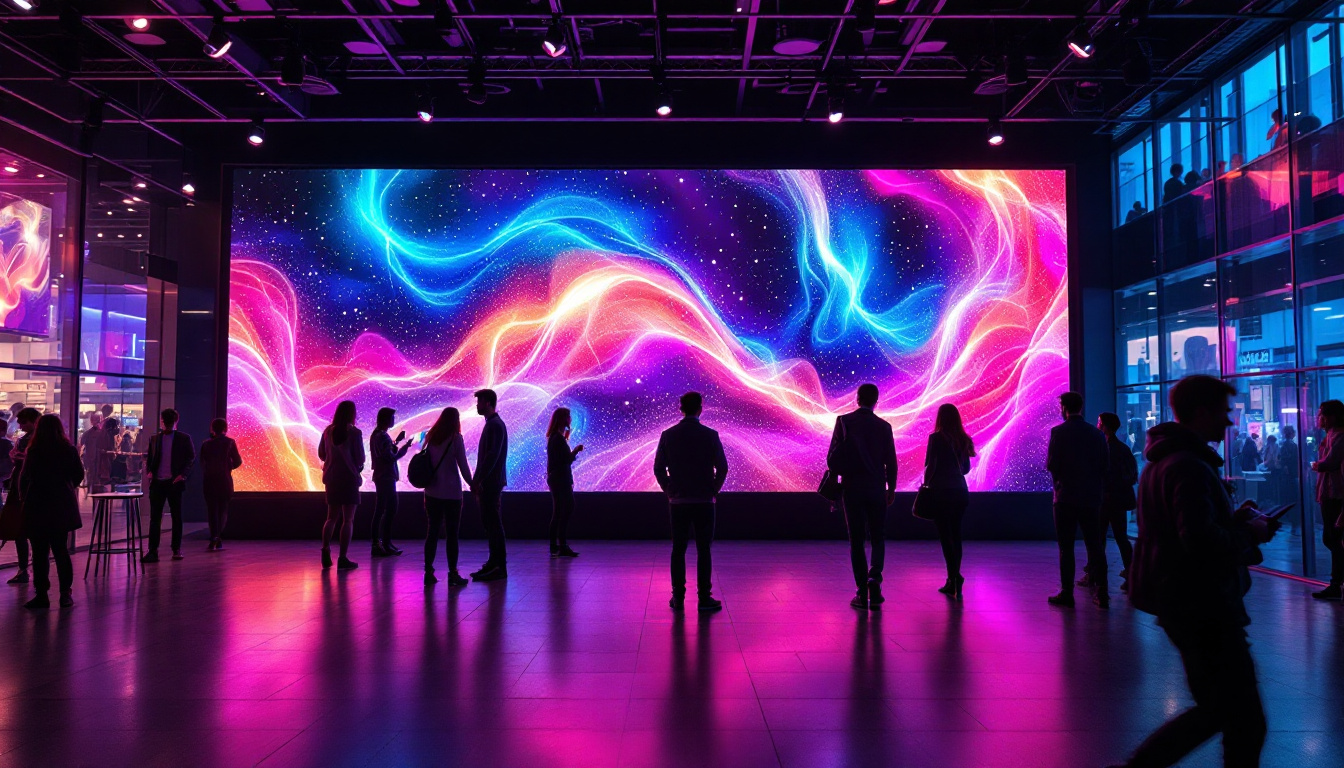
Another trend is the use of LED walls as dynamic projection surfaces. Instead of projecting onto a plain wall, some venues install LED panels that can display content directly or serve as a backdrop for projected images. This approach is popular in concerts, events, and retail environments where vibrant, high-impact visuals are critical.
LED walls can be synchronized with projectors to create layered visual effects, enhancing depth and engagement. For example, a projector might cast subtle animations while the LED wall displays complementary graphics, resulting in a rich multimedia experience.
Benefits of Using Projectors on Walls with LED Technology
Integrating projector technology with LED lighting or displays offers several practical and aesthetic advantages. Understanding these benefits can help consumers and businesses make informed decisions when designing their visual environments.
Cost-Effectiveness and Flexibility
Using a projector on a wall is often more cost-effective than purchasing a large LED display, especially for home theaters or small business presentations. Walls are typically available surfaces that require minimal setup, and with the right paint or treatment, they can deliver impressive image quality.
LED projectors further reduce costs by eliminating the need for frequent lamp replacements and lowering energy consumption. Additionally, projectors offer flexibility in image size and placement, allowing users to adjust the projection area based on their needs.
Improved Image Quality and Brightness
LED technology enhances the brightness and color accuracy of projectors, making images more vivid and lifelike. This is particularly important in environments with ambient light, where traditional projectors might struggle to maintain clarity.
When combined with optimized wall surfaces, LED projectors can produce sharp, bright images that rival those of dedicated LED displays, making them suitable for a wide range of applications.
Space-Saving and Aesthetic Appeal
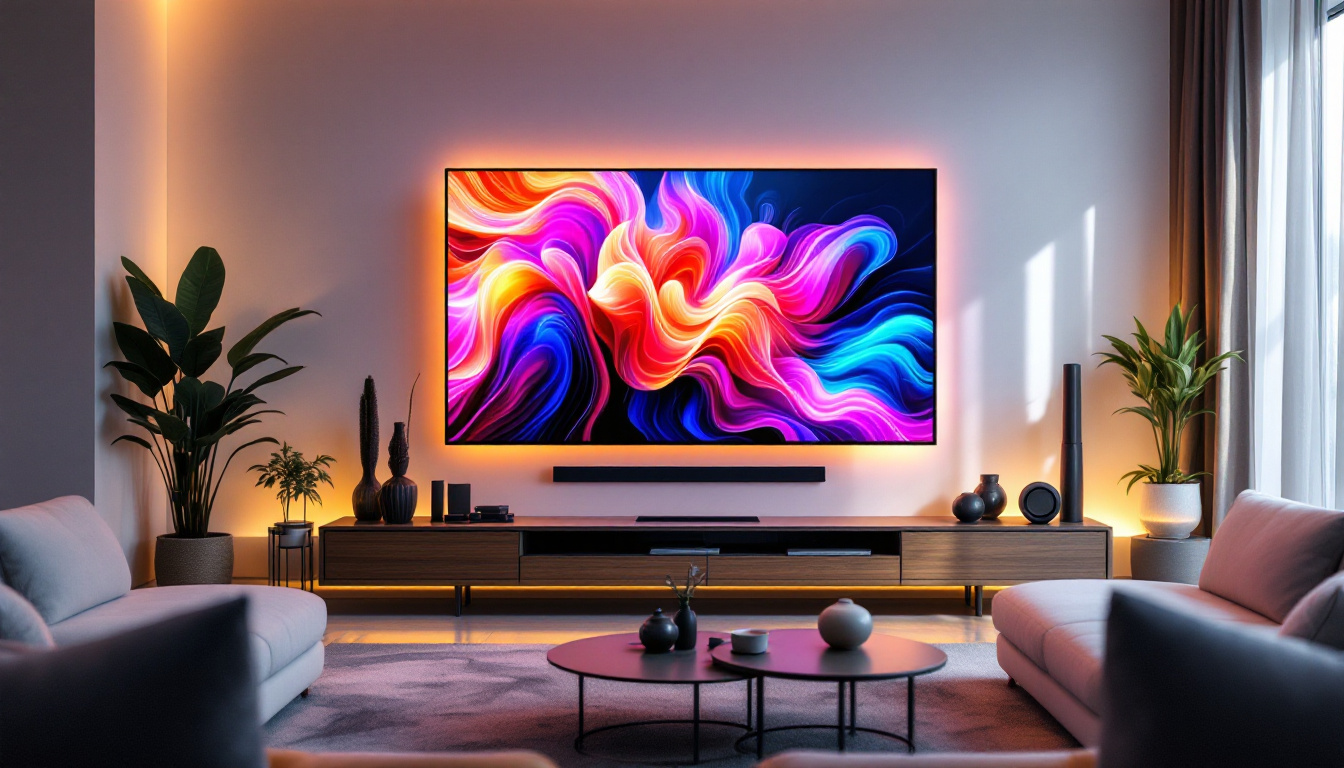
Projecting onto a wall eliminates the need for bulky screens or displays, freeing up space and maintaining a clean, minimalist aesthetic. This is especially valuable in modern homes and offices where design and functionality must coexist.
Moreover, the ability to retract or turn off the projector means the wall can serve multiple purposes, transforming a living room or conference area as needed.
Considerations When Choosing a Projector and Wall Setup
To maximize the benefits of projecting images on walls with LED technology, several factors should be carefully evaluated before making a purchase or installation decision.
Brightness and Ambient Light Conditions
The brightness of the projector, measured in lumens, must be sufficient to overcome ambient light in the room. For well-lit spaces, projectors with at least 3,000 lumens are recommended. LED projectors often meet or exceed this threshold while maintaining energy efficiency.
Controlling ambient light through curtains, blinds, or dimmable lighting can further improve image visibility and contrast.
Wall Surface Preparation
As noted earlier, the wall’s color and texture significantly impact image quality. Investing in specialized projector screen paint or installing a dedicated projection screen can enhance the viewing experience.
Ensure the wall is smooth and free of imperfections that could distort the image. In some cases, a portable or fixed projector screen might still be preferable for critical viewing environments.
Resolution and Image Size
Choose a projector with a resolution that matches your content needs. Full HD (1080p) is generally sufficient for most applications, but 4K projectors are becoming more affordable and offer superior detail for home theaters and professional presentations.
Consider the throw distance—the distance between the projector and the wall—to ensure the image size fits your space without distortion.
Connectivity and Smart Features
Modern projectors often include wireless connectivity, smart apps, and compatibility with streaming services. These features add convenience and expand the range of content that can be displayed.
Check for HDMI, USB, and other input options to ensure compatibility with your devices.
Future Outlook: Innovations in Projection and LED Display Technologies
The convergence of projector and LED technologies is poised to accelerate, driven by advances in materials science, optics, and digital processing. Emerging trends to watch include:
Laser-LED Hybrid Projectors
Combining laser and LED light sources promises even greater brightness, color accuracy, and lifespan. These hybrid projectors are ideal for large venues and professional installations where performance is critical.
Flexible and Transparent LED Displays
Innovations in flexible LED panels and transparent displays are opening new possibilities for interactive walls and windows that serve as dynamic screens without blocking light or view.
Augmented Reality and Projection Mapping
Advanced projection techniques that map images onto irregular surfaces, combined with LED lighting, enable immersive experiences in entertainment, education, and retail. These technologies blur the line between physical and digital environments.
Conclusion
Projecting images onto walls using LED display technology represents a versatile and evolving solution for visual communication and entertainment. By understanding the strengths and limitations of both projectors and LED displays, users can create customized setups that deliver stunning visuals tailored to their environments.
Whether for a home cinema, corporate presentation, or public event, the combination of LED-enhanced projectors and optimized wall surfaces offers a compelling balance of cost, quality, and flexibility. As technology continues to advance, these solutions will become even more accessible and impactful, transforming the way we experience visual media.
Discover LumenMatrix’s Innovative LED Solutions
Ready to elevate your visual experience with the latest in LED display technology? LumenMatrix is at the forefront of creating immersive and dynamic environments through our comprehensive range of LED display modules. From captivating Indoor and Outdoor LED Wall Displays to versatile Vehicle and Floor LED Displays, our mission is to transform your visual communication strategy. Explore our innovative solutions, including the All-in-One LED Display and LED Transparent Display, and see how LumenMatrix can empower your business to project your message with unparalleled clarity and impact. Check out LumenMatrix LED Display Solutions today and step into the future of visual storytelling.