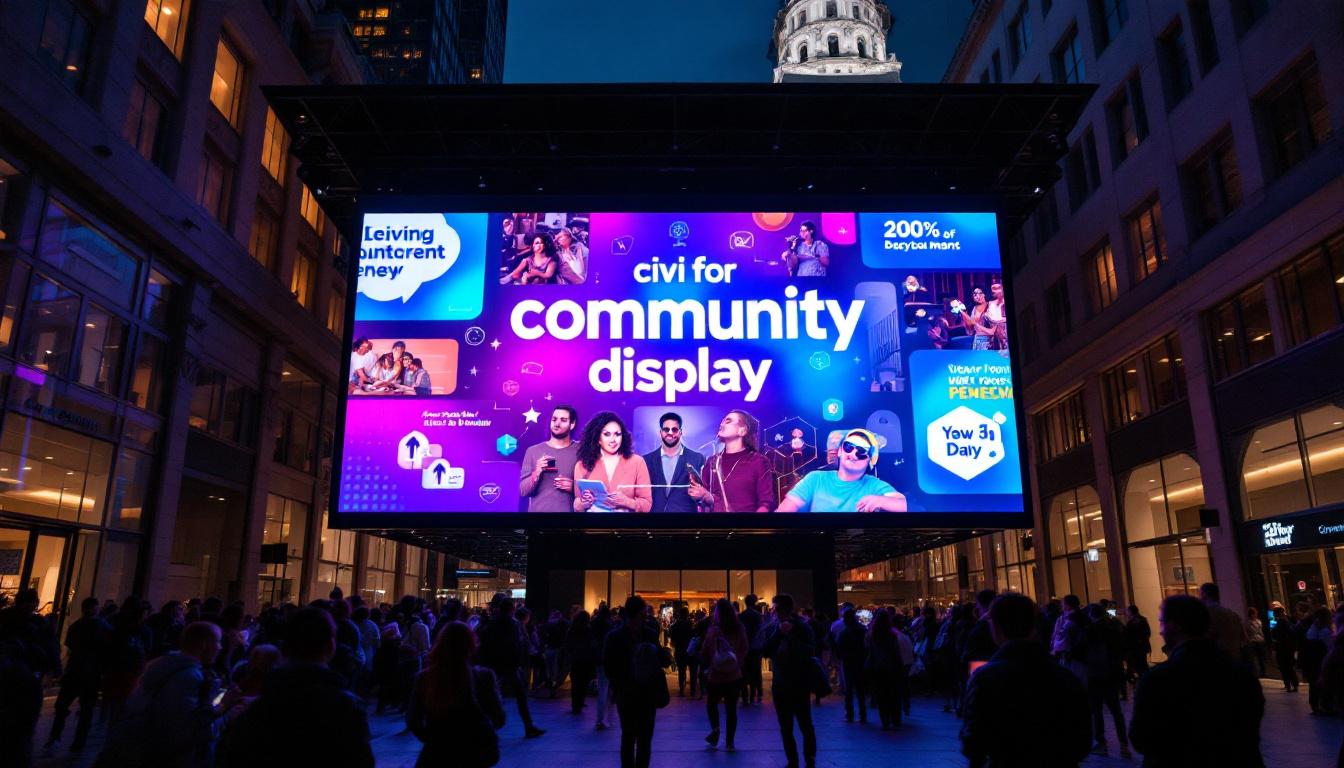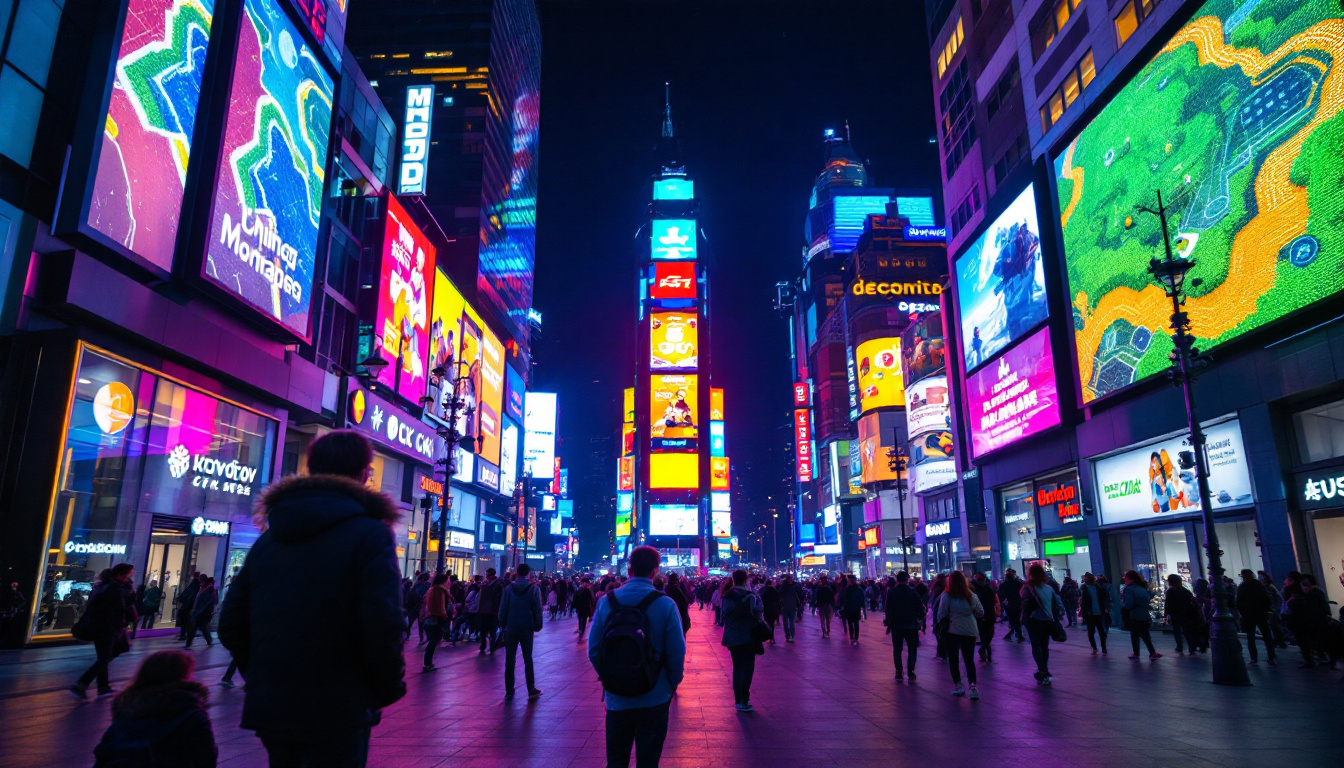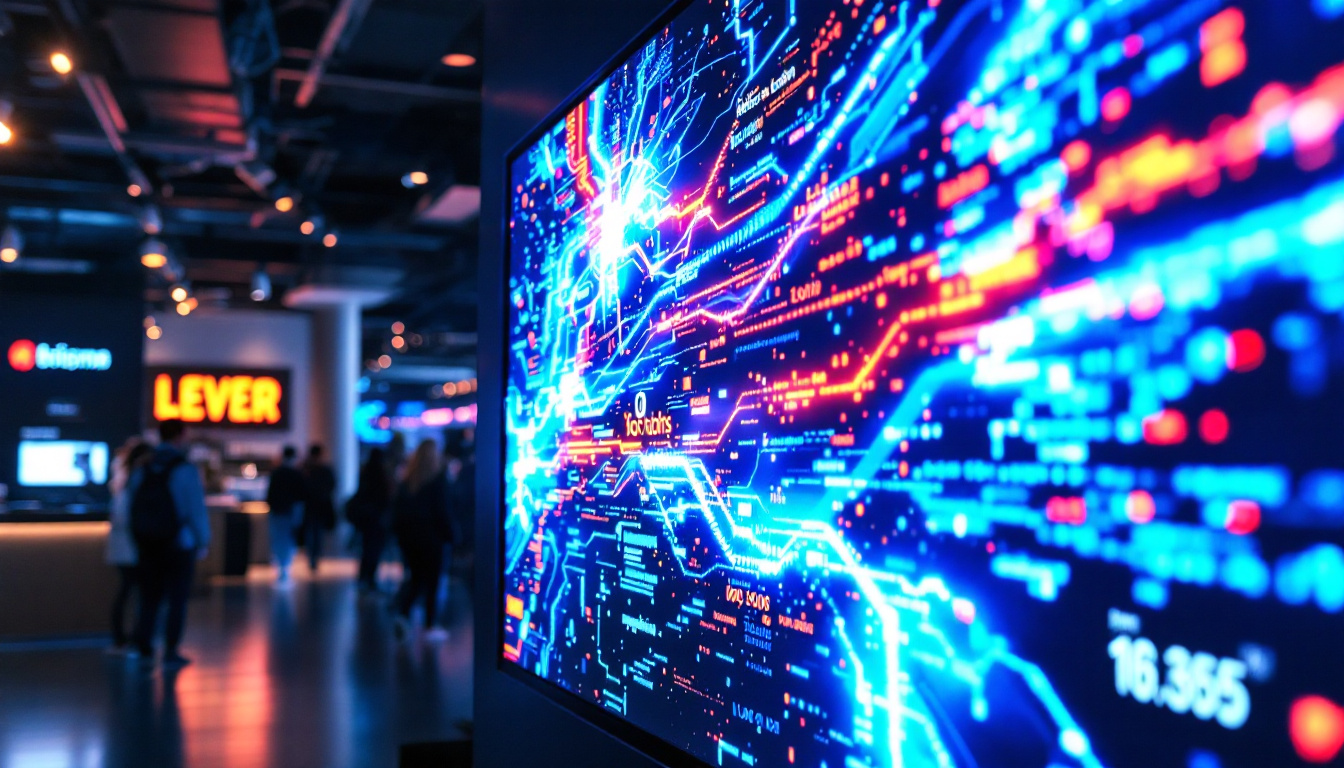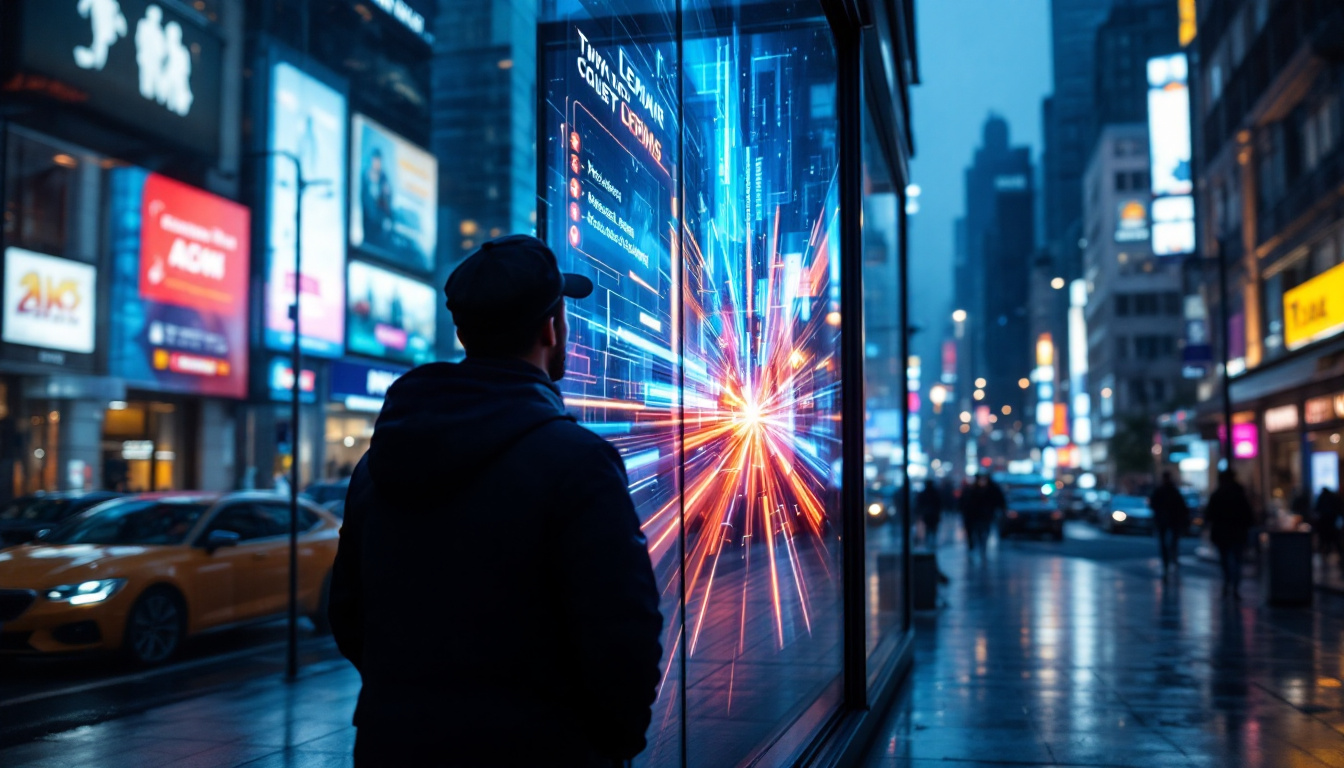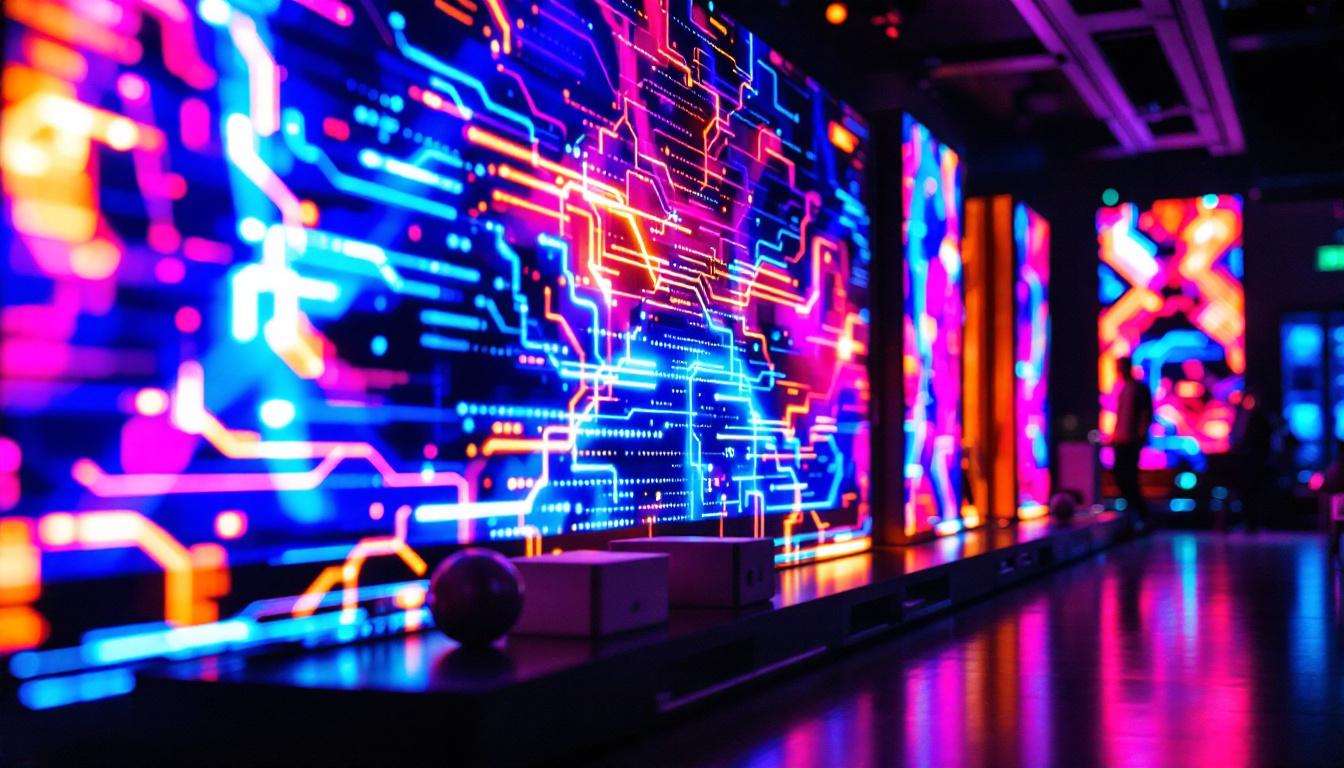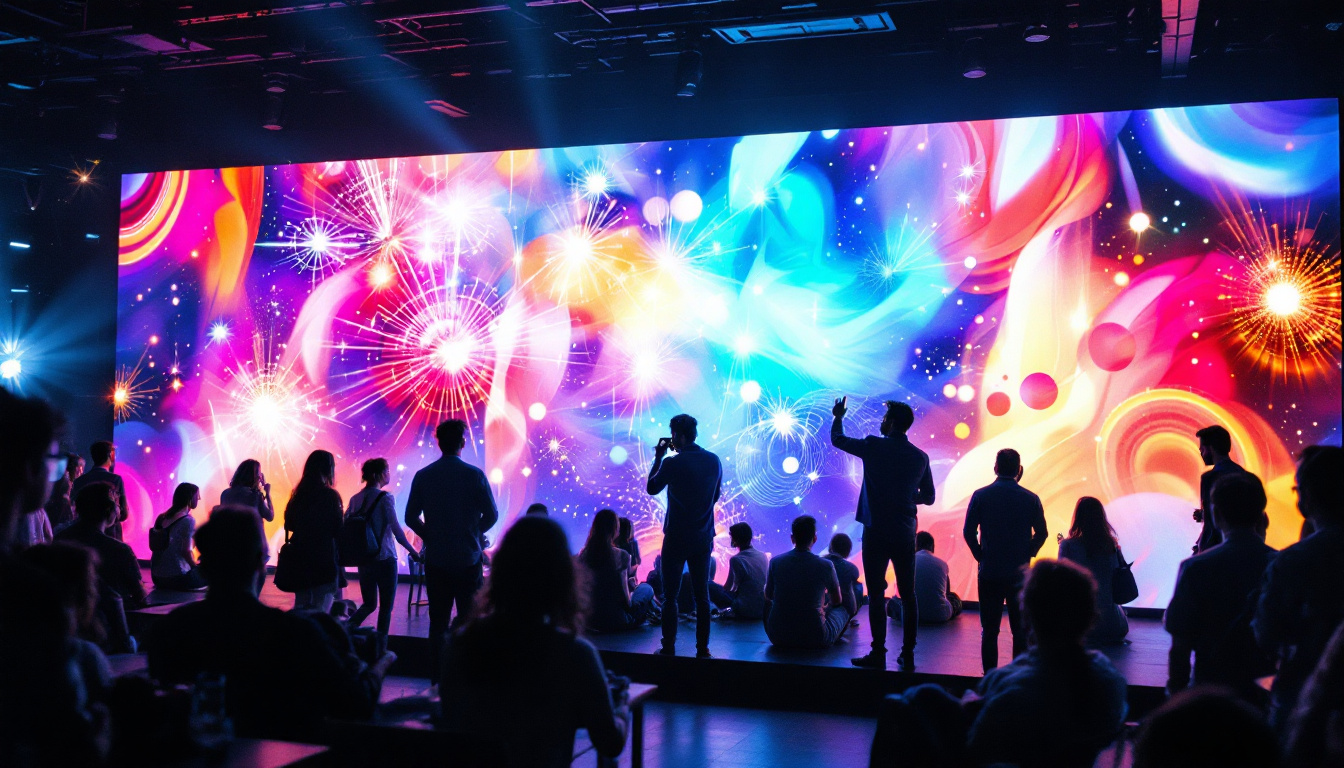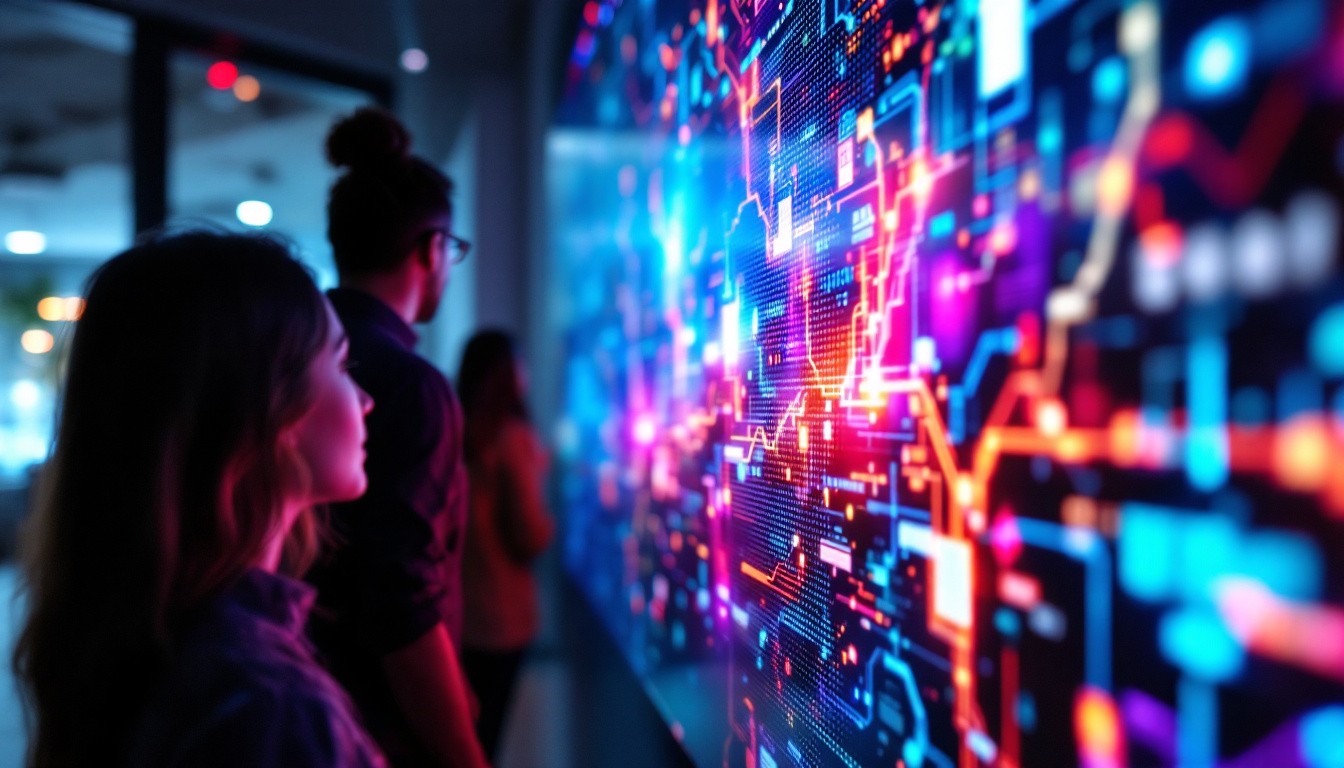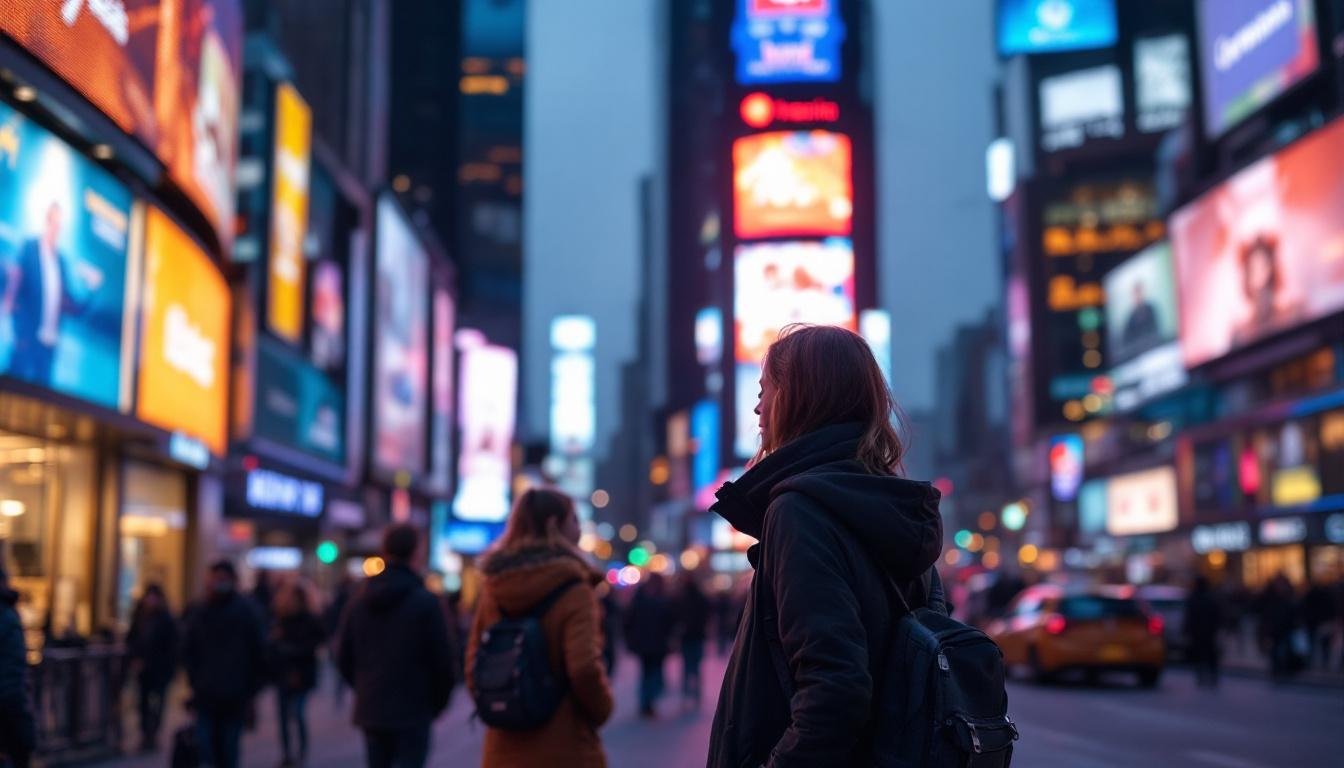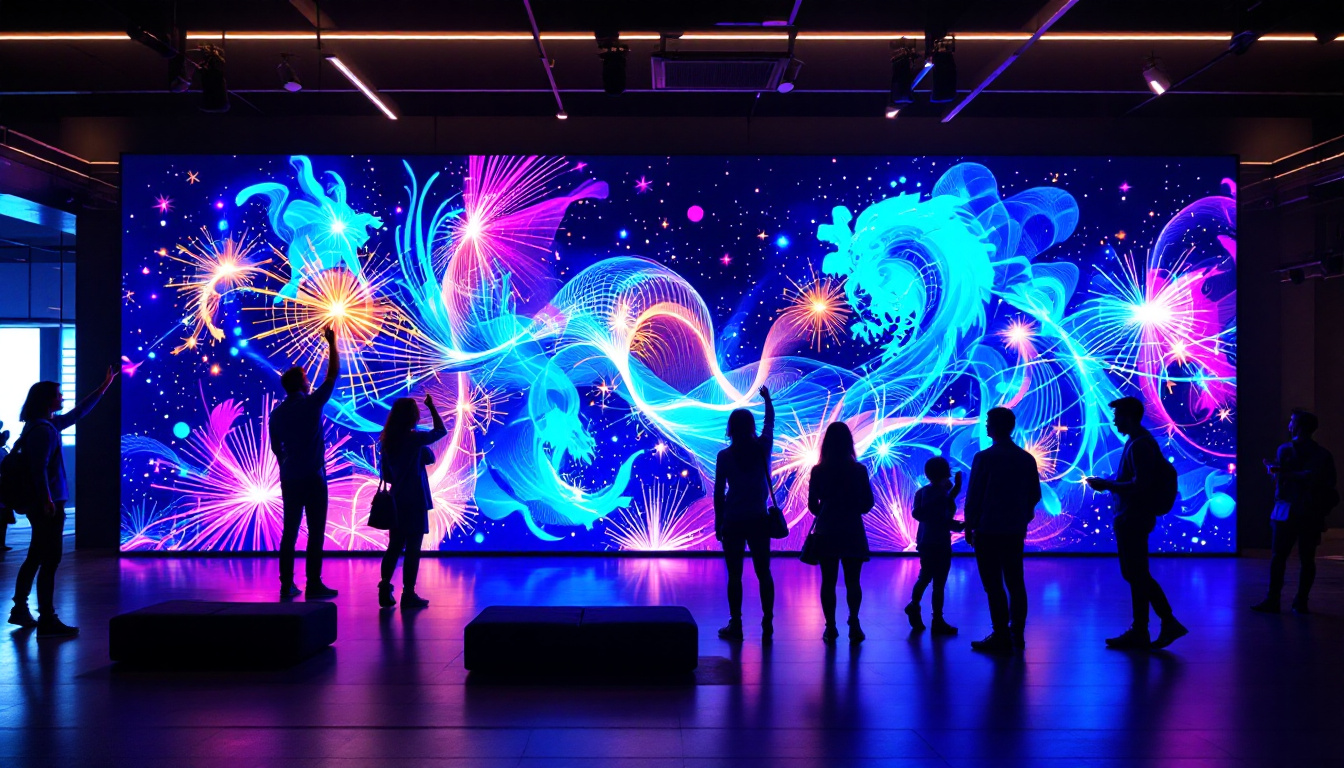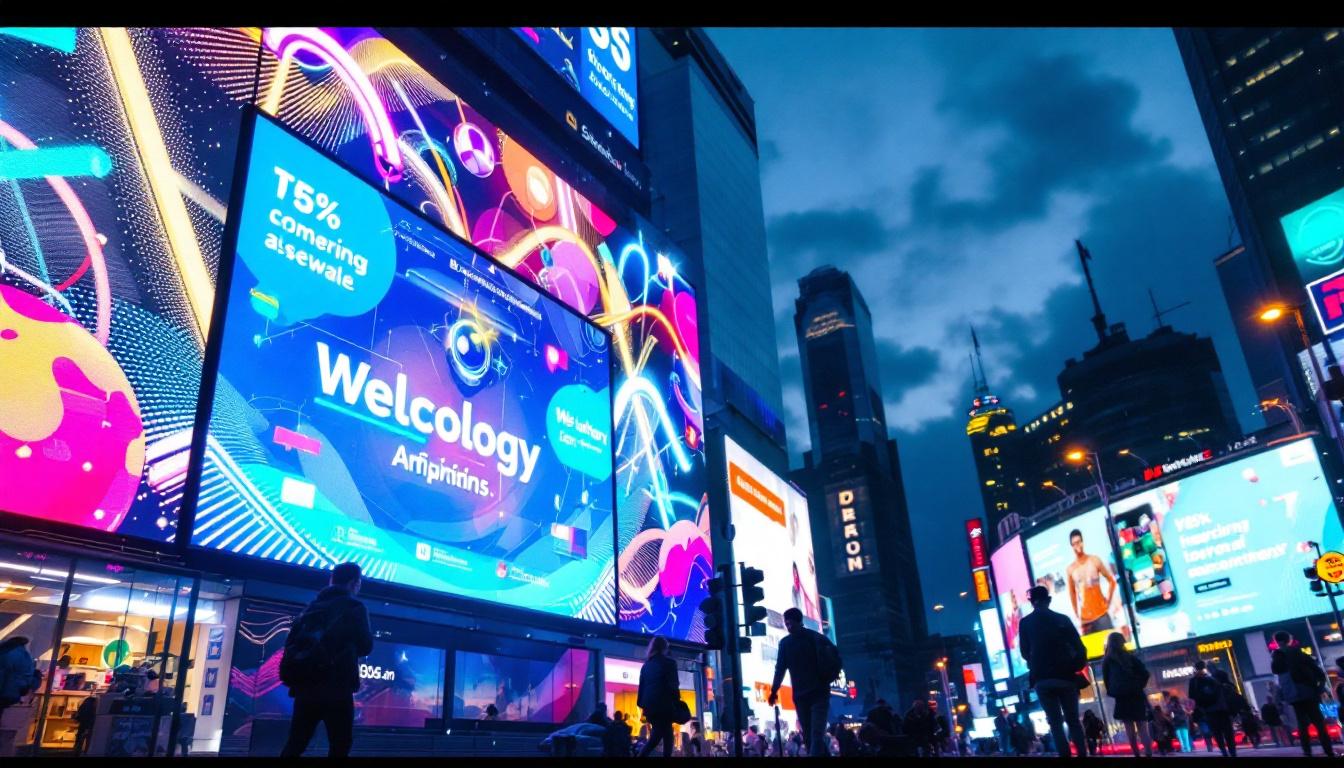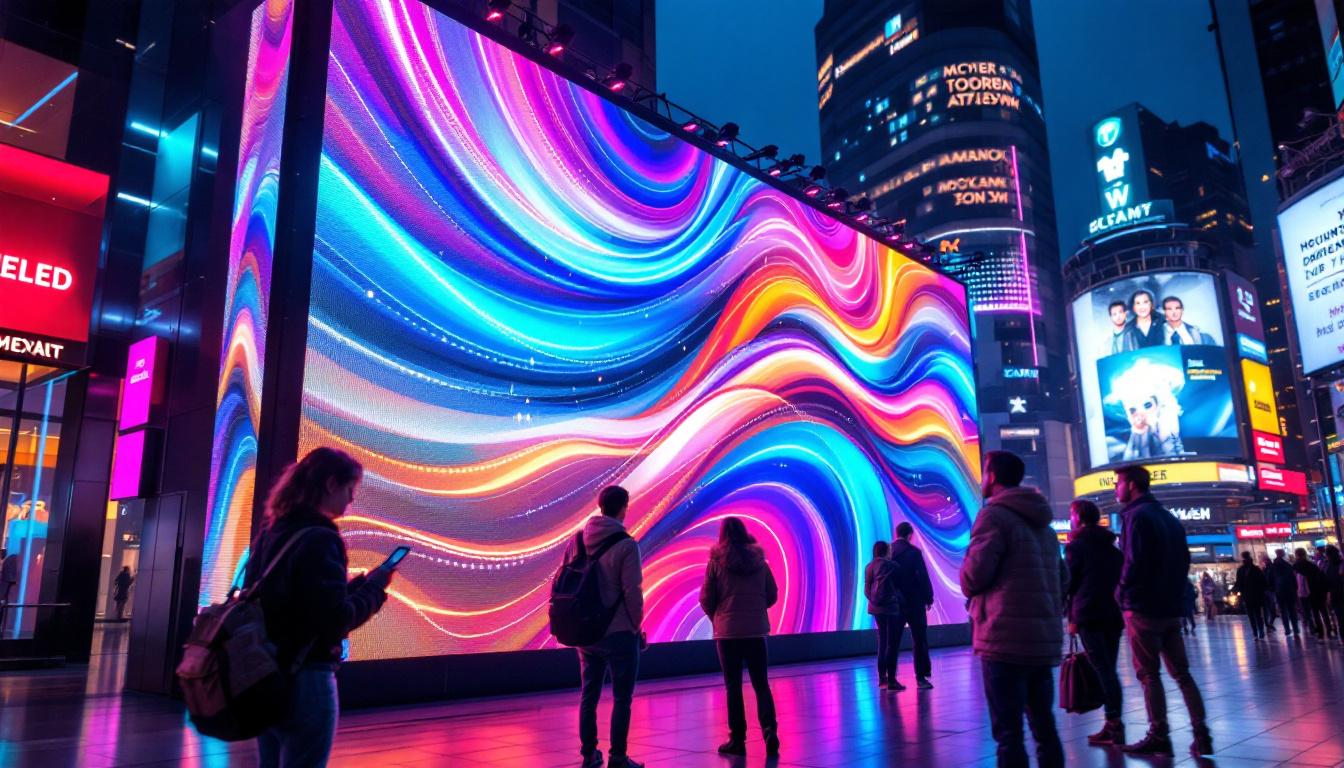
In the rapidly evolving world of digital signage and visual communication, LED displays have become a cornerstone technology. Their vibrant colors, energy efficiency, and versatility make them ideal for a wide range of applications—from advertising billboards to stadium screens and corporate presentations. This article delves into the fundamentals of LED displays, explores the technology behind them, and highlights why Imagen Display is a leading name in this field.
Understanding LED Display Technology
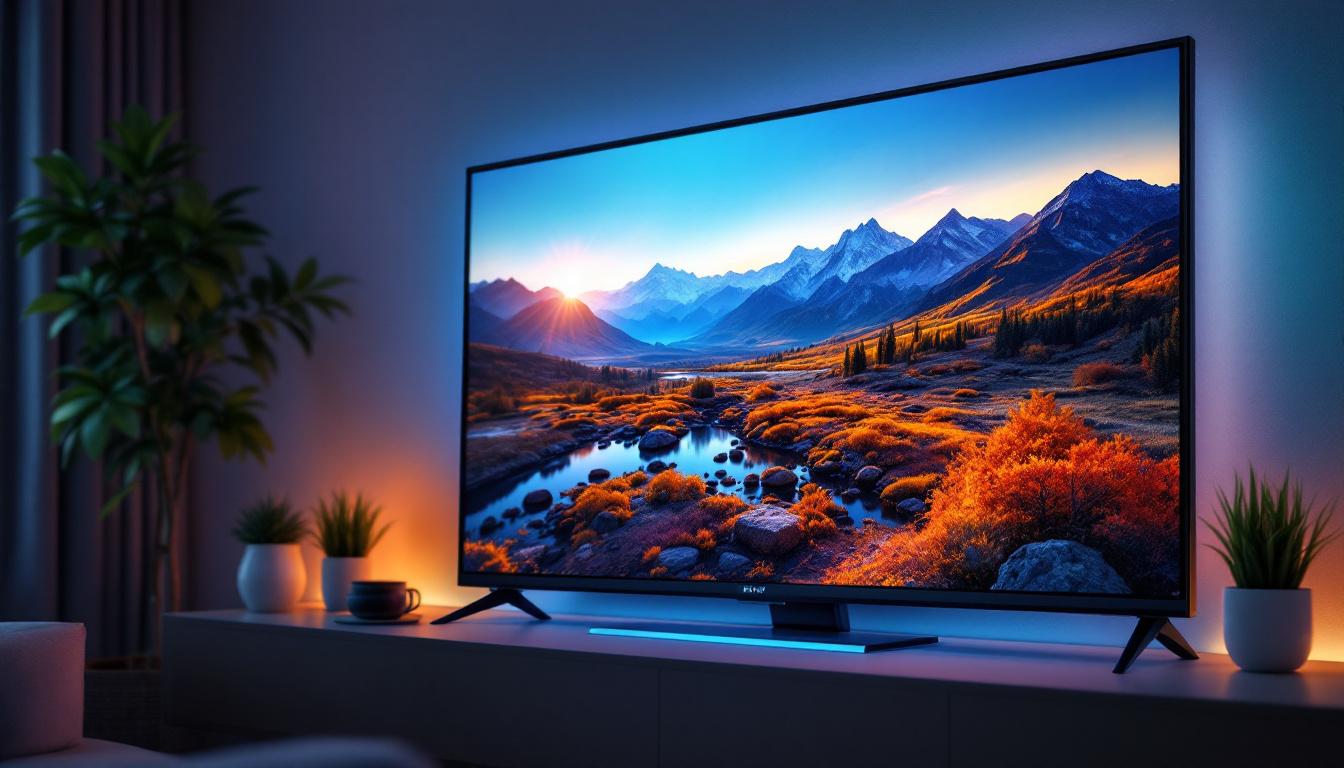
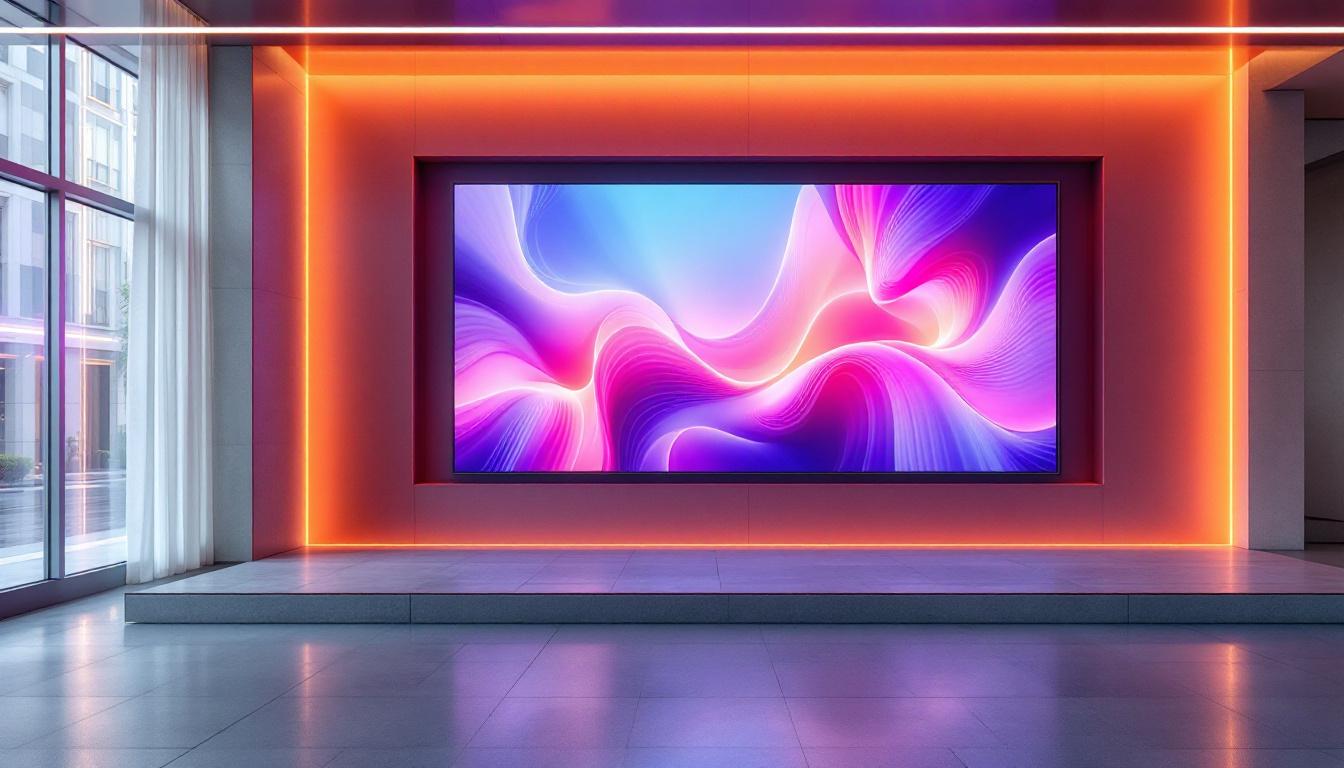
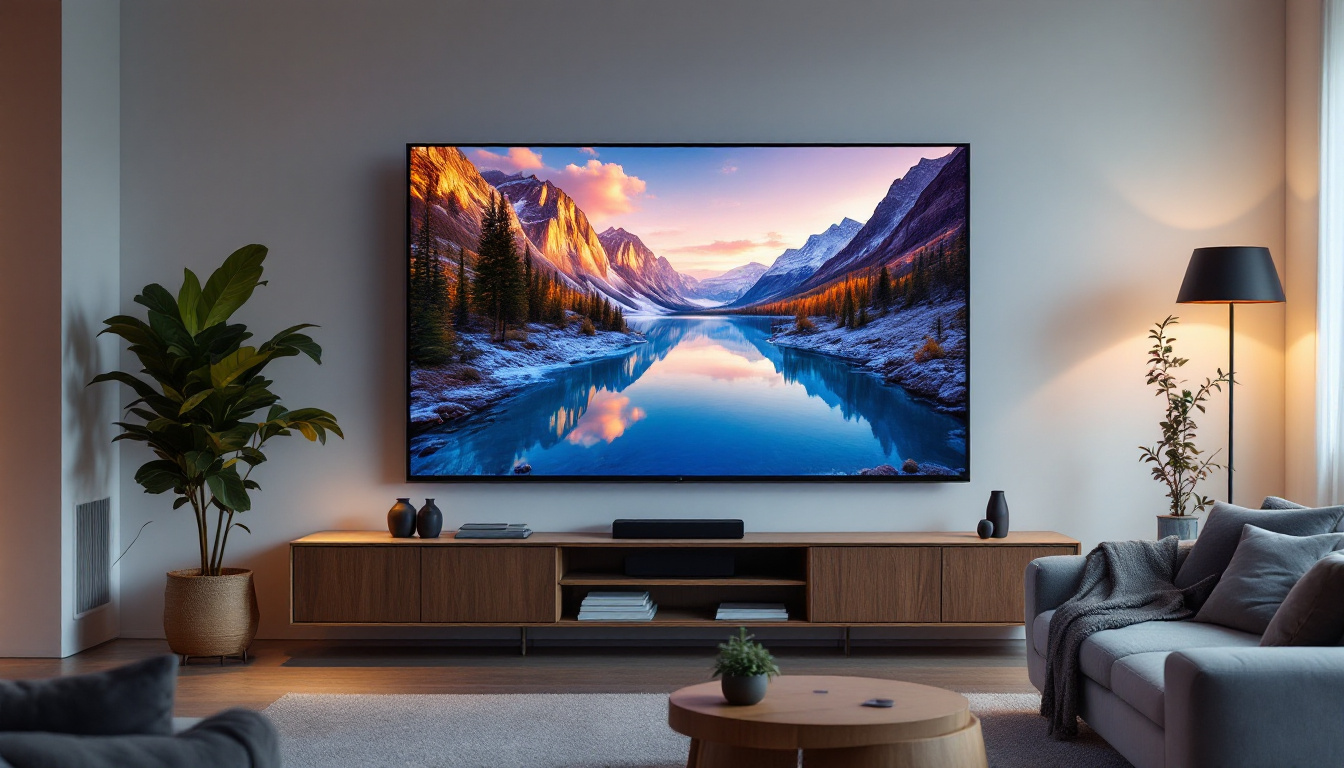
LED stands for Light Emitting Diode, a semiconductor device that emits light when an electric current passes through it. LED displays are composed of thousands to millions of these tiny diodes arranged in a matrix to form images, videos, or text. Unlike traditional LCD or projection displays, LEDs produce their own light, which results in higher brightness and better contrast ratios. This self-emitting characteristic allows LED displays to be more energy-efficient, consuming less power while delivering superior performance, making them an ideal choice for both commercial and residential applications.
How LED Displays Work
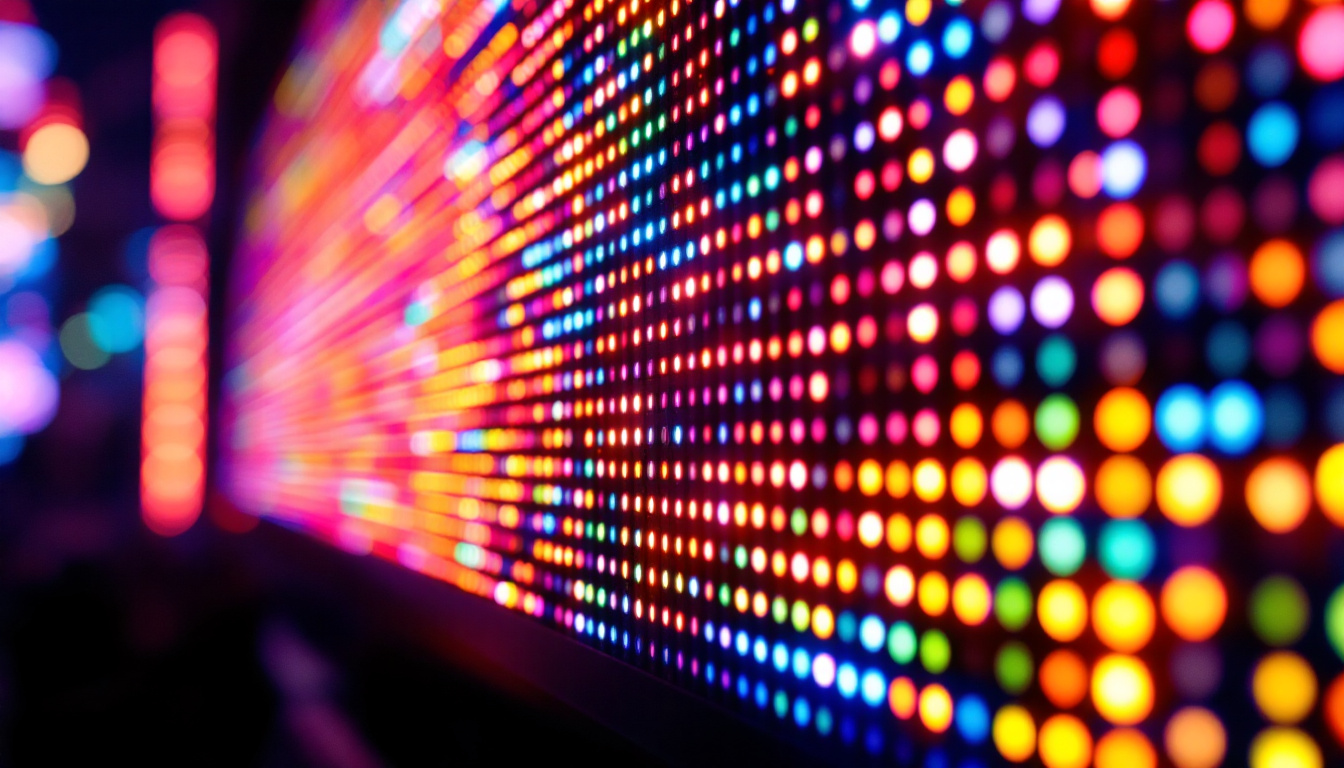
Each pixel on an LED display consists of red, green, and blue diodes. By varying the intensity of these three colors, the display can produce a full spectrum of colors. This RGB (Red, Green, Blue) color model is foundational to digital displays and is responsible for the vivid images seen on LED screens. The ability to mix these colors in various proportions enables the display to showcase millions of different hues, which is particularly beneficial for applications requiring high color fidelity, such as digital art and photography.
The diodes are controlled by a driver circuit that manages the timing and brightness of each pixel. This precise control enables LED displays to offer high refresh rates and excellent color accuracy, which are critical for dynamic content such as videos or live broadcasts. Additionally, advancements in technology have led to the development of smart LED displays that can adjust their brightness based on ambient light conditions, further enhancing the viewing experience while conserving energy.
Types of LED Displays
LED displays come in various forms, each suited to different environments and purposes:
- Indoor LED Displays: Designed for close viewing distances, these displays have a smaller pixel pitch (distance between LEDs) for higher resolution and finer detail. They are commonly used in venues such as shopping malls, conference centers, and sports arenas, where clarity and detail are paramount.
- Outdoor LED Displays: Built to withstand weather conditions and sunlight, these displays have higher brightness levels and rugged enclosures. They are often utilized for billboards, public announcements, and event promotions, ensuring visibility even in direct sunlight.
- Flexible and Transparent LED Displays: Innovative designs allow for curved or see-through screens, expanding creative possibilities for architects and advertisers. These displays can be integrated into various structures, such as storefronts or interior walls, allowing for dynamic advertising while maintaining the aesthetic of the environment.
Moreover, the emergence of MicroLED technology is revolutionizing the display landscape. MicroLEDs are tiny, self-emitting diodes that offer even higher resolution and contrast than traditional LED displays. They promise to deliver exceptional image quality with lower power consumption, making them an attractive option for future display technologies. As this technology matures, we can expect to see more applications in consumer electronics, from televisions to smartphones, enhancing how we interact with digital content.
Why LED Displays Are Preferred in Modern Visual Communication
The advantages of LED technology have made it the preferred choice for many industries. From retail to entertainment, LED displays offer unique benefits that traditional display technologies cannot match.
Superior Brightness and Visibility
One of the most significant advantages of LED displays is their brightness. Outdoor LED screens can reach brightness levels exceeding 5,000 nits, making them easily visible even in direct sunlight. This capability is essential for billboards, sports arenas, and transportation hubs where visibility is critical at all times. Furthermore, the ability to adjust brightness levels dynamically means that these displays can maintain optimal visibility during varying light conditions, ensuring that messages are always clear and impactful, regardless of the time of day or weather conditions.
Energy Efficiency and Longevity
LEDs consume significantly less power than conventional lighting and display technologies, which translates into lower operating costs. Additionally, LED displays have a long lifespan—often exceeding 100,000 hours—reducing the need for frequent replacements and maintenance. This durability not only benefits businesses financially but also contributes to sustainability efforts by minimizing electronic waste. As companies increasingly prioritize eco-friendly practices, the energy-efficient nature of LED technology aligns perfectly with their goals, allowing them to showcase their commitment to environmental responsibility.
Flexibility and Customization
LED displays can be manufactured in virtually any size and shape, from small retail signs to massive stadium screens. This adaptability allows businesses to tailor their visual communication to specific spaces and audiences. Furthermore, modular designs enable easy installation and scalability. This means that as a business grows or changes, its visual communication can evolve seamlessly. Whether it’s creating an immersive experience in a theme park or a simple yet effective display in a boutique, the customization options available with LED technology empower brands to express their identity in innovative ways.
Enhanced Color Accuracy and Contrast
Because LEDs emit light individually, they can achieve true blacks and vibrant colors, resulting in high contrast ratios. This feature enhances image quality and viewer engagement, especially important in advertising and entertainment sectors. The precision of color reproduction not only captivates audiences but also ensures that brand colors remain consistent across various displays. In industries such as fashion and automotive, where color accuracy is paramount, LED technology provides a reliable solution that can elevate marketing campaigns and product presentations to new heights. Moreover, advancements in LED technology continue to improve color gamut and brightness uniformity, further solidifying their place as the go-to choice for high-quality visual communication.
Imagen Display: Leading Innovation in LED Technology
Imagen Display has established itself as a trusted provider of cutting-edge LED display solutions. Their commitment to quality, innovation, and customer service has made them a preferred partner for businesses seeking reliable and high-performance LED displays.
Comprehensive Product Range
Imagen Display offers a diverse portfolio of LED display products, including:
- Indoor and Outdoor LED Screens: Tailored for various environments with options for different pixel pitches and brightness levels.
- Custom LED Video Walls: Designed to meet specific size and resolution requirements for corporate, retail, and entertainment applications.
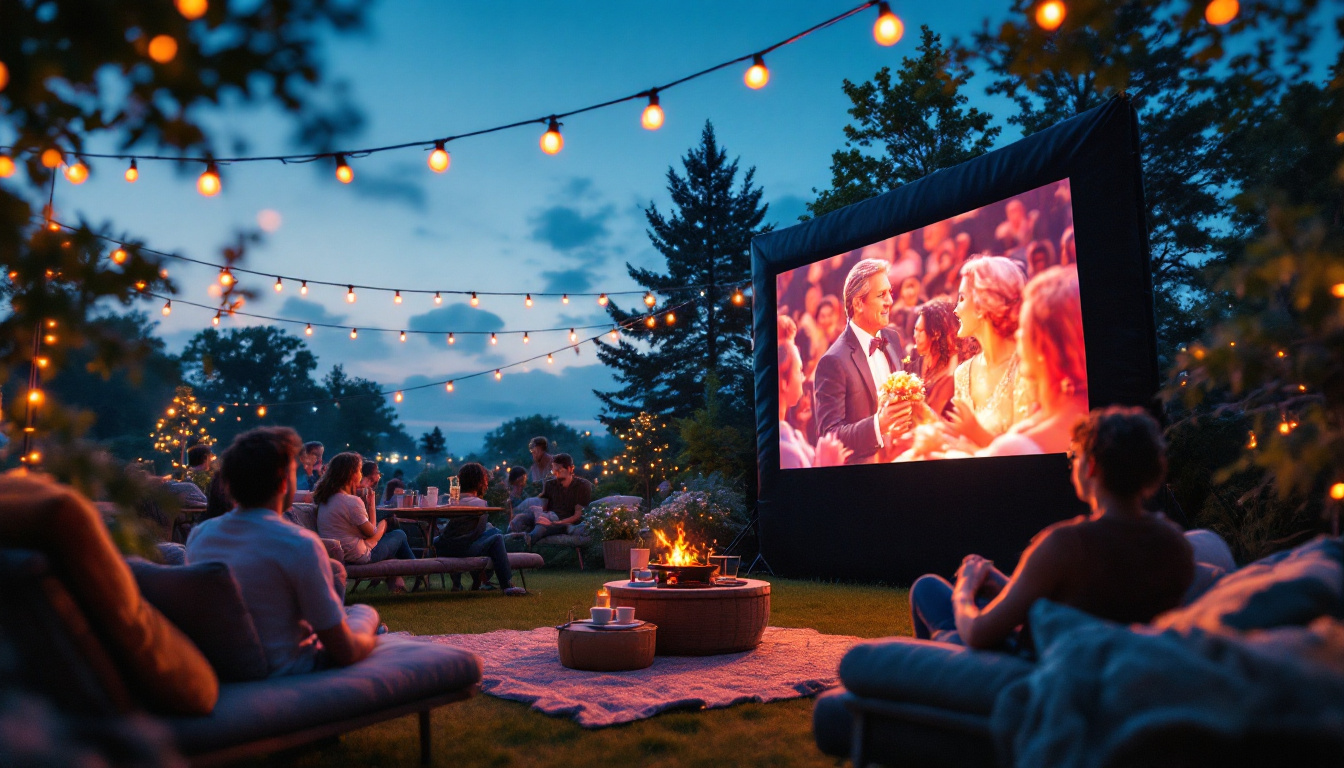
- Rental LED Displays: Portable and easy-to-install solutions ideal for events, exhibitions, and temporary installations.
Advanced Technology and Features
Imagen Display integrates the latest innovations into their products, such as:
- High Refresh Rates: Ensuring smooth video playback and reducing flicker for professional-grade visuals.
- Smart Calibration: Automated color and brightness calibration to maintain consistent image quality over time.
- Energy-Saving Designs: Utilizing efficient components and intelligent power management to minimize energy consumption.
Global Reach and Support
With a global network of partners and service centers, Imagen Display provides comprehensive support from initial consultation through installation and maintenance. Their expertise ensures that clients receive tailored solutions that maximize return on investment.
Applications of LED Displays Across Industries
LED displays have transformed how businesses and organizations communicate visually. Their versatility enables creative and impactful messaging in various sectors.
Advertising and Marketing
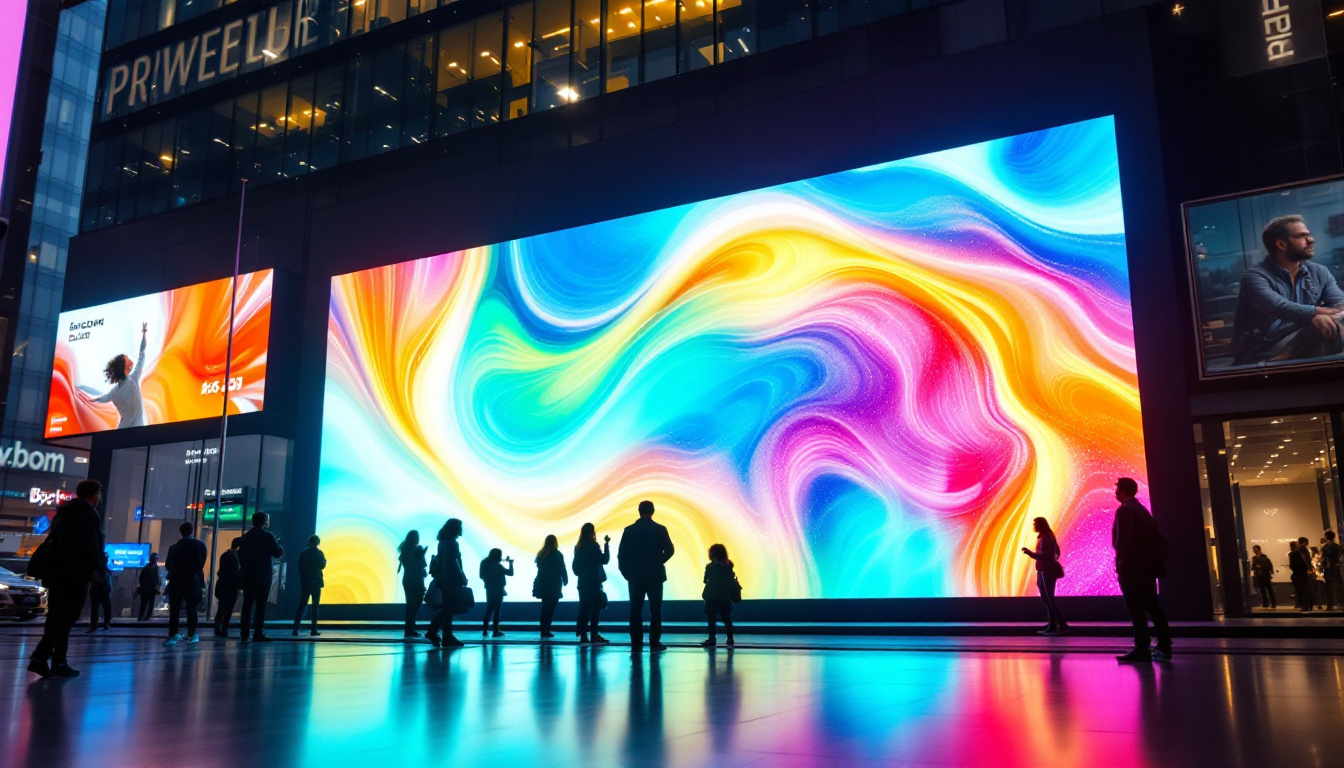
Digital billboards and retail signage powered by LED displays offer dynamic content that can be updated in real-time. This flexibility allows advertisers to target specific audiences with tailored messages, increasing engagement and conversion rates.
Sports and Entertainment
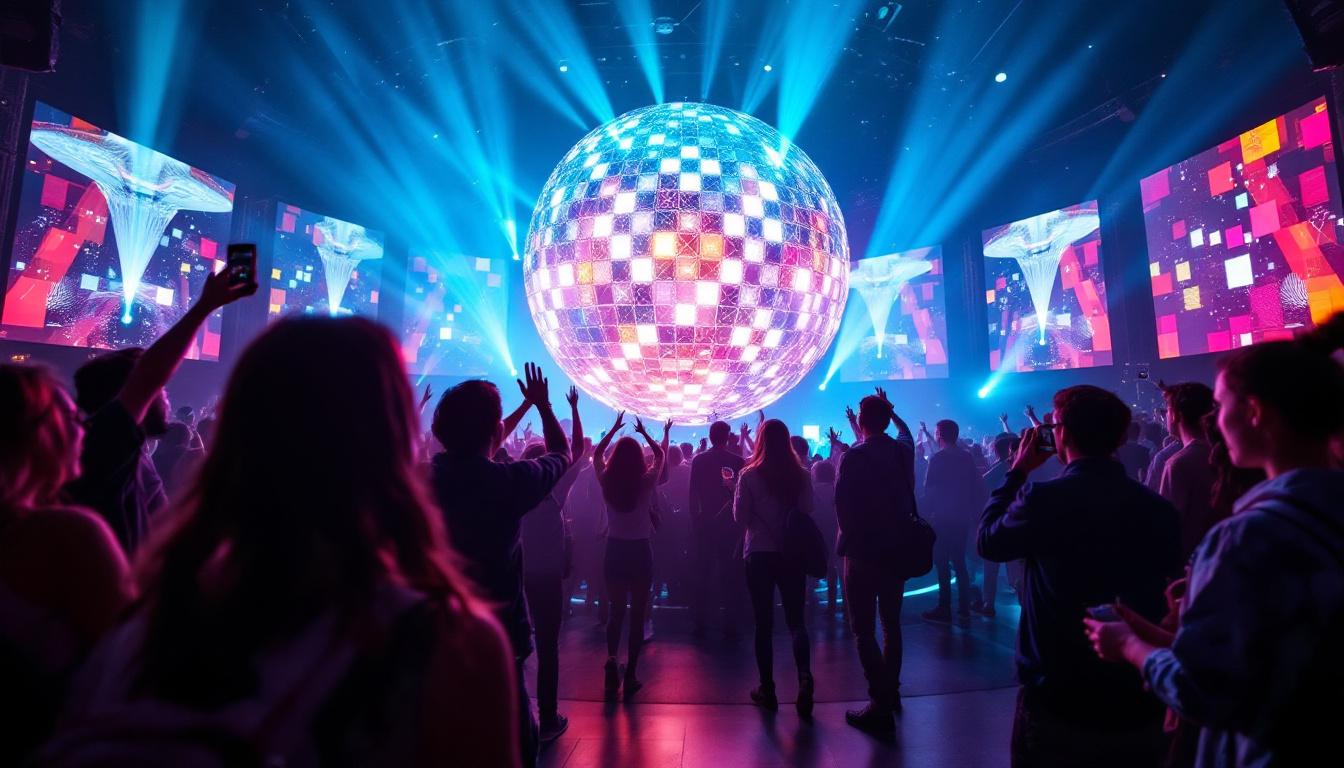
Stadiums and arenas use large-scale LED screens to enhance the spectator experience with live video, replays, and interactive content. Concerts and events also benefit from LED displays for immersive stage designs and visual effects.
Corporate and Education
In corporate environments, LED video walls facilitate presentations, video conferencing, and digital branding. Educational institutions use LED displays for interactive learning, campus communication, and event broadcasting.
Transportation and Public Spaces
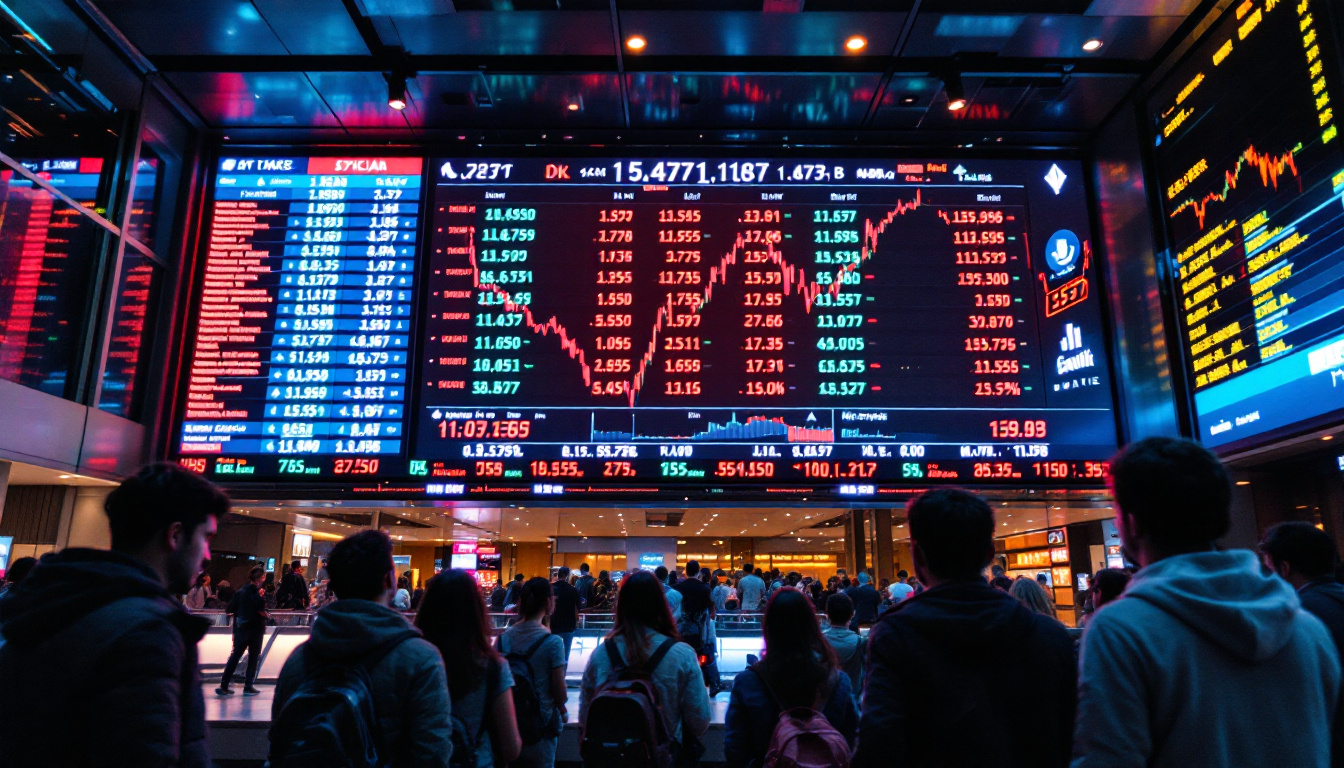
LED displays provide real-time information in airports, train stations, and bus terminals. Their high visibility and reliability improve passenger experience and operational efficiency.
Choosing the Right LED Display: Key Considerations
Selecting the appropriate LED display involves evaluating several factors to ensure it meets specific needs and budget constraints.
Pixel Pitch and Resolution
The pixel pitch determines the viewing distance and image clarity. Smaller pixel pitches (e.g., 1.5mm to 3mm) are suitable for indoor environments where viewers are close, while larger pitches (e.g., 6mm to 20mm) are ideal for outdoor or large venue displays.
Brightness and Contrast Requirements
Consider the ambient lighting conditions. Outdoor displays require higher brightness to combat sunlight, whereas indoor displays can operate at lower brightness levels to reduce eye strain and power consumption.
Durability and Weather Resistance
For outdoor installations, ensure the display has appropriate IP ratings for water and dust resistance. Robust enclosures protect against environmental factors and extend the lifespan of the display.
Installation and Maintenance
Modular designs simplify installation and facilitate maintenance. Access to technical support and warranty services is also crucial for minimizing downtime and ensuring long-term performance.
The Future of LED Displays
As technology advances, LED displays continue to evolve, pushing the boundaries of visual communication.
MicroLED and MiniLED Innovations
Emerging technologies like MicroLED and MiniLED promise even higher resolutions, improved energy efficiency, and thinner form factors. These developments will expand the applications of LED displays into new markets such as augmented reality and wearable devices.
Integration with AI and IoT
Smart LED displays integrated with artificial intelligence and Internet of Things (IoT) technologies enable personalized content delivery, predictive maintenance, and enhanced interactivity. This integration will transform how businesses engage with their audiences.
Sustainability and Eco-Friendly Designs
Manufacturers are increasingly focusing on sustainable materials and energy-saving features to reduce the environmental impact of LED displays. Innovations in recycling and end-of-life management are also gaining importance.
Conclusion
LED displays have revolutionized the way information and advertising are presented across industries. Their superior brightness, energy efficiency, and versatility make them an indispensable tool for modern visual communication. Imagen Display exemplifies excellence in this arena, offering innovative, reliable, and customizable LED solutions to meet diverse needs.
By understanding the technology, applications, and future trends of LED displays, businesses can make informed decisions that enhance their brand visibility and audience engagement. Whether for indoor retail signage, massive outdoor billboards, or dynamic event screens, LED displays continue to illuminate the path forward in digital communication.
Illuminate Your Brand with LumenMatrix
Ready to elevate your visual communication and captivate your audience with unparalleled clarity? Explore LumenMatrix’s comprehensive range of LED display solutions, from vibrant Indoor and Outdoor LED Wall Displays to innovative Custom and Transparent LED options. Embrace the future of digital signage with our advanced, energy-efficient modules designed to make your message shine. Check out LumenMatrix LED Display Solutions today and transform your space into a dynamic visual experience.