In the world of large-scale visual presentations, the demand for expansive, high-quality display solutions continues to grow. Whether for outdoor cinemas, stadium events, concerts, or corporate gatherings, a 100 ft projector screen represents a significant investment in delivering immersive viewing experiences to large audiences. However, as technology evolves, LED displays have emerged as a compelling alternative to traditional projector screens, especially at this scale.
This article explores the nuances of 100 ft projector screens and LED displays, comparing their technologies, benefits, challenges, and ideal use cases. Understanding these factors is crucial for event organizers, venue managers, and AV professionals seeking to maximize impact while balancing cost and practicality.
The Evolution of Large-Scale Display Technologies
Historically, projector screens have been the go-to solution for large-format visual displays. Using powerful projectors, images are cast onto a screen surface, creating a large, viewable area. However, as screen sizes approach 100 feet in width, the limitations of projector technology become more apparent.
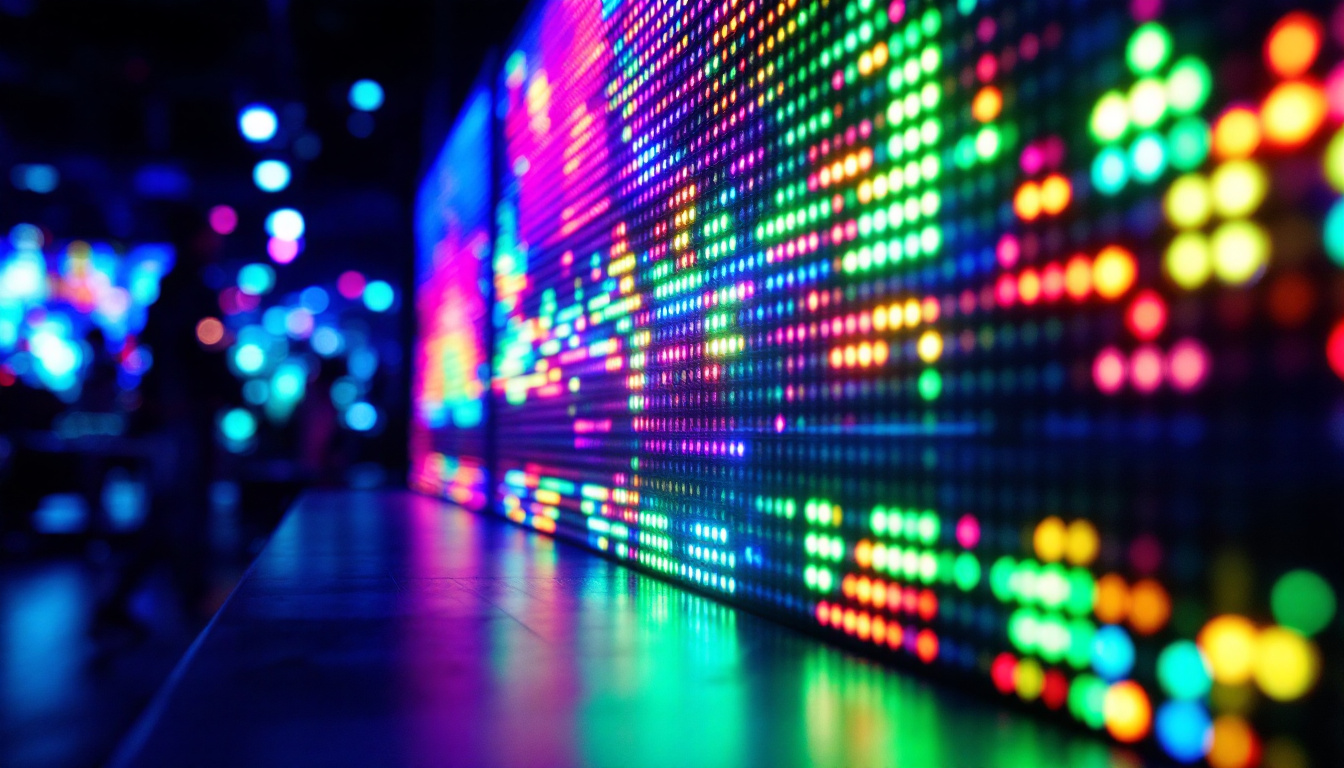
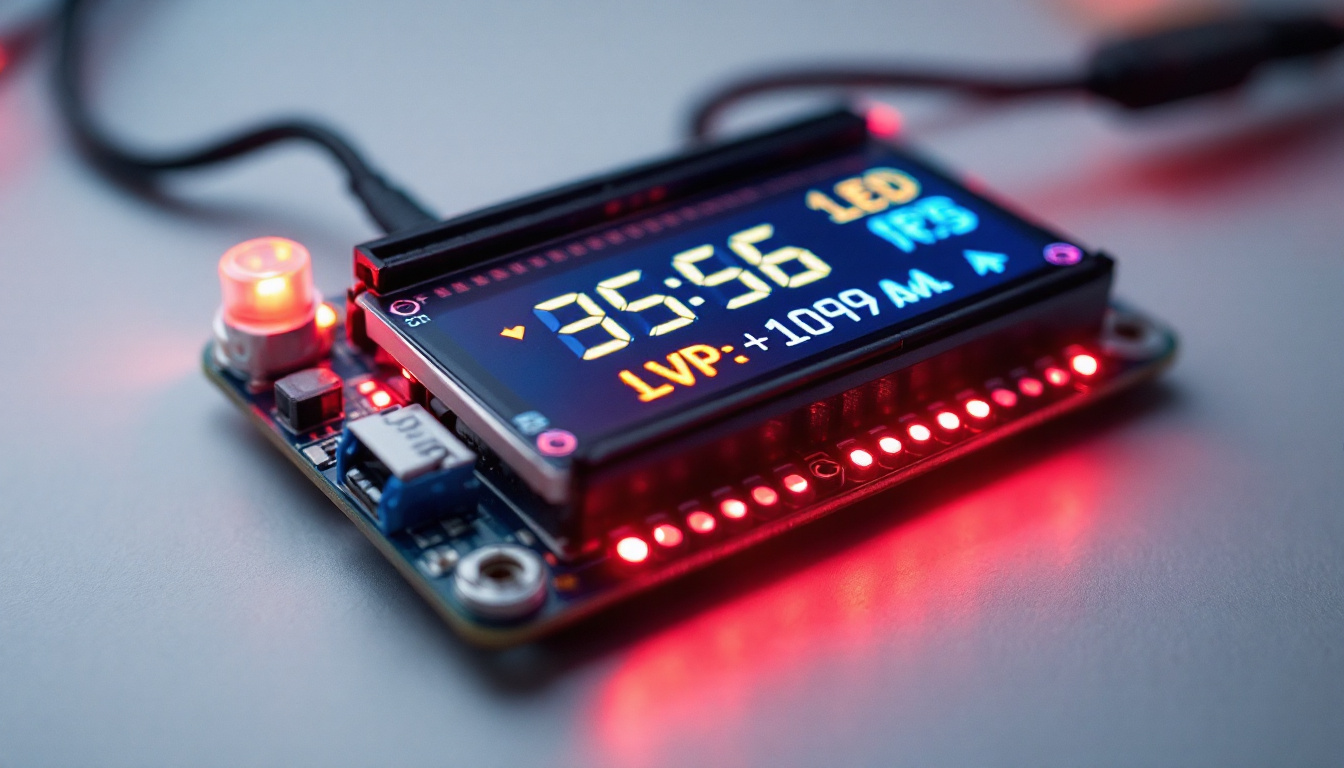
LED (Light Emitting Diode) display technology has revolutionized the industry by offering modular, scalable, and high-brightness alternatives. These displays consist of thousands of tiny LEDs that emit light directly, eliminating the need for external light sources like projectors.
Traditional 100 Ft Projector Screens: Strengths and Limitations
Projector screens of this magnitude typically require multiple high-lumen projectors blended seamlessly to achieve a uniform image. The screen material must be durable, weather-resistant (for outdoor use), and capable of maintaining color accuracy and contrast over such a large surface area.
While projectors can deliver sharp images with excellent color depth, they face challenges such as ambient light interference, alignment complexity, and maintenance demands. For example, a 100 ft wide screen may require four to six 30,000-lumen projectors working in unison, which increases both initial costs and operational complexity. Additionally, the need for meticulous calibration to ensure that all projectors are perfectly aligned can lead to increased downtime and labor costs, making it a less appealing option for many venues.
LED Displays: A Modern Alternative
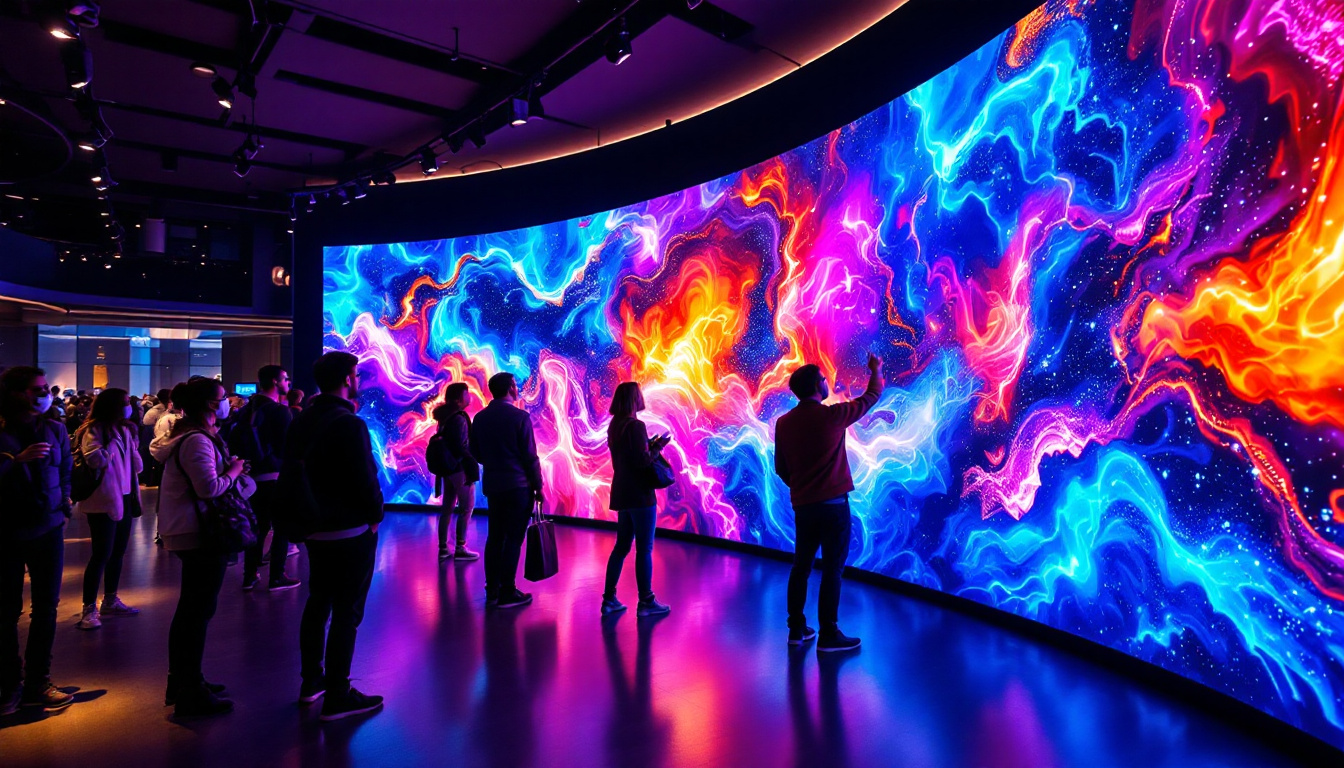
LED displays are composed of modular panels that can be assembled to create virtually any size or shape, making them ideal for extremely large screens. Unlike projector screens, LED displays emit their own light, resulting in superior brightness and visibility even in direct sunlight.
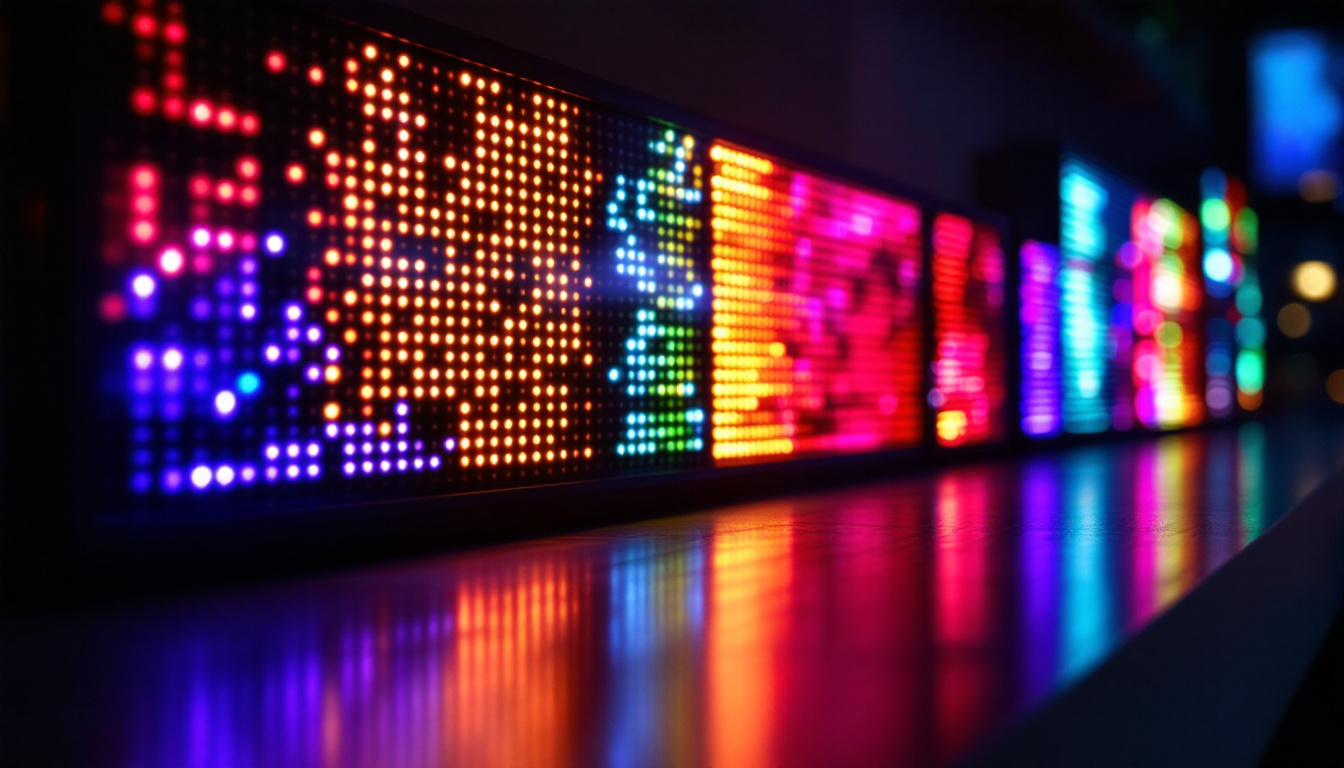
Advancements in LED technology have improved pixel pitch (the distance between individual LEDs), allowing for higher resolution and clearer images even at large sizes. For a 100 ft wide display, LED panels with a pixel pitch between 6mm and 10mm are commonly used to balance resolution and cost. Moreover, the flexibility of LED technology means that these displays can be configured for various applications, from sports arenas to concert venues, providing a dynamic viewing experience that can adapt to different content types, including high-definition video and live feeds.
Another significant advantage of LED displays is their energy efficiency and longevity. Unlike traditional projectors, which may require frequent bulb replacements, LED panels can last up to 100,000 hours with minimal degradation in quality. This not only reduces maintenance costs but also makes LED displays a more sustainable choice for large-scale installations. Furthermore, advancements in smart technology have enabled features such as real-time content management and remote diagnostics, allowing operators to monitor performance and make adjustments on-the-fly, enhancing the overall user experience and operational efficiency.
Comparing Image Quality and Viewing Experience
When evaluating a 100 ft display, image quality and viewer experience are paramount. Both projector screens and LED displays offer unique characteristics that influence these factors.
Brightness and Visibility
One of the most significant advantages of LED displays is their brightness. Typical high-end LED panels can achieve brightness levels exceeding 5,000 nits, making them easily viewable even in bright daylight. In contrast, projectors, despite their high lumen output, struggle with ambient light, often requiring darkened environments for optimal viewing.
For outdoor events or venues with significant ambient light, LED displays provide a clear advantage by maintaining vivid, visible images without the need for blackout conditions.
Resolution and Image Sharpness
Resolution is closely tied to pixel pitch in LED displays and the projector’s native resolution and screen size. While projectors can produce very high-resolution images, scaling up to 100 ft wide often results in visible pixelation unless multiple projectors are blended carefully.
LED displays can be configured with smaller pixel pitches to enhance clarity, but this comes at increased cost. For audiences viewing from a distance, a pixel pitch of 8mm to 10mm often provides a good balance between sharpness and budget.
Color Accuracy and Contrast
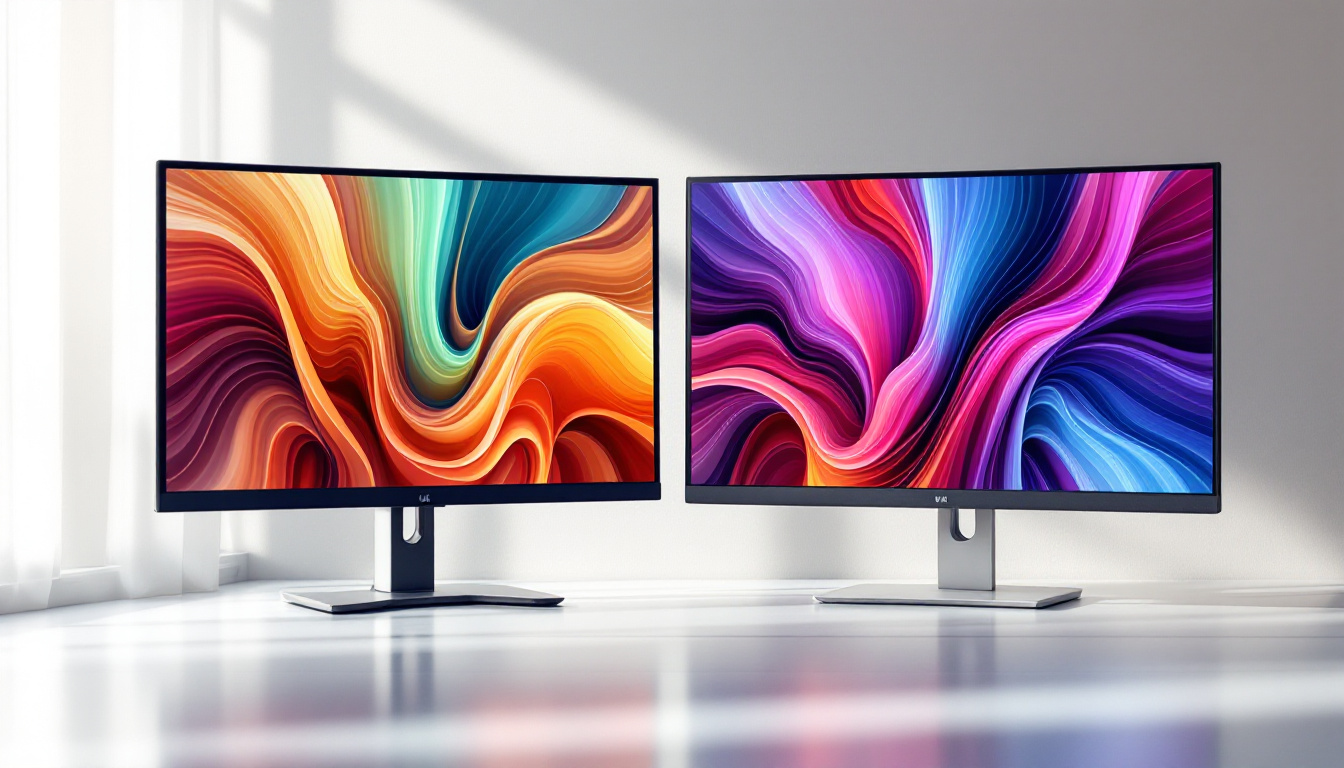
Projector screens typically offer excellent color accuracy and deep blacks due to the reflective nature of the screen material and projector technology. However, this can be compromised by ambient light and screen surface quality.
LED displays have made significant strides in color reproduction and contrast ratios, with many models supporting HDR (High Dynamic Range) content. The direct emission of light from LEDs allows for vibrant colors and high contrast, even in challenging lighting conditions.
Installation, Maintenance, and Operational Considerations
Beyond image quality, practical factors such as installation complexity, maintenance, and operational costs heavily influence the choice between a 100 ft projector screen and an LED display.
Installation Complexity
Installing a 100 ft projector screen requires precise alignment of multiple projectors, mounting structures for the screen, and careful calibration to ensure seamless image blending. This process can take days or weeks, depending on the venue and equipment.
LED displays, being modular, can be assembled and disassembled relatively quickly, making them suitable for both permanent installations and touring events. However, the structural support for large LED walls must be robust to handle weight and environmental factors.
Maintenance and Durability
Projectors require regular maintenance, including lamp replacements, cleaning, and calibration. The screen surface can also degrade over time, especially in outdoor environments.
LED panels are generally more durable and weather-resistant, with many rated for outdoor use with IP65 or higher protection. Individual LED modules can be replaced if damaged, reducing downtime and repair costs.
Power Consumption and Operational Costs
Projector systems can be energy-intensive, especially when multiple high-lumen units are used simultaneously. Cooling requirements add to operational costs.
LED displays also consume significant power, but advances in LED efficiency have reduced energy usage. Additionally, LED displays do not require external cooling systems to the same extent as projectors.
Cost Analysis: Budgeting for a 100 Ft Display
Cost is often the deciding factor in large-scale display projects. Both projector screens and LED displays entail substantial investment, but their cost structures differ.
Initial Investment
For a 100 ft wide display, a high-quality projector setup—including multiple projectors, blending equipment, and a custom screen—can range from $150,000 to $300,000 or more, depending on specifications.
LED displays of comparable size typically start around $250,000 and can exceed $500,000 for higher resolution panels and advanced features. The modular nature of LED displays means costs can be scaled based on pixel pitch and panel quality.
Long-Term Costs
Projector systems incur ongoing costs for lamp replacements, maintenance, and potential screen repairs. Additionally, the need for controlled lighting environments can limit event flexibility.
LED displays, while having higher upfront costs, generally have lower maintenance expenses and offer greater versatility for varied event conditions, potentially providing better value over time.
Use Cases: When to Choose a 100 Ft Projector Screen vs. an LED Display
Understanding the strengths and limitations of each technology helps determine the best fit for specific applications.
Ideal Scenarios for 100 Ft Projector Screens
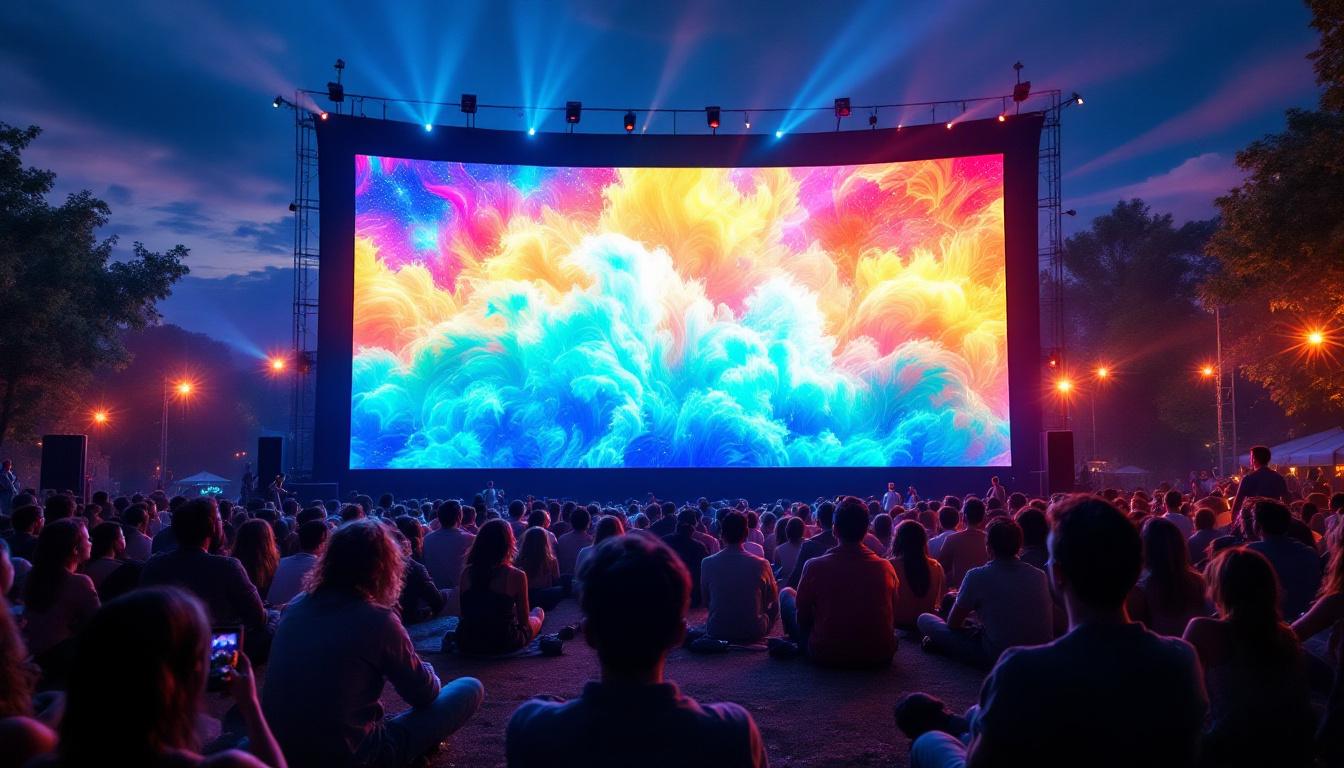
Projector screens remain a strong choice for controlled indoor environments such as convention centers, theaters, and auditoriums where ambient light can be managed. They are also suitable for cinematic presentations where color accuracy and contrast are critical.
For venues with existing projector infrastructure, upgrading to a larger screen may be more cost-effective than investing in a full LED display.
Ideal Scenarios for LED Displays
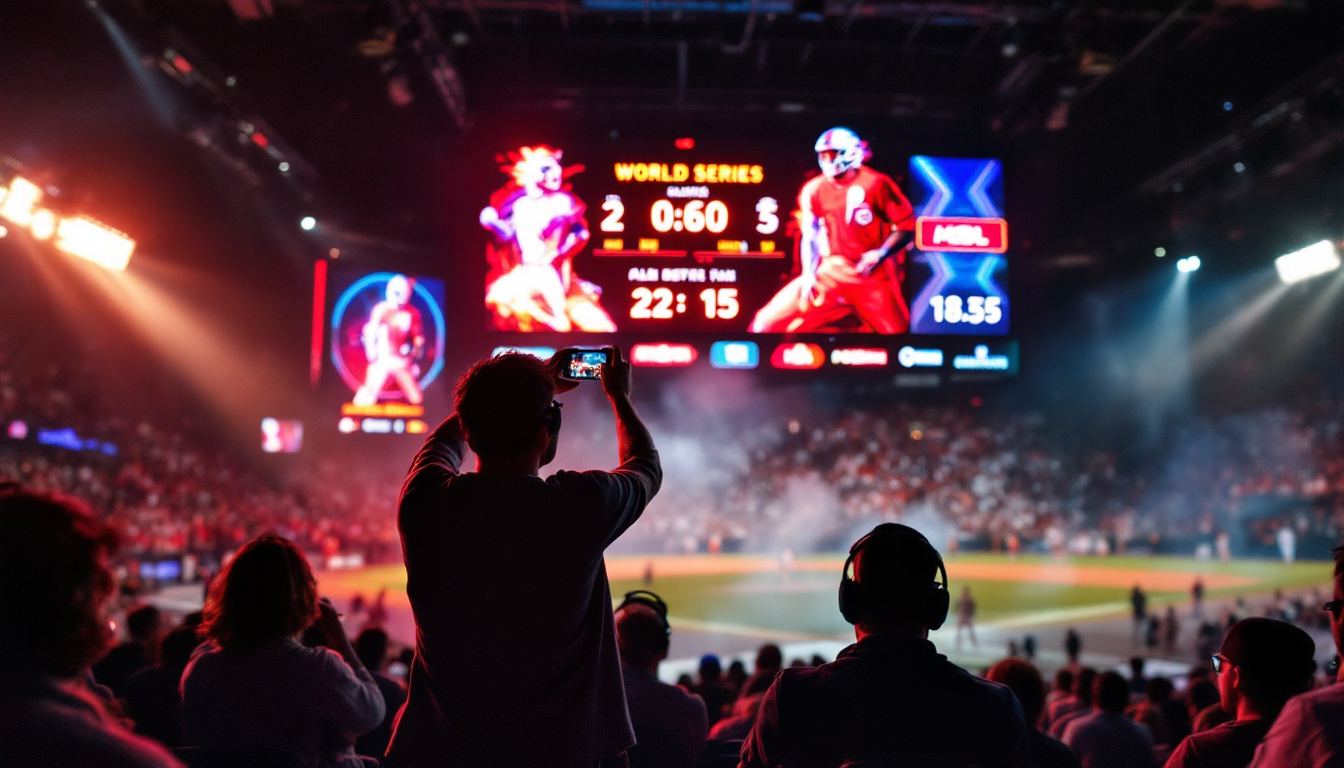
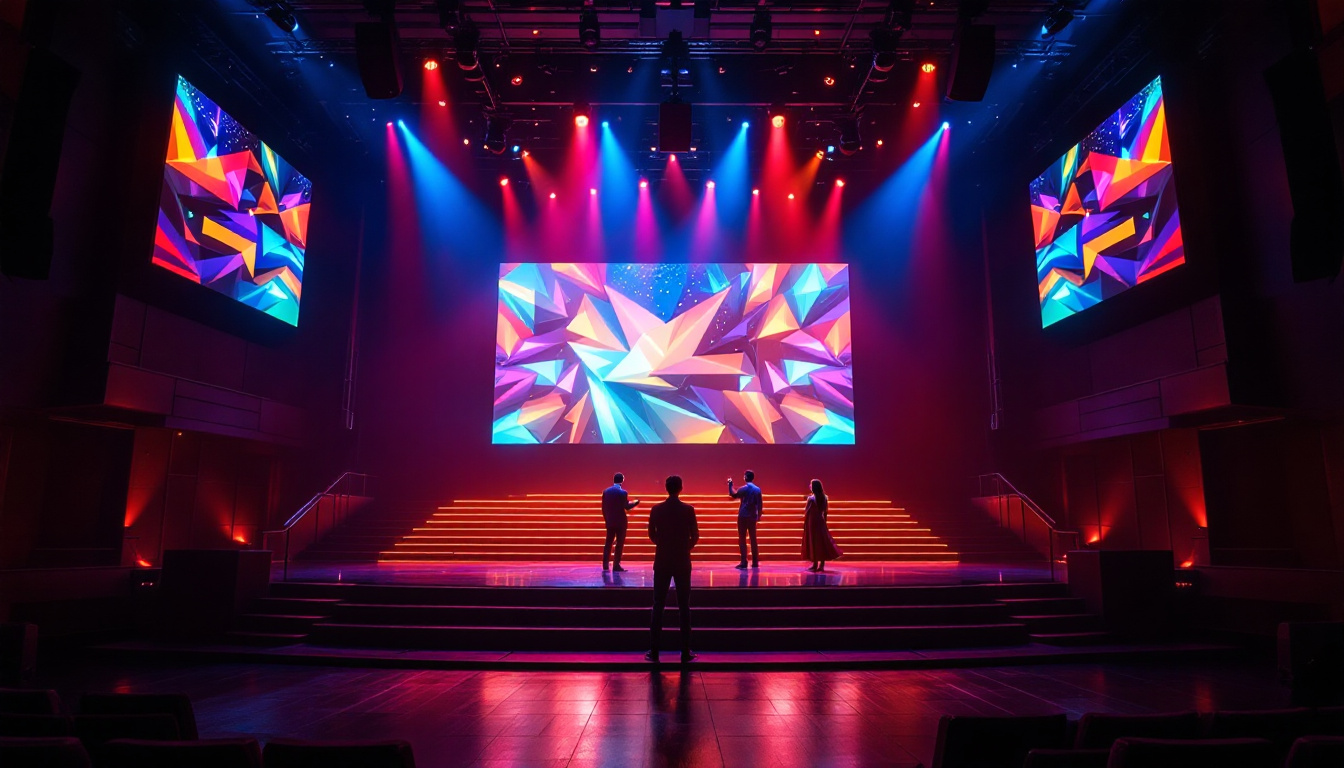
LED displays excel in outdoor settings, large venues with ambient light, and events requiring quick setup and teardown, such as concerts, sports events, and festivals. Their brightness and durability make them well-suited for diverse environments.
Corporate events and trade shows benefit from the modularity and flexibility of LED walls, which can be configured into various shapes and sizes beyond traditional rectangular screens.
Future Trends in Large-Scale Display Technology
The display industry continues to innovate rapidly, with emerging technologies promising to further enhance large-scale visual experiences.
MicroLED and MiniLED Technologies
Next-generation LED technologies such as MicroLED and MiniLED offer higher pixel densities, improved color accuracy, and better energy efficiency. These advances will make LED displays even more competitive against traditional projection systems, especially for ultra-large formats.
Integration with Augmented Reality (AR) and Interactive Features
Future 100 ft displays may incorporate interactive elements and AR overlays, creating immersive environments that engage audiences beyond passive viewing. This integration is already being explored in sports arenas and entertainment venues.
Improved Portability and Modular Design
Manufacturers are developing lighter, more portable LED panels that simplify logistics for touring events. Enhanced modularity will allow for rapid reconfiguration and customization, expanding creative possibilities.
Conclusion
Choosing between a 100 ft projector screen and an LED display involves balancing image quality, environmental conditions, installation complexity, maintenance, and budget. While traditional projector screens continue to offer excellent image fidelity in controlled settings, LED displays provide unmatched brightness, flexibility, and durability for large-scale, dynamic environments.
As LED technology advances and costs become more accessible, it is poised to become the dominant solution for massive visual displays. Stakeholders should carefully assess their specific needs and constraints to select the technology that delivers the best audience experience and long-term value.
Discover LumenMatrix’s Advanced LED Display Solutions
Ready to elevate your audience’s viewing experience with the latest in LED display technology? Look no further than LumenMatrix, a pioneer in creating visually stunning and versatile LED displays for any occasion. From vibrant indoor and outdoor walls to innovative vehicle and sports displays, our solutions are designed to captivate and engage. Embrace the future of visual communication with our custom, all-in-one, and transparent LED options. Check out LumenMatrix LED Display Solutions today and transform your space into a dynamic visual spectacle.