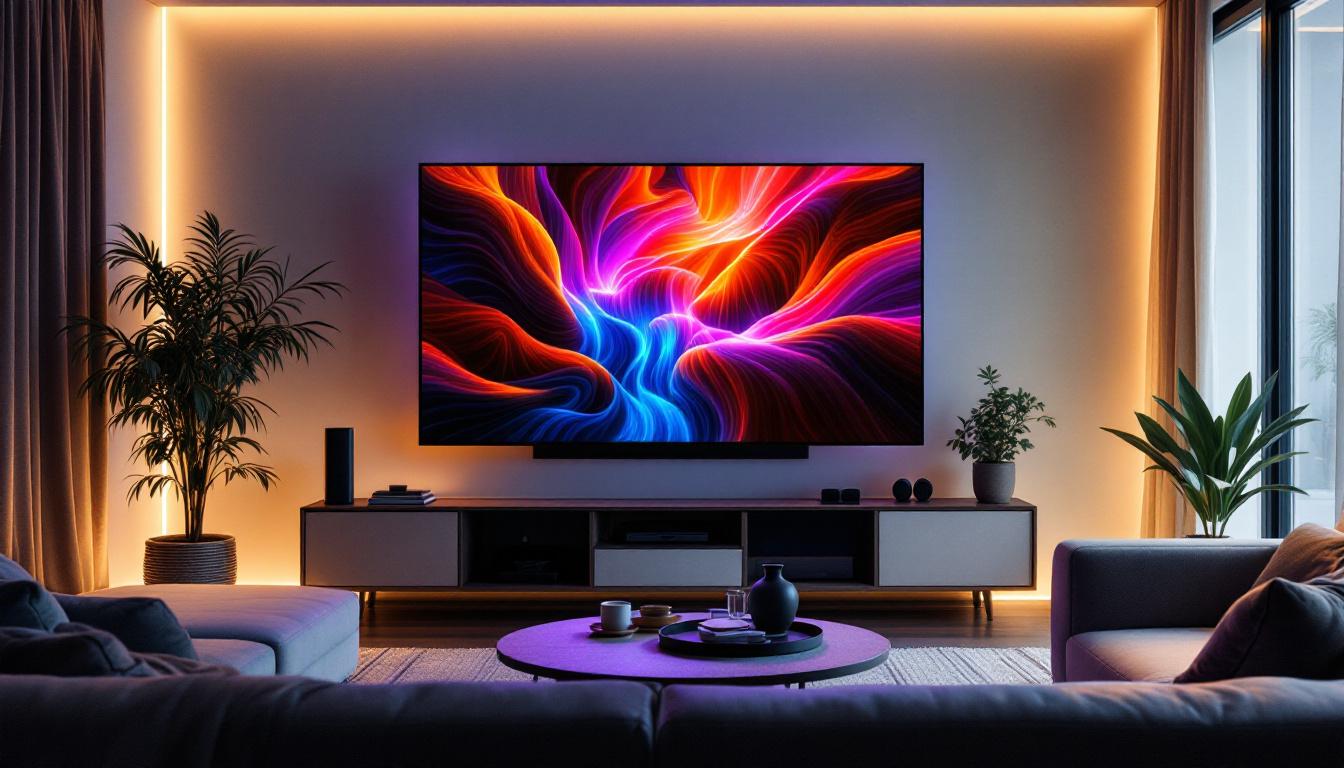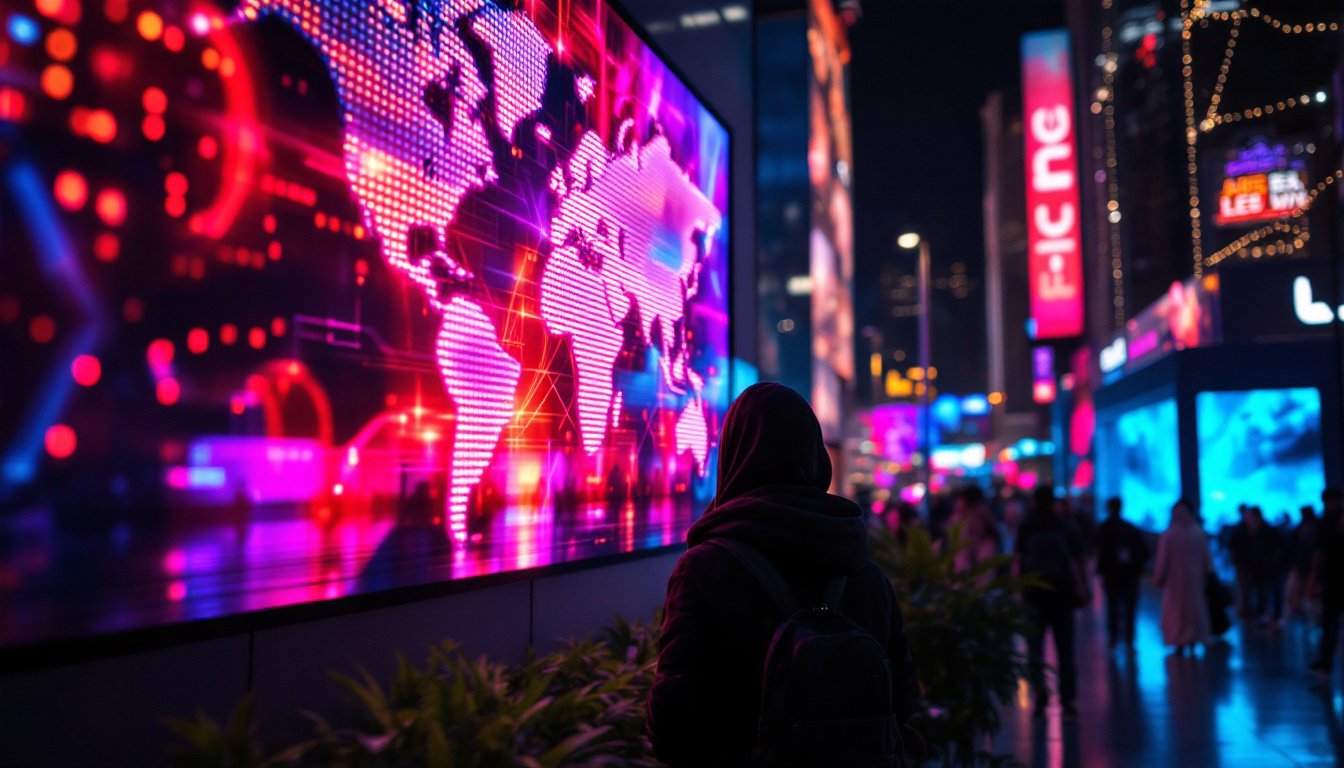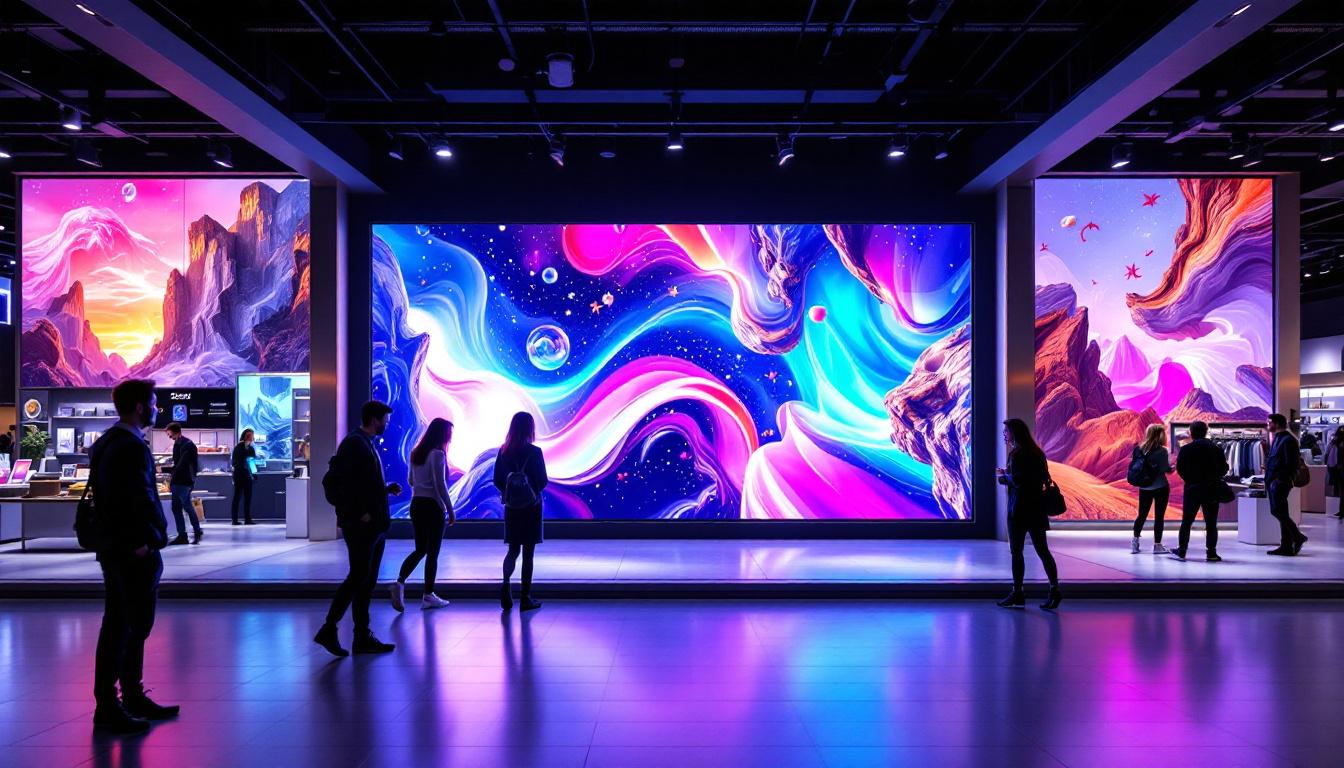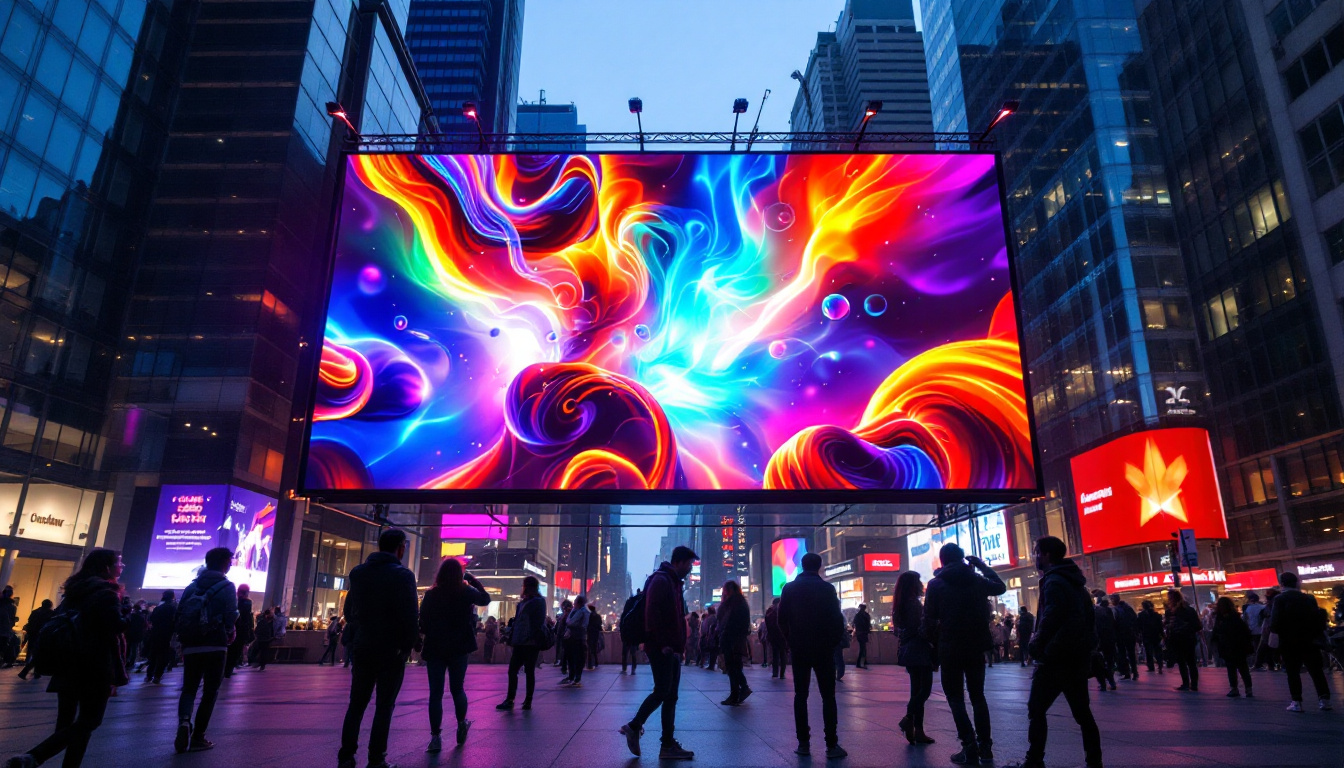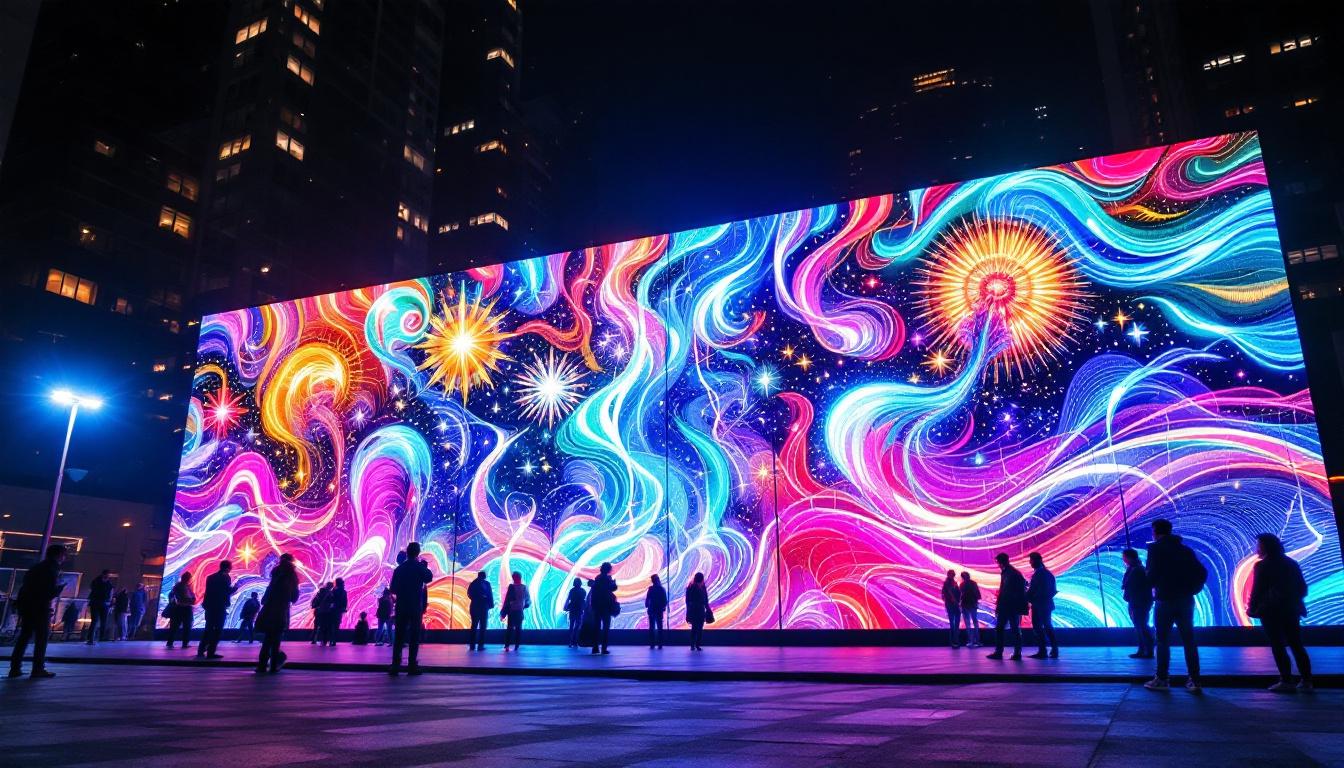
In today’s fast-evolving digital landscape, LED displays have become a cornerstone technology for communication, advertising, and entertainment. From towering billboards in bustling city centers to dynamic screens in stadiums and retail environments, LED displays offer unparalleled brightness, versatility, and visual impact. This article delves into the world of LED displays, exploring their technology, applications, and the reasons behind their growing dominance in visual media.
Understanding LED Display Technology
At its core, an LED display is a flat panel that uses light-emitting diodes (LEDs) as pixels to present images, videos, or text. Unlike traditional LCD or plasma screens, LED displays rely on tiny semiconductor devices that emit light when an electric current passes through them. This fundamental difference contributes to their superior brightness, energy efficiency, and durability. The ability of LEDs to produce light without the need for a backlight not only enhances their performance but also allows for thinner and lighter designs, making them increasingly popular in various applications.
How Do LED Displays Work?
Each LED in the display acts as a single pixel or part of a pixel. These diodes can emit red, green, or blue light, which combine in varying intensities to produce a full spectrum of colors. By controlling the brightness of each diode, the display creates detailed and vibrant images. The rapid response time of LEDs also means that they can display fast-moving images without blurring, making them ideal for video content and dynamic graphics.
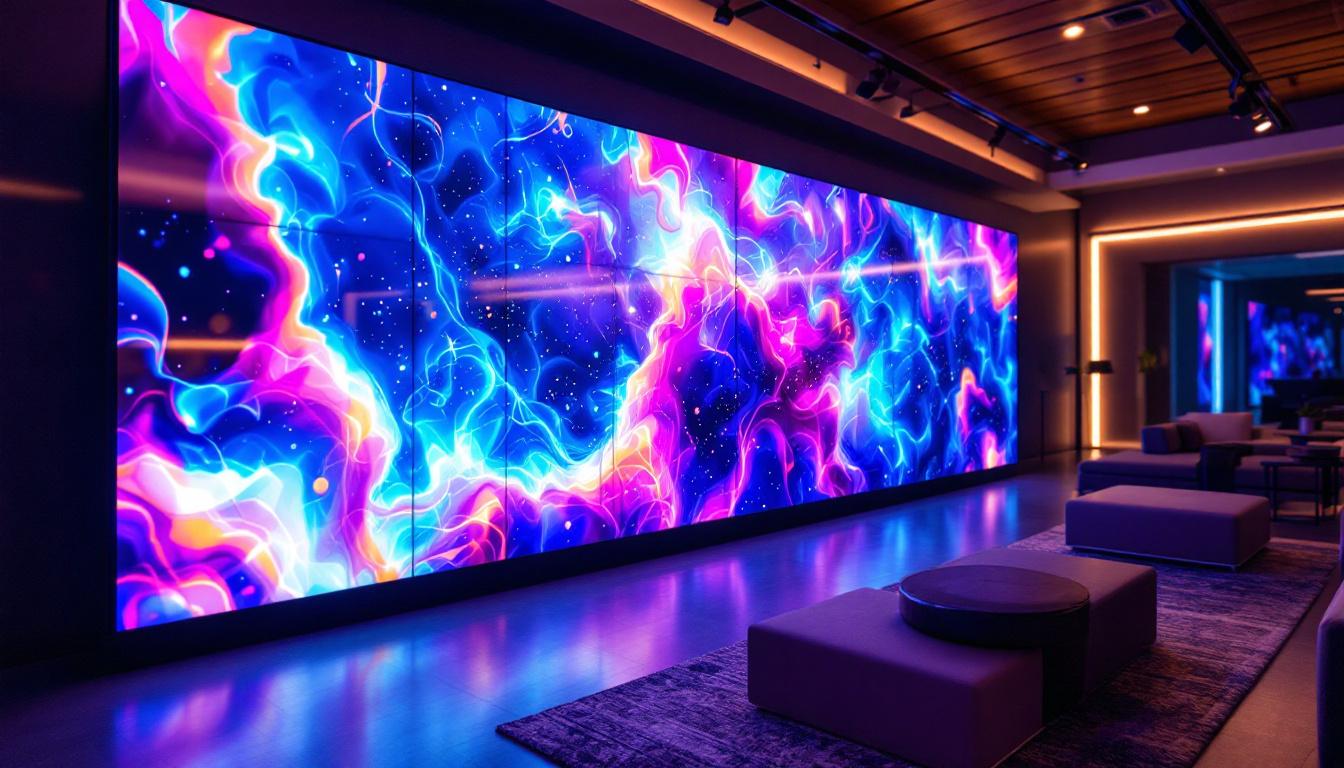
Modern LED displays are typically made up of modules or panels that can be assembled into larger screens of virtually any size and shape. This modularity allows for customization in both indoor and outdoor settings, accommodating everything from small retail signs to massive stadium screens. Additionally, advancements in technology have led to the development of flexible LED displays, which can be bent or curved to fit unique architectural designs, further expanding their application in creative installations.
Types of LED Displays
There are several types of LED displays, each suited for different applications:
- Surface-Mounted Device (SMD) LED: These are the most common for indoor displays, where LEDs are mounted directly onto the surface of a circuit board. SMD LEDs offer high resolution and excellent color blending, making them ideal for close viewing distances. Their compact design allows for more pixels per square inch, resulting in sharper images and smoother transitions.
- Through-Hole LED: Typically used for outdoor displays, these LEDs are mounted through holes in the circuit board. They are more robust and can be brighter, which is essential for visibility in direct sunlight. The durability of through-hole LEDs also makes them suitable for environments that experience harsh weather conditions, ensuring longevity and consistent performance.
- Mini and Micro LED: Emerging technologies that pack LEDs into even smaller packages, providing higher resolutions and better contrast ratios. These are increasingly used in premium displays, including TVs and mobile devices. Mini and Micro LED technology also allows for greater energy efficiency and improved color accuracy, making them a preferred choice for high-end applications.
As LED technology continues to evolve, new innovations are being introduced that enhance the capabilities of displays. For instance, advancements in color accuracy and brightness control are making it possible to achieve true-to-life images that captivate audiences. Furthermore, the integration of smart technology into LED displays allows for interactive features, such as touch capabilities and real-time content updates, which are transforming how information is presented in public spaces and advertising platforms.
The Advantages of LED Displays
LED displays have become the preferred choice for many industries due to their unique combination of features. Understanding these advantages helps explain why they are so widely adopted.
Brightness and Visibility
One of the most significant benefits of LED displays is their exceptional brightness. Outdoor LED billboards can reach brightness levels of over 5,000 nits, ensuring visibility even under direct sunlight. This makes them far superior to LCD or projection-based systems, which often struggle in bright environments.
Additionally, LED displays offer wide viewing angles, meaning the image quality remains consistent from different perspectives. This is crucial for public installations where audiences view the screen from multiple directions. The ability to maintain clarity and vibrancy from various angles not only enhances the viewer experience but also maximizes the effectiveness of advertising campaigns, as more people can engage with the content regardless of their position relative to the display.
Energy Efficiency and Longevity
Compared to older display technologies, LEDs consume less power, translating into lower operational costs and a smaller environmental footprint. Advances in LED chip technology have also extended the lifespan of these displays, often exceeding 100,000 hours of use before significant brightness degradation occurs.
This remarkable longevity means that businesses can invest in LED technology with confidence, knowing they will not need to replace their displays frequently. Furthermore, many LED displays incorporate smart technology that allows for automatic brightness adjustments based on ambient lighting, further enhancing energy savings and ensuring optimal performance throughout the day and night.
Flexibility and Customization
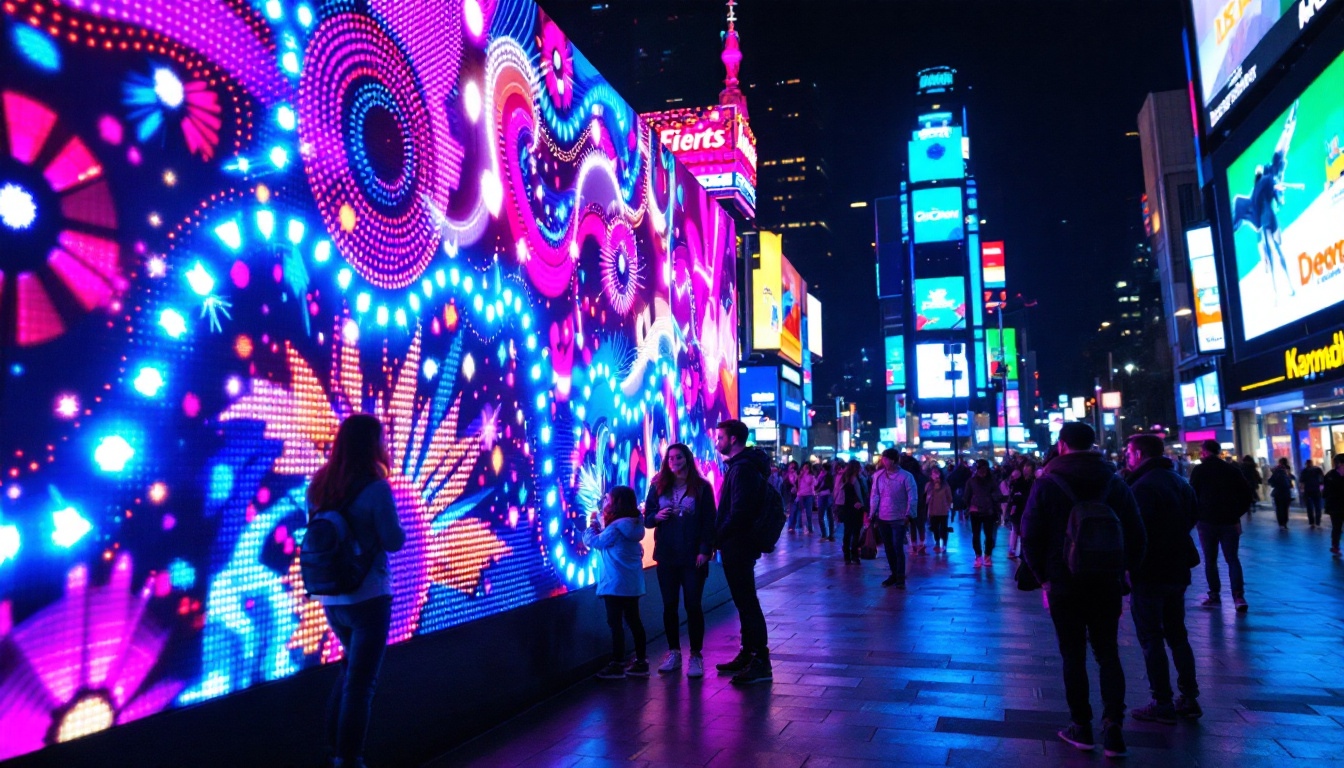
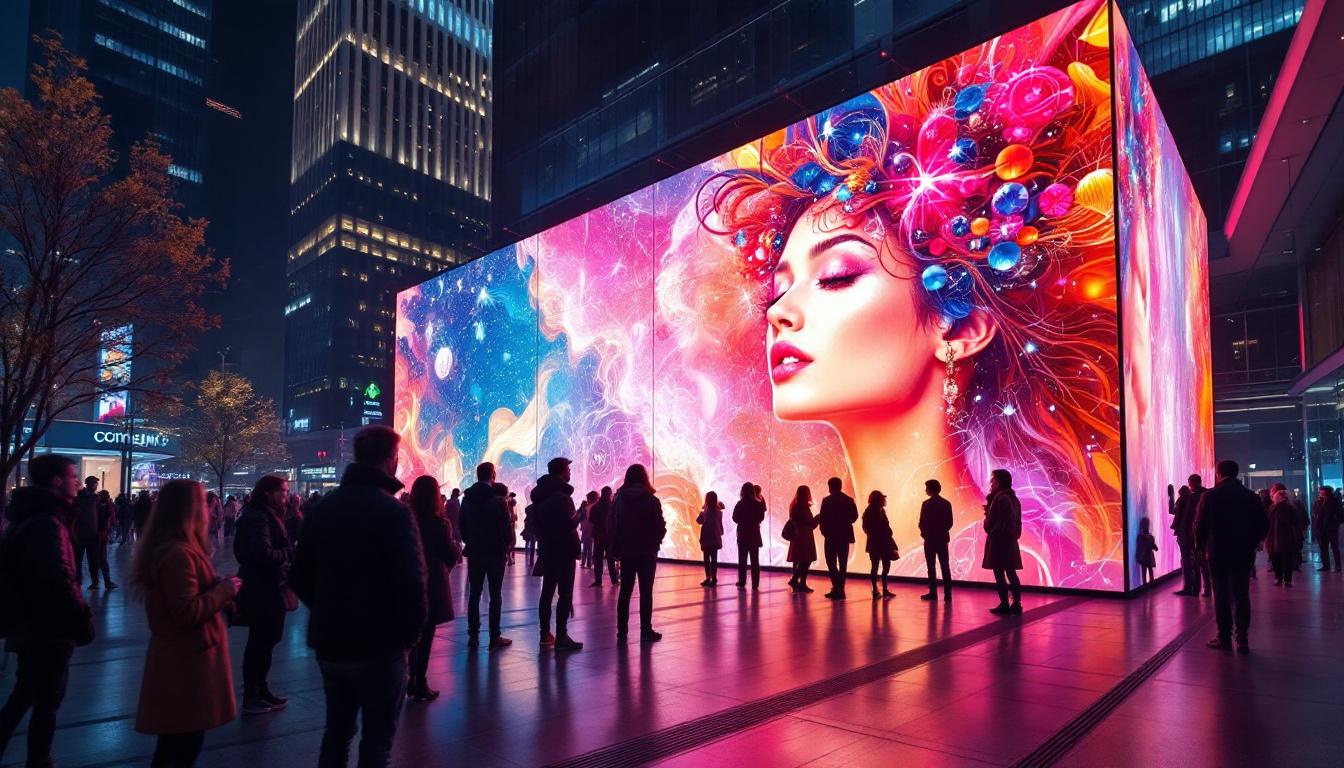
LED displays can be configured in various shapes and sizes, from curved and flexible screens to enormous video walls. This flexibility enables creative installations that capture attention and enhance brand messaging. For example, retail stores use LED displays to create immersive window displays, while sports arenas deploy massive LED scoreboards and advertising panels.
The customization options available with LED technology extend beyond mere size and shape; they also include the ability to display dynamic content. This means businesses can easily update their messaging in real-time, tailoring promotions to specific audiences or events. For instance, a restaurant might showcase daily specials or seasonal menus, while a concert venue can display live footage or artist information, creating an engaging experience that resonates with attendees and enhances their overall enjoyment.
Applications of LED Displays in Modern Industries
The versatility of LED displays has led to their integration across numerous sectors. Their ability to deliver dynamic content in high resolution makes them invaluable for communication and marketing.
Advertising and Digital Signage
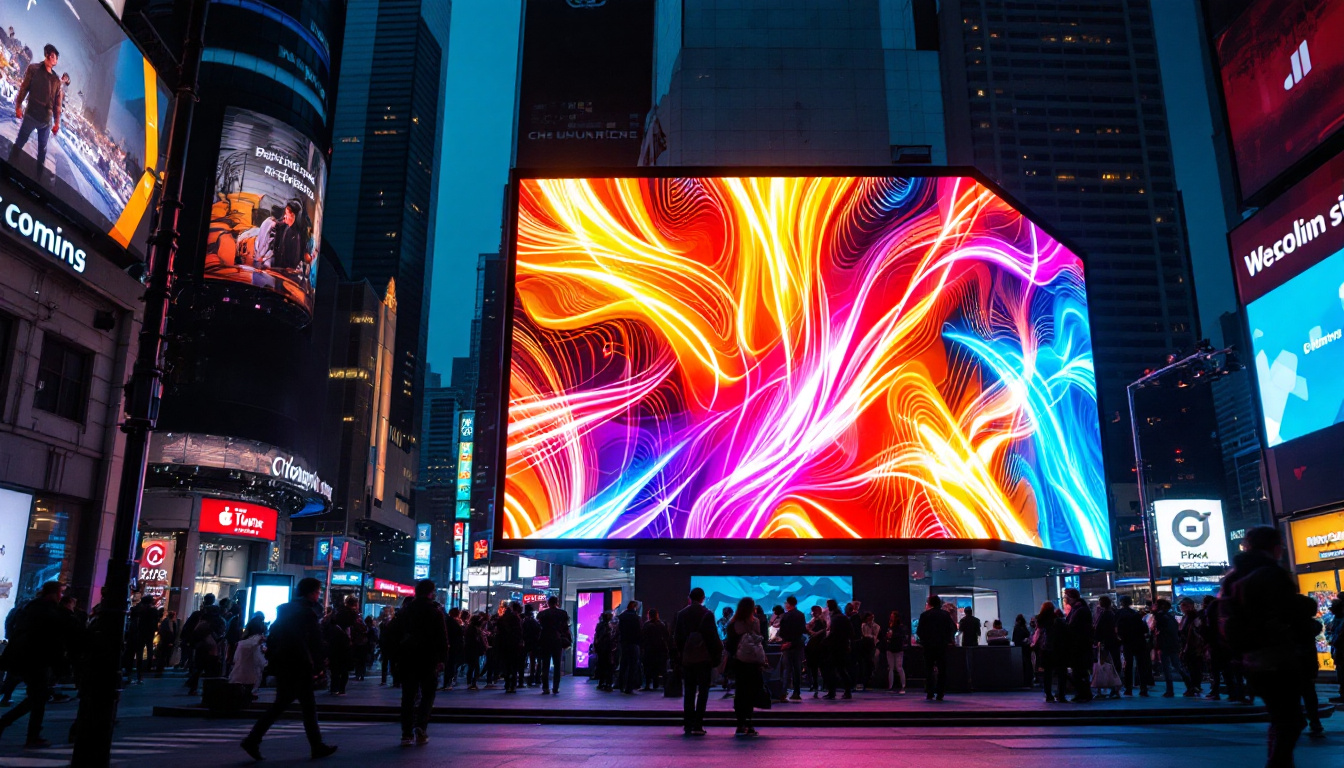
Outdoor advertising is one of the most visible applications of LED technology. According to a 2023 report by Grand View Research, the global digital signage market is expected to reach $31 billion by 2028, with LED displays accounting for a significant share due to their superior performance and durability.
LED billboards can be updated remotely and instantly, allowing advertisers to target audiences with timely and relevant content. This dynamic capability increases engagement and return on investment compared to static billboards.
Sports and Entertainment Venues
Stadiums and arenas rely heavily on LED displays to enhance the spectator experience. From giant screens showing live action and replays to perimeter advertising boards, LEDs provide vivid visuals that keep audiences engaged. The 2022 FIFA World Cup, for example, showcased some of the most advanced LED installations, including ultra-high-definition screens that delivered crystal-clear images to tens of thousands of fans.
Retail and Hospitality
Retailers use LED displays to create compelling in-store experiences. Digital price tags, promotional screens, and interactive displays help attract customers and convey brand messages effectively. In hospitality, hotels and casinos employ LED walls for ambiance, information, and advertising, enhancing the overall guest experience.
Transportation and Public Information
LED displays are also critical in transportation hubs such as airports, train stations, and bus terminals. Their ability to present clear, real-time information helps passengers navigate complex environments efficiently. Additionally, LED traffic signs improve road safety by delivering visible alerts and instructions under various weather conditions.
Key Considerations When Choosing an LED Display
Selecting the right LED display involves several factors that impact performance, cost, and suitability for the intended environment.
Pixel Pitch and Resolution
Pixel pitch refers to the distance between individual LEDs on a display, usually measured in millimeters. A smaller pixel pitch means higher resolution and sharper images, which is essential for close viewing distances. For example, indoor displays often have pixel pitches as low as 1.2mm, while large outdoor billboards may use pitches of 10mm or more.
Brightness and Contrast Ratio
Brightness requirements vary depending on whether the display is indoors or outdoors. Outdoor LED displays must be bright enough to overcome sunlight, while indoor displays prioritize contrast and color accuracy. Contrast ratio—the difference between the darkest and brightest parts of the image—is also critical for image quality.
Durability and Weather Resistance
Outdoor LED displays must withstand harsh weather conditions, including rain, wind, dust, and temperature fluctuations. Look for displays with appropriate IP ratings (Ingress Protection) to ensure longevity and reliability.
Control Systems and Content Management
Modern LED displays come with sophisticated control systems that allow remote content management, scheduling, and diagnostics. A user-friendly interface and compatibility with various media formats simplify operation and maximize the display’s effectiveness.
The Future of LED Display Technology
Innovations in LED technology continue to push the boundaries of what is possible in digital displays. Several trends are shaping the future landscape:
MicroLED and MiniLED Advancements
MicroLED technology promises even higher resolutions, better contrast, and lower power consumption by using microscopic LEDs as individual pixels. This breakthrough could revolutionize everything from televisions to wearable devices. MiniLED, a slightly larger variant, is already making waves in premium laptops and monitors by offering improved backlighting and color accuracy.
Flexible and Transparent Displays
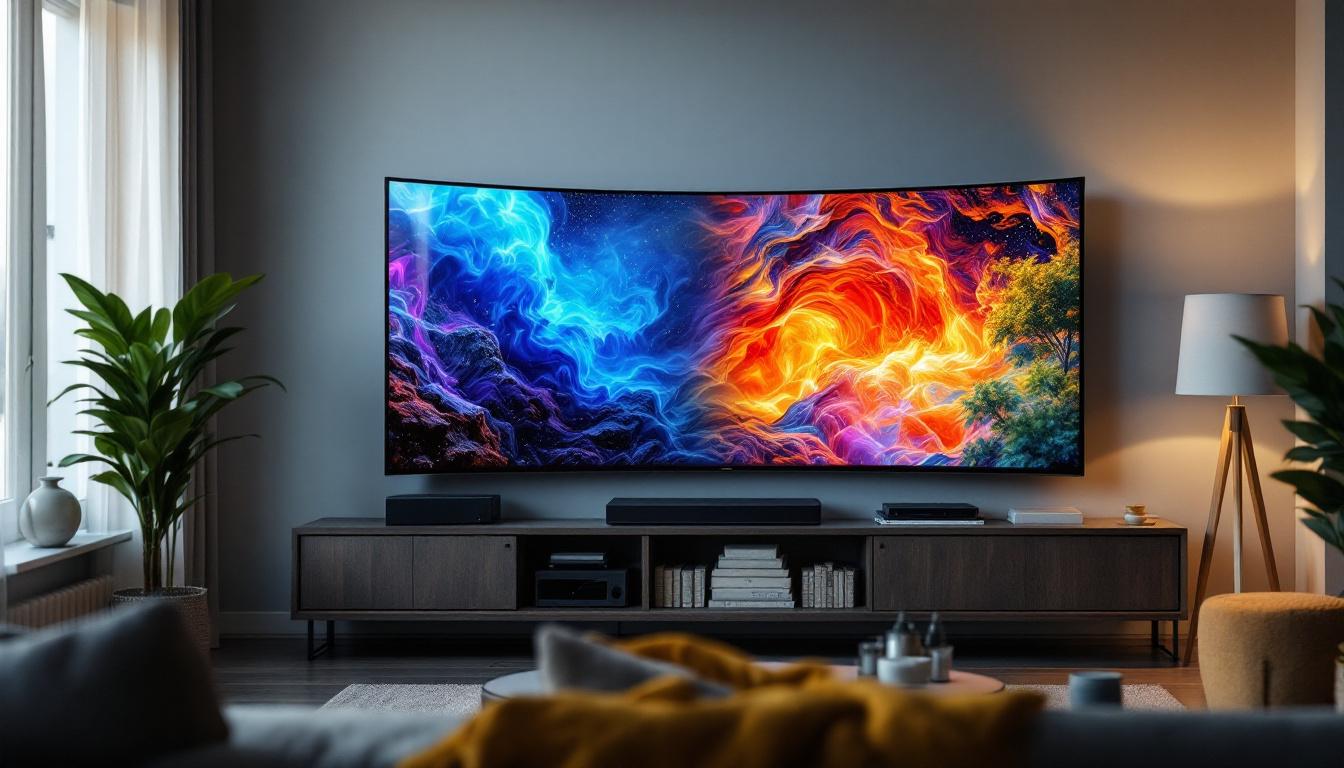
Flexible LED displays enable curved and foldable screens, opening new possibilities for design and installation. Transparent LED screens, which allow viewers to see through the display, are gaining traction in retail and architectural applications, blending digital content with physical environments seamlessly.
Integration with Smart Technologies
The integration of LED displays with artificial intelligence (AI), Internet of Things (IoT), and augmented reality (AR) is creating more interactive and personalized experiences. For instance, AI-driven content can adapt in real-time based on audience demographics or environmental conditions, enhancing engagement and effectiveness.
Conclusion
LED displays have transformed the way information and advertising are presented across the globe. Their superior brightness, energy efficiency, and versatility make them indispensable in a wide range of industries. As technology advances, LED displays will continue to evolve, offering even more innovative and immersive visual experiences.
For businesses and organizations looking to make a strong visual impact, understanding the capabilities and options within LED display technology is essential. Investing in the right LED solution can enhance communication, attract attention, and ultimately drive success in an increasingly competitive marketplace.
Illuminate Your Message with LumenMatrix
Ready to elevate your visual impact and captivate your audience like never before? Discover the innovative world of LumenMatrix LED display solutions. From vibrant Indoor and Outdoor LED Wall Displays to dynamic Vehicle and Sports Displays, our cutting-edge technology is designed to revolutionize visual communication. Whether you’re looking to create an immersive retail environment with our LED Poster and Floor Displays or seeking a Custom or All-in-One LED solution, LumenMatrix is your partner in crafting unforgettable visual experiences. Check out LumenMatrix LED Display Solutions today and transform how you share your message with the world.