Understanding measurements is crucial in many fields, especially when dealing with technology products like LED displays. One common question that arises is how to convert millimeters (mm) to inches, particularly when specifying the size of LED pixels or display components. This article delves into the conversion of 105 mm to inches and explores why this measurement matters in the context of LED displays. Along the way, it will clarify key concepts, provide practical examples, and explain how these dimensions influence display quality and application.
Converting 105 Millimeters to Inches: The Basics
Millimeters and inches are two standard units of length measurement used worldwide. Millimeters belong to the metric system, which is widely used internationally, while inches are part of the imperial system, predominantly used in the United States and a few other countries.
To convert millimeters to inches, the standard conversion factor is:
1 inch = 25.4 millimeters
Using this, the conversion formula is:
inches = millimeters ÷ 25.4
Applying this to 105 mm:
105 mm ÷ 25.4 = approximately 4.1339 inches
Therefore, 105 millimeters is roughly 4.13 inches.
Why Knowing This Conversion Matters for LED Displays
LED displays are composed of many tiny light-emitting diodes arranged in a matrix. The physical size of each LED pixel, often measured in millimeters, directly affects the display’s resolution, viewing distance, and overall image quality. Understanding the size in inches can help professionals and consumers alike better visualize the display’s scale and suitability for specific environments.
For example, a pixel pitch of 105 mm (or 4.13 inches) indicates very large pixels, typically used in large outdoor displays where viewers are far away. Conversely, smaller pixel pitches mean higher resolution and are suited for close-up viewing.
In addition to resolution considerations, the conversion between millimeters and inches is crucial in various industries, including manufacturing, construction, and design. For instance, architects and engineers often need to convert measurements to ensure that their designs fit within specified dimensions, especially when collaborating with international teams that may use different measurement systems. Accurate conversions help avoid costly mistakes and ensure that projects proceed smoothly.
Moreover, when purchasing materials or components, understanding the size in both millimeters and inches can aid in making informed decisions. For instance, a consumer looking to buy a new television might want to know the dimensions of the screen in both measurement systems to compare it with their existing furniture or wall space. This dual understanding can enhance the shopping experience and lead to better choices based on spatial requirements.
Understanding Pixel Pitch and Its Importance in LED Displays
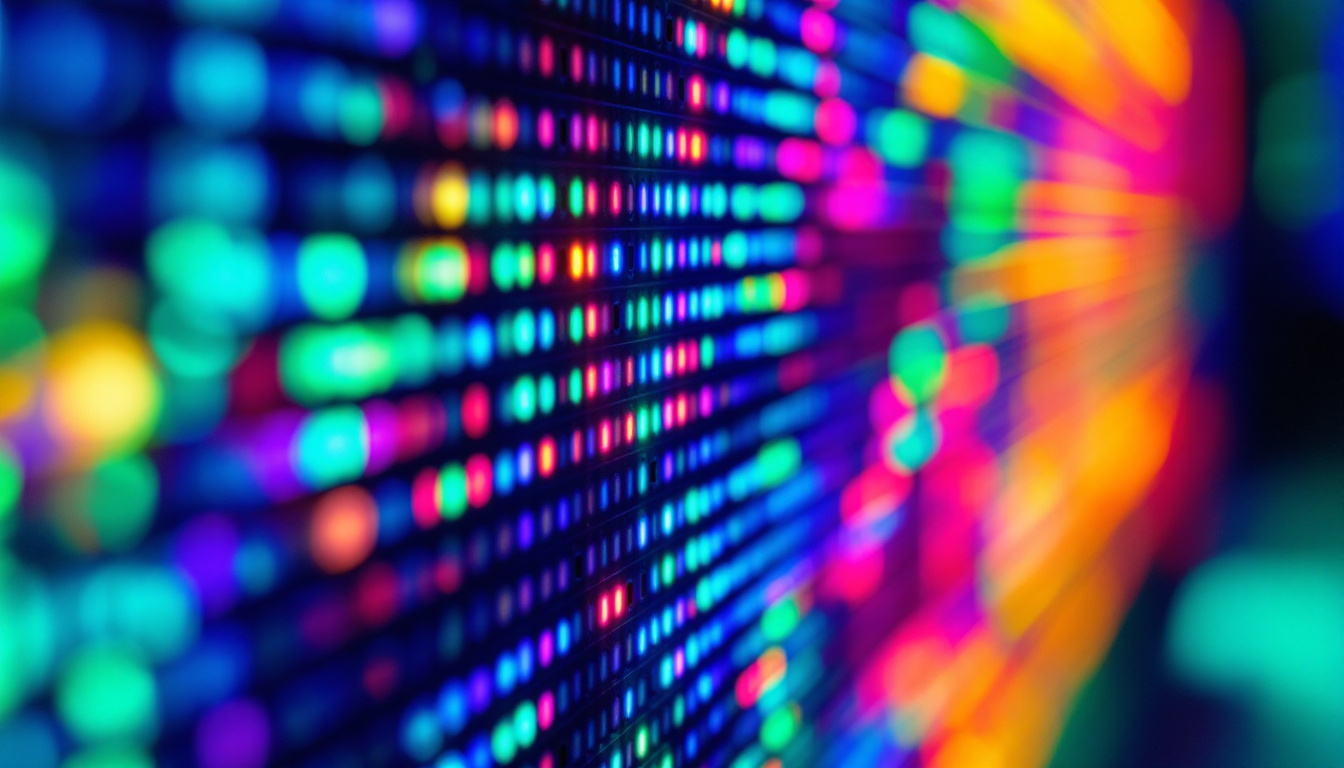
Pixel pitch refers to the distance from the center of one LED pixel to the center of the adjacent pixel. It is usually measured in millimeters and is a critical factor in determining the display’s resolution and clarity.
How Pixel Pitch Affects Display Quality
A smaller pixel pitch means more pixels per unit area, resulting in higher resolution and sharper images. For instance, a pixel pitch of 1.5 mm is common in indoor LED screens where viewers are close to the display, allowing for detailed visuals. This is particularly advantageous in environments like theaters or museums, where the clarity of images can significantly enhance the viewer’s experience.
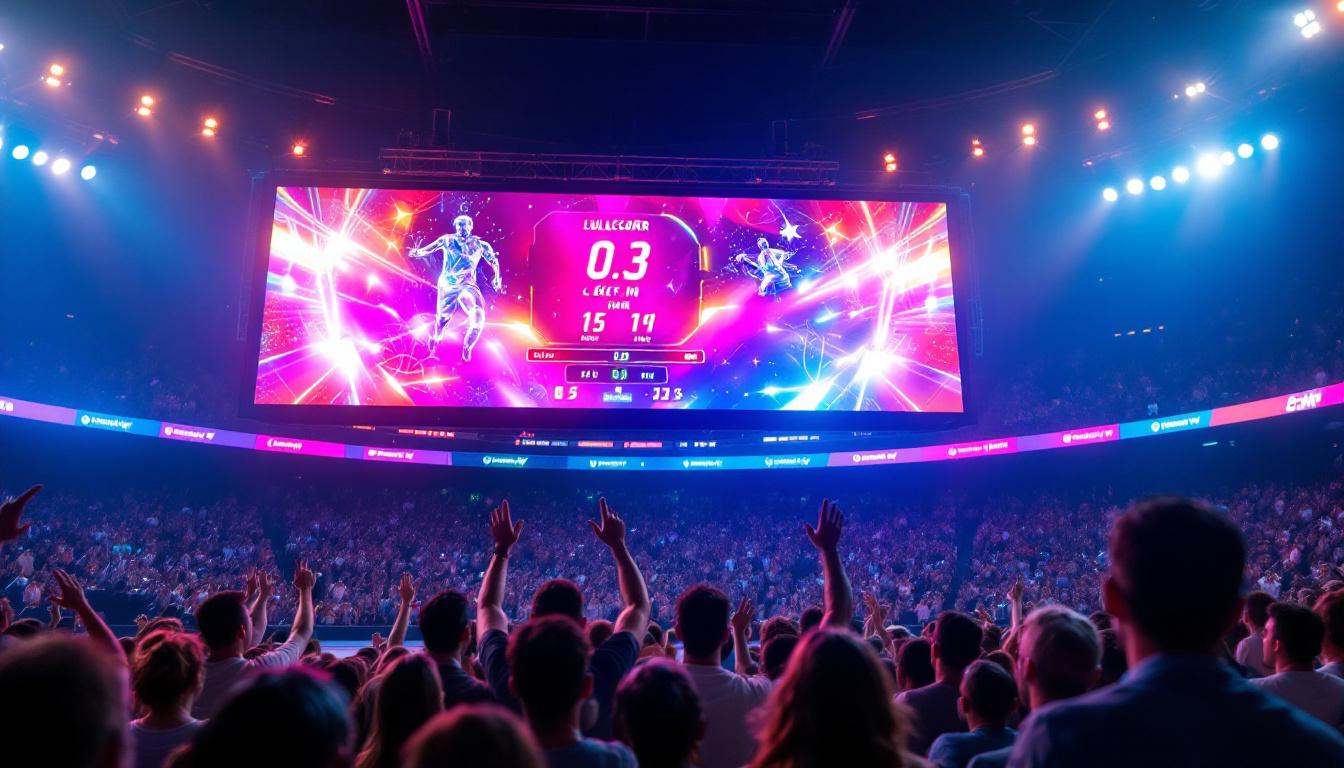
On the other hand, a pixel pitch of 105 mm (4.13 inches) is extremely large and typically used for massive outdoor billboards or stadium screens. At such sizes, the display is intended to be viewed from hundreds of feet away, where the human eye cannot distinguish individual pixels. This strategic use of pixel pitch ensures that the content remains impactful and legible, even when viewed from a distance, making it ideal for events like concerts or sporting events where large crowds gather.
Examples of Pixel Pitch Usage
To put 105 mm pixel pitch into perspective, consider these examples:
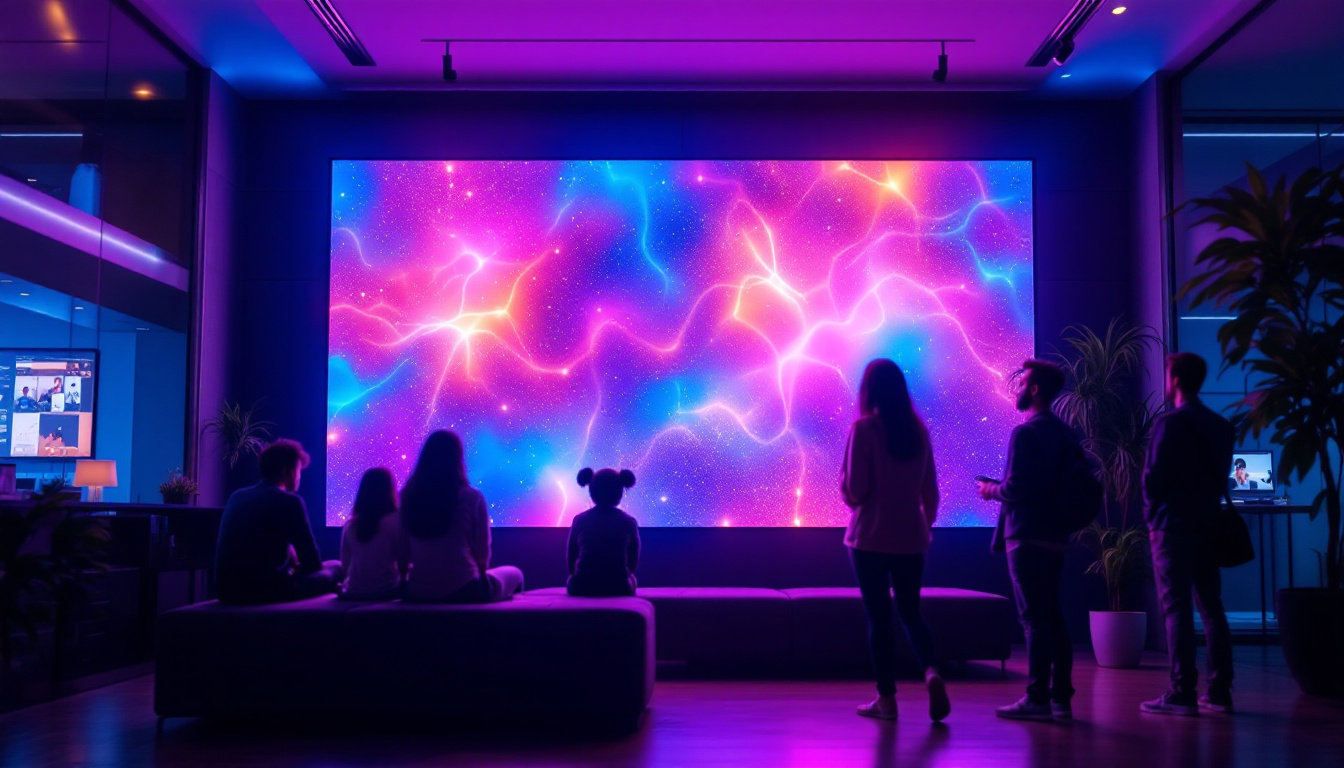
- Indoor LED displays: Pixel pitches range from 0.9 mm to 4 mm. These displays are designed for close viewing distances, such as conference rooms or retail environments. The high pixel density allows for vibrant colors and intricate details, which can be crucial for advertising and presentations.
- Outdoor LED displays: Pixel pitches range from 10 mm to 40 mm, suitable for billboards and public information screens. These displays often utilize weather-resistant materials and advanced brightness technologies to ensure visibility in various lighting conditions, making them effective for capturing the attention of passersby.
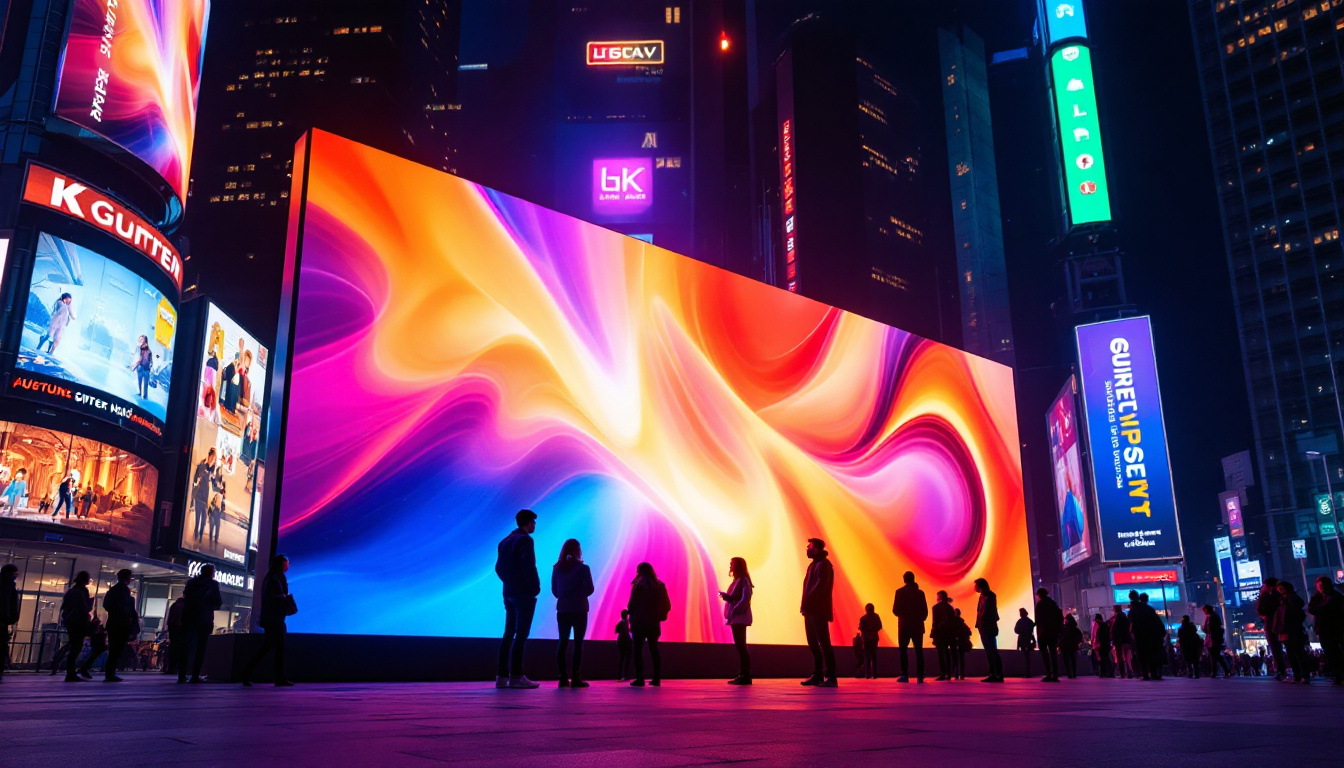
- Specialized large-scale displays: Pixel pitches above 40 mm, sometimes reaching 105 mm or more, are used for giant stadium screens or highway signage where visibility from great distances is essential. These displays often incorporate dynamic content that can change in real-time, providing vital information to drivers or entertainment to sports fans.
Moreover, the choice of pixel pitch can also influence the overall cost and installation of LED displays. Smaller pixel pitches generally come with higher costs due to the increased number of LEDs and more complex technology required to manage them. Conversely, larger pixel pitches can be more economical for large-scale applications, allowing for broader deployment without breaking the budget. This economic consideration is crucial for businesses and organizations looking to maximize their return on investment while still delivering high-quality visual experiences.
In addition to cost and resolution, pixel pitch also plays a role in the energy efficiency of LED displays. Smaller pixel pitches may require more power to illuminate the additional LEDs, while larger pitches can offer a more energy-efficient solution for extensive outdoor displays. This balance between performance and sustainability is becoming increasingly important as businesses strive to reduce their carbon footprint and operational costs, making pixel pitch a vital consideration in the design and implementation of LED technologies.
Why 105 mm Pixel Pitch Is Significant in LED Display Applications
Though less common than smaller pixel pitches, a 105 mm pixel pitch has specific applications that highlight its importance.
Use Cases for 105 mm Pixel Pitch Displays
Displays with such large pixel pitches are typically employed in scenarios where the viewing distance is extremely long, making fine detail unnecessary. Some examples include:
- Highway and traffic signage: These signs need to be visible from hundreds of meters away, so large pixels ensure high brightness and visibility.
- Sports stadium scoreboards: Large pixel pitches reduce manufacturing costs and power consumption while maintaining visibility for spectators seated far from the screen.
- Outdoor advertising billboards: Large pixels allow for massive displays that can be seen clearly from a distance, even in bright sunlight.
Advantages and Limitations of 105 mm Pixel Pitch
Advantages:
- Cost-effective: Larger pixels require fewer LEDs, reducing manufacturing and maintenance costs.
- High brightness: Larger LEDs can emit more light, improving visibility in daylight conditions.
- Durability: These displays are often ruggedized for harsh outdoor environments.
Limitations:
- Low resolution: Images and text may appear pixelated or blurry when viewed up close.
- Limited application: Not suitable for indoor use or close viewing distances.
How to Choose the Right Pixel Pitch for Your LED Display
Selecting the appropriate pixel pitch depends on several factors, including viewing distance, budget, and intended use.
Calculating Optimal Viewing Distance
A general rule of thumb for determining the optimal viewing distance is that it should be at least 10 times the pixel pitch. For a 105 mm pixel pitch, this translates to:
105 mm × 10 = 1050 mm or approximately 1.05 meters (3.44 feet)
However, in practical terms, displays with such large pixel pitches are usually placed far beyond this minimum distance, often tens or hundreds of meters away.
Balancing Resolution and Cost
Higher resolution displays with smaller pixel pitches are more expensive due to the increased number of LEDs and complexity. For projects where the audience is distant, investing in a smaller pixel pitch is unnecessary and inefficient.
Conversely, for applications requiring close-up viewing, a small pixel pitch is essential to avoid visible pixelation and ensure a crisp image.
Environmental and Lighting Considerations
Outdoor LED displays, especially those with large pixel pitches like 105 mm, must be bright enough to compete with sunlight. They also need to withstand weather conditions such as rain, wind, and temperature fluctuations.
Indoor displays can afford lower brightness and finer pixel pitches, as environmental lighting is more controlled.
Additional Measurement Considerations in LED Displays
Besides pixel pitch, other measurements are important when evaluating LED displays.
Module Size and Resolution
LED modules are the building blocks of a display, each containing a grid of pixels. The module size is usually given in millimeters and can be converted to inches similarly to pixel pitch.
For example, a module measuring 210 mm by 210 mm would be approximately 8.27 inches square. Knowing module size helps in planning the overall display dimensions and resolution.
Display Size and Aspect Ratio
The total size of an LED display is typically described by its width and height in millimeters or inches. Aspect ratio, the proportional relationship between width and height, affects the type of content best displayed.
Understanding these measurements ensures the display fits the intended physical space and meets content requirements.
Summary: Why the 105 mm to Inches Conversion Matters
Converting 105 mm to inches (approximately 4.13 inches) is more than a simple math exercise; it provides a tangible sense of scale for LED display components. This understanding is essential for professionals designing or purchasing LED displays, as it influences decisions about resolution, viewing distance, cost, and application suitability.
Large pixel pitches like 105 mm are specialized for long-distance viewing in outdoor environments, offering benefits in brightness and durability at a lower cost but sacrificing image detail. By comprehending these trade-offs and the measurement conversions, stakeholders can make informed choices that optimize display performance and user experience.
Frequently Asked Questions About LED Display Measurements
What is the difference between pixel pitch and pixel density?
Pixel pitch measures the physical distance between pixels, usually in millimeters. Pixel density refers to the number of pixels per unit area, often expressed as pixels per inch (PPI). Smaller pixel pitch generally means higher pixel density.
Can I use a 105 mm pixel pitch LED display indoors?
Generally, no. A 105 mm pixel pitch is too large for indoor environments where viewers are close. The image would appear pixelated and unclear. Smaller pixel pitches are recommended for indoor use.
How does pixel pitch affect the power consumption of an LED display?
Displays with larger pixel pitches typically consume less power because they have fewer LEDs per unit area. However, individual LEDs may be brighter and consume more power, so total consumption depends on the specific design.
Are LED display measurements standardized internationally?
While millimeters are the standard unit for pixel pitch worldwide, inches are often used in countries like the United States. Conversion between these units is straightforward but important for ensuring clarity in specifications.
Where can I find the pixel pitch information for an LED display?
Manufacturers typically provide pixel pitch details in the product specifications. This information is crucial for understanding the display’s resolution and intended viewing distance.
Discover the Perfect LED Display Solution with LumenMatrix
Whether you’re looking to captivate your audience with a high-resolution indoor display or need a robust outdoor solution to withstand the elements, LumenMatrix has you covered. As a pioneer in LED display technology, we offer a comprehensive range of products, from Indoor and Outdoor LED Wall Displays to innovative solutions like Vehicle LED Displays and LED Transparent Displays. Our mission is to transform your visual communication, ensuring your message resonates with brilliance and precision. Ready to elevate your visual experience? Check out LumenMatrix LED Display Solutions and find the ideal display that speaks volumes for your brand.