When considering large-format LED displays, understanding the exact dimensions is crucial for both installation and visual planning. One common measurement that often comes up is 109 inches, especially when referring to screen sizes for commercial or residential use. But what does 109 inches translate to in millimeters, and why is this conversion important? This article explores the conversion of 109 inches into millimeters and delves into the technical aspects of LED displays, helping you make informed decisions whether you’re a business owner, event planner, or tech enthusiast.
Converting 109 Inches to Millimeters: The Basics
In the world of display technology and manufacturing, measurements are often given in inches, especially in countries like the United States. However, many industries and regions use the metric system, where millimeters (mm) are the standard unit of measurement. Understanding the conversion between these units is essential for accurate specifications and compatibility.
How to Convert Inches to Millimeters
The conversion factor between inches and millimeters is straightforward: 1 inch equals exactly 25.4 millimeters. This is a fixed, internationally recognized conversion standard used in engineering, manufacturing, and design.
Using this, the conversion for 109 inches is calculated as:
109 inches × 25.4 mm/inch = 2,768.6 mm
This means a 109-inch LED display measures approximately 2,768.6 millimeters diagonally.
Why Millimeter Measurements Matter in LED Displays
While inches are commonly used in consumer electronics, millimeters provide a more precise measurement, especially for manufacturing tolerances and installation requirements. For example, when mounting a large LED display in a commercial setting, installers often rely on millimeter measurements to ensure the display fits perfectly within a designated space or frame.
Additionally, pixel pitch—the distance between the centers of two adjacent pixels—is typically measured in millimeters. This specification directly affects image clarity and resolution, making millimeter measurements essential for understanding display quality.
Moreover, the use of millimeters in technical specifications allows for easier communication across international borders, where the metric system is the norm. This is particularly important in global supply chains, where manufacturers, suppliers, and clients from different countries collaborate on projects. By standardizing measurements in millimeters, misunderstandings and errors in production can be minimized, leading to more efficient workflows and better end products.
Furthermore, as technology advances and display sizes increase, the precision of measurements becomes even more critical. Large format displays, such as those used in stadiums or public venues, require meticulous planning and installation. Millimeter accuracy ensures that these displays not only fit within the intended space but also align perfectly with other components, such as audio-visual equipment and structural supports, enhancing the overall viewing experience for audiences.
Understanding LED Display Sizes and Their Applications
LED displays come in a wide range of sizes, from small digital signage to massive video walls used in stadiums and outdoor advertising. A 109-inch display falls into the category of large-format screens, often used in conference rooms, retail environments, or as part of immersive event setups. The versatility of such displays is enhanced by their ability to deliver high-definition visuals, making them ideal for various applications where clarity and impact are paramount.
Common Uses for 109-Inch LED Displays
Large LED screens around 109 inches are popular for several reasons:
- Corporate Presentations: Such screens provide clear visibility for audiences in medium to large conference rooms, allowing for effective communication of ideas and data. The sharpness of the images ensures that even the smallest details in graphs or charts are easily discernible, enhancing the overall presentation experience.
- Retail and Advertising: Eye-catching digital signage in malls or store fronts benefits from the size and brightness of these displays. Retailers can showcase vibrant advertisements or promotional videos that draw in customers, making the shopping experience more engaging and interactive.
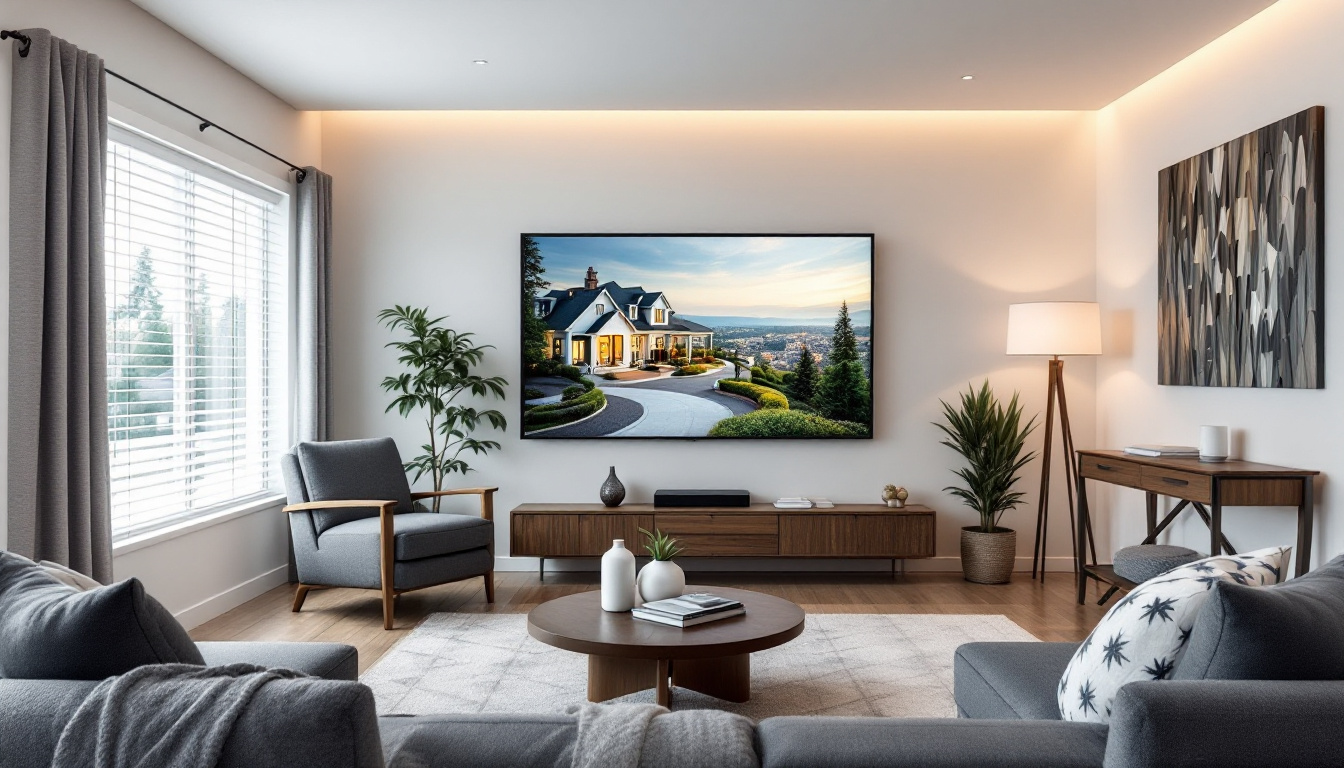
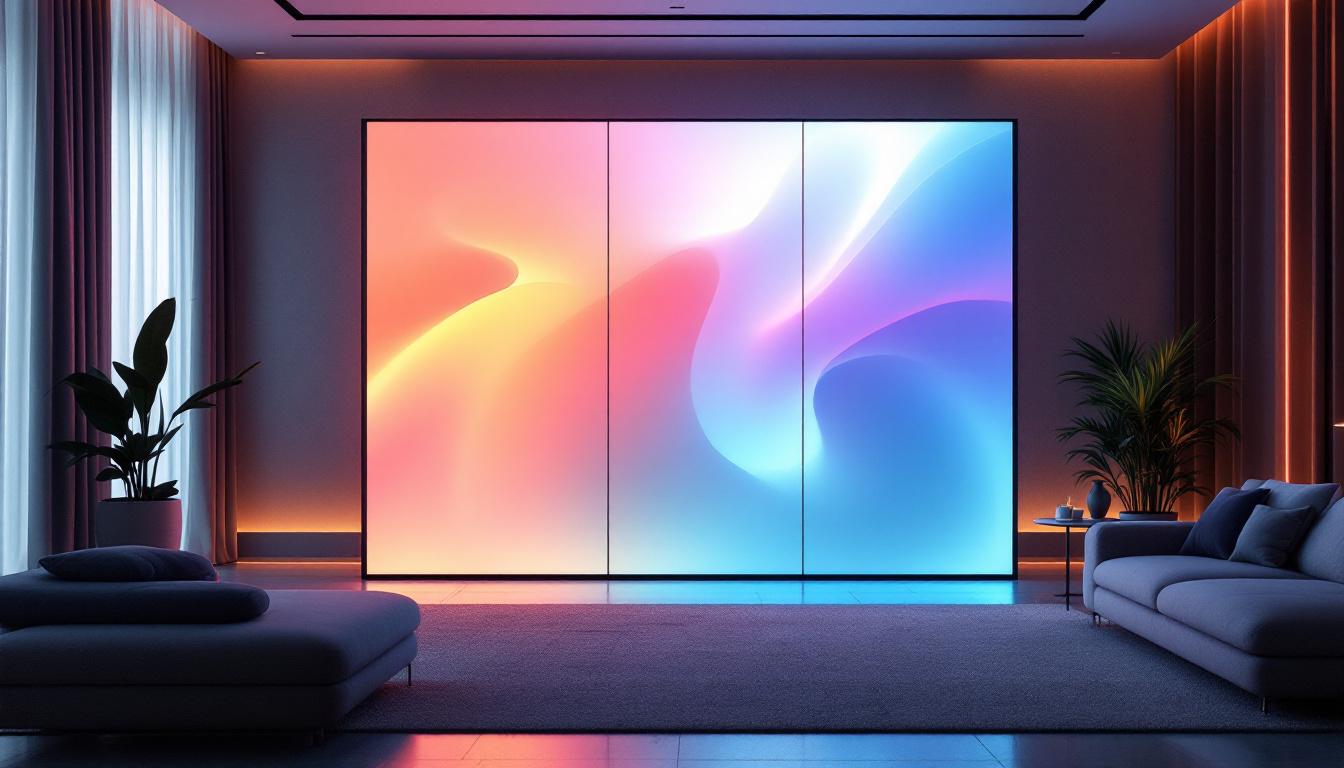
- Home Theaters: For enthusiasts seeking a cinematic experience, 109-inch LED displays offer a compelling alternative to traditional projectors. With advancements in LED technology, these screens provide exceptional color accuracy and contrast ratios, making movie nights feel like a trip to the cinema.
- Event Production: Concerts, trade shows, and exhibitions often use large LED panels to create dynamic visual backdrops. These displays can be synchronized with audio and lighting to create a cohesive atmosphere, enhancing the overall impact of the event.
Comparing 109 Inches to Other Common Display Sizes
To put 109 inches into perspective, here’s how it compares to other popular screen sizes:
- 75 inches (approx. 1905 mm) – Common for home TVs and smaller conference rooms, providing a balance between size and space efficiency.
- 85 inches (approx. 2159 mm) – Larger home entertainment or mid-sized commercial displays, offering a more immersive viewing experience without overwhelming a typical room.
- 109 inches (approx. 2769 mm) – Large-format displays for impactful presentations and events, often used in settings where audience engagement is crucial.
- 150 inches (approx. 3810 mm) and above – Typically used for massive video walls or outdoor screens, these sizes are designed to command attention and deliver content over long distances.
As the diagonal size increases, so does the physical footprint of the display, which requires careful planning for installation and viewing distance. Larger displays may necessitate specialized mounting solutions or even custom-built structures to ensure stability and optimal viewing angles. Additionally, the increase in size often correlates with enhanced features such as higher refresh rates and better connectivity options, making them suitable for a wider range of applications.
Furthermore, the advancements in LED technology have led to the development of ultra-thin bezels, allowing for a more seamless viewing experience when multiple screens are used together. This is particularly beneficial in environments like control rooms or video walls, where a continuous image is essential. The flexibility in configuration also means that businesses and organizations can tailor their display setups to meet specific needs, whether that involves creating a single large image or displaying multiple sources simultaneously.
Technical Aspects of LED Displays: Pixel Pitch, Resolution, and Brightness
Beyond size, several technical specifications define the performance and suitability of an LED display. Understanding these factors is key to selecting the right 109-inch display for your needs.
Pixel Pitch and Image Quality
Pixel pitch is the distance between individual LED pixels, measured in millimeters. It directly influences the display’s resolution and viewing distance:
- Smaller Pixel Pitch (e.g., 1.2 mm to 2.5 mm): Provides higher resolution and sharper images, suitable for close-up viewing such as indoor conference rooms or retail environments.
- Larger Pixel Pitch (e.g., 4 mm to 10 mm or more): Used for outdoor or large venue displays where viewers are farther away, and pixel density can be lower.
For a 109-inch LED display, pixel pitch typically ranges between 1.5 mm and 3 mm for indoor use, balancing resolution with cost and power consumption.
Resolution and Aspect Ratio
The resolution of an LED display is the total number of pixels arranged horizontally and vertically. Common resolutions for large LED displays include Full HD (1920×1080 pixels) and 4K UHD (3840×2160 pixels). The aspect ratio, usually 16:9, matches most video content standards.
A 109-inch display with a 16:9 aspect ratio has approximate dimensions of 95 inches wide by 53.5 inches tall (2413 mm × 1359 mm). This size supports high-definition content with excellent clarity when paired with appropriate pixel pitch.
Brightness and Viewing Environment
LED displays are renowned for their brightness, measured in nits (cd/m²). Brightness levels vary depending on whether the display is intended for indoor or outdoor use:
- Indoor LED Displays: Typically range from 800 to 1500 nits, sufficient for well-lit rooms without glare.
- Outdoor LED Displays: Can exceed 5000 nits to remain visible under direct sunlight.
A 109-inch LED display designed for indoor use will prioritize color accuracy and contrast, while outdoor models focus on durability and brightness.
Installation Considerations for a 109-Inch LED Display
Installing a large LED display like a 109-inch model involves several practical considerations beyond just the physical size.
Space and Mounting Requirements
The display’s physical dimensions in millimeters (approximately 2413 mm wide × 1359 mm tall) require adequate wall space or a sturdy frame. Mounting options include wall mounts, floor stands, or ceiling rigs, depending on the venue and use case.
Weight is another factor; LED displays can be heavy due to their modular panel construction. Professional installation teams often handle mounting to ensure safety and optimal positioning.
Power and Connectivity
Large LED displays demand significant power, especially at higher brightness levels. Ensuring the venue has appropriate electrical infrastructure is crucial. Additionally, connectivity options such as HDMI, DisplayPort, or specialized LED control systems must be compatible with your content sources.
Viewing Distance and Audience Size
The optimal viewing distance for a 109-inch LED display depends on pixel pitch and resolution. For example, a pixel pitch of 1.5 mm suggests a minimum viewing distance of around 1.5 meters for clear image perception, while larger pixel pitches require greater distances.
Understanding your audience size and seating arrangement helps determine whether a 109-inch display is the right choice or if multiple smaller displays or video walls are more effective.
Future Trends in LED Display Technology
As LED technology continues to evolve, larger and more advanced displays are becoming increasingly accessible. Innovations in pixel density, energy efficiency, and flexible form factors are shaping the future of LED displays.
MicroLED and MiniLED Advances
MicroLED and MiniLED technologies offer even higher resolution and brightness with improved energy efficiency. These advancements allow for thinner, lighter, and more vibrant displays, potentially impacting the standard sizes like 109 inches by enabling even larger or more detailed screens.
Interactive and Smart LED Displays
Integration of touch capabilities, sensors, and AI-driven content management is making LED displays more interactive and user-friendly. This is especially relevant for corporate environments and retail, where engagement is key.
Environmental and Energy Considerations
Modern LED displays are designed with sustainability in mind, focusing on reducing power consumption and using recyclable materials. For businesses and venues, this means lower operating costs and a smaller environmental footprint.
Conclusion
Understanding the conversion of 109 inches to millimeters is more than a simple math exercise; it’s a foundational step in selecting and implementing LED displays that meet precise spatial and technical requirements. At approximately 2,768.6 mm diagonally, a 109-inch LED display offers a substantial viewing area suitable for a variety of applications, from corporate presentations to immersive event experiences.
By considering factors such as pixel pitch, resolution, brightness, and installation logistics, users can maximize the impact and functionality of their LED displays. As technology advances, these large-format screens will continue to evolve, offering even greater quality and versatility.
Whether you are planning to install a 109-inch LED display or simply want to understand the specifications better, knowing the exact dimensions in millimeters and the technical details ensures informed decisions and successful outcomes.
Explore Cutting-Edge LED Displays with LumenMatrix
Ready to elevate your space with a high-impact visual display? LumenMatrix is at the forefront of LED display innovation, offering a diverse range of solutions tailored to your unique needs. From immersive indoor and outdoor LED walls to dynamic vehicle displays and beyond, our technology is designed to captivate and engage your audience. Discover how our LED displays can transform your visual communication and bring your message to life with unparalleled clarity. Check out LumenMatrix LED Display Solutions today and step into the future of digital signage.