In the rapidly evolving world of digital cinema and visual technology, the role of LED displays has become increasingly significant. The movie “10X10,” known for its innovative use of visual effects and immersive storytelling, leverages LED display technology to enhance the cinematic experience. This article delves into the intricacies of LED displays, explaining their technology, applications in film production, and why they are revolutionizing the way movies like “10X10” are made and viewed.
Understanding LED Display Technology
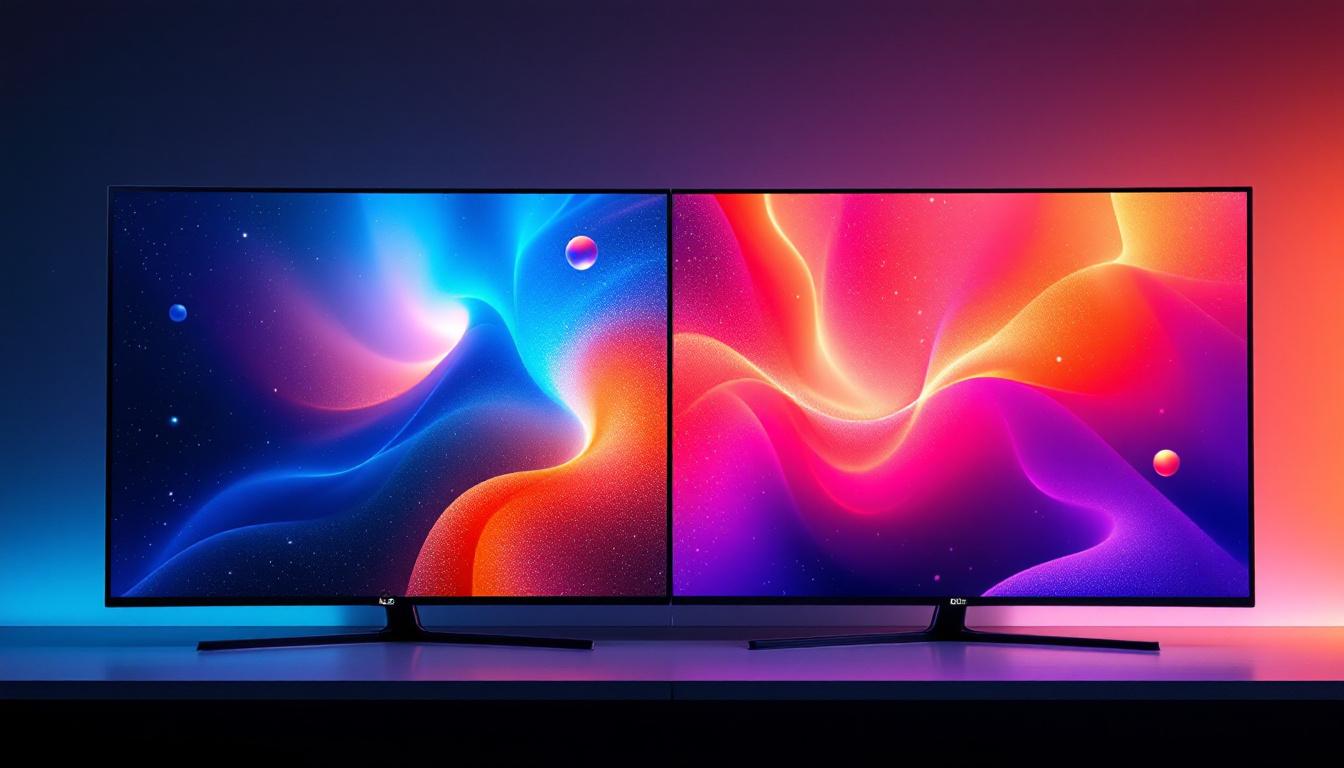
LED, or Light Emitting Diode, displays are a type of screen technology that uses an array of tiny light-emitting diodes to produce images. Unlike traditional LCD or plasma screens, LED displays offer superior brightness, contrast, and energy efficiency, making them ideal for a variety of applications, including cinema.
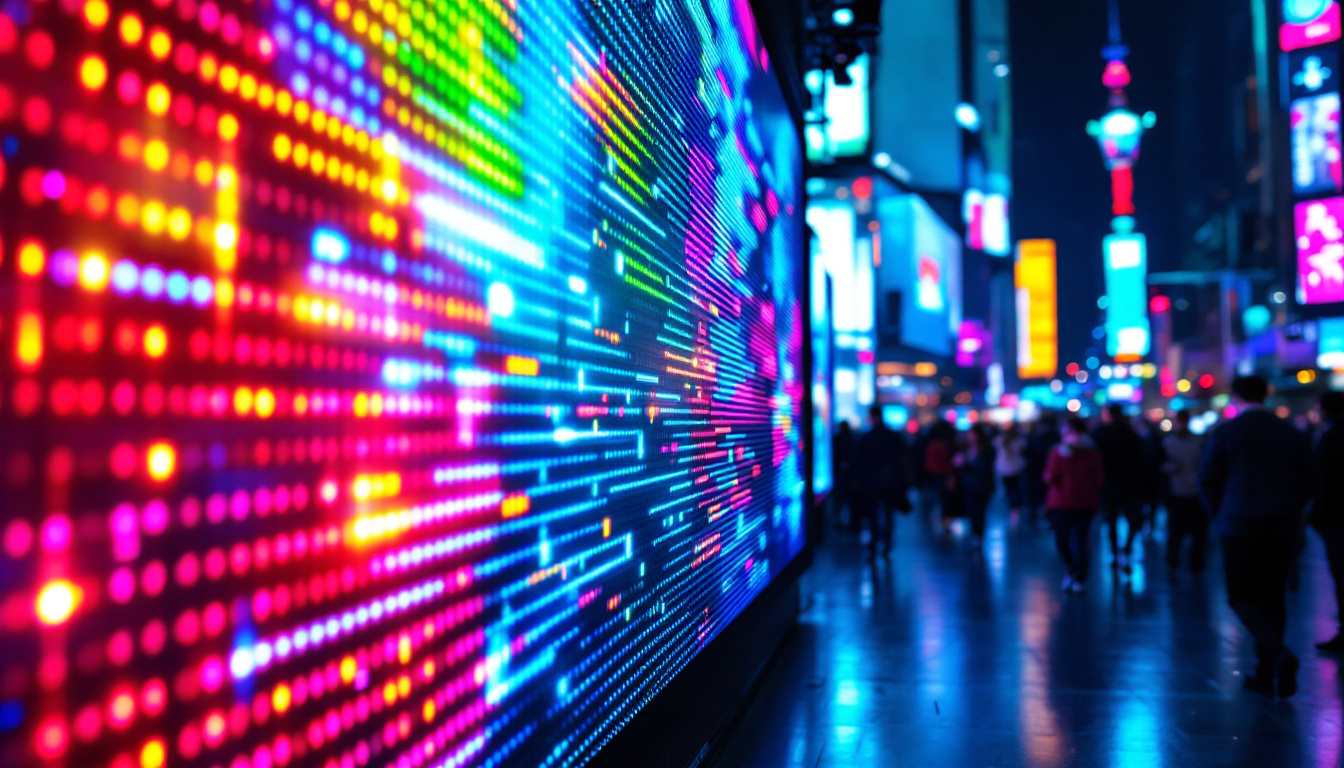
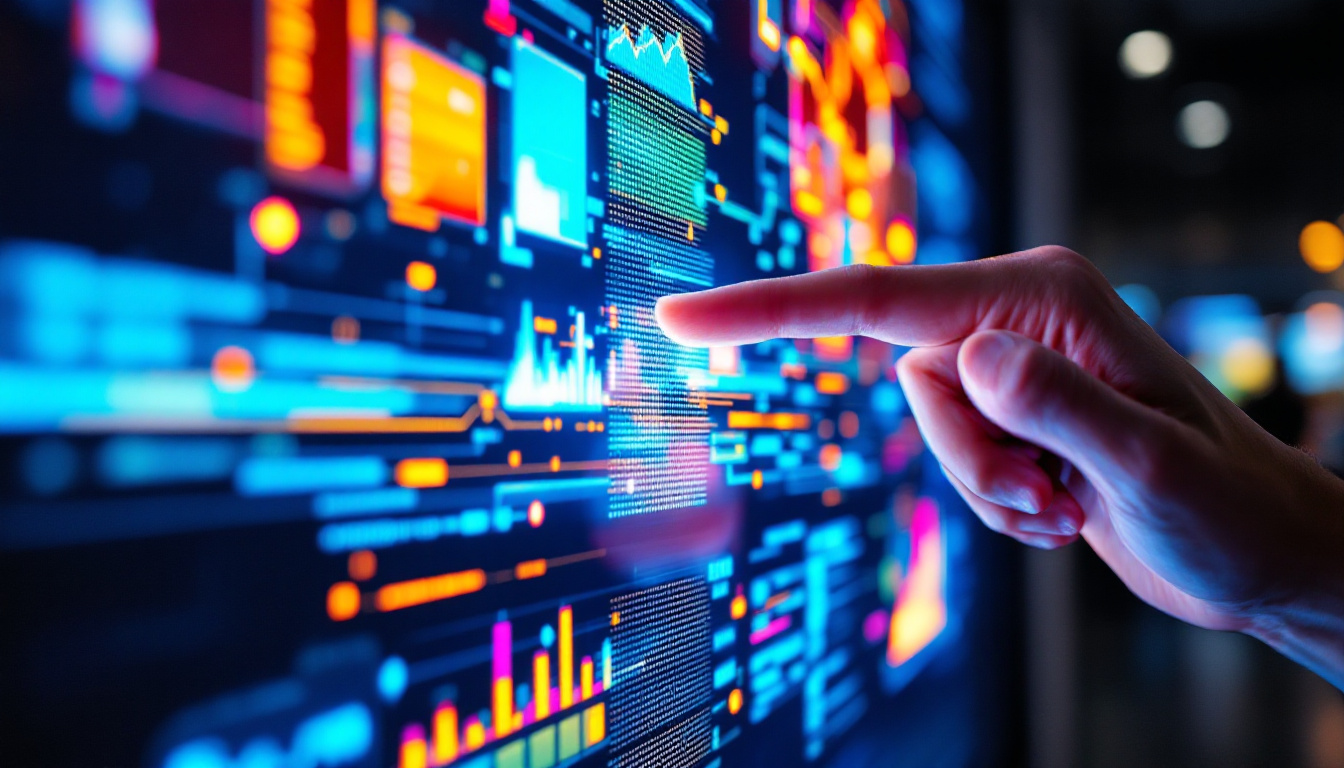
At its core, an LED display consists of a matrix of LEDs arranged in a grid. Each LED acts as a pixel, emitting light of specific colors—red, green, and blue—that combine to create the full spectrum of colors seen on the screen. The term “10X10” in the context of LED displays typically refers to a grid configuration, indicating 10 rows and 10 columns of LEDs, totaling 100 pixels. While this is a simplified example, modern displays contain thousands to millions of pixels for high-resolution imagery. The precision in pixel arrangement allows for incredibly detailed visuals, which is particularly beneficial in environments where clarity and vibrancy are paramount, such as in advertising and live events.
Types of LED Displays
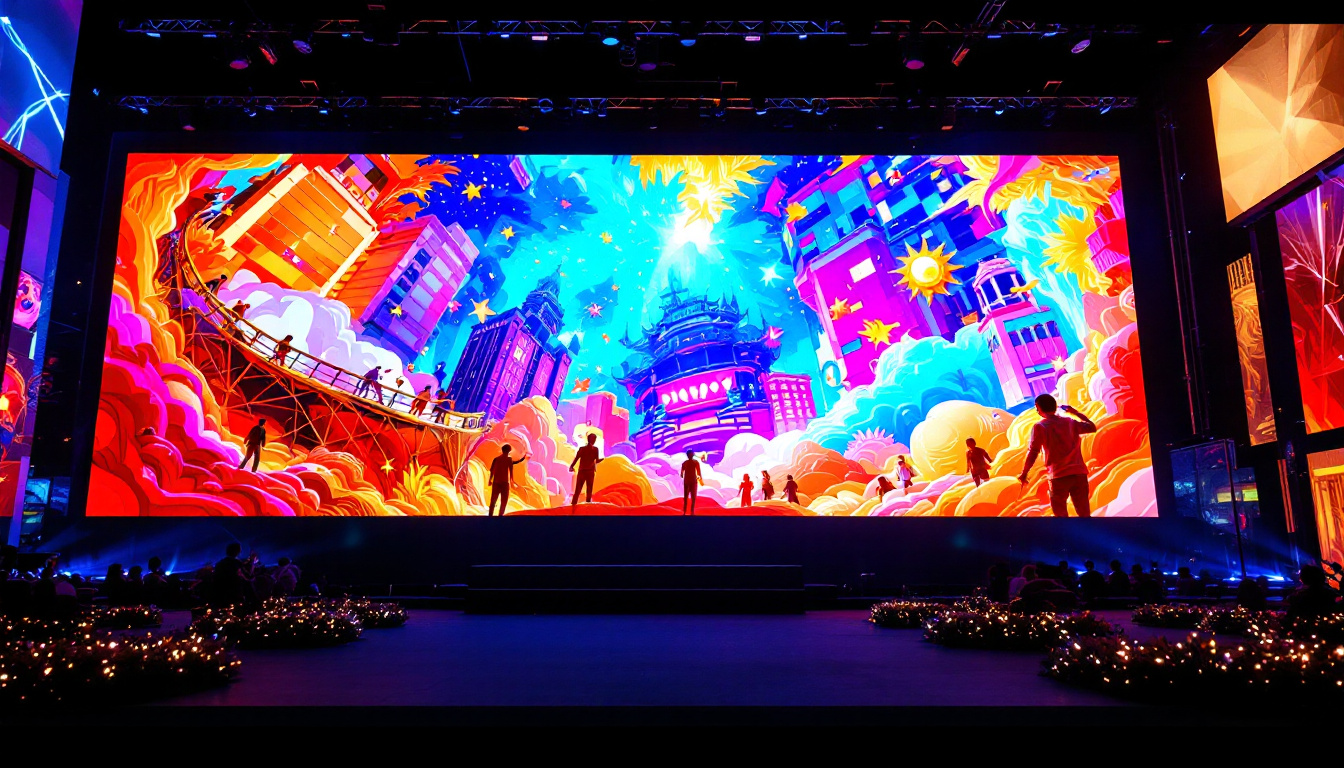
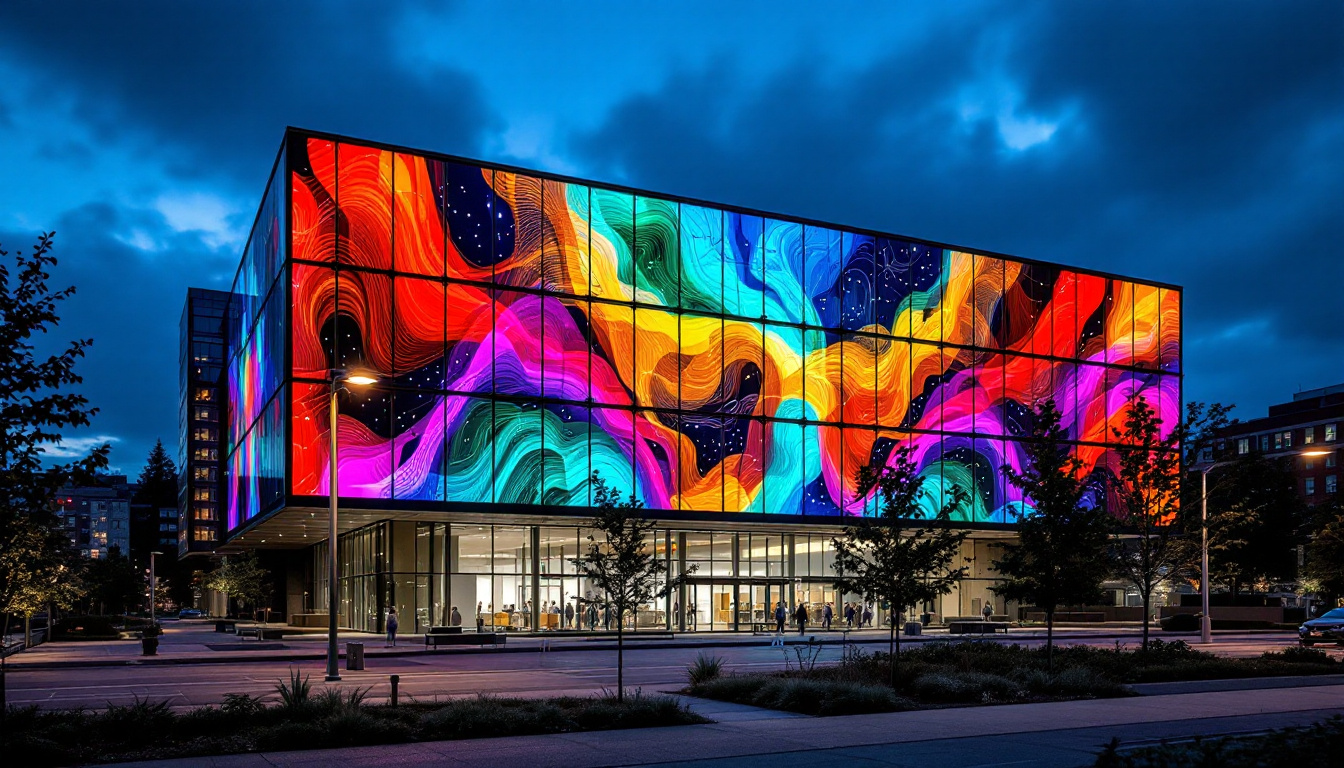
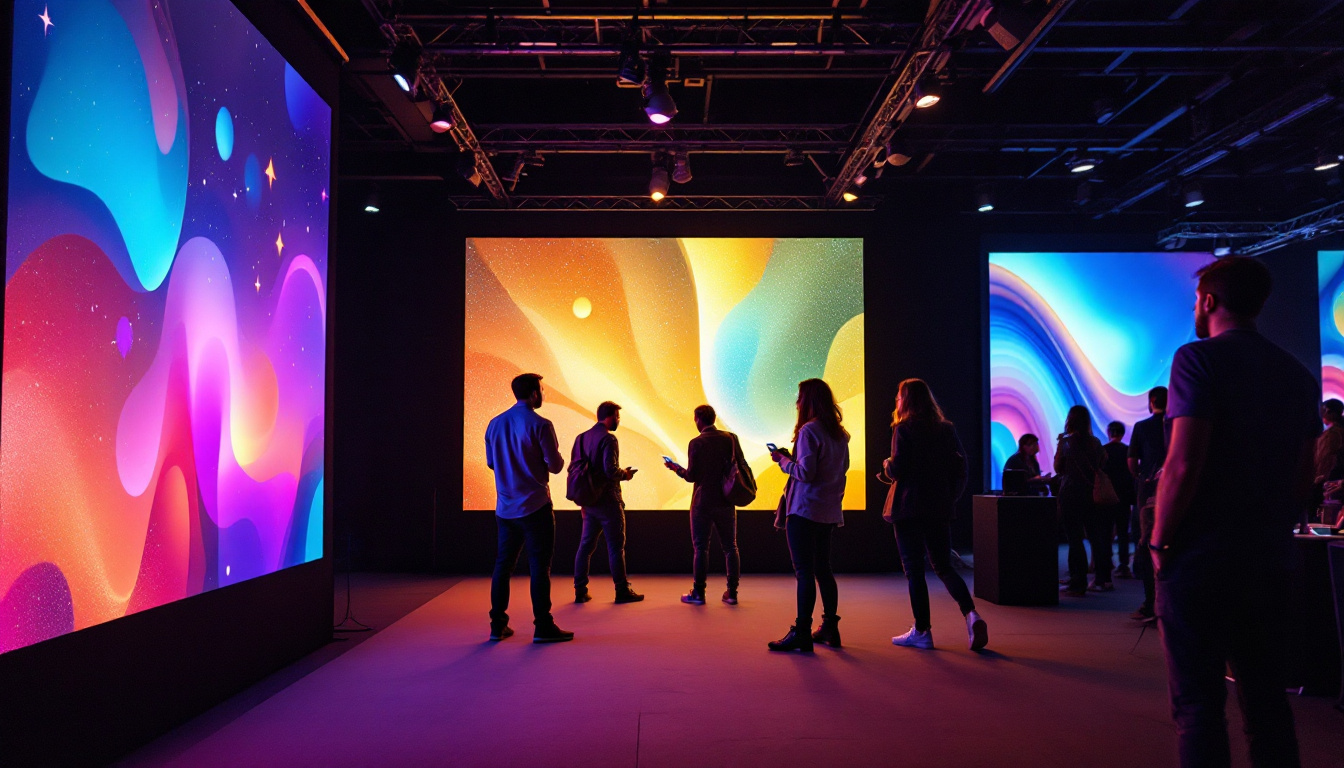
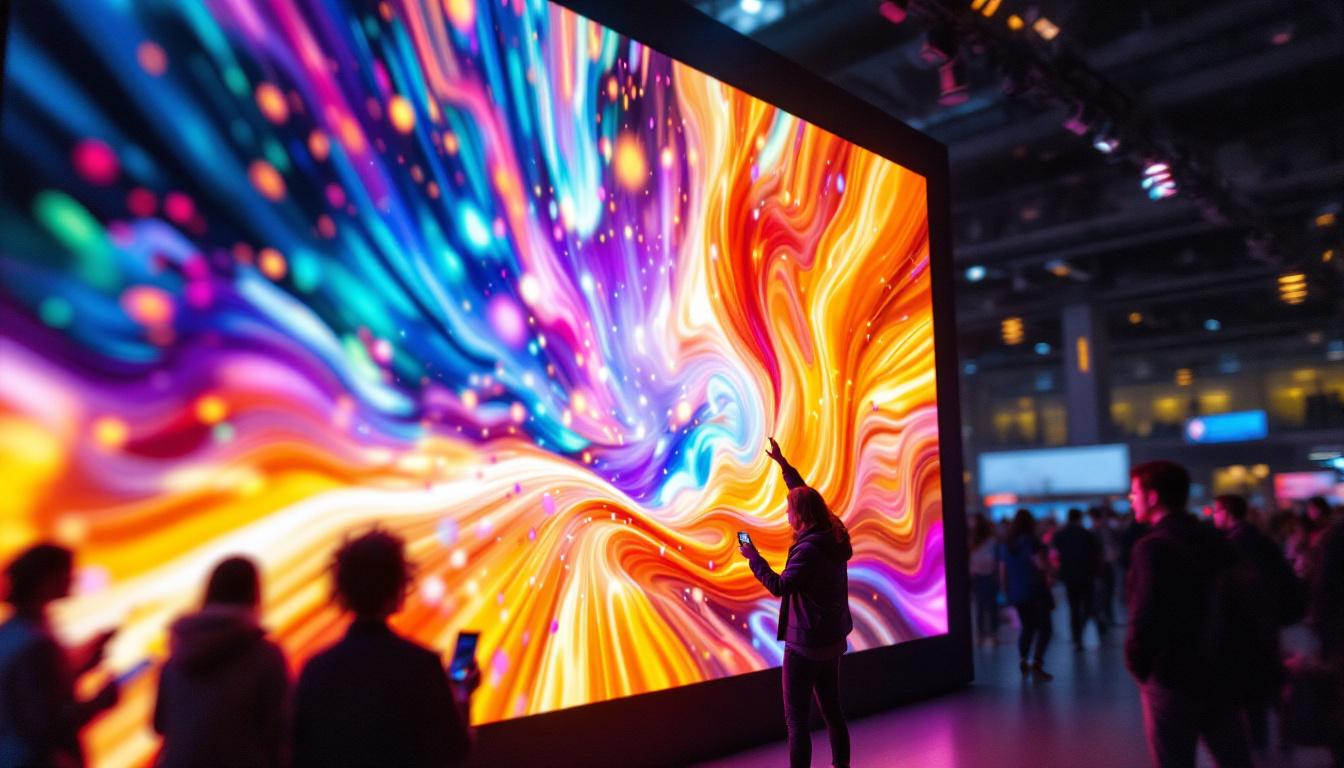
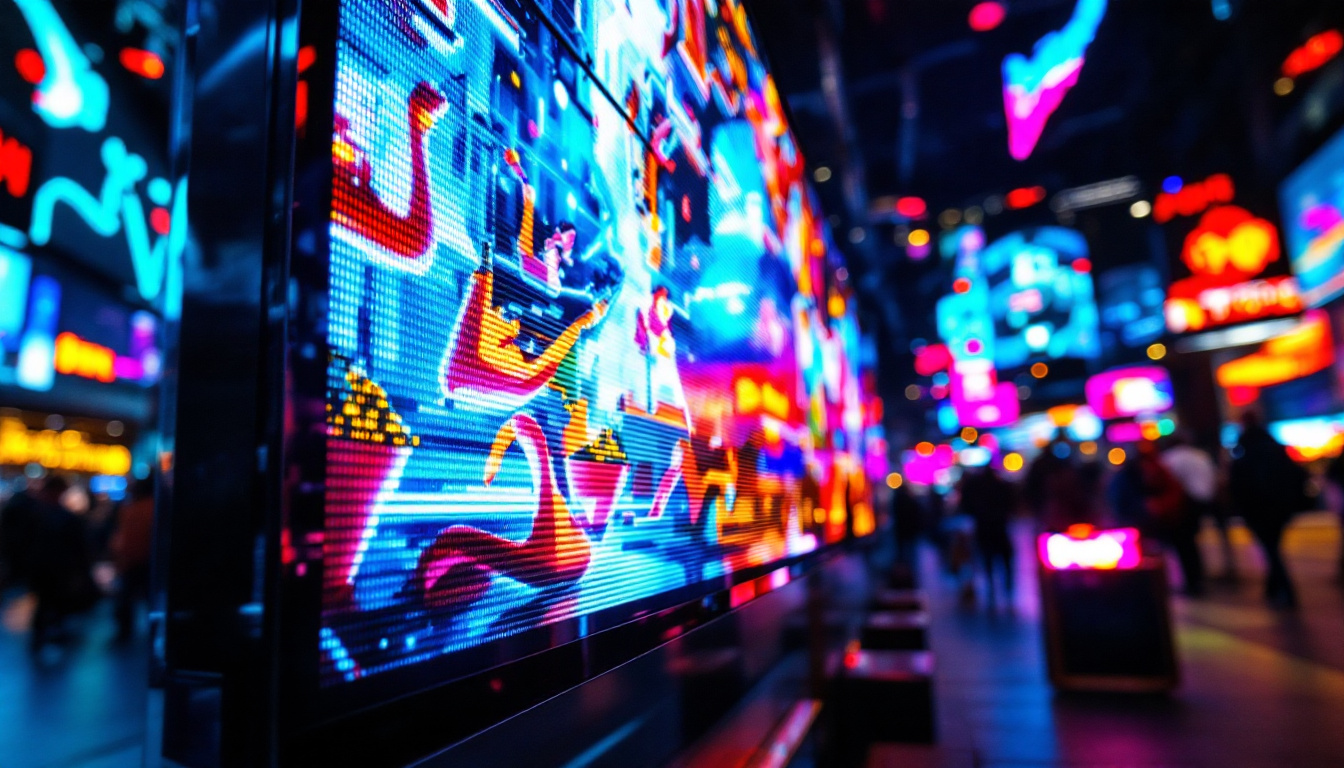
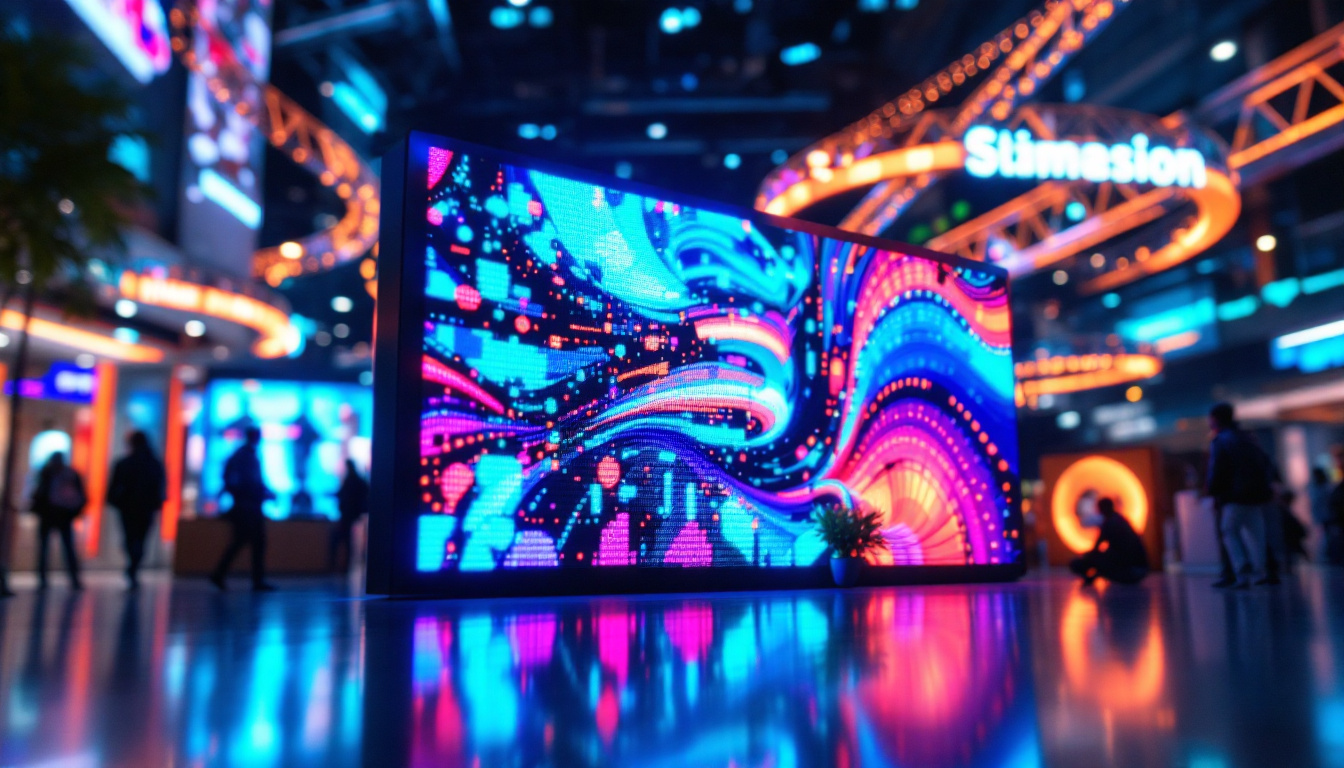
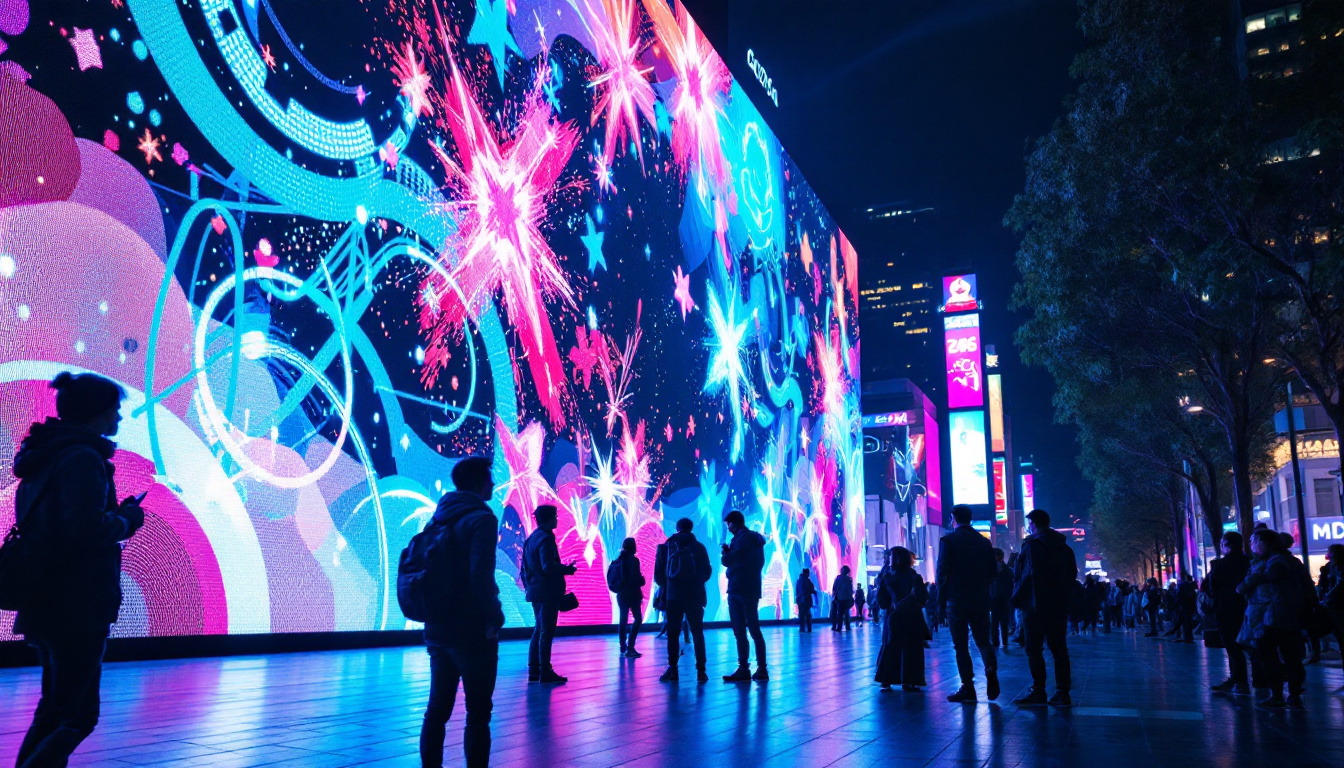
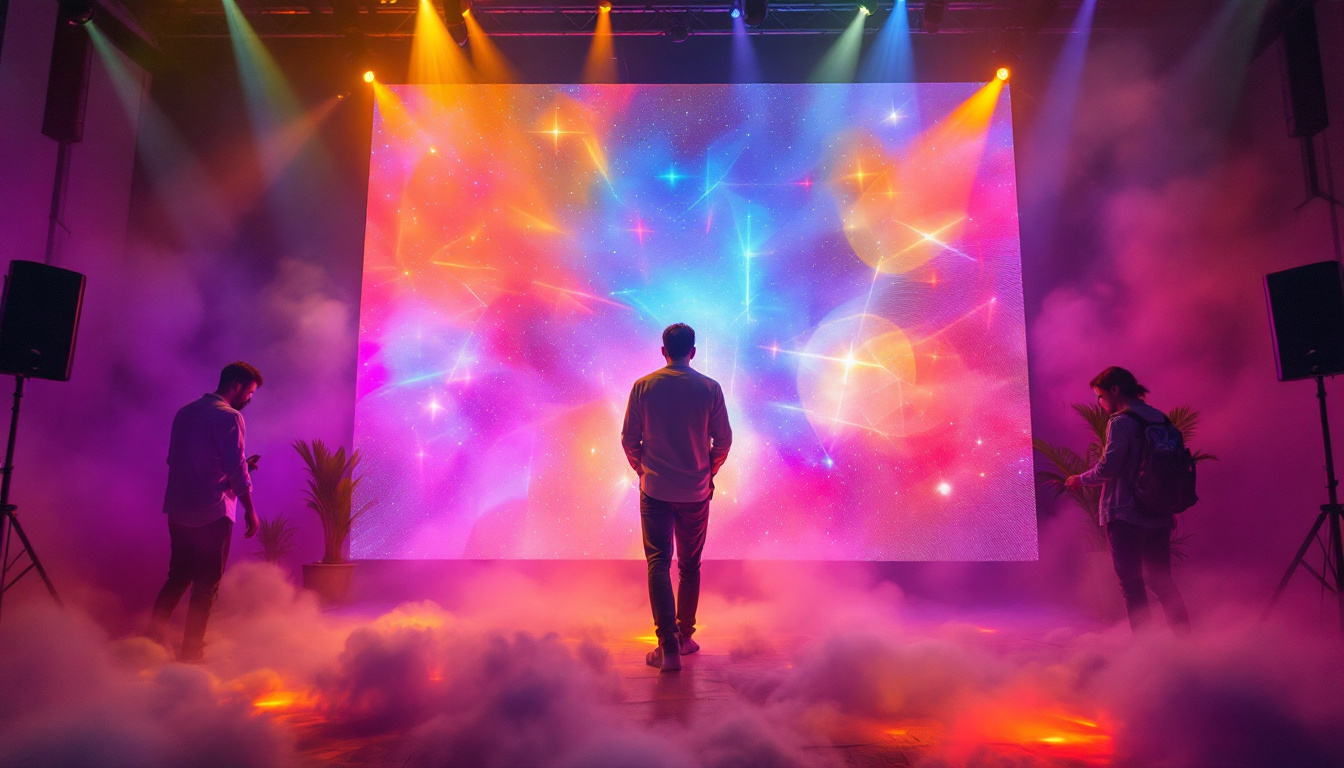
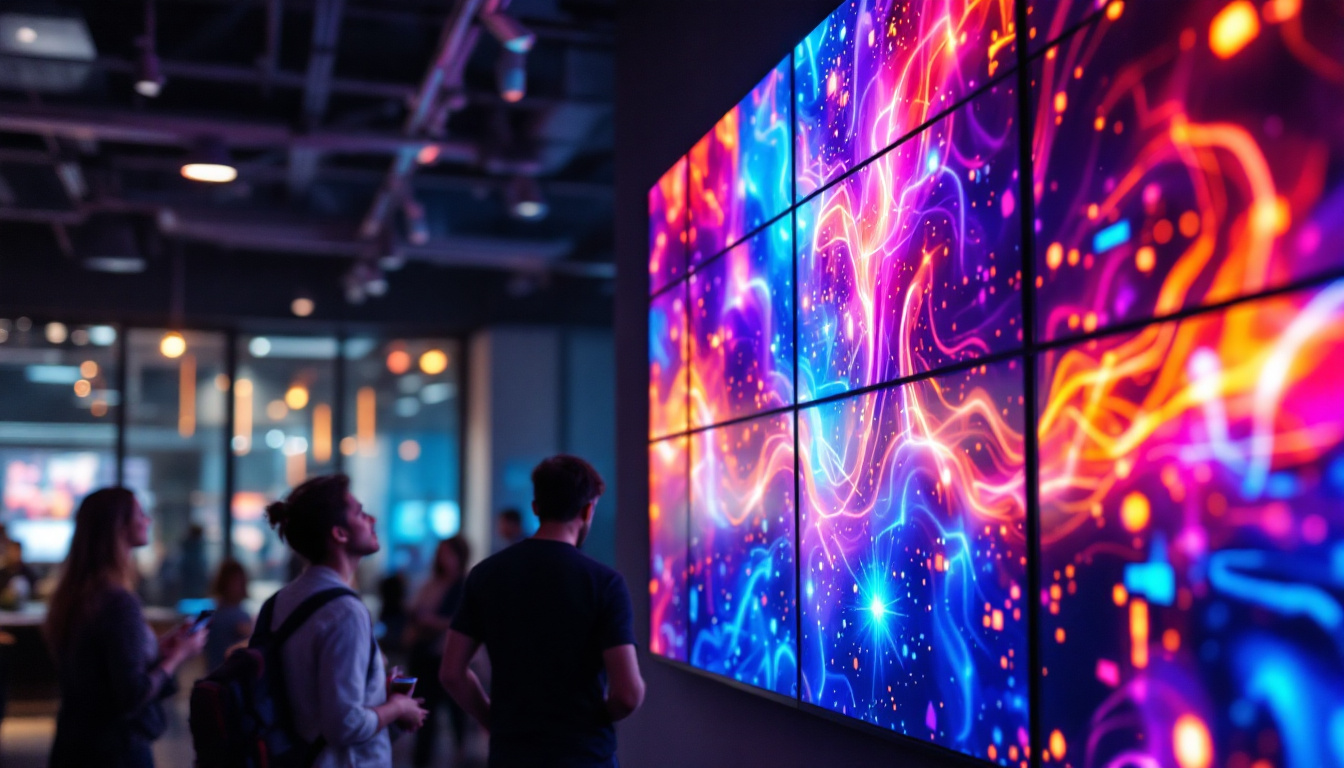
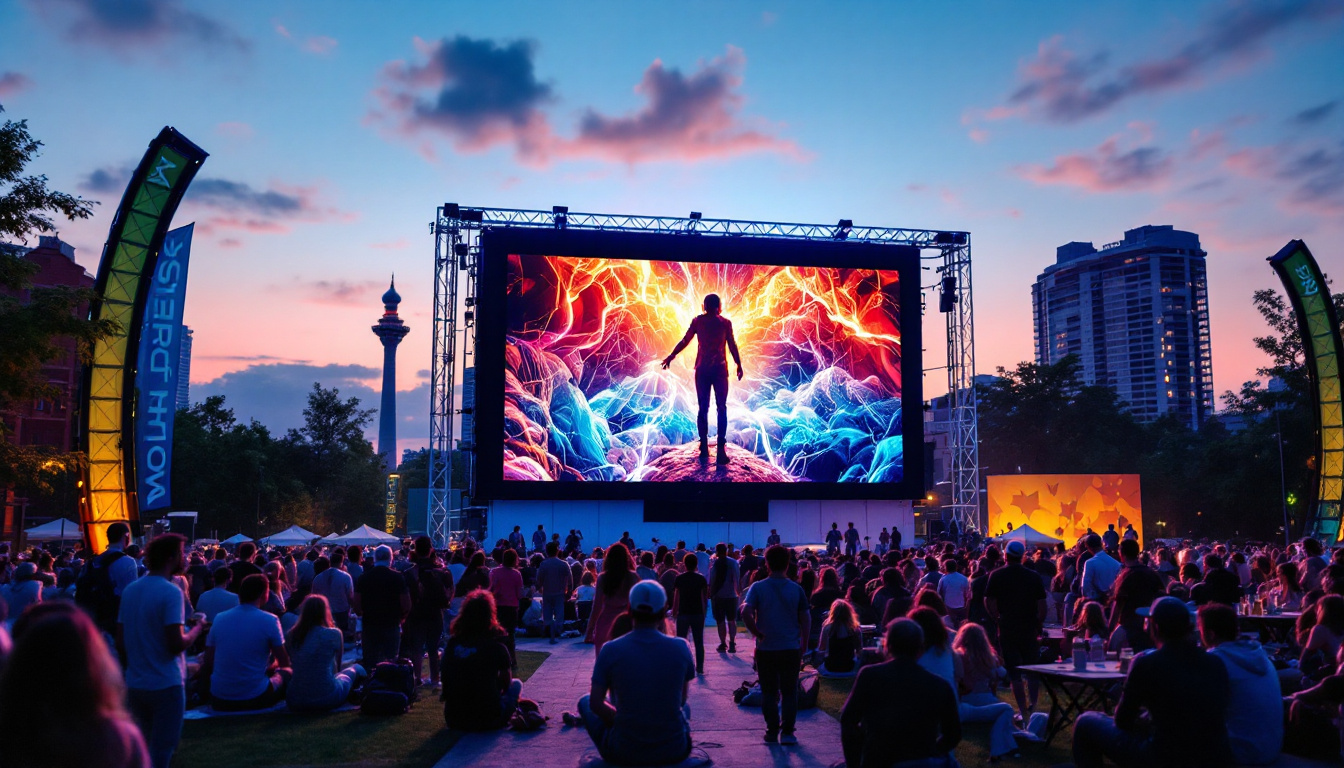
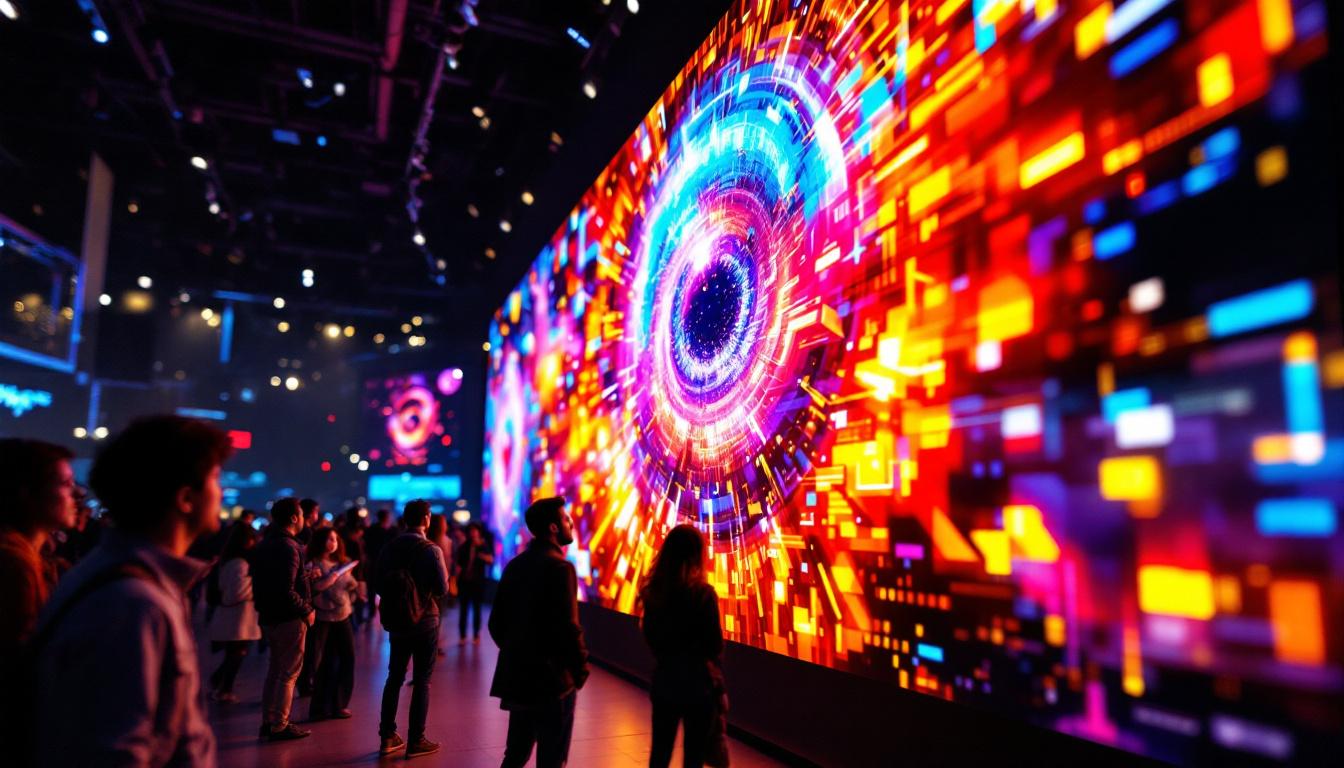
There are primarily two types of LED displays used in the film and entertainment industry: direct-view LED and LED-backlit LCD displays. Direct-view LED displays are composed entirely of LEDs that emit light directly to the viewer, offering unparalleled brightness and color accuracy. These are often used in large-scale video walls and stage backdrops. The ability to create seamless, large-format images makes direct-view LED displays a favorite for concerts and festivals, where they can transform a performance space into an immersive visual experience.
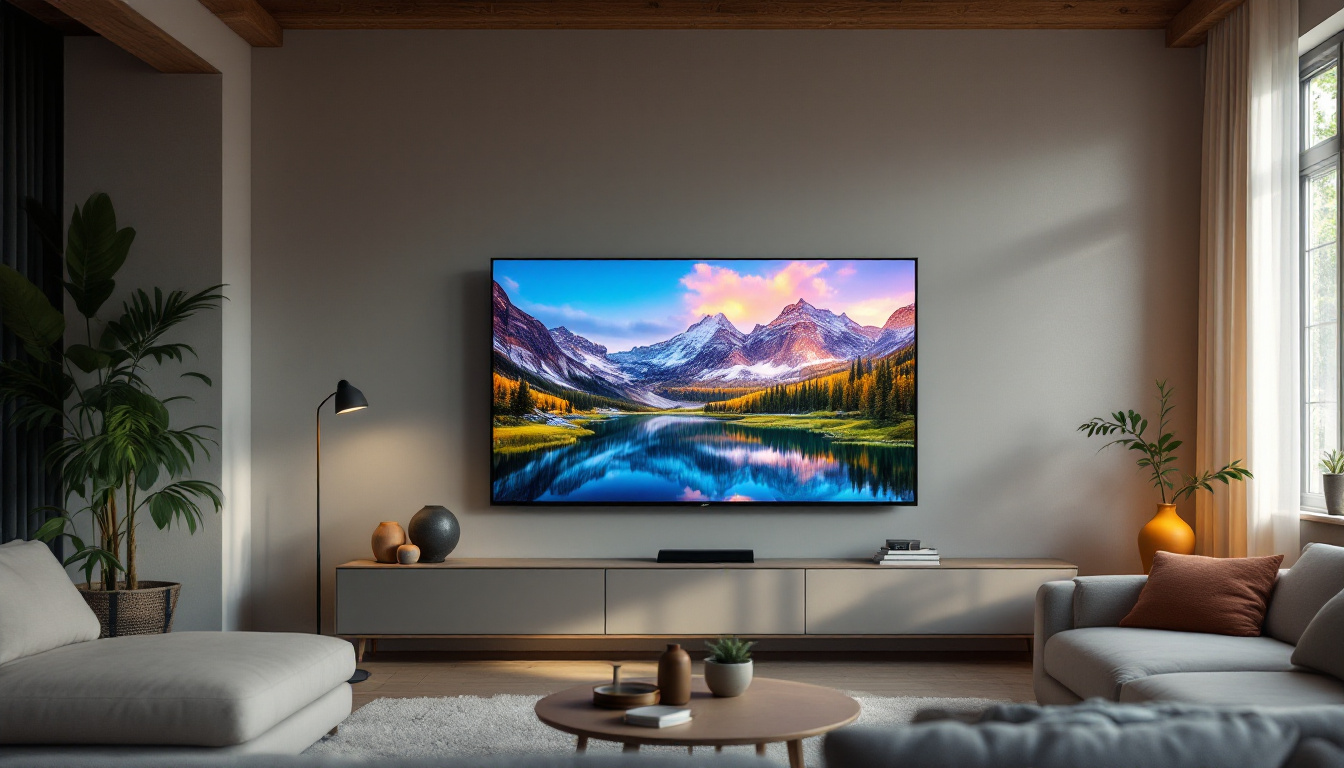
On the other hand, LED-backlit LCD displays use LEDs to illuminate an LCD panel. While more common in consumer electronics like televisions and monitors, they lack the brightness and flexibility of direct-view LED panels, especially in high-end cinematic applications. However, advancements in technology have led to improvements in LED-backlit displays, allowing them to achieve better color reproduction and energy efficiency. This evolution has made them suitable for a wider range of uses, from gaming to home theaters, where users seek a balance between cost and performance without sacrificing too much on visual quality. Additionally, the integration of smart technology into these displays has opened up new possibilities for interactive experiences, further enhancing their appeal in both home and commercial settings.
The Role of LED Displays in Movie Production
LED displays have transformed movie production by enabling filmmakers to create dynamic, realistic environments without relying solely on green screens or physical sets. This technology is at the heart of virtual production techniques, where LED walls display real-time backgrounds and effects that actors can interact with during filming. The integration of LED technology not only enhances the visual storytelling but also opens up new creative avenues for directors and cinematographers, allowing them to visualize complex scenes in real-time and make adjustments on the fly.
Virtual Production and LED Walls
Virtual production uses LED walls to project digital environments around the actors, blending physical and virtual elements seamlessly. This method was famously employed in productions like “The Mandalorian,” where LED volumes created immersive settings that responded to camera movements in real time. The ability to create expansive landscapes, intricate cityscapes, or even alien worlds without the need for extensive travel or elaborate set construction is revolutionizing the way stories are told on screen. Filmmakers can now shoot in diverse environments without the logistical challenges that typically accompany location shooting.
For a movie like “10X10,” which demands intricate visual storytelling, LED walls provide a controlled lighting environment and realistic reflections on actors and props. This enhances the authenticity of scenes and reduces post-production work, saving time and costs. Moreover, the flexibility of LED technology allows for rapid changes to backgrounds and settings, enabling directors to experiment with different looks and feels for a scene without the delays associated with traditional set changes. This adaptability not only fosters creativity but also empowers filmmakers to respond to the evolving narrative during production.
Advantages Over Traditional Green Screen Techniques
Traditional green screen filming requires actors to perform in front of a chroma key backdrop, with backgrounds added in post-production. This can lead to challenges such as mismatched lighting, unnatural reflections, and difficulties in actor immersion. The disconnect between the actor’s performance and the digital environment can sometimes result in a lack of emotional depth in the final product, as performers struggle to engage with an invisible backdrop.
LED displays address these issues by projecting the actual background during filming. Actors can see and react to their environment, improving performance quality. Additionally, the lighting emitted from LED walls matches the scene, creating natural reflections and shadows that enhance visual realism. This synergy between the actor and their surroundings fosters a more authentic performance, as they can interact with the environment in a way that feels genuine. Furthermore, the use of LED technology can significantly reduce the time spent in post-production, allowing for a more streamlined workflow and enabling filmmakers to focus on refining their narrative rather than fixing technical issues. As the industry continues to embrace these advancements, the potential for storytelling becomes boundless, paving the way for innovative cinematic experiences that captivate audiences worldwide.
Technical Specifications and Considerations
When discussing LED displays in the context of film, several technical factors come into play. These include pixel pitch, resolution, refresh rate, and color accuracy—all critical to achieving cinematic quality visuals.
Pixel Pitch and Resolution
Pixel pitch refers to the distance between the centers of two adjacent LEDs, measured in millimeters. A smaller pixel pitch means higher pixel density, resulting in sharper images. For film production, pixel pitches as low as 1.2mm to 2.5mm are common, ensuring that the LED wall appears seamless on camera.
Resolution is directly tied to pixel pitch and the physical size of the LED display. Higher resolution allows for more detailed and crisp backgrounds, essential for close-up shots and wide-angle scenes alike. In virtual production, resolutions of 4K and above are typical to maintain image fidelity.
Refresh Rate and Flicker-Free Performance
Refresh rate, measured in Hertz (Hz), indicates how many times per second the display updates its image. High refresh rates (120Hz or higher) are crucial in film production to prevent flickering on camera, which can occur if the display’s refresh rate conflicts with the camera’s shutter speed.
Modern LED displays are designed with flicker-free technology, ensuring smooth motion and consistent lighting, which is vital for maintaining immersion and professional quality in movies like “10X10.”
Color Accuracy and Calibration
Color accuracy is paramount in cinematic applications. LED displays must reproduce colors faithfully to match the director’s vision and maintain consistency across scenes. Calibration tools and software are used to fine-tune the display’s color output, gamma, and brightness levels.
Advanced LED panels support wide color gamuts, including Rec. 709 and DCI-P3 standards, which are industry benchmarks for film and television. This capability ensures that the visuals on LED walls align perfectly with the final color grading of the movie.
Applications of LED Displays Beyond Production
While LED displays are revolutionizing how movies are made, their impact extends into post-production, distribution, and exhibition, shaping the entire lifecycle of a film like “10X10.”
Post-Production and Visual Effects Integration
In post-production, LED displays facilitate real-time visualization of visual effects (VFX). Editors and VFX artists can preview scenes on LED walls to assess lighting, reflections, and compositing accuracy. This immediate feedback loop accelerates decision-making and enhances creative control.
Moreover, LED displays enable collaborative workflows where directors, cinematographers, and VFX teams can work together in a shared physical space, viewing the content as it will appear on screen.
Distribution and Marketing
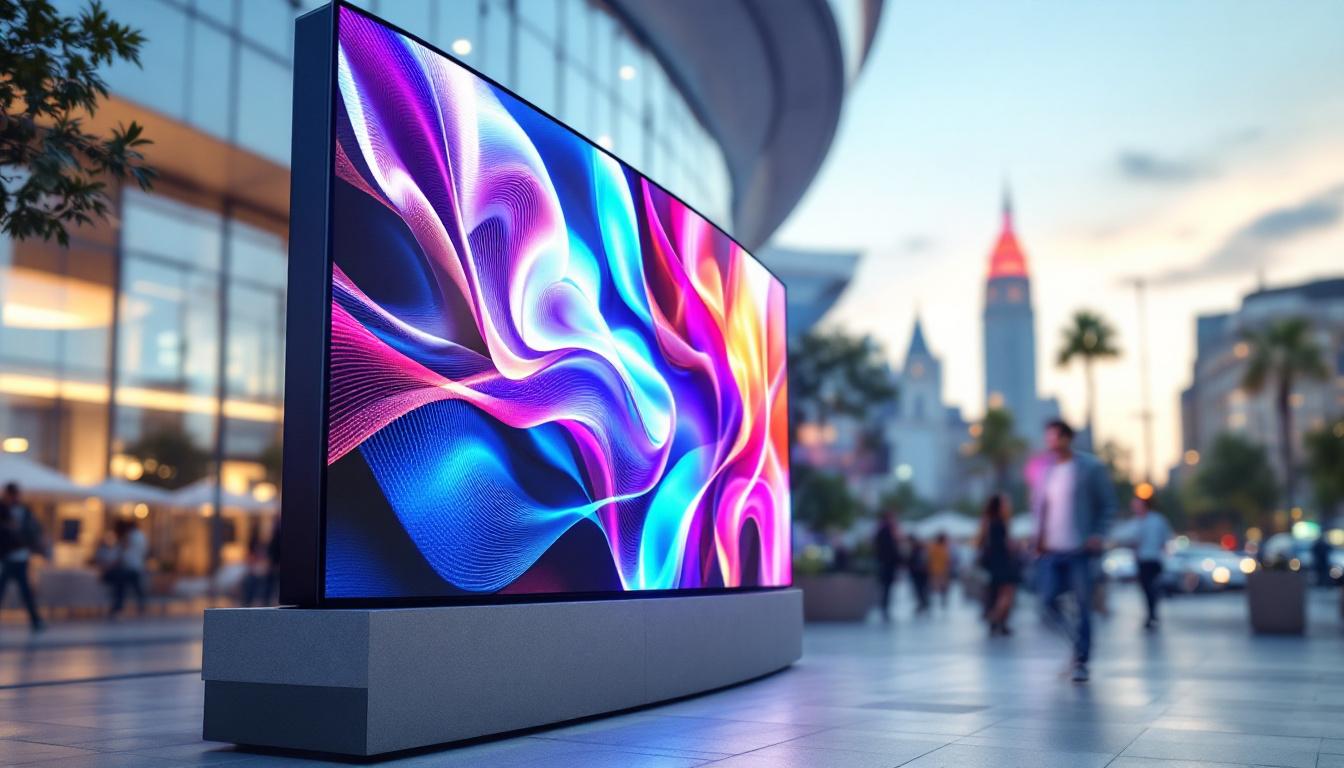
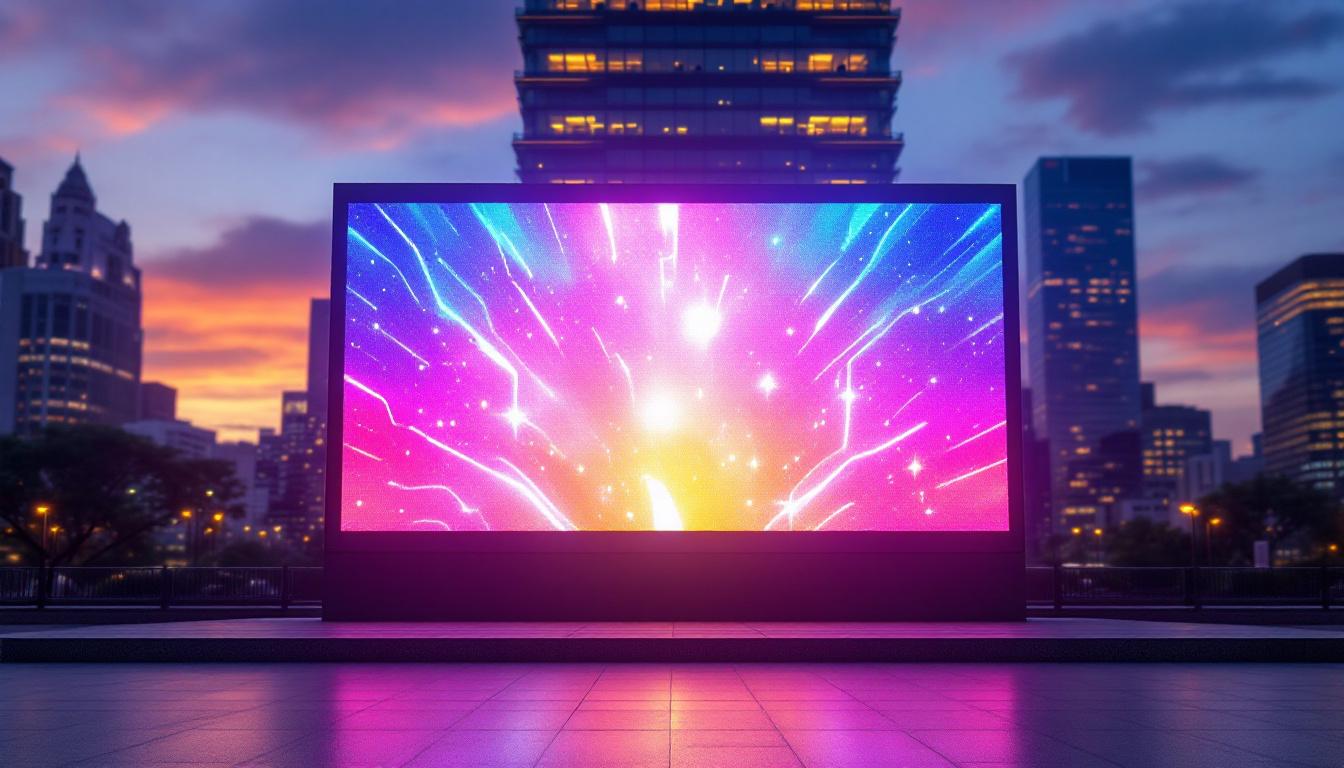
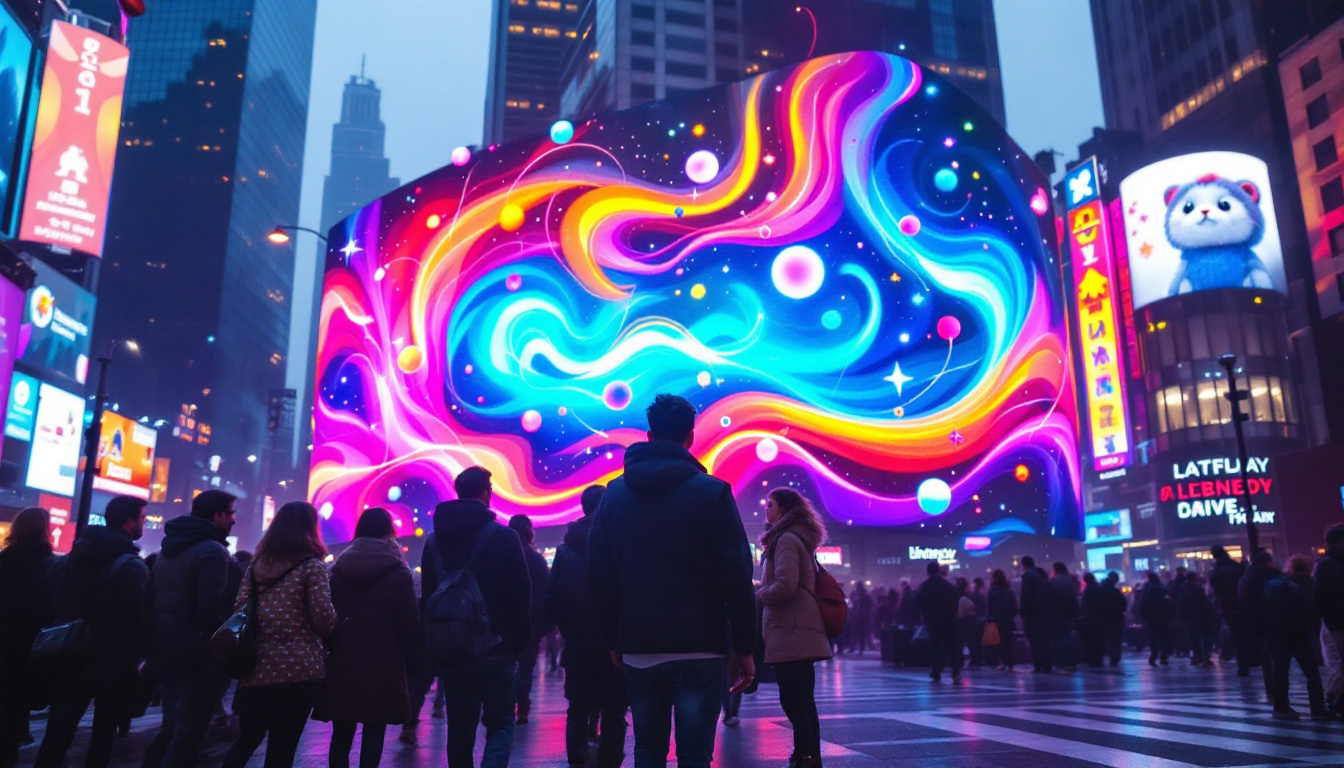
LED technology also plays a role in marketing films. High-resolution LED billboards and digital signage are used worldwide to promote movies, offering vibrant, eye-catching displays that attract audiences. The ability to showcase trailers and posters with stunning clarity and brightness helps generate buzz and anticipation.
Theatrical Exhibition
Some cinemas have begun adopting LED screens for movie projection, replacing traditional digital projectors. LED cinema screens deliver superior brightness, contrast, and color accuracy, enhancing the viewing experience, especially in large venues or environments with ambient light.
While still emerging, LED cinema technology promises to redefine how audiences experience films, offering consistent image quality and potentially reducing maintenance costs for theaters.
Challenges and Future Trends in LED Display Technology
Despite the many advantages, LED display technology faces challenges that the industry continues to address through innovation and research.
Cost and Accessibility
High-quality LED displays, especially those suitable for virtual production, can be expensive to manufacture and maintain. This cost barrier limits accessibility for smaller studios and independent filmmakers. However, as technology advances and economies of scale improve, prices are gradually decreasing, making LED solutions more attainable.
Technical Complexity and Expertise
Operating LED walls requires specialized knowledge in hardware setup, software integration, and color calibration. Training and skilled personnel are essential to maximize the potential of LED displays in movie production.
Industry collaboration and educational programs are helping bridge this gap, fostering a new generation of technicians and creatives proficient in LED technology.
Emerging Innovations
Looking ahead, innovations such as microLED and miniLED technology promise even higher resolution, better energy efficiency, and thinner form factors. These advancements will enable more flexible and immersive display solutions for filmmakers.
Additionally, the integration of artificial intelligence (AI) and machine learning in LED display management is poised to optimize content rendering, color accuracy, and real-time adjustments, further enhancing the cinematic experience.
Conclusion: The Impact of LED Displays on Films Like 10X10
The integration of LED display technology in movies such as “10X10” marks a significant milestone in cinematic storytelling. By providing filmmakers with unprecedented control over visual environments, LED displays enable more immersive, realistic, and efficient production workflows.
As the technology continues to mature, its influence will expand beyond production into distribution and exhibition, reshaping the entire film industry. For audiences, this means richer, more engaging movie experiences that blur the line between reality and imagination.
Understanding the technology behind LED displays not only highlights the innovation driving modern cinema but also underscores the collaborative effort between technology and artistry that brings stories like “10X10” to life on the big screen.
Explore the Future of Visual Storytelling with LumenMatrix
As the cinematic landscape evolves, so does the need for groundbreaking visual solutions. LumenMatrix stands at the forefront of this revolution, offering an array of LED display modules designed to bring your visual narratives to life. From the immersive Indoor LED Wall Display to the dynamic Outdoor LED Wall Display, and from the innovative Vehicle LED Display to the versatile All-in-One LED Display, our solutions are crafted to elevate your brand’s presence and captivate your audience. Embrace the future of visual communication with LumenMatrix and experience the transformative power of our LED display technology. Check out LumenMatrix LED Display Solutions and join us in shaping the next chapter of cinematic storytelling.