In the rapidly evolving world of home entertainment, the wall panel entertainment center has emerged as a stylish and functional centerpiece. At the heart of many of these setups lies the LED display—a technology that has revolutionized how content is viewed and experienced. This article delves deep into the role of LED displays in wall panel entertainment centers, explaining their technology, benefits, and why they are becoming the preferred choice for modern living spaces.
Understanding Wall Panel Entertainment Centers
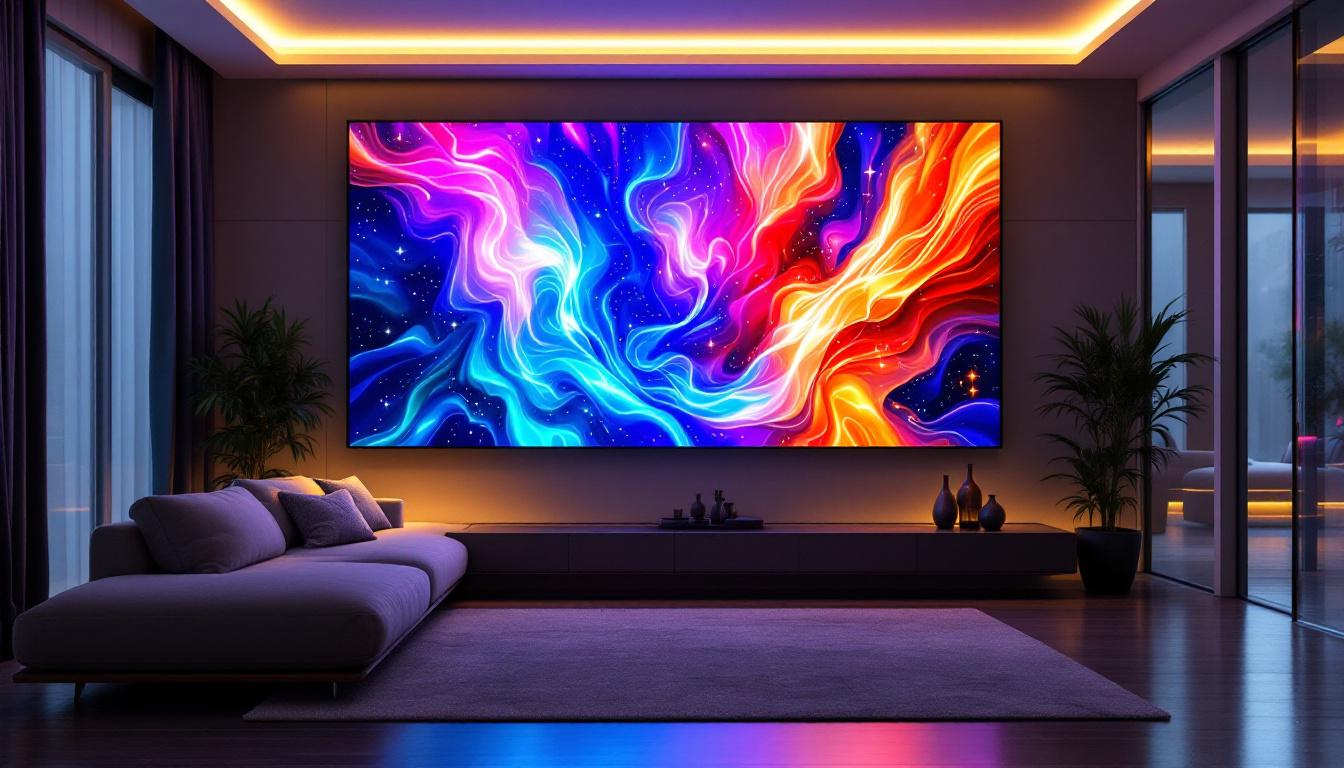
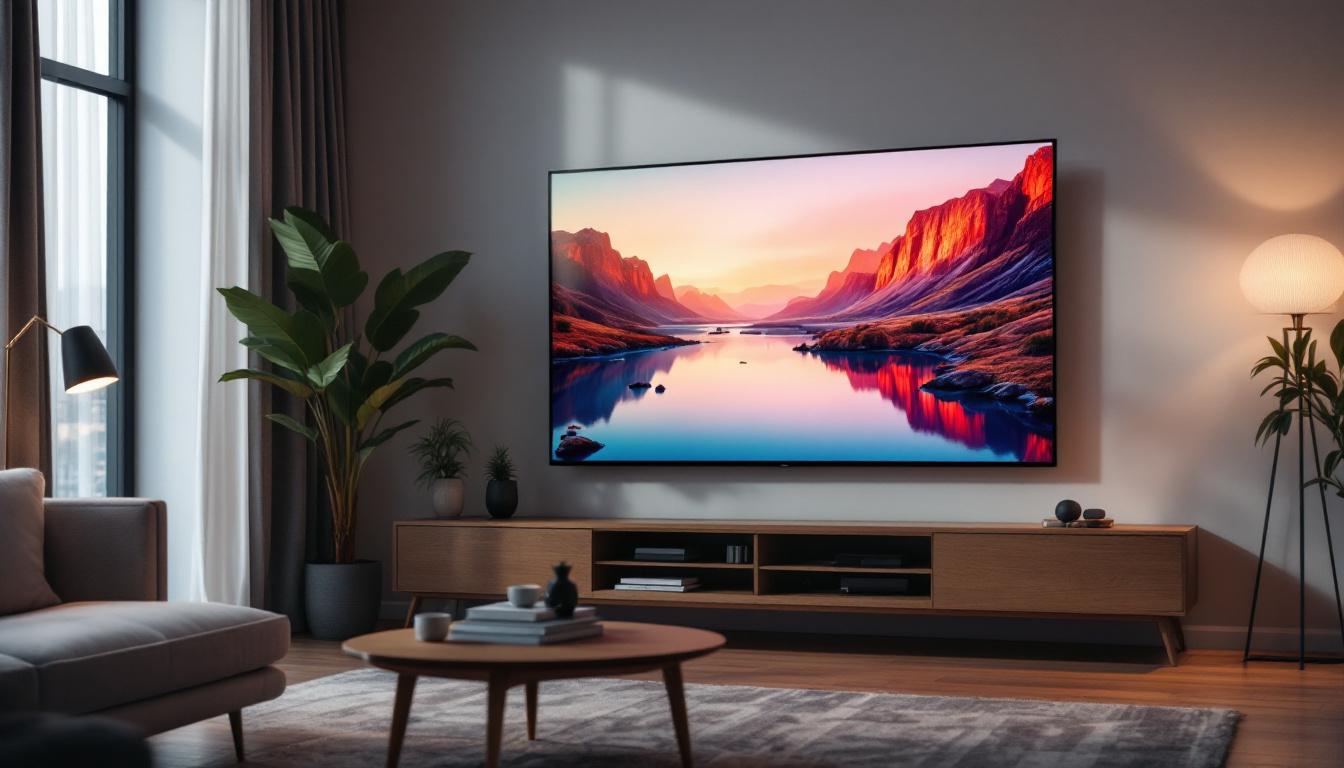
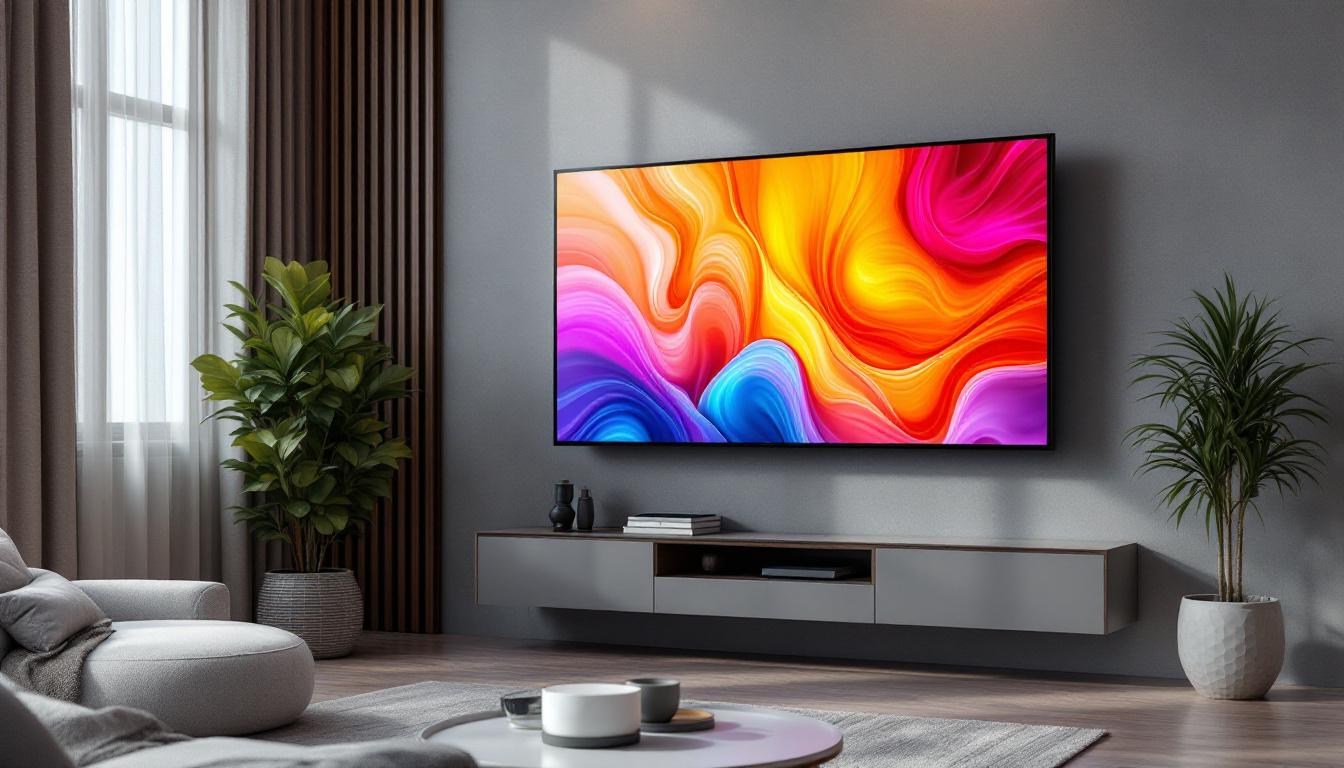
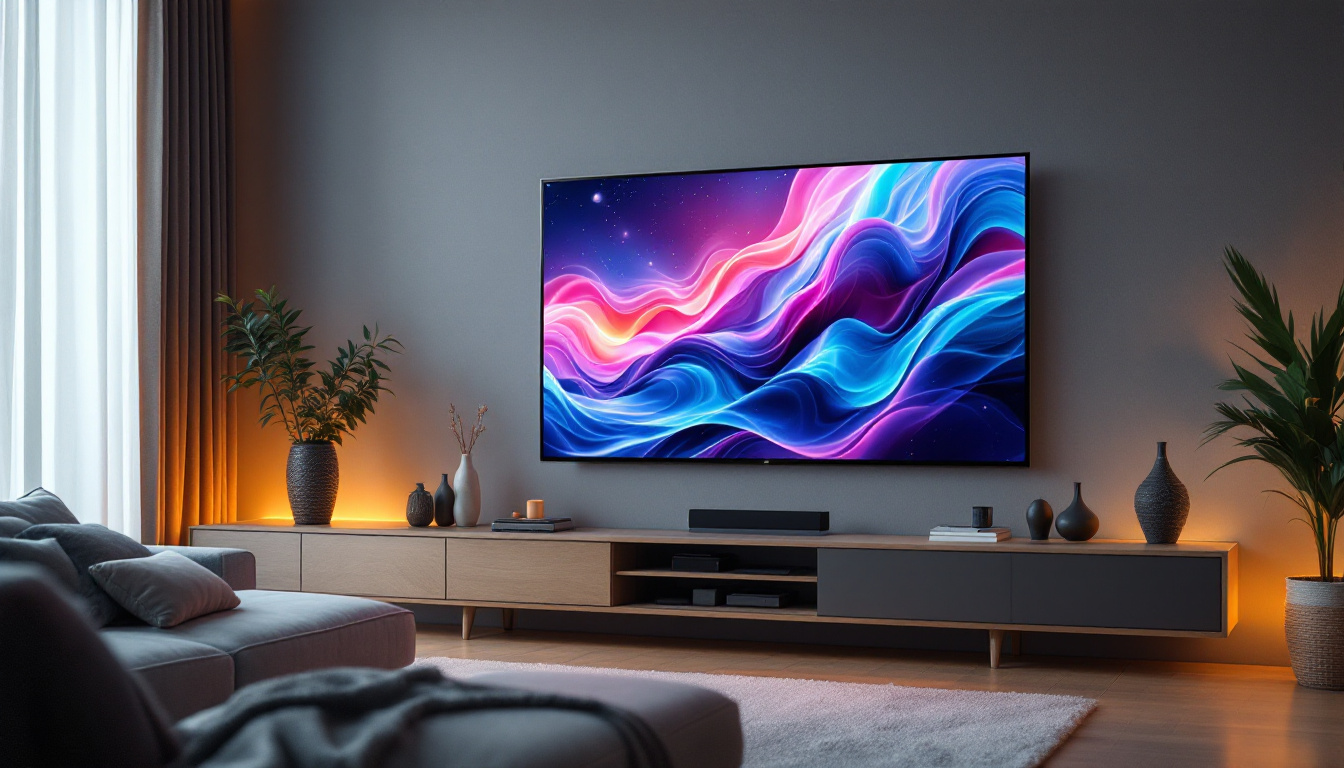
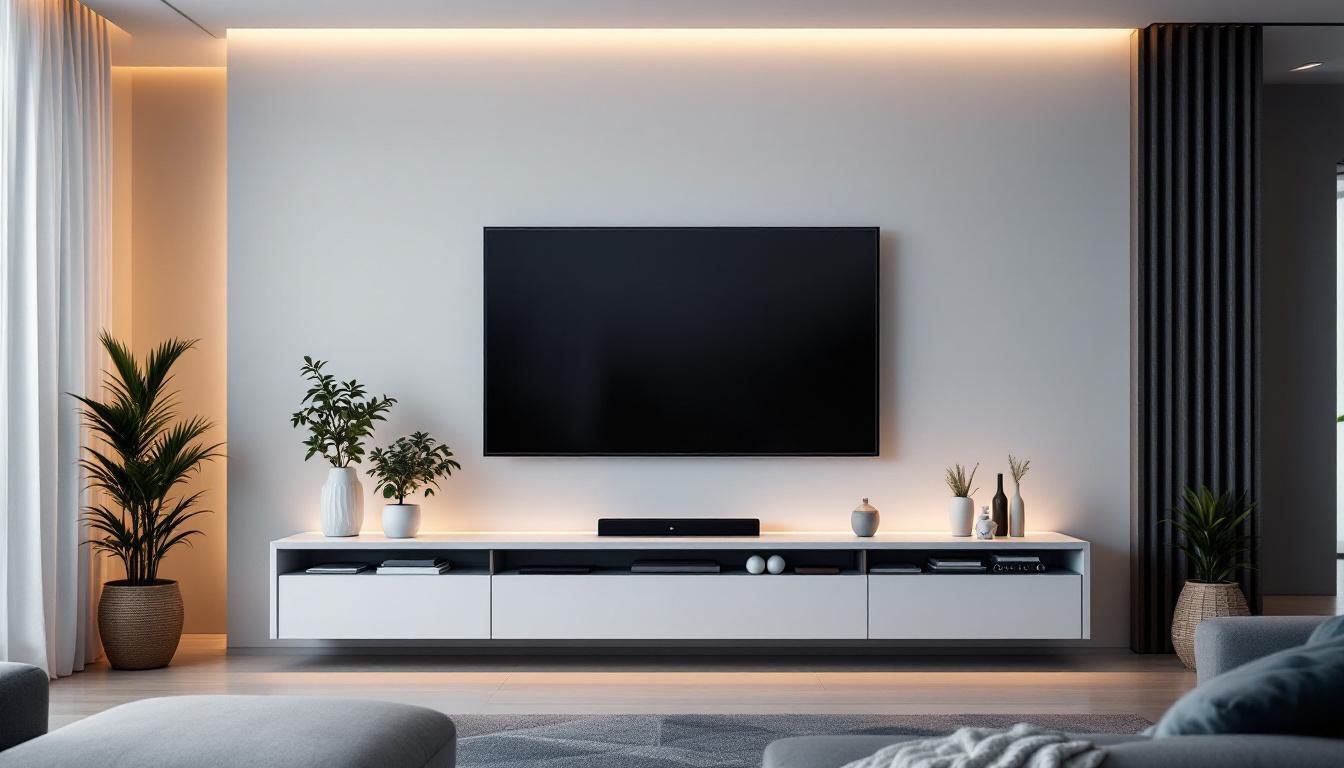
Wall panel entertainment centers are custom or semi-custom installations designed to house a television, audio equipment, gaming consoles, and other multimedia components within a sleek, integrated framework. Unlike traditional entertainment units that often occupy floor space, wall panel centers are mounted directly onto or recessed into walls, providing a clean and contemporary look.
These centers often incorporate storage solutions, cable management systems, and ambient lighting, making them not only aesthetically pleasing but also highly functional. The choice of display technology, particularly LED displays, plays a crucial role in defining the overall experience and visual appeal of these centers. With a variety of finishes and materials available, such as wood, metal, and glass, homeowners can customize their entertainment centers to match their personal style and existing decor, ensuring a seamless integration into their living spaces.
Additionally, many wall panel entertainment centers are designed with versatility in mind, allowing for easy upgrades and modifications as technology advances. For instance, some units feature adjustable shelving or modular components that can accommodate new devices or changing entertainment needs. This adaptability not only extends the lifespan of the furniture but also enhances its value, making it a worthwhile investment for modern households.
The Rise in Popularity of Wall Panel Entertainment Centers
The shift towards minimalistic and space-saving home designs has fueled the popularity of wall panel entertainment centers. According to a 2023 survey by the Home Furnishings Association, over 65% of homeowners upgrading their living rooms opted for wall-mounted entertainment solutions, with LED displays being the most common screen type.
Moreover, the integration of smart home technologies has made these centers more than just a place to watch TV—they serve as hubs for controlling lighting, sound, and even security systems, all accessible through the LED display interface. This convergence of technology not only simplifies the user experience but also enhances the overall ambiance of the room, allowing for customizable settings that can be tailored to different activities, whether it’s movie night, gaming sessions, or entertaining guests.
As the demand for multifunctional living spaces continues to rise, manufacturers are responding with innovative designs that prioritize both form and function. Features such as built-in speakers, wireless charging stations, and even hidden compartments for game controllers and remotes are becoming increasingly common. This trend reflects a broader movement towards creating environments that are not only stylish but also equipped to handle the diverse needs of contemporary lifestyles, where entertainment and technology are seamlessly intertwined.
LED Display Technology: The Core of Modern Entertainment Centers
LED, or Light Emitting Diode, displays have become the standard for televisions and monitors due to their superior image quality, energy efficiency, and longevity. Understanding the basics of LED technology helps explain why these displays are ideal for wall panel entertainment centers.
How LED Displays Work
At its core, an LED display uses an array of light-emitting diodes to produce images. Unlike older LCD screens that rely on fluorescent backlighting, LED displays use LEDs as their light source, which can be arranged either behind the screen (backlit LED) or along the edges (edge-lit LED).
This configuration allows for better control over brightness and contrast, resulting in sharper images and deeper blacks. Additionally, LEDs can be turned on and off individually, enabling technologies like local dimming, which enhances picture quality by reducing light bleed in dark scenes.
Types of LED Displays Used in Entertainment Centers
There are primarily three types of LED displays commonly found in wall panel entertainment centers:
- Edge-Lit LED: LEDs are positioned along the edges of the screen, allowing for thinner panels but sometimes compromising on uniform brightness.
- Direct-Lit LED: LEDs are placed directly behind the screen in a grid, offering better brightness and contrast but with a thicker panel.
- OLED (Organic LED): Although technically different, OLEDs are often grouped with LED displays due to their similar light-emitting properties. OLEDs provide superior contrast ratios and viewing angles but at a higher cost.
Choosing the right type of LED display depends on the desired balance between image quality, cost, and design constraints of the wall panel entertainment center.
Advantages of LED Displays in Wall Panel Entertainment Centers
LED displays offer several benefits that make them particularly well-suited for integration into wall panel entertainment centers. These advantages extend beyond just picture quality and impact the overall user experience and installation flexibility.
Superior Picture Quality
LED displays deliver vibrant colors, high brightness levels, and excellent contrast ratios. This makes them ideal for viewing in various lighting conditions, from bright daylight to dimly lit rooms. The ability to display true blacks and a wide color gamut enhances the immersive experience, whether watching movies, gaming, or streaming live sports.
Energy Efficiency and Longevity
Compared to older display technologies like plasma or CCFL-backlit LCDs, LED displays consume significantly less power. The Department of Energy reports that LED TVs can use up to 40% less electricity than plasma TVs of similar size. This efficiency translates to lower energy bills and a reduced environmental footprint.
Additionally, LEDs have a longer lifespan, often exceeding 60,000 hours of use, which means less frequent replacement and maintenance costs.
Design Flexibility and Slim Profiles
The compact nature of LEDs allows manufacturers to produce ultra-thin and lightweight panels. This slim profile is crucial for wall panel entertainment centers, where space is at a premium and a sleek appearance is desired.
LED displays can be seamlessly integrated into custom cabinetry or recessed into walls, creating a flush, modern look that complements contemporary interior design trends.
Enhanced Viewing Angles and Reduced Eye Strain
Modern LED displays, especially those with IPS (In-Plane Switching) panels, offer wide viewing angles, ensuring consistent image quality from different seating positions. This is particularly important in living rooms or media rooms where multiple viewers may be watching simultaneously.
Moreover, many LED displays now include flicker-free technology and blue light filters, which help reduce eye strain during extended viewing periods.
Integrating LED Displays into Wall Panel Entertainment Centers
Successfully incorporating an LED display into a wall panel entertainment center requires careful planning and consideration of several factors to maximize both aesthetics and functionality.
Choosing the Right Size and Resolution
The size of the LED display should be proportional to the room dimensions and viewing distance. As a general guideline, the ideal screen size can be calculated by multiplying the viewing distance (in inches) by 0.84. For example, a seating distance of 10 feet (120 inches) suggests a screen size of approximately 100 inches diagonally.
Resolution is equally important. While 4K Ultra HD has become the standard for most modern LED TVs, 8K displays are emerging, offering even greater detail for large screens. However, content availability and budget often dictate the best choice.
Mounting and Installation Considerations
Wall mounting an LED display requires a sturdy support system capable of handling the panel’s weight. Many wall panel entertainment centers incorporate built-in mounts or brackets designed specifically for the chosen display model.
Proper cable management is essential to maintain the clean look of the installation. Concealing power cords, HDMI cables, and speaker wires behind the wall panel or within integrated channels prevents clutter and potential damage.
Ambient Lighting and Acoustic Integration
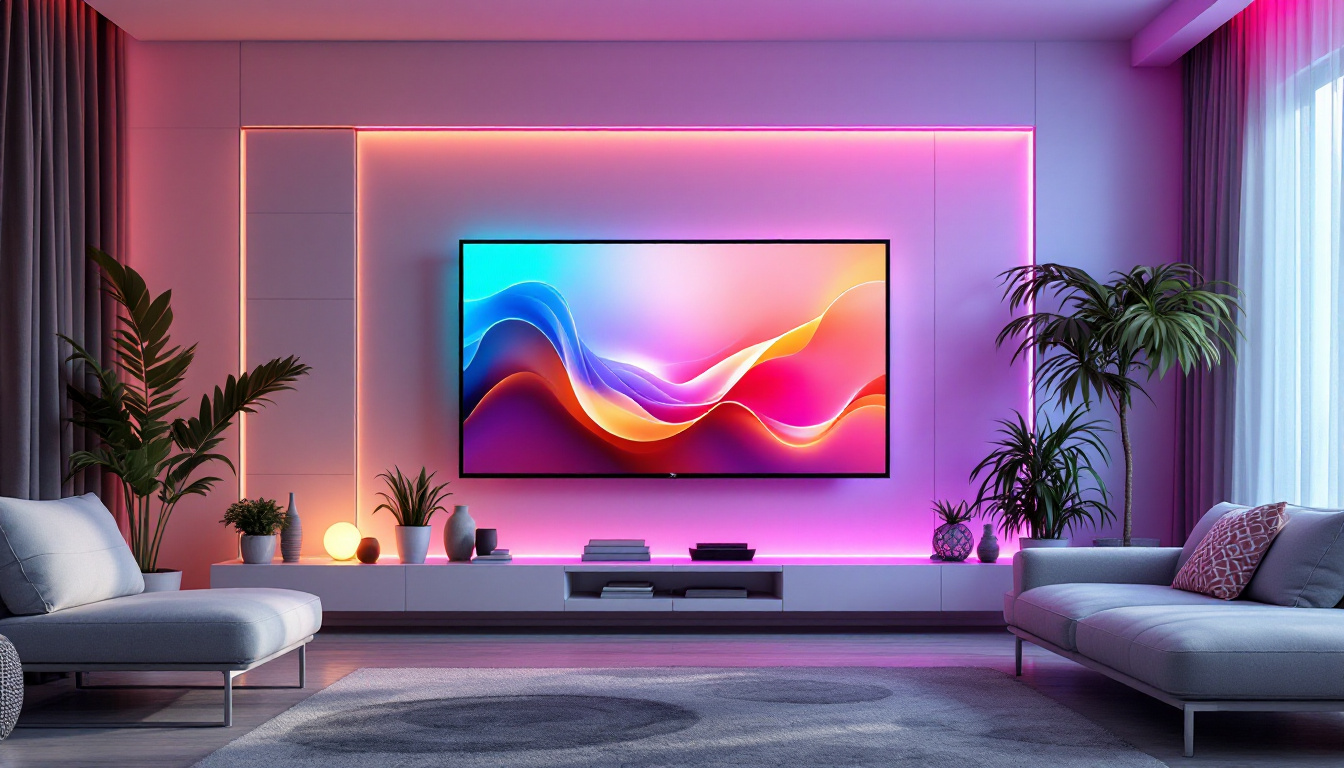
LED displays can be complemented with ambient lighting features such as bias lighting, which reduces eye strain and enhances perceived contrast. Many wall panel centers include LED strips or smart lighting systems that sync with the display’s content for a dynamic viewing experience.
Acoustic treatment is another critical aspect. Incorporating sound-absorbing materials or built-in speakers within the panel can improve audio quality, creating a true home theater environment.
Future Trends in LED Displays and Wall Panel Entertainment Centers
The landscape of LED display technology and wall panel entertainment centers continues to evolve rapidly, driven by consumer demand for higher performance and smarter integration.
MicroLED and Quantum Dot Technologies
MicroLED displays, which use microscopic LEDs to form each pixel, promise even greater brightness, color accuracy, and energy efficiency than current LED and OLED screens. Although still in the early stages of commercial availability, MicroLED is poised to redefine home entertainment displays within the next five years.
Quantum Dot technology enhances LED displays by adding a layer of semiconductor nanocrystals that improve color vibrancy and brightness. Many premium LED TVs now incorporate Quantum Dot layers, marketed as QLED displays, offering a middle ground between traditional LED and OLED technologies.
Smart Home Integration and Voice Control
Wall panel entertainment centers are increasingly becoming smart hubs. Future LED displays will feature deeper integration with voice assistants, home automation systems, and AI-driven content recommendations. This will allow users to control lighting, temperature, and media playback seamlessly through the display interface.
Customizable and Modular Designs
Customization is a growing trend, with manufacturers offering modular wall panel systems that can be tailored to individual preferences and room layouts. This includes options for interchangeable panels, integrated soundbars, and adjustable lighting modules, providing a personalized entertainment experience.
Conclusion
The LED display is undeniably the cornerstone of the modern wall panel entertainment center, combining cutting-edge technology with elegant design to transform how people engage with media at home. Its superior picture quality, energy efficiency, and versatility make it the preferred choice for homeowners seeking both style and performance.
As LED technology continues to advance, and integration with smart home systems deepens, wall panel entertainment centers will become even more immersive and user-friendly. Whether upgrading an existing setup or designing a new entertainment space, understanding the capabilities and benefits of LED displays is essential for making informed decisions that enhance the home viewing experience.
Explore Cutting-Edge LED Displays with LumenMatrix
Ready to elevate your home entertainment experience with the latest in LED display technology? LumenMatrix offers a wide array of innovative LED display solutions tailored to bring your wall panel entertainment center to life. From immersive Indoor LED Wall Displays to dynamic Outdoor LED Wall Displays and beyond, our products are designed to captivate and engage. Discover how LumenMatrix is redefining visual communication and transforming living spaces. Check out LumenMatrix LED Display Solutions today and step into the future of home entertainment.