In the evolving world of visual display technology, choosing the right screen is crucial for delivering crisp, vibrant images. Among various options, the 110 projection screen paired with LED display technology has gained significant attention for its superior image quality, versatility, and durability. This article delves into the details of 110 projection screens and LED displays, explaining their features, benefits, and applications to help you make an informed decision for your next visual setup.
Understanding the 110 Projection Screen
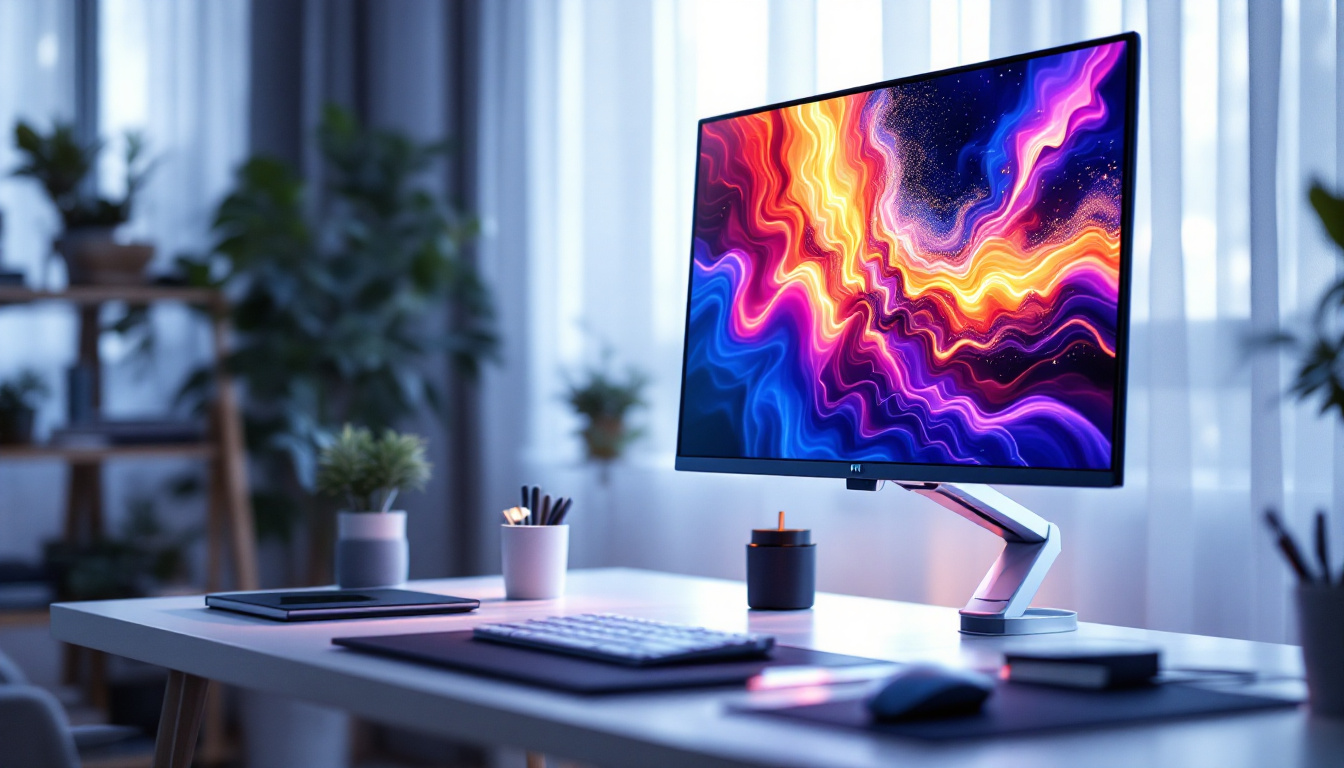
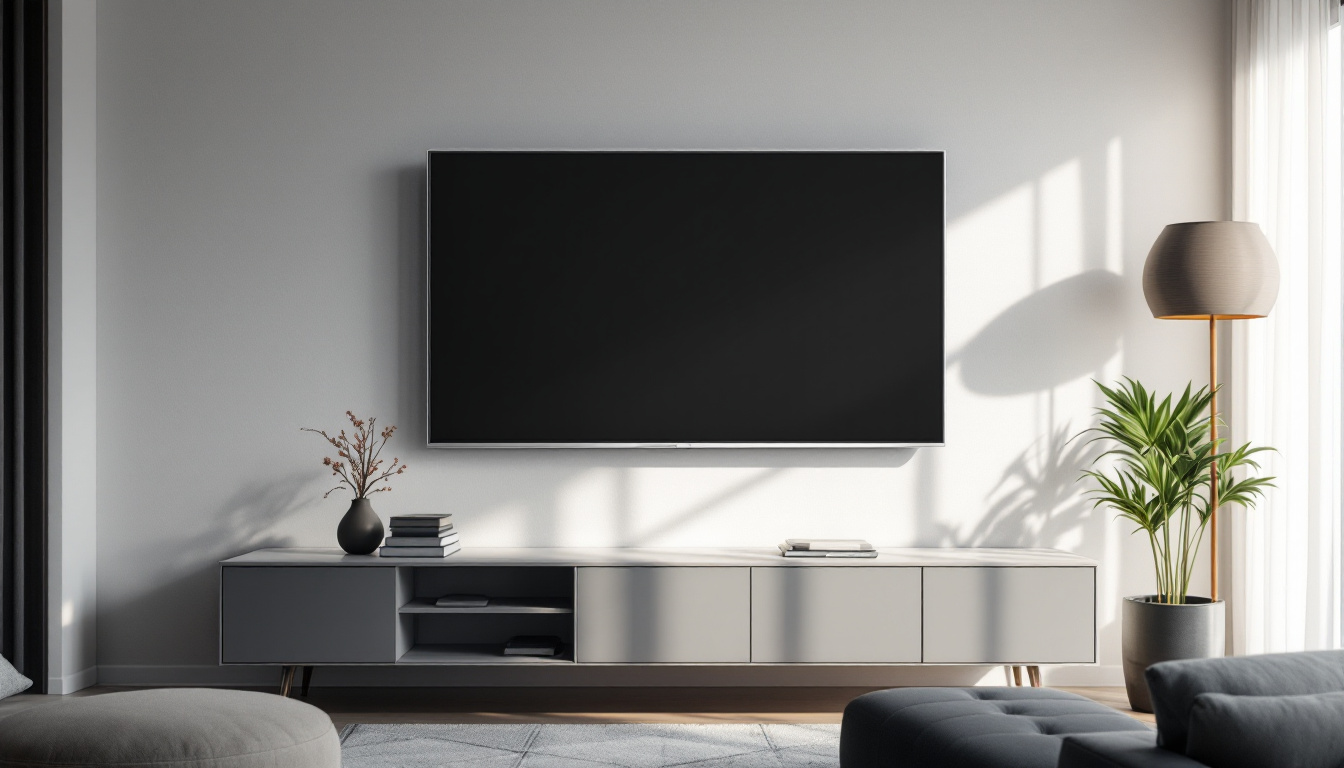
The term “110 projection screen” typically refers to the screen size, measured diagonally in inches. A 110-inch screen offers a large viewing area, making it ideal for home theaters, conference rooms, classrooms, and public presentations. But beyond size, the quality of the projection screen material and its compatibility with different display technologies significantly affect the viewing experience.
Screen Size and Viewing Experience
A 110-inch screen provides an immersive experience, especially in environments where audience members are seated at a distance. According to the Society of Motion Picture and Television Engineers (SMPTE), the optimal viewing distance for a 110-inch screen ranges between 11 to 16 feet, allowing viewers to appreciate fine details without straining their eyes.
For home theaters, this size strikes a balance between cinema-like immersion and practical room dimensions. In educational or corporate settings, it ensures that content is visible to larger groups without compromising clarity. Additionally, the aspect ratio of the content being displayed can influence the overall experience; for instance, a 16:9 aspect ratio, commonly used for movies and presentations, complements the 110-inch screen beautifully, providing a widescreen experience that draws viewers in. The ability to project high-definition content on such a large surface can transform mundane presentations into engaging visual experiences, capturing the audience’s attention more effectively.
Material and Gain Factors
The screen material plays a pivotal role in image brightness, contrast, and color accuracy. Projection screens come in various materials, each with a specific gain value—a measure of reflectivity. A gain of 1.0 is considered neutral, reflecting light evenly. Higher gain screens (above 1.0) amplify brightness but may cause hotspots, while lower gain screens improve viewing angles but reduce brightness.
For a 110-inch screen, materials with a gain between 1.0 and 1.3 are generally preferred, especially when paired with LED displays, to maintain balanced brightness and color fidelity. Furthermore, the choice of material can also affect the screen’s durability and maintenance. For instance, some screens are designed with a matte finish that minimizes glare and enhances viewing comfort, while others may have a more reflective surface that can enhance brightness in well-lit environments. Understanding these nuances can help users select the best screen for their specific needs, ensuring that they achieve the highest quality viewing experience possible.
What is an LED Display?
LED (Light Emitting Diode) displays have revolutionized the way images and videos are presented. Unlike traditional projection systems that rely on external light sources and reflective screens, LED displays are self-illuminating panels composed of thousands of tiny LEDs that emit light directly. This technology not only enhances the viewing experience but also allows for greater versatility in various applications, from advertising to entertainment and beyond.
Types of LED Displays
LED displays come in various configurations, including:
- Direct View LED (DVLED): These panels use LEDs as individual pixels, offering vibrant colors and high brightness. They are common in large-scale digital billboards and indoor video walls.
- MicroLED: An emerging technology featuring microscopic LEDs, MicroLED offers exceptional brightness, contrast, and energy efficiency, rivaling OLED displays.
- LED-backlit LCD: This is a hybrid where an LCD panel is illuminated by an LED backlight, enhancing brightness and color accuracy compared to older CCFL-backlit LCDs.
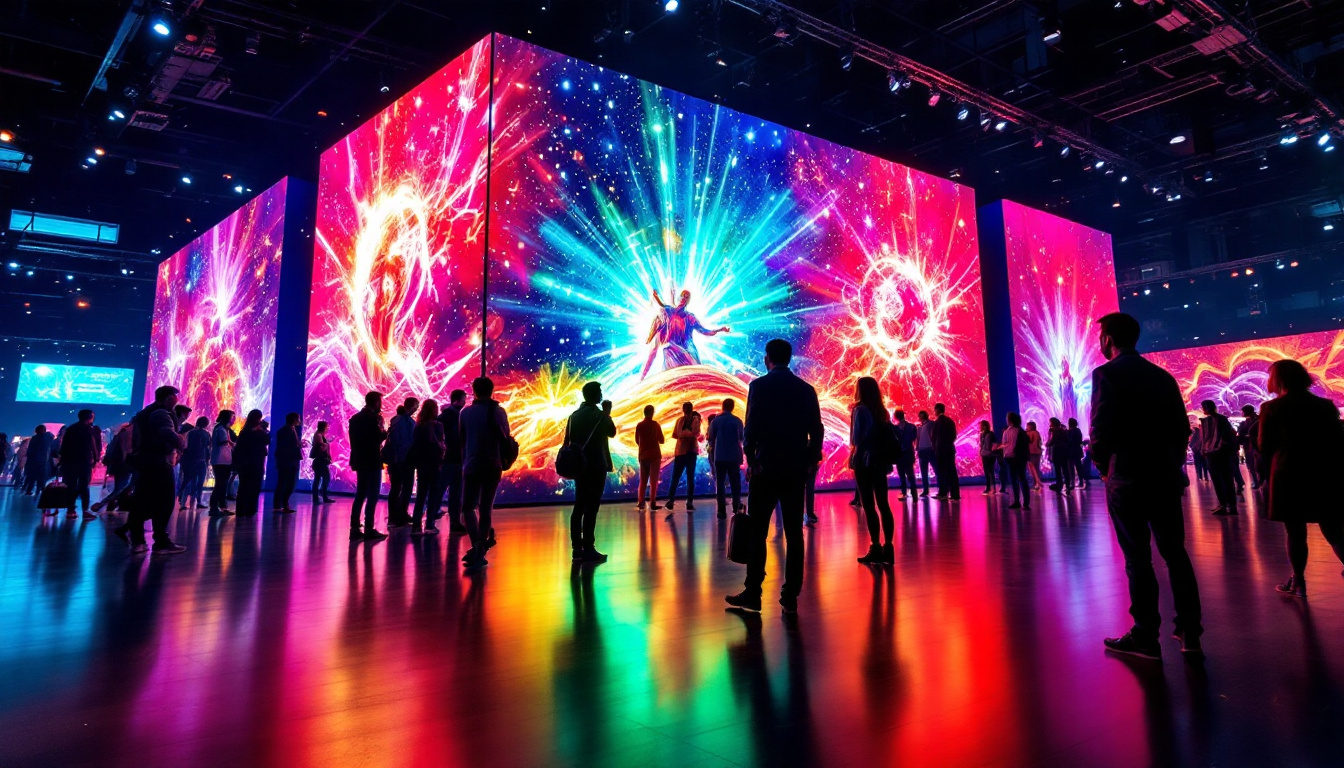
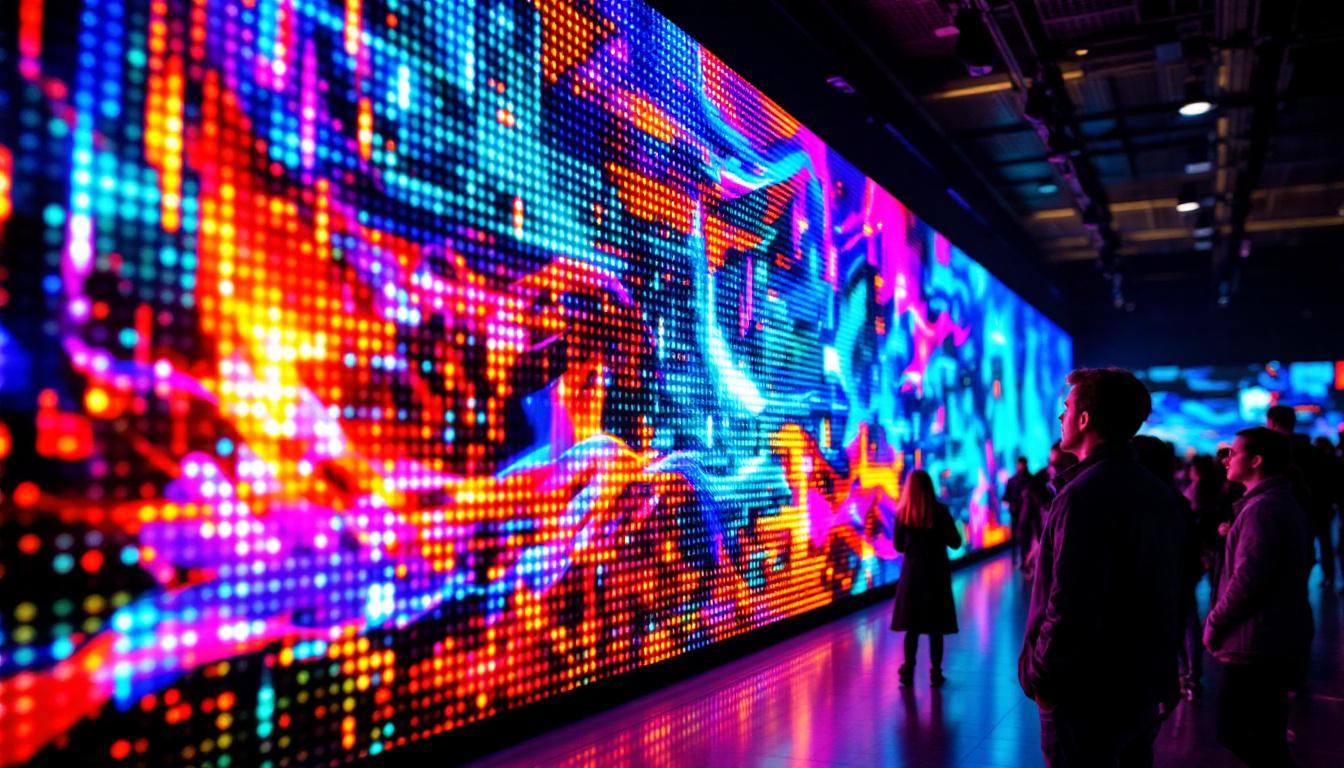
For the purpose of this article, the focus is on Direct View LED displays, which are increasingly used as alternatives to traditional projection screens, including the 110-inch format. These displays are particularly favored in settings like conference rooms, auditoriums, and even home theaters, where high-quality visuals are paramount.
Advantages of LED Displays
LED displays offer several advantages over traditional projection systems:
- Brightness: LED panels can achieve much higher brightness levels, making them suitable for environments with ambient light where projectors struggle.
- Color Accuracy and Contrast: LEDs provide deep blacks and vibrant colors due to their ability to control each pixel’s brightness individually.
- Durability and Longevity: LED displays have longer lifespans (often exceeding 100,000 hours) and require less maintenance compared to projector lamps.
- Thin and Modular Design: LED panels can be assembled in various sizes and shapes, offering flexibility in installation.
Moreover, LED displays are not just about visual quality; they also contribute to energy efficiency. With advancements in technology, modern LED displays consume significantly less power than their predecessors, making them a more sustainable choice for businesses and consumers alike. This energy efficiency, combined with their long lifespan, translates to lower operational costs over time, which is a critical consideration for organizations looking to optimize their budgets.
Additionally, the modular nature of LED displays allows for seamless integration into various environments. Whether it’s a large stadium, a retail space, or a corporate setting, these displays can be tailored to fit specific dimensions and aesthetic requirements. This adaptability not only enhances the visual appeal but also ensures that the content displayed is engaging and impactful, capturing the attention of audiences in ways that traditional displays often cannot.
Comparing 110 Projection Screens with LED Displays
Choosing between a traditional 110 projection screen setup and an LED display depends on several factors including budget, environment, usage, and desired image quality.
Image Quality and Brightness
While a high-quality 110-inch projection screen paired with a powerful projector can deliver excellent image quality, LED displays generally outperform in brightness and contrast. For instance, typical projectors produce brightness levels ranging from 2,000 to 5,000 lumens, whereas LED panels can exceed 1,000 nits (a measure of luminance) easily, maintaining clear images even in well-lit rooms.
This makes LED displays particularly advantageous in commercial settings such as conference halls or retail environments where controlling ambient light is challenging.
Installation and Maintenance
Projection screens require careful alignment, projector placement, and periodic maintenance such as lamp replacement and cleaning. Conversely, LED displays, being modular and self-illuminating, simplify installation and reduce ongoing maintenance costs.
However, LED displays tend to have a higher upfront cost compared to projection setups, which may influence decisions based on budget constraints.
Viewing Angles and Screen Size Flexibility
Projection screens generally offer wide viewing angles, especially when using materials designed for ambient light rejection. LED displays also provide excellent viewing angles, often exceeding 160 degrees horizontally and vertically, ensuring consistent image quality for large audiences.
In terms of size, 110-inch projection screens are standardized and widely available, whereas LED displays can be custom-built to virtually any size, allowing for more creative and large-scale installations.
Applications of 110 Projection Screens and LED Displays
Both 110 projection screens and LED displays serve diverse applications across various industries. Understanding their strengths helps in selecting the right technology for specific needs.
Home Theaters and Entertainment
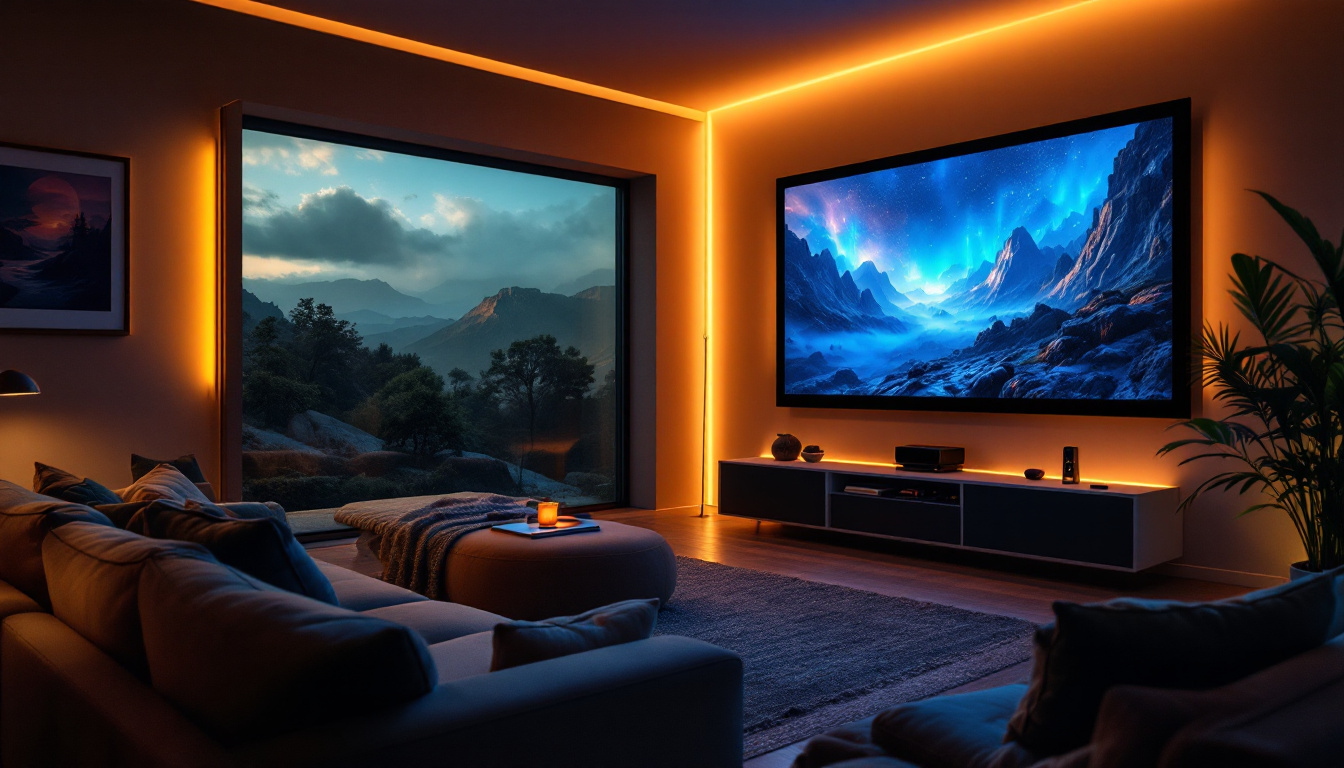
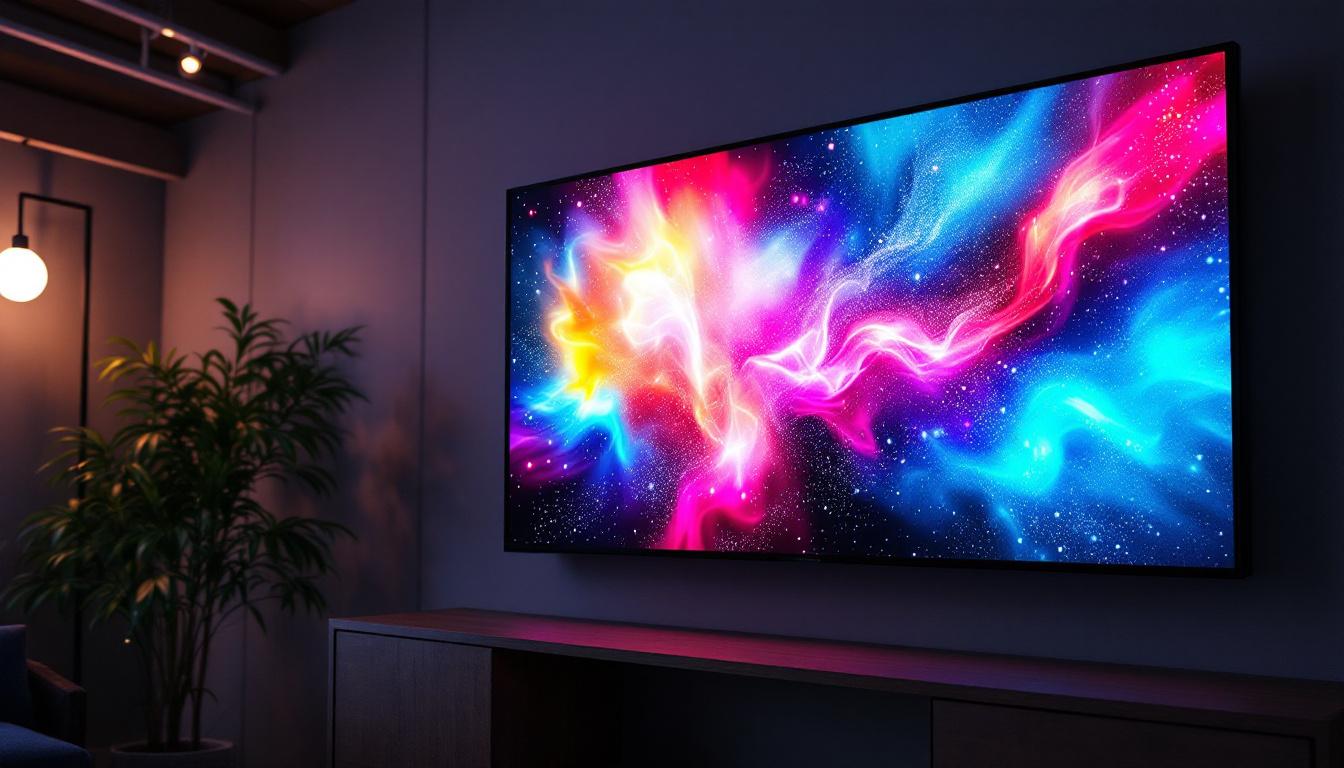
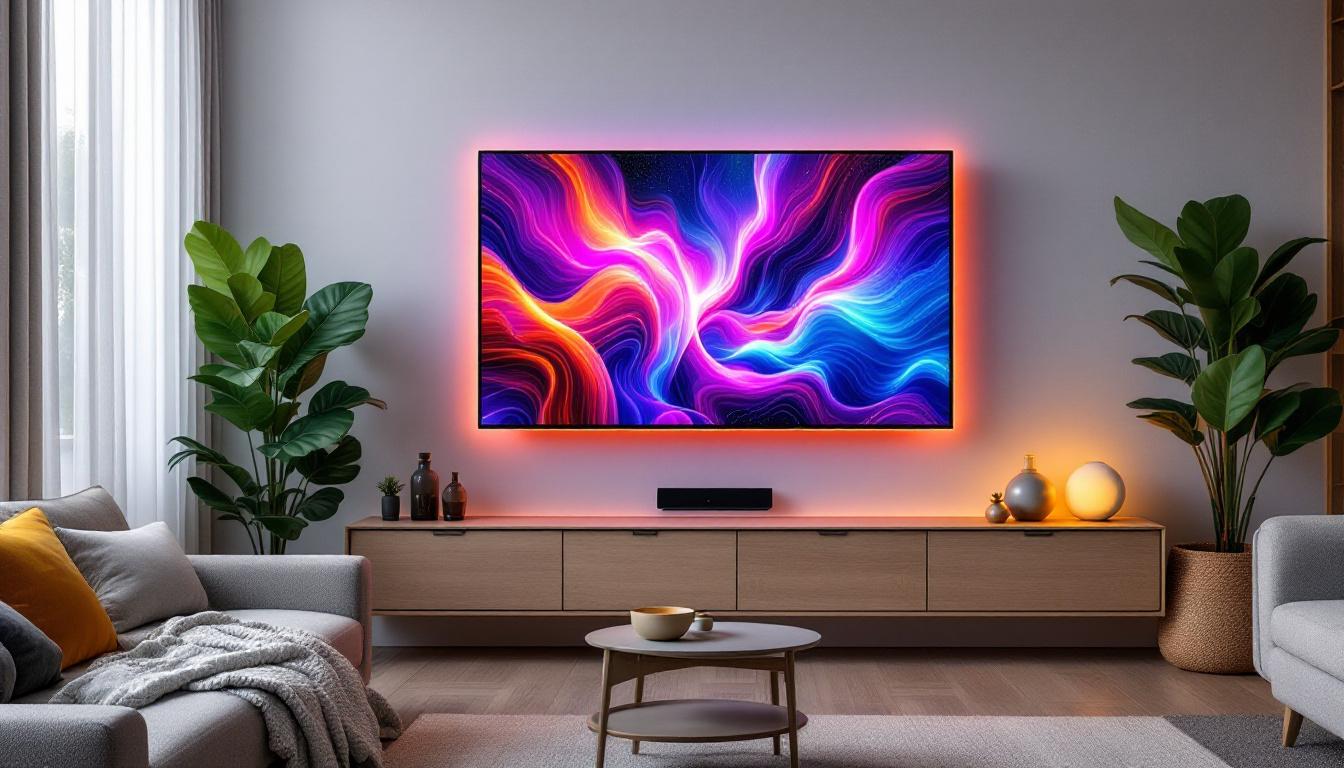
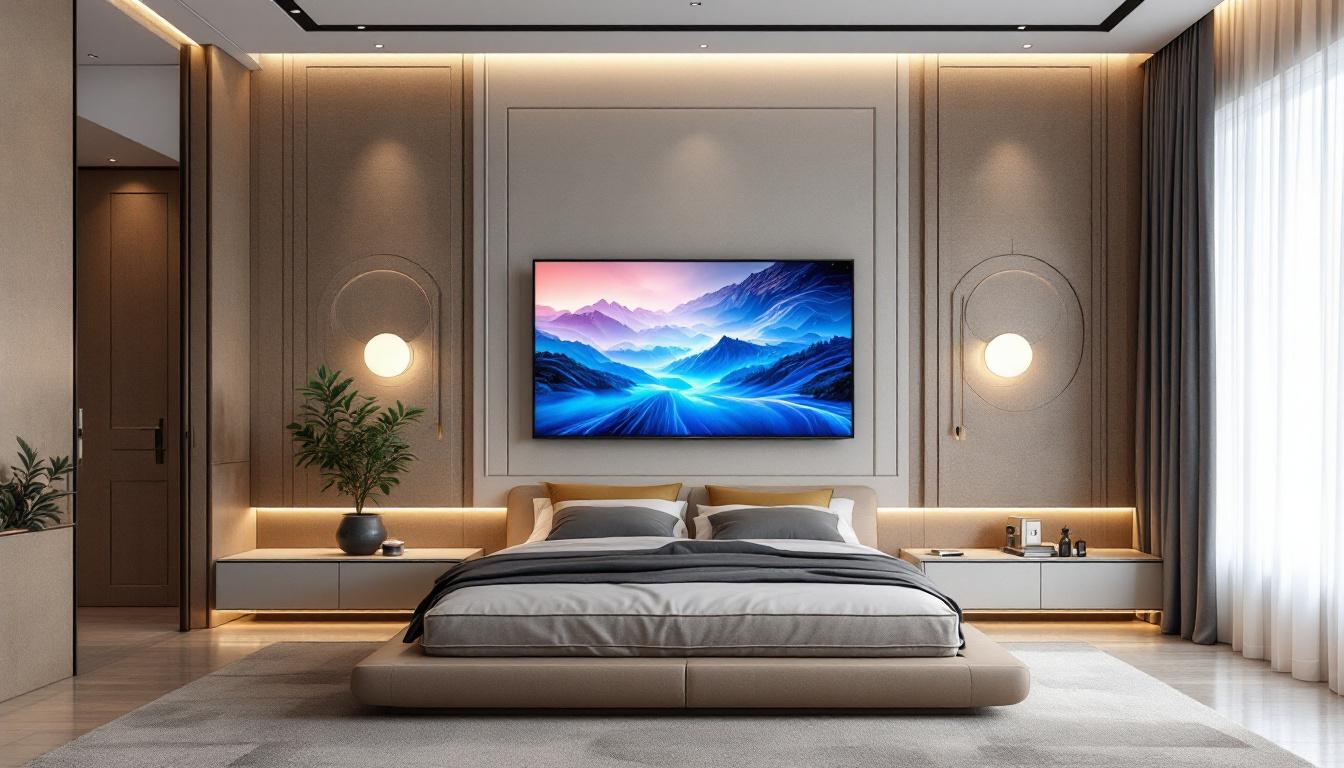
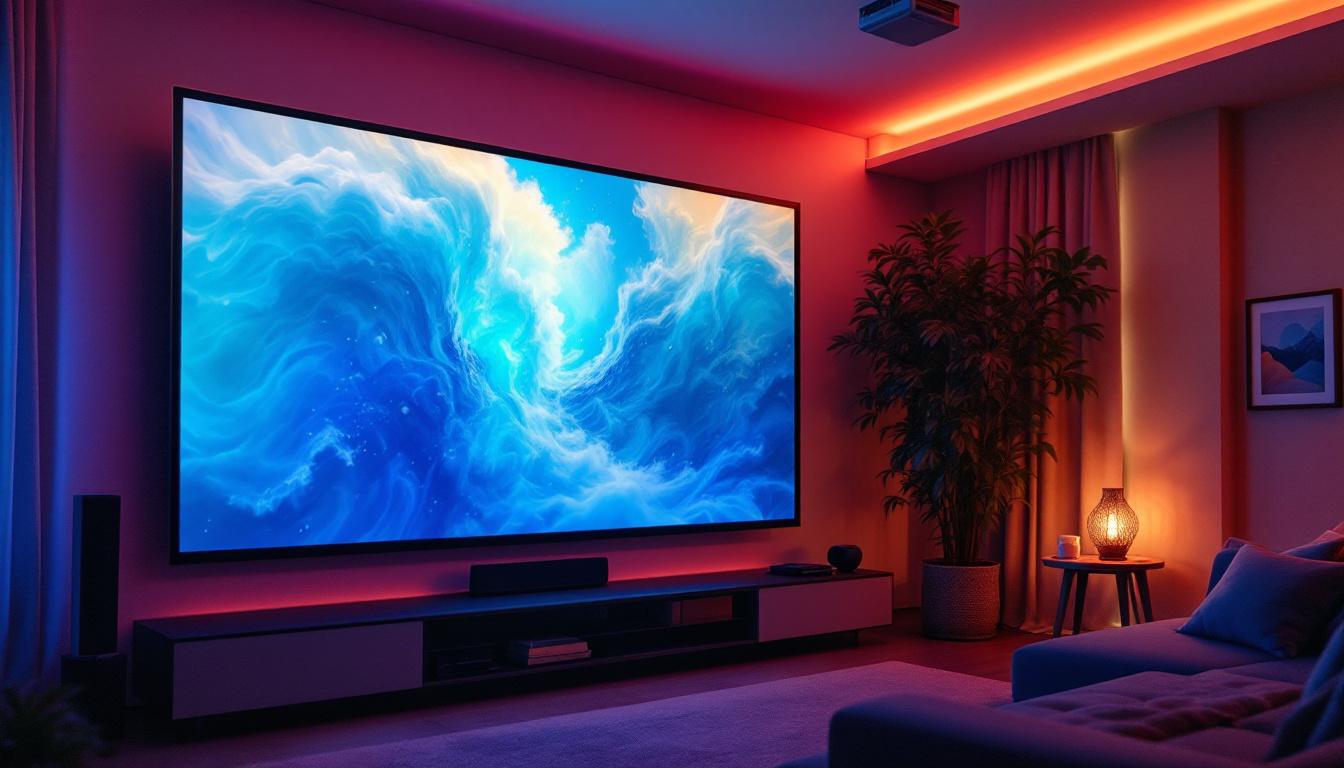
For home theater enthusiasts, a 110-inch projection screen offers an immersive cinematic experience with a relatively affordable setup. Advances in projector technology, such as 4K resolution and laser light sources, have significantly improved image quality.
However, LED displays are gaining popularity in luxury home theaters due to their superior brightness, contrast, and zero maintenance. Companies now offer LED panels designed specifically for residential use, albeit at a premium price.
Corporate and Educational Environments
In conference rooms and classrooms, visibility and clarity are paramount. LED displays excel in brightly lit rooms and large venues, ensuring content remains legible and engaging. Their modular nature allows for integration with interactive touchscreens and video conferencing systems.
Projection screens remain common in educational settings due to their cost-effectiveness and ease of use, especially in smaller rooms where ambient light can be controlled.
Public Displays and Events
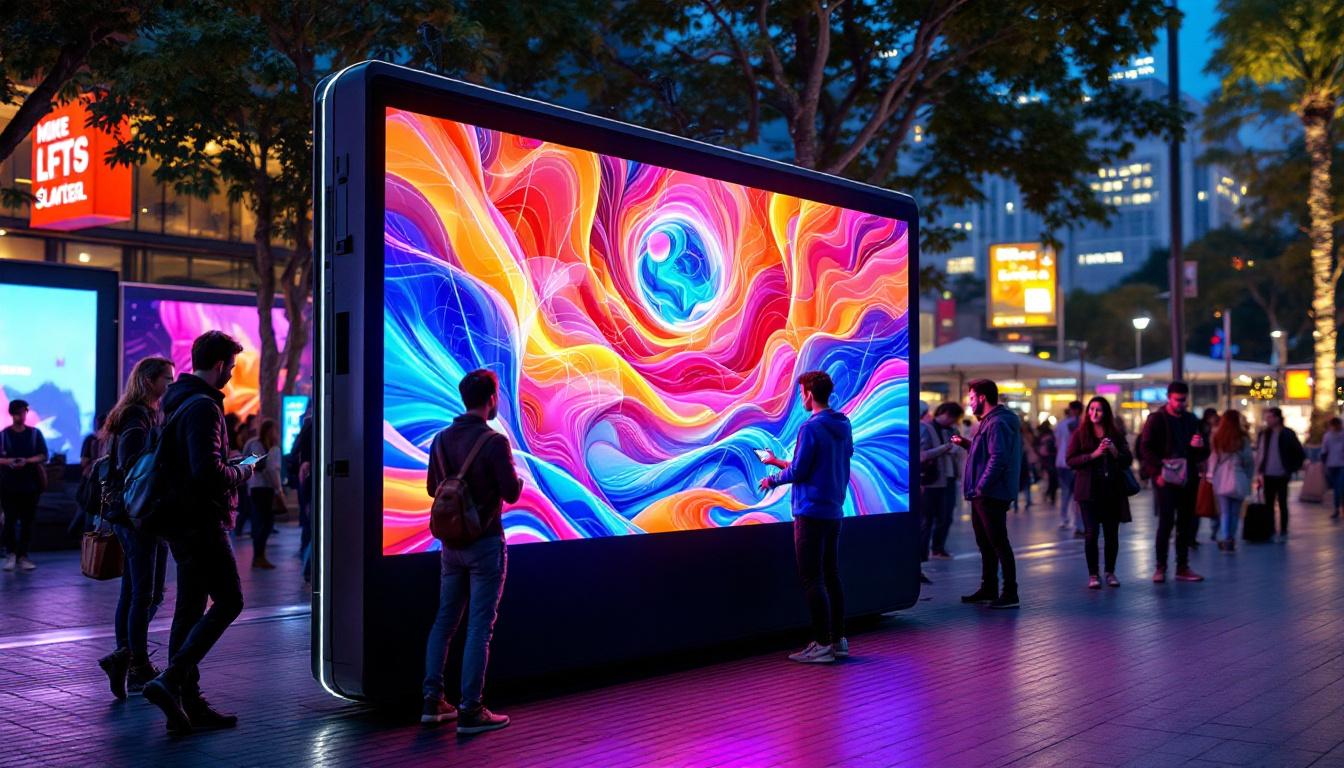
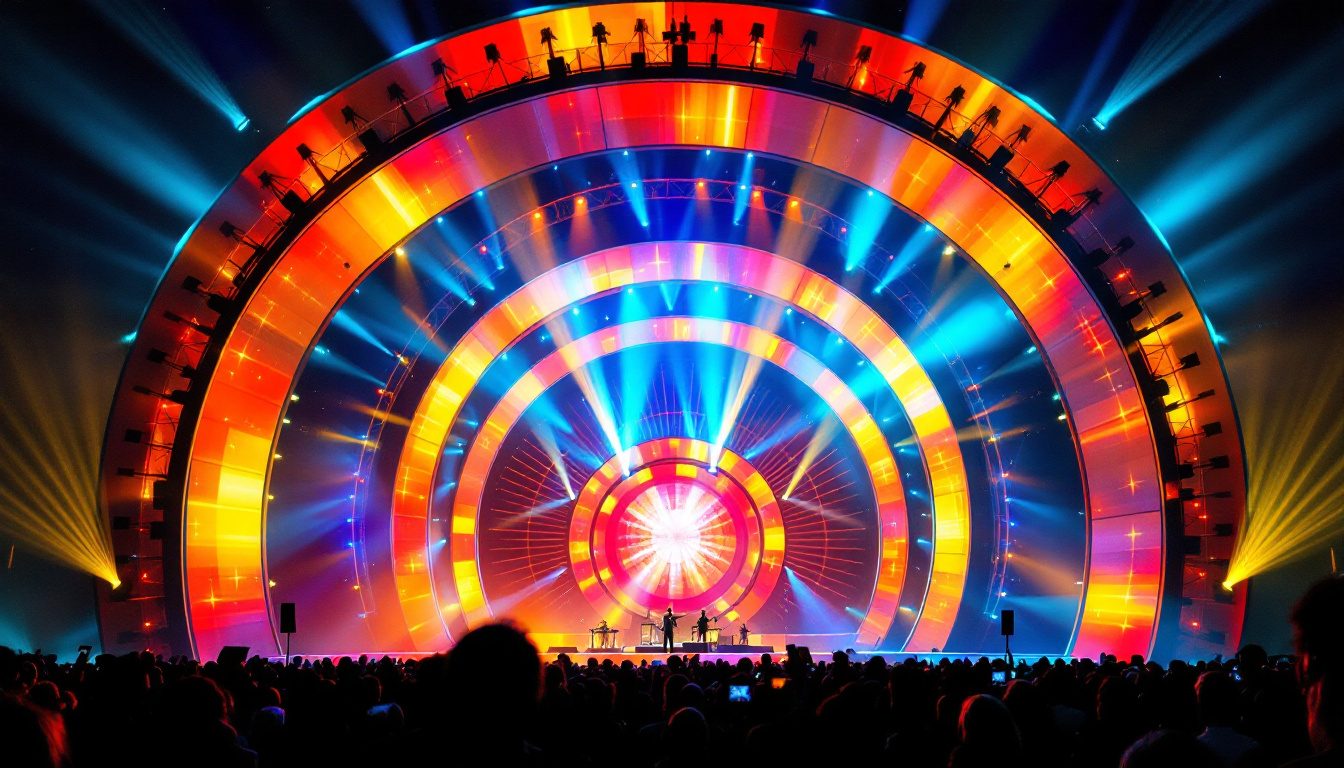
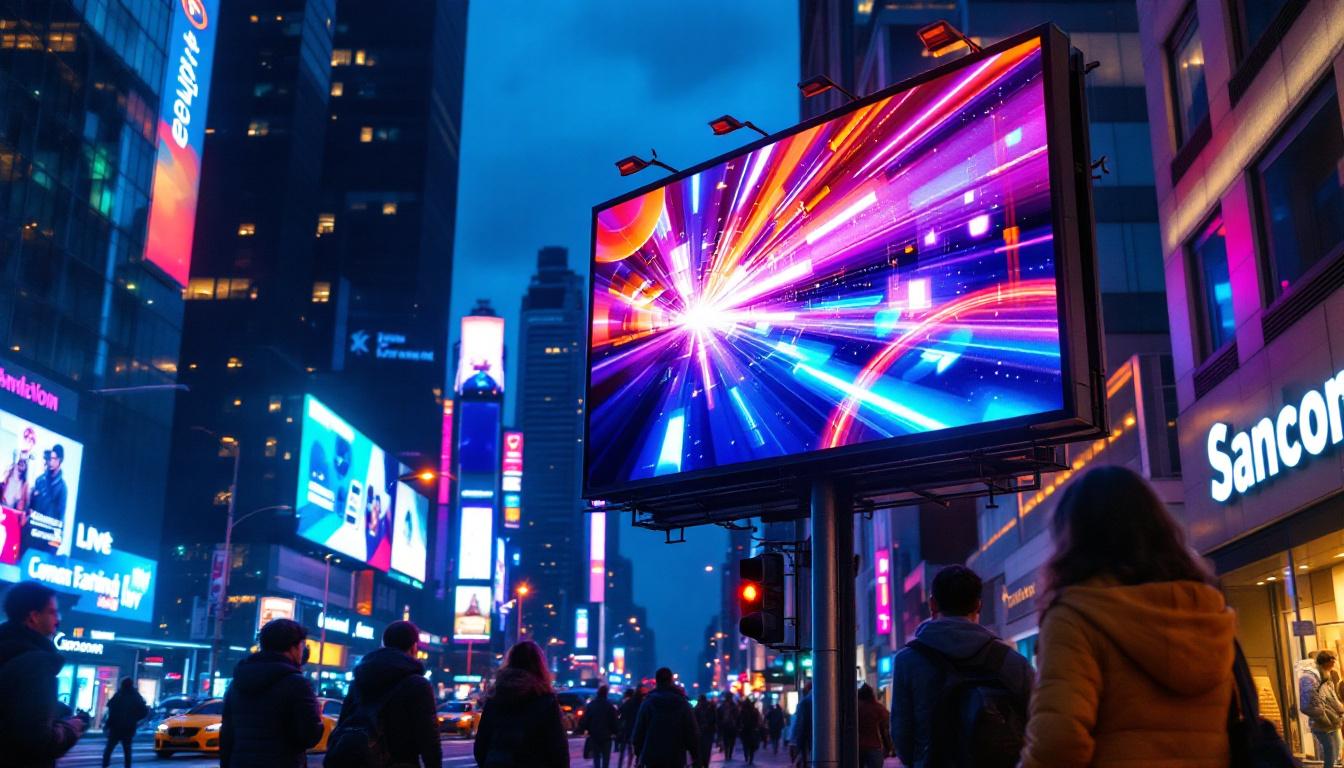
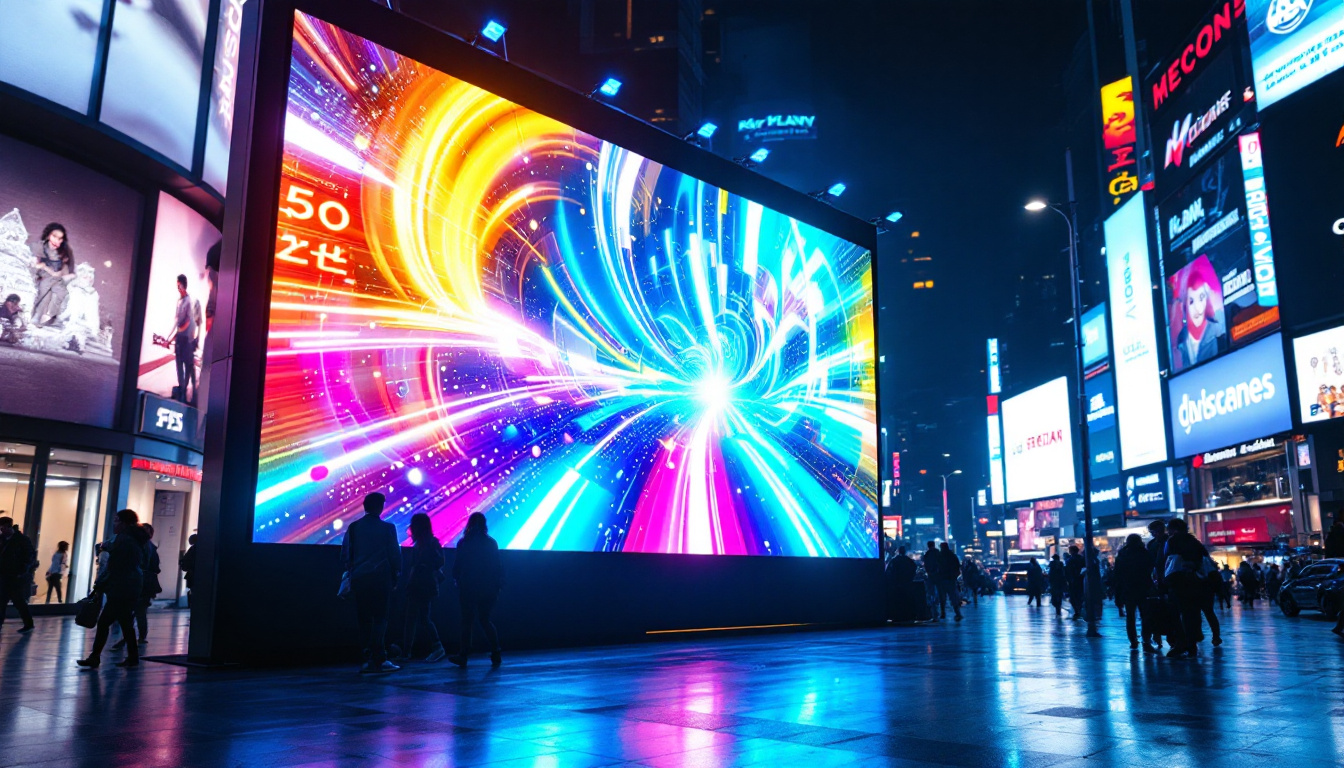
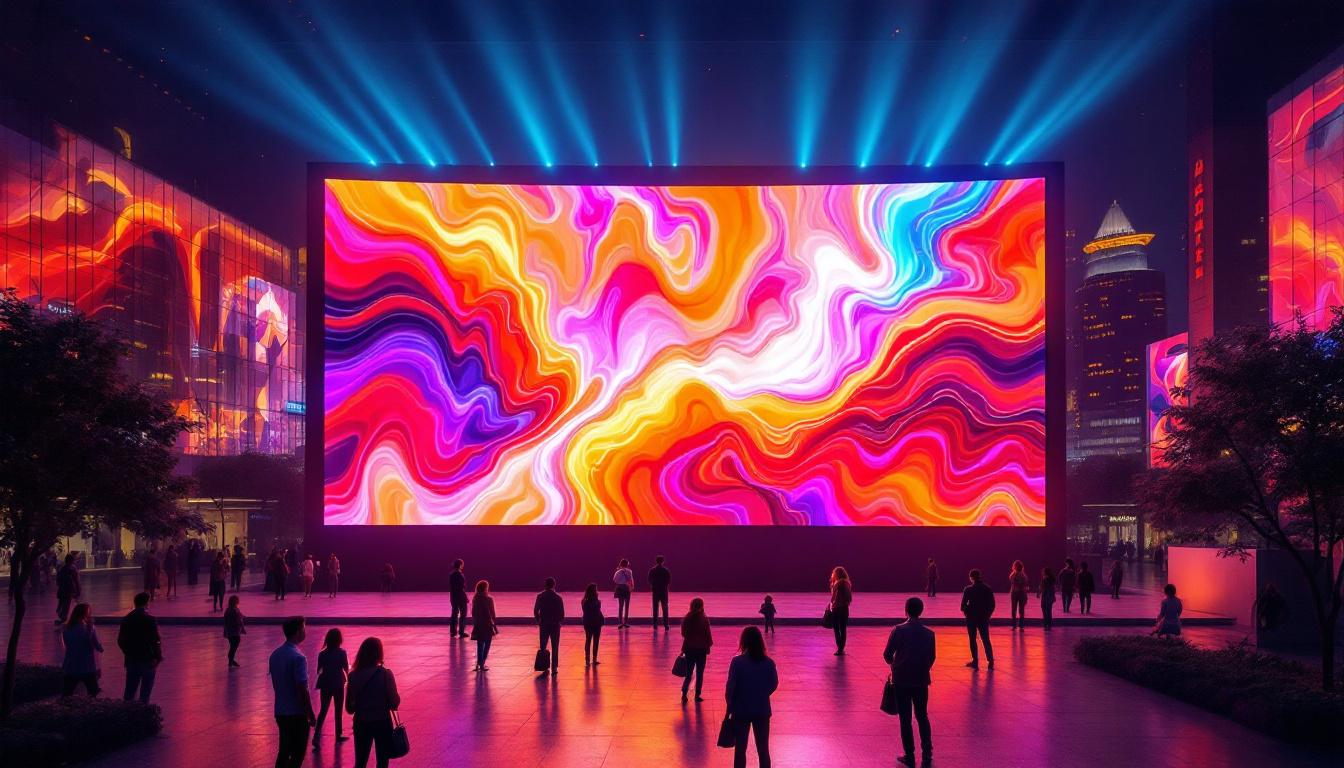
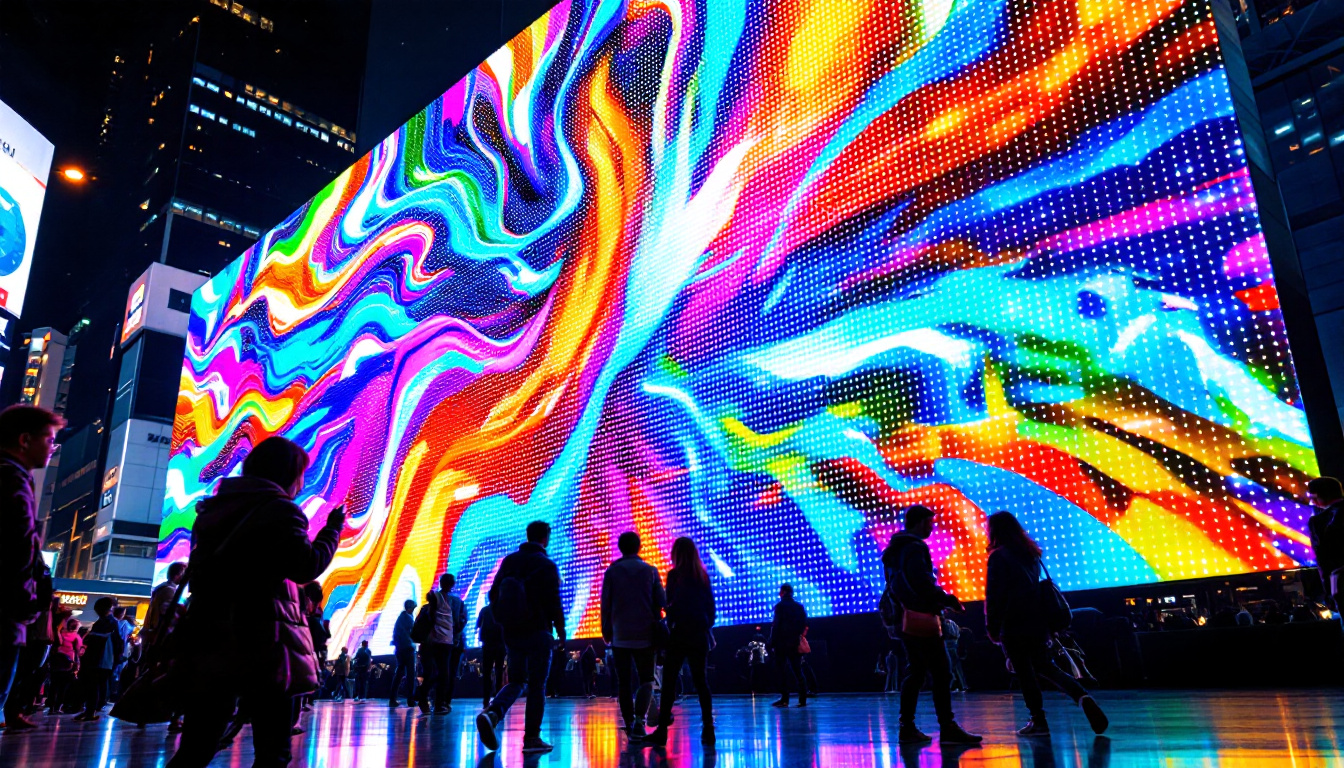
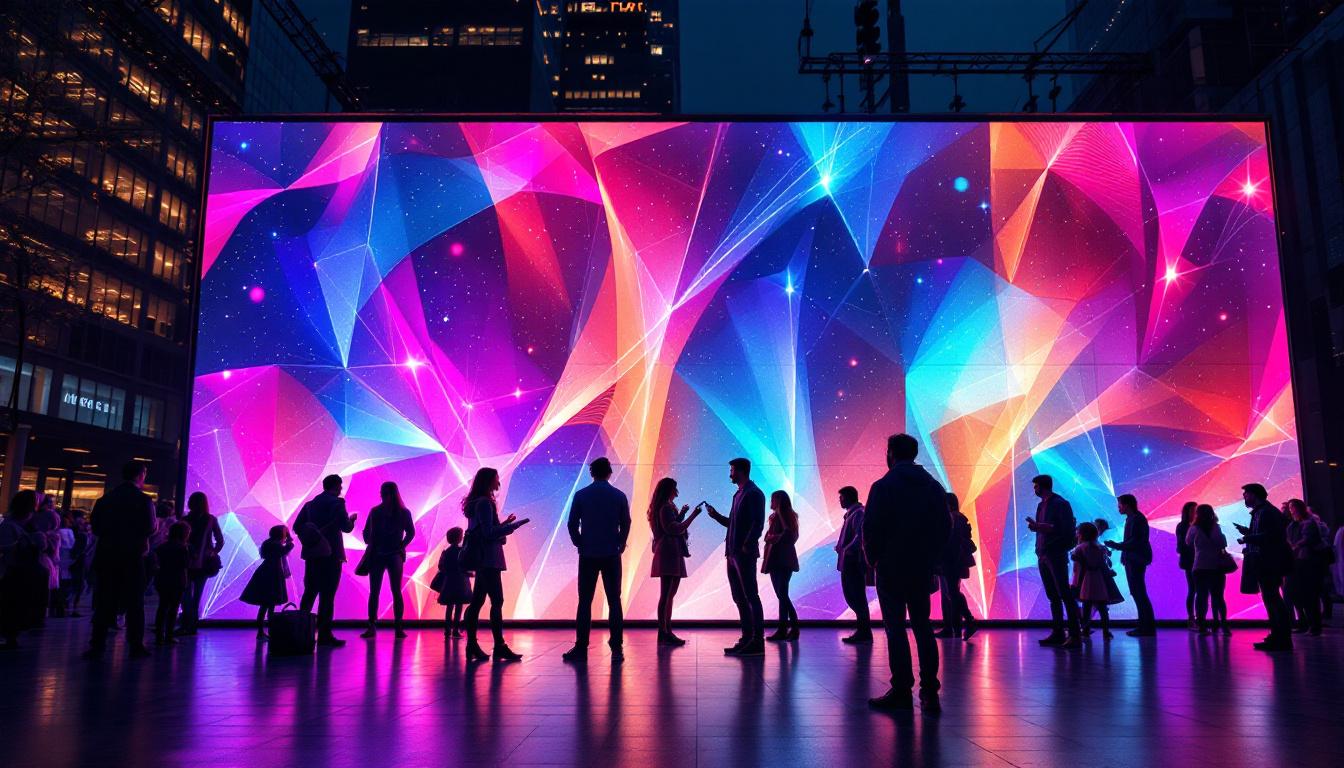
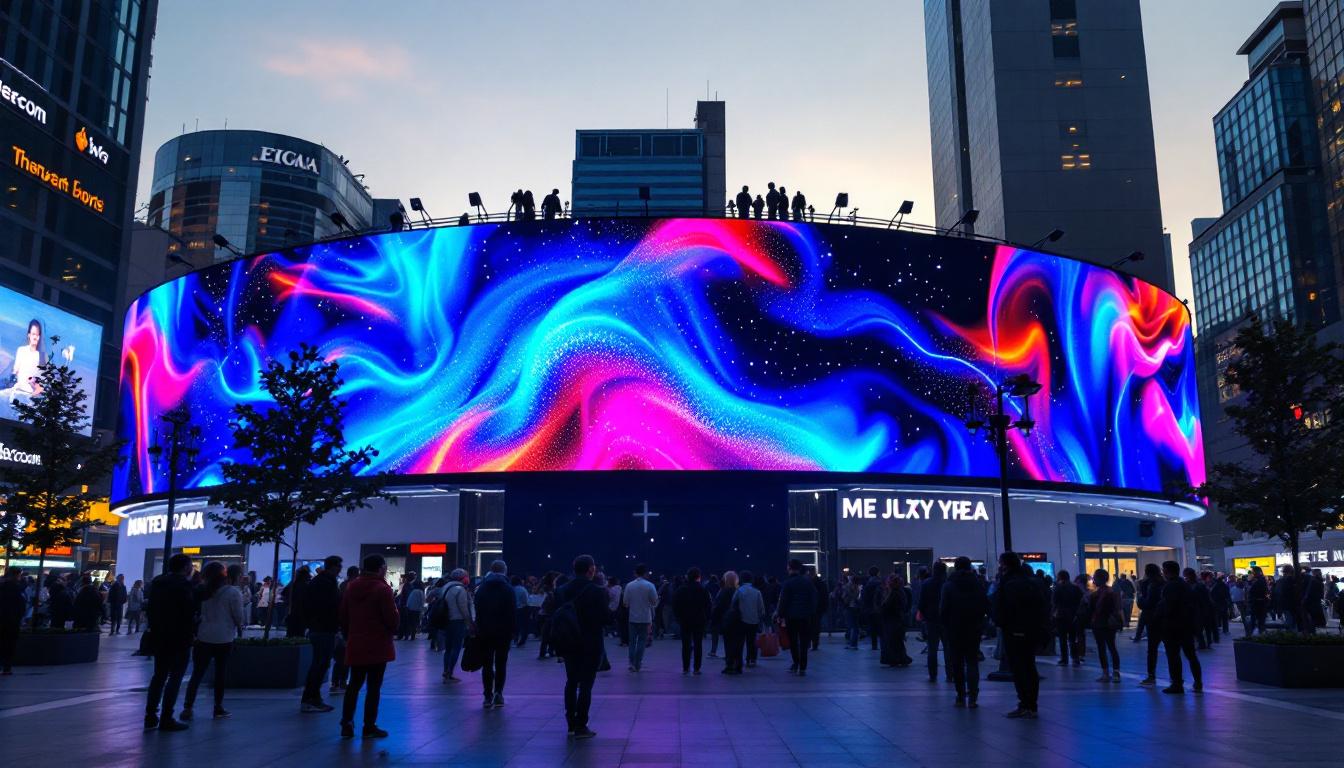
Outdoor and large-scale indoor events benefit greatly from LED displays. Their high brightness and durability make them suitable for concerts, sports arenas, and advertising billboards. While projection screens can be used in controlled environments, they are less practical outdoors due to ambient light and weather sensitivity.
Future Trends in Projection and LED Display Technologies
The visual display landscape continues to evolve rapidly, with emerging technologies enhancing both projection and LED systems.
Laser Projection and Ultra-Short Throw Projectors
Laser projectors offer brighter images and longer lifespans compared to traditional lamps, reducing maintenance and improving color accuracy. Ultra-short throw projectors can project large images from very close distances, making them ideal for small rooms and interactive applications.
Advancements in MicroLED and MiniLED
MicroLED technology promises even higher brightness, better energy efficiency, and longer lifespans than current LED displays. MiniLED backlighting enhances LCD displays with improved contrast and black levels, bridging the gap between traditional LCD and OLED technologies.
Integration with Smart Technologies
Both projection and LED display systems are increasingly integrated with smart controls, AI-driven calibration, and network connectivity, enabling remote management and adaptive image optimization based on ambient conditions.
Conclusion: Choosing Between a 110 Projection Screen and LED Display
The choice between a 110 projection screen and an LED display hinges on specific use cases, budget, and environment. Projection screens remain a cost-effective solution for immersive viewing in controlled lighting conditions, especially for home theaters and smaller venues.
LED displays, with their superior brightness, color accuracy, and modularity, are ideal for commercial, educational, and large-scale public applications where ambient light and durability are concerns. Although the initial investment is higher, the long-term benefits and reduced maintenance often justify the cost.
Ultimately, understanding the technical specifications, installation requirements, and viewing conditions will guide users toward the best display solution for their needs, ensuring a captivating and reliable visual experience.
Discover LumenMatrix’s Advanced LED Display Solutions
As you consider the best display technology for your needs, we invite you to explore the innovative world of LumenMatrix. Our extensive range of LED display modules, from Indoor and Outdoor LED Walls to specialized solutions like Vehicle Displays and Transparent LED Displays, are designed to bring your visual communication to life. Whether for commercial, educational, or entertainment purposes, LumenMatrix’s mission is to provide you with LED displays that not only meet but exceed your expectations. Check out LumenMatrix LED Display Solutions today and experience the future of vibrant and engaging visual storytelling.