In today’s technology-driven world, touch screen displays have become an integral part of our daily interactions, from smartphones and tablets to industrial control panels and point-of-sale systems. Among the various sizes available, the 15 inch touch screen display strikes a balance between portability and usability, making it a popular choice across multiple industries. This article explores the intricacies of 15 inch touch screen LED displays, explaining their technology, applications, benefits, and what to consider when selecting one.
Understanding LED Technology in Touch Screen Displays
What is an LED Display?
LED stands for Light Emitting Diode, a semiconductor device that emits light when an electric current passes through it. In the context of displays, LED technology refers to the backlighting method used in LCD (Liquid Crystal Display) panels. Unlike traditional CCFL (Cold Cathode Fluorescent Lamp) backlighting, LED backlighting offers superior brightness, energy efficiency, and color accuracy.
In a 15 inch touch screen display, the LED backlight illuminates the liquid crystals, allowing the screen to produce vivid images with sharp contrast. This technology enables thinner, lighter, and more durable screens compared to older display types. Moreover, the enhanced color reproduction capabilities of LED displays make them ideal for applications where visual fidelity is paramount, such as graphic design, gaming, and multimedia presentations. The ability to achieve deeper blacks and brighter whites enhances the overall viewing experience, making LED displays a preferred choice for both consumers and professionals alike.
Types of LED Backlighting
There are primarily two types of LED backlighting used in touch screen displays: edge-lit and direct-lit (or full-array). Edge-lit LEDs are positioned along the edges of the screen, directing light across the panel. This design allows for thinner displays but may have uneven brightness in some cases. While edge-lit technology is often favored for its sleek profile, it can sometimes lead to issues like light bleed, where bright spots appear in darker areas of the screen, affecting the overall image quality.
Direct-lit LED displays have LEDs placed directly behind the screen, providing more uniform brightness and better contrast. However, these displays tend to be thicker and slightly heavier. For a 15 inch touch screen, manufacturers often balance these factors to optimize performance and form factor. Additionally, some advanced models utilize local dimming technology, which allows specific zones of the backlight to be dimmed or brightened independently, further enhancing contrast and enabling a more immersive viewing experience. This feature is particularly beneficial in dynamic content scenarios, such as watching movies or playing video games, where lighting conditions can change rapidly. The choice between edge-lit and direct-lit displays ultimately depends on the intended use and user preferences, making it essential for consumers to understand these differences when selecting a touch screen display.
The Advantages of a 15 Inch Touch Screen Display
Optimal Screen Size for Versatility
The 15 inch size is widely regarded as an ideal middle ground between compactness and usability. It offers enough screen real estate for detailed visuals and comfortable touch interaction without being cumbersome. This makes it suitable for a variety of applications, including retail kiosks, medical devices, industrial controls, and portable computing.
For example, in healthcare, a 15 inch touch screen can display patient data clearly while being compact enough to mount on mobile carts. Similarly, in retail environments, it provides an intuitive interface for customers and staff without dominating the counter space. Additionally, this size is perfect for interactive displays in museums or galleries, allowing visitors to engage with exhibits through touch, enhancing their overall experience. The balance of size and functionality makes the 15 inch display a favorite among designers and engineers who prioritize user-centric design.
Enhanced User Experience with Touch Technology
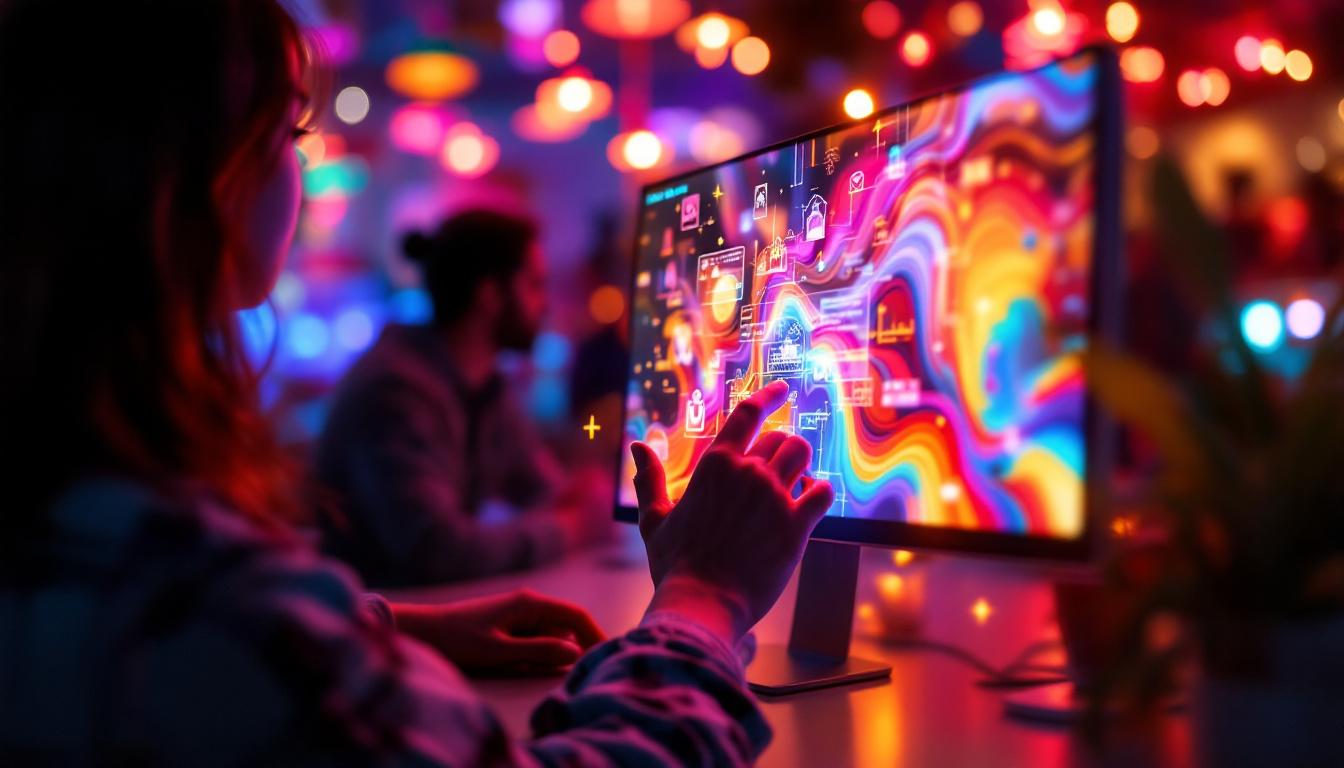
Touch screen technology enables direct interaction with the display, eliminating the need for peripheral input devices like keyboards or mice. Capacitive touch technology, commonly used in modern 15 inch displays, supports multi-touch gestures, offering fluid and responsive control.
This interactivity improves user engagement and productivity. In industrial settings, operators can quickly navigate complex control systems, while in educational environments, students benefit from hands-on learning experiences. Furthermore, the tactile feedback provided by these screens can enhance learning outcomes, as users can manipulate visual elements directly, making abstract concepts more tangible. The versatility of touch technology also allows for customizable interfaces, which can be tailored to specific user needs, thereby fostering a more inclusive environment for individuals with varying levels of tech proficiency.
Energy Efficiency and Longevity
LED backlit displays consume significantly less power than older CCFL-backlit or plasma displays. This energy efficiency translates to lower operational costs and reduced environmental impact, which is increasingly important in corporate and public sectors.
Moreover, LEDs have a longer lifespan, often exceeding 50,000 hours of operation. This reliability ensures that 15 inch touch screen displays remain functional over extended periods, minimizing maintenance and replacement expenses. In addition to their longevity, many modern displays are designed with eco-friendly materials and processes, further reducing their carbon footprint. This commitment to sustainability not only appeals to environmentally conscious consumers but also aligns with corporate social responsibility initiatives, making these displays a smart choice for businesses looking to enhance their green credentials.
Applications of 15 Inch Touch Screen LED Displays
Industrial and Manufacturing Environments
In industrial settings, ruggedness and reliability are paramount. Many 15 inch touch screen displays are designed with reinforced glass and sealed enclosures to withstand dust, moisture, and vibrations. They serve as human-machine interfaces (HMIs), allowing operators to monitor and control machinery efficiently.
The combination of a moderate screen size and touch capability facilitates quick data input and real-time feedback, which is crucial for maintaining productivity and safety standards.
Retail and Point-of-Sale Systems
Retail businesses leverage 15 inch touch screen displays for point-of-sale (POS) terminals, self-service kiosks, and digital signage. The size is large enough to display product information, pricing, and promotional content clearly, while still fitting comfortably on counters or stands.
Touch screens simplify transactions by enabling customers and employees to interact directly with the system, reducing wait times and improving overall service quality.
Healthcare and Medical Devices
Medical environments benefit from the precision and clarity of 15 inch LED touch screens. They are used in diagnostic equipment, patient monitoring systems, and electronic medical record terminals. The touch interface allows healthcare professionals to access and input data quickly, which can be critical in emergency situations.
Additionally, LED technology ensures that displays remain bright and readable under various lighting conditions, including brightly lit hospital rooms.
Education and Interactive Learning
Educational institutions incorporate 15 inch touch screen displays in classrooms and training centers to foster interactive learning. These displays support multimedia content, digital whiteboarding, and collaborative activities, enhancing student engagement.
The portability of a 15 inch device also allows educators to move displays between rooms or use them in mobile teaching setups.
Key Features to Consider When Choosing a 15 Inch Touch Screen LED Display
Resolution and Display Quality
The resolution of a 15 inch display significantly impacts image sharpness and clarity. Common resolutions include 1024×768 (XGA), 1280×1024 (SXGA), and 1920×1080 (Full HD). Higher resolutions provide more detail, which is essential for applications requiring precise visuals, such as medical imaging or graphic design.
Color accuracy and contrast ratio are also critical factors. LED backlighting enhances these aspects, but it’s important to verify the display’s specifications to ensure it meets the intended use case.
Touchscreen Technology Types
There are several touchscreen technologies available, each with advantages and limitations:
- Resistive: Works by pressure; supports stylus input but less sensitive to light touch and multi-touch.
- Capacitive: Uses the electrical properties of the human body; supports multi-touch and gestures; highly responsive.
- Infrared: Uses IR sensors around the screen; supports multi-touch but can be affected by dirt or external light.
- Surface Acoustic Wave (SAW): Uses ultrasonic waves; offers high clarity but is sensitive to contaminants.
Capacitive touchscreens are the most common in modern 15 inch displays due to their responsiveness and durability.
Durability and Environmental Resistance
Depending on the application, the display may need to withstand harsh conditions. Look for features such as:
- IP ratings for dust and water resistance
- Tempered or chemically strengthened glass
- Wide operating temperature ranges
- Anti-glare or anti-reflective coatings
These features ensure the display maintains performance and longevity in demanding environments.
Connectivity and Compatibility
Modern 15 inch touch screen displays offer a variety of input options, including HDMI, VGA, DisplayPort, and USB for touch data. Ensuring compatibility with existing systems is crucial for seamless integration.
Some displays also support wireless connectivity, enabling flexible installation and reducing cable clutter.
Future Trends in 15 Inch Touch Screen LED Displays
Advancements in Display Resolution and Color Accuracy
As display technology evolves, 15 inch touch screens are expected to feature higher resolutions such as 4K UHD, offering unparalleled image clarity. Enhanced color gamuts and HDR (High Dynamic Range) support will improve visual fidelity, benefiting professional and entertainment applications alike.
Integration of AI and Gesture Recognition
Emerging touch screen displays are incorporating artificial intelligence to enable gesture recognition beyond simple touch. This allows users to interact with devices through air gestures or voice commands, creating more intuitive and accessible interfaces.
Flexible and Transparent Displays
Research into flexible OLED and transparent LED displays may soon bring new form factors to the 15 inch category. These innovations could lead to foldable or see-through touch screens, expanding the possibilities for design and usage.
Conclusion
The 15 inch touch screen LED display represents a versatile and efficient solution for a wide range of applications. Its balanced size, combined with the advantages of LED backlighting and responsive touch technology, makes it a preferred choice in industries such as healthcare, retail, education, and manufacturing.
Understanding the underlying LED technology, key features, and application requirements is essential for selecting the right display. As technology advances, these displays will continue to evolve, offering enhanced performance, interactivity, and innovative form factors that meet the demands of modern users.
Whether upgrading existing systems or designing new solutions, the 15 inch touch screen LED display remains a powerful tool for delivering engaging and effective user experiences.
Discover LumenMatrix’s Advanced LED Display Solutions
Ready to elevate your user experience with a 15 inch touch screen LED display? LumenMatrix, a pioneer in LED display technology, offers a comprehensive range of innovative solutions tailored to your needs. From captivating Indoor and Outdoor LED Wall Displays to dynamic Vehicle and Sports LED Displays, and even Custom and All-in-One LED solutions, LumenMatrix is committed to transforming your visual communication. Experience the future of display technology and check out LumenMatrix LED Display Solutions today to bring your message to life with unparalleled clarity and impact.