In the rapidly evolving world of visual technology, LED displays have emerged as a dominant force, revolutionizing how information and entertainment are presented across industries. From massive outdoor billboards to intricate indoor video walls, LED technology offers unparalleled brightness, flexibility, and durability. This article delves into the core aspects of professional modular LED displays, explaining their technology, benefits, and applications, while offering insights into why they have become the go-to solution for high-performance visual communication.
Understanding Modular LED Displays: The Basics
Modular LED displays are composed of multiple smaller panels or modules that seamlessly connect to form a larger screen. This modular design allows for scalable and customizable display solutions tailored to specific size and resolution requirements. The versatility of modular LED displays makes them an ideal choice for various applications, including advertising, events, and even architectural installations, where unique shapes and sizes are often needed to fit specific design aesthetics.
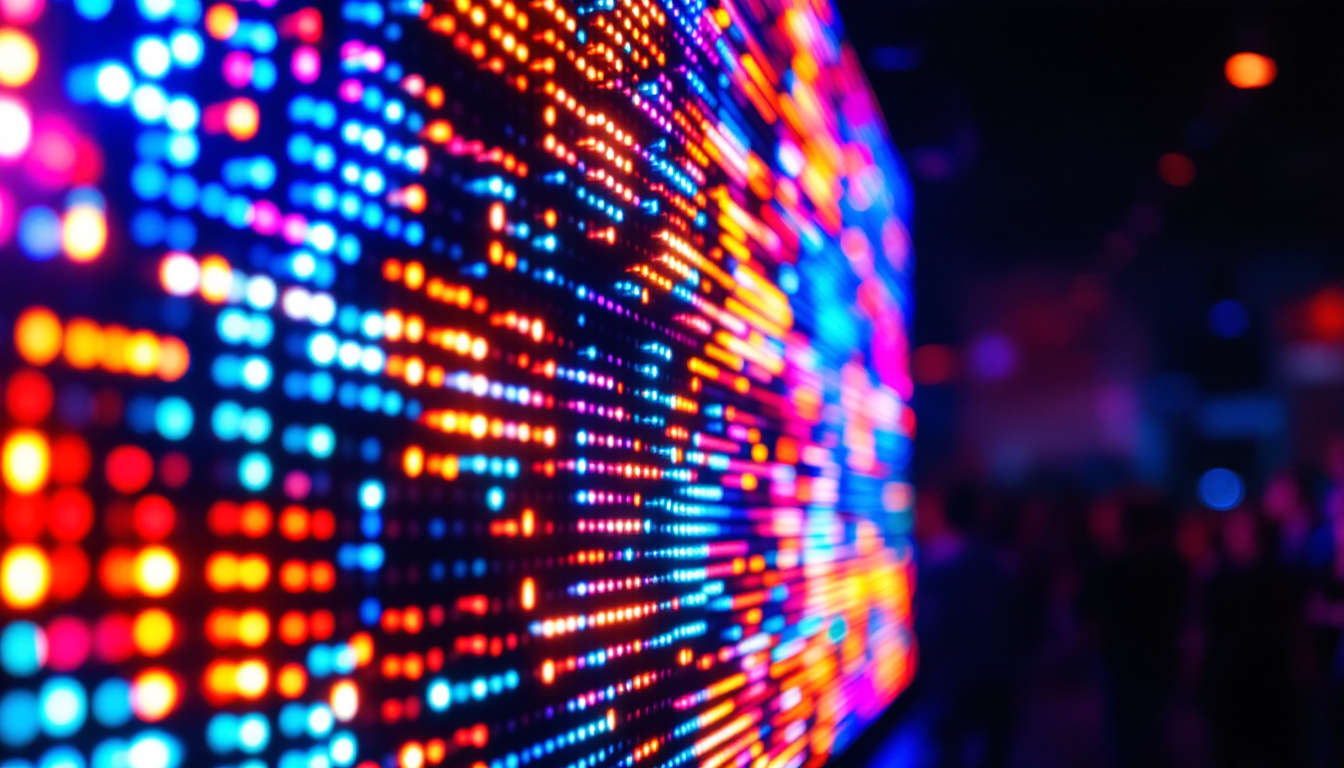
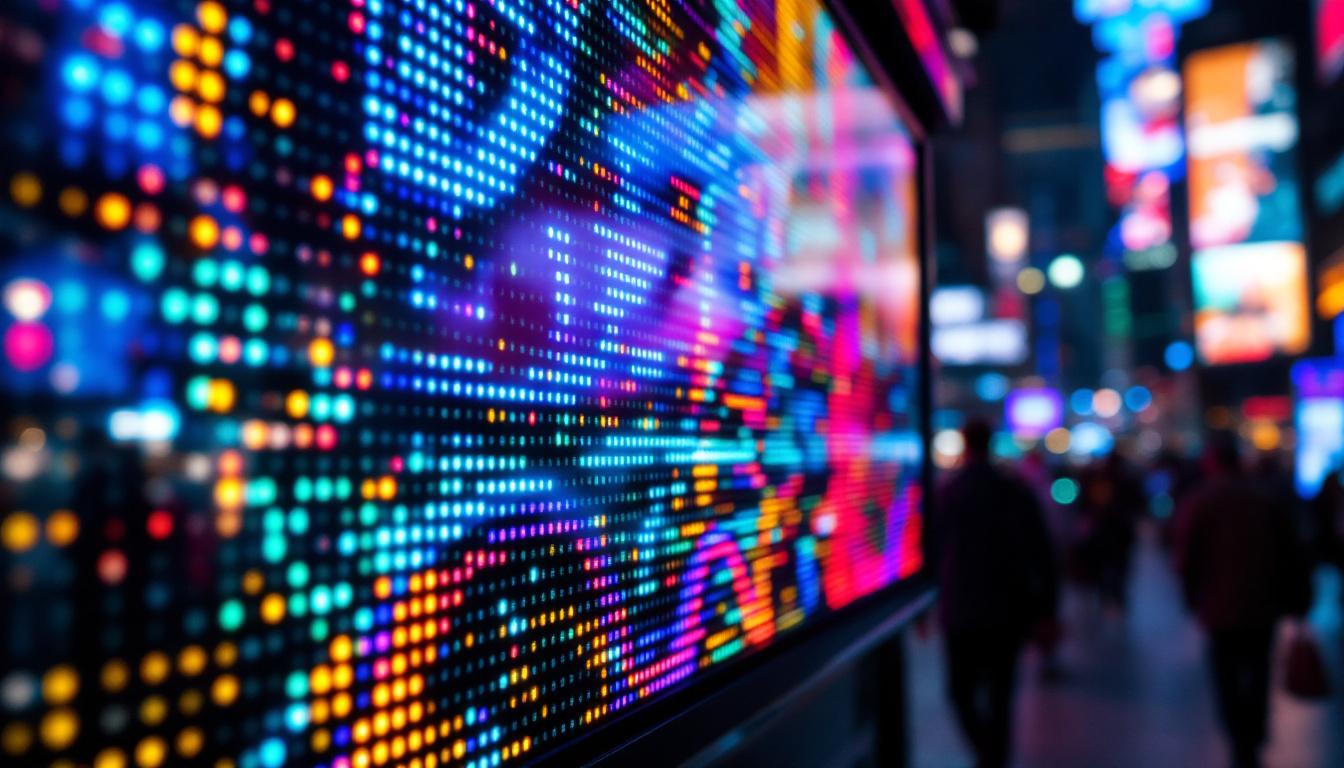
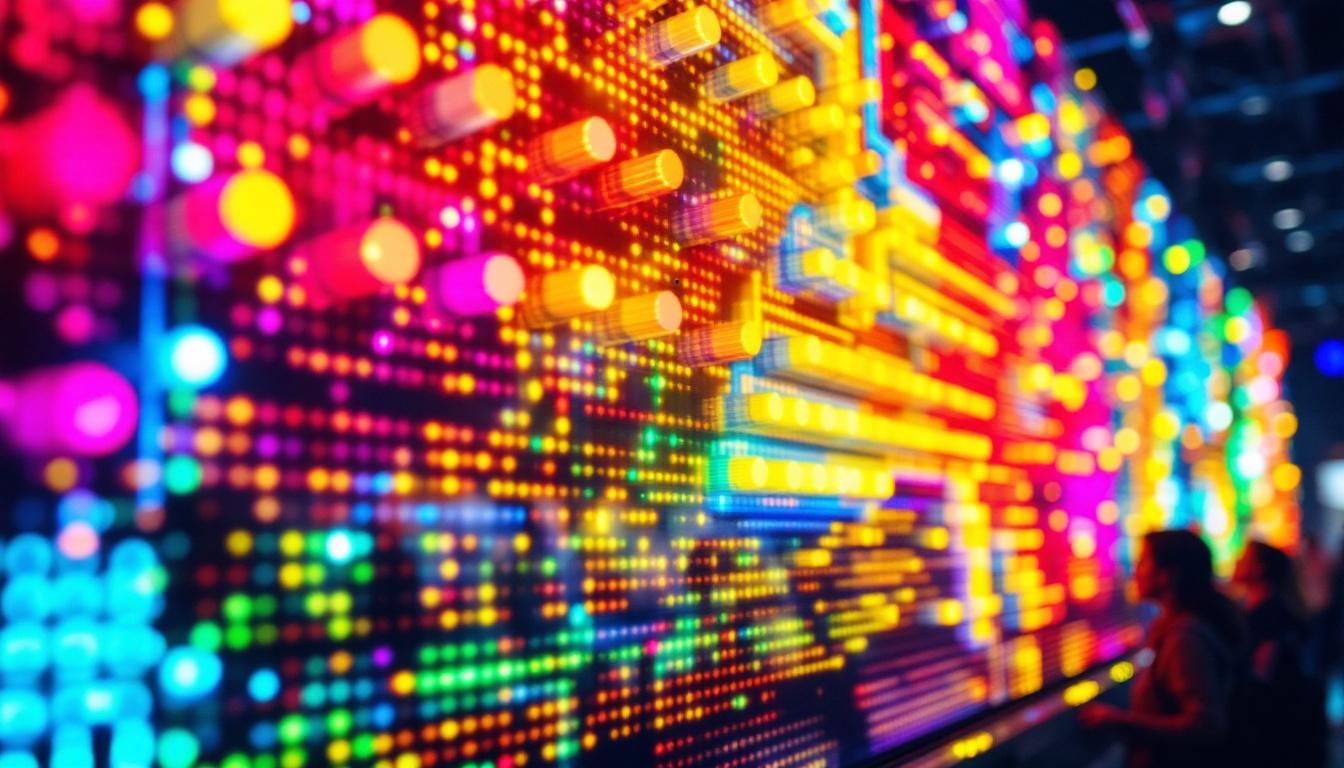
Each module contains an array of light-emitting diodes (LEDs) arranged in a grid pattern. These LEDs function as individual pixels, capable of producing vibrant colors and high brightness levels. The modules are engineered to fit together with minimal gaps, creating a uniform and continuous image across the entire display. This seamless integration not only enhances the visual experience but also allows for dynamic content to be showcased, making them particularly effective in capturing audience attention in busy environments.
Key Components of Modular LED Displays
The primary components of a modular LED display include the LED modules, power supply units, control systems, and mounting structures. LED modules are the building blocks, typically ranging in size from 250mm x 250mm to 500mm x 500mm, depending on the manufacturer and application. Each module is designed with durability in mind, often featuring weather-resistant coatings for outdoor use, ensuring longevity even in challenging environmental conditions.
The control system manages the input signal, processing video content and distributing it to each module to ensure synchronized image reproduction. This system can often be integrated with advanced software that allows for real-time content updates and remote management, providing flexibility for event organizers or advertisers. Power supplies convert electrical energy to the required voltage and current for the LEDs, while the mounting structures provide mechanical stability and facilitate installation. These structures can be customized to accommodate various installation environments, whether hanging from ceilings, mounted on walls, or set up as freestanding displays.
Pixel Pitch and Resolution
One of the most critical technical specifications in LED displays is the pixel pitch, which refers to the distance between the centers of two adjacent pixels. Pixel pitch directly impacts the resolution and viewing distance of the display. Smaller pixel pitches (e.g., 1.2mm to 2.5mm) are ideal for close-up viewing environments such as indoor retail or control rooms, while larger pitches (e.g., 4mm to 10mm or more) suit outdoor applications where viewers are farther away. This careful consideration of pixel pitch ensures that the display maintains clarity and detail, regardless of the audience’s proximity.
Advancements in LED manufacturing have enabled pixel pitches as low as 0.7mm, delivering ultra-high-definition images in compact spaces. This flexibility allows modular LED displays to serve a broad spectrum of use cases, from intimate conference rooms to expansive stadium screens. Furthermore, the ability to mix and match different pixel pitches within the same display setup enables designers to create visually striking installations that cater to diverse viewing experiences, enhancing engagement and interaction with the audience.
Advantages of Professional Modular LED Displays
Professional modular LED displays offer numerous benefits over traditional display technologies such as LCD and projection systems. These advantages make them the preferred choice for businesses and event organizers seeking impactful visual solutions.
Superior Brightness and Visibility
LED displays are renowned for their exceptional brightness, often exceeding 1,000 nits for indoor models and reaching up to 5,000 nits or more for outdoor units. This high luminance ensures clear visibility even in direct sunlight or brightly lit environments, a critical factor for outdoor advertising and live events.
Unlike LCD screens, which rely on backlighting, LEDs emit light directly, resulting in better contrast ratios and more vivid colors. This direct emission also contributes to wider viewing angles, allowing audiences to enjoy consistent image quality from various perspectives.
Scalability and Flexibility
The modular nature of LED displays means they can be configured to virtually any size or shape. Whether a company requires a massive video wall spanning multiple stories or a compact display for a retail kiosk, modular LED technology can accommodate these needs with ease.
Additionally, modules can be replaced or upgraded individually, reducing maintenance costs and downtime. This flexibility is especially valuable for venues and installations that evolve over time or require periodic updates to content and hardware.
Durability and Longevity
LED displays are built to withstand harsh environmental conditions, including rain, wind, dust, and temperature fluctuations. Outdoor LED modules often come with IP65 or higher ratings, ensuring protection against water and dust ingress.
Moreover, LEDs have long operational lifespans, typically rated between 50,000 to 100,000 hours. This longevity translates to years of reliable performance with minimal degradation in brightness or color accuracy, making them a cost-effective investment.
Energy Efficiency
Compared to traditional lighting and display technologies, LEDs consume significantly less power while delivering superior brightness. This energy efficiency not only reduces operational costs but also aligns with sustainability goals increasingly prioritized by businesses and event organizers.
Applications of Modular LED Displays in Professional Settings
Modular LED displays have found widespread adoption across various sectors due to their versatility and performance. Understanding these applications can help organizations identify opportunities to leverage LED technology effectively.
Advertising and Digital Signage
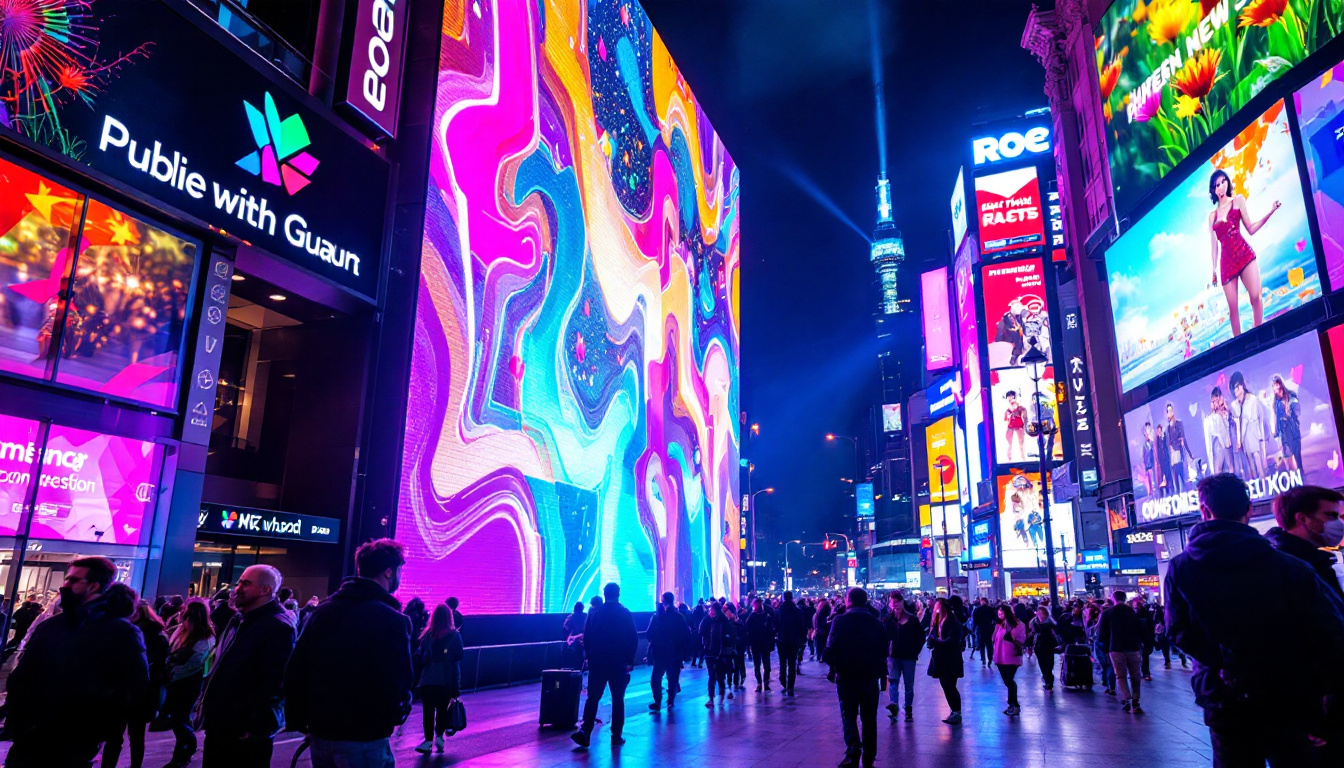
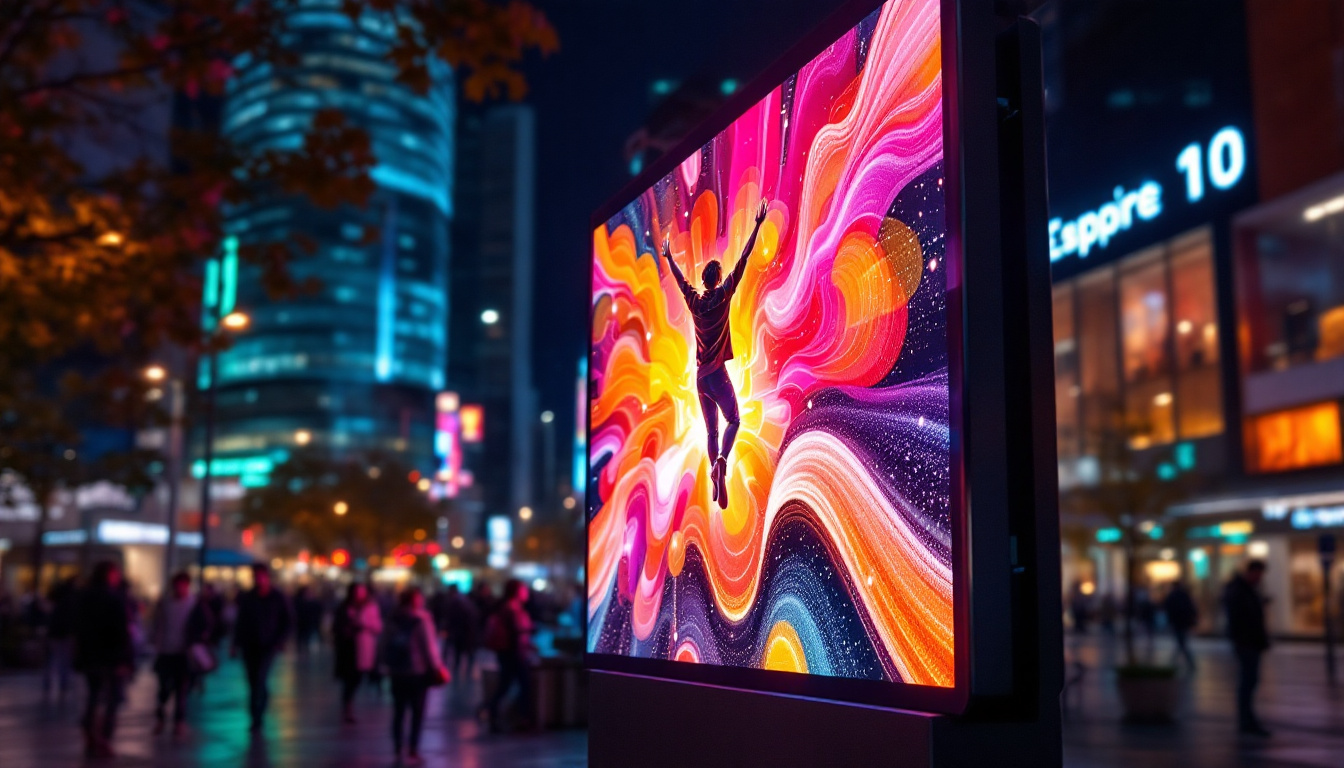
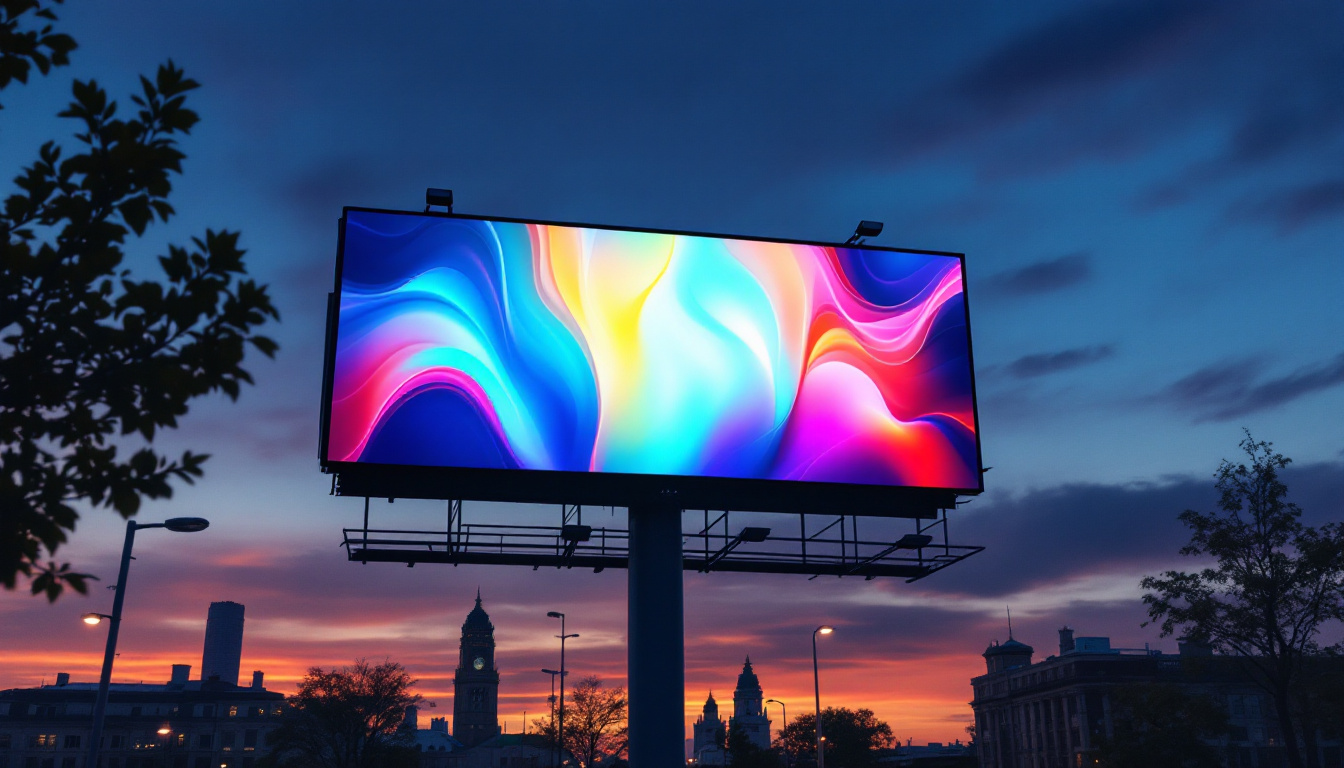
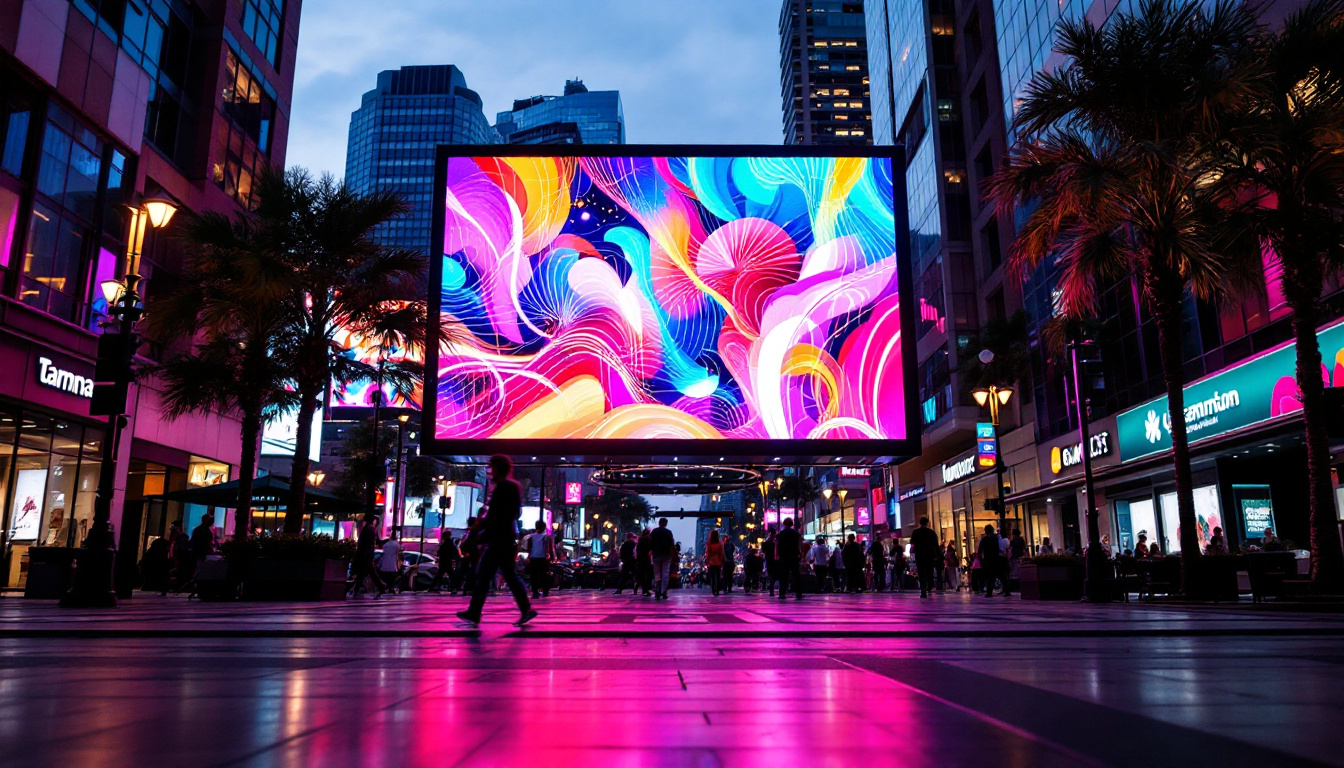
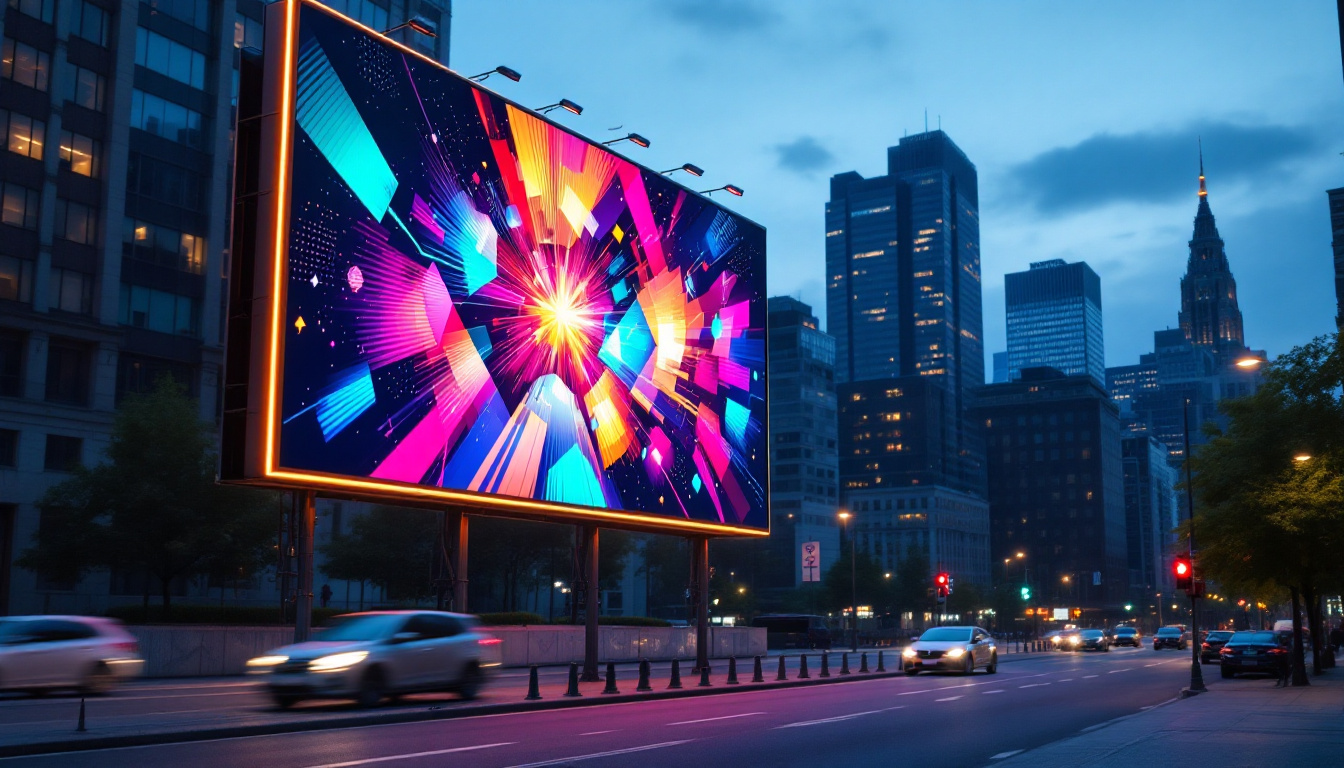
One of the most visible uses of modular LED displays is in outdoor and indoor advertising. LED billboards and digital signage attract attention with dynamic content, high brightness, and vibrant colors. According to recent industry reports, the global digital signage market is expected to grow at a CAGR of over 7% through 2027, driven largely by LED technology advancements.
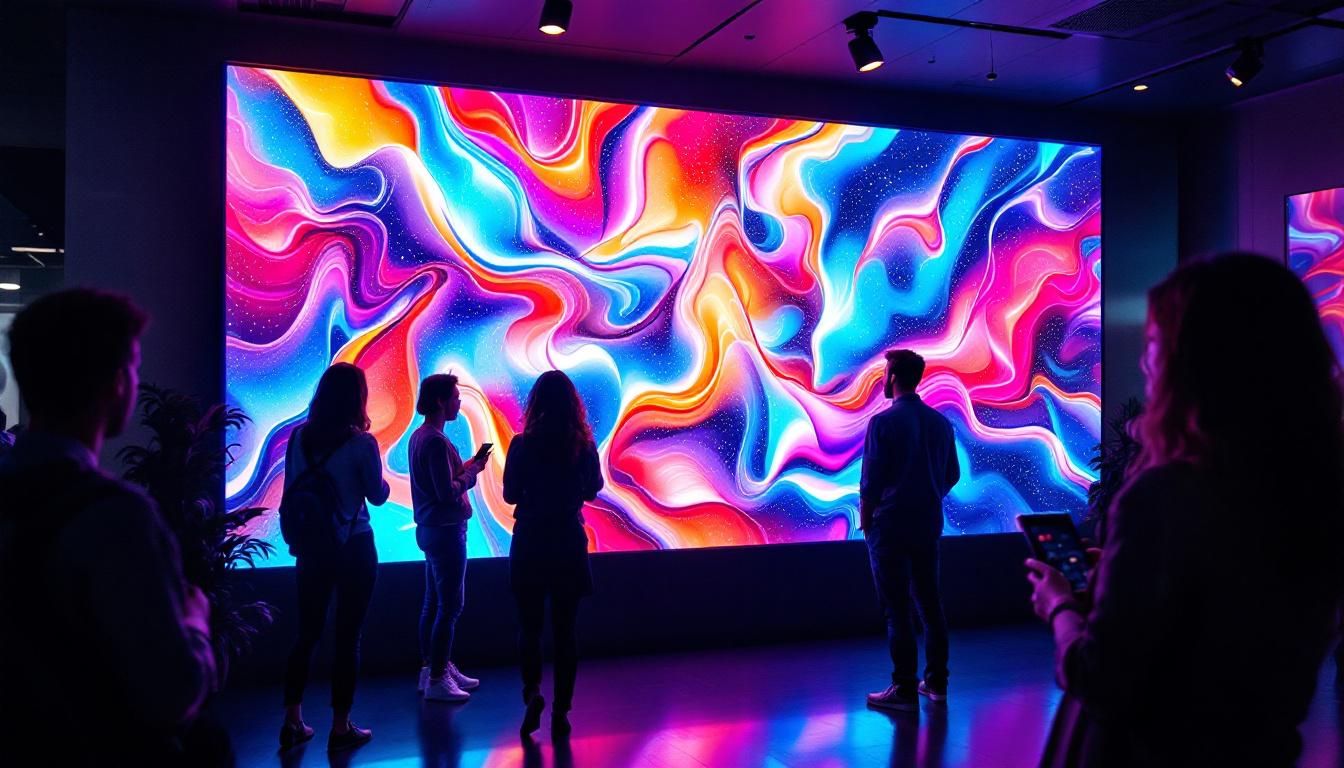
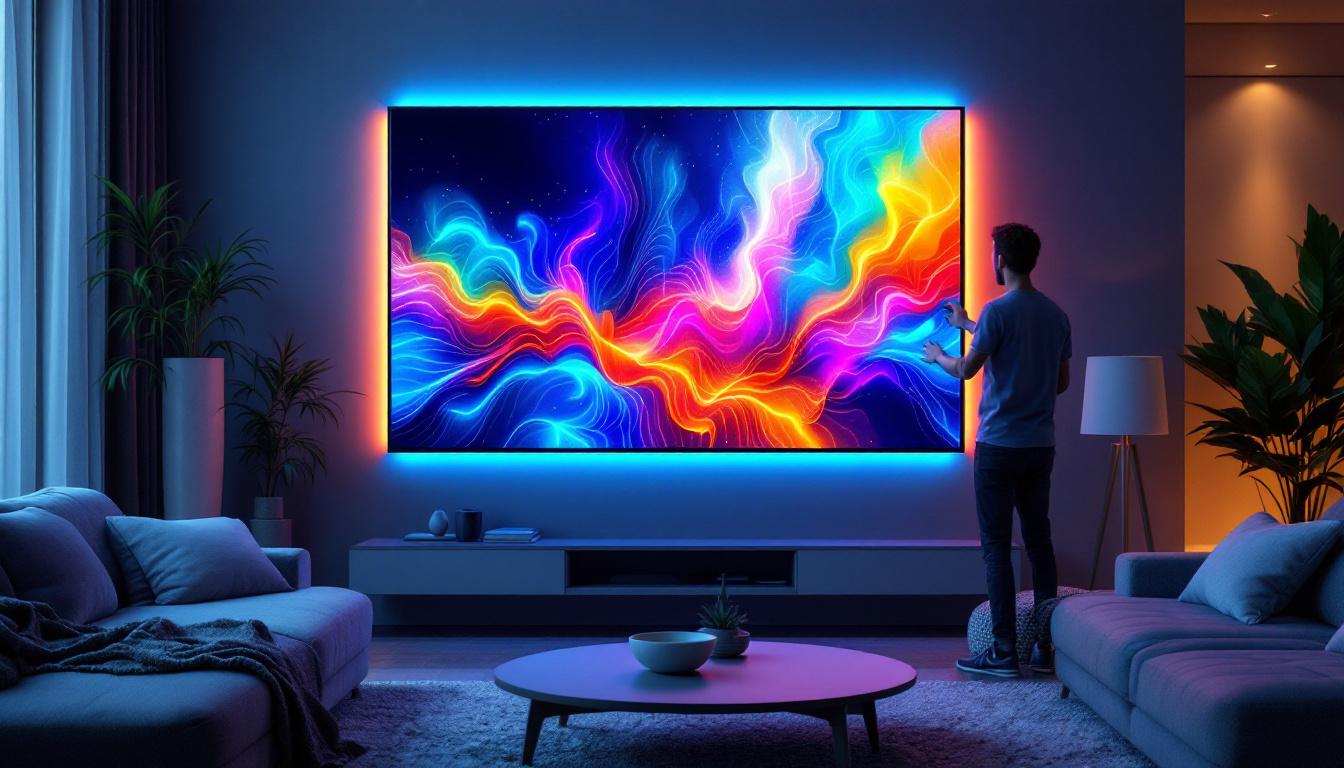
Retailers use indoor LED walls to create immersive shopping experiences, while urban centers deploy large-scale LED screens for public announcements, entertainment, and branding.
Live Events and Entertainment
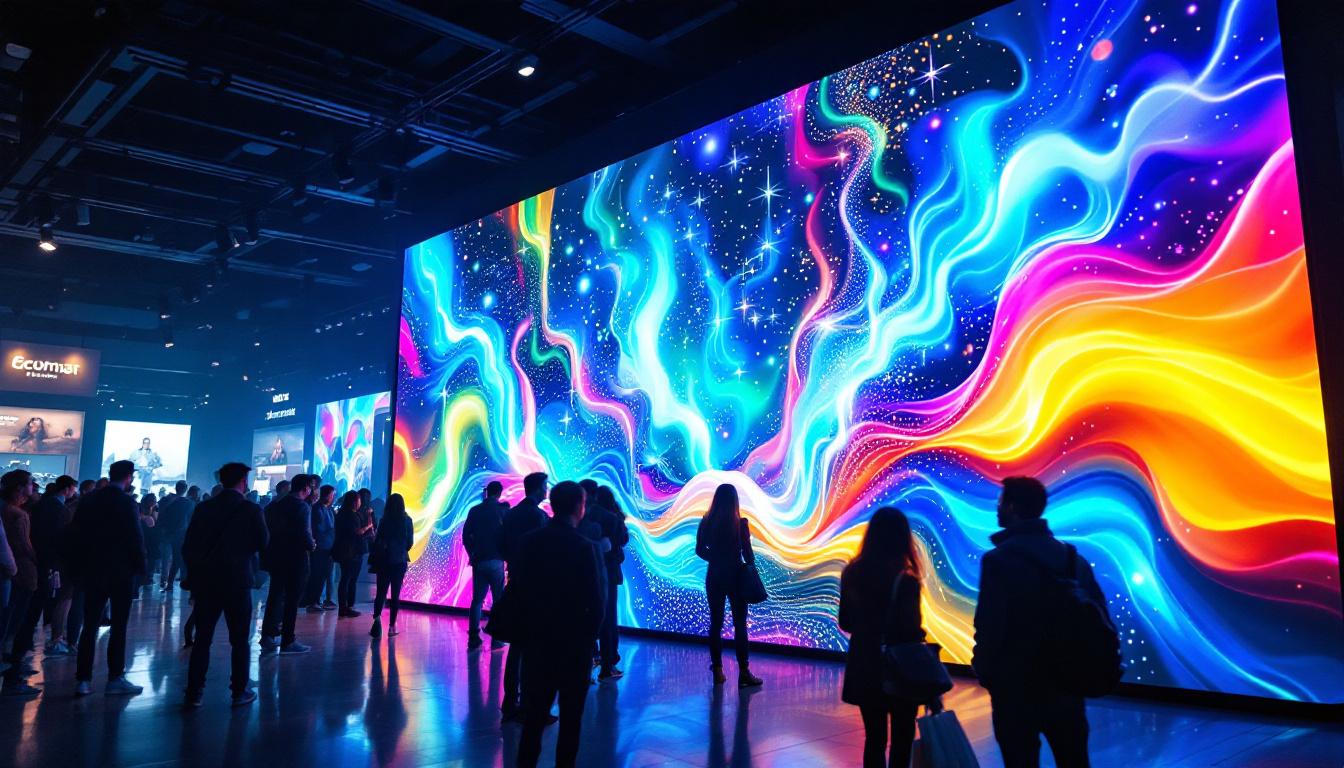
Concerts, sports arenas, and theaters rely heavily on modular LED displays to deliver engaging visual content to large audiences. The ability to create massive, seamless screens with high refresh rates and excellent color reproduction enhances the spectator experience.
Event producers value the portability and quick assembly of modular LED systems, which facilitate rapid setup and teardown during tours and festivals.
Corporate and Control Room Environments
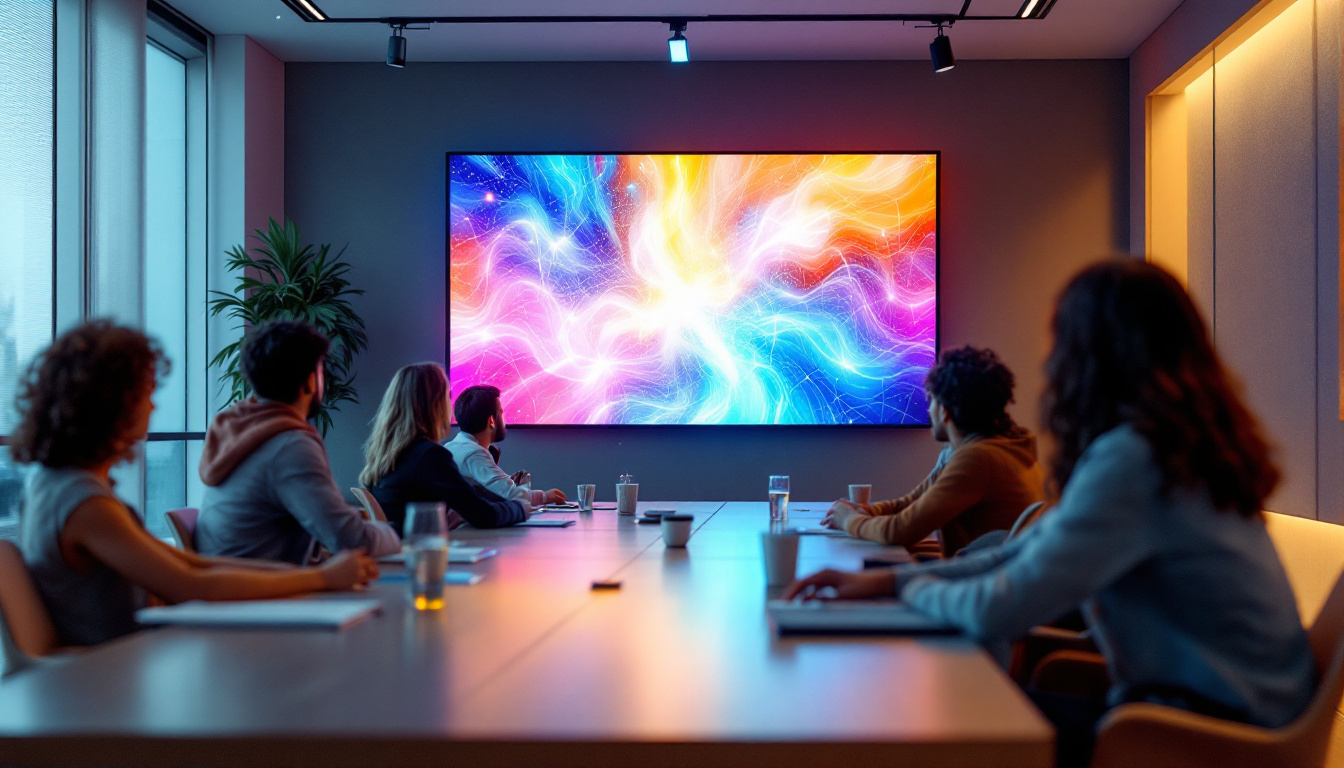
In corporate settings, LED video walls are used for presentations, video conferencing, and digital collaboration. Their high resolution and brightness ensure clear communication even in well-lit boardrooms.
Control rooms in industries such as transportation, utilities, and security benefit from modular LED displays for monitoring multiple data streams simultaneously. The scalability allows operators to customize screen layouts for optimal situational awareness.
Broadcast and Studio Use
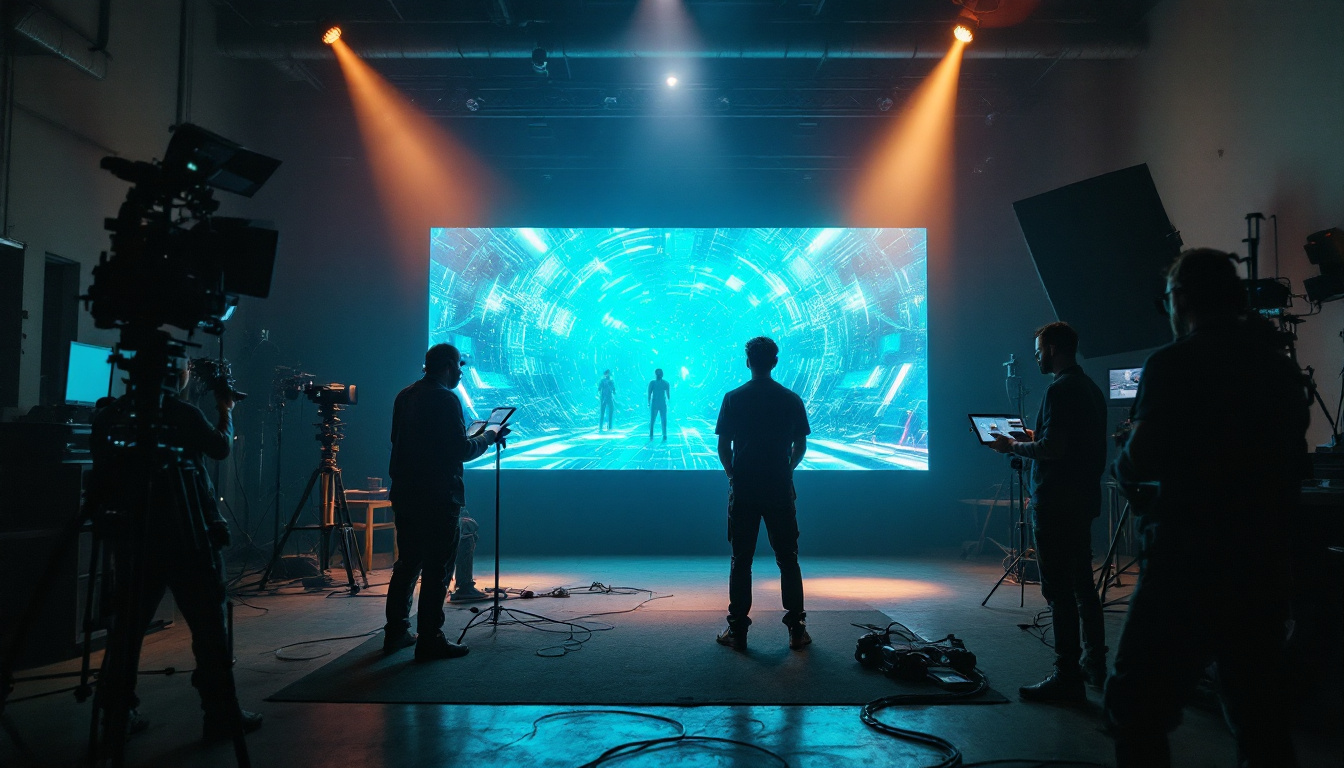
Broadcast studios increasingly incorporate LED walls as dynamic backdrops that can be changed instantly to suit different program themes. The seamless image quality and ability to display high-definition video content make LED displays superior to traditional green screens in many scenarios.
Technical Considerations When Choosing a Modular LED Display
Selecting the right modular LED display requires careful evaluation of several technical factors to ensure the solution meets specific performance and environmental needs.
Resolution and Pixel Pitch
Determining the appropriate pixel pitch depends on the typical viewing distance and desired image clarity. For example, a retail store with close-up viewing may require a pixel pitch of 1.5mm or less, while a stadium scoreboard might function well with a 10mm pitch.
Brightness and Contrast Ratio
Brightness levels should be matched to ambient lighting conditions. Outdoor displays demand higher brightness to combat sunlight, whereas indoor displays can operate effectively at lower levels, conserving energy.
Contrast ratio influences image depth and color richness; higher contrast ratios contribute to more lifelike visuals.
Refresh Rate and Color Accuracy
Refresh rate impacts the smoothness of motion on the screen, particularly important for video playback and live broadcasts. Professional LED displays typically offer refresh rates of 3,000 Hz or higher to avoid flickering on camera.
Color accuracy ensures that images appear natural and consistent, which is critical for branding and content integrity.
Durability and Environmental Ratings
For outdoor installations, IP ratings indicate the level of protection against dust and water. A rating of IP65 or higher is generally recommended for exposed environments.
Temperature tolerance and resistance to UV exposure also affect the longevity of the display.
Installation and Maintenance
Modular LED displays should be designed for ease of installation and maintenance. Front-access modules simplify servicing in tight spaces, while lightweight panels reduce structural load and installation time.
Future Trends in Modular LED Display Technology
The LED display industry continues to innovate, driven by demands for higher resolution, greater energy efficiency, and enhanced interactivity.
MicroLED and MiniLED Advancements
Emerging MicroLED technology offers even smaller pixel pitches and improved brightness with lower power consumption. This technology promises to push the boundaries of image quality further, enabling ultra-high-definition displays that are thinner and more flexible.
Integration with IoT and Smart Systems
Modern LED displays are increasingly integrated with IoT platforms, allowing remote monitoring, content management, and adaptive brightness control based on environmental sensors. This connectivity enhances operational efficiency and user experience.
Interactive and Immersive Displays
Touch-sensitive LED walls and augmented reality (AR) integrations are creating new possibilities for interactive advertising, education, and entertainment. These immersive experiences engage audiences more deeply and offer measurable engagement metrics.
Conclusion
Professional modular LED displays represent a pinnacle of modern visual technology, combining scalability, brightness, and durability to meet the diverse needs of today’s industries. Their modular design allows for tailored solutions that deliver stunning image quality in any environment, from bustling city centers to intimate corporate boardrooms.
As LED technology continues to advance, businesses and event organizers stand to benefit from increasingly sophisticated displays that enhance communication, captivate audiences, and provide long-term value. Understanding the technical nuances and applications of modular LED displays is essential for making informed decisions that maximize impact and return on investment.
Discover Cutting-Edge LED Display Solutions with LumenMatrix
Ready to elevate your visual communication strategy with the latest in LED display technology? LumenMatrix offers a comprehensive range of LED display modules designed to bring your brand to life. From Indoor and Outdoor LED Wall Displays to innovative solutions like Vehicle LED Displays, LED Posters, and even Custom LED Displays, our products are crafted to capture attention and create immersive experiences. Embrace the future of digital signage with LumenMatrix and transform how your audience connects with your message. Check out LumenMatrix LED Display Solutions today and see the difference for yourself.