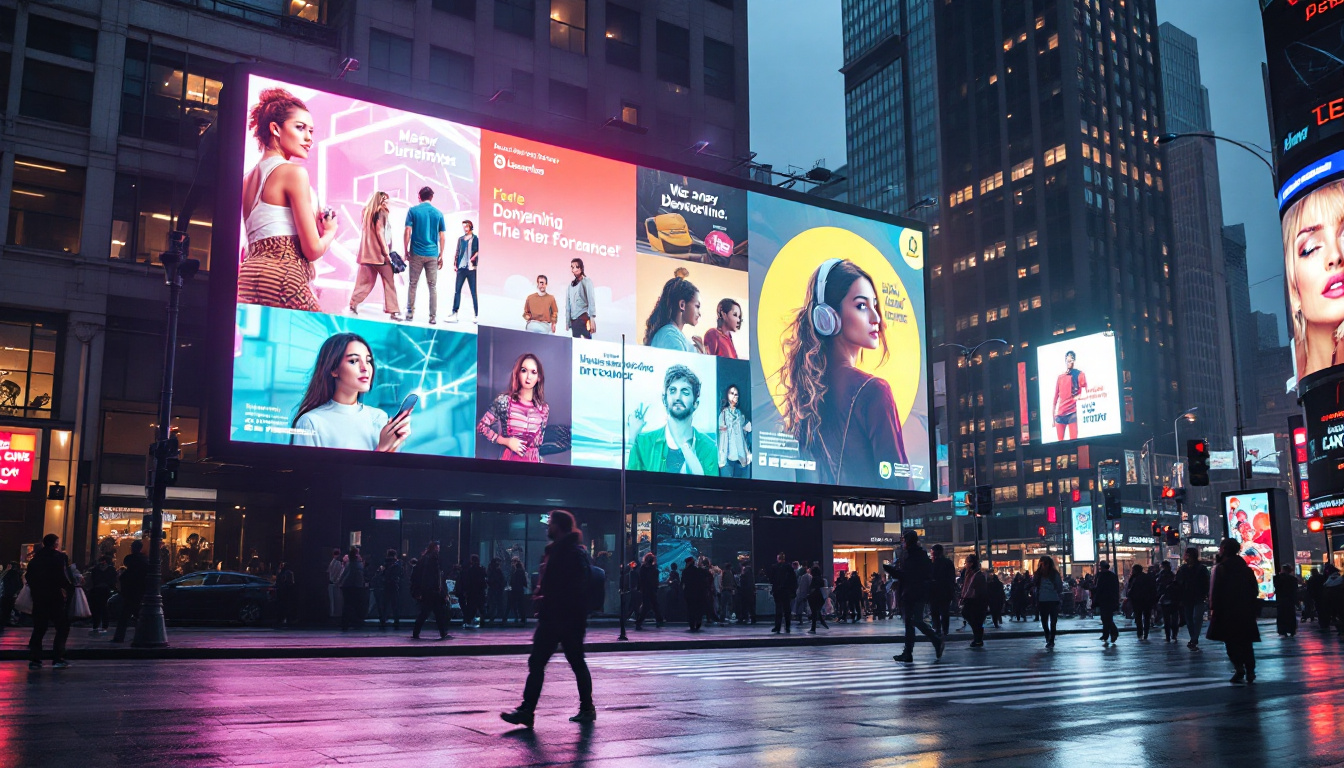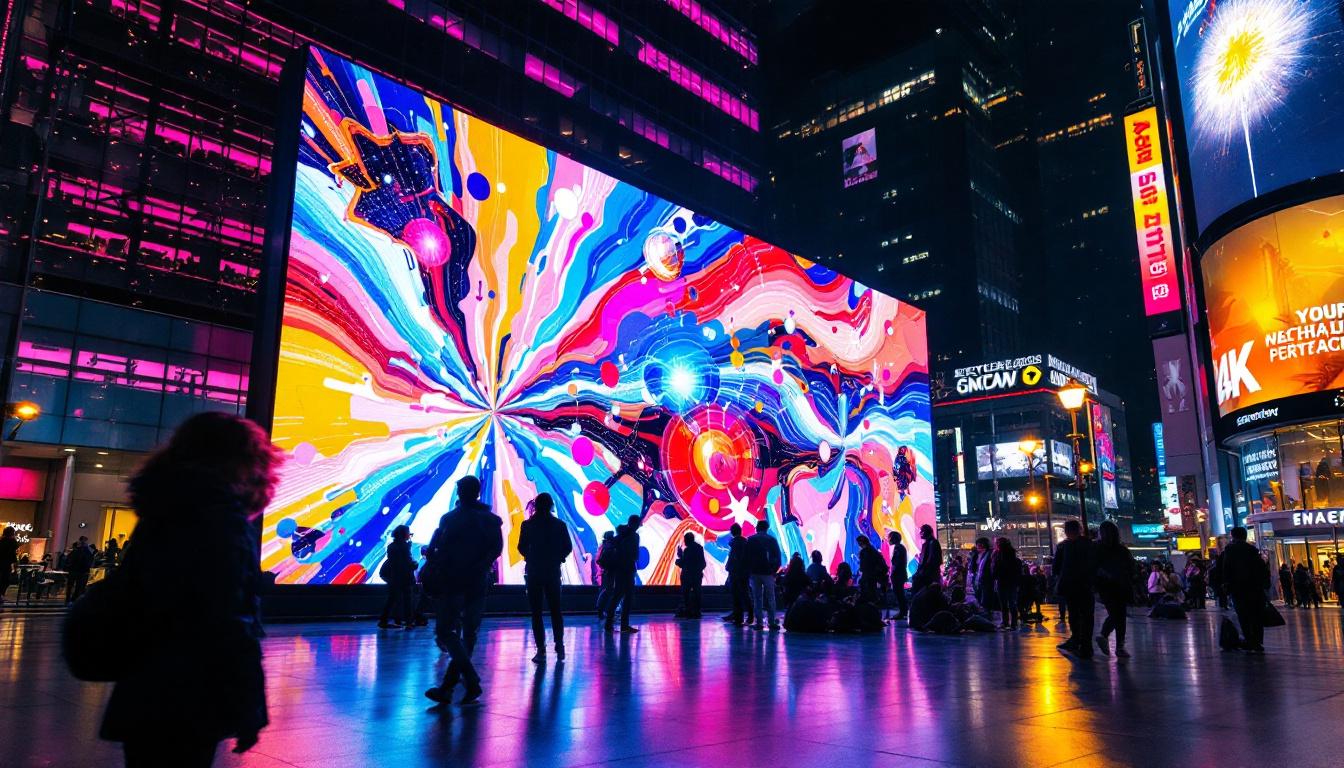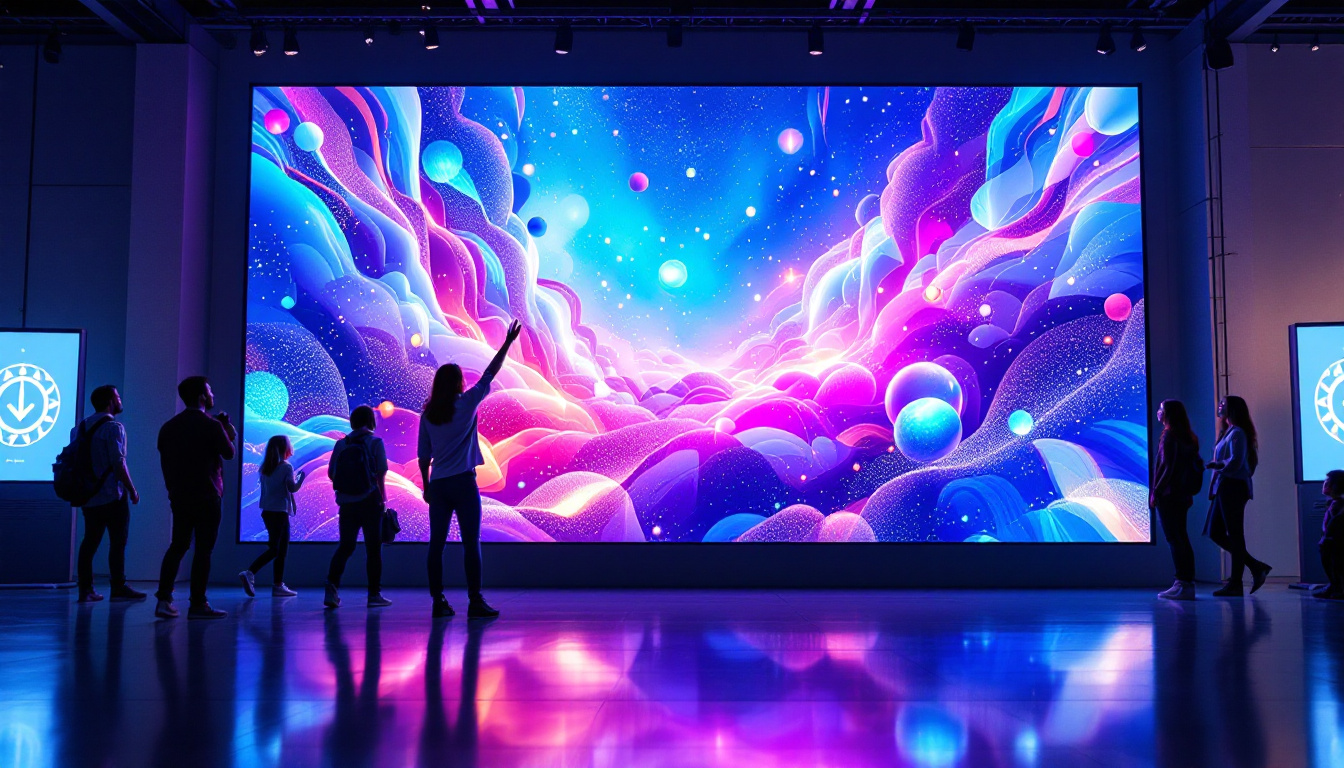
In the rapidly evolving world of digital signage and display technology, LED displays have emerged as one of the most dynamic and versatile solutions. Whether it’s a massive billboard in Times Square or a sleek digital menu board in a café, LED displays are everywhere. But what exactly does “150 times 2.5” mean in the context of LED displays? This article dives deep into the technical and practical aspects of LED display technology, demystifying common terms and exploring why these displays have become the gold standard for visual communication.
Understanding the Basics of LED Displays
LED stands for Light Emitting Diode, a semiconductor device that emits light when an electric current passes through it. LED displays are composed of thousands, sometimes millions, of these tiny diodes arranged in a grid to form images, videos, or text. The technology has evolved significantly since its inception, offering brighter, more energy-efficient, and longer-lasting solutions compared to traditional display technologies.
When discussing LED displays, terms like “pixel pitch,” “resolution,” and “brightness” often come up. These parameters determine the quality and suitability of a display for different environments and purposes. For instance, a high-resolution LED display with a small pixel pitch is ideal for close viewing distances, such as indoor advertising or control rooms, while larger pixel pitches are more cost-effective for large outdoor billboards viewed from afar.
What Does “150 Times 2.5” Mean?
The phrase “150 times 2.5” can be interpreted in several ways depending on the context, but in LED display terminology, it often relates to the resolution or size of the display. For example, it might represent a matrix of 150 pixels wide by 2.5 pixels high (though fractional pixels are uncommon), or more likely, it could refer to a scaling factor or a product of two dimensions, such as 150 units multiplied by 2.5 units to describe size or brightness levels.
More concretely, in many LED display specifications, numbers like these could describe pixel pitch or brightness levels measured in nits. For example, a display with a pixel pitch of 2.5 mm and a width of 150 pixels would have a physical width of 375 mm (150 x 2.5 mm). This kind of calculation is essential when designing or selecting an LED display to fit specific spatial or resolution requirements.
Pixel Pitch and Resolution: The Heart of LED Display Quality
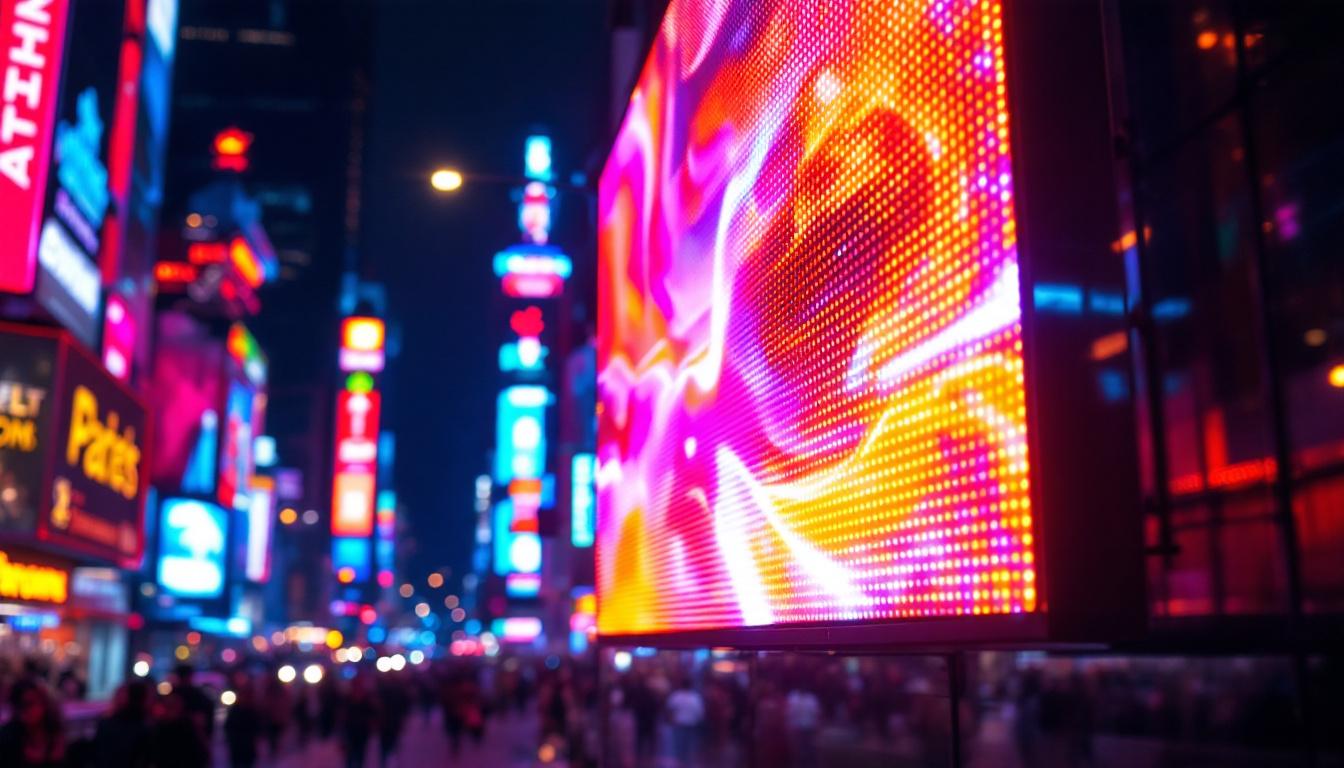
Pixel pitch is one of the most critical factors when evaluating LED displays. It refers to the distance between the centers of two adjacent pixels and is typically measured in millimeters. The smaller the pixel pitch, the higher the resolution and the sharper the image, especially at close viewing distances.
For example, an LED display with a 2.5 mm pixel pitch means that each pixel is 2.5 millimeters apart from the next. If the display is 150 pixels wide, the total width would be 375 millimeters, or roughly 37.5 centimeters. This size and resolution would be suitable for indoor applications where viewers are relatively close to the screen.
Why Pixel Pitch Matters
Choosing the right pixel pitch is crucial because it directly impacts the viewer’s experience. A display with a large pixel pitch (e.g., 10 mm or more) will look pixelated if viewed up close but is perfect for outdoor billboards where viewers are far away. Conversely, a small pixel pitch (1.2 mm to 2.5 mm) provides crisp images and text for indoor environments like conference rooms, retail stores, or museums.
To illustrate, a 150-pixel-wide LED panel with a 2.5 mm pixel pitch is ideal for medium-sized indoor displays. It balances resolution and cost effectively, delivering clear visuals without the expense of ultra-fine pixel pitches designed for extremely close viewing.
Brightness and Color Accuracy in LED Displays
Brightness is another fundamental characteristic of LED displays, typically measured in nits (candelas per square meter). Outdoor LED displays often require brightness levels upwards of 5,000 nits to remain visible under direct sunlight, whereas indoor displays generally operate between 300 and 1,000 nits.
Color accuracy and uniformity also play a significant role. Modern LED displays use advanced calibration and processing techniques to ensure vibrant, consistent colors across the entire screen. This is especially important for applications like digital advertising, where brand colors must be represented faithfully.
How “150 Times 2.5” Relates to Brightness
In some contexts, “150 times 2.5” could symbolically represent a multiplication of brightness or intensity levels. For example, an LED module rated at 150 nits per LED, multiplied by a factor of 2.5 for enhanced brightness through design or layering, might yield a total brightness figure of 375 nits. While this is a simplified example, it underscores how numerical values combine to define display characteristics.
Manufacturers often specify brightness levels alongside pixel pitch and resolution to help buyers select the right display for their environment. High brightness is essential for outdoor visibility, while balanced brightness and color accuracy are key indoors.
Applications of LED Displays: From Advertising to Control Rooms
LED displays have a broad range of applications, each with unique requirements for size, resolution, brightness, and durability. Understanding these applications helps clarify why specific specifications, like “150 times 2.5,” matter in real-world scenarios.
Outdoor Advertising and Billboards
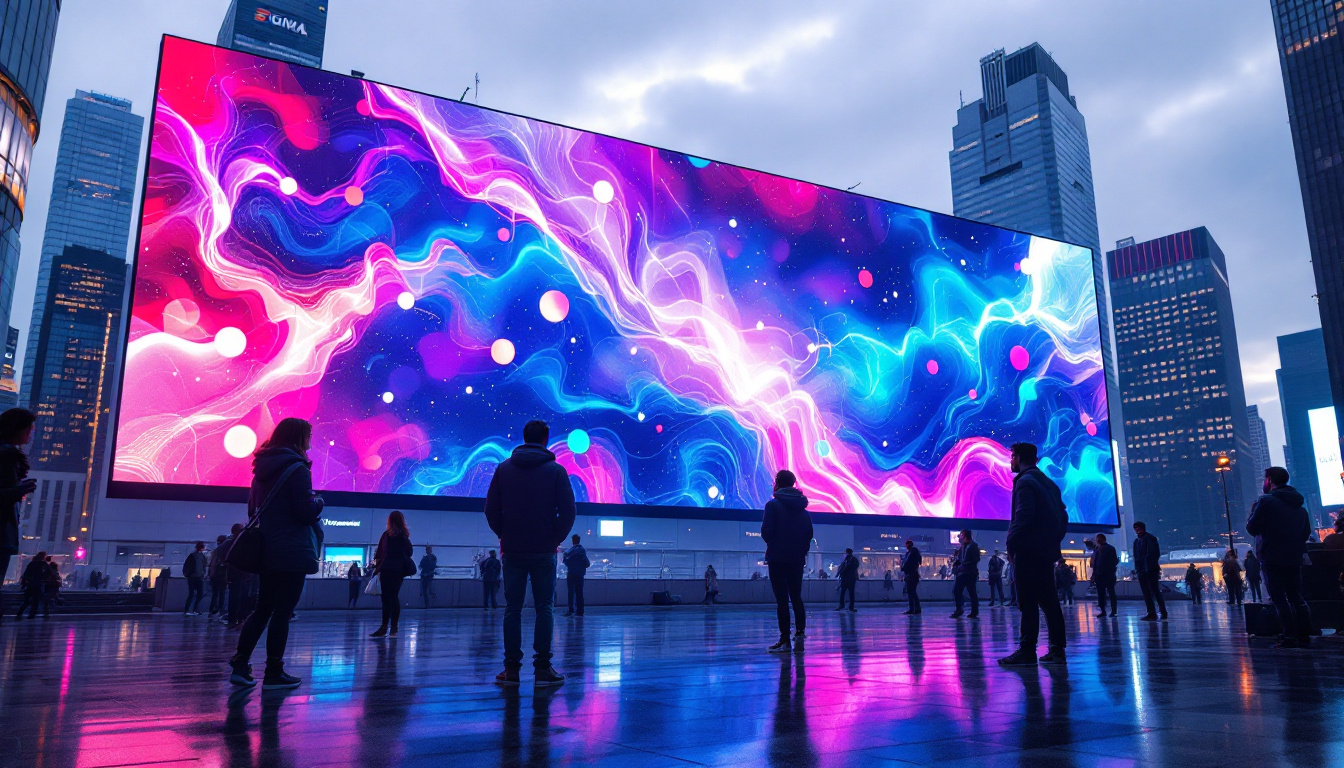
Outdoor LED billboards are among the most visible and impactful uses of LED technology. These displays often cover hundreds or thousands of square feet, with pixel pitches ranging from 6 mm to 20 mm or more. The large pixel pitch is acceptable because viewers are typically hundreds of feet away.
For instance, a billboard 150 pixels wide with a 2.5 mm pixel pitch would be too small for outdoor use but perfect for smaller digital signage. However, multiplying the pixel count or pixel pitch can scale the display to billboard size. Such flexibility allows advertisers to tailor content for maximum visibility and engagement.
Indoor Digital Signage and Retail Displays
Indoor LED displays benefit from smaller pixel pitches and moderate brightness. Retail stores, airports, and museums use these displays to attract attention and convey information clearly. A 150-pixel width with a 2.5 mm pitch offers a compact yet sharp display area, ideal for promotional content or wayfinding.
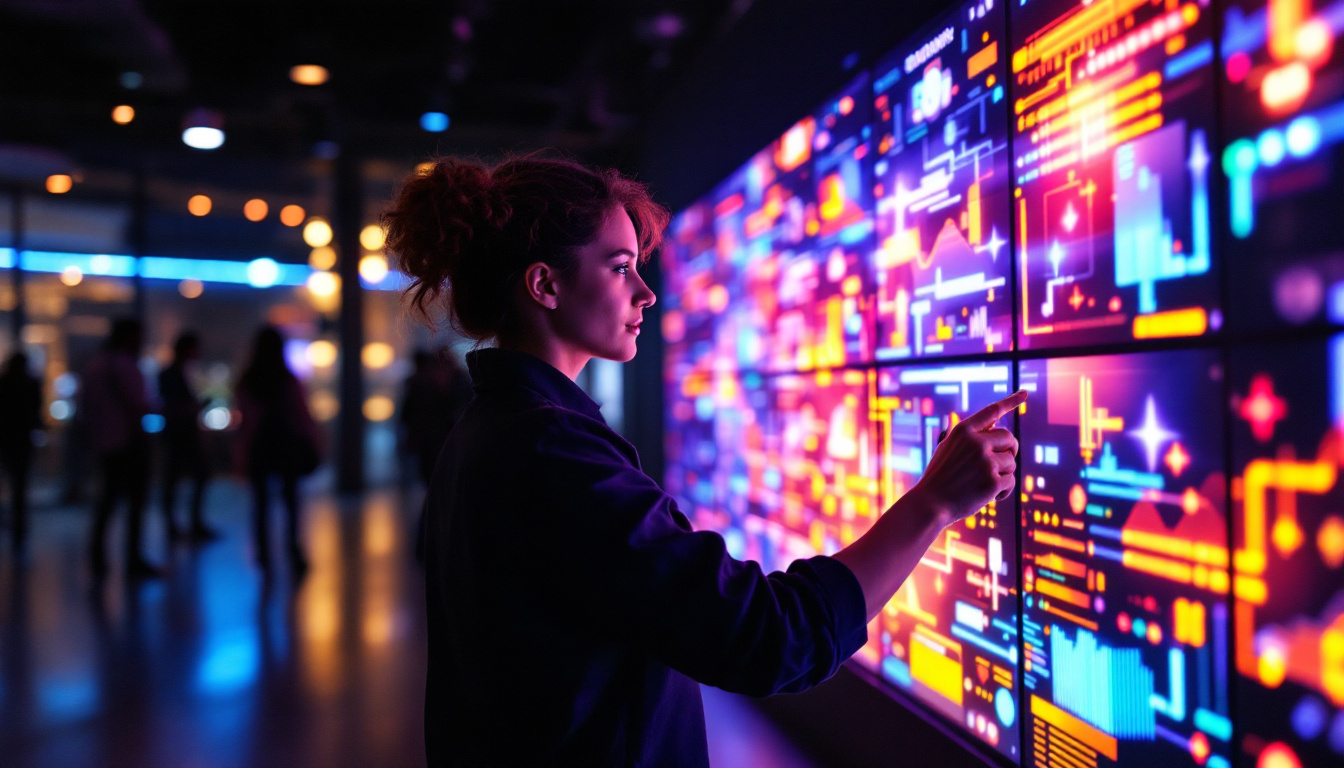
These displays often incorporate interactive elements and dynamic content, leveraging LED technology’s flexibility. The ability to customize size and resolution ensures that businesses can deliver compelling visual experiences tailored to their space.
Control Rooms and Corporate Environments
Control rooms, broadcast studios, and corporate lobbies demand high-resolution, reliable LED displays. Here, clarity and color accuracy are paramount, as operators rely on these screens for critical information.
Displays with pixel pitches between 1.2 mm and 2.5 mm are common in these settings, providing detailed images without overwhelming the space. A “150 times 2.5” configuration might describe a segment of a larger video wall, illustrating how modular LED panels combine to create expansive, seamless displays.
Technical Considerations When Choosing an LED Display
Selecting the right LED display involves balancing multiple factors beyond just pixel pitch and brightness. Understanding these considerations ensures optimal performance and return on investment.
Viewing Distance and Angle
The optimal viewing distance influences pixel pitch selection. A general rule is that the minimum viewing distance in meters should be roughly equal to the pixel pitch in millimeters. For example, a 2.5 mm pixel pitch display is best viewed from about 2.5 meters or more.
Viewing angle is also critical, especially for public displays where audiences view from various positions. High-quality LED displays maintain consistent brightness and color across wide viewing angles, often exceeding 120 degrees horizontally and vertically.
Durability and Environmental Resistance
Outdoor LED displays must withstand harsh weather conditions, including rain, dust, and extreme temperatures. IP ratings (Ingress Protection) indicate the level of protection, with IP65 or higher recommended for outdoor use.
Indoor displays focus more on aesthetics and ease of maintenance but still require robust construction to ensure longevity and consistent performance.
Energy Efficiency and Maintenance
LED technology is inherently energy-efficient compared to older display types like LCD or plasma. However, energy consumption varies based on brightness, size, and usage patterns.
Maintenance considerations include ease of module replacement, software updates, and calibration. Modular LED panels allow for quick repairs, minimizing downtime and operational disruption.
Future Trends in LED Display Technology
The LED display industry continues to innovate, driven by demand for higher resolution, greater energy efficiency, and enhanced interactivity.
MicroLED and MiniLED Technologies
MicroLED and MiniLED represent the next generation of LED displays, featuring even smaller pixel pitches and superior brightness and contrast ratios. These technologies promise to deliver near-OLED quality with the durability and brightness advantages of LEDs.
As manufacturing costs decrease, MicroLED displays are expected to become more prevalent in consumer electronics, digital signage, and large-scale video walls.
Integration with AI and IoT
Smart LED displays integrated with artificial intelligence and Internet of Things (IoT) technologies enable dynamic content adaptation based on audience behavior, weather conditions, or time of day. This integration enhances engagement and operational efficiency.
For example, a retail LED display might adjust brightness automatically or change advertising content based on real-time analytics, maximizing impact and relevance.
Sustainability and Eco-Friendly Designs
With growing environmental awareness, LED display manufacturers are focusing on sustainable materials, energy-efficient designs, and recyclability. Innovations include low-power chips, solar-powered displays, and eco-friendly manufacturing processes.
These advances help reduce the carbon footprint of digital signage while maintaining high performance and visual quality.
Conclusion: Why “150 Times 2.5” Matters in LED Displays
The phrase “150 times 2.5” encapsulates fundamental concepts in LED display technology, from pixel pitch and resolution to size and brightness. Understanding these numbers helps buyers, designers, and end-users make informed decisions that optimize visual impact, cost, and functionality.
LED displays continue to transform how information and advertising are delivered, offering unparalleled flexibility and quality. Whether for a small indoor display or a massive outdoor billboard, grasping the technical details behind specifications like “150 times 2.5” empowers stakeholders to harness the full potential of LED technology.
As LED technology advances, staying informed about these core principles will remain essential for anyone involved in digital signage, broadcast, or visual communications.
Discover LumenMatrix’s Advanced LED Display Solutions
Ready to take your visual communication to the next level? LumenMatrix is at the forefront of LED display innovation, offering a wide range of solutions tailored to your needs. From captivating Indoor LED Wall Displays to dynamic Outdoor LED Wall Displays, and from versatile Vehicle LED Displays to engaging LED Sports Displays, our technology is designed to make your brand stand out. Experience the future of digital signage with LumenMatrix’s Custom LED Displays, All-in-One LED Displays, and LED Transparent Displays. Check out LumenMatrix LED Display Solutions today and see how we can help you create unforgettable visual experiences.