In the rapidly evolving world of lighting technology, LED lamps have become a cornerstone for energy efficiency, durability, and versatility. Among these, the 1W LED lamp stands out for its compact size and impressive performance, making it a popular choice for various applications. This article delves into the intricacies of 1W LED lamps and their displays, providing a comprehensive explanation suitable for both enthusiasts and professionals alike.
Understanding the Basics of 1W LED Lamps
What is a 1W LED Lamp?
A 1W LED lamp refers to a light-emitting diode that consumes approximately one watt of electrical power. Despite its low power consumption, it can produce a significant amount of light, often measured in lumens. This efficiency is what makes 1W LEDs highly desirable for applications where energy conservation and compact lighting solutions are essential.
Unlike traditional incandescent bulbs that convert most energy into heat, LEDs convert electrical energy directly into light, resulting in less energy waste. The 1W rating indicates the power consumption, not the brightness, which can vary depending on the LED’s design and technology. For instance, a well-designed 1W LED can produce as much light as a 10W incandescent bulb, making it an excellent choice for both residential and commercial lighting needs. This capability is particularly beneficial in settings where multiple light sources are required, allowing for a more sustainable approach to illumination.
Key Components of a 1W LED Lamp
A typical 1W LED lamp consists of several critical components:
- LED Chip: The semiconductor device that emits light when an electric current passes through it.
- Substrate: Provides mechanical support and helps dissipate heat.
- Encapsulation: Usually made of epoxy or silicone, this protects the LED chip from environmental damage.
- Driver Circuit: Regulates the power supply to ensure consistent light output and prevent damage.
Each component plays a vital role in the performance and longevity of the LED lamp, especially in maintaining efficiency at the 1W power level. The LED chip itself is often made from materials like gallium nitride, which is known for its excellent light-emitting properties. The substrate, typically made from aluminum or ceramic, not only supports the chip but also aids in thermal management, which is crucial for maintaining optimal performance and preventing overheating. Furthermore, the encapsulation layer not only protects the LED from moisture and dust but can also enhance light output by minimizing scattering losses. These innovations in design and materials contribute to the overall effectiveness and reliability of 1W LED lamps, making them a popular choice in modern lighting applications.
The Technology Behind LED Displays in 1W Lamps
How LED Displays Work
LED displays are composed of multiple light-emitting diodes arranged in a matrix to form images or text. In the context of 1W LED lamps, the display technology often involves integrating these LEDs into compact modules that can be controlled to produce various lighting effects or information displays. Each LED emits light when an electric current passes through it, making them highly efficient and long-lasting compared to traditional incandescent bulbs.
The brightness and color of each LED in the display are controlled by adjusting the current and voltage supplied to it. Modern LED displays use pulse-width modulation (PWM) to regulate brightness levels efficiently without affecting the LED’s lifespan. This technique allows for rapid switching of the LEDs on and off, creating the illusion of varying brightness levels to the human eye, which is particularly beneficial in environments where lighting conditions can change rapidly, such as outdoor advertising or stage lighting.
Color and Brightness Control
One of the advantages of LED displays is their ability to produce a wide range of colors through the combination of red, green, and blue (RGB) LEDs. In 1W LED lamps, this capability allows for dynamic lighting solutions, including color-changing effects and precise brightness control. By varying the intensity of each RGB component, designers can create an extensive palette of colors, enabling applications from mood lighting in homes to vibrant displays in commercial settings.
Advanced LED drivers enable fine-tuned control over each LED’s intensity, which is crucial for applications like digital signage, indicator lights, and decorative lighting where visual clarity and impact are paramount. Moreover, the integration of smart technology into LED displays allows for remote control and automation, enabling users to customize lighting settings based on time of day or specific events. This adaptability not only enhances user experience but also contributes to energy efficiency, as lights can be dimmed or turned off when not needed, further extending the lifespan of the LEDs.
Applications of 1W LED Lamps with Displays
Residential and Commercial Lighting
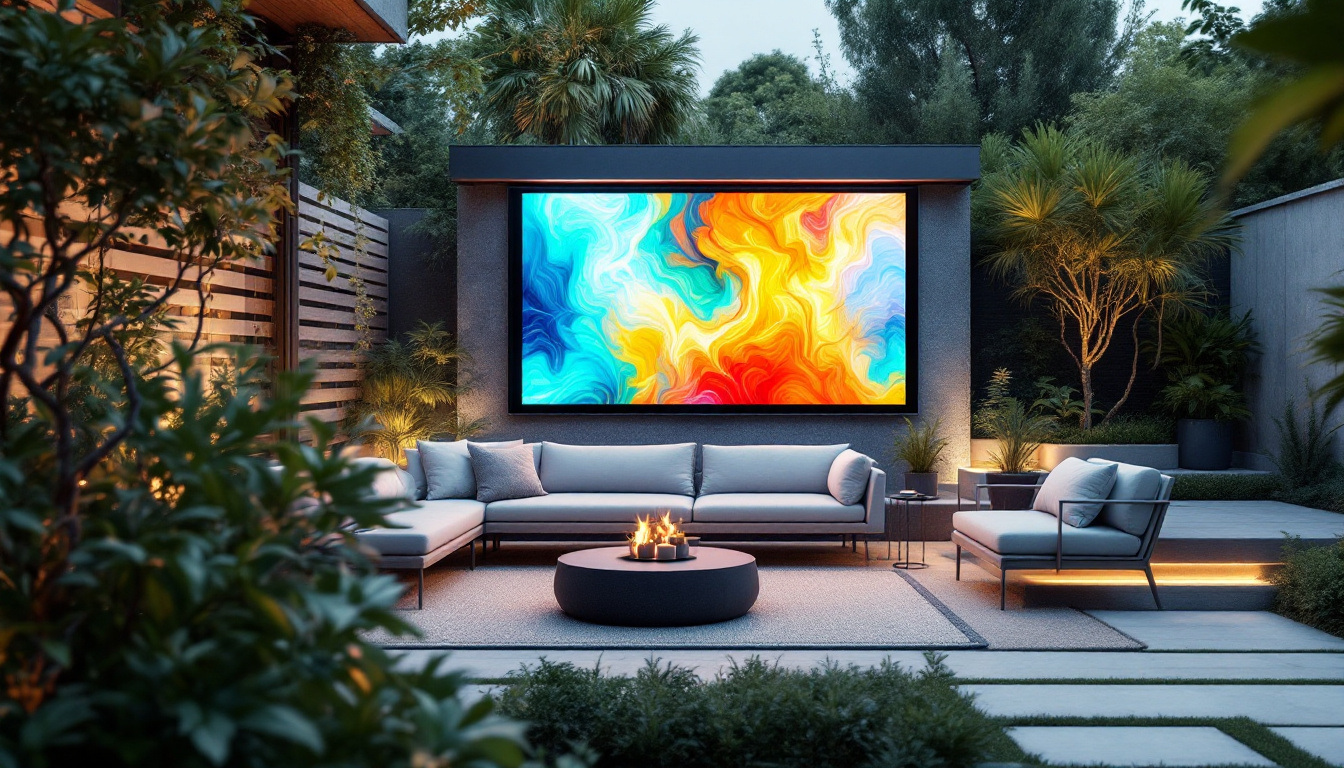
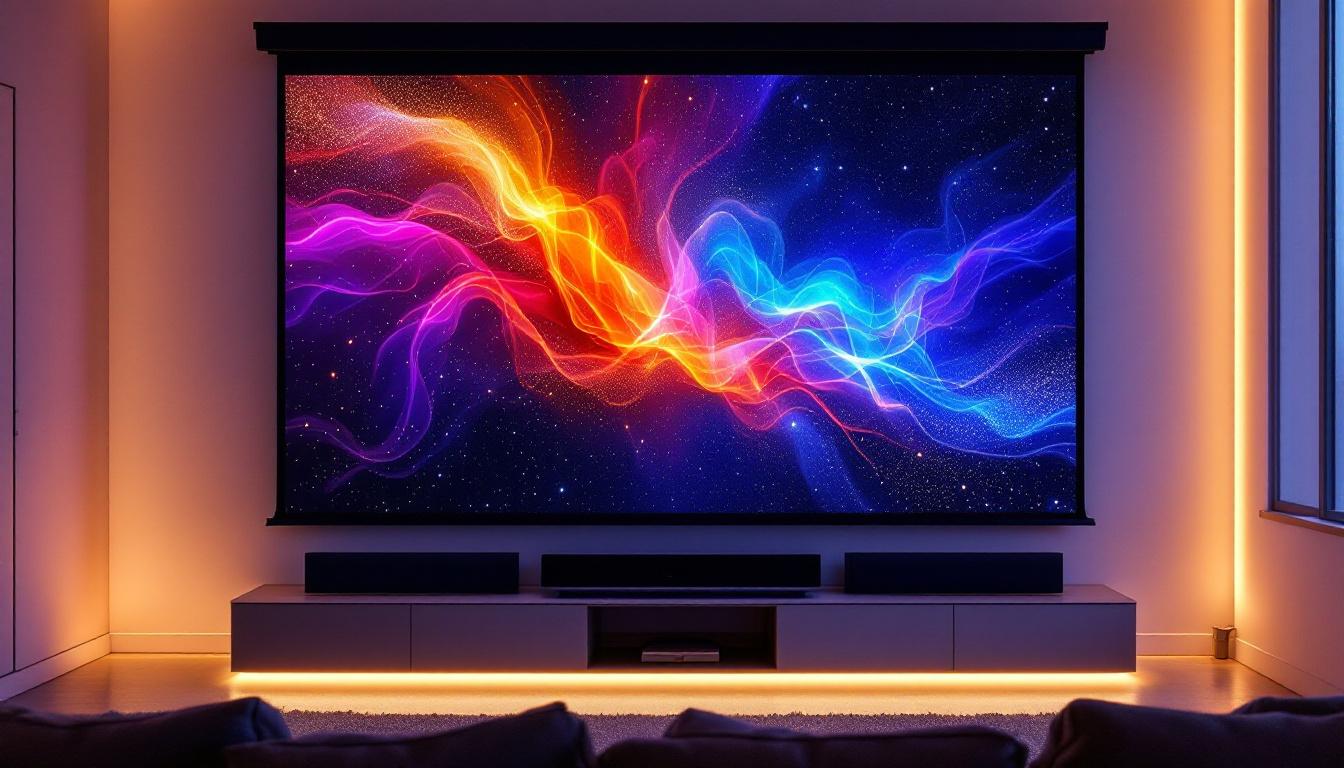
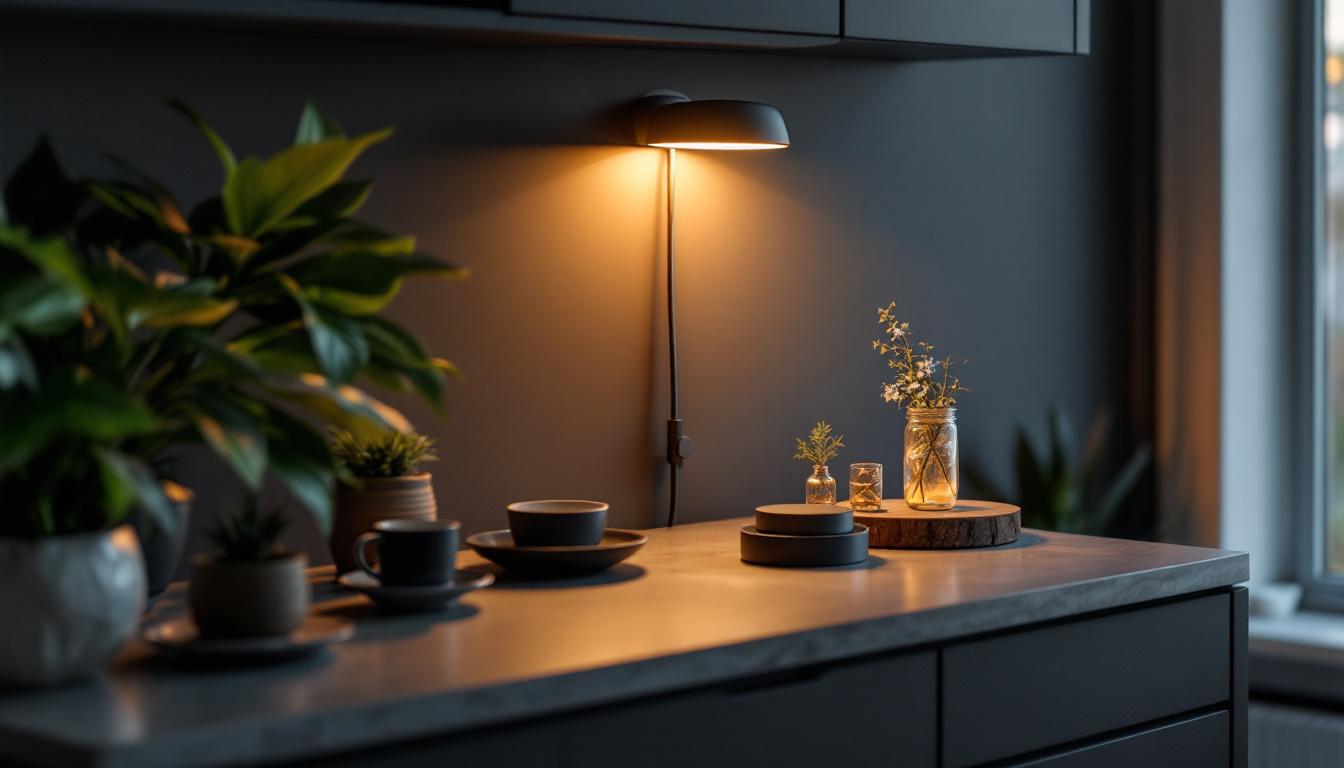
1W LED lamps are widely used in residential and commercial settings due to their low power consumption and high efficiency. They are ideal for accent lighting, under-cabinet lights, and decorative fixtures where subtle illumination is desired without compromising energy savings.
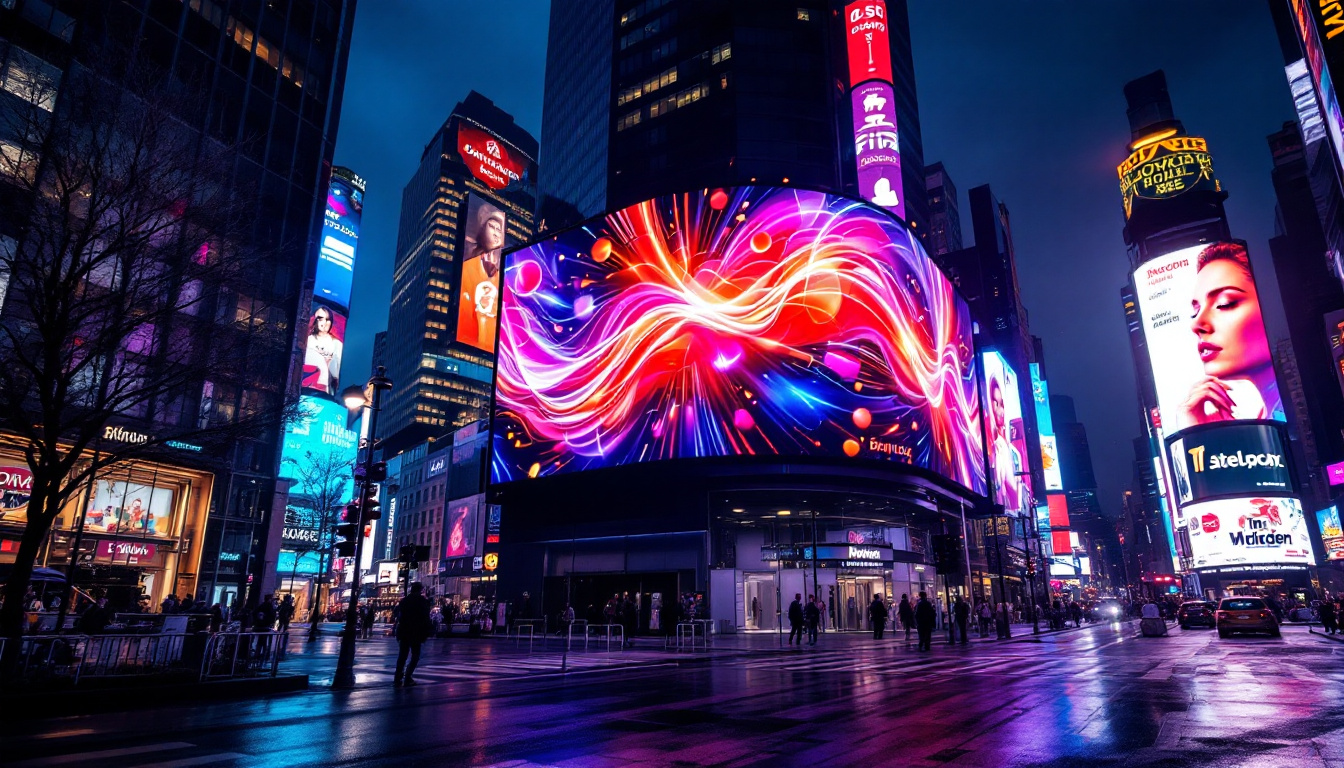
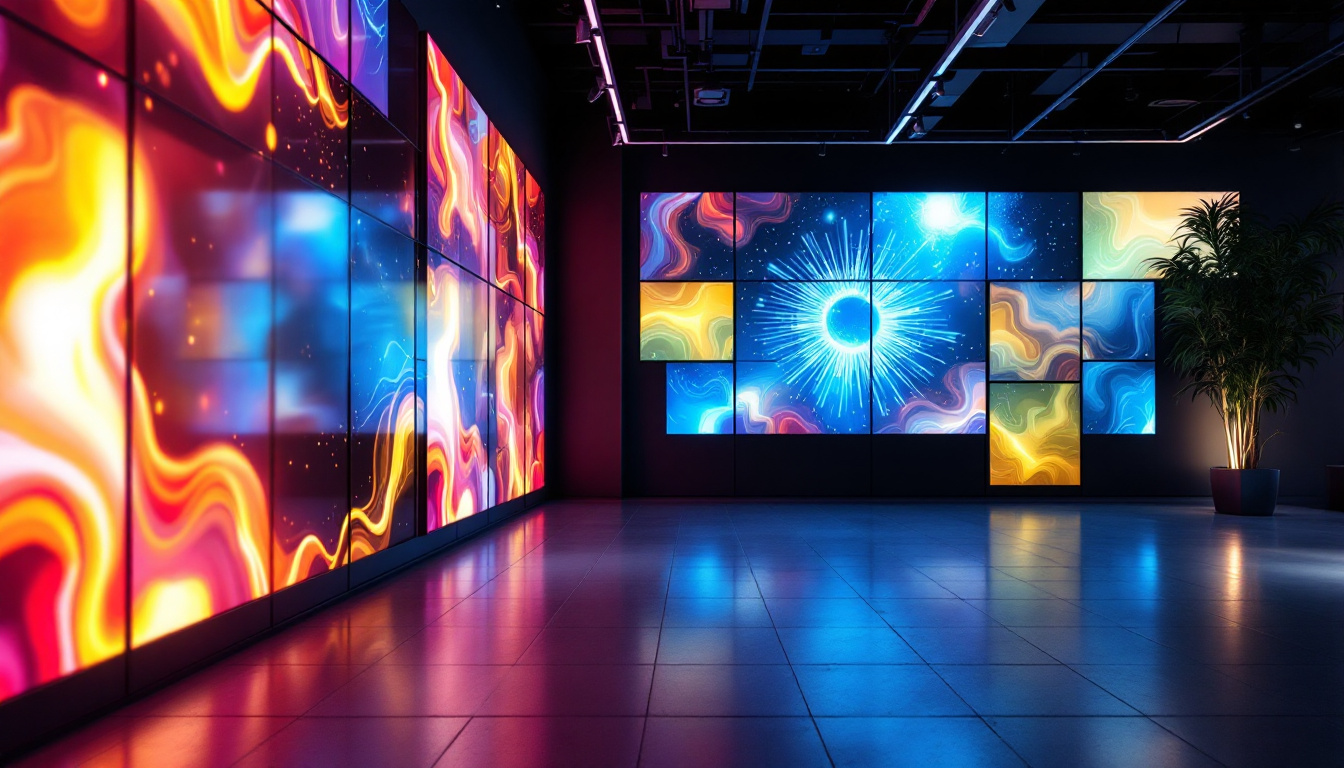
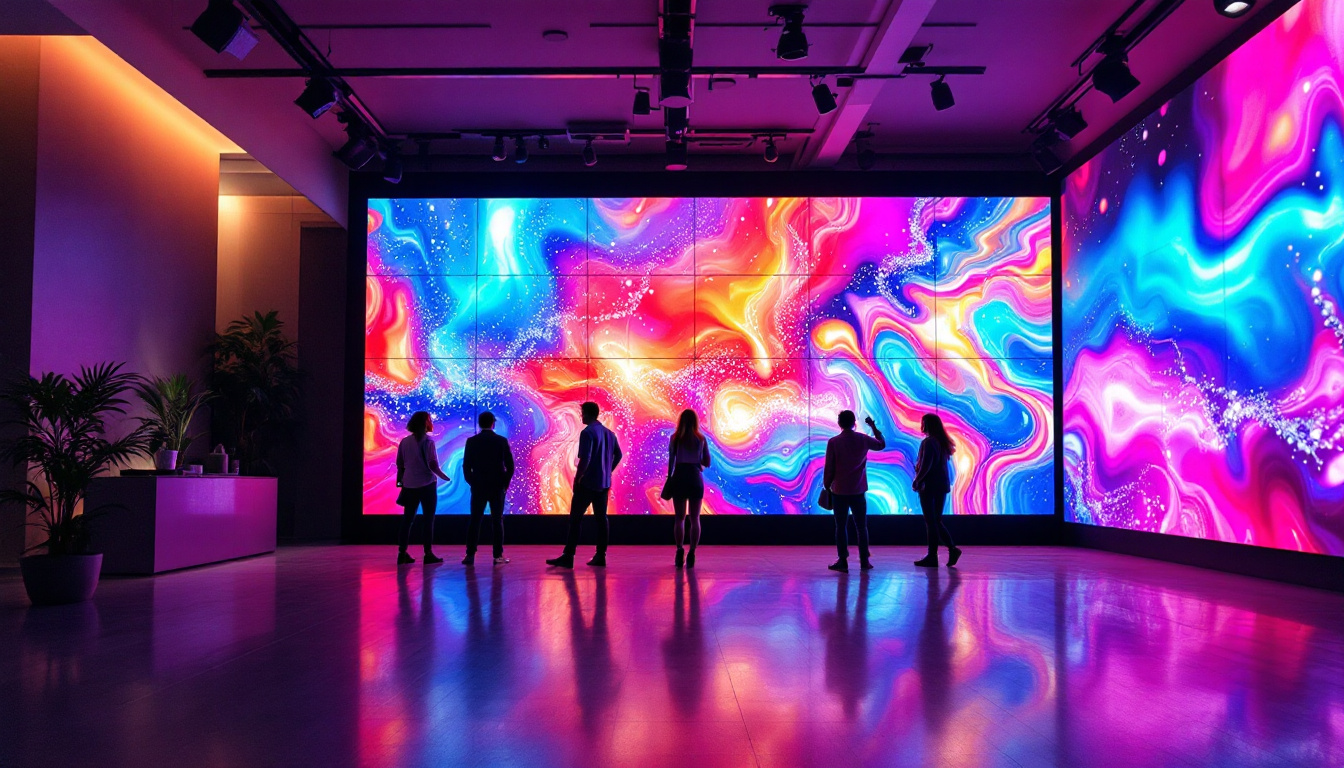
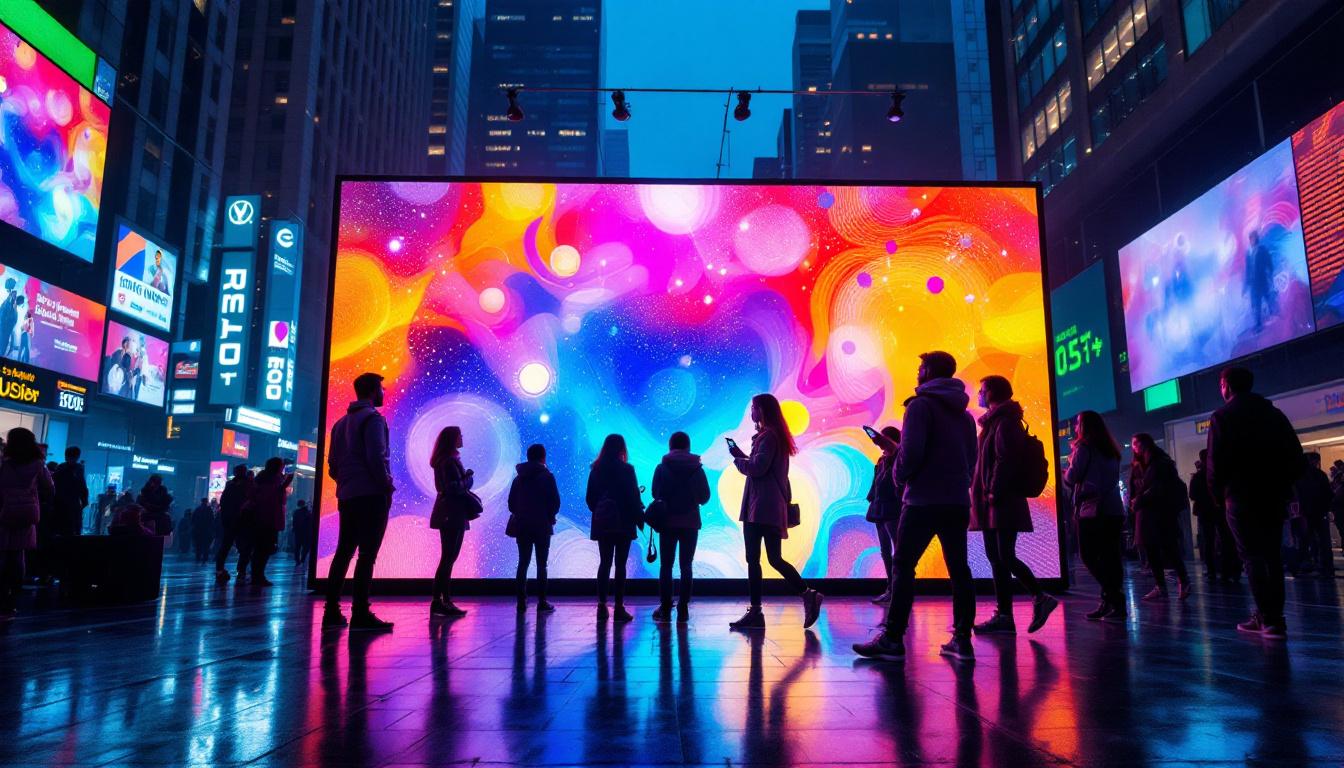
In commercial environments, these lamps can be integrated into LED displays for signage, information boards, and ambient lighting that enhances the customer experience while reducing operational costs.
Industrial and Automotive Uses
In industrial applications, 1W LED lamps are valued for their durability and reliability under harsh conditions. They are used in indicator panels, control systems, and safety lighting where consistent performance is critical.
Automotive manufacturers incorporate 1W LEDs in dashboard displays, signal indicators, and interior lighting. Their small size and low heat generation make them perfect for compact spaces and long-term use.
Innovations in Wearable and Portable Devices
The compact nature of 1W LED lamps allows for integration into wearable technology and portable devices. Smartwatches, fitness trackers, and handheld gadgets utilize these LEDs for display backlighting and notification indicators, balancing power efficiency with visibility.
As wearable technology continues to evolve, the demand for low-power, high-brightness LEDs like the 1W variants is expected to grow, driving further innovation in this sector.
Energy Efficiency and Environmental Impact
Comparing 1W LED Lamps to Traditional Lighting
Energy efficiency is one of the most compelling reasons to choose 1W LED lamps over traditional incandescent or fluorescent bulbs. A 1W LED can produce the same amount of light as a 10W incandescent bulb, translating to up to 90% energy savings.
This efficiency not only reduces electricity bills but also lowers the carbon footprint associated with lighting. According to the U.S. Department of Energy, widespread adoption of LED lighting could save about 348 terawatt-hours of electricity annually by 2027, equivalent to the output of 44 large power plants.
Longevity and Maintenance Benefits
1W LED lamps typically have a lifespan of 25,000 to 50,000 hours, far exceeding that of traditional bulbs. This longevity reduces the frequency of replacements, minimizing waste and maintenance costs.
Moreover, LEDs do not contain hazardous materials like mercury, which is common in fluorescent lamps, making them safer for disposal and recycling. Their durability also means fewer broken bulbs and less environmental contamination.
Choosing the Right 1W LED Lamp for Your Needs
Factors to Consider
Selecting the appropriate 1W LED lamp depends on several factors:
- Brightness (Lumens): Determine the required light output based on the application.
- Color Temperature: Choose between warm, neutral, or cool white, or RGB options for color-changing effects.
- Beam Angle: Narrow angles are suitable for spotlights, while wider angles cover larger areas.
- Compatibility: Ensure the lamp fits the fixture and is compatible with existing drivers or dimmers.
- Quality and Certifications: Look for products with certifications such as UL, CE, or RoHS to guarantee safety and performance.
Common Pitfalls to Avoid
When purchasing 1W LED lamps, avoid low-quality products that may offer poor light output or have a short lifespan. Cheap LEDs often suffer from inadequate heat dissipation, leading to premature failure.
Additionally, be cautious about color rendering index (CRI); a low CRI can make colors appear unnatural under LED lighting. For applications requiring accurate color representation, such as retail or artwork illumination, a CRI above 80 is recommended.
Future Trends in 1W LED Lamp and Display Technology
Advancements in LED Efficiency
Ongoing research aims to improve the luminous efficacy of LEDs, pushing beyond current limits. Innovations in semiconductor materials and chip design are expected to increase the lumens per watt ratio, making 1W LEDs even brighter and more energy-efficient.
Such advancements will enable broader adoption in applications that currently require higher power LEDs, facilitating more compact and efficient lighting solutions.
Integration with Smart Technologies
The integration of 1W LED lamps with smart home and IoT (Internet of Things) systems is a growing trend. Smart LEDs can be controlled remotely, programmed for dynamic lighting scenes, and integrated with sensors to optimize energy use.
This connectivity enhances user convenience and contributes to smarter energy management strategies, aligning with global sustainability goals.
Emerging Display Applications
Beyond traditional lighting, 1W LED displays are finding new roles in augmented reality (AR), wearable tech, and flexible display technologies. The miniaturization and efficiency of these LEDs support innovative designs that blend lighting with interactive visual elements.
As these technologies mature, the versatility of 1W LED lamps will continue to expand, opening new possibilities across industries.
Conclusion
The 1W LED lamp represents a remarkable blend of efficiency, versatility, and technological sophistication. Understanding its components, display technology, and applications provides valuable insight into why it has become a preferred lighting solution worldwide.
From residential lighting to industrial displays and emerging smart technologies, 1W LEDs offer significant advantages in energy savings, longevity, and environmental impact. As innovations continue to enhance their performance and integration capabilities, 1W LED lamps are poised to illuminate the future in increasingly dynamic and sustainable ways.
Illuminate Your Space with LumenMatrix
Ready to experience the future of lighting and display technology? LumenMatrix is at the forefront of innovation, offering a wide array of LED display solutions that transform any environment. Whether you’re looking to enhance your residential ambiance or captivate your commercial audience, our Indoor and Outdoor LED Wall Displays, Vehicle LED Displays, and more are designed to make a statement. Elevate your visual communication and create unforgettable experiences with our cutting-edge LED displays. Check out LumenMatrix LED Display Solutions today and light up your world with brilliance.