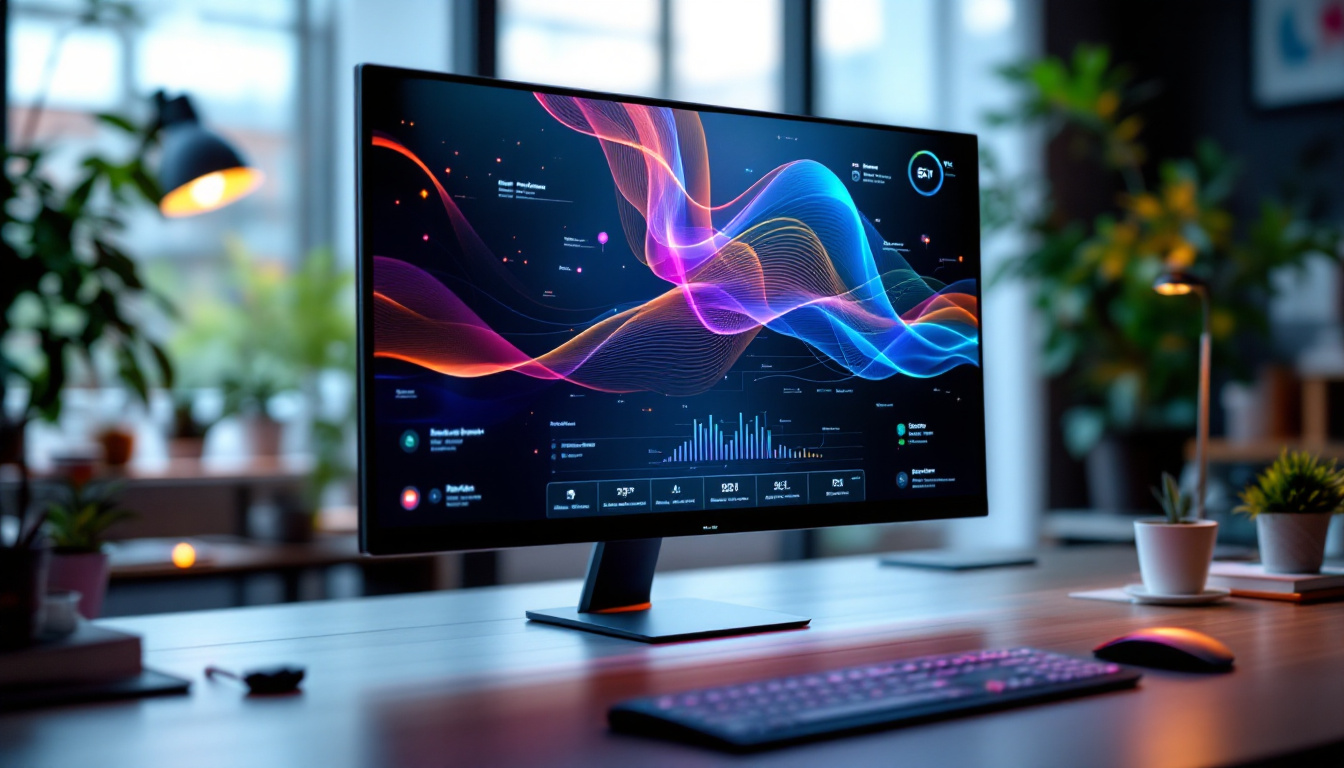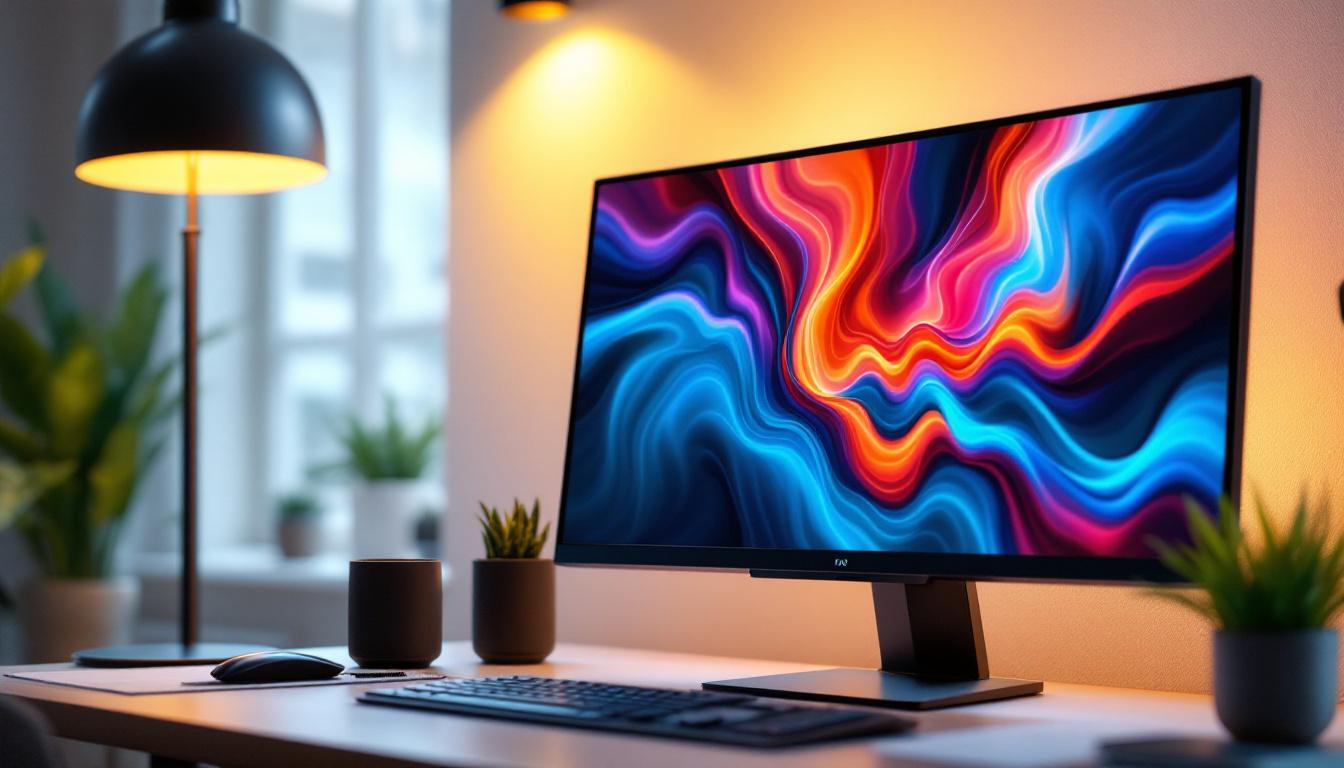
The 24-inch monitor segment remains one of the most popular choices for both consumers and professionals alike. Its balanced size offers an ideal workspace without overwhelming desk setups, making it a versatile option for gaming, office work, and multimedia consumption. Among the various display technologies available, LED monitors have gained significant traction due to their superior image quality, energy efficiency, and sleek design. This article delves into the nuances of 24-inch LED monitors, exploring their sales trends, technological advantages, and what buyers should consider when making a purchase.
Understanding the Popularity of 24-Inch Monitors
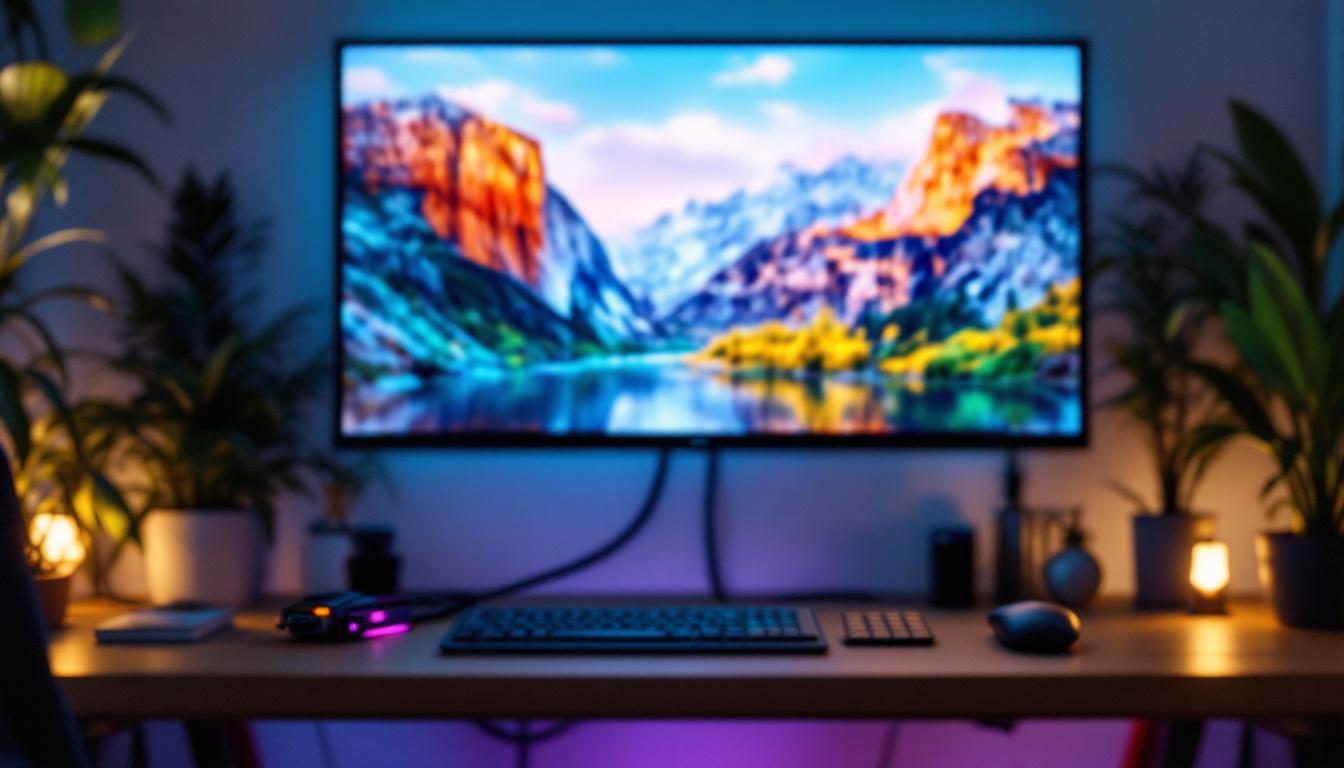
The 24-inch monitor size strikes a perfect balance between screen real estate and desk space. It offers enough display area to comfortably handle multiple windows or applications without requiring the expansive footprint of larger monitors. This size is especially favored in corporate environments, educational settings, and among casual gamers.
According to recent market research, 24-inch monitors accounted for approximately 30% of global monitor sales in 2023, reflecting steady demand. The affordability of this size, combined with advances in display technology, has made it a go-to choice for budget-conscious consumers who do not want to compromise on performance or image quality.
Why 24 Inches? The Sweet Spot for Productivity and Entertainment
From a productivity standpoint, 24-inch monitors typically feature resolutions ranging from Full HD (1920×1080) to Quad HD (2560×1440), providing sharp text and detailed images. This resolution range is ideal for office applications, web browsing, and content creation without the need for scaling adjustments that can complicate user experience on smaller or larger displays.
For entertainment and gaming, the 24-inch size delivers immersive visuals without requiring users to sit too far from the screen. This proximity enhances the viewing experience and reduces eye strain, which is a significant consideration for extended use.
Moreover, many 24-inch monitors now come equipped with advanced features such as high refresh rates and adaptive sync technologies, making them suitable for competitive gaming. Gamers appreciate the smooth motion and reduced screen tearing that these features provide, allowing for a more enjoyable gaming experience. Additionally, the compact size of these monitors makes them easier to set up in smaller gaming spaces, further contributing to their popularity among gamers who may not have the luxury of a dedicated gaming room.
In educational settings, the versatility of 24-inch monitors is evident as they can be used for everything from interactive presentations to online learning. Their size allows for easy visibility in classrooms, while the affordability means that schools can equip multiple classrooms without breaking the budget. Furthermore, many models now offer blue light reduction and flicker-free technology, which are essential for reducing eye fatigue during long hours of study or teaching, making them a practical choice for both students and educators alike.
LED Display Technology: What Makes It Stand Out?
LED, or Light Emitting Diode, technology has revolutionized the display market over the past decade. It is important to clarify that LED monitors are essentially LCD (Liquid Crystal Display) panels that use LED backlighting instead of older CCFL (Cold Cathode Fluorescent Lamp) backlights. This shift has brought about several enhancements in picture quality, energy consumption, and design.
How LED Backlighting Works
Traditional LCD monitors rely on fluorescent tubes to illuminate the screen, which can be bulky and less energy-efficient. LED backlighting replaces these tubes with a series of tiny LEDs positioned either along the edges of the screen (edge-lit) or directly behind the panel (direct-lit or full-array).
Edge-lit LED monitors are thinner and lighter, making them ideal for sleek, modern designs. Full-array LED monitors offer better brightness uniformity and contrast ratios because the LEDs are spread evenly behind the screen, allowing for localized dimming in some models. This localized dimming capability enhances the viewing experience by improving the depth of blacks and the vibrancy of colors, making these displays particularly appealing for movie enthusiasts and gamers alike.
Advantages of LED Displays in 24-Inch Monitors
One of the primary benefits of LED backlighting is energy efficiency. LED monitors consume significantly less power than their CCFL counterparts, which translates to lower electricity bills and a smaller environmental footprint. This is particularly important for businesses operating large fleets of monitors.
Additionally, LED displays provide better color accuracy and higher contrast ratios. This results in more vibrant images and deeper blacks, enhancing the overall viewing experience. The ability to produce thinner panels also means that 24-inch LED monitors can fit comfortably in tight spaces while maintaining a modern aesthetic. Furthermore, the rapid response time of LED technology minimizes motion blur, making it an excellent choice for fast-paced content like sports and action films. Users can enjoy crisp, clear images without the distraction of lag or ghosting, which is often a concern with older display technologies.
Another noteworthy advantage of LED displays is their longevity. LED technology is known for its durability and resistance to burn-in, a common issue with older display types. This makes LED monitors a reliable choice for both home and professional use, as they can withstand prolonged usage without a significant decline in performance. Additionally, many 24-inch LED monitors come equipped with advanced features such as blue light reduction and flicker-free technology, which help to reduce eye strain during extended viewing sessions. These enhancements not only improve comfort but also promote better eye health, making LED displays a smart investment for anyone spending long hours in front of a screen.
Sales Trends and Market Insights for 24-Inch LED Monitors
The global monitor market has seen dynamic shifts in recent years, influenced by remote work trends, gaming popularity, and technological advancements. The 24-inch LED monitor segment has performed robustly, supported by a combination of affordability and performance.
Impact of Remote Work and E-Learning
The COVID-19 pandemic accelerated the adoption of remote work and online education, driving demand for reliable home office equipment. Many consumers opted for 24-inch LED monitors as an upgrade from smaller laptop screens, seeking better ergonomics and productivity.
Market data from 2022-2023 indicates a 15% year-over-year increase in sales of 24-inch monitors globally, with LED models comprising the vast majority of this growth. This trend is expected to continue as hybrid work models become the norm and digital learning remains prevalent.
Gaming Influence on Monitor Sales
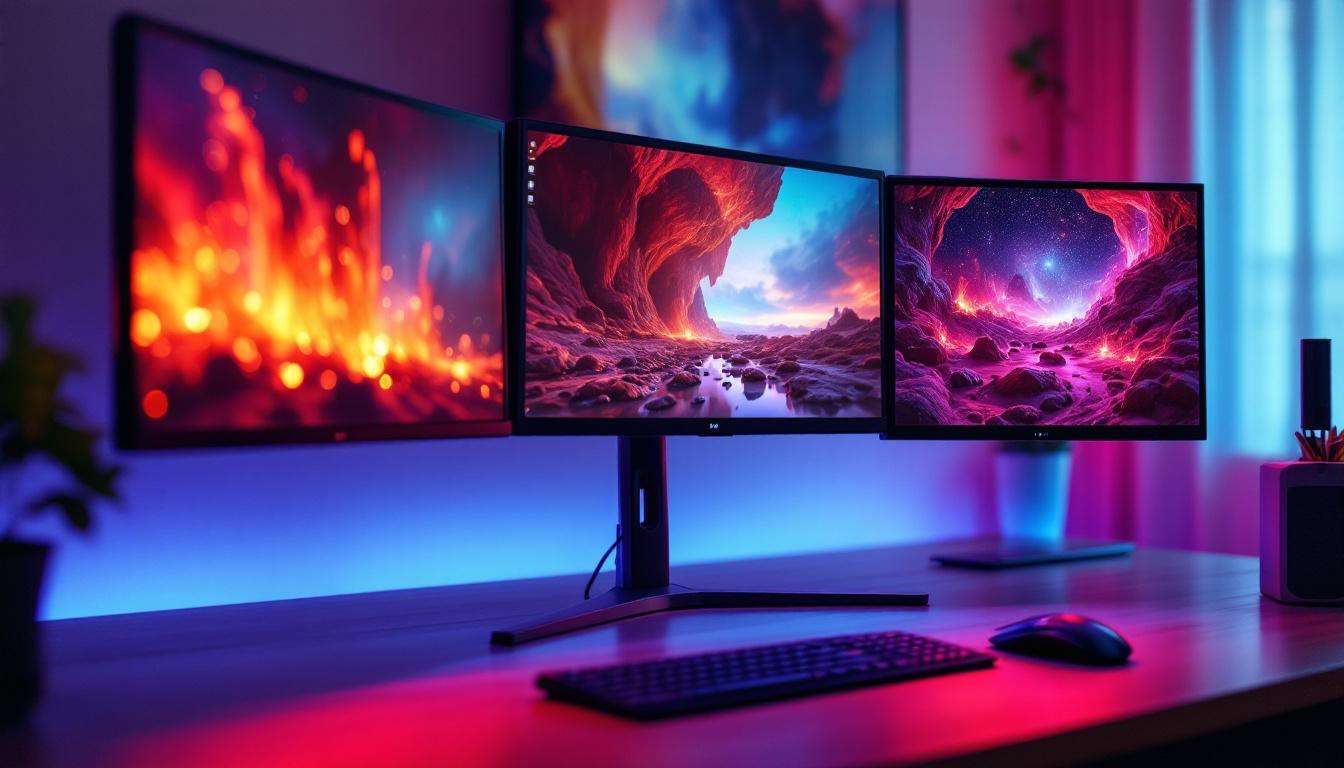
Gaming continues to be a powerful driver in the monitor market. While larger screens and ultrawide formats have their place, 24-inch LED monitors remain popular among gamers who prioritize fast refresh rates and low input lag over sheer size. Many models in this category feature refresh rates of 144Hz or higher, along with adaptive sync technologies like FreeSync and G-Sync.
These features enhance gameplay smoothness and responsiveness, making 24-inch LED monitors a favorite for competitive gaming setups. Sales data from gaming peripherals retailers show that 24-inch LED monitors with gaming specifications have seen a 20% increase in sales over the past two years.
Key Features to Consider When Buying a 24-Inch LED Monitor
Choosing the right 24-inch LED monitor requires understanding the features that impact performance and usability. Here are the critical factors to evaluate:
Resolution and Panel Type
Full HD remains the standard resolution for most 24-inch monitors, offering clear and crisp visuals for everyday tasks. However, for users who require more screen real estate or sharper images, Quad HD (2560×1440) models are becoming increasingly accessible.
Panel technology also matters. IPS (In-Plane Switching) panels provide superior color accuracy and viewing angles compared to TN (Twisted Nematic) panels, which typically offer faster response times but poorer color reproduction. VA (Vertical Alignment) panels strike a balance with better contrast ratios but slower response times.
Refresh Rate and Response Time
For gamers and video editors, refresh rate and response time are crucial. A higher refresh rate (120Hz, 144Hz, or more) results in smoother motion, while a lower response time (1ms to 5ms) reduces motion blur and ghosting effects. Many 24-inch LED monitors now cater to these needs without a significant price premium.
Connectivity Options
Modern 24-inch LED monitors come with a variety of ports, including HDMI, DisplayPort, and USB-C. USB-C connectivity is particularly valuable for users who want to connect laptops or mobile devices with a single cable that delivers video, data, and power.
Additional features like built-in speakers, adjustable stands, and VESA mount compatibility also enhance the user experience and flexibility of the monitor.
Environmental and Economic Considerations
As sustainability becomes a priority for consumers and businesses, the environmental impact of electronics is under scrutiny. LED monitors contribute positively in this regard due to their energy-efficient design.
Energy Efficiency and Longevity
LED backlighting consumes less power and generates less heat compared to older technologies, which extends the lifespan of the monitor. This reduces the frequency of replacements and electronic waste, aligning with greener consumption patterns.
Cost-Benefit Analysis
While LED monitors may have a slightly higher upfront cost than traditional LCDs, the savings in energy consumption and longer durability often offset this difference over time. For businesses managing large-scale deployments, these savings can be substantial.
Conclusion: Making an Informed Choice
The 24-inch LED monitor market offers a compelling blend of size, performance, and value. Whether for professional use, gaming, or general multimedia consumption, these monitors deliver excellent image quality, energy efficiency, and ergonomic benefits.
Understanding the technological advantages of LED backlighting, staying informed about current sales trends, and carefully evaluating key features will empower buyers to select the best 24-inch LED monitor tailored to their needs. With ongoing innovations and increasing accessibility, this segment is poised to remain a dominant force in the display market for years to come.
Discover the Future of LED Displays with LumenMatrix
Ready to experience the pinnacle of LED display technology? LumenMatrix is at the forefront of innovation, offering a diverse range of LED display solutions that cater to your every need. From captivating Indoor LED Walls to dynamic Outdoor LED Displays, and from versatile Vehicle LED Displays to sleek LED Poster Displays, our products are designed to revolutionize visual communication. Embrace the power of LED Sports Displays, innovative Floor LED Displays, and the customization possibilities of Custom LED Displays. Elevate your space with our All-in-One LED Display solutions and see through a new lens with LED Transparent Displays. Don’t miss out on the opportunity to enhance your brand’s visibility and engage your audience like never before. Check out LumenMatrix LED Display Solutions today and transform your visual experience.