In today’s fast-evolving digital landscape, LED technology has revolutionized the way we communicate visually. Among the most dynamic innovations is the interactive LED wall, a compelling fusion of vibrant display technology and user engagement. From advertising and entertainment to corporate events and education, interactive LED walls are transforming spaces and experiences worldwide.
This article delves into the fundamentals of interactive LED walls, exploring their technology, applications, benefits, and future trends. Whether you are a business owner, event organizer, or technology enthusiast, understanding this cutting-edge display solution can unlock new possibilities for engagement and communication.
What Is an Interactive LED Wall?
Defining the Technology
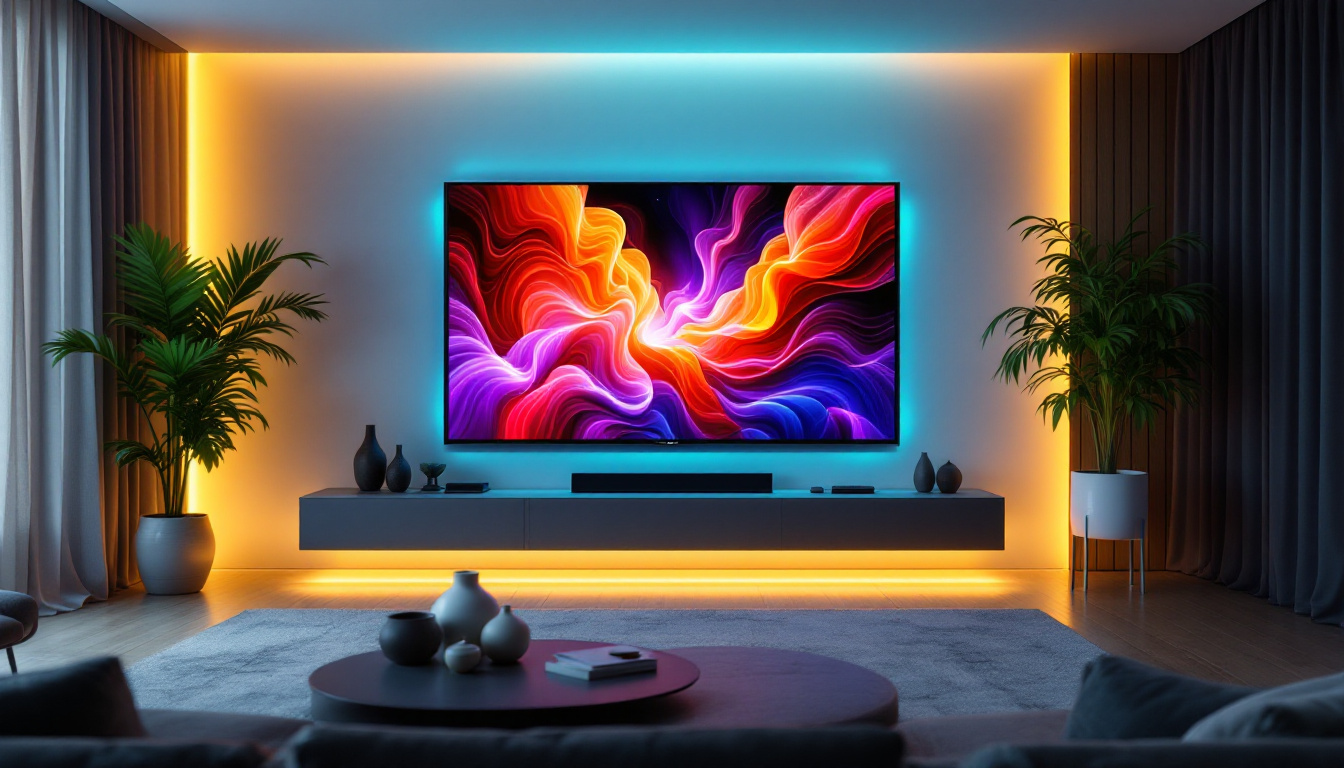
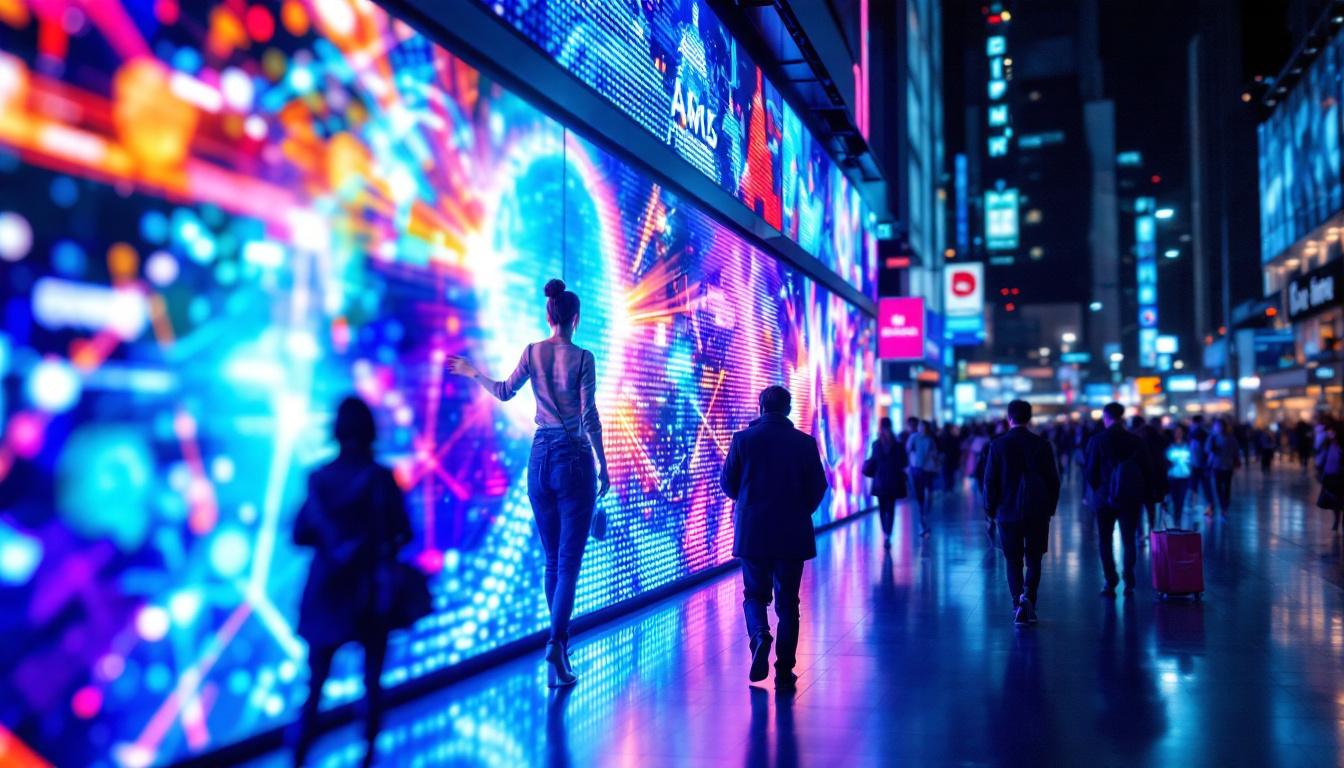
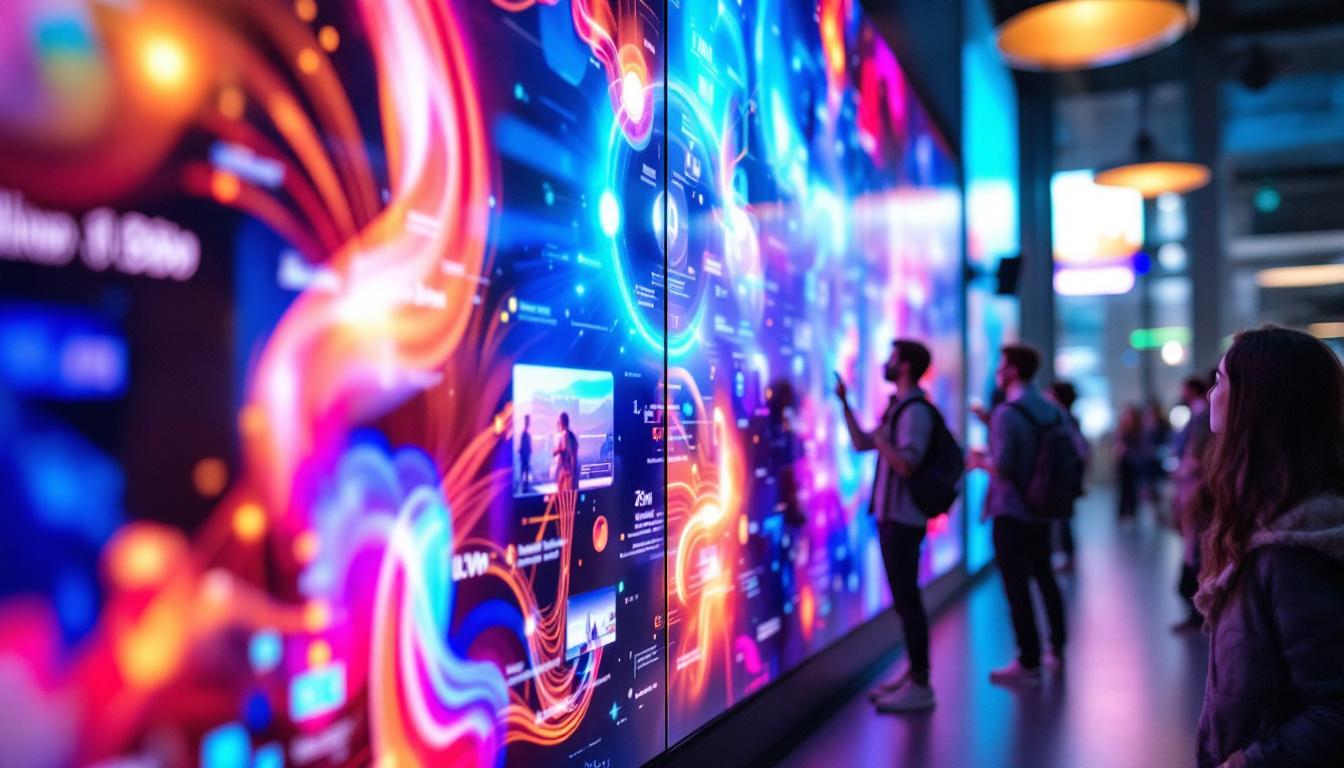
An interactive LED wall is a large-scale display composed of numerous light-emitting diodes (LEDs) arranged in a grid. Unlike traditional static LED walls, interactive LED walls incorporate touch-sensitive or motion-detecting technologies that allow users to engage directly with the content displayed. This interactivity can range from simple touch responses to complex gesture controls, enabling dynamic and immersive user experiences. The technology behind these walls often includes sophisticated software that can interpret user inputs in real-time, allowing for seamless interaction with multimedia content, games, or educational tools.
Typically, these walls are modular, allowing for flexible sizing and shapes to fit various environments. The LED modules are connected to a control system that manages the display content and the interactive elements, often integrating with software platforms designed for real-time content manipulation. This modularity not only enhances the versatility of the installation but also facilitates easy upgrades and maintenance, ensuring that the technology remains at the forefront of innovation. As a result, interactive LED walls can be tailored for various applications, from corporate presentations and trade shows to immersive art installations and educational environments.
How It Differs from Traditional LED Displays
While traditional LED displays primarily serve as visual output devices, interactive LED walls function as both output and input devices. This dual capability transforms passive viewers into active participants, making the display a medium for communication rather than just information dissemination. For instance, in a retail setting, customers can interact with product displays, accessing detailed information or customizing options through touch or gesture, thereby enhancing their shopping experience and engagement with the brand.
Additionally, interactive LED walls often feature higher refresh rates, enhanced brightness, and advanced sensors compared to standard LED screens. These enhancements ensure responsiveness and clarity, even in challenging lighting conditions or large venues. The integration of augmented reality (AR) capabilities further amplifies the potential of interactive LED walls, allowing users to overlay digital information onto the physical world. As a result, these displays are becoming increasingly popular in various sectors, including education, entertainment, and advertising, where the ability to captivate and engage audiences is paramount. The fusion of technology and creativity in interactive LED walls opens up endless possibilities for storytelling and audience interaction, making them a compelling choice for modern visual communication.
Core Components of Interactive LED Walls
LED Modules and Pixel Pitch
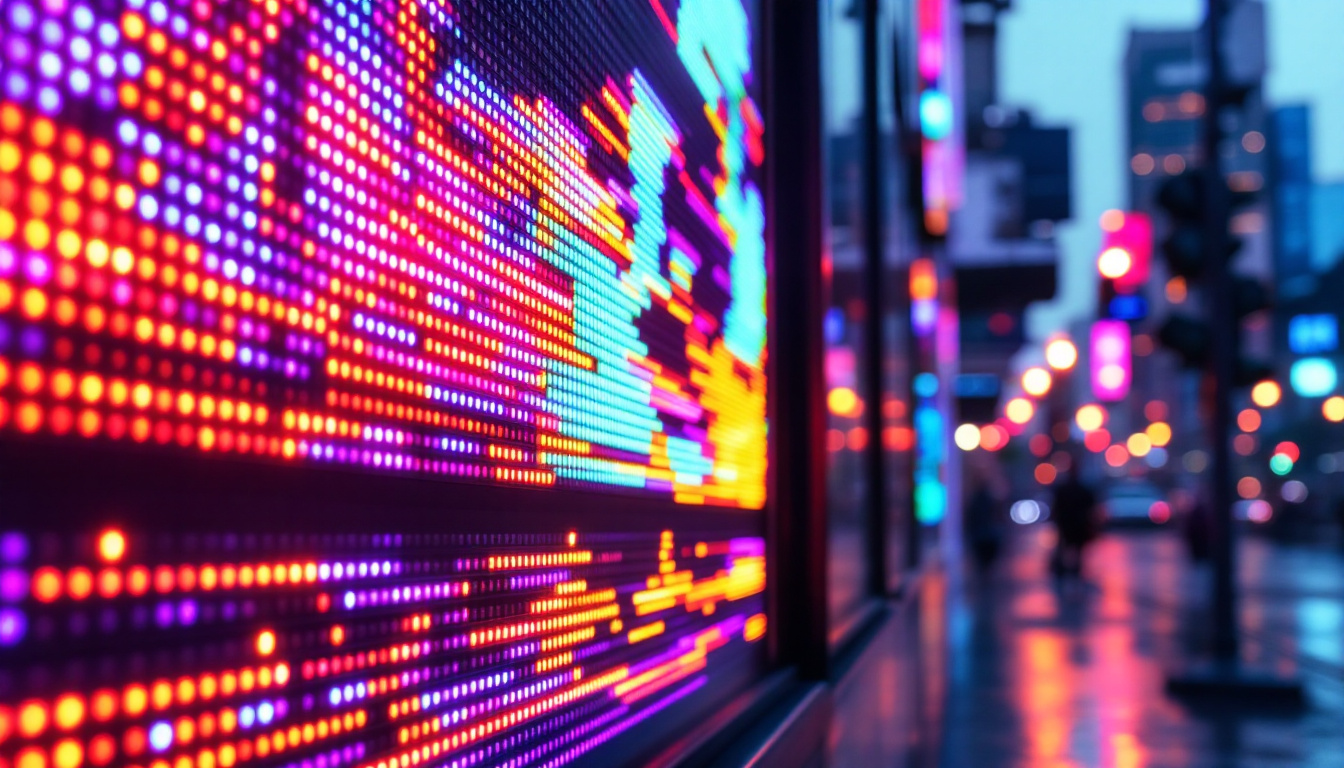
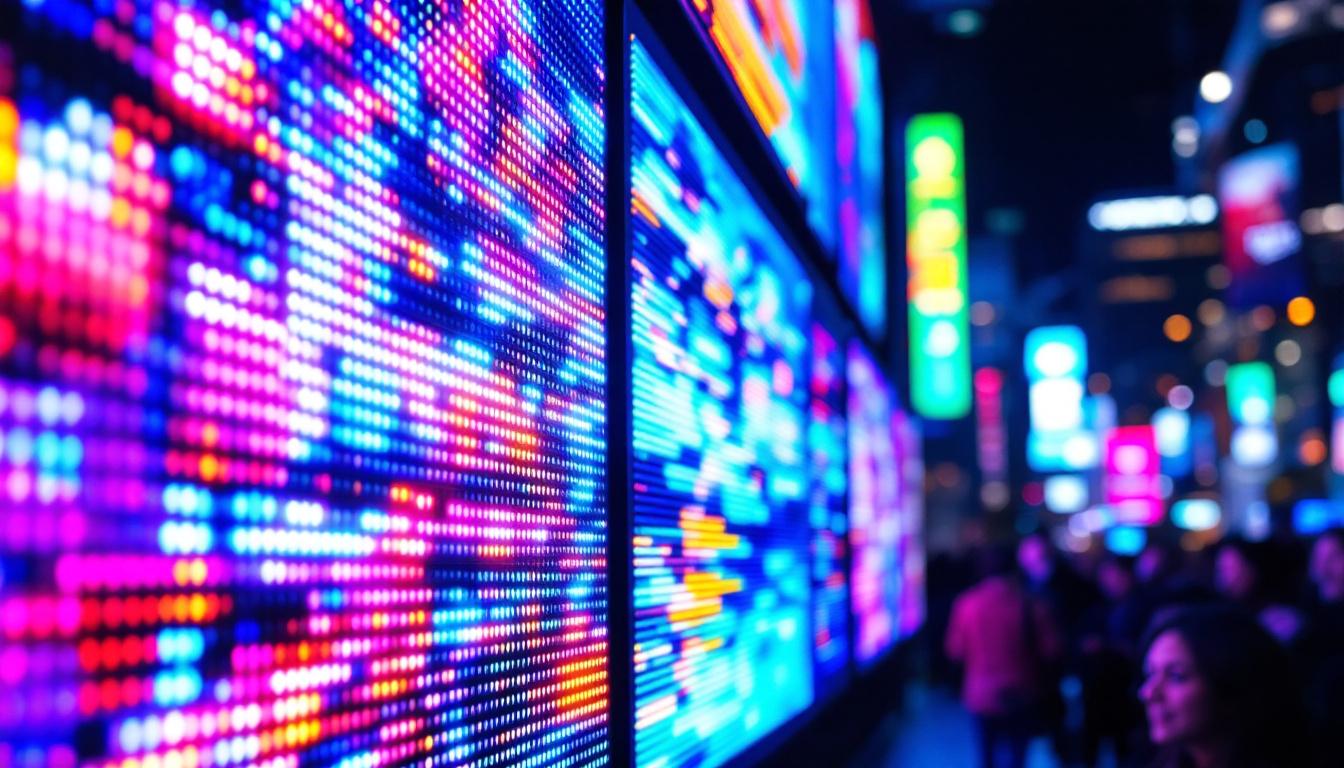
The foundation of any LED wall is its LED modules—small panels containing multiple LEDs arranged in pixels. The pixel pitch, defined as the distance between the centers of two adjacent pixels, is a critical factor influencing image resolution and viewing distance. A smaller pixel pitch means higher resolution and sharper images, suitable for close-up viewing, while larger pixel pitches are ideal for distant viewing in outdoor or large indoor spaces.
Modern interactive LED walls often use fine-pitch LEDs with pixel pitches as low as 1.2 mm, delivering crisp visuals perfect for interactive applications where users are close to the screen.
Touch and Motion Sensors
Interactivity is enabled through various sensor technologies integrated into or layered over the LED wall. Capacitive touch sensors allow users to interact by touch, similar to smartphones and tablets. Infrared (IR) sensors detect gestures and movements without physical contact, enabling touchless interaction, which has become increasingly popular in public spaces for hygiene reasons.
Some advanced systems use camera-based tracking and depth sensors to recognize complex gestures, body movements, or even multiple users simultaneously, enhancing the interactive experience.
Control Systems and Software
The control system is the brain of the interactive LED wall. It manages the LED modules, processes input from sensors, and runs the software that drives the display content and interactivity. This software can range from custom applications designed for specific events or marketing campaigns to standardized platforms offering drag-and-drop content creation and real-time analytics.
Integration with external data sources, social media feeds, or user-generated content platforms is common, allowing dynamic and personalized content to be displayed and interacted with.
Applications of Interactive LED Walls
Advertising and Retail
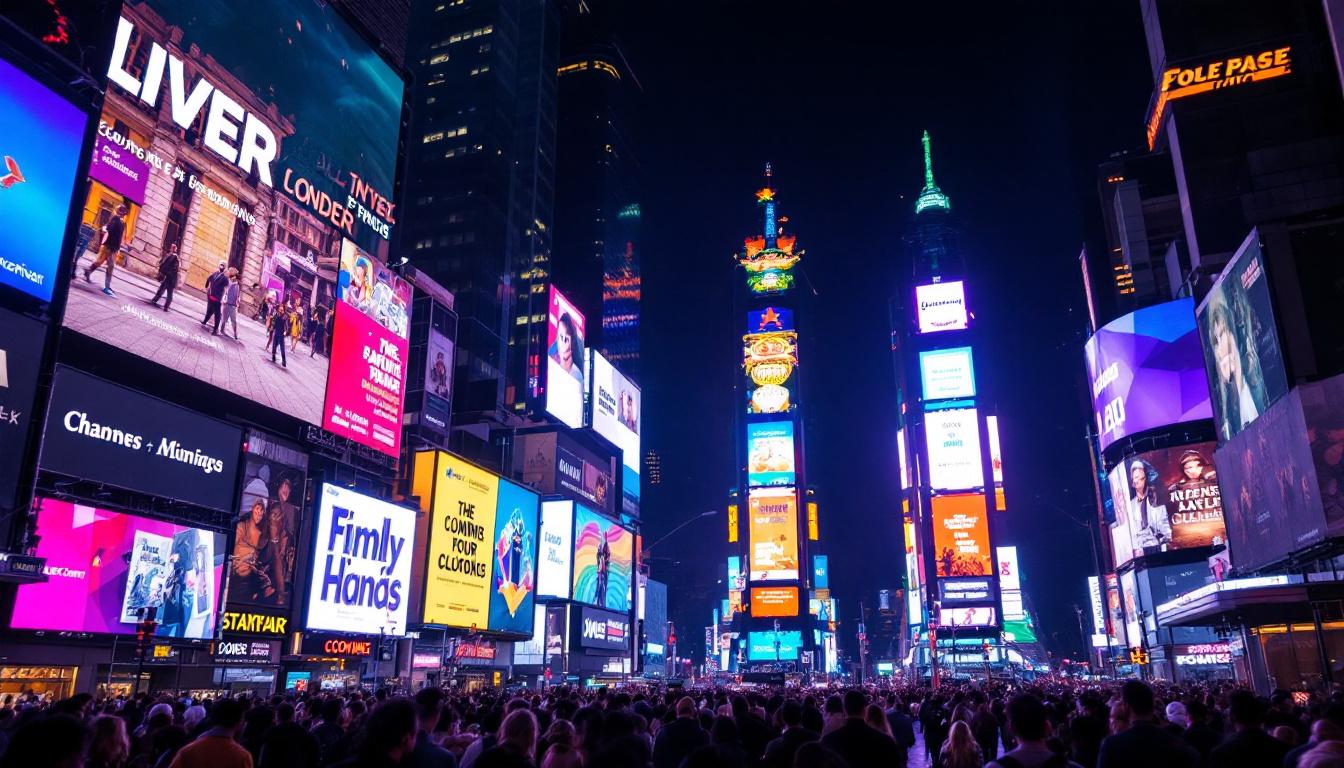
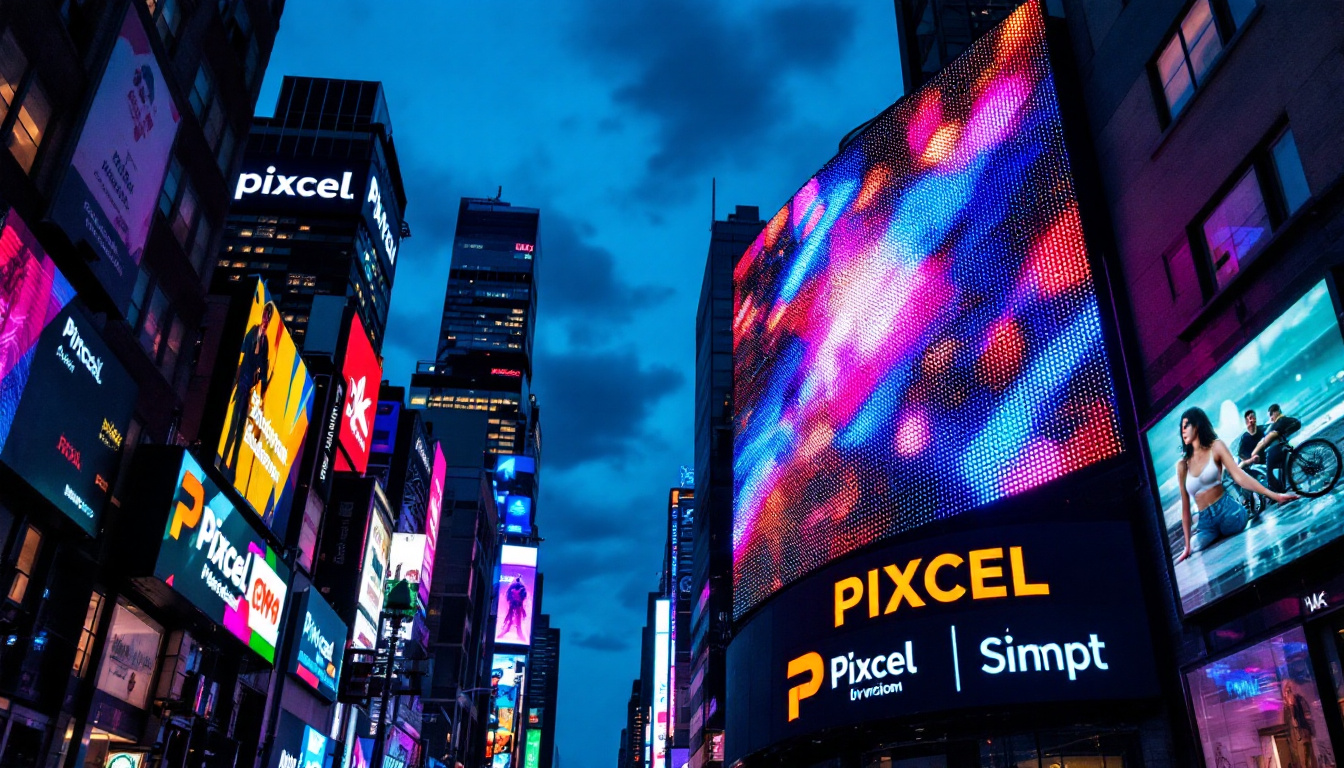
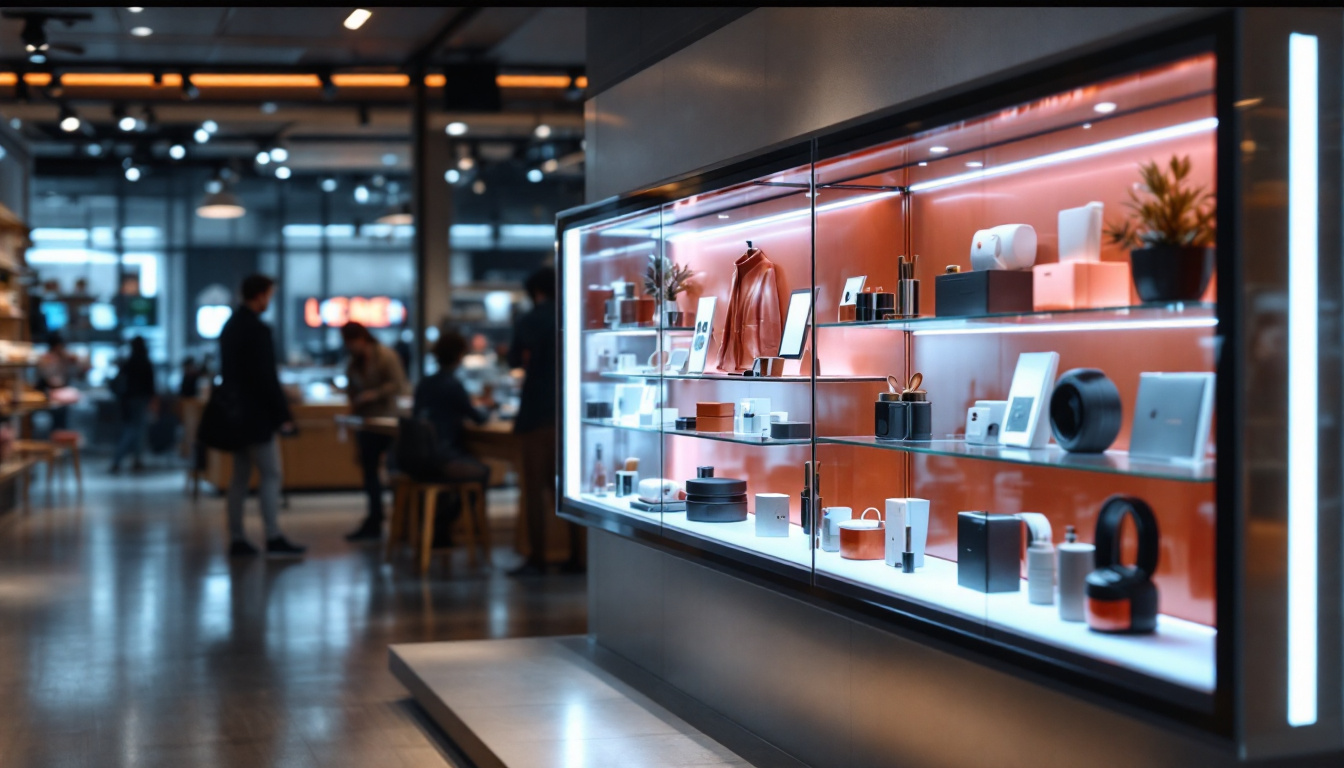
Interactive LED walls have become a staple in advertising and retail environments. Their ability to attract attention with vivid visuals combined with interactive elements increases customer engagement and dwell time. For example, retail stores use interactive walls to showcase product catalogs, allow virtual try-ons, or provide personalized recommendations based on user interaction.
According to recent market analysis, interactive digital signage, including LED walls, has contributed to a 30% increase in customer engagement rates in retail spaces, demonstrating the effectiveness of this technology in driving sales and brand loyalty.
Events and Entertainment
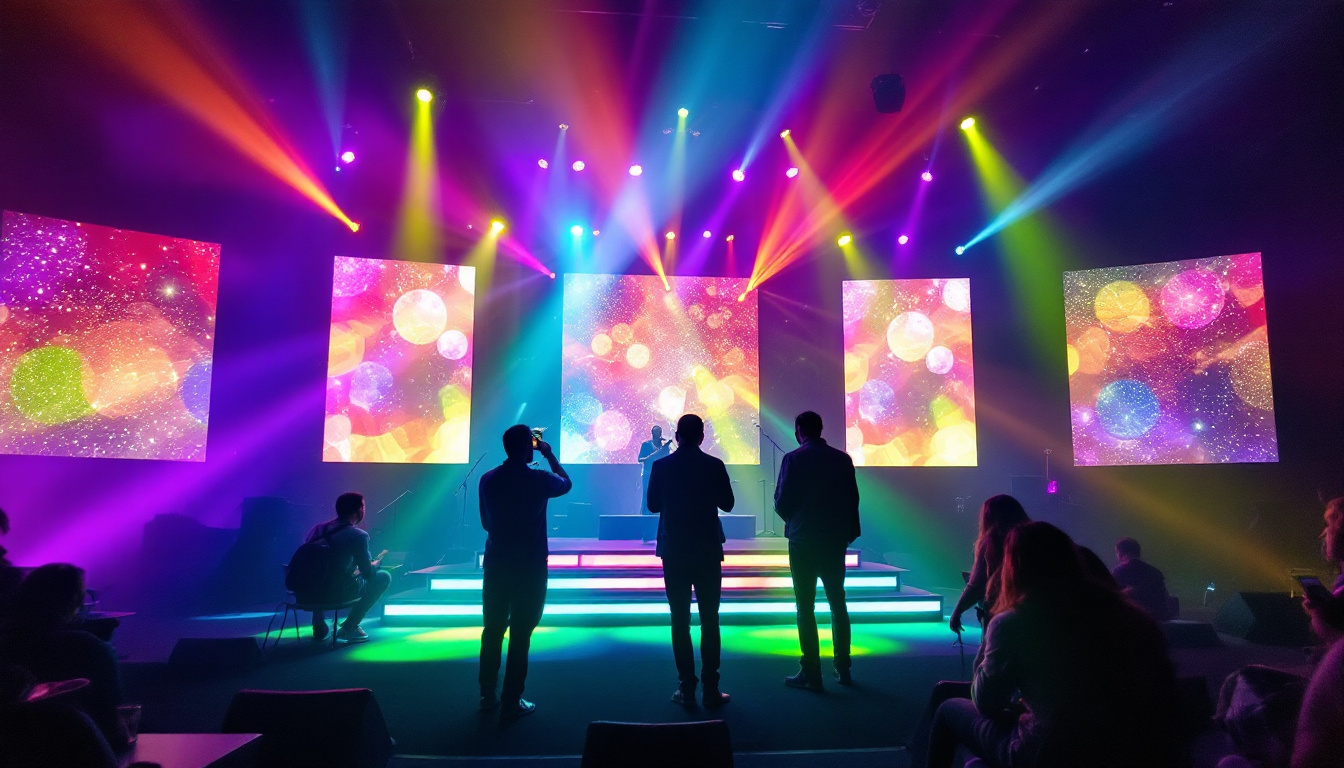
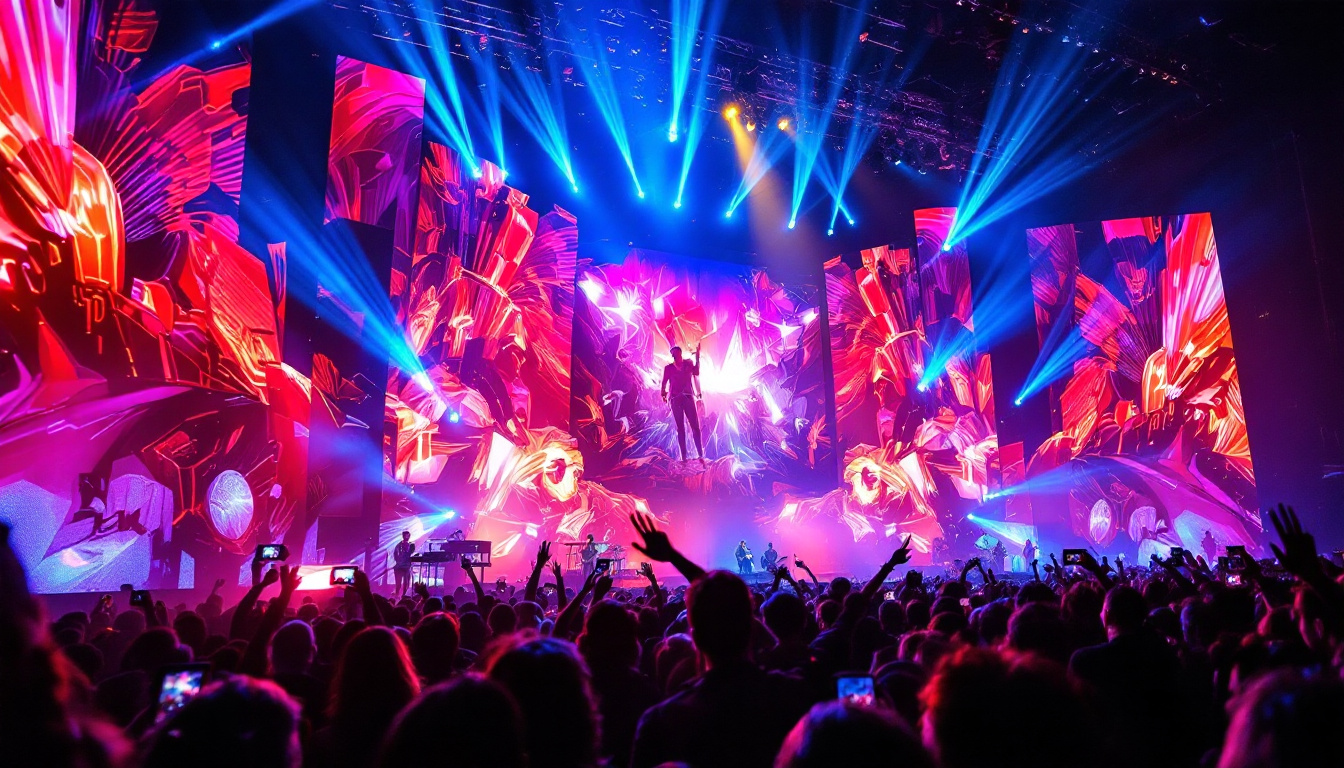
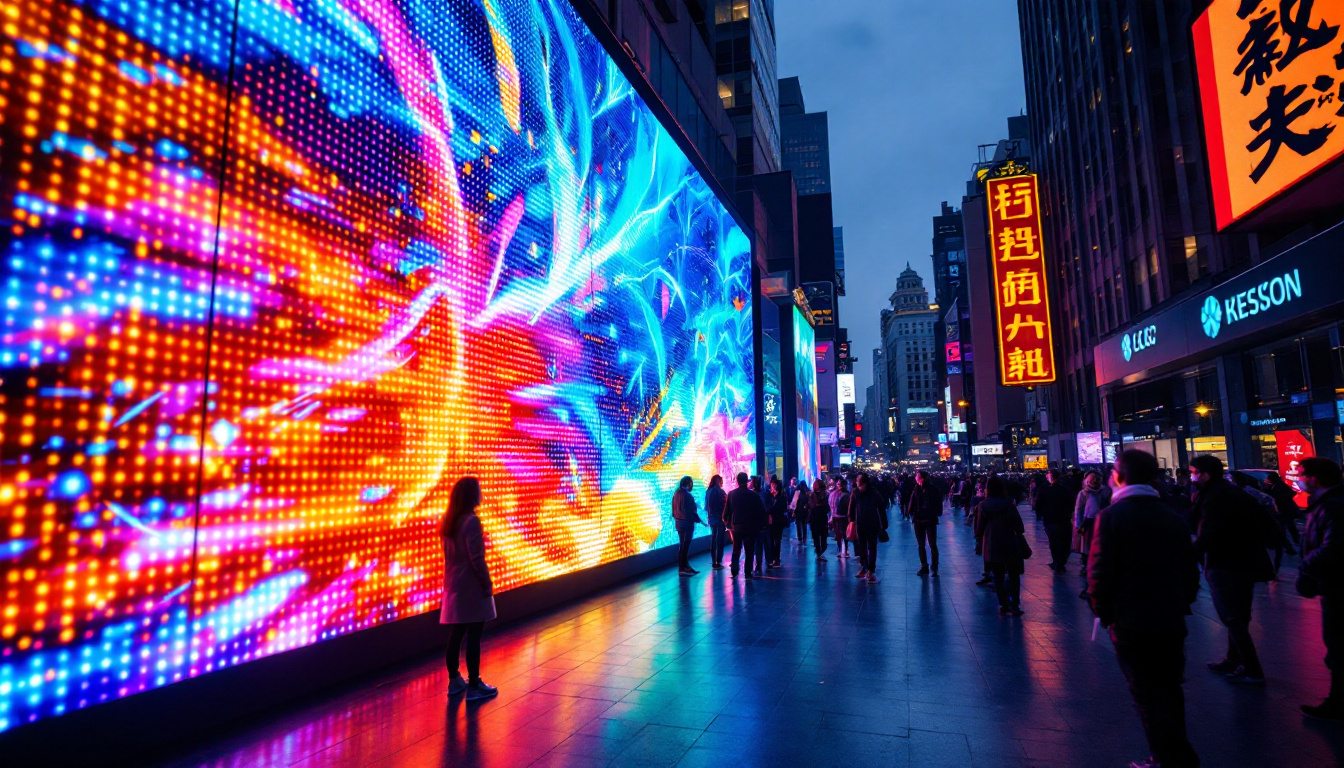
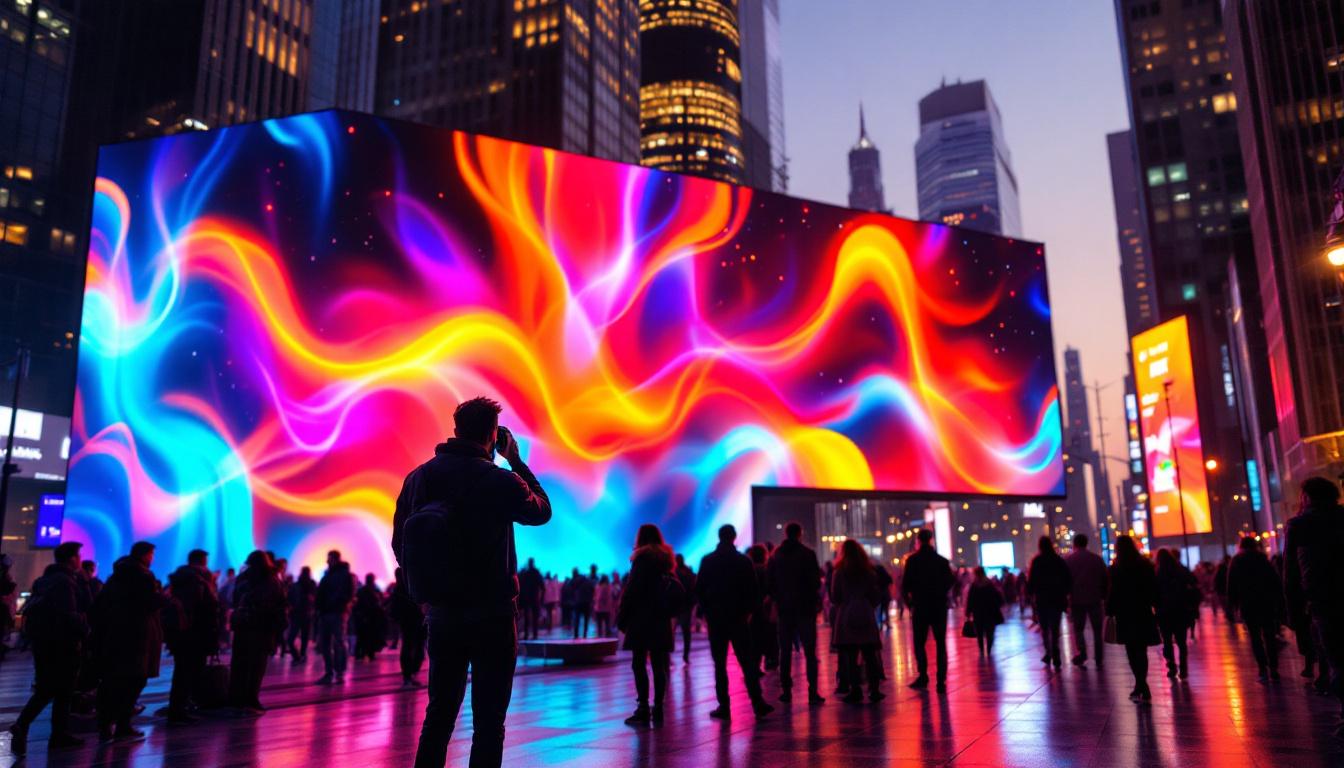
Concerts, festivals, and corporate events leverage interactive LED walls to create immersive environments. These walls can respond to audience movements, display live social media interactions, or integrate with augmented reality (AR) experiences, enhancing the overall event atmosphere.
For instance, interactive LED walls have been used in music festivals to allow attendees to influence visual effects in real time, fostering a sense of community and participation that traditional displays cannot achieve.
Education and Museums
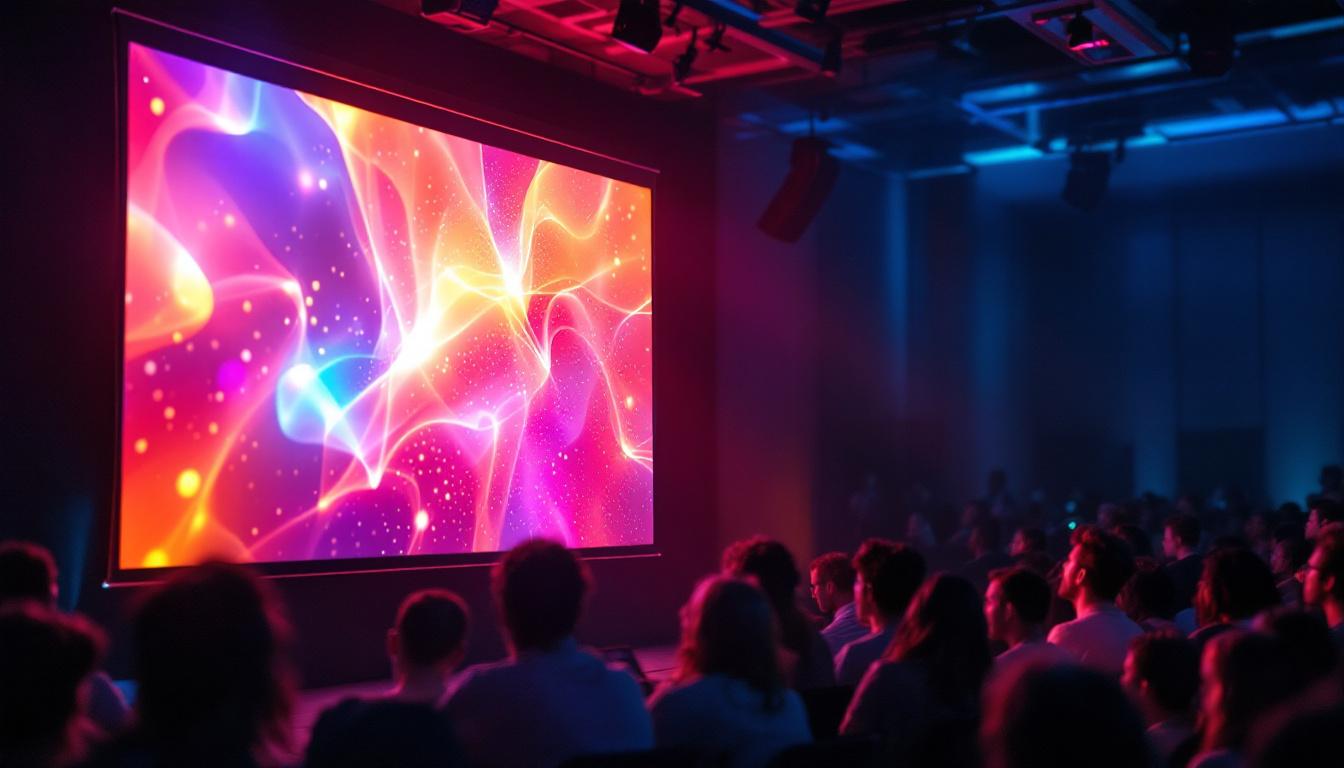
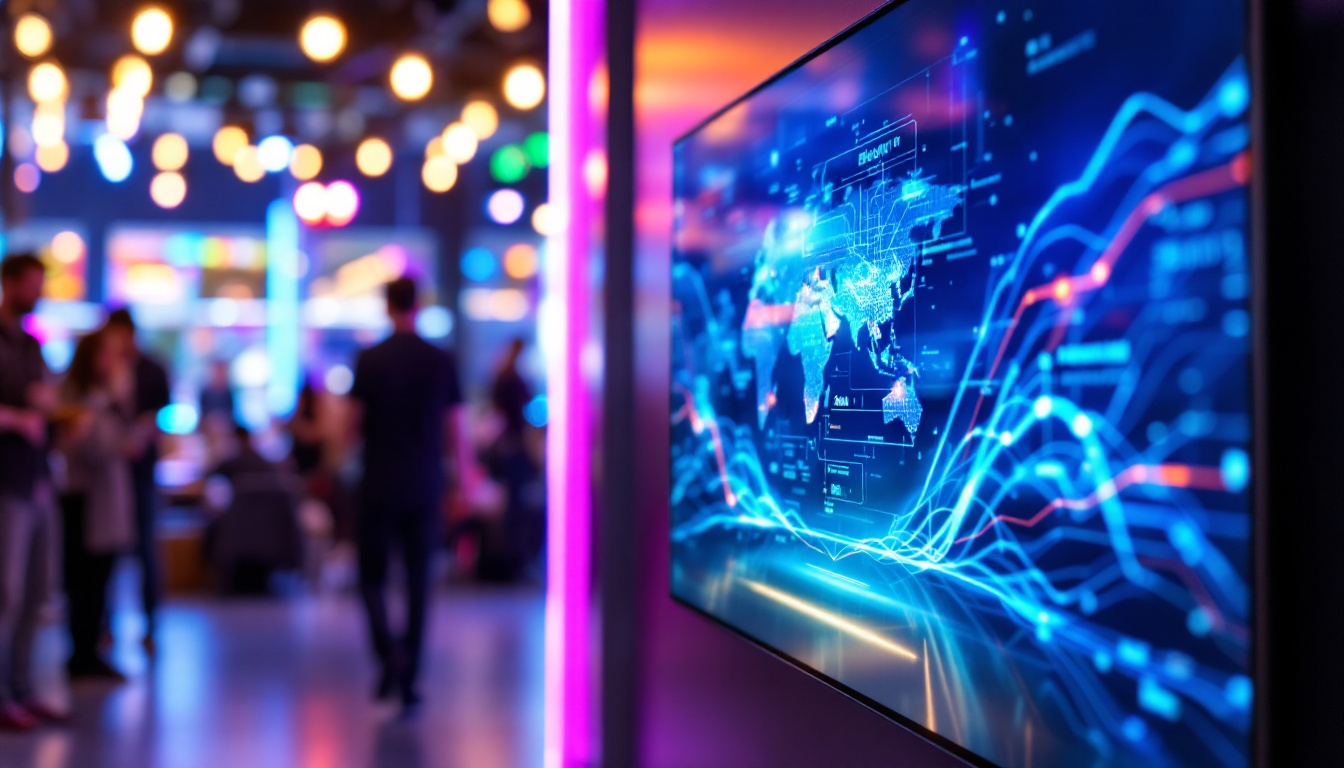
Educational institutions and museums utilize interactive LED walls to create engaging learning experiences. Interactive displays can present complex information in intuitive ways, such as interactive maps, 3D models, or historical timelines that visitors can explore through touch or gestures.
This approach not only improves knowledge retention but also makes learning more accessible and enjoyable for diverse audiences, including children and individuals with disabilities.
Corporate and Public Spaces
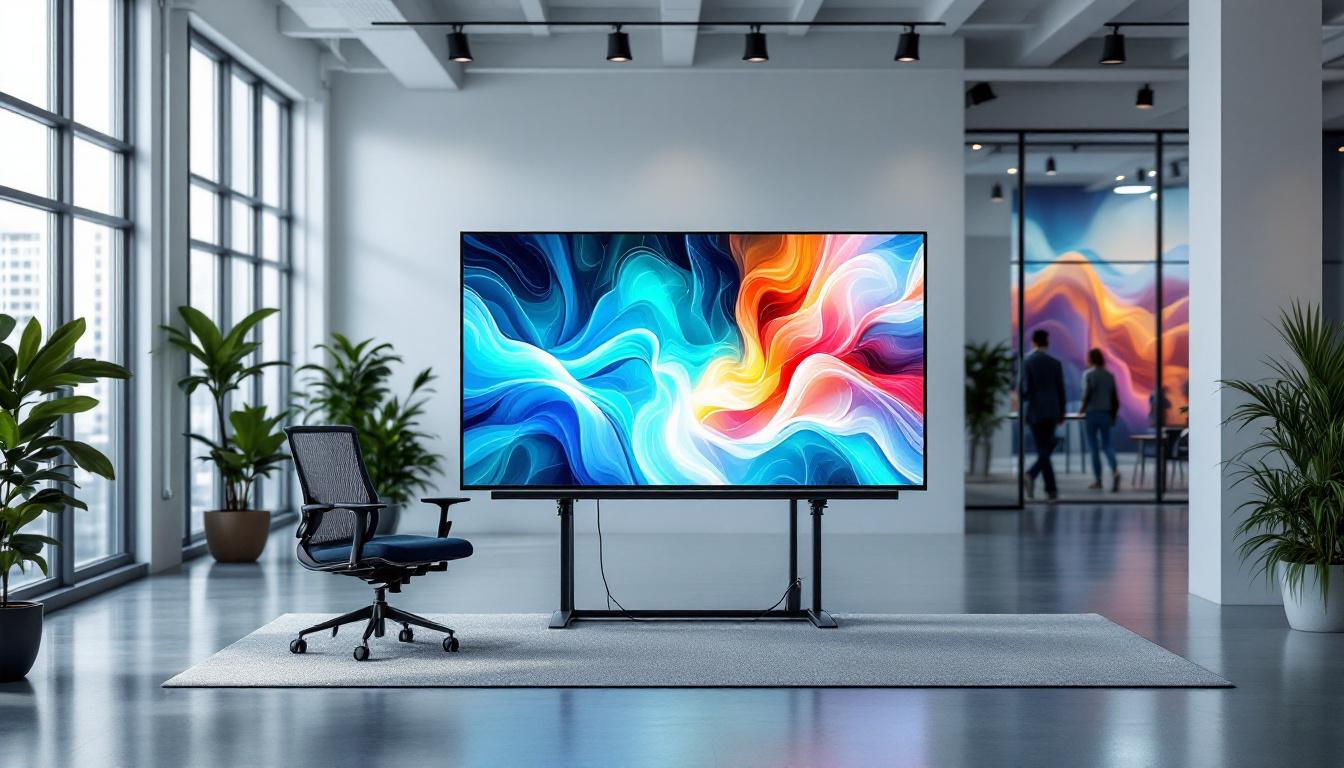
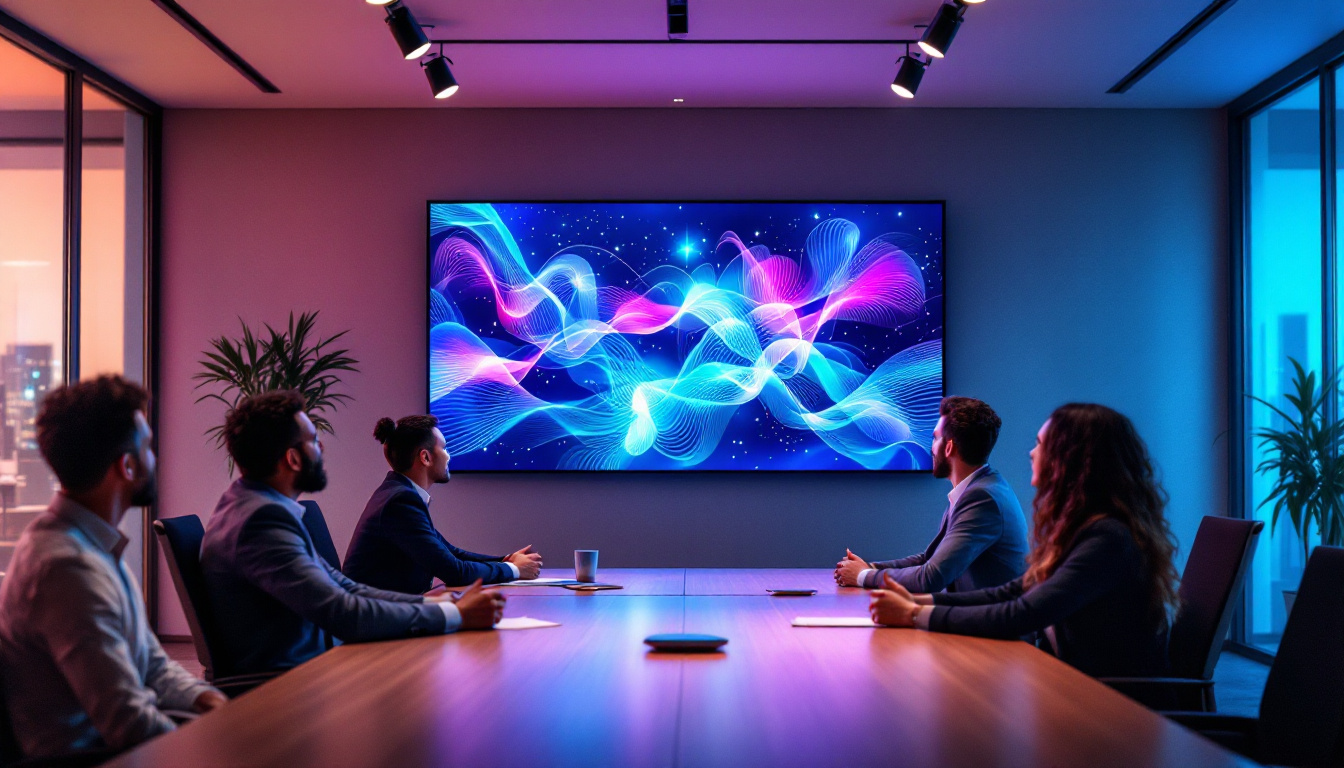
In corporate environments, interactive LED walls serve as dynamic communication tools for presentations, brainstorming sessions, and collaborative work. Public spaces like airports, shopping malls, and transportation hubs use them for wayfinding, real-time information, and interactive advertising.
The ability to update content remotely and in real time makes interactive LED walls invaluable for environments where information needs to be current and engaging.
Benefits of Using Interactive LED Walls
Enhanced Engagement and User Experience
Interactivity transforms passive viewers into active participants, significantly boosting engagement levels. Interactive LED walls provide tactile and visual feedback that captures attention and encourages exploration, making messages more memorable and impactful.
This heightened engagement is particularly valuable in marketing, education, and entertainment, where user involvement directly correlates with effectiveness.
Versatility and Customization
Interactive LED walls can be tailored to fit various sizes, shapes, and environments. Their modular design allows for creative installations, from curved surfaces to multi-screen arrays. Content can be customized and updated instantly, enabling businesses and organizations to adapt quickly to changing needs or campaigns.
Durability and Energy Efficiency
LED technology is known for its longevity and low power consumption compared to traditional display technologies like LCD or projection. Interactive LED walls are built to withstand heavy use and diverse environmental conditions, including outdoor settings with exposure to sunlight and weather.
Energy efficiency not only reduces operational costs but also aligns with sustainability goals increasingly prioritized by organizations worldwide.
Challenges and Considerations
Initial Investment and Maintenance
The upfront cost of interactive LED walls can be significant, especially for high-resolution, large-scale installations. Additionally, maintaining sensor accuracy and display quality requires regular calibration and occasional repairs.
However, the long-term benefits in engagement and flexibility often justify the investment, particularly for businesses and institutions that rely heavily on visual communication.
Technical Complexity
Integrating interactive features requires expertise in hardware, software, and user experience design. Ensuring seamless interaction without latency or errors demands robust systems and skilled operators. Choosing reputable vendors and investing in training can mitigate these challenges.
Content Creation and Management
Effective use of interactive LED walls depends on compelling content tailored to the audience and context. Content creation can be resource-intensive, requiring graphic design, programming, and ongoing updates. Leveraging specialized software and professional services can streamline this process.
Future Trends in Interactive LED Walls
Advancements in Sensor Technology
Emerging sensor technologies, such as LiDAR and advanced computer vision, promise to enhance the precision and range of interactive capabilities. These innovations will enable more natural and intuitive interactions, including multi-user collaboration and adaptive content based on audience behavior.
Integration with Artificial Intelligence
Artificial intelligence (AI) is poised to play a significant role in the evolution of interactive LED walls. AI algorithms can analyze user interactions in real time, personalize content dynamically, and optimize display performance. This will create smarter, more responsive environments that anticipate and cater to user needs.
Expansion of Augmented and Virtual Reality
Combining interactive LED walls with augmented reality (AR) and virtual reality (VR) technologies will unlock new immersive experiences. For example, AR overlays on LED walls can provide contextual information or virtual objects that users can manipulate, blending physical and digital worlds seamlessly.
Increased Adoption in Smart Cities
As urban areas become smarter, interactive LED walls will be integrated into public infrastructure for communication, safety, and entertainment. Smart city initiatives envision LED walls that interact with citizens, provide real-time data, and enhance urban living through connectivity and interactivity.
Conclusion
Interactive LED walls represent a powerful convergence of display technology and user engagement, offering vibrant, dynamic, and immersive experiences across industries. Their ability to transform spaces and captivate audiences makes them invaluable tools for communication, marketing, education, and entertainment.
While initial costs and technical complexities require careful planning, the long-term benefits in engagement, flexibility, and innovation are substantial. As sensor technologies, AI, and AR continue to advance, interactive LED walls will become even more sophisticated, personalized, and integral to the digital environments of the future.
For organizations seeking to elevate their visual communication and create memorable experiences, investing in interactive LED walls is a forward-thinking strategy that aligns with the digital transformation shaping today’s world.
Discover the Future of Visual Engagement with LumenMatrix
Ready to harness the transformative power of interactive LED walls for your business? LumenMatrix is at the forefront of LED display innovation, offering a diverse range of solutions that bring your visual communication to life. From Indoor and Outdoor LED Wall Displays to specialized options like Vehicle, Sports, and Floor LED Displays, our products are designed to captivate and engage. Explore our Custom, All-in-One, and Transparent LED Displays to find the perfect fit for your needs. Elevate your brand’s visibility and create immersive experiences with LumenMatrix. Check out LumenMatrix LED Display Solutions today and step into the future of digital storytelling.