Modern LED monitors have revolutionized the way we interact with digital content, offering vibrant colors, sharp images, and energy efficiency. However, like all electronic devices, they are not immune to issues. One common problem users encounter is the appearance of small horizontal lines on the screen. These lines can be distracting, impact productivity, and sometimes indicate underlying hardware or software issues. This article delves into the causes of these lines, how LED displays function, and practical steps to diagnose and resolve the problem.
Understanding LED Displays: How They Work
LED (Light Emitting Diode) displays are a type of LCD (Liquid Crystal Display) that use LEDs as a backlight source instead of traditional fluorescent lights. This technology enhances brightness, contrast, and energy efficiency. The screen itself is composed of millions of tiny pixels, each controlled by transistors that adjust the light passing through liquid crystals to produce images.
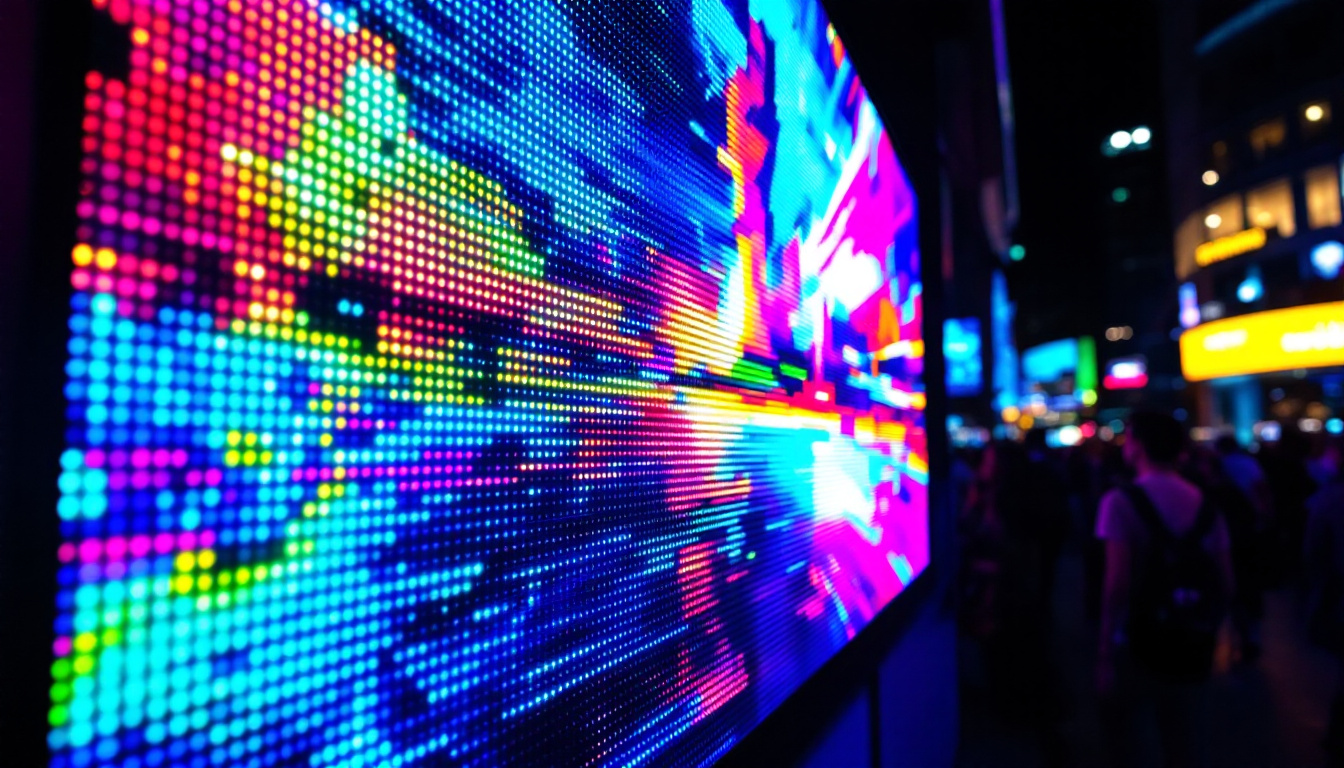
Each pixel is made up of subpixels—red, green, and blue—that combine to create the full spectrum of colors. The precision with which these pixels are controlled determines the image quality. When everything functions correctly, the display produces smooth, seamless visuals. However, when issues arise in the pixel control or backlighting, visual artifacts such as horizontal lines can appear.
Types of LED Displays
There are several types of LED displays, including edge-lit, direct-lit, and full-array LED screens. Edge-lit LED monitors position LEDs along the edges of the screen, using light guides to distribute illumination, while direct-lit and full-array models place LEDs directly behind the screen for more uniform brightness. Each type has its own advantages and potential weaknesses that can influence the likelihood and nature of display issues.
In addition to these basic types, there are also variations such as OLED (Organic Light Emitting Diode) displays, which offer even deeper blacks and more vibrant colors by allowing each pixel to emit its own light. This eliminates the need for a backlight entirely, resulting in thinner screens and improved energy efficiency. Furthermore, advancements in technology have led to the development of Mini-LED and Micro-LED displays, which utilize smaller LED components for increased precision in color and brightness control. These innovations are paving the way for future display technologies that promise to enhance user experience further.
Moreover, the application of LED displays spans a wide range of industries, from consumer electronics like televisions and smartphones to commercial uses such as digital signage and advertising. The versatility of LED technology allows for creative implementations, including curved displays and large-scale video walls that can transform public spaces. As the demand for high-quality visual experiences continues to grow, the evolution of LED display technology remains a key area of focus for manufacturers and developers alike.
Common Causes of Small Horizontal Lines on LED Monitors
Small horizontal lines on an LED monitor can stem from a variety of sources. Identifying the root cause is crucial for effective troubleshooting and repair.
1. Hardware Issues
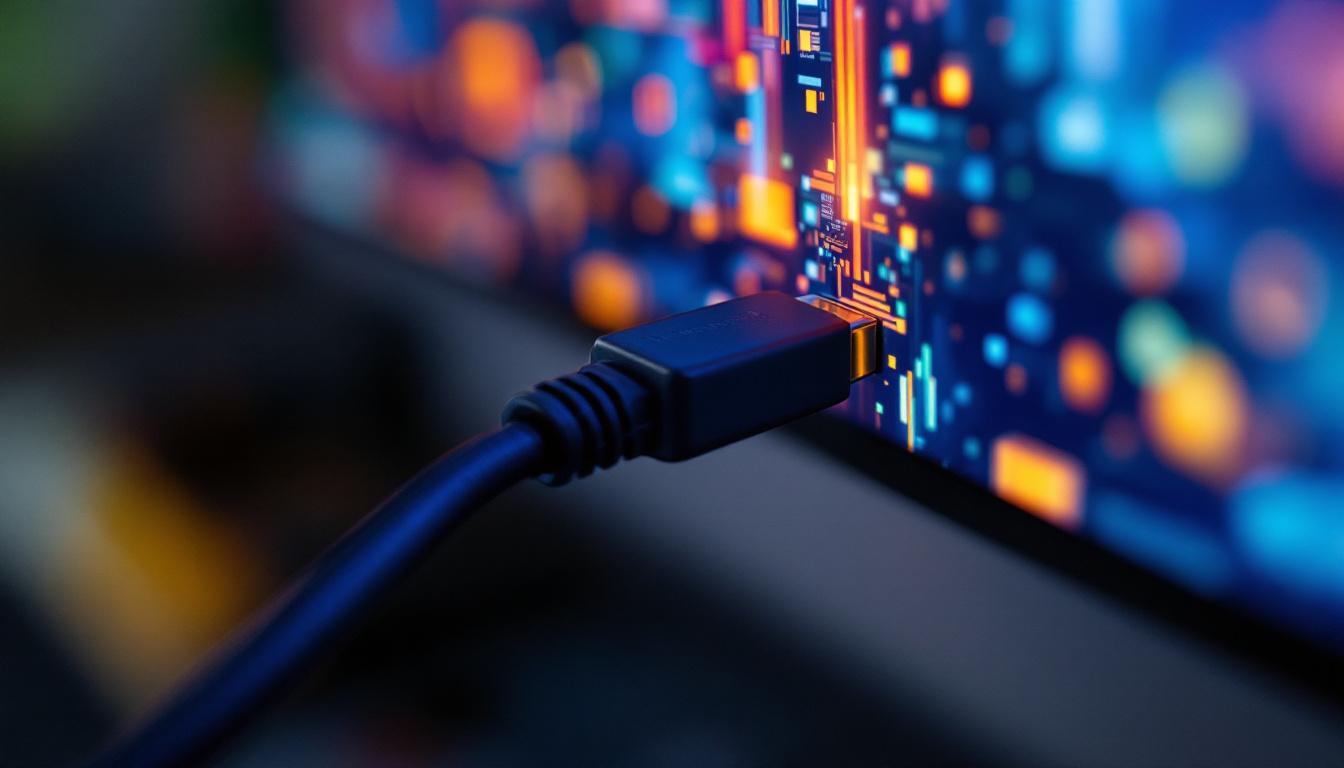
Faulty or Loose Cable Connections: One of the most frequent causes is a loose or damaged video cable. HDMI, DisplayPort, DVI, or VGA cables that are not securely connected or are defective can cause signal interference, resulting in horizontal lines. It’s essential to check both ends of the cable connections, ensuring they are firmly plugged in. Additionally, testing with a different cable can help determine if the issue lies with the cable itself.
Defective Graphics Card: The graphics processing unit (GPU) is responsible for rendering images. A failing or overheating GPU can produce artifacts, including horizontal lines. This is especially common in older or heavily used graphics cards. Regular maintenance, such as cleaning dust from the GPU and ensuring proper ventilation, can help prolong its lifespan and prevent such issues from arising.
Screen Damage or Manufacturing Defects: Physical damage to the screen, such as pressure marks or internal cracks, can manifest as lines. Additionally, some monitors may have manufacturing defects that only become apparent after extended use. It’s advisable to inspect the monitor for any visible signs of damage and to check the warranty status, as many manufacturers offer replacements for defective units.
2. Software and Driver Problems
Outdated or Corrupt Display Drivers: Drivers act as the communication bridge between the operating system and hardware. Corrupt or outdated drivers can cause display anomalies, including horizontal lines. Regularly updating drivers through the manufacturer’s website or using automatic update tools can mitigate this risk. Users should also be cautious when installing beta drivers, as they may introduce new issues.
Incorrect Refresh Rate or Resolution Settings: Setting the monitor to an unsupported refresh rate or resolution can cause visual glitches. Monitors have native resolutions and refresh rates optimized for their hardware. It’s beneficial to familiarize oneself with the specifications of the monitor and adjust settings accordingly through the display settings menu on the operating system. This ensures optimal performance and reduces the likelihood of encountering display problems.
3. Electromagnetic Interference (EMI)
External devices emitting electromagnetic signals, such as speakers, mobile phones, or other electronic equipment placed near the monitor, can interfere with the display signal and cause lines or flickering. To minimize this interference, it’s advisable to maintain a distance between the monitor and such devices. Using shielded cables can also help reduce the impact of EMI, ensuring a clearer signal and a better viewing experience.
In addition to these common causes, it’s worth considering environmental factors that may contribute to display issues. For instance, fluctuating power supply or using a monitor on an unstable surface can lead to inconsistent performance. Utilizing surge protectors and ensuring the monitor is placed on a stable, level surface can help maintain optimal functionality and prevent potential damage from electrical surges or physical instability.
Diagnosing the Problem: Step-by-Step Approach
Before rushing to replace hardware, it’s important to methodically diagnose the issue. This approach saves time and resources, allowing you to pinpoint the exact cause of the problem without unnecessary expenses. A systematic diagnosis not only helps in resolving the current issue but also equips you with knowledge for future troubleshooting.
Step 1: Check Cable Connections and Try Different Ports
Begin by inspecting all cables connected to the monitor. Ensure they are firmly plugged in and free from visible damage. If possible, use a different cable or port to rule out cable-related issues. For example, if using HDMI, try switching to DisplayPort or vice versa. Additionally, consider the quality of the cables; sometimes, lower-quality cables can lead to signal degradation, resulting in display problems. If you have access to a high-quality cable, it might be worth swapping it in to see if it resolves the issue.
Step 2: Test the Monitor with Another Device
Connect the monitor to a different computer or laptop. If the lines persist, the issue likely lies with the monitor itself. If the lines disappear, the problem may be with the original computer’s graphics card or software. Testing with another device not only helps isolate the problem but also provides insight into whether the issue is hardware or software-related. Additionally, if the monitor has built-in diagnostic tools, consider running those to check for any internal faults or errors.
Step 3: Update or Reinstall Graphics Drivers
Visit the graphics card manufacturer’s website to download the latest drivers. Uninstall the current driver and perform a clean installation of the updated version. This often resolves software-related display issues. It’s also beneficial to check for any compatibility notes or known issues associated with the new driver version, as sometimes updates can introduce new problems. If the issue persists after updating, rolling back to a previous driver version may also be a viable option to consider.
Step 4: Adjust Display Settings
Access the display settings on your operating system and ensure the resolution and refresh rate match the monitor’s native specifications. Using incorrect settings can cause horizontal lines or flickering. Additionally, explore advanced settings such as color calibration and scaling options, as these can also impact display quality. Sometimes, simply resetting the display settings to their defaults can resolve conflicts that may have arisen from previous adjustments.
Step 5: Eliminate Electromagnetic Interference
Move any electronic devices away from the monitor and observe if the lines disappear. If they do, repositioning or shielding these devices may be necessary. Common culprits include speakers, routers, and other monitors. It’s also advisable to check the power source; using a surge protector or an uninterruptible power supply (UPS) can help reduce interference from electrical fluctuations. If electromagnetic interference is suspected, consider using ferrite beads or filters on the cables to minimize the impact.
Preventive Measures and Maintenance Tips
Proper care and maintenance can extend the lifespan of an LED monitor and reduce the likelihood of encountering horizontal lines or other display issues.
Use Quality Cables and Connectors
Investing in high-quality, certified cables reduces the risk of signal interference and ensures stable connections. Avoid bending or twisting cables excessively.
Keep the Monitor and Environment Clean
Dust and debris can accumulate in vents and ports, causing overheating or poor connections. Regularly clean the monitor and ensure adequate ventilation.
Update Software Regularly
Keep your operating system and graphics drivers up to date to benefit from performance improvements and bug fixes.
Avoid Physical Damage
Handle the monitor carefully to prevent pressure marks or screen cracks. Use a protective cover if transporting the device.
When to Seek Professional Repair or Replacement
If troubleshooting steps do not resolve the horizontal lines, it may be time to consult a professional technician. Persistent lines caused by internal hardware failure, such as a damaged LCD panel or failing GPU, often require specialized repair or replacement.
For monitors still under warranty, contacting the manufacturer’s support team is advisable. Attempting self-repair can void warranties and potentially cause further damage.
Conclusion
Small horizontal lines on an LED monitor can be a frustrating issue, but understanding the underlying causes and following a systematic troubleshooting approach can often resolve the problem. Whether the issue stems from simple cable connections, software settings, or hardware malfunctions, taking informed steps ensures minimal disruption and preserves the quality of your viewing experience.
As LED technology continues to evolve, users can expect more reliable and durable displays. However, awareness of how these devices function and how to maintain them remains essential for optimal performance.
Explore Cutting-Edge LED Solutions with LumenMatrix
If you’re looking to upgrade your visual experience and eliminate the frustration of horizontal lines on your monitor, LumenMatrix has the innovative solutions you need. As a pioneer in LED display technology, we offer a wide array of products, from Indoor and Outdoor LED Wall Displays to specialized options like Vehicle LED Displays and Custom LED solutions. Our mission is to transform visual communication, ensuring your message is delivered with vibrancy and precision. Don’t let display issues hold you back. Check out LumenMatrix LED Display Solutions today and see the difference quality technology can make.