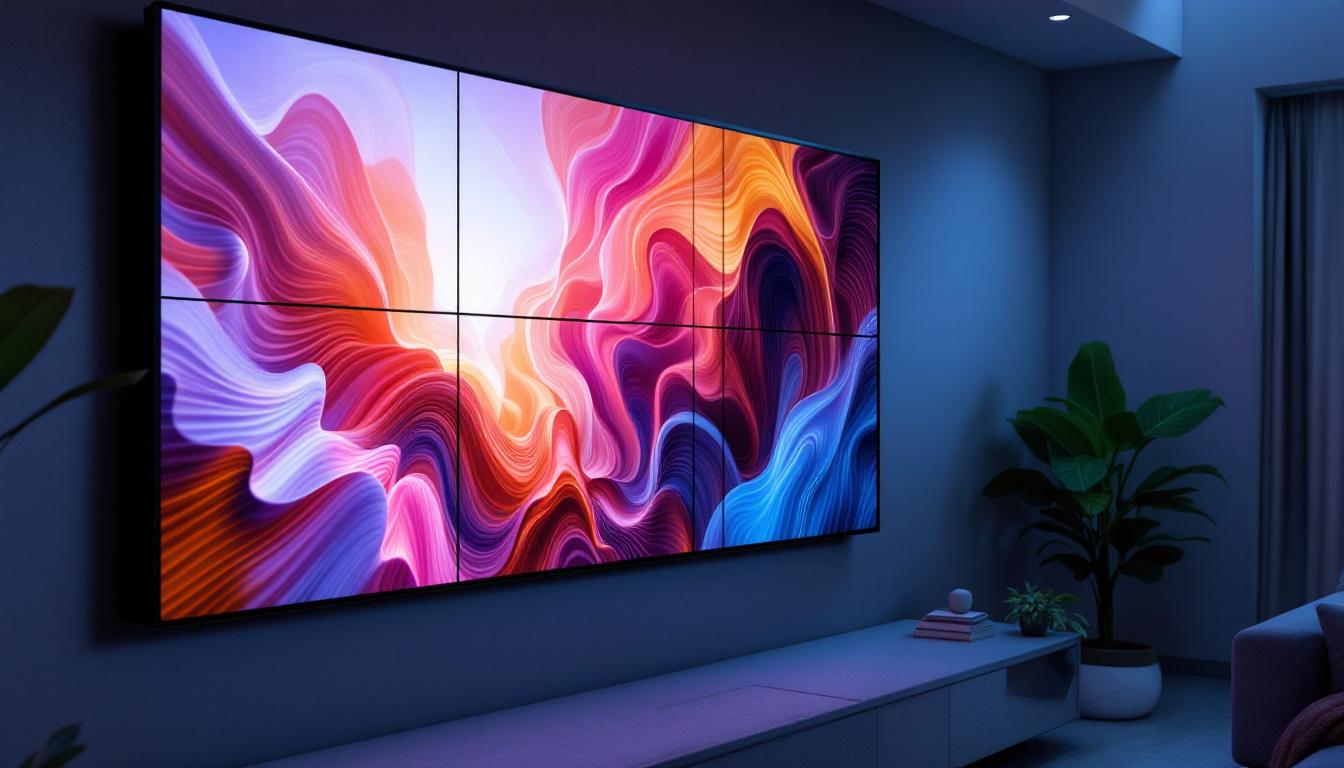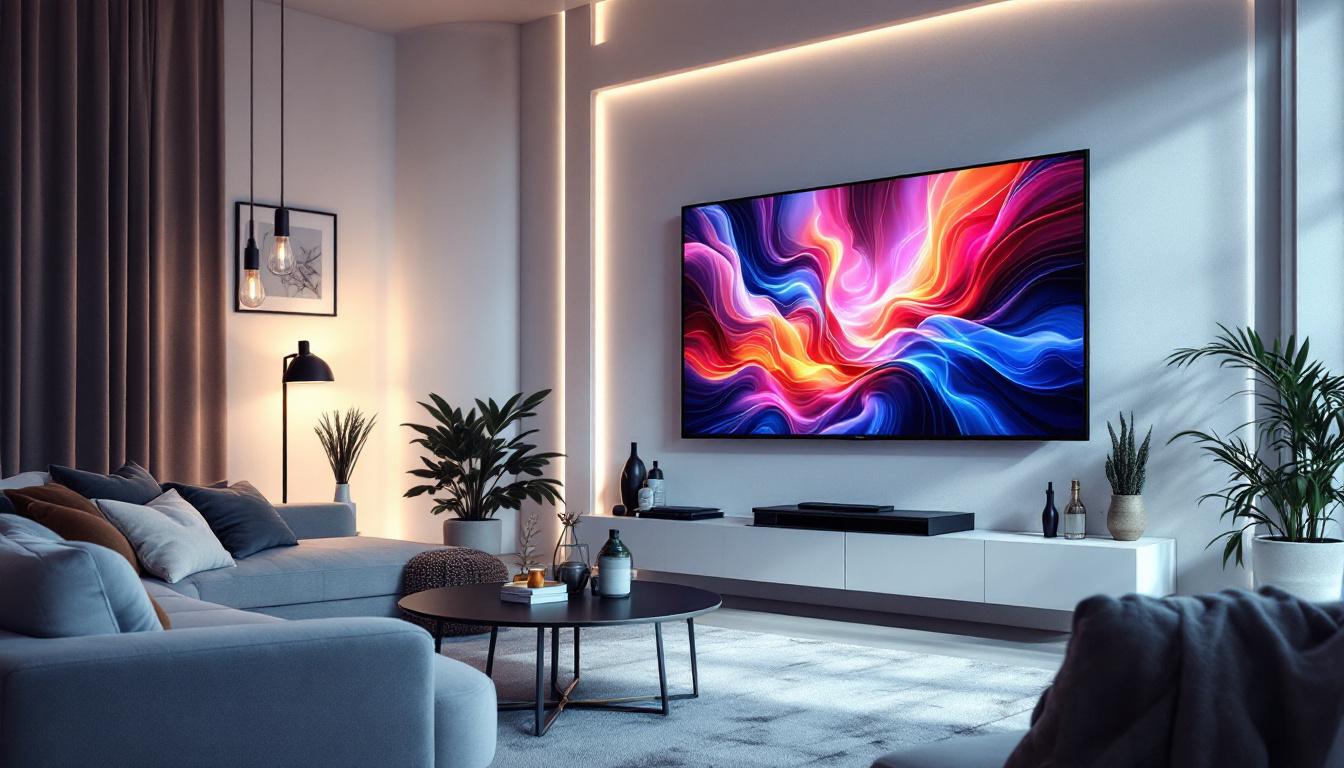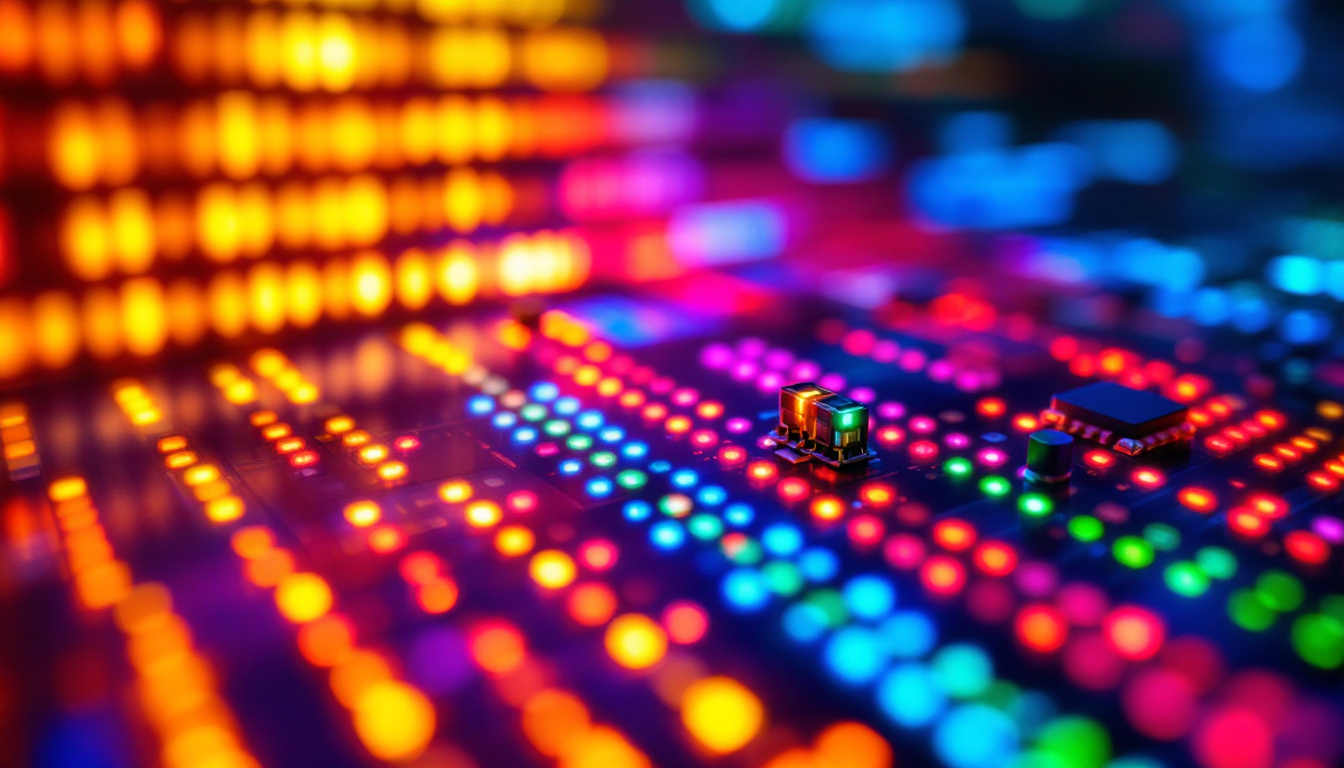
In the rapidly evolving world of digital signage and display technology, understanding the specifications behind LED displays is crucial for making informed decisions. One such specification that often appears in product descriptions is “250 x 1.9.” This seemingly simple notation holds key information about the resolution, pixel density, and overall visual quality of an LED display. This article delves deep into what “250 x 1.9” means, why it matters, and how it impacts the performance and application of LED displays in various industries.
Understanding the Basics of LED Display Specifications
LED displays are composed of thousands, sometimes millions, of tiny light-emitting diodes (LEDs) arranged in a matrix. These LEDs act as pixels that collectively form images, videos, or text. The quality of an LED display depends on several factors including resolution, pixel pitch, brightness, and refresh rate.
The specification “250 x 1.9” typically relates to two critical parameters: the pixel count or resolution (250) and the pixel pitch (1.9 mm). Each of these elements plays a distinct role in defining the clarity, sharpness, and viewing experience of the display.
What Does “250” Represent?
The number “250” in this context most commonly refers to the horizontal pixel count or the total number of pixels along one dimension of the display. It could also denote the number of modules or LED units in a particular configuration, depending on the manufacturer’s terminology. For example, a display described as “250 x 1.9” might have 250 pixels horizontally, which when combined with the vertical pixel count, determines the total resolution.
Resolution directly influences the detail and sharpness of the image. Higher resolution means more pixels per inch, allowing for finer detail and smoother visuals. In commercial LED displays, resolutions vary widely, but 250 pixels horizontally is often found in medium-sized displays designed for close to mid-range viewing distances. This makes them ideal for environments such as retail spaces, conference rooms, and trade shows where clear visibility is crucial for effective communication.
Decoding the “1.9” – Pixel Pitch Explained
The “1.9” in the specification refers to the pixel pitch, measured in millimeters. Pixel pitch is the distance from the center of one LED pixel to the center of the adjacent pixel. A pixel pitch of 1.9 mm means that each pixel is spaced 1.9 millimeters apart.
Pixel pitch is one of the most important factors for determining the viewing distance and image clarity. The smaller the pixel pitch, the closer a viewer can stand to the display without noticing individual pixels, resulting in a clearer and more detailed image. Conversely, larger pixel pitches are suitable for displays meant to be viewed from greater distances. For instance, a display with a pixel pitch of 1.9 mm is optimal for close-range viewing, making it perfect for indoor environments where audiences are typically just a few feet away. This specification allows for vibrant colors and intricate details to be appreciated, enhancing the overall viewer experience.
Moreover, the choice of pixel pitch can significantly impact the overall cost and application of the LED display. Displays with smaller pixel pitches tend to be more expensive due to the higher density of LEDs and the technology involved in producing them. However, they are increasingly sought after in high-end installations, such as broadcast studios and high-profile events, where image quality is paramount. As technology advances, manufacturers continue to innovate, offering even smaller pixel pitches, which further blurs the line between digital and printed images, providing an immersive experience that captivates audiences.
Why Pixel Pitch and Resolution Matter
Choosing the right pixel pitch and resolution is essential for optimizing an LED display’s performance for its intended environment. These parameters affect not only image quality but also cost, power consumption, and installation complexity.
Impact on Viewing Distance and Image Quality
Pixel pitch directly correlates with the optimal viewing distance. For a 1.9 mm pixel pitch, the ideal viewing distance ranges from approximately 2 to 4 meters (6.5 to 13 feet). At this range, the human eye perceives a smooth, high-definition image without visible pixelation.
For example, a retail store using a 250 x 1.9 LED display can place it in areas where customers are close enough to appreciate the fine detail, such as near product displays or checkout counters. This level of clarity enhances customer engagement and can effectively communicate promotional messages. Additionally, in environments like museums or galleries, where viewers may linger to absorb information, the sharpness provided by a lower pixel pitch ensures that even the smallest details are visible, enriching the overall experience.
Resolution’s Role in Content Flexibility
A resolution of 250 pixels horizontally allows for a variety of content types, including high-definition video, detailed graphics, and crisp text. This flexibility is particularly important in advertising, broadcasting, and event production, where content quality directly impacts audience perception and engagement.
Moreover, higher resolution displays can support more complex and dynamic content, including animations and interactive elements. This capability is increasingly important as digital signage moves beyond static images to immersive experiences. For instance, in live events, a high-resolution display can seamlessly integrate real-time graphics with video feeds, creating a captivating atmosphere that draws in attendees. Furthermore, the ability to adapt content for various formats—such as landscape or portrait orientation—ensures that brands can maintain visual consistency across different platforms and environments, maximizing their reach and impact.
Applications of 250 x 1.9 LED Displays
The combination of 250 horizontal pixels and a 1.9 mm pixel pitch positions this type of LED display for specific use cases where high resolution and close viewing distances are required.
Retail and Commercial Spaces
Retail environments benefit significantly from high-resolution LED displays with small pixel pitches. The 250 x 1.9 specification allows retailers to showcase products, promotions, and branding with vivid colors and sharp details. These displays can be integrated into storefront windows, in-store walls, or point-of-sale areas to attract and inform customers effectively.
According to recent market research, digital signage in retail has been shown to increase sales by up to 30% when implemented strategically, highlighting the value of investing in quality LED displays.
Corporate and Conference Settings
In corporate environments, LED displays with a 1.9 mm pixel pitch are ideal for conference rooms, auditoriums, and lobbies. The high resolution ensures that presentations, video conferences, and branding materials are clear and professional, enhancing communication and corporate image.
Furthermore, the relatively compact pixel pitch allows these displays to be used in smaller rooms without sacrificing image quality, which is a common limitation with larger pixel pitch screens.
Broadcast and Control Rooms
Broadcast studios and control rooms demand precise, high-resolution displays to monitor multiple video feeds and data streams simultaneously. The 250 x 1.9 LED display configuration provides the clarity needed for critical decision-making environments, where every detail counts.
These displays support real-time video playback and data visualization, ensuring operators can maintain situational awareness and respond quickly.
Technical Considerations for Choosing a 250 x 1.9 LED Display
While the pixel count and pitch are fundamental, other technical factors must be considered to ensure the LED display meets specific needs.
Brightness and Contrast Ratios
Brightness, measured in nits, determines how well the display performs in various lighting conditions. A 250 x 1.9 LED display typically offers brightness levels ranging from 800 to 1500 nits, making it suitable for indoor environments with controlled lighting.
Contrast ratio impacts the depth and vibrancy of the displayed content. High contrast ratios enhance the viewing experience by producing more vivid images, especially in darker scenes.
Refresh Rate and Color Accuracy
Refresh rate, often measured in Hertz (Hz), affects the smoothness of motion on the screen. For LED displays used in video and dynamic content, a refresh rate of at least 1920 Hz is recommended to avoid flickering and ensure smooth playback.
Color accuracy is critical for brand consistency and visual appeal. Advanced LED displays with 250 x 1.9 specifications often incorporate calibration technology to maintain color fidelity over time.
Installation and Maintenance
LED displays with a 1.9 mm pixel pitch require precise installation to maintain uniformity and prevent visual artifacts. Modular designs facilitate easier installation and maintenance, allowing for quick replacement of faulty modules without disrupting the entire display.
Maintenance considerations include accessibility, ventilation, and power consumption. Efficient designs minimize operational costs and extend the lifespan of the display.
Future Trends in LED Display Technology
The LED display industry is continuously advancing, with trends that promise even better performance and versatility beyond the current 250 x 1.9 configurations.
Increasing Pixel Density and Resolution
Manufacturers are pushing pixel pitches below 1 mm, enabling ultra-high-definition displays for applications such as virtual reality, medical imaging, and fine art exhibitions. While 1.9 mm pixel pitch remains popular for many commercial uses, the trend toward higher pixel density will expand the possibilities for LED displays.
Integration with Smart Technologies
Smart LED displays equipped with sensors, AI-driven content management, and interactive capabilities are becoming more common. These technologies allow displays to adapt content dynamically based on audience demographics, environmental conditions, and real-time data.
Sustainability and Energy Efficiency
Energy-efficient LEDs and eco-friendly manufacturing processes are gaining importance as businesses seek to reduce their carbon footprint. Advances in power management and materials are making LED displays more sustainable without compromising performance.
Conclusion
The “250 x 1.9” specification on an LED display encapsulates critical information about pixel count and pixel pitch, two factors that fundamentally influence image quality, viewing distance, and application suitability. Understanding these parameters helps businesses and consumers select the right display for their needs, whether for retail advertising, corporate communication, or broadcast monitoring.
As LED technology continues to evolve, staying informed about specifications like “250 x 1.9” ensures that users can leverage the latest advancements to create impactful visual experiences. By balancing resolution, pixel pitch, and other technical factors, LED displays can deliver stunning, high-definition content tailored to diverse environments and audiences.
Discover LumenMatrix’s Advanced LED Display Solutions
Ready to elevate your visual experience with the precision and clarity of high-definition LED displays? Explore LumenMatrix’s comprehensive range of innovative LED display solutions, including Indoor and Outdoor LED Wall Displays, Vehicle LED Displays, LED Poster Displays, LED Sports Displays, Floor LED Displays, Custom LED Displays, All-in-One LED Displays, and LED Transparent Displays. Embrace the future of digital signage with LumenMatrix and transform your space into a dynamic environment that captivates and engages. Check out LumenMatrix LED Display Solutions today and see your vision come to life in stunning detail.