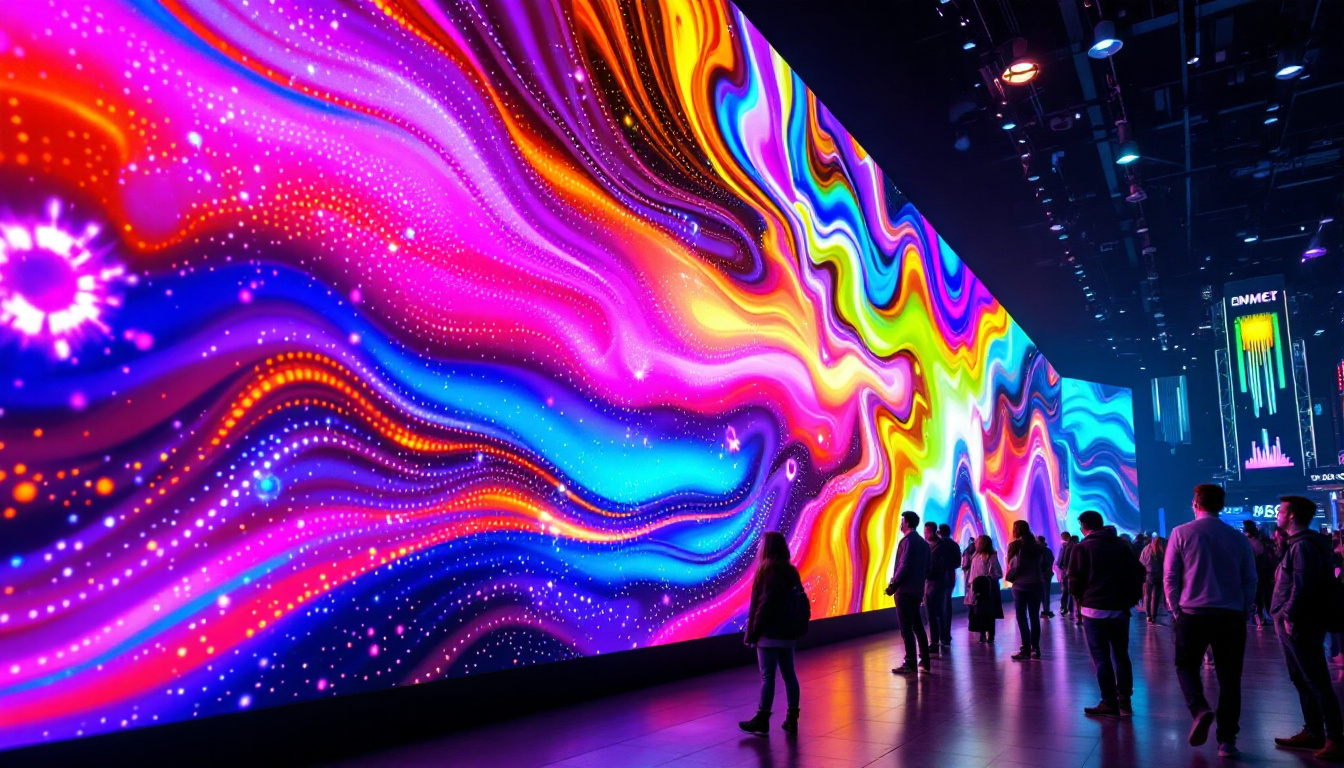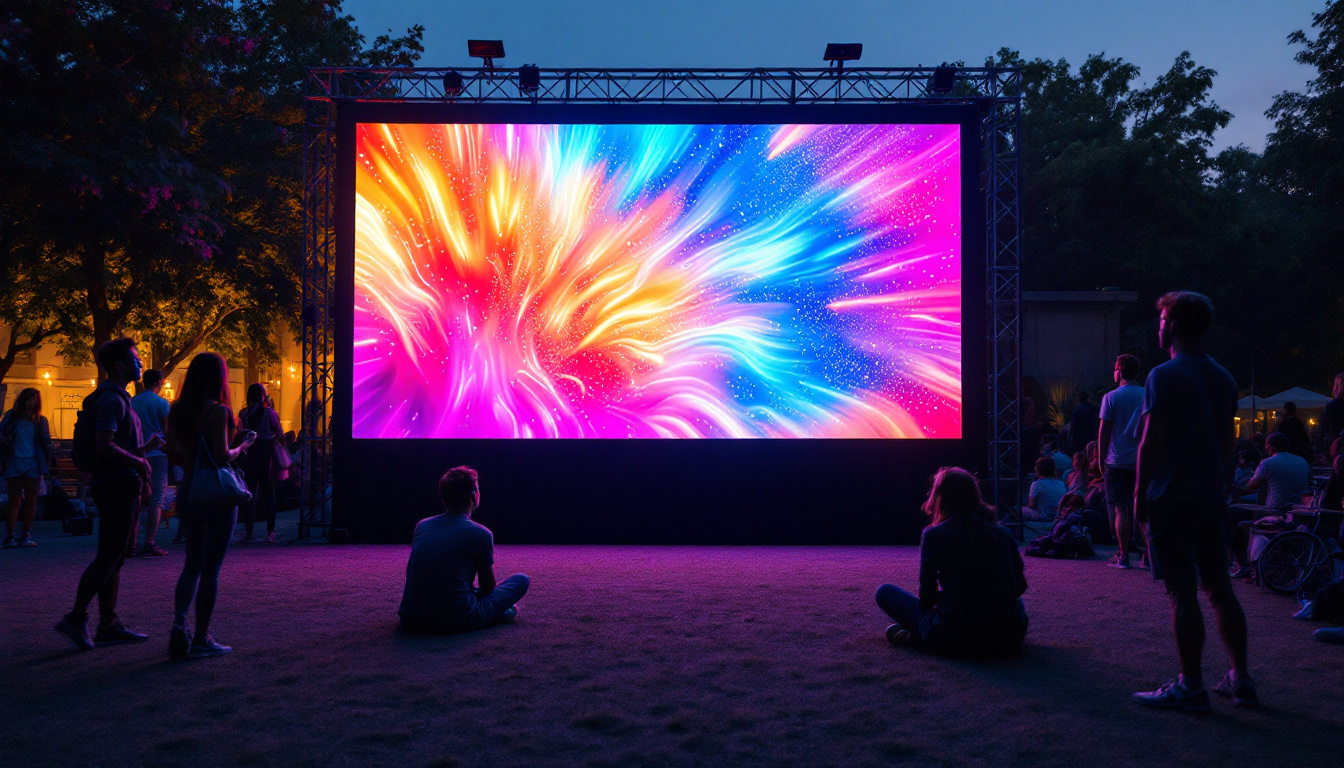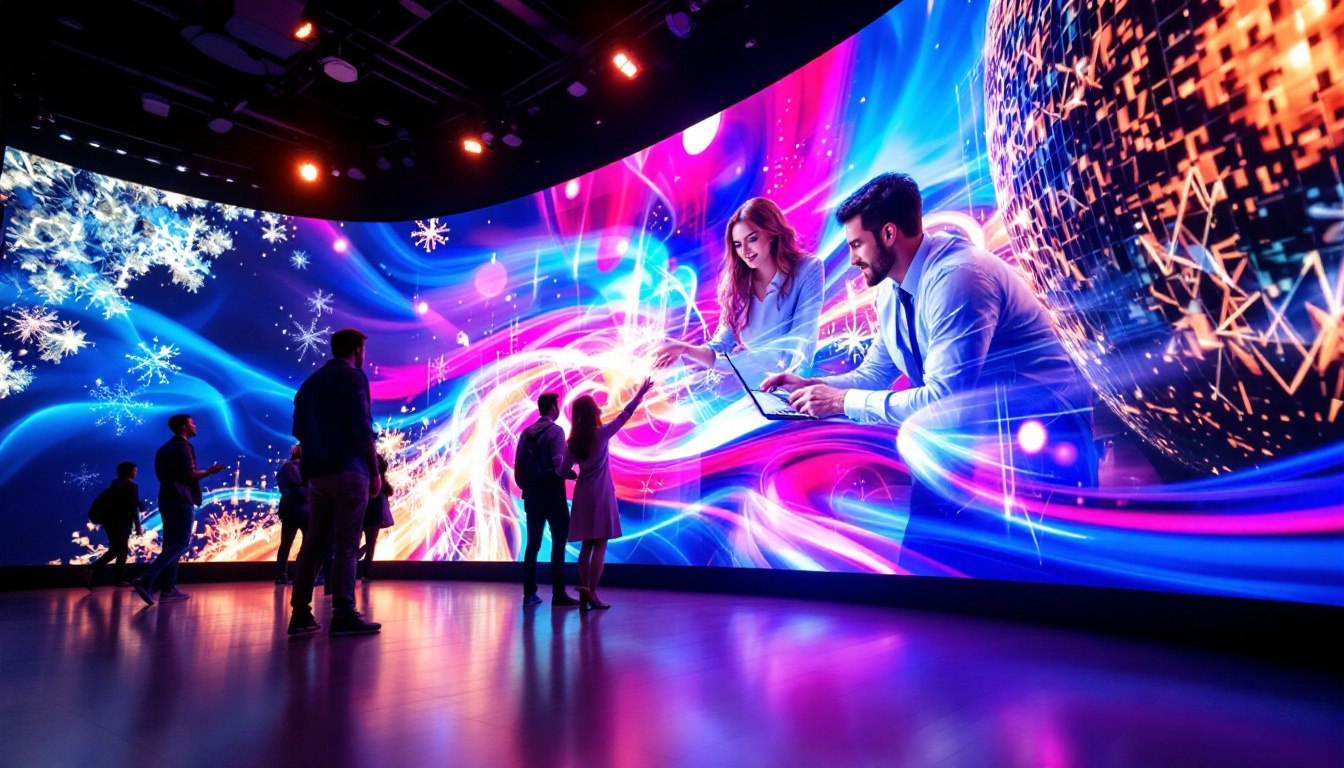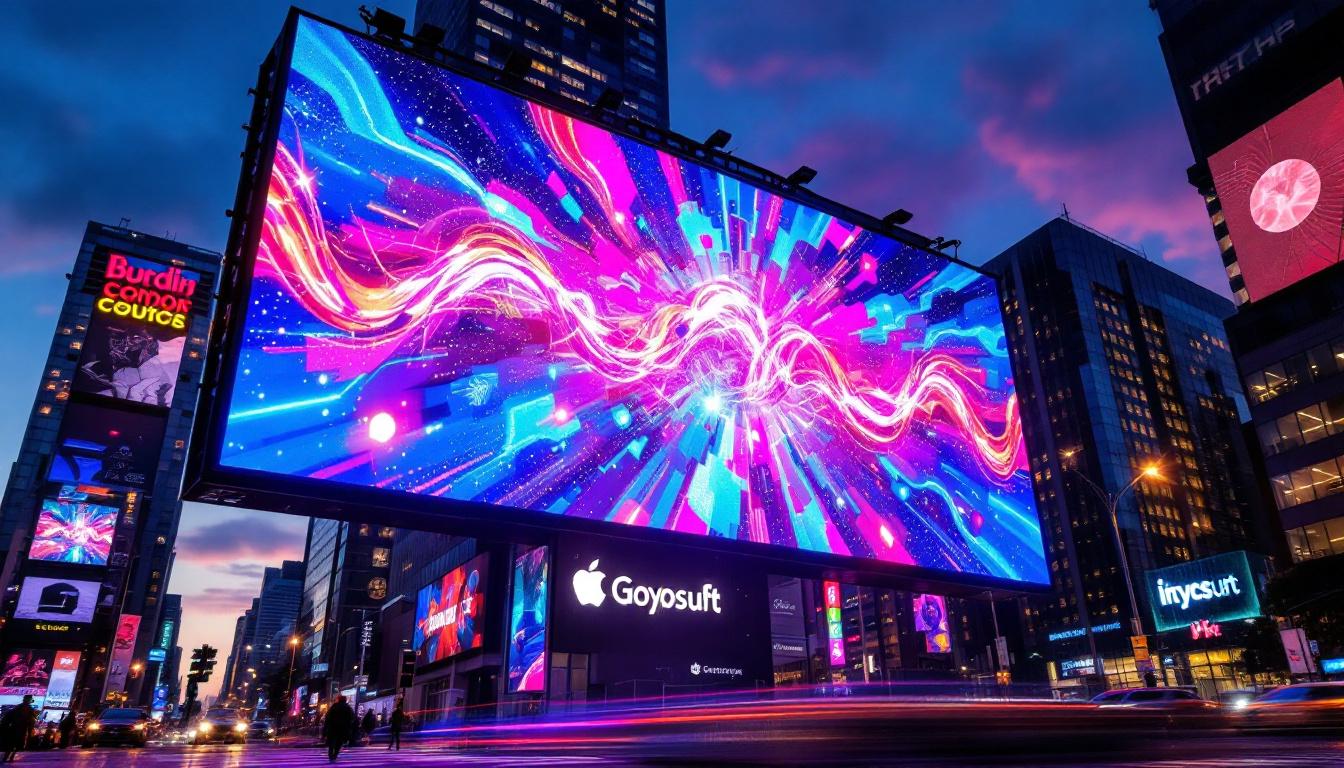
In the world of digital signage and large-scale visual communication, LED displays have become the cornerstone technology. Among the many specifications and terminologies that define these displays, the term “2595 x 2” often surfaces, especially in technical discussions and product descriptions. But what does “2595 x 2” actually mean, and why is it significant? This article delves into the details of LED displays, focusing on the meaning behind “2595 x 2,” the technology involved, and its practical implications for businesses and industries relying on high-quality digital screens.
Understanding LED Display Technology
LED, or Light Emitting Diode, displays are composed of numerous tiny LEDs that emit light when an electric current passes through them. These LEDs are arranged in a matrix to form pixels, which collectively create images, videos, and dynamic content. Unlike traditional LCD screens, LED displays offer superior brightness, contrast, and energy efficiency, making them ideal for both indoor and outdoor applications. The technology has evolved significantly over the years, leading to the development of various types of LED displays, including OLED (Organic LED) and Mini LED, each with unique characteristics and advantages.
The resolution of an LED display is a critical factor that determines the clarity and detail of the visual content. It is typically described by the number of pixels horizontally and vertically. For example, a display with a resolution of 1920 x 1080 has 1920 pixels across and 1080 pixels down. This pixel count directly impacts the sharpness of the image and the viewing distance required for optimal perception. Higher resolutions, such as 4K (3840 x 2160), are becoming increasingly popular as they allow for more intricate details and a more lifelike viewing experience, particularly in applications like gaming and high-definition video streaming.
What Does “2595 x 2” Mean?
The notation “2595 x 2” in the context of LED displays usually refers to the horizontal pixel count doubled, implying a total horizontal resolution of 5190 pixels (2595 multiplied by 2). This could indicate a display configuration where two panels or modules, each with 2595 pixels horizontally, are combined side-by-side to create a wider screen. Such configurations are particularly beneficial in environments where large audiences need to view content from various angles and distances, ensuring that everyone has a clear and vibrant view.
This setup is common in large-format LED displays used for billboards, stadium screens, and event backdrops, where expansive visual real estate is necessary. By doubling the horizontal pixel count, the display can present more detailed and expansive content, enhancing viewer engagement and delivering a more immersive experience. Additionally, the modular nature of these displays allows for flexibility in design and scalability; they can be customized to fit specific spaces or requirements, whether it’s a massive outdoor advertising board or a sleek indoor exhibition screen. The versatility of LED technology continues to drive innovation in the field, leading to new applications in art installations, corporate branding, and live event production.
Technical Implications of a 2595 x 2 LED Display
When two LED panels each with 2595 horizontal pixels are combined, several technical considerations come into play. These include resolution management, synchronization, power consumption, and physical installation challenges.
Resolution and Image Quality
Doubling the horizontal pixels increases the total pixel count dramatically, which enhances image resolution and detail. For example, if each panel has a vertical resolution of 1080 pixels, the combined resolution would be 5190 x 1080 pixels. This allows for displaying ultra-high-definition content that can be viewed clearly even from considerable distances.
However, maintaining uniform brightness and color consistency across both panels is crucial. Manufacturers employ advanced calibration techniques to ensure seamless image quality, avoiding visible seams or color mismatches that could detract from the viewing experience.
Synchronization and Control Systems
To operate two panels as a single display, sophisticated control systems are required. These systems synchronize the image data sent to each panel, ensuring that the content aligns perfectly across the entire width. This synchronization is vital for video playback, animations, and dynamic content where timing discrepancies could cause visual artifacts.
Modern LED controllers support multi-panel configurations, offering features like pixel mapping, refresh rate adjustment, and real-time diagnostics. These capabilities help maintain smooth and consistent performance, even in complex display setups.
Power Consumption and Heat Management
Doubling the number of pixels also means increased power consumption. LED displays are energy-efficient compared to other technologies, but larger configurations require careful power management to avoid excessive energy costs and overheating.
Effective heat dissipation mechanisms, such as built-in fans, heat sinks, and optimized circuit layouts, are essential to maintain operational stability and prolong the lifespan of the display components. Energy-efficient power supplies and smart brightness controls further help in managing power usage.
Installation and Maintenance Considerations
Physically installing a 2595 x 2 LED display involves precise alignment and robust mounting solutions. The panels must be securely fixed to prevent movement or misalignment over time, which could impact image quality.
Maintenance access is also a key factor. Modular designs allow technicians to replace or repair individual panels without dismantling the entire display, minimizing downtime and maintenance costs.
Applications of 2595 x 2 LED Displays
The unique characteristics of a 2595 x 2 LED display make it suitable for a range of applications where large, high-resolution digital signage is required.
Outdoor Advertising and Billboards
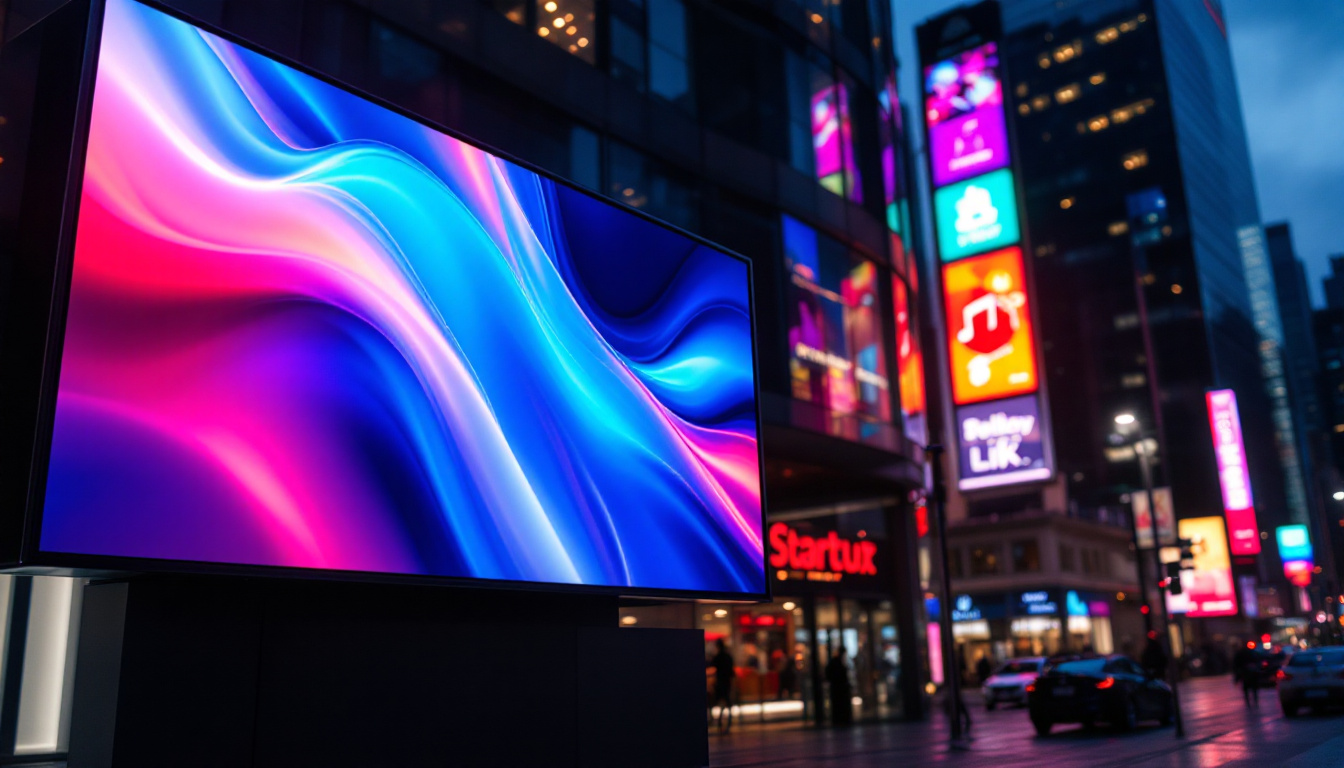
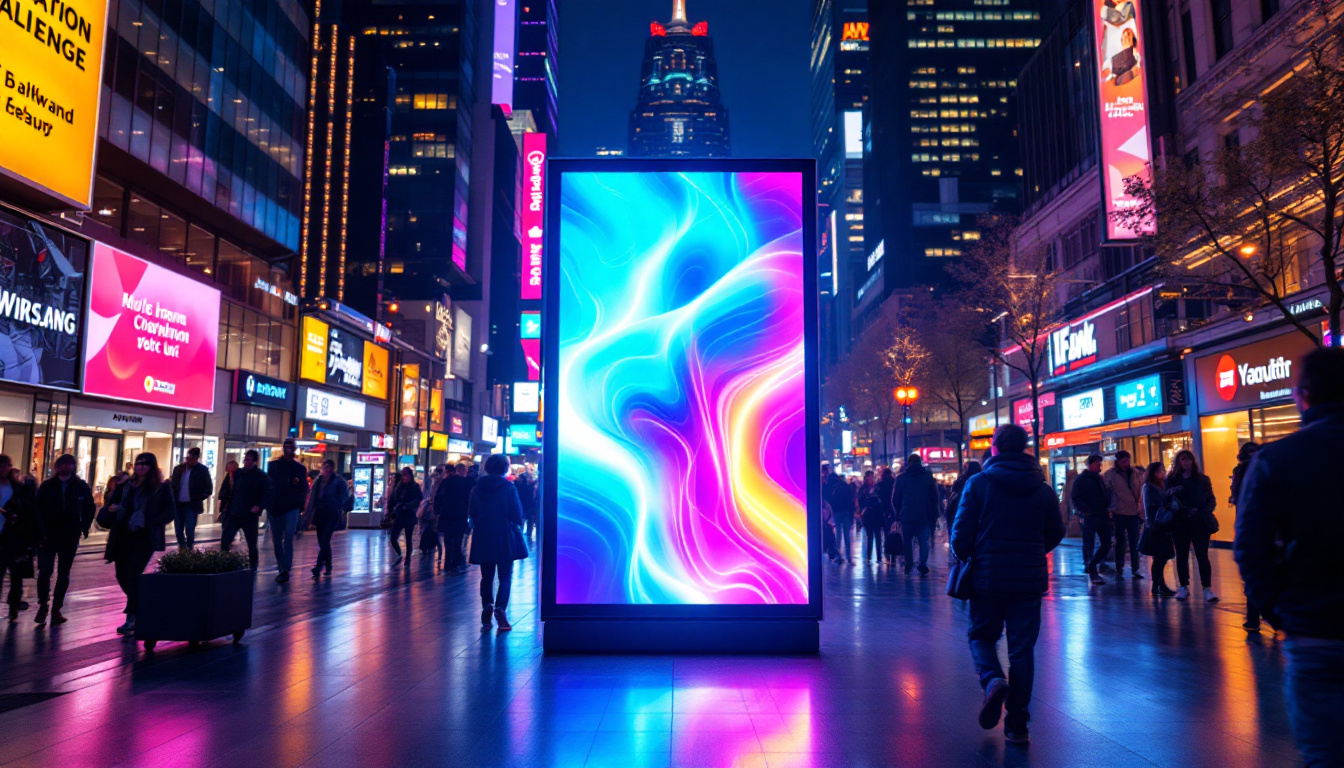
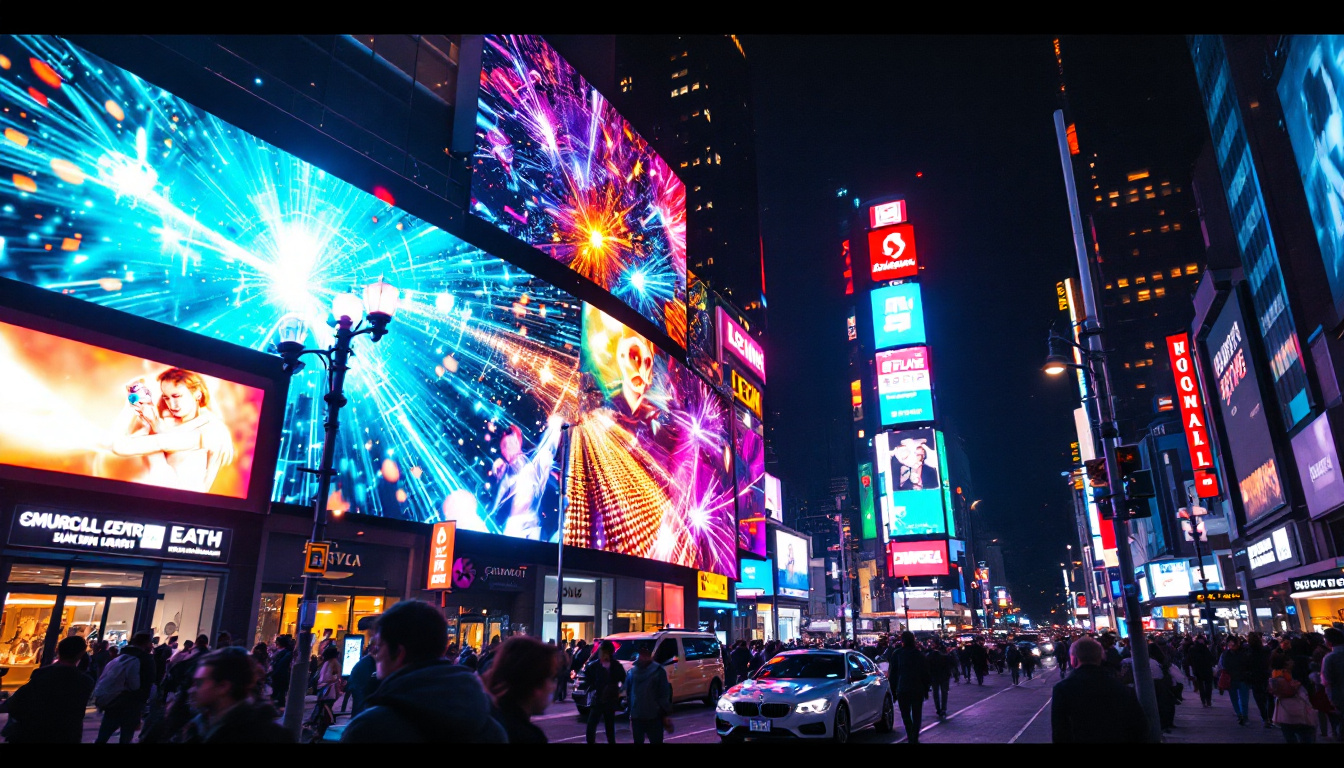
One of the most common uses of large LED displays with extended horizontal resolution is in outdoor advertising. Billboards equipped with 2595 x 2 pixel configurations can deliver vibrant, eye-catching advertisements that stand out in busy urban environments.
The high resolution allows advertisers to showcase detailed graphics, videos, and animations that capture the attention of passersby. Additionally, the brightness levels of LED displays ensure visibility even in direct sunlight, a critical factor for outdoor signage effectiveness.
Sports Arenas and Stadiums
Sports venues often utilize large LED screens to enhance the spectator experience. A 2595 x 2 LED display can serve as a jumbotron or scoreboard, providing clear visuals of live game footage, replays, and interactive content.
The wide aspect ratio afforded by doubling the horizontal pixels is ideal for panoramic views and split-screen presentations, enabling the display of multiple content streams simultaneously without compromising clarity.
Concerts and Events
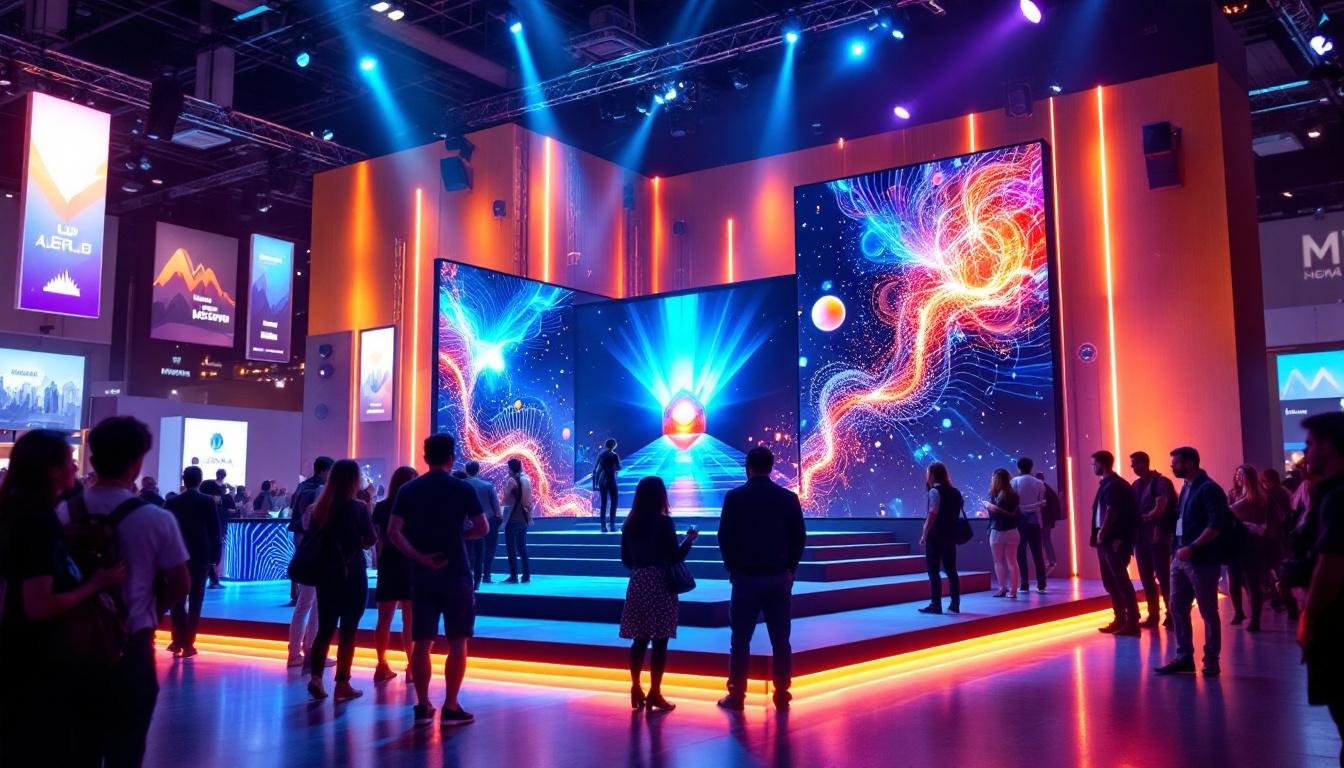
In the entertainment industry, LED displays are integral to stage design and audience engagement. Concerts, festivals, and corporate events benefit from large-format LED screens that deliver immersive visuals synchronized with live performances.
The flexibility of a 2595 x 2 configuration allows event organizers to tailor the screen size and resolution to the venue’s dimensions, ensuring optimal visibility and impact.
Retail and Corporate Environments
Retail stores and corporate headquarters use large LED displays for branding, promotions, and informational purposes. A 2595 x 2 LED display can be installed in lobbies, showrooms, or storefront windows to attract customers and communicate key messages effectively.
High-resolution content enhances the professionalism and appeal of corporate communications, while the dynamic nature of LED displays enables frequent content updates without additional printing or installation costs.
Choosing the Right 2595 x 2 LED Display
Selecting an LED display with a 2595 x 2 configuration requires careful consideration of several factors to ensure it meets the specific needs of the application.
Pixel Pitch and Viewing Distance
Pixel pitch, the distance between the centers of adjacent pixels, is a critical specification. Smaller pixel pitches provide higher resolution and are better suited for close viewing distances, while larger pitches are appropriate for displays viewed from afar.
For example, a pixel pitch of 2.5mm to 4mm is typical for indoor displays, offering crisp images at close range. Outdoor displays often use pixel pitches of 6mm or more, balancing resolution with visibility over longer distances.
Brightness and Environmental Resistance
Brightness levels must be matched to the display environment. Outdoor LED displays require high brightness (often exceeding 5,000 nits) to remain visible in direct sunlight. Indoor displays typically operate at lower brightness to prevent glare and eye strain.
Environmental resistance, including waterproofing and dustproofing, is essential for outdoor installations. Displays rated with IP65 or higher provide protection against rain, dust, and other elements.
Content Management and Software Compatibility
Effective content management systems (CMS) enable users to schedule, update, and control the content displayed on LED screens. Compatibility with various media formats and integration with existing digital infrastructure are important considerations.
Advanced CMS platforms offer remote control, real-time monitoring, and analytics, empowering users to optimize content performance and audience engagement.
Budget and Total Cost of Ownership
While initial purchase price is a key factor, total cost of ownership (TCO) includes installation, maintenance, power consumption, and potential upgrades. Investing in high-quality components and reliable manufacturers can reduce long-term expenses and improve return on investment.
The Future of LED Displays and 2595 x 2 Configurations
LED display technology continues to evolve rapidly, with innovations enhancing resolution, energy efficiency, and interactivity. The 2595 x 2 configuration represents a step toward larger, more immersive digital canvases that cater to diverse applications.
Emerging trends include the integration of AI-driven content personalization, augmented reality overlays, and flexible or transparent LED panels that expand creative possibilities. These advancements will further increase the utility and impact of large-scale LED displays in advertising, entertainment, and communication.
MicroLED and Beyond
MicroLED technology, which uses microscopic LEDs to create displays, promises even higher resolution and brightness with lower power consumption compared to traditional LED panels. As MicroLED manufacturing matures, it may complement or replace current LED configurations such as 2595 x 2 setups, offering unprecedented image quality and design flexibility.
Environmental Sustainability
With growing emphasis on sustainability, LED display manufacturers are focusing on eco-friendly materials, energy-saving designs, and recyclability. Optimizing power usage and extending product lifespan are key goals that align with global environmental initiatives.
Conclusion
The “2595 x 2” designation in LED displays signifies a powerful configuration that doubles horizontal resolution by combining two panels side-by-side. This setup enhances image detail, expands visual real estate, and supports a wide range of applications from outdoor advertising to large event screens.
Understanding the technical aspects, practical benefits, and future trends of such LED displays empowers businesses and organizations to make informed decisions when investing in digital signage solutions. As LED technology advances, configurations like 2595 x 2 will continue to play a vital role in delivering impactful, high-quality visual experiences worldwide.
Discover LumenMatrix’s Advanced LED Display Solutions
Ready to elevate your visual communication with the latest in LED technology? LumenMatrix is at the forefront of innovation, offering a diverse range of LED display solutions tailored to your needs. From captivating Indoor LED Walls to dynamic Outdoor Displays, and from versatile Vehicle LED Displays to sleek LED Posters, our products are designed to make your brand shine. Experience the future of digital signage with our Custom, All-in-One, and Transparent LED displays, all engineered to engage and captivate your audience. Check out LumenMatrix LED Display Solutions today and transform your space into a visual spectacle.