In the evolving world of lighting technology, LED panel wall lights have become a popular choice for both residential and commercial spaces. Their sleek design, energy efficiency, and versatility make them an attractive option for modern interiors. However, understanding the technology behind these lights, especially the LED display components, is essential to appreciate their benefits fully and make informed purchasing decisions.
What Are LED Panel Wall Lights?
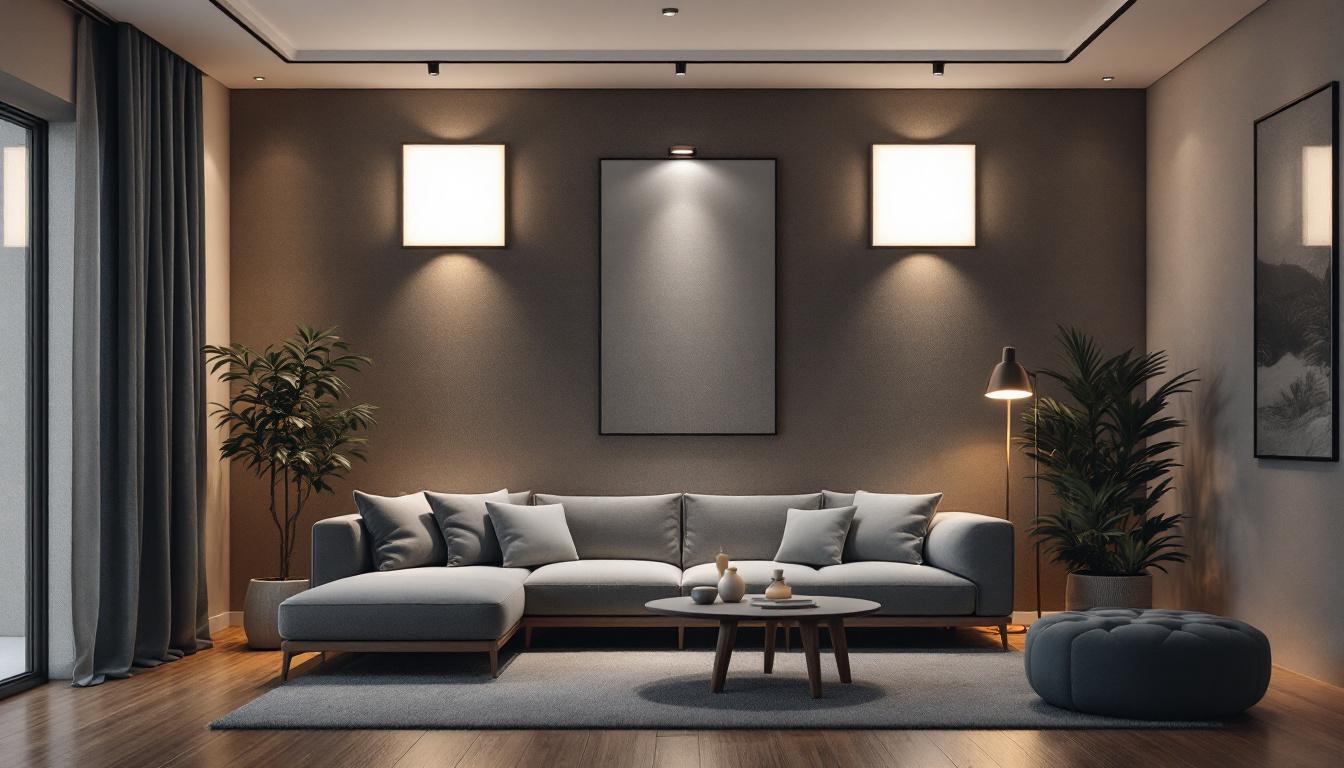
LED panel wall lights are flat, thin lighting fixtures that mount directly onto walls, providing uniform illumination across a surface. Unlike traditional bulbs or tube lights, these panels use light-emitting diodes (LEDs) arranged in a grid or matrix to produce bright, even light. They are designed to replace conventional wall-mounted lamps or sconces, offering a more contemporary aesthetic and enhanced functionality.
Typically, these panels come in various sizes and shapes, including square, rectangular, and circular forms, allowing them to blend seamlessly into different architectural styles. Their slim profile often makes them ideal for spaces with limited depth or where a minimalist look is desired. This versatility means they can be used in a variety of settings, from residential homes to commercial spaces, enhancing both the ambiance and the functionality of the environment.
In addition to their aesthetic appeal, LED panel wall lights can also be integrated with smart home technology. Many modern fixtures offer features like dimming capabilities, color temperature adjustments, and even remote control via smartphone apps. This level of customization allows users to create the perfect lighting atmosphere for any occasion, whether it’s a cozy movie night or an energizing workspace.
Key Features of LED Panel Wall Lights
Some of the defining characteristics include:
- Energy Efficiency: LED panels consume significantly less power compared to incandescent or fluorescent lights, often using up to 75% less energy.
- Longevity: With an average lifespan of 50,000 hours or more, these lights reduce the need for frequent replacements.
- Uniform Light Distribution: The panel design ensures even lighting without hotspots or glare, enhancing visual comfort.
- Low Heat Emission: LEDs generate minimal heat, making them safer and more comfortable in enclosed or small spaces.
Moreover, LED panel wall lights are often designed with environmental sustainability in mind. Many manufacturers prioritize eco-friendly materials and processes, ensuring that these lights not only save energy but also minimize their carbon footprint. This commitment to sustainability is increasingly important to consumers who are looking to make environmentally responsible choices in their homes and businesses.
Another noteworthy aspect of LED panel wall lights is their adaptability to various lighting needs. They can be used for general illumination, accent lighting, or task lighting, depending on the design and placement. For instance, in a gallery setting, they can highlight artwork without casting shadows, while in a home office, they can provide bright, focused light for reading or working. This flexibility makes them a popular choice among interior designers and homeowners alike.
The Technology Behind LED Displays in Wall Lights
Understanding the LED display technology integrated into panel wall lights requires a look at how LEDs function and how they are arranged to create the panel effect.
How LEDs Work
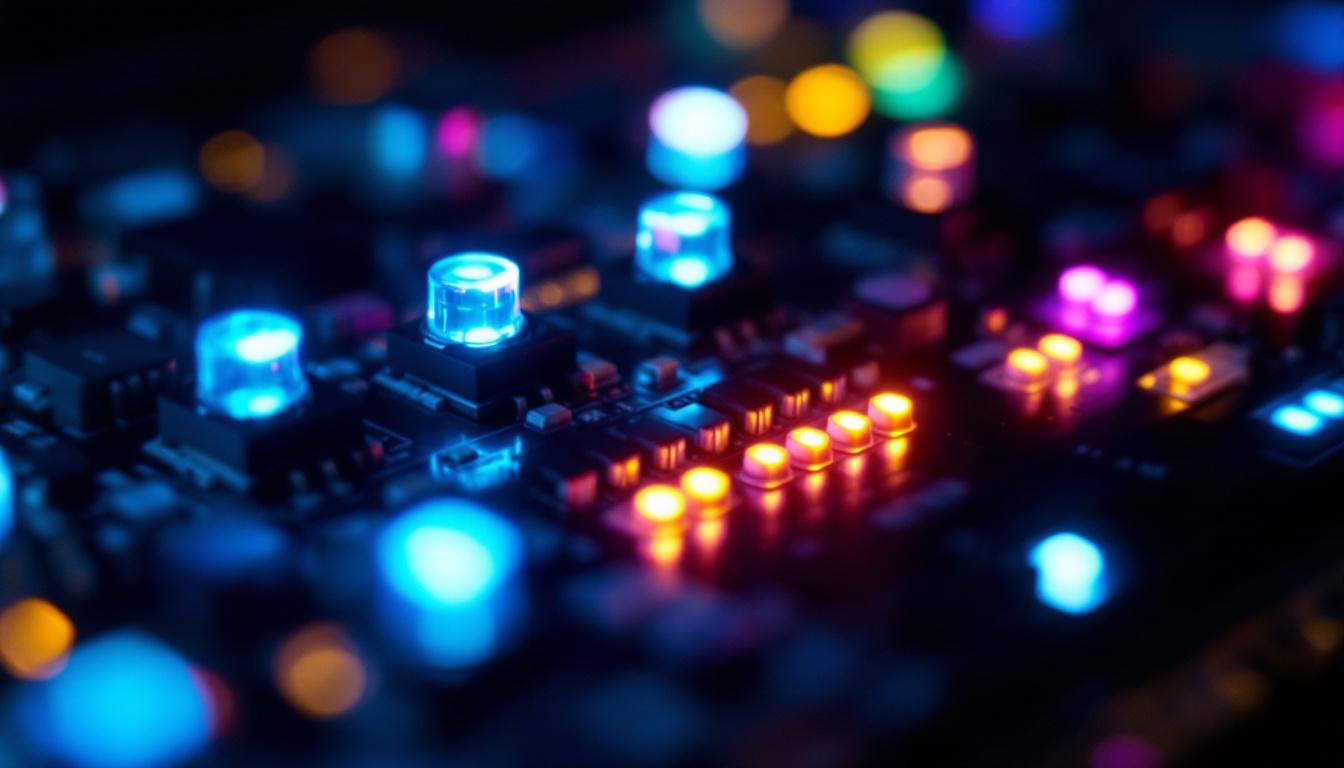
LEDs are semiconductor devices that emit light when an electric current passes through them. Unlike traditional light sources that rely on heating a filament or gas excitation, LEDs produce light through electroluminescence, a process that is more efficient and generates less heat.
The color of the emitted light depends on the semiconductor materials used, allowing for a wide range of colors without the need for filters. Most LED panel wall lights use white LEDs, which are often created by coating blue LEDs with phosphor to produce a broad spectrum of light that appears white to the human eye.
Panel Construction and Light Diffusion
LED panel lights consist of multiple layers engineered to optimize light output and distribution:
- LED Light Source: A grid of LEDs mounted on a printed circuit board (PCB) forms the core light-emitting surface.
- Light Guide Plate (LGP): This acrylic or polycarbonate plate directs the light from the LEDs evenly across the panel surface using micro-etched patterns.
- Diffuser Layer: Positioned above the LGP, the diffuser scatters light to eliminate glare and ensure uniform brightness.
- Reflector: Located behind the LEDs, the reflector bounces stray light back into the panel to maximize efficiency.
- Housing and Frame: The outer structure provides mechanical support and often incorporates heat sinks to dissipate thermal energy.
This combination of components results in a thin, lightweight panel that produces a soft, evenly distributed light ideal for wall mounting.
Applications of LED Panel Wall Lights
LED panel wall lights are versatile and find applications across various settings, from homes to commercial environments.
Residential Use
In homes, these lights are often installed in hallways, living rooms, bedrooms, and kitchens. Their slim design allows for installation in tight spaces, and their even light distribution creates a comfortable ambiance. Additionally, many models offer adjustable color temperatures, enabling homeowners to switch between warm and cool light depending on the time of day or activity.
Commercial and Office Spaces
Businesses benefit from LED panel wall lights due to their energy savings and professional appearance. Offices, conference rooms, and lobbies utilize these panels to provide consistent lighting that reduces eye strain and enhances productivity. Furthermore, their long lifespan reduces maintenance costs and downtime.
Retail and Hospitality
Retail stores and hotels use LED panel wall lights to highlight architectural features and create inviting atmospheres. The ability to integrate dimming controls and color tuning helps tailor lighting to specific moods or branding requirements.
Advantages of LED Panel Wall Lights Over Traditional Lighting
While traditional lighting options like incandescent bulbs, fluorescent tubes, or halogen lamps have been widely used, LED panel wall lights offer several compelling advantages.
Energy Efficiency and Cost Savings
LEDs convert a higher percentage of electricity into light, with efficiencies reaching up to 100 lumens per watt or more. In contrast, incandescent bulbs typically produce around 15 lumens per watt. This efficiency translates into substantial energy savings, especially in commercial settings where lights operate for extended periods.
Over time, the reduced energy consumption can lead to significant cost reductions on utility bills, making LED panel wall lights a financially sound investment despite a higher upfront cost.
Durability and Maintenance
LED panels are solid-state devices, meaning they are less prone to breakage compared to fragile glass bulbs. Their long operational life reduces the frequency and cost of replacements and maintenance, which is particularly beneficial in hard-to-reach or high-traffic areas.
Improved Lighting Quality
The uniform light distribution of LED panels eliminates harsh shadows and glare, creating a more pleasant visual environment. Additionally, LEDs offer excellent color rendering, meaning colors appear more natural and vibrant under their light compared to fluorescent sources.
Environmental Benefits
LED panel wall lights contain no mercury or other hazardous materials common in fluorescent lamps, making them safer to dispose of and more environmentally friendly. Their lower energy consumption also reduces carbon emissions associated with electricity generation.
Choosing the Right LED Panel Wall Light
With a variety of options available, selecting the appropriate LED panel wall light involves considering several factors to ensure optimal performance and aesthetics.
Size and Shape
The dimensions of the panel should complement the wall space and the room’s scale. Larger panels provide more light but require sufficient wall area, while smaller panels can be used in clusters or as accent lighting.
Color Temperature and Brightness
Color temperature, measured in Kelvins (K), affects the mood and functionality of a space. Warm white (2700K-3000K) creates a cozy atmosphere, neutral white (3500K-4100K) suits workspaces, and cool white (5000K-6500K) is ideal for task lighting or areas requiring high visibility.
Brightness, measured in lumens, should match the room’s size and purpose. For example, a hallway may require fewer lumens than a kitchen or office.
Installation Type and Compatibility
Some LED panel wall lights are designed for surface mounting, while others fit into recessed wall cavities. It is important to verify compatibility with existing electrical wiring and wall construction. Additionally, features like dimmability or smart control integration may influence the choice.
Quality and Certification
Opting for LED panels with recognized certifications such as UL, CE, or Energy Star ensures compliance with safety and performance standards. High-quality panels typically offer better light consistency, longer warranties, and reliable customer support.
Future Trends in LED Panel Wall Lighting
The LED lighting industry continues to innovate, and panel wall lights are no exception. Emerging trends focus on enhancing energy efficiency, user control, and integration with smart building systems.
Smart Lighting Integration
Modern LED panel wall lights increasingly feature connectivity options like Wi-Fi or Bluetooth, enabling remote control via smartphones or voice assistants. Users can adjust brightness, color temperature, and scheduling to optimize comfort and energy use.
Human-Centric Lighting
Advances in LED technology support circadian rhythm lighting, which adjusts light intensity and color temperature throughout the day to promote well-being and productivity. This approach is gaining traction in offices, healthcare facilities, and homes.
Improved Materials and Designs
Research into new materials for light guides and diffusers aims to enhance light uniformity and reduce panel thickness further. Additionally, customizable shapes and modular designs offer architects and designers greater flexibility in lighting solutions.
Conclusion
LED panel wall lights represent a significant advancement in lighting technology, combining energy efficiency, aesthetic appeal, and superior light quality. Understanding the LED display technology behind these panels helps users appreciate their benefits and make informed decisions tailored to their needs.
Whether for residential, commercial, or specialized applications, LED panel wall lights offer a versatile and sustainable lighting solution that aligns with modern design trends and environmental considerations. As technology progresses, these fixtures will continue to evolve, offering even greater functionality and integration in the spaces we inhabit.
Discover the LumenMatrix Difference
Ready to elevate your space with the latest in LED panel wall light technology? LumenMatrix, a pioneer in LED display innovation, offers a comprehensive range of solutions tailored to your unique needs. From captivating Indoor LED Wall Displays to dynamic Outdoor LED Wall Displays and beyond, our products are designed to transform your environment and engage your audience. Experience the future of visual communication with LumenMatrix and check out our LED Display Solutions today.