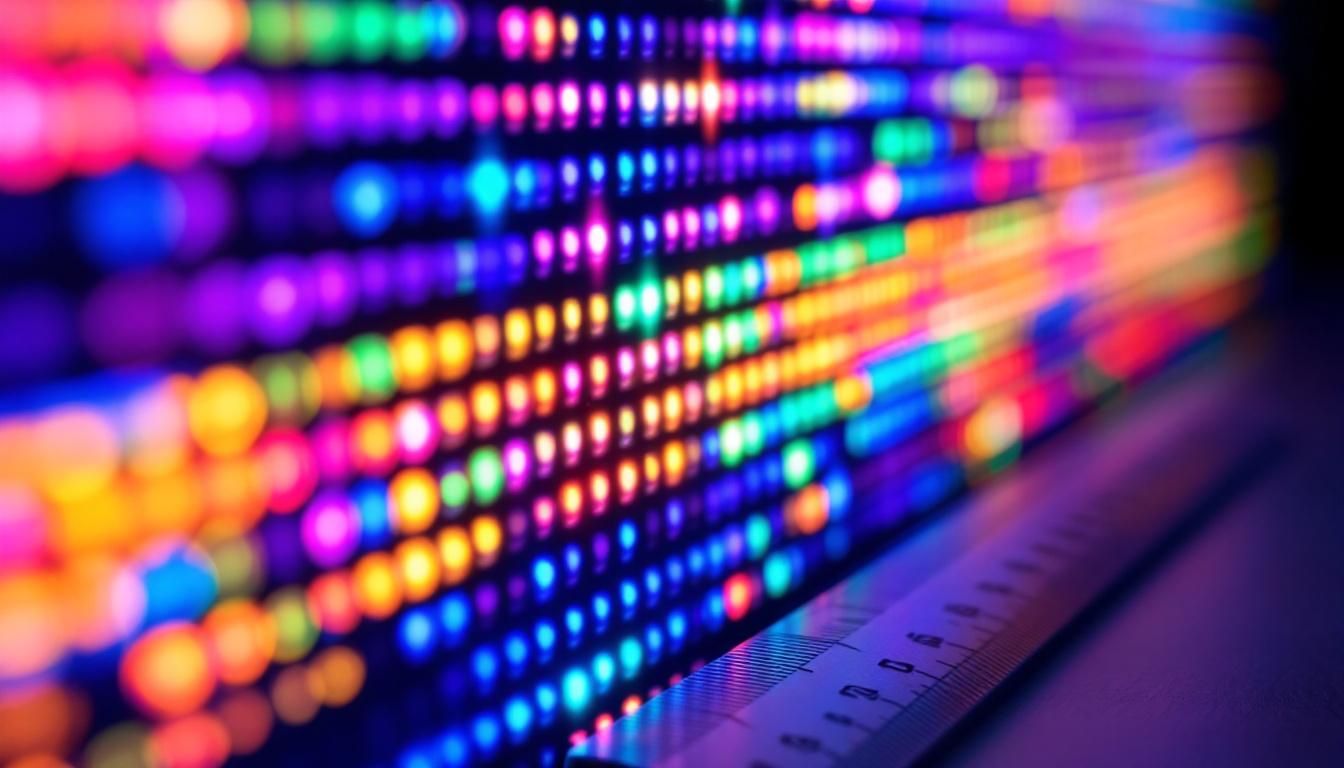
In the world of digital signage and display technology, understanding the specifications of an LED display is crucial for making informed decisions. One specification that frequently appears is the pixel pitch, often denoted in millimeters (mm). For example, “3.9mm” is a common pixel pitch size. But what does this mean in inches, and why is it important? This article will explore the conversion of 3.9mm to inches, explain the significance of pixel pitch in LED displays, and provide a comprehensive overview of how these factors influence display quality and application.
Understanding Pixel Pitch in LED Displays
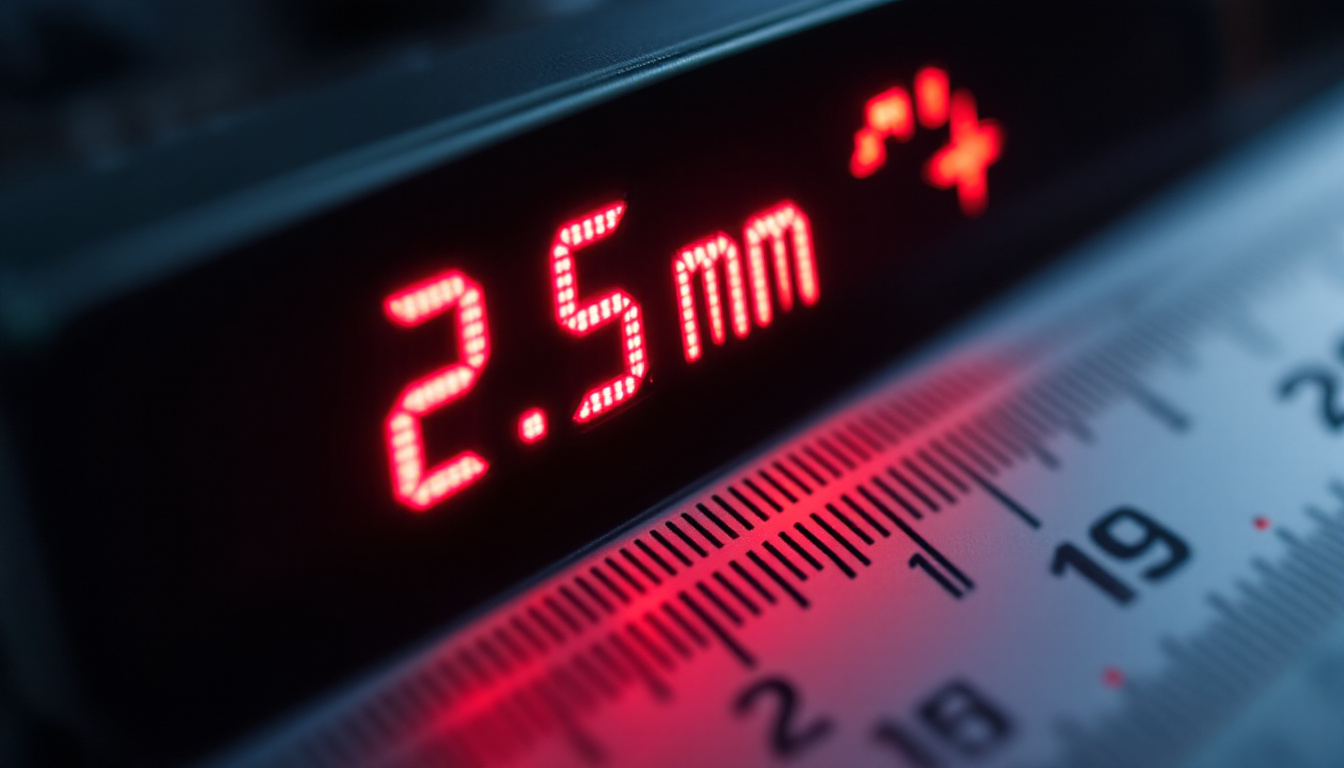
Pixel pitch refers to the distance from the center of one LED pixel to the center of the adjacent pixel. It is a critical measurement that affects the resolution, clarity, and viewing distance of an LED display. Pixel pitch is usually measured in millimeters, and a smaller pixel pitch indicates a higher pixel density, resulting in a sharper image.
For instance, a 3.9mm pixel pitch means each pixel is spaced 3.9 millimeters apart. This specification is particularly relevant when selecting an LED display for indoor or outdoor use, as it directly impacts the visual experience. The choice of pixel pitch can significantly influence the effectiveness of advertising messages, as well as the overall aesthetic appeal of the display in various environments.
Why Pixel Pitch Matters
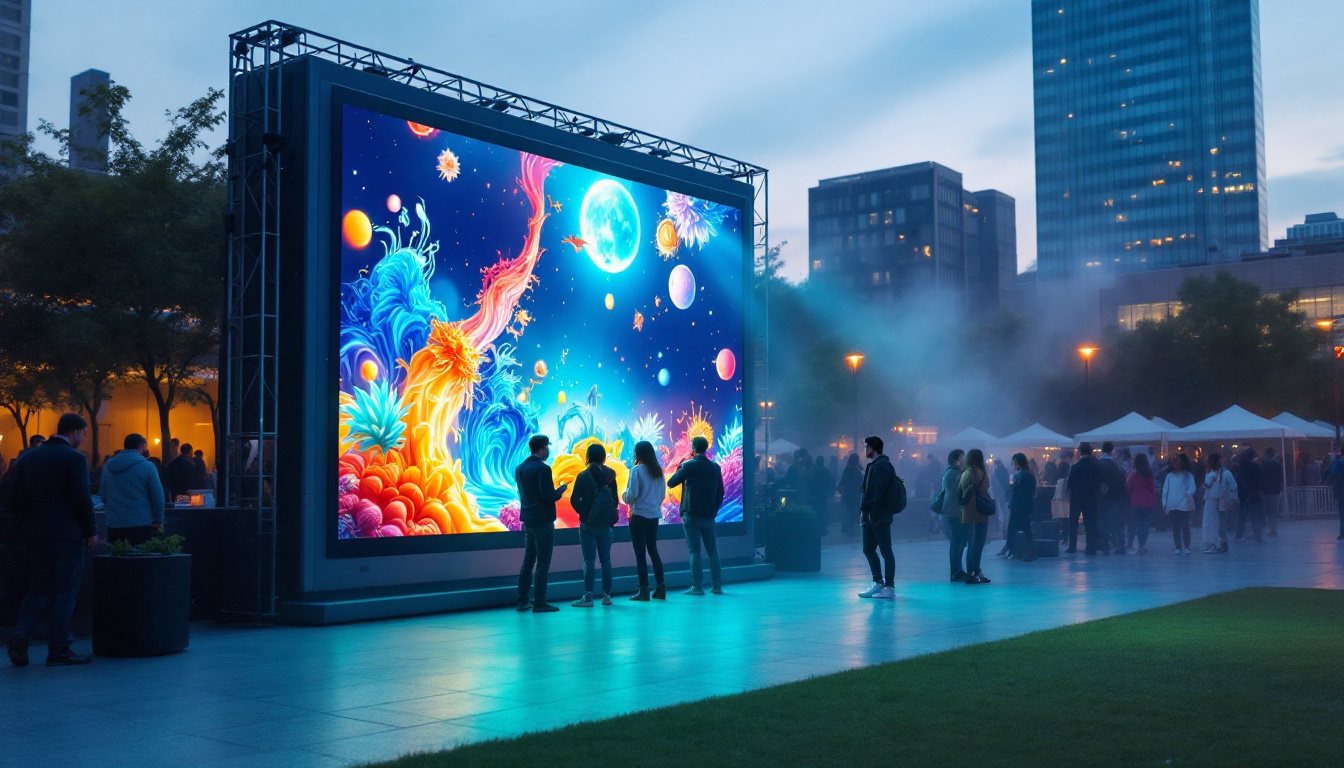
The pixel pitch determines how close a viewer can be to the display without noticing individual pixels. Smaller pixel pitches are ideal for close-up viewing environments such as retail stores, control rooms, or conference halls. Conversely, larger pixel pitches are suited for outdoor billboards or stadium screens where viewers are typically farther away. In environments like shopping malls, where customers may stand just a few feet away from a display, a pixel pitch of 1.5mm or even smaller can provide an immersive experience, allowing intricate details and vibrant colors to shine through.
Choosing the wrong pixel pitch can lead to poor image quality or unnecessary expense. For example, using a 3.9mm pixel pitch LED display in a large outdoor setting where viewers are hundreds of feet away may not be cost-effective, as a larger pixel pitch could suffice. Additionally, the environmental factors play a crucial role in this decision; outdoor displays must also contend with varying light conditions, which can affect how pixel density is perceived. Understanding the balance between pixel pitch and viewing distance can help businesses make informed decisions that enhance customer engagement while optimizing their investment in display technology.
Converting 3.9mm to Inches
To better understand the size of the pixel pitch in terms more familiar to some audiences, converting millimeters to inches is helpful. The conversion factor between millimeters and inches is:
1 inch = 25.4 millimeters
Using this, the conversion for 3.9mm to inches is calculated as follows:
3.9 mm ÷ 25.4 mm/inch ≈ 0.1535 inches
This means a 3.9mm pixel pitch is approximately 0.1535 inches between the centers of two adjacent pixels.
Practical Implications of the Conversion
Understanding this conversion helps when comparing LED displays that use different measurement systems or when integrating LED technology with other components that use imperial measurements. For example, a display designer working with both metric and imperial specifications can better visualize the pixel density and overall display size.
Moreover, this conversion is useful for estimating the total resolution and size of a display panel when the physical dimensions are known in inches but pixel pitch is given in millimeters. This is particularly relevant in industries such as advertising and broadcasting, where precise display specifications can significantly impact the quality of visual content. A designer can calculate how many pixels fit into a given area, allowing them to optimize the display for clarity and detail, which is crucial for high-resolution media.
Furthermore, understanding pixel pitch in both metric and imperial terms can aid in the selection of appropriate displays for various applications. For instance, in environments where viewers are positioned at varying distances, such as concert venues or large public displays, knowing the pixel pitch in inches can help determine the optimal viewing experience. A smaller pixel pitch generally means a higher resolution, which is essential for close-up viewing, while a larger pixel pitch may suffice for displays viewed from a distance, thus influencing purchasing decisions and installation strategies.
How Pixel Pitch Influences LED Display Quality
Pixel pitch is one of the primary factors affecting the resolution and image quality of an LED display. The smaller the pixel pitch, the higher the resolution, and the clearer and more detailed the image appears. This is especially important for applications requiring fine detail and close viewing distances.
Resolution and Viewing Distance
Resolution is determined by the number of pixels per unit area. Since pixel pitch defines the spacing between pixels, it directly influences the total number of pixels that can fit within a given display size. For example, a 3.9mm pixel pitch display will have more pixels per square foot than a 10mm pixel pitch display of the same size.
However, resolution alone does not guarantee optimal viewing quality. The recommended viewing distance depends on pixel pitch; a smaller pixel pitch allows viewers to stand closer without perceiving pixelation. Industry guidelines suggest that the minimum viewing distance in meters is roughly equal to the pixel pitch in millimeters multiplied by 1.5 to 2.
Brightness and Color Accuracy
While pixel pitch affects resolution, LED display quality also depends on brightness and color accuracy. Displays with smaller pixel pitches often incorporate advanced LED technologies that enhance brightness and color uniformity, making them suitable for indoor environments with controlled lighting.
Outdoor LED displays with larger pixel pitches are designed to deliver high brightness levels to combat sunlight glare, but they may sacrifice some resolution due to the increased pixel spacing.
Applications of 3.9mm Pixel Pitch LED Displays
LED displays with a 3.9mm pixel pitch strike a balance between high resolution and cost-effectiveness, making them popular for a variety of applications. Their versatility allows them to be used in both indoor and semi-outdoor environments.
Indoor Digital Signage and Advertising
Retail stores, shopping malls, and corporate environments often use 3.9mm pixel pitch LED displays for digital signage and advertising. The pixel pitch provides sufficient resolution for viewers standing a few feet away, ensuring images and text are crisp and legible.
These displays are also favored for event backdrops and stage displays due to their ability to render vibrant visuals at moderate viewing distances.
Sports Arenas and Entertainment Venues
In sports arenas and entertainment venues, 3.9mm pixel pitch LED displays are used for scoreboards, video walls, and interactive screens. Their balance of resolution and size allows large audiences to enjoy clear visuals without the need for extremely close proximity.
These displays also support dynamic content, including live video feeds, advertisements, and real-time statistics, enhancing the overall spectator experience.
Control Rooms and Conference Centers
Control rooms require high-resolution displays to monitor multiple data streams simultaneously. A 3.9mm pixel pitch LED display offers the clarity necessary for detailed information visualization while maintaining a manageable cost.
Similarly, conference centers use these displays for presentations and video conferencing, where image quality and readability are paramount.
Comparing 3.9mm Pixel Pitch to Other Common Pixel Pitches
To fully appreciate the advantages and limitations of a 3.9mm pixel pitch, it’s helpful to compare it with other common pixel pitches in the LED display market.
1.2mm to 2.5mm Pixel Pitch
Displays with pixel pitches in the 1.2mm to 2.5mm range offer ultra-high resolution and are primarily used for indoor applications requiring close viewing distances, such as broadcast studios, control rooms, and high-end retail environments. These displays deliver exceptional image clarity but come at a higher cost due to the increased number of LEDs and more complex manufacturing.
5mm to 10mm Pixel Pitch
Pixel pitches between 5mm and 10mm are common for outdoor LED displays, such as billboards and large-scale advertising screens. These displays are designed for viewing distances of several meters or more, where the human eye cannot discern individual pixels at typical viewing distances.
They are generally less expensive than smaller pixel pitch displays and offer higher brightness levels to remain visible in direct sunlight.
3.9mm Pixel Pitch in Context
Positioned between these ranges, the 3.9mm pixel pitch offers a compromise between resolution and cost. It is suitable for environments where viewers are neither extremely close nor very far away, making it a versatile choice for many commercial and public applications.
Factors to Consider When Choosing a 3.9mm Pixel Pitch LED Display
While the pixel pitch is a key factor, several other considerations influence the suitability of a 3.9mm LED display for a specific application.
Viewing Distance and Audience Size
Estimating the average viewing distance and the size of the audience helps determine if a 3.9mm pixel pitch display will deliver the desired visual experience. For example, a small retail space with close-up viewing may benefit from a smaller pixel pitch, while a large conference hall might find 3.9mm ideal.
Environmental Conditions
Indoor versus outdoor use affects the choice of LED display. Outdoor displays require higher brightness, weatherproofing, and durability. The 3.9mm pixel pitch is often used in semi-outdoor or controlled outdoor environments where these factors can be managed.
Budget and Maintenance
Smaller pixel pitch displays typically cost more upfront and may require more maintenance due to the density of LEDs. The 3.9mm pixel pitch offers a balance between cost and performance, making it attractive for projects with moderate budgets.
Conclusion
Understanding the measurement of 3.9mm in inches—approximately 0.1535 inches—provides a clearer perspective on the pixel pitch of LED displays. This specification is vital for determining the resolution, viewing distance, and overall quality of an LED screen.
With its balanced pixel density, a 3.9mm pixel pitch LED display suits a wide range of applications, from indoor digital signage to sports arenas and control rooms. When selecting an LED display, considering pixel pitch alongside factors such as viewing distance, environment, and budget ensures the best possible outcome.
As LED technology continues to evolve, staying informed about these specifications helps businesses and professionals make smarter choices that maximize visual impact and return on investment.
Discover LumenMatrix’s Advanced LED Display Solutions
Ready to elevate your visual communication with high-resolution LED displays? LumenMatrix, a pioneer in LED display technology, offers a comprehensive range of solutions tailored to your needs. From captivating Indoor LED Wall Displays to dynamic Outdoor LED Wall Displays, and from versatile Vehicle LED Displays to innovative Custom LED Displays, our products are designed to make your brand stand out. Experience the difference with LumenMatrix and transform your space into a vibrant canvas for storytelling. Check out LumenMatrix LED Display Solutions today and step into the future of digital signage.