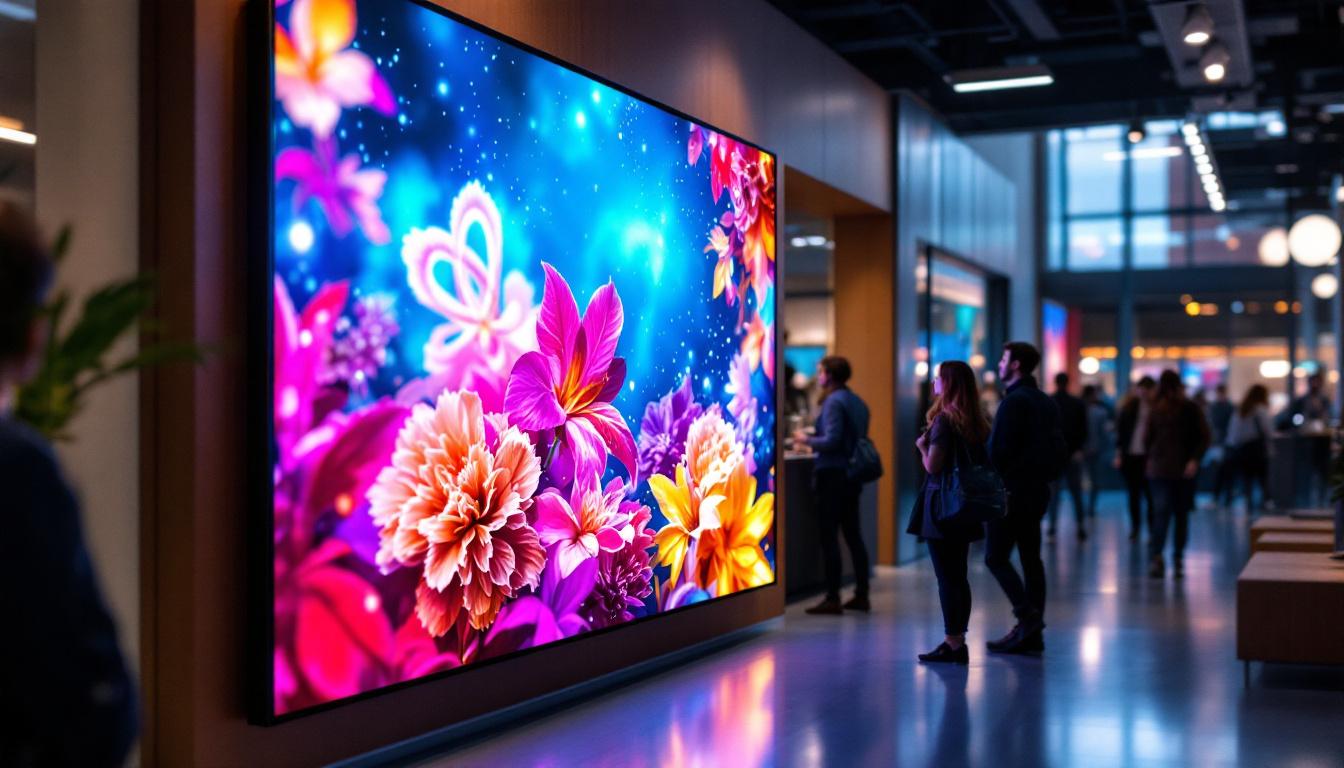
In today’s fast-paced digital world, LED displays have become an integral part of various industries, from advertising and entertainment to transportation and retail. As these displays grow in complexity and scale, managing their maintenance and warranty status becomes increasingly important. This is where a warranty tracker for LED displays comes into play, offering businesses a streamlined way to monitor, manage, and optimize their investments.
Understanding LED Displays: Technology and Applications
LED (Light Emitting Diode) displays are electronic visual displays that use light-emitting diodes to present images, videos, and information. Unlike traditional LCD or plasma screens, LED displays offer superior brightness, energy efficiency, and durability, making them ideal for both indoor and outdoor use.
Modern LED displays come in various forms, including video walls, digital billboards, scoreboards, and retail signage. Their applications span multiple sectors such as sports arenas, transportation hubs, shopping malls, corporate offices, and public spaces. The global LED display market is projected to grow at a compound annual growth rate (CAGR) of around 10% from 2023 to 2030, driven by increasing demand for digital signage and smart city initiatives.
Key Features of LED Displays
LED displays are valued for their high contrast ratios, vibrant colors, and wide viewing angles. They can operate efficiently under diverse environmental conditions, including extreme temperatures and direct sunlight. Additionally, the modular design of many LED panels allows for easy scalability and repair, which is crucial for large installations.
However, the complexity of these systems also means that maintenance and warranty management can be challenging. Components such as power supplies, LED modules, control systems, and cabling need regular monitoring to prevent downtime and costly repairs. Furthermore, advancements in technology have led to the development of smart LED displays that integrate with IoT (Internet of Things) systems, allowing for real-time data analytics and remote management. This capability not only enhances operational efficiency but also enables businesses to tailor their content dynamically based on audience engagement and environmental factors.
The versatility of LED displays extends beyond mere advertising; they are increasingly being utilized for artistic installations and immersive experiences. For instance, creative professionals are leveraging LED technology to create stunning visual art pieces that interact with viewers or respond to music and movement. This fusion of technology and creativity opens up new avenues for expression in public spaces, transforming ordinary environments into captivating experiences that engage and inspire. As the demand for such innovative applications grows, the LED display industry is poised to evolve further, incorporating cutting-edge technologies like augmented reality (AR) and artificial intelligence (AI) to enhance user engagement and interactivity.
The Importance of Warranty Tracking for LED Displays
Given the significant investment involved in deploying LED display systems, protecting that investment through effective warranty management is essential. Warranty tracking helps businesses ensure that their equipment is covered for repairs or replacements within the warranty period, reducing unexpected expenses. By maintaining a clear record of warranty details, companies can quickly reference the terms and conditions, ensuring they are fully aware of what is covered and what is not, thus avoiding any unpleasant surprises when issues arise.
Moreover, warranty tracking enables proactive maintenance by providing insights into the health and performance of LED displays. This can extend the lifespan of the equipment and improve overall reliability. Regular monitoring of warranty status can also facilitate timely upgrades and replacements, ensuring that businesses are not only maintaining their current systems but also keeping pace with technological advancements that can enhance their display capabilities.
Challenges Without Warranty Tracking
Without a dedicated warranty tracker, businesses often face difficulties such as lost warranty documents, missed service deadlines, and inefficient handling of repair claims. These issues can lead to increased downtime, higher maintenance costs, and strained vendor relationships. In a fast-paced digital landscape, where every moment of downtime can result in lost revenue, the absence of a structured warranty management system can be detrimental to a company’s bottom line.
For example, a retail chain with hundreds of LED signage units across multiple locations might struggle to keep track of warranty expiration dates, resulting in missed opportunities to claim free repairs or replacements. This not only impacts operational efficiency but can also affect brand reputation if displays malfunction during peak business hours. Furthermore, the lack of warranty tracking can lead to confusion among staff regarding which units are still under warranty, complicating the repair process and potentially leading to unnecessary out-of-pocket expenses for repairs that could have been covered. In such scenarios, the financial burden can escalate quickly, making it imperative for businesses to adopt a systematic approach to warranty management.
How Warranty Trackers Work for LED Displays
Warranty trackers are software tools or platforms designed to centralize and automate the management of warranty information for LED displays. They typically integrate with inventory management and maintenance systems to provide a comprehensive overview of each unit’s warranty status.
Core Features of Warranty Tracking Systems
1. Centralized Database: Stores detailed information about each LED display, including purchase date, warranty period, serial numbers, and vendor details.
2. Automated Alerts: Sends notifications before warranty expiration or scheduled maintenance, helping businesses act promptly.
3. Claim Management: Facilitates the submission and tracking of warranty claims, streamlining communication with manufacturers or service providers.
4. Reporting and Analytics: Provides insights into failure rates, repair histories, and warranty utilization to inform decision-making.
Integration with Maintenance and Asset Management
Advanced warranty trackers often integrate with Computerized Maintenance Management Systems (CMMS) and Enterprise Asset Management (EAM) platforms. This integration allows for seamless scheduling of preventive maintenance tasks aligned with warranty conditions, ensuring compliance and maximizing uptime.
For instance, if an LED display’s warranty requires periodic cleaning or firmware updates, the system can automatically generate work orders and track completion, reducing the risk of voiding the warranty due to neglect.
Benefits of Using a Warranty Tracker for LED Displays
Implementing a warranty tracker offers multiple advantages that contribute to operational efficiency, cost savings, and improved asset management.
Cost Efficiency and Risk Reduction
By keeping an accurate record of warranty coverage, businesses avoid unnecessary repair costs for issues that should be covered by manufacturers. Early detection of potential failures through warranty tracking can also prevent expensive downtime and extend the useful life of LED displays.
Improved Vendor and Service Management
Warranty trackers help maintain clear communication channels with vendors and service providers. Automated claim submissions and status tracking reduce administrative burdens and accelerate resolution times.
Enhanced Asset Visibility and Decision-Making
Having detailed warranty and maintenance data at one’s fingertips enables better planning for upgrades, replacements, and budgeting. Organizations can analyze trends in component failures and negotiate better warranty terms or service contracts based on real-world data.
Best Practices for Managing LED Display Warranties
To maximize the benefits of warranty tracking, organizations should adopt best practices that ensure accuracy and efficiency.
Document Everything at Purchase
Ensure that all warranty documents, purchase receipts, and technical specifications are collected and digitized at the time of acquisition. This creates a reliable foundation for warranty tracking and claim processing.
Regularly Update Warranty Status
As repairs, replacements, or upgrades occur, update the warranty tracker to reflect any changes in coverage. Some manufacturers offer extended warranties or service agreements that must be recorded to maintain accurate status.
Train Staff and Establish Clear Processes
Equip maintenance teams and asset managers with training on how to use the warranty tracker effectively. Define clear workflows for reporting issues, submitting claims, and performing preventive maintenance.
Leverage Data for Continuous Improvement
Analyze warranty and maintenance data periodically to identify patterns and areas for improvement. Use these insights to refine procurement strategies, negotiate better contracts, and optimize maintenance schedules.
Case Study: Effective Warranty Tracking in a Retail Chain
A nationwide retail chain implemented a warranty tracker system to manage over 500 LED display units installed across its stores. Prior to implementation, the company faced frequent issues with expired warranties and delayed repairs, resulting in lost sales opportunities and customer dissatisfaction.
After adopting the warranty tracker, the company centralized all warranty information and integrated the system with its maintenance platform. Automated alerts ensured timely servicing, and warranty claims were processed 40% faster. Over two years, the retailer reduced maintenance costs by 25% and improved display uptime to 99.5%, enhancing the in-store customer experience.
Future Trends in LED Display Warranty Management
As LED display technology evolves, so do the tools and strategies for warranty management. Emerging trends include the use of IoT (Internet of Things) sensors embedded in LED panels to provide real-time performance data and predictive maintenance alerts.
Artificial intelligence (AI) and machine learning algorithms are also being integrated into warranty trackers to analyze large datasets, predict failures before they occur, and optimize maintenance schedules dynamically.
Furthermore, blockchain technology is being explored to create tamper-proof warranty records, enhancing transparency and trust between manufacturers, vendors, and end-users.
Conclusion
LED displays are a vital component of modern communication and branding strategies, but their complexity demands robust warranty management. A dedicated warranty tracker not only safeguards investments by ensuring timely repairs and replacements but also empowers organizations with actionable insights to optimize asset performance.
By understanding the technology, recognizing the importance of warranty tracking, and adopting best practices, businesses can enhance operational efficiency, reduce costs, and deliver consistent visual experiences to their audiences. As technology advances, embracing innovative warranty tracking solutions will be key to staying ahead in the competitive landscape of LED display management.
Discover LumenMatrix’s Advanced LED Display Solutions
As you consider the importance of warranty tracking for your LED displays, take the next step with LumenMatrix. Our innovative LED display technology is designed to not only elevate your brand’s visibility but also to ensure you have peace of mind with reliable, high-quality modules tailored to your needs. From Indoor and Outdoor LED Walls to Custom and Transparent Displays, LumenMatrix offers a wide range of solutions that bring your visual communications to life. Check out LumenMatrix LED Display Solutions today and experience the future of digital signage.