In the evolving world of digital signage and electronic displays, the term “32 Display” often surfaces, particularly in reference to LED technology. This article delves into the intricacies of 32 LED displays, exploring what they are, how they work, and why they have become a staple in various industries. Whether you are a tech enthusiast, a business owner considering digital signage, or simply curious about LED technology, understanding the fundamentals and applications of 32 LED displays is essential.
What is a 32 LED Display?
A 32 LED display typically refers to an electronic screen composed of 32 individual light-emitting diodes (LEDs) arranged in a specific configuration. These displays can vary in size and resolution but share the common characteristic of utilizing LEDs as the primary light source. The “32” may indicate the number of LEDs in a segment or module, or it might refer to the size or resolution in certain contexts, depending on the manufacturer or application.
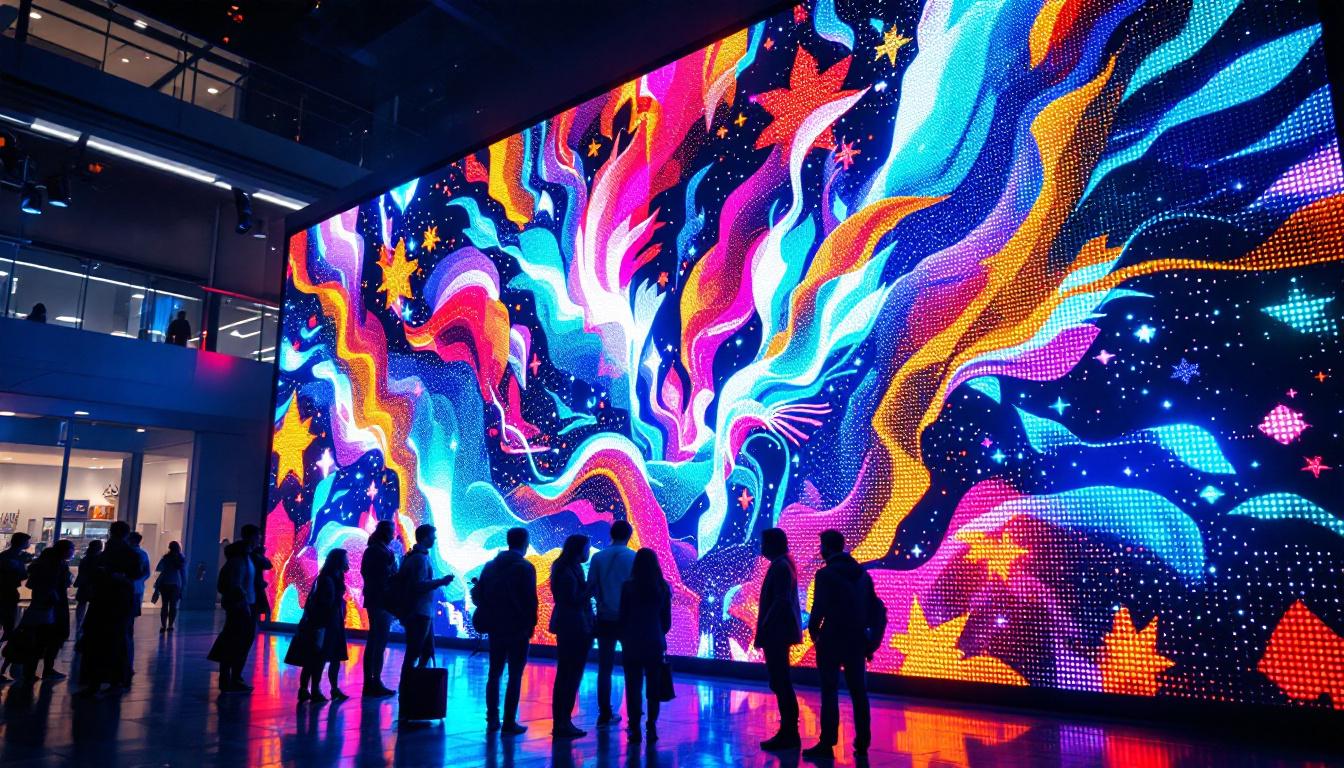
LED displays have become increasingly popular due to their brightness, energy efficiency, and versatility. Unlike traditional LCD or plasma screens, LED displays emit their own light, which allows for better contrast and visibility even in bright environments. This makes them ideal for both indoor and outdoor use, from advertising billboards to traffic signals and scoreboards. The flexibility in design also means that these displays can be shaped into various forms, such as curved or even transparent screens, which further enhances their application in modern architecture and advertising.
Key Characteristics of 32 LED Displays
Some defining features of 32 LED displays include:
- Brightness: LEDs can produce intense light, making the display visible in direct sunlight.
- Energy Efficiency: LEDs consume less power compared to other display technologies, reducing operational costs.
- Durability: LEDs have a long lifespan and are resistant to shock and vibration.
- Color Accuracy: Modern LED displays can render vibrant and accurate colors, essential for advertising and media.
In addition to these characteristics, 32 LED displays often incorporate advanced technologies such as dynamic content management systems, allowing for real-time updates and interactive features. This capability is particularly beneficial for businesses looking to engage customers with timely promotions or information. Furthermore, many of these displays are equipped with sensors that adjust brightness based on ambient light conditions, ensuring optimal visibility at all times. With the rise of smart technology, some LED displays can even connect to the internet, enabling remote control and monitoring, which streamlines maintenance and enhances user experience.
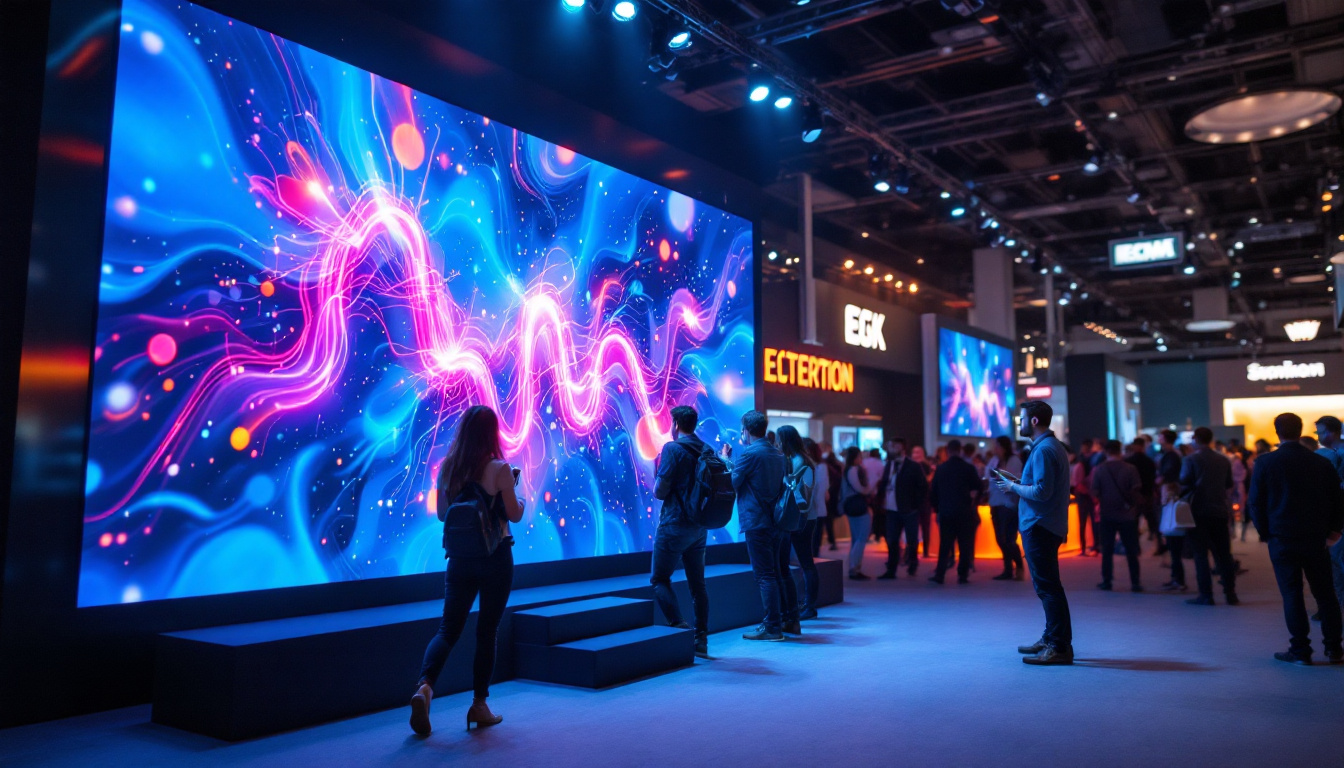
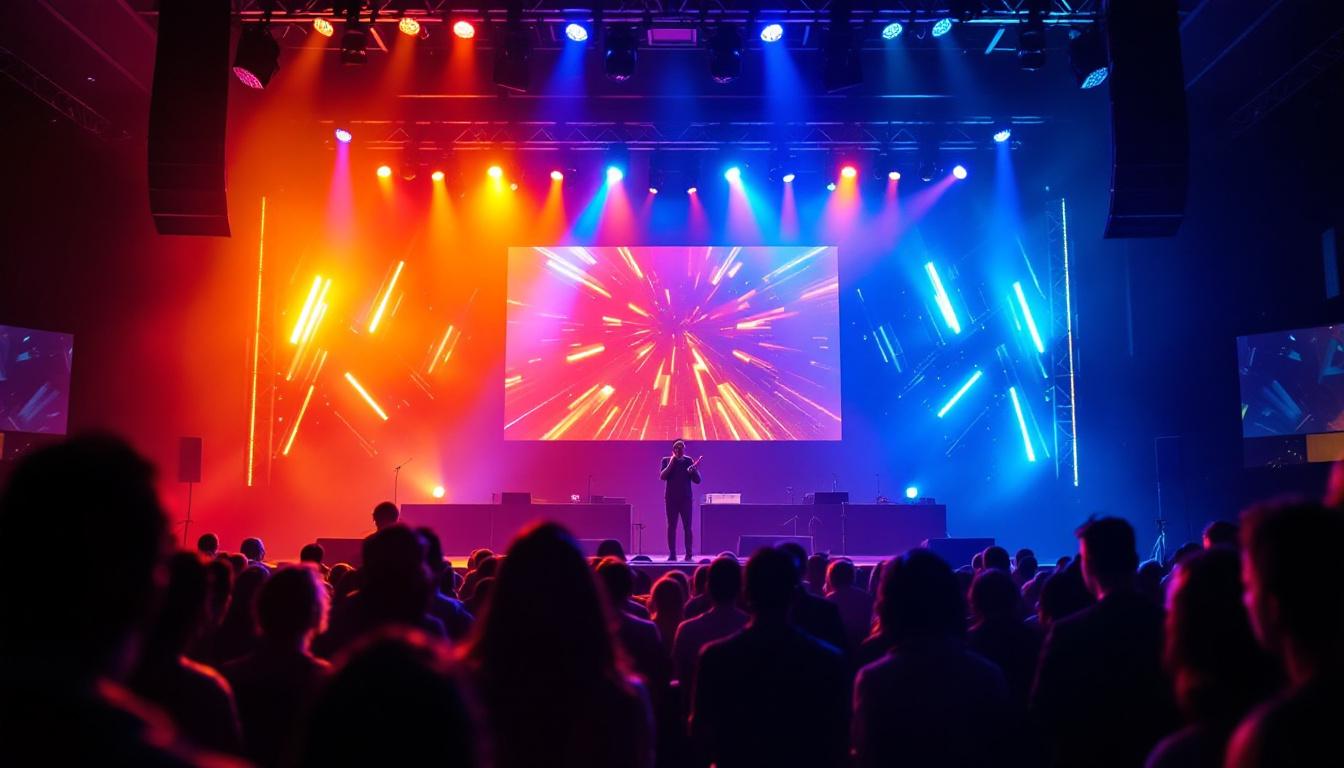
The applications of 32 LED displays are vast and varied, ranging from entertainment venues that utilize them for vibrant stage backdrops to sports arenas where they provide fans with instant replays and statistics. In retail environments, these displays can draw attention to products and promotions, creating an immersive shopping experience. As technology continues to advance, the integration of artificial intelligence and machine learning into LED displays is expected to further revolutionize how information is presented and interacted with, paving the way for more personalized and engaging visual experiences.
How Does a 32 LED Display Work?
Understanding the operation of a 32 LED display requires a look at the basic principles of LED technology and digital display mechanics. Each LED in the display acts as a tiny light source that can be individually controlled to emit light of varying intensity and color.
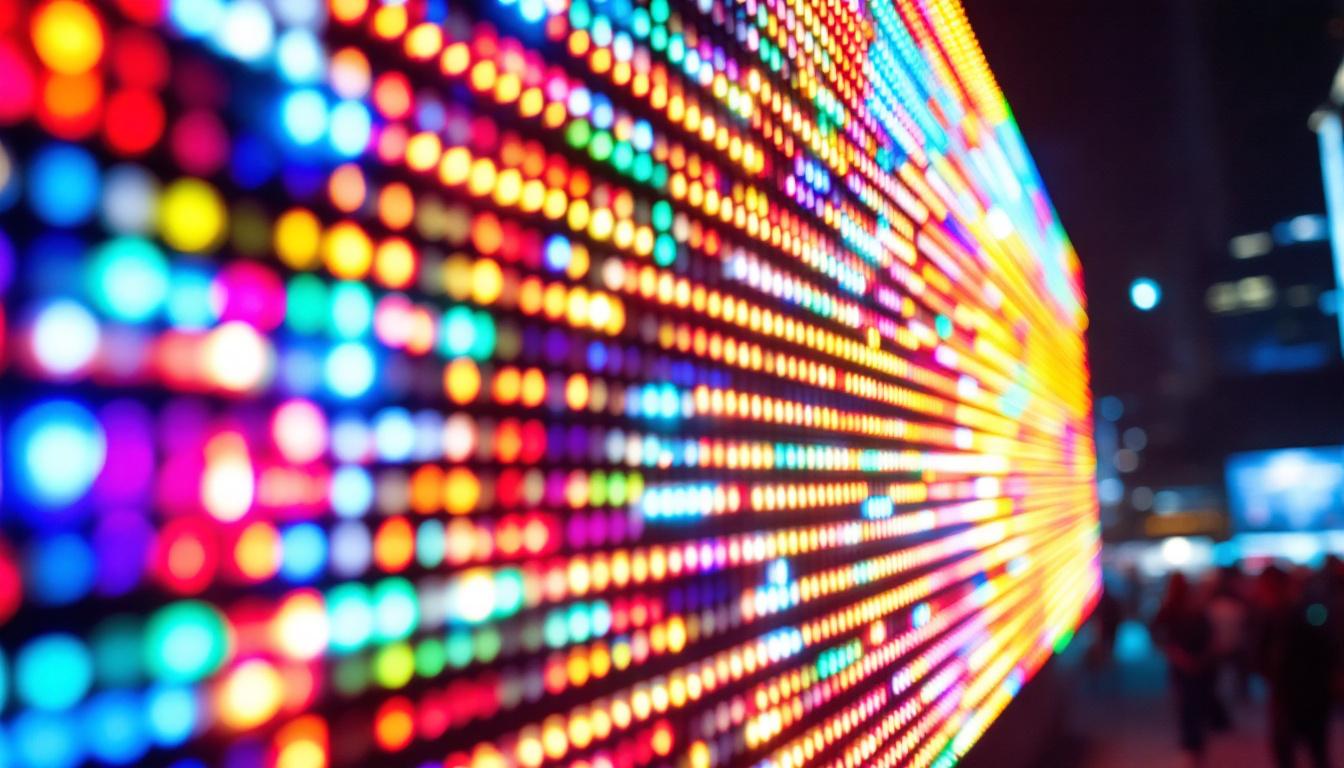
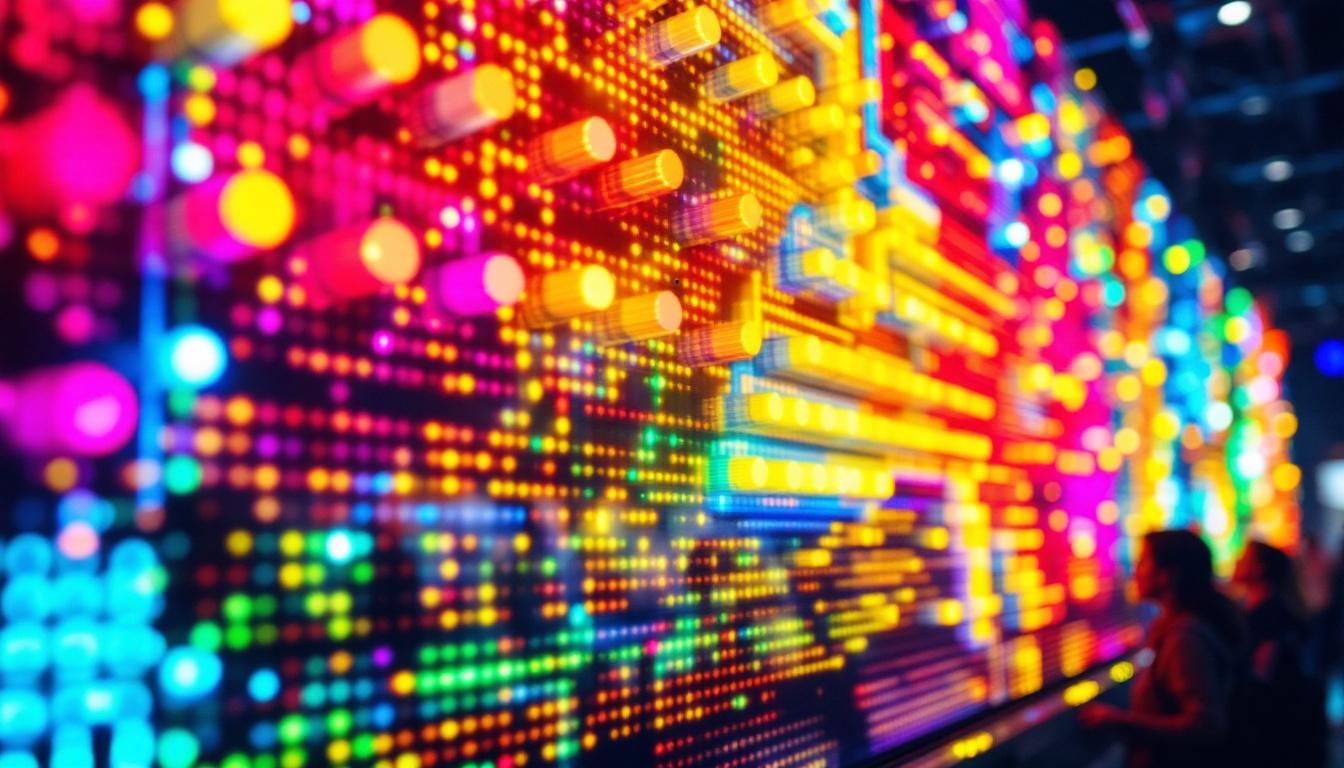
In a typical 32 LED matrix, the LEDs are arranged in rows and columns. By controlling the current flowing through each LED, the system can illuminate specific LEDs to form characters, images, or animations. This control is usually managed by a microcontroller or a dedicated display driver circuit that sends signals to the LEDs based on the input data.
LED Matrix and Multiplexing
One common method to control multiple LEDs efficiently is multiplexing. Instead of powering all 32 LEDs simultaneously, the system rapidly switches between rows or columns, lighting up only one row or column at a time but doing so so quickly that the human eye perceives a continuous image. This technique reduces the number of wires and power consumption.
For example, in a 4×8 matrix (4 rows and 8 columns), each LED can be addressed by selecting the appropriate row and column. The controller cycles through each row, activating the necessary LEDs in that row before moving to the next, repeating this cycle hundreds of times per second.
Color and Resolution Considerations
While some 32 LED displays are monochromatic, many modern versions support full RGB color by combining red, green, and blue LEDs within each pixel. This allows for a wide color gamut and the ability to display detailed images and videos. The resolution of such displays depends on the pixel density and the physical size of the display.
Applications of 32 LED Displays
Due to their versatility and performance, 32 LED displays find applications across a broad spectrum of industries. Their compact size and high visibility make them suitable for both simple and complex display needs.
Digital Signage and Advertising
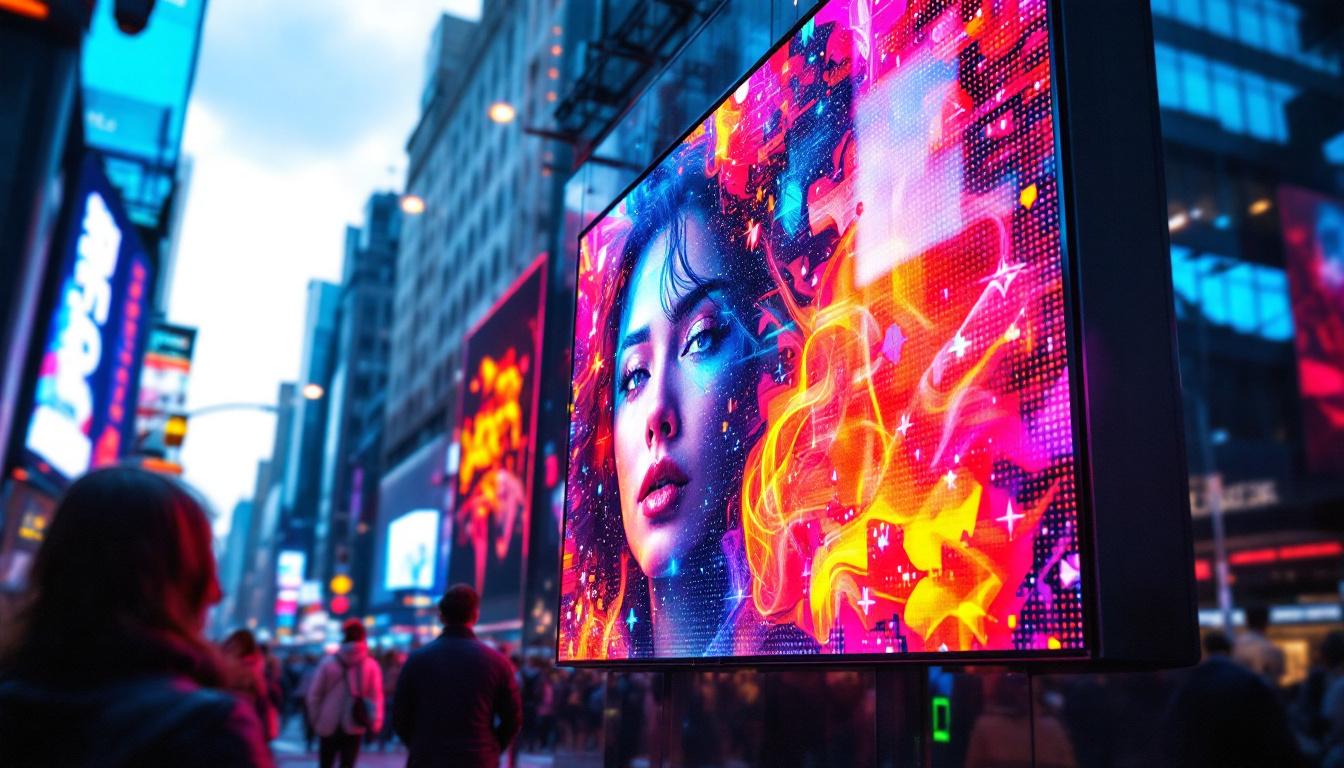
One of the most common uses of 32 LED displays is in digital signage. Retail stores, restaurants, and public venues use these displays to showcase promotions, menus, and announcements. The brightness and color capabilities ensure messages are eye-catching and readable from a distance.
For example, a fast-food chain might use a 32 LED display to rotate through menu items and special offers, updating content remotely and instantly. This dynamic content delivery is more engaging than static signs and can lead to increased customer interaction and sales.
Industrial and Commercial Use
In industrial settings, 32 LED displays are often used for status indicators, counters, and informational panels. Factories might employ these displays to show production counts, safety warnings, or operational statuses in real-time, improving communication on the shop floor.
Similarly, commercial environments such as airports and train stations use LED displays for arrival and departure information, ensuring travelers have access to timely updates.
Consumer Electronics and Gadgets
Smaller 32 LED modules are frequently integrated into consumer electronics, including wearable devices, digital clocks, and gaming peripherals. Their compact size and low power requirements make them ideal for portable and battery-operated devices.
Advantages of Using 32 LED Displays
Choosing a 32 LED display offers several benefits that contribute to its widespread adoption. These advantages make it a preferred choice for many applications requiring reliable and vibrant displays.
Energy Efficiency and Longevity
LED technology is renowned for its low power consumption compared to incandescent or fluorescent lighting. A 32 LED display consumes minimal energy, which is particularly beneficial for devices running continuously or in remote locations where power availability is limited.
Moreover, LEDs have a long operational life, often exceeding 50,000 hours. This durability reduces maintenance costs and downtime, making LED displays a cost-effective solution over time.
High Visibility and Brightness
The inherent brightness of LEDs ensures that 32 LED displays remain visible in various lighting conditions, including direct sunlight. This makes them suitable for outdoor advertising and public information systems where ambient light levels can vary significantly.
Flexibility and Customization
Manufacturers can customize 32 LED displays to fit specific size, shape, and color requirements. This flexibility allows businesses to tailor displays to their branding and functional needs. Additionally, programmable control systems enable dynamic content updates, enhancing user engagement.
Challenges and Considerations
While 32 LED displays offer many advantages, there are also challenges that users and designers must consider to maximize their effectiveness.
Resolution Limitations
Due to the relatively small number of LEDs, 32 LED displays often have limited resolution, which can restrict the complexity of images or text displayed. For applications requiring high-definition visuals, larger or higher-density LED panels may be necessary.
Cost Factors
Although LED technology has become more affordable, high-quality 32 LED displays with advanced features such as full RGB color and smart control can still represent a significant investment. Budget constraints may influence the choice of display technology and specifications.
Environmental Impact
LEDs are generally environmentally friendly due to their energy efficiency and lack of hazardous materials like mercury. However, proper disposal and recycling of electronic components remain important to minimize environmental impact.
Future Trends in 32 LED Display Technology
The LED display industry continues to innovate, with emerging trends promising to enhance the capabilities and applications of 32 LED displays.
Integration with IoT and Smart Systems
As the Internet of Things (IoT) expands, 32 LED displays are increasingly integrated with smart systems for real-time data display and remote management. This connectivity enables more interactive and responsive signage solutions, improving user experience and operational efficiency.
Advancements in Miniaturization and Resolution
Technological progress is enabling higher pixel densities in smaller form factors. Future 32 LED displays may offer improved resolution and color accuracy without increasing size, opening new possibilities in wearable tech and compact devices.
Energy Harvesting and Sustainable Power
Research into energy harvesting technologies, such as solar power integration, aims to make LED displays more self-sufficient and sustainable. This development is particularly relevant for outdoor and remote installations where power supply is a challenge.
Conclusion
Understanding the 32 LED display is essential for anyone interested in digital display technology. These displays combine brightness, efficiency, and versatility, making them suitable for a wide range of applications from advertising to industrial monitoring. While there are limitations in resolution and cost considerations, ongoing technological advancements continue to expand their capabilities and utility.
As LED technology evolves, 32 LED displays will likely become even more integral to how information is communicated visually in both commercial and consumer contexts. Staying informed about their features and trends can help businesses and individuals make the most of this dynamic technology.
Explore Cutting-Edge LED Displays with LumenMatrix
Ready to elevate your visual communication with the latest in LED display technology? Discover LumenMatrix’s innovative solutions tailored to your needs. From Indoor and Outdoor LED Wall Displays to specialized options like Vehicle, Sports, and Floor LED Displays, LumenMatrix offers a diverse range of products designed to captivate and engage. Experience the future of digital signage with our Custom, All-in-One, and Transparent LED Displays. Embrace the power of LumenMatrix to create unforgettable visual experiences and enhance your brand’s visibility. Check out LumenMatrix LED Display Solutions today and transform the way you share your message.