In today’s digital age, LED displays have become an essential component across various industries, from advertising and retail to corporate settings and home entertainment. Among the many sizes available, the 32 inch LED display strikes a balance between portability and screen real estate, making it a popular choice for both personal and professional use. Understanding the price factors and the technology behind these displays can help buyers make informed decisions tailored to their needs.
Understanding LED Display Technology
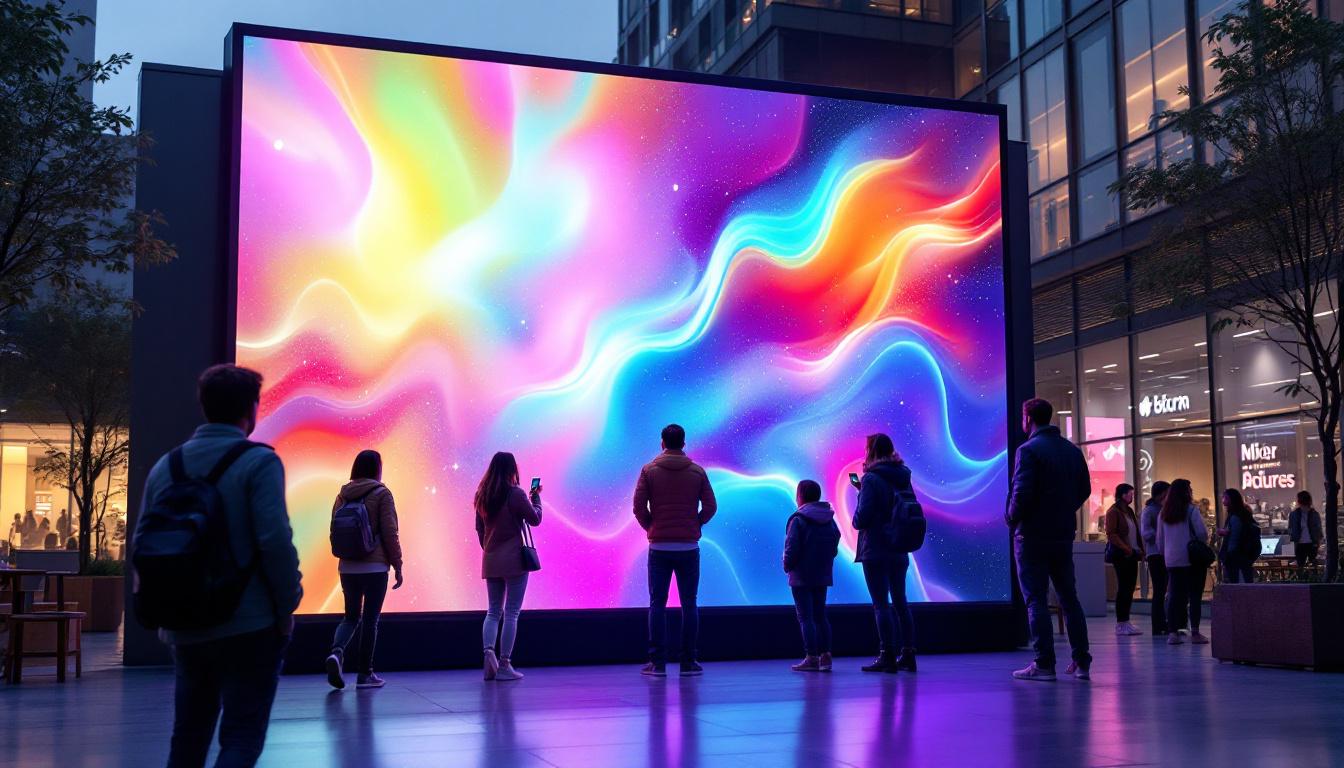
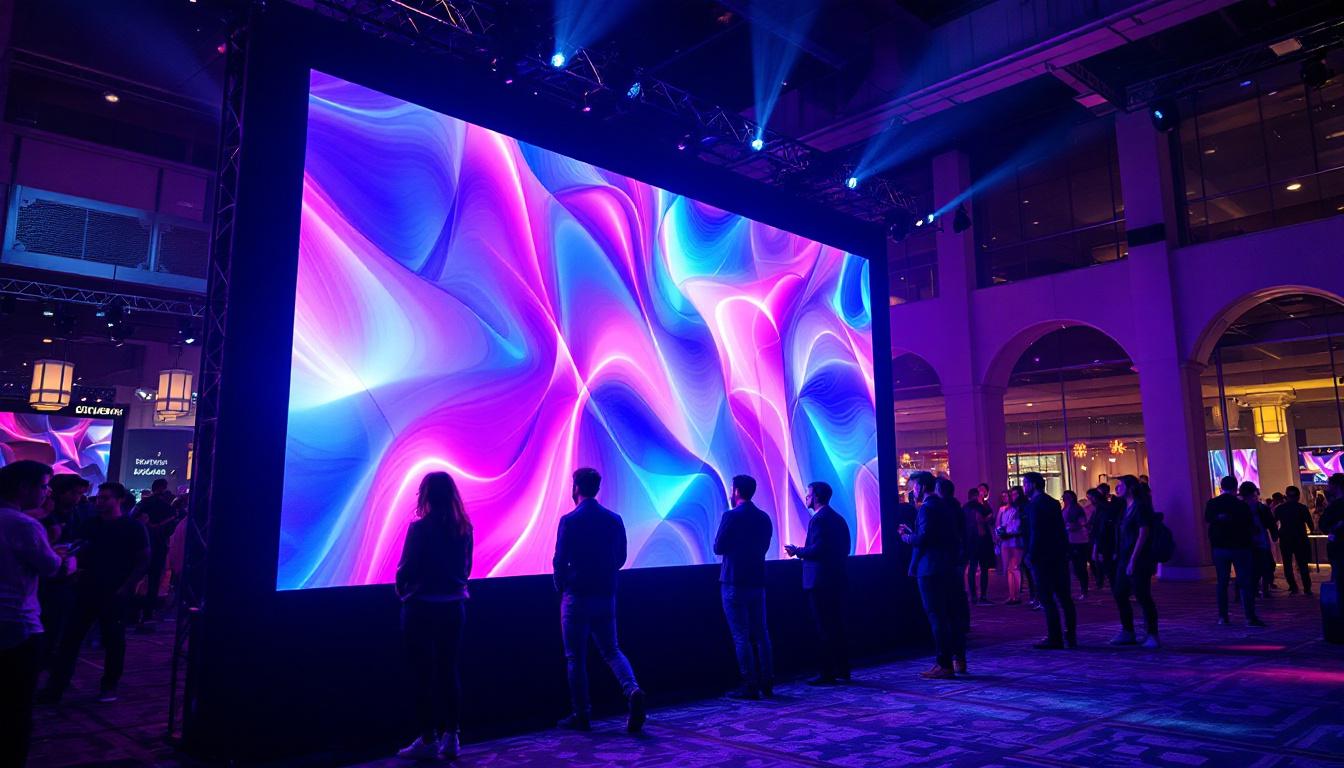
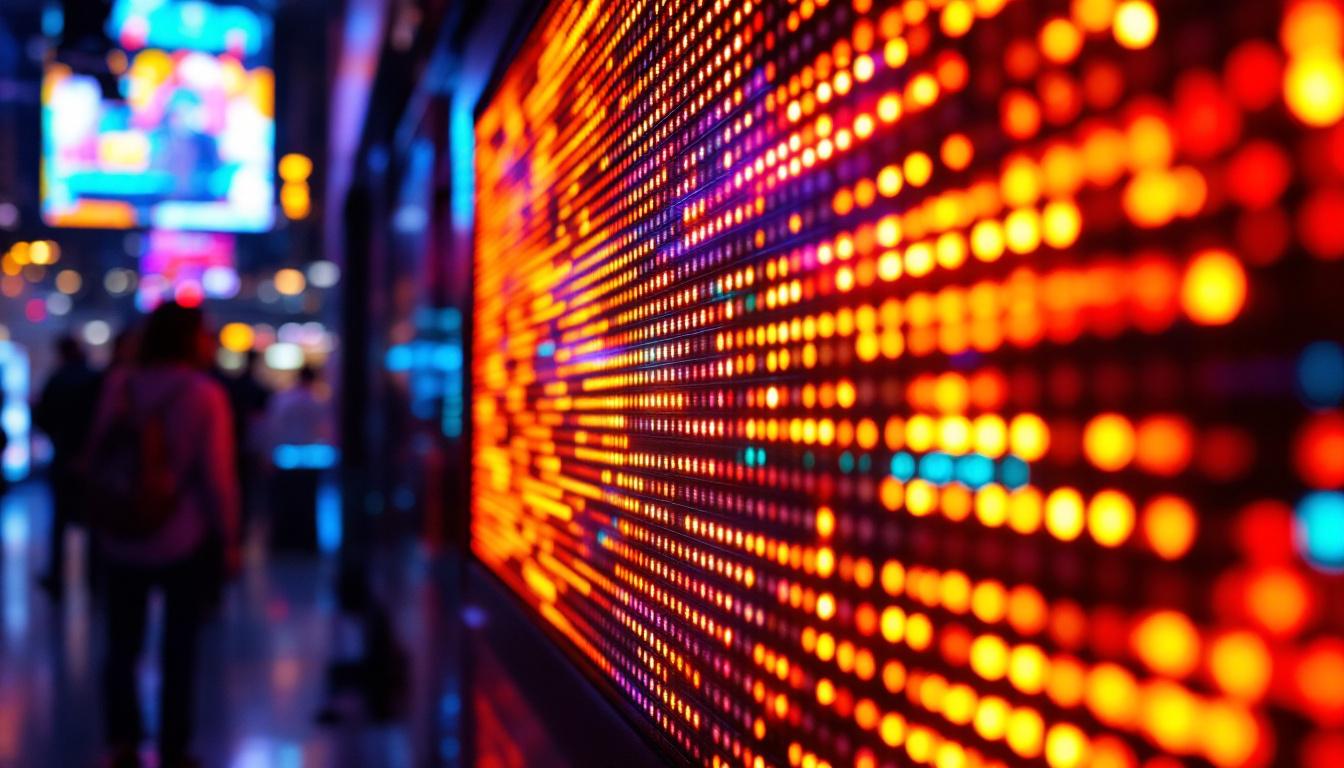
LED, or Light Emitting Diode, technology has revolutionized the way screens deliver images and videos. Unlike traditional LCDs that use fluorescent backlighting, LED displays utilize an array of light-emitting diodes to illuminate pixels. This results in brighter images, better contrast ratios, and improved energy efficiency. The shift from older technologies to LED has not only enhanced visual quality but has also paved the way for new applications in various fields, including advertising, entertainment, and even medical imaging.
LED displays come in two primary types: direct LED and edge-lit LED. Direct LED displays have diodes placed directly behind the screen, offering more uniform brightness and better picture quality. Edge-lit LED displays position LEDs along the edges of the screen, allowing for slimmer designs but sometimes sacrificing uniformity in brightness. This distinction is crucial for consumers and businesses alike, as the choice of display type can significantly affect the viewing experience and suitability for specific environments, such as retail spaces or home theaters.
For a 32 inch display, the choice between these technologies can influence both the price and performance. Direct LED models tend to be pricier but offer superior image quality, making them ideal for professional environments where clarity is paramount. Additionally, the advancements in LED technology have led to the development of features such as HDR (High Dynamic Range), which further enhances the viewing experience by providing a wider range of colors and improved detail in both bright and dark scenes.
Key Advantages of LED Displays
LED displays provide several benefits that contribute to their widespread adoption:
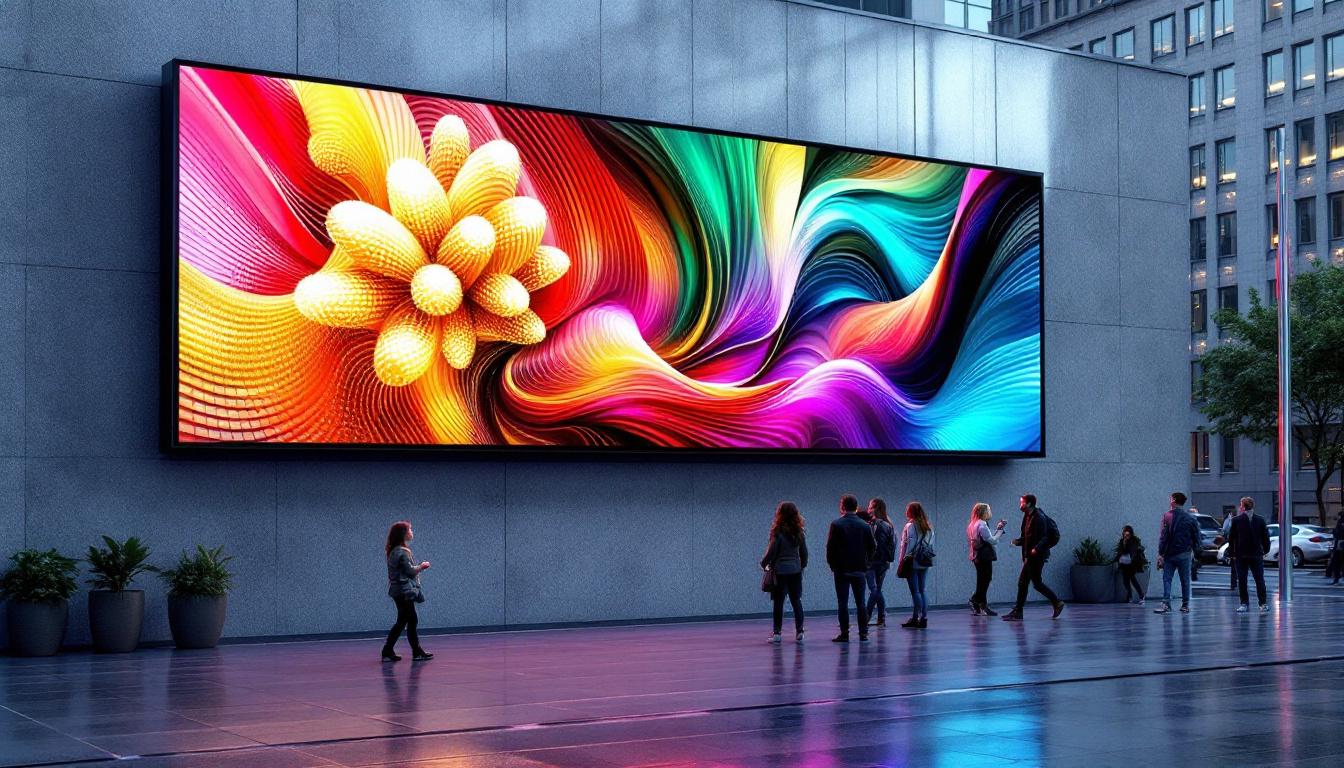
- Energy Efficiency: LEDs consume less power compared to traditional display technologies, reducing operational costs. This efficiency is particularly beneficial for large-scale installations, such as digital billboards, where energy savings can lead to substantial cost reductions over time.
- Longevity: LED panels typically last longer, with many rated for over 50,000 hours of use. This durability not only minimizes the need for frequent replacements but also contributes to lower waste and a more sustainable approach to display technology.
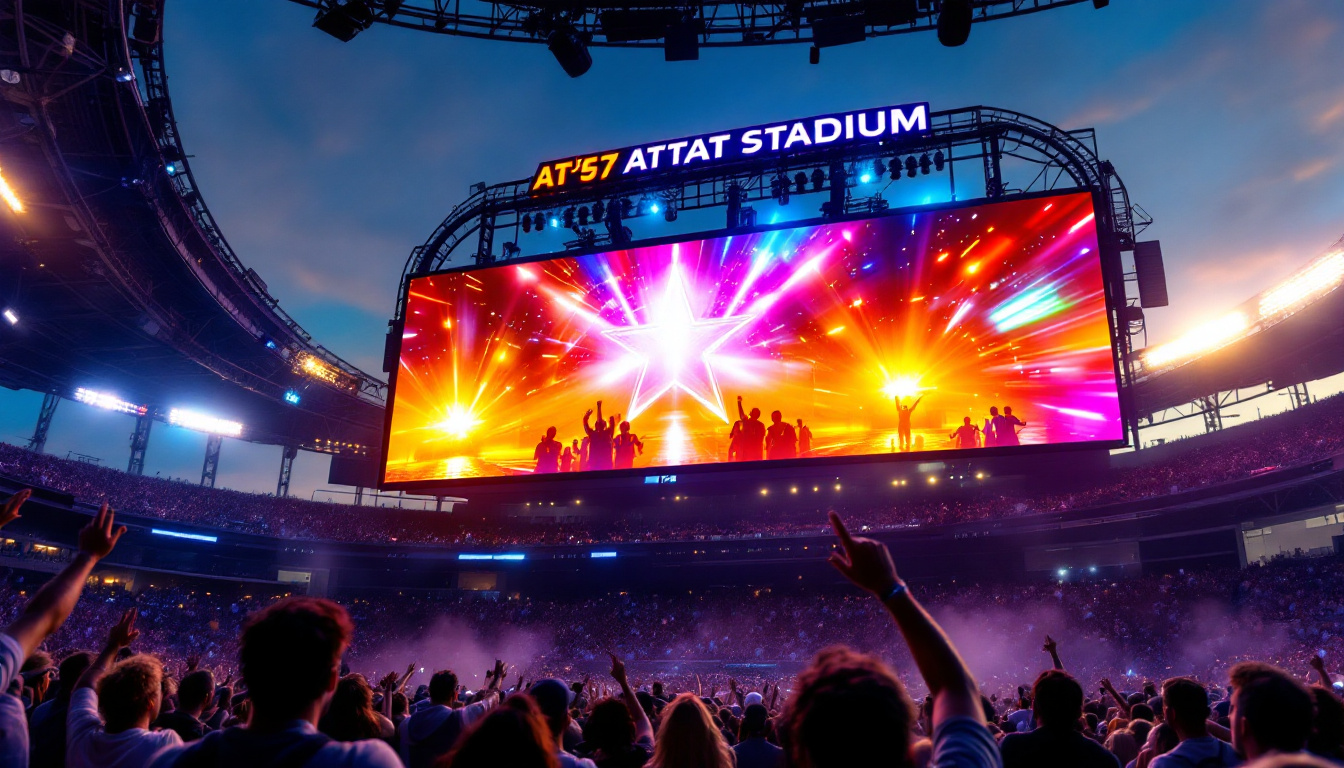
- Brightness and Contrast: Higher brightness levels make LED displays suitable for well-lit environments, while superior contrast enhances image depth. This capability is essential for applications like outdoor advertising, where visibility in direct sunlight is crucial for capturing audience attention.
- Thin and Lightweight: The compact design allows for sleek, space-saving installations. This characteristic has led to innovative uses in modern architecture, where LED screens can be seamlessly integrated into building facades or used as dynamic art installations.
Moreover, the versatility of LED technology extends beyond just display screens. It has found applications in various sectors, including automotive lighting, smart home devices, and even horticulture, where specific wavelengths of light can promote plant growth. As technology continues to evolve, the potential for LED displays and their applications seems limitless, promising exciting developments in how we interact with visual media in our daily lives.
Factors Influencing the Price of a 32 Inch LED Display
The price of a 32 inch LED display can vary widely depending on several factors. Understanding these can help buyers identify the best value for their specific applications.
Resolution and Image Quality
Resolution is a significant determinant of price. Common resolutions for 32 inch displays include HD (1366 x 768), Full HD (1920 x 1080), and 4K UHD (3840 x 2160). As resolution increases, so does the cost. For example, a basic HD 32 inch LED display might start around $150 to $200, whereas a 4K model can range from $300 to $500 or more.
Higher resolution displays offer sharper images and are essential for tasks requiring detailed visuals, such as graphic design, video editing, or high-end digital signage.
Panel Type and Refresh Rate
The type of panel used (IPS, VA, TN) affects both price and performance. IPS panels offer better color accuracy and wider viewing angles but tend to be more expensive. VA panels provide better contrast but may have slower response times, while TN panels are generally more affordable but with limited color reproduction.
Refresh rate, measured in hertz (Hz), impacts how smoothly motion is displayed. Standard 60Hz is sufficient for most users, but higher refresh rates (75Hz, 120Hz) are preferred for gaming or fast-paced video content, often commanding a premium price.
Additional Features and Connectivity
Modern 32 inch LED displays often come equipped with features that enhance usability and versatility, such as:
- Smart Capabilities: Built-in operating systems like Android allow for streaming apps and internet browsing without external devices.
- Multiple Input Ports: HDMI, DisplayPort, USB-C, and VGA inputs increase compatibility with various devices.
- HDR Support: High Dynamic Range improves color and contrast for a more lifelike picture.
- Built-in Speakers: Useful for multimedia applications but can add to the cost.
Each additional feature contributes to the overall price, with smart displays typically costing more than basic models.
Current Market Prices and Trends for 32 Inch LED Displays
As of mid-2024, the 32 inch LED display market offers a broad spectrum of options catering to different budgets and needs. Entry-level models suitable for general office use or casual home entertainment can be found in the $150 to $250 range. These typically feature HD or Full HD resolution with standard refresh rates and basic connectivity.
Mid-range displays, priced between $250 and $400, often include Full HD resolution, IPS panels for better color accuracy, and additional ports. These are ideal for users requiring higher image quality and more versatile connectivity options.
Premium 32 inch LED displays, costing $400 and above, tend to offer 4K resolution, HDR support, smart functionality, and superior build quality. These are targeted at professionals, gamers, and users seeking the best visual experience.
Price Comparison Examples
| Model | Resolution | Panel Type | Features | Approximate Price (USD) |
|---|---|---|---|---|
| Basic HD 32″ LED | 1366 x 768 | TN | Standard ports, 60Hz | $160 – $190 |
| Full HD IPS 32″ LED | 1920 x 1080 | IPS | Multiple HDMI, USB, 75Hz refresh | $280 – $350 |
| 4K UHD Smart 32″ LED | 3840 x 2160 | IPS | HDR, Smart OS, HDR10, Wi-Fi | $420 – $550 |
Choosing the Right 32 Inch LED Display for Your Needs
Selecting the ideal 32 inch LED display requires balancing budget, intended use, and desired features. Here are some considerations to guide the decision-making process:
For Home Entertainment
Users looking for a secondary TV or monitor for casual viewing should prioritize resolution and panel type. Full HD IPS displays offer good picture quality at an affordable price. Features like built-in speakers and smart functionality enhance convenience but may increase cost.
For Professional Use
Graphic designers, video editors, and business professionals benefit from higher resolution displays with accurate color reproduction. A 4K IPS panel with HDR support and multiple connectivity options is recommended. Investing in a higher-end model ensures longevity and better performance for demanding applications.
For Gaming
Gamers should consider refresh rates and response times alongside resolution. While 4K resolution offers stunning visuals, a 75Hz or higher refresh rate and low input lag are crucial for smooth gameplay. Some 32 inch LED displays are optimized for gaming with adaptive sync technologies, though these tend to be more expensive.
For Digital Signage and Commercial Use
Durability, brightness, and viewing angles are critical for displays used in public or commercial environments. Direct LED panels with high brightness levels and anti-glare coatings ensure visibility in various lighting conditions. Commercial-grade models may also include features like remote management and extended warranties.
Tips for Getting the Best Deal on a 32 Inch LED Display
With a wide range of options available, buyers can take several steps to secure the best price without compromising quality:
- Compare Prices Across Retailers: Online marketplaces, electronics stores, and manufacturer websites often have varying prices and promotions.
- Look for Seasonal Sales: Events like Black Friday, Cyber Monday, and back-to-school sales frequently offer significant discounts.
- Consider Refurbished Models: Certified refurbished displays can provide excellent value with manufacturer warranties.
- Read Reviews and Ratings: User feedback helps identify reliable models and avoid common issues.
- Check Warranty and Support: A solid warranty and responsive customer service add peace of mind, especially for higher-priced units.
Conclusion
The 32 inch LED display market offers a diverse array of options tailored to different needs and budgets. Prices vary based on resolution, panel type, refresh rate, and additional features, with models ranging from basic HD displays to advanced 4K smart screens. Understanding the technology behind LED displays and the factors influencing cost empowers buyers to select the right product for their specific use cases.
Whether for home entertainment, professional applications, gaming, or commercial signage, a 32 inch LED display can provide vibrant visuals and reliable performance. By considering the key features and market trends outlined in this article, consumers can confidently navigate their purchasing decisions and invest in a display that delivers both value and quality.
Discover the Future of Visual Experience with LumenMatrix
Ready to elevate your visual experience with a cutting-edge 32 inch LED display? Look no further than LumenMatrix, a leader in innovative LED display technology. Our extensive range of solutions, from Indoor and Outdoor LED Wall Displays to specialized options like Vehicle LED Displays and LED Sports Displays, is designed to captivate and engage your audience. With LumenMatrix, you’re not just buying a display; you’re investing in a transformative visual communication tool that embodies clarity, impact, and state-of-the-art technology. Don’t miss out on the opportunity to enhance your brand visibility and create unforgettable visual experiences. Check out LumenMatrix LED Display Solutions today and join the revolution in digital signage.