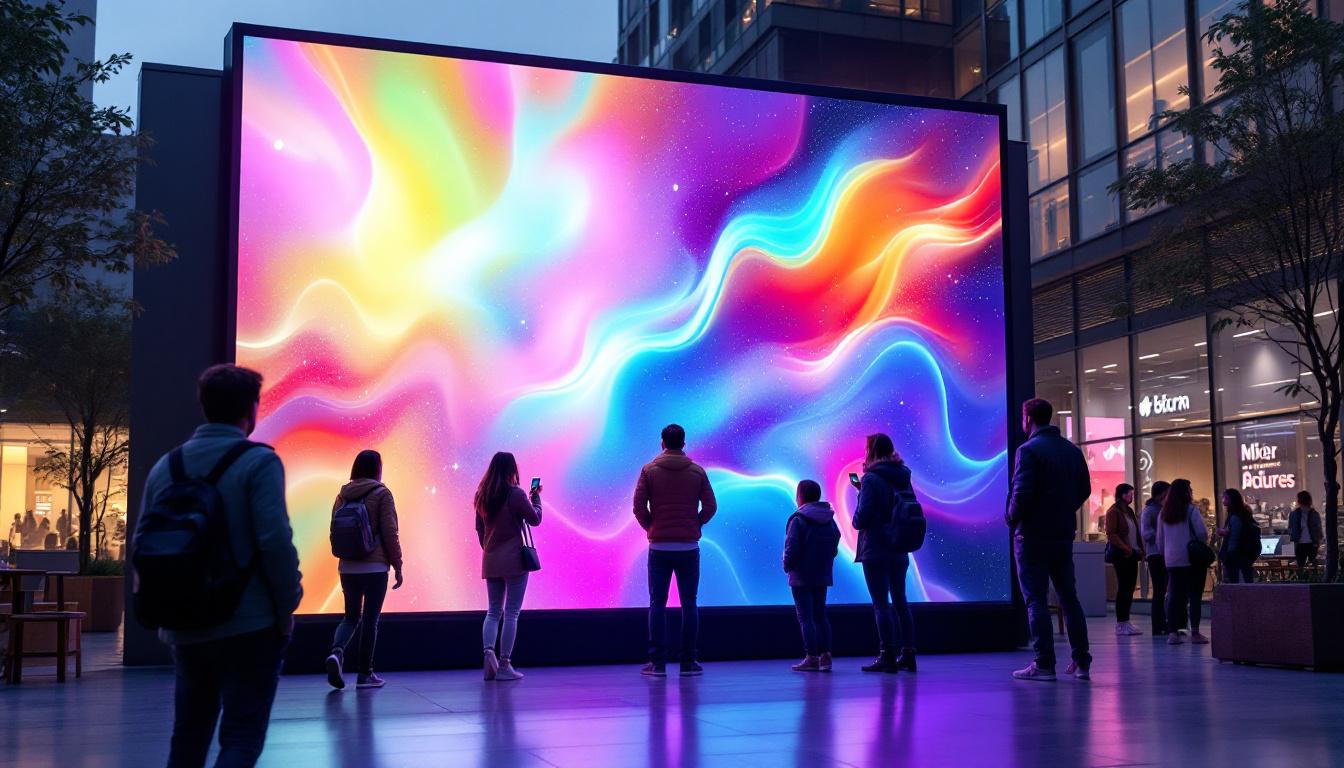
In an era where visual communication dominates marketing, entertainment, and public information, LED screens have become indispensable tools. Among the various types of LED displays, free standing LED screens stand out for their versatility, impact, and ease of installation. This article delves into the technology behind free standing LED screens, their applications, benefits, and considerations for choosing the right display solution.
Understanding Free Standing LED Screens
What Is a Free Standing LED Screen?
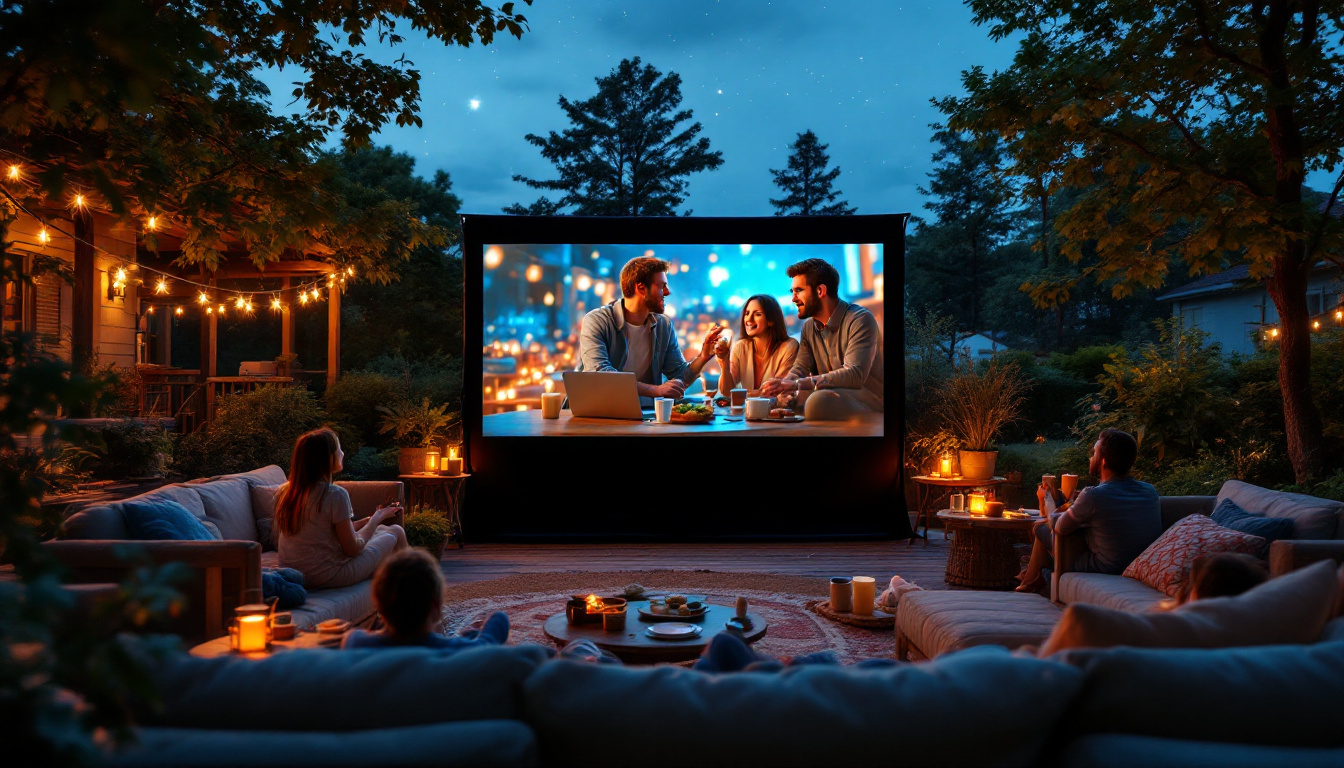
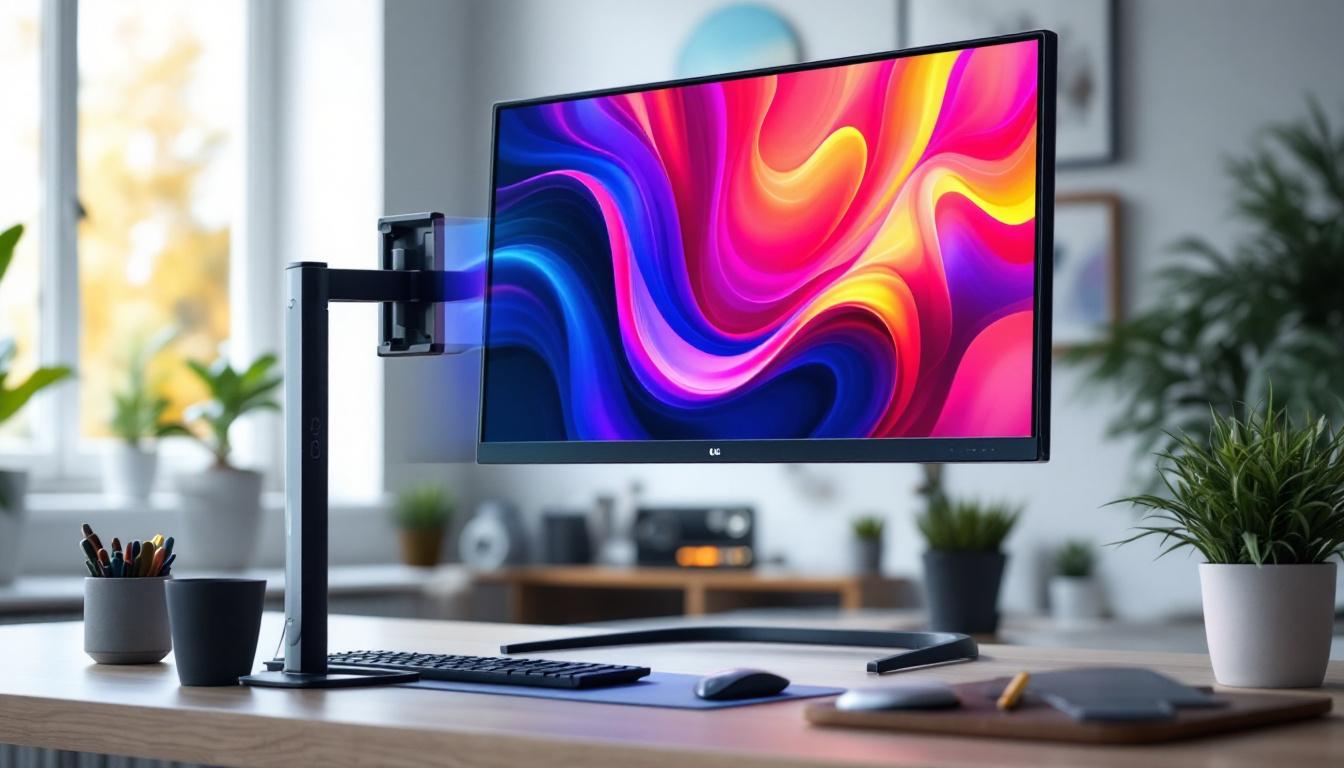
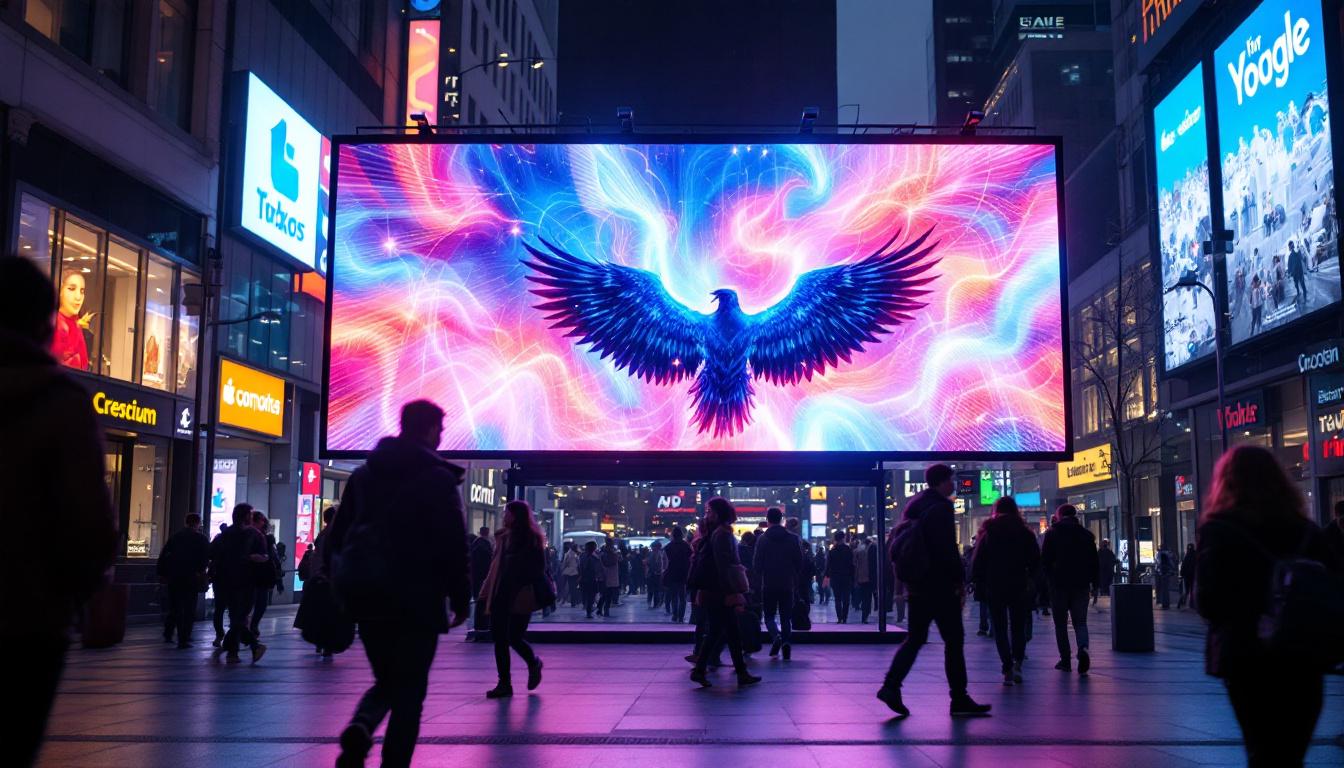
A free standing LED screen is a large digital display that operates independently without the need for wall mounting or structural support from existing buildings. These screens are mounted on sturdy frames or stands that allow them to be placed virtually anywhere—outdoors or indoors—making them highly flexible for various uses.
Unlike fixed LED panels, free standing LED screens can be relocated and reassembled, which is ideal for temporary events, advertising campaigns, or situations where permanent installation is not feasible. Their modular design enables customization in size and resolution, adapting to specific audience needs and viewing distances. This adaptability is particularly beneficial for trade shows, concerts, and sporting events, where the ability to change locations quickly can enhance visibility and engagement.
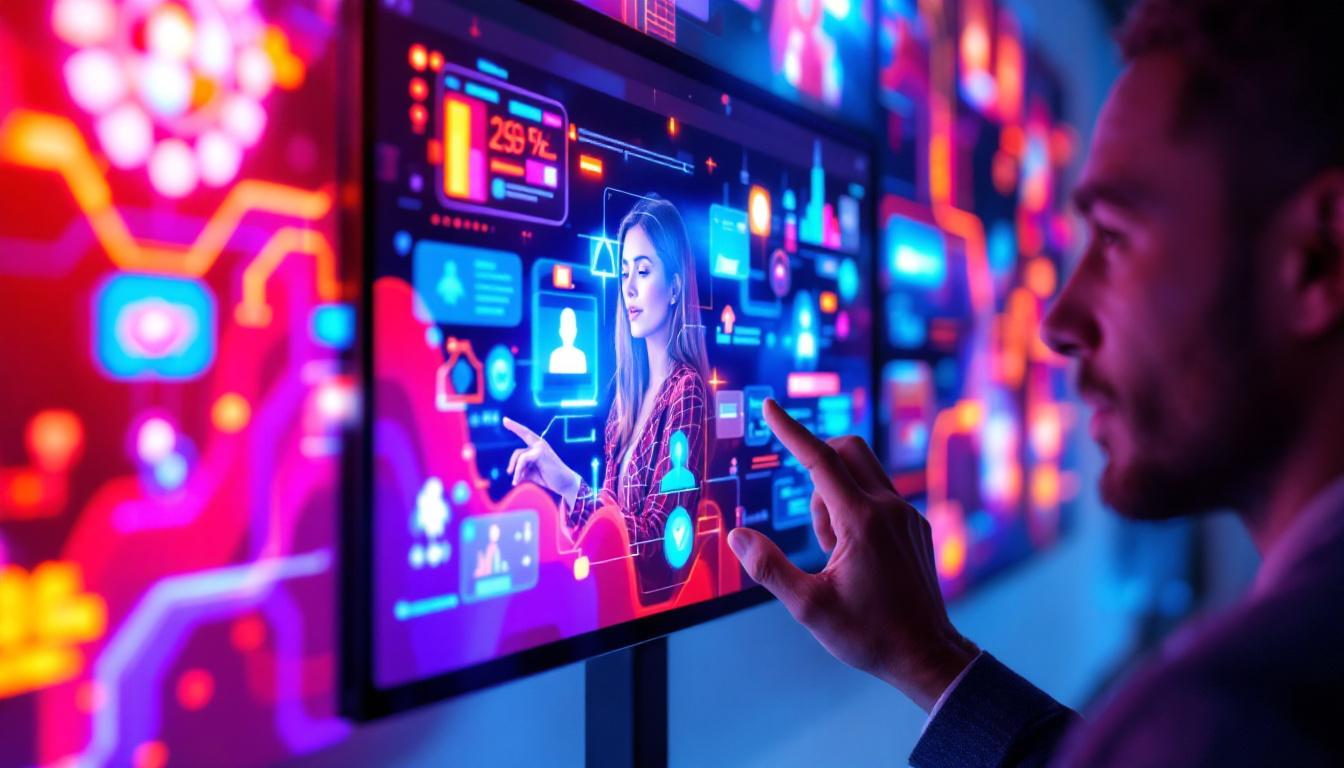
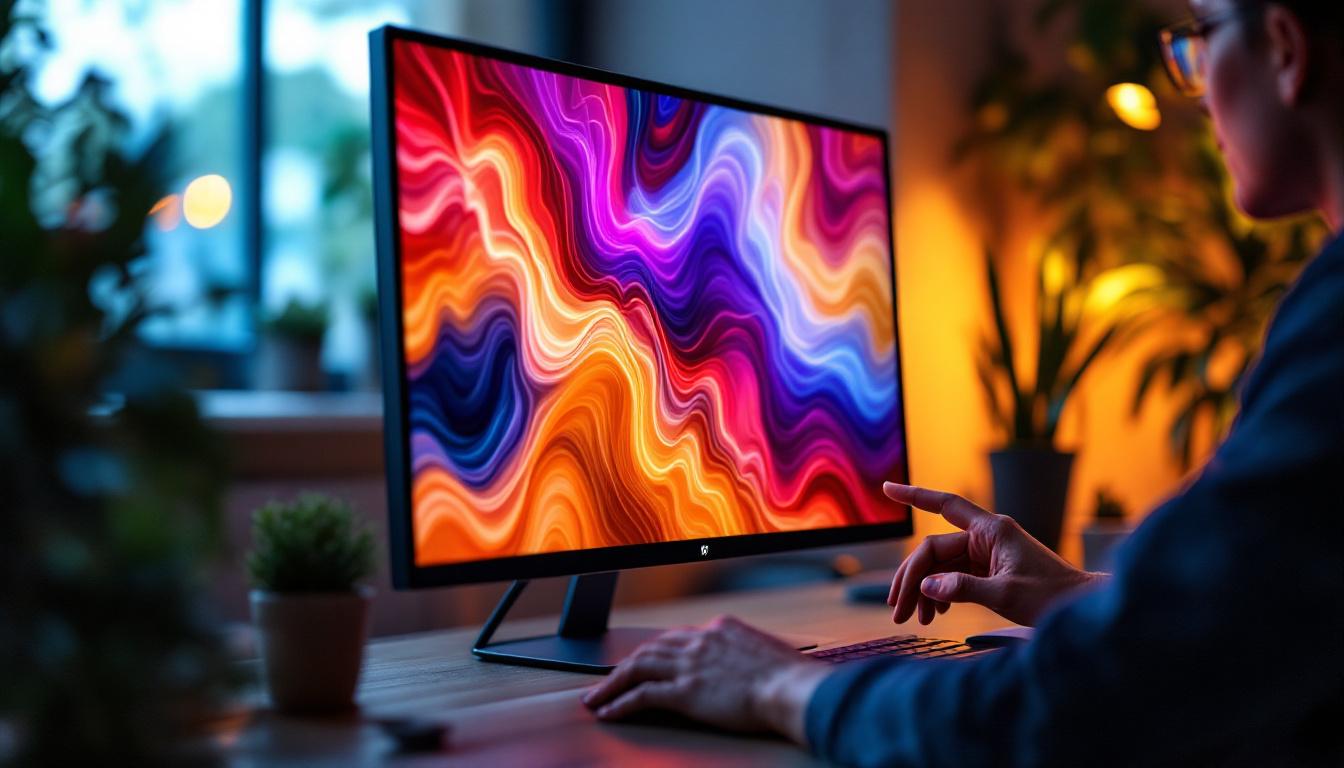
Moreover, the versatility of free standing LED screens extends beyond mere placement; they can also be integrated with interactive technologies. For instance, touch screens can be incorporated into the design, allowing users to engage directly with the content displayed. This interactivity can transform a passive viewing experience into an engaging one, making it an excellent tool for marketing and information dissemination.
How Do LED Screens Work?
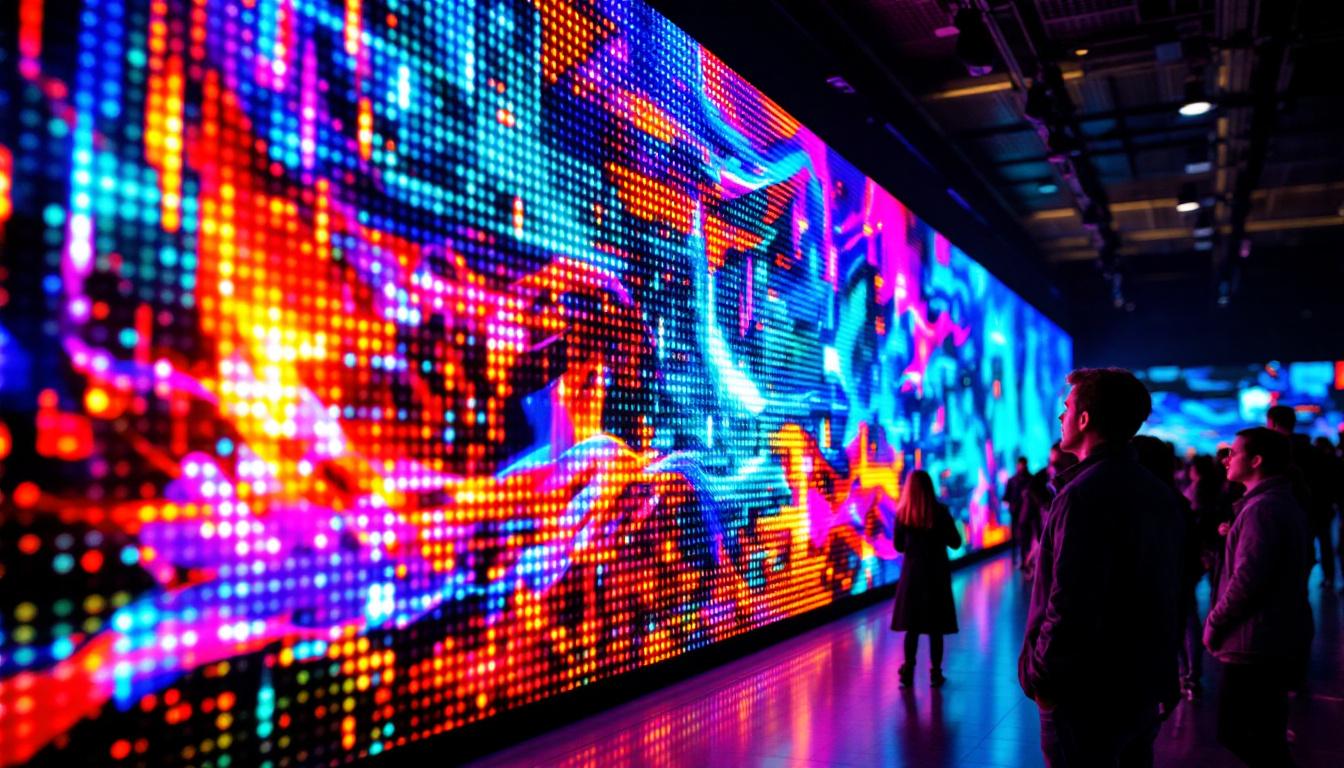
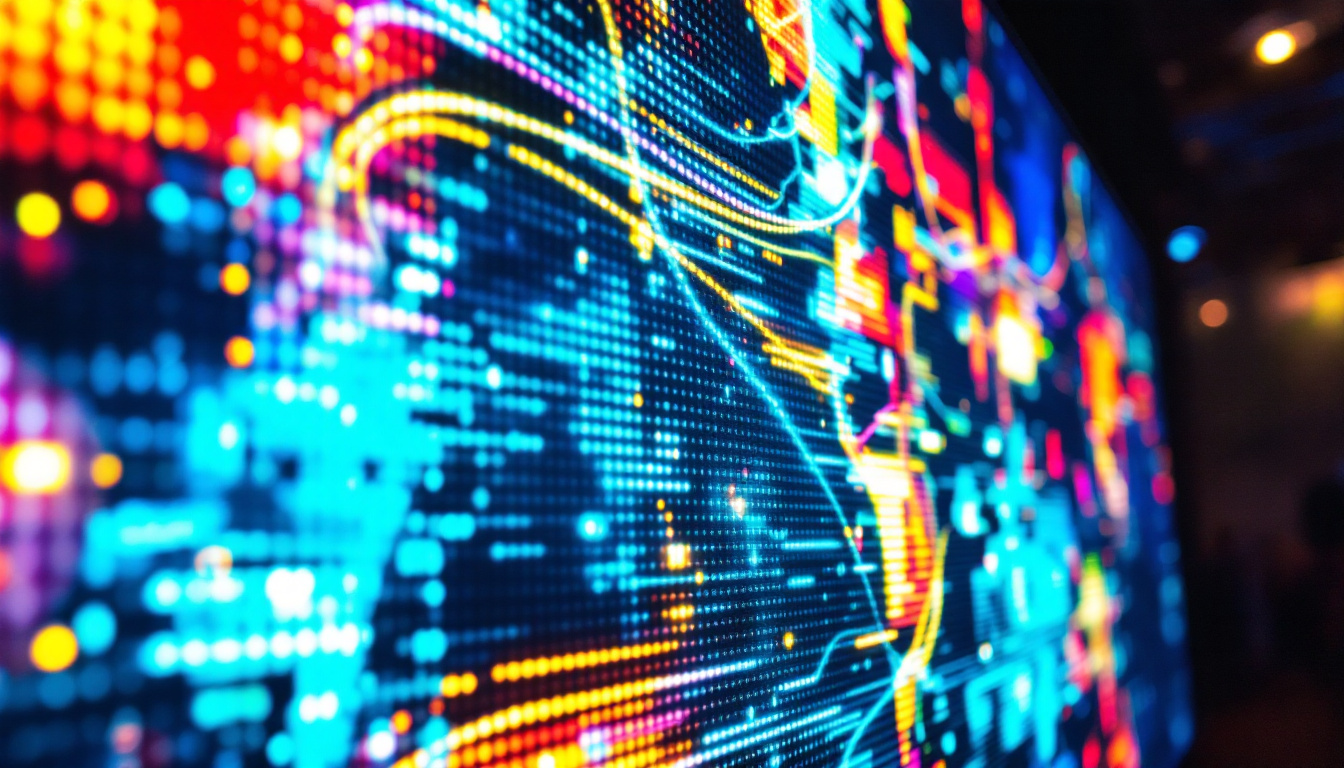
LED stands for Light Emitting Diode, a semiconductor device that emits light when an electric current passes through it. LED screens consist of thousands to millions of these tiny diodes arranged in a matrix to form pixels. Each pixel typically contains red, green, and blue diodes, which combine to produce a full spectrum of colors.
The brightness, contrast, and color accuracy of LED screens are controlled by varying the intensity of each diode. This technology allows for vibrant images that are visible even in direct sunlight, making LED displays superior to traditional LCD or projection screens in many outdoor and high-ambient-light environments. Additionally, LED screens have a longer lifespan than their counterparts, often lasting tens of thousands of hours, which translates to lower maintenance costs and a more sustainable option for businesses.
Furthermore, the energy efficiency of LED technology is a significant advantage. Compared to older display technologies, LED screens consume less power while delivering higher brightness levels, making them an eco-friendly choice for both indoor and outdoor applications. This efficiency not only reduces electricity bills but also minimizes the environmental impact, aligning with the growing trend of sustainability in technology. As a result, many organizations are increasingly opting for free standing LED screens as part of their marketing and communication strategies, recognizing their potential to attract attention while being mindful of energy consumption.
Key Features and Advantages of Free Standing LED Screens
High Brightness and Visibility
One of the most significant advantages of free standing LED screens is their exceptional brightness. Modern LED panels can reach brightness levels exceeding 5,000 nits, ensuring clear visibility in broad daylight. This feature is crucial for outdoor advertising, sports events, and public information displays where ambient light conditions are challenging.
Additionally, the wide viewing angles of LED screens ensure that the content is visible from multiple directions, enhancing audience engagement and reach.
Modularity and Scalability
Free standing LED screens are composed of modular panels that can be assembled to create screens of varying sizes and aspect ratios. This modularity allows event organizers and advertisers to scale their displays according to venue size and budget.
For example, a music festival might use a massive LED screen measuring over 100 square meters to broadcast live performances, while a smaller retail event might opt for a compact 3×2 meter screen. The ability to customize screen dimensions without compromising image quality is a major selling point.
Durability and Weather Resistance
Designed for both indoor and outdoor use, free standing LED screens are built to withstand harsh environmental conditions. High-quality screens are rated with IP65 or higher, indicating strong resistance to dust, rain, and humidity.
This durability ensures reliable performance during outdoor events such as sports tournaments, political rallies, or public celebrations, where weather unpredictability is a concern.
Energy Efficiency
Compared to older display technologies, LED screens consume significantly less power, making them more environmentally friendly and cost-effective over time. Advances in LED technology have led to more efficient diodes and power management systems, reducing operational costs for businesses and event organizers.
Applications of Free Standing LED Screens
Outdoor Advertising and Digital Billboards
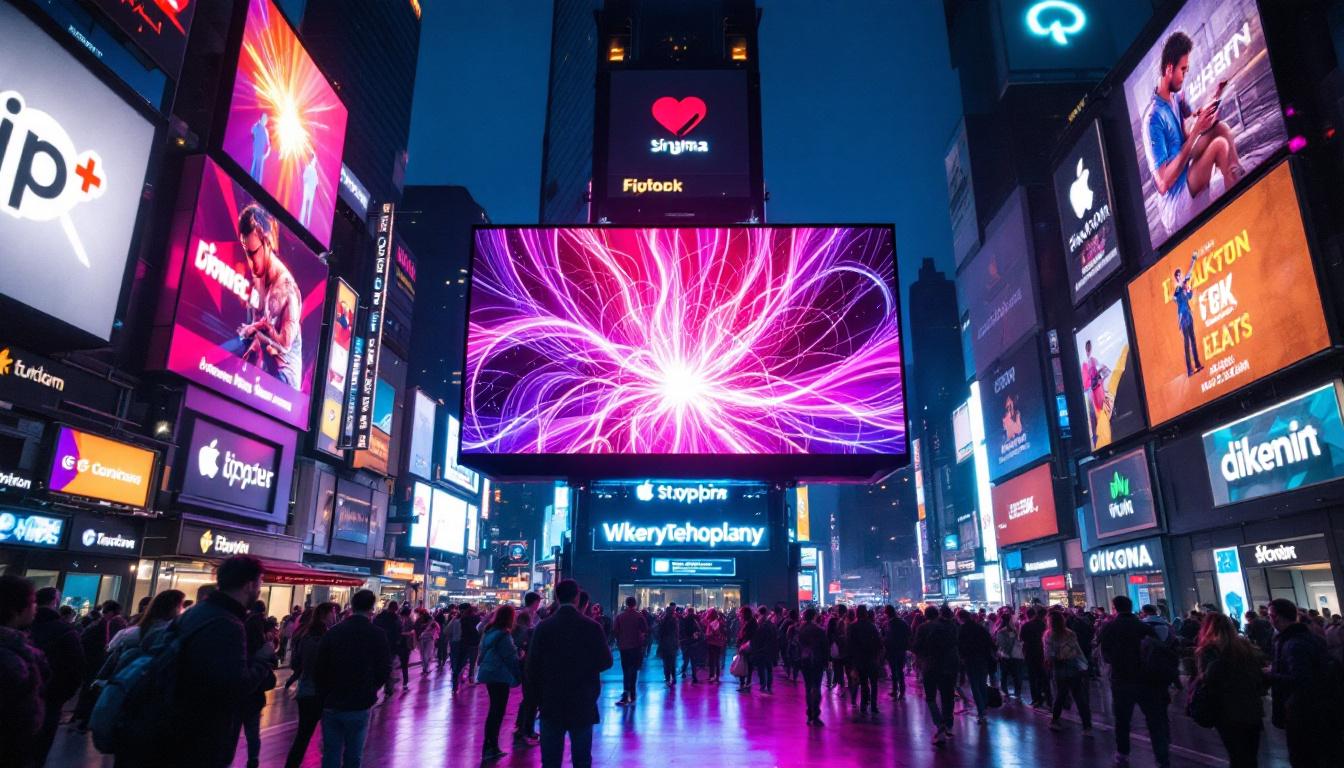
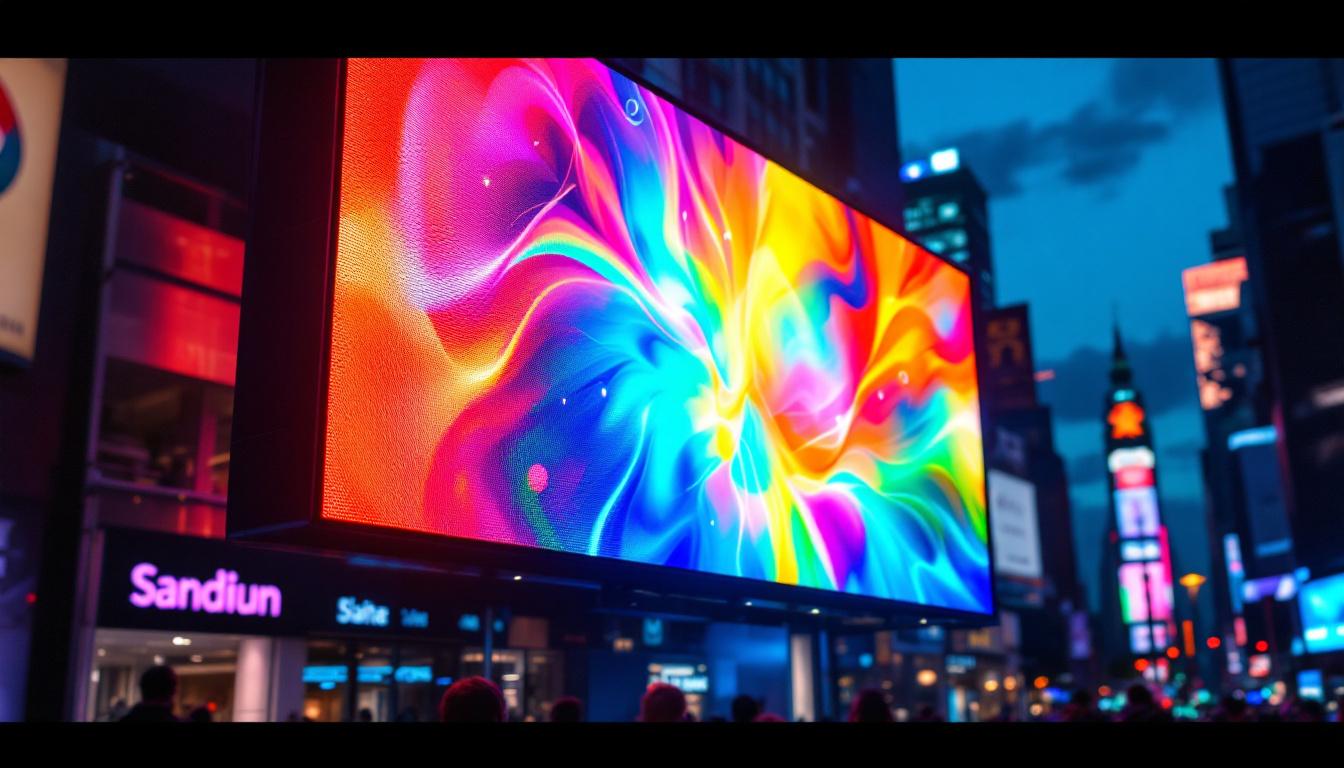
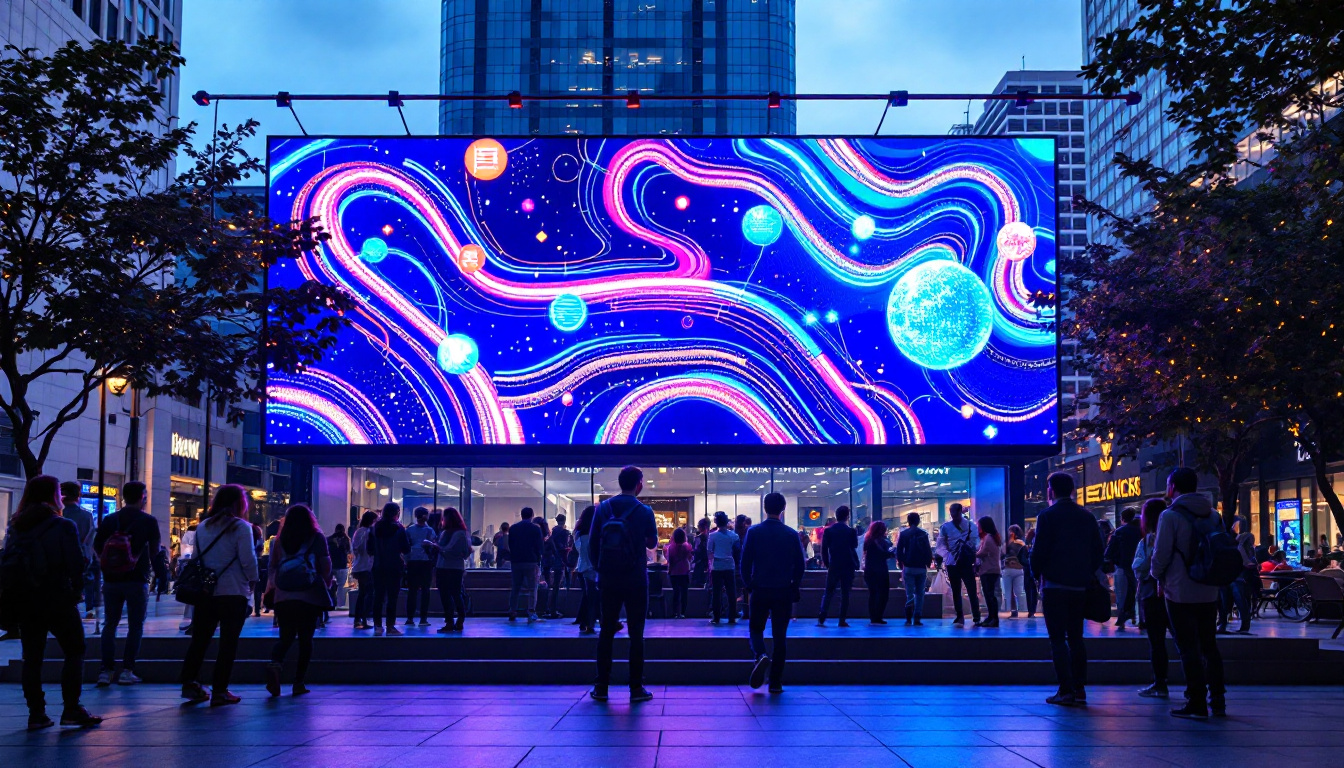
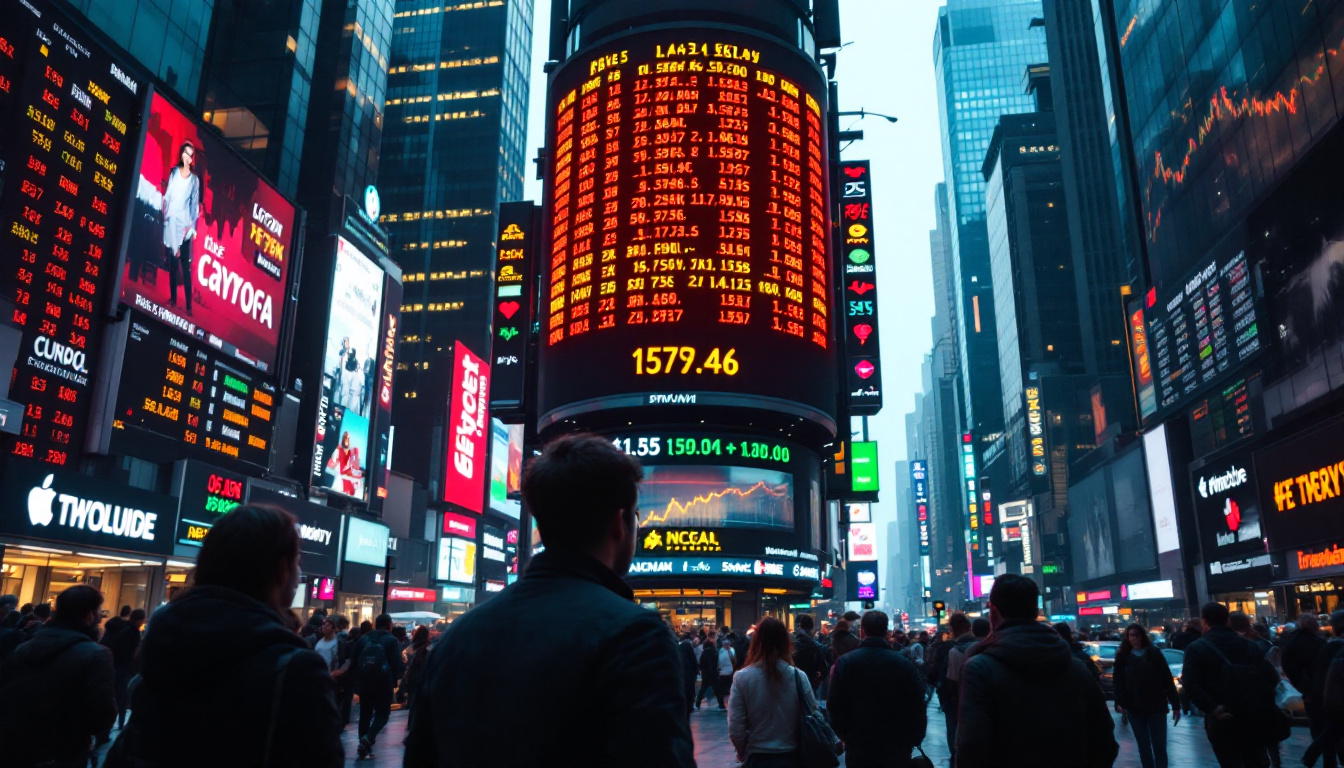
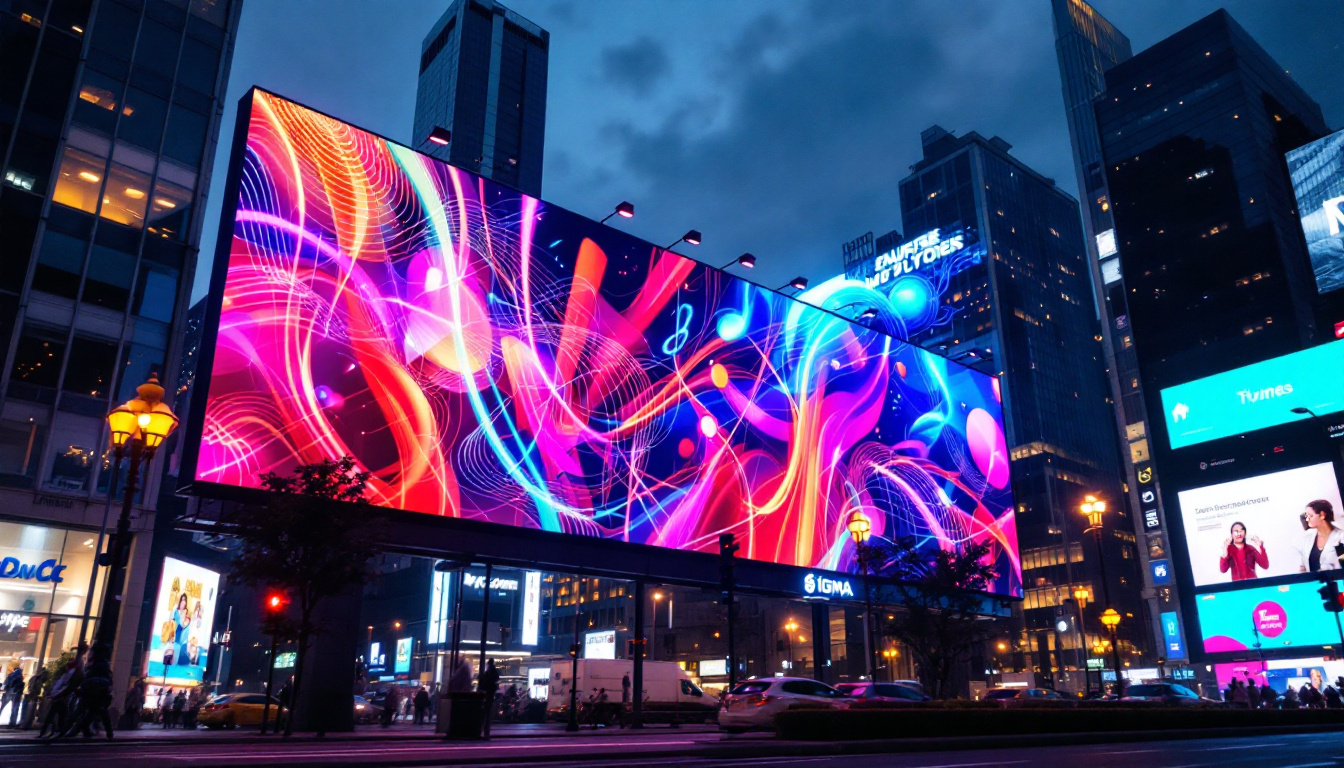
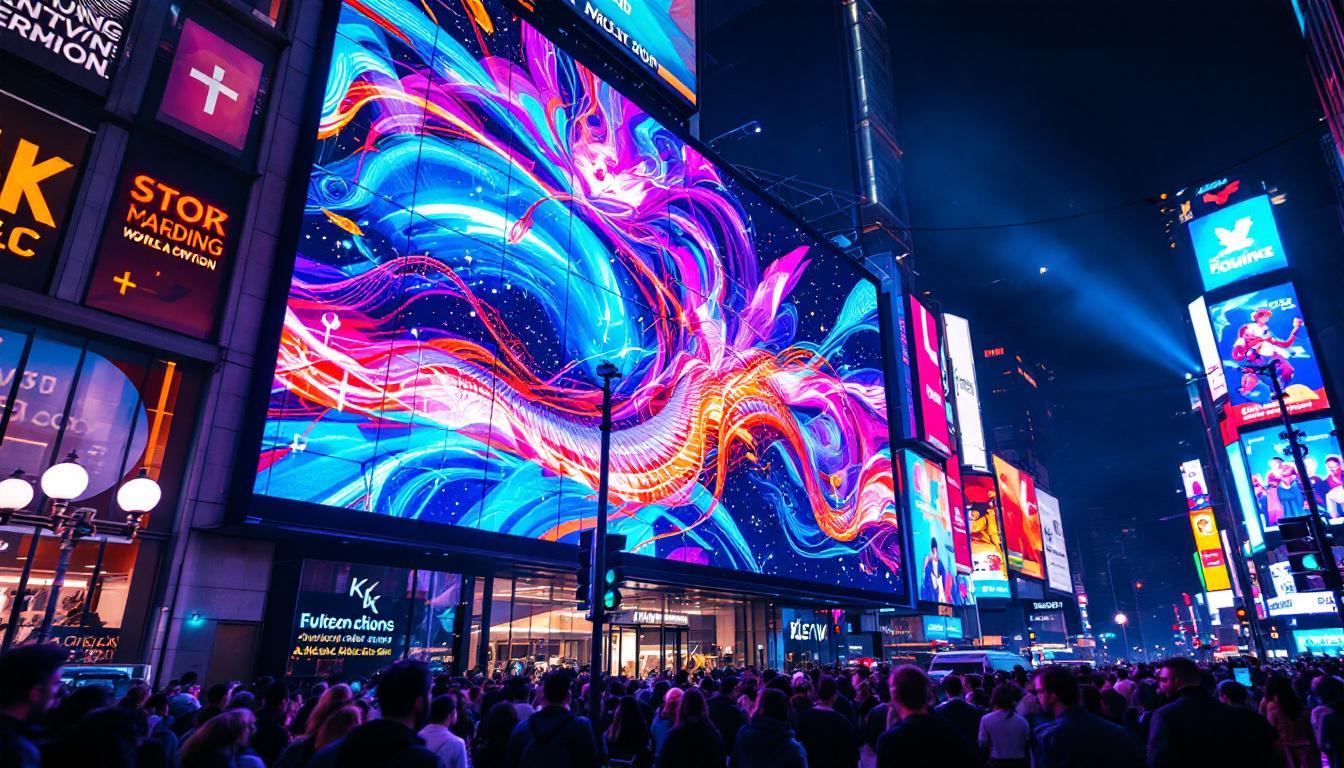
Free standing LED screens have revolutionized outdoor advertising by enabling dynamic, eye-catching content that can be updated in real time. Digital billboards using LED technology offer advertisers the flexibility to display multiple ads throughout the day, target different audiences, and incorporate interactive elements.
According to recent market research, the global digital billboard market is expected to grow at a CAGR of over 8% through 2027, driven largely by the adoption of LED technology in urban centers worldwide.
Live Events and Entertainment
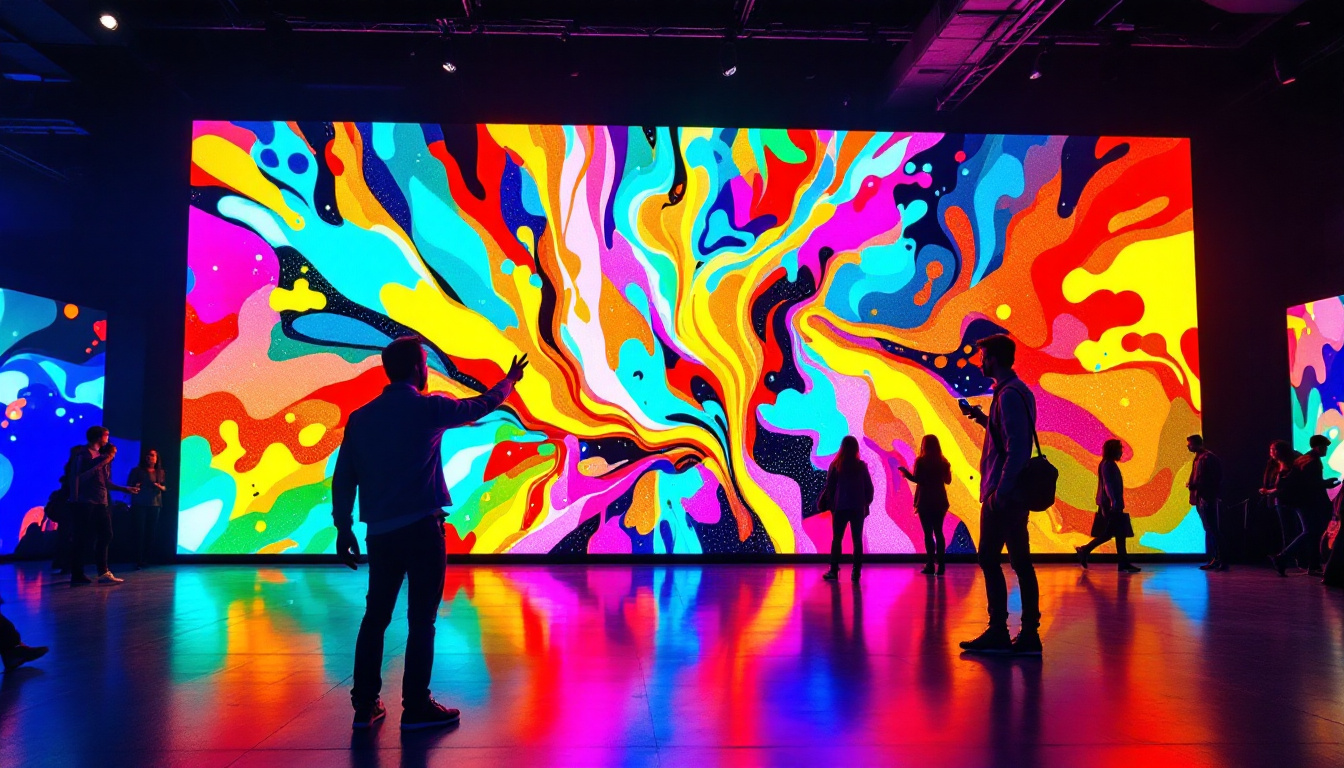
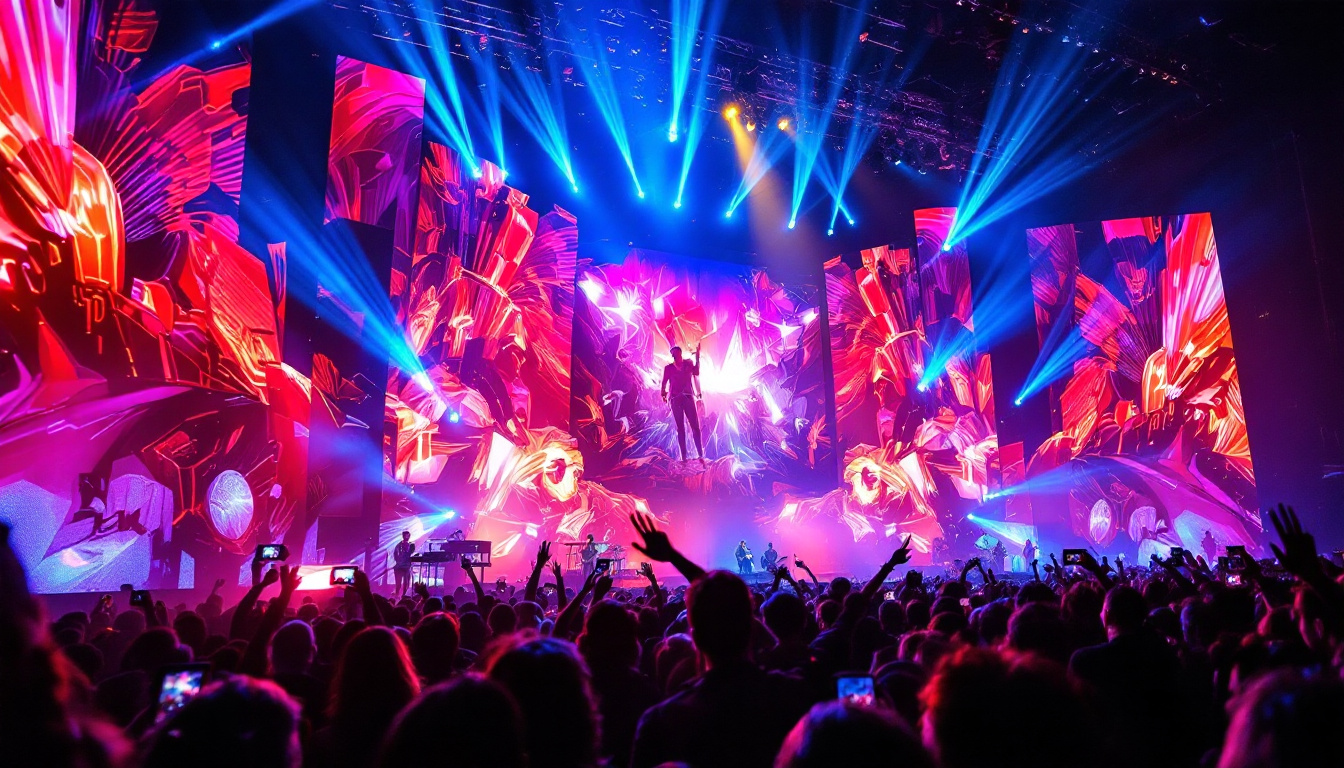
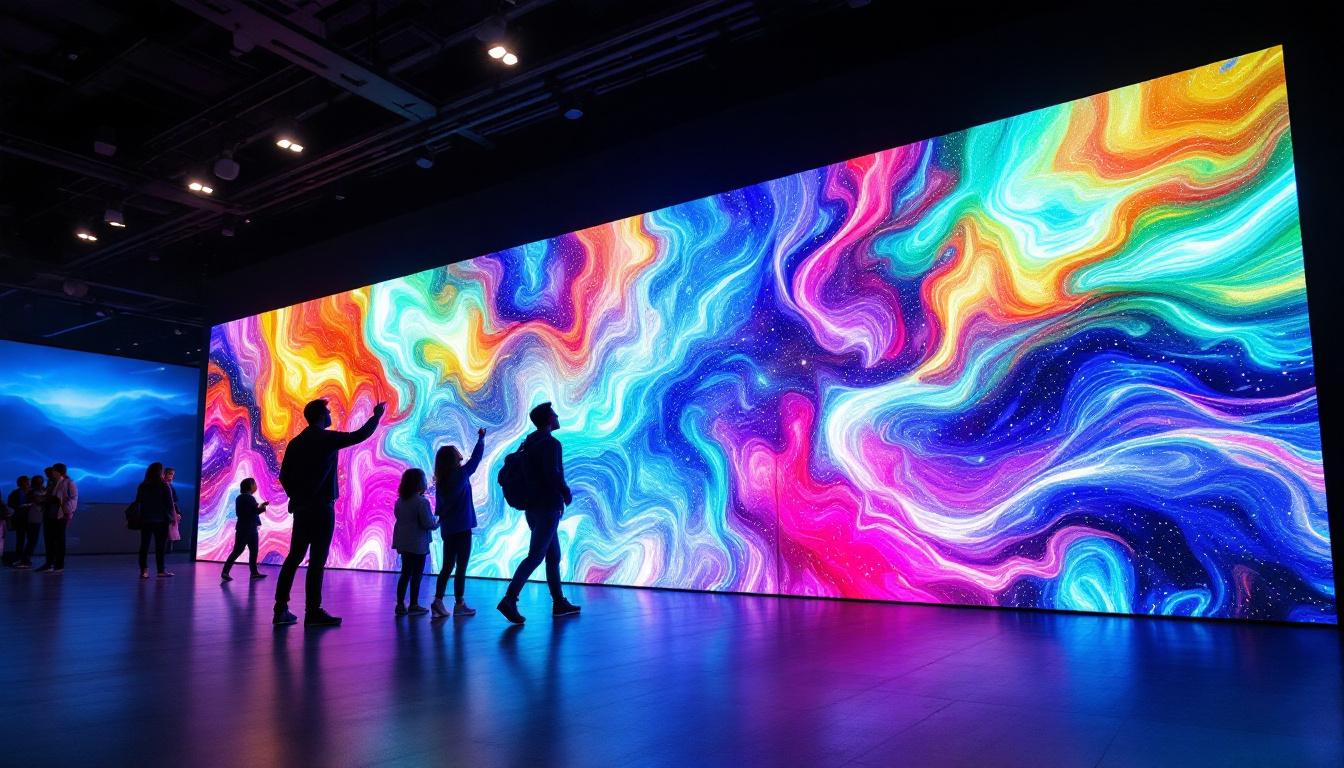
Concerts, festivals, sports events, and theatrical performances frequently utilize free standing LED screens to enhance audience experience. These screens provide live video feeds, close-ups of performers, and engaging visual effects that captivate large crowds.
For example, the 2023 Coachella Valley Music and Arts Festival featured multiple free standing LED screens strategically placed around the venue, ensuring that attendees had clear views regardless of their location.
Corporate and Trade Shows
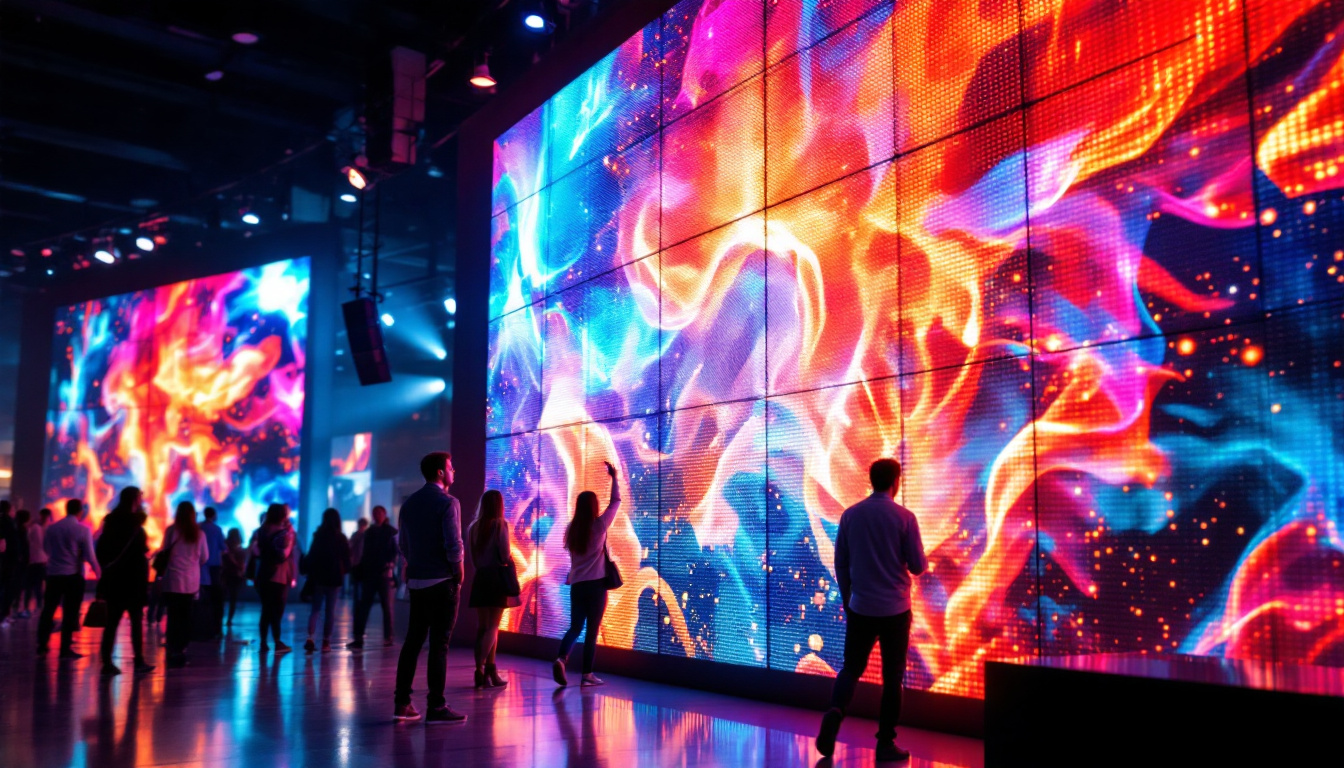
Businesses leverage free standing LED screens at trade shows, product launches, and conferences to showcase presentations, videos, and interactive content. The portability and ease of setup make these screens ideal for temporary exhibitions where impactful visual communication is essential.
Companies can tailor their screen size and resolution to suit booth dimensions and audience size, enhancing brand visibility and engagement.
Public Information and Safety
Municipalities and government agencies use free standing LED screens to disseminate important information such as traffic updates, emergency alerts, and community announcements. Their high visibility and real-time content update capabilities make them effective tools for public safety and awareness campaigns.
Choosing the Right Free Standing LED Screen
Resolution and Pixel Pitch
Resolution refers to the number of pixels displayed on the screen, while pixel pitch is the distance between the centers of two adjacent pixels, typically measured in millimeters. A smaller pixel pitch means higher resolution and sharper images, especially important for close viewing distances.
For outdoor screens viewed from a distance of 10 meters or more, a pixel pitch of 10mm to 20mm is common. For indoor or close-range applications, pixel pitches as low as 1.5mm provide crisp, detailed visuals.
Screen Size and Viewing Distance
Determining the appropriate screen size depends on the venue and the expected audience size. Larger screens are necessary for expansive outdoor areas or stadiums, while smaller screens suffice for indoor events or retail spaces.
As a general rule, the optimal viewing distance is approximately 10 times the pixel pitch. For example, a 10mm pixel pitch screen is best viewed from at least 10 meters away to avoid visible pixelation.
Brightness and Environmental Considerations
Brightness requirements vary depending on whether the screen will be used indoors or outdoors. Outdoor screens require higher brightness levels (typically 5,000 to 7,000 nits) to combat sunlight glare, whereas indoor screens can operate effectively at lower brightness levels (around 800 to 1,500 nits).
Environmental factors such as temperature extremes, humidity, and exposure to dust should also influence the choice of screen. Selecting a model with appropriate IP ratings and cooling systems ensures longevity and consistent performance.
Installation and Maintenance
Free standing LED screens should come with user-friendly installation systems that allow for quick assembly and disassembly. This is particularly important for rental companies and event organizers who require rapid setup and teardown.
Maintenance access is another critical consideration. Screens designed with front and rear serviceability enable technicians to perform repairs and replacements without dismantling the entire structure, minimizing downtime.
Future Trends in Free Standing LED Screens
Advancements in MicroLED Technology
MicroLED technology, which uses microscopic LEDs to create displays, promises even higher brightness, better color accuracy, and lower power consumption compared to traditional LED screens. Although currently more expensive, MicroLED is expected to become more accessible in the coming years, revolutionizing free standing LED screen quality.
Integration with Interactive Technologies
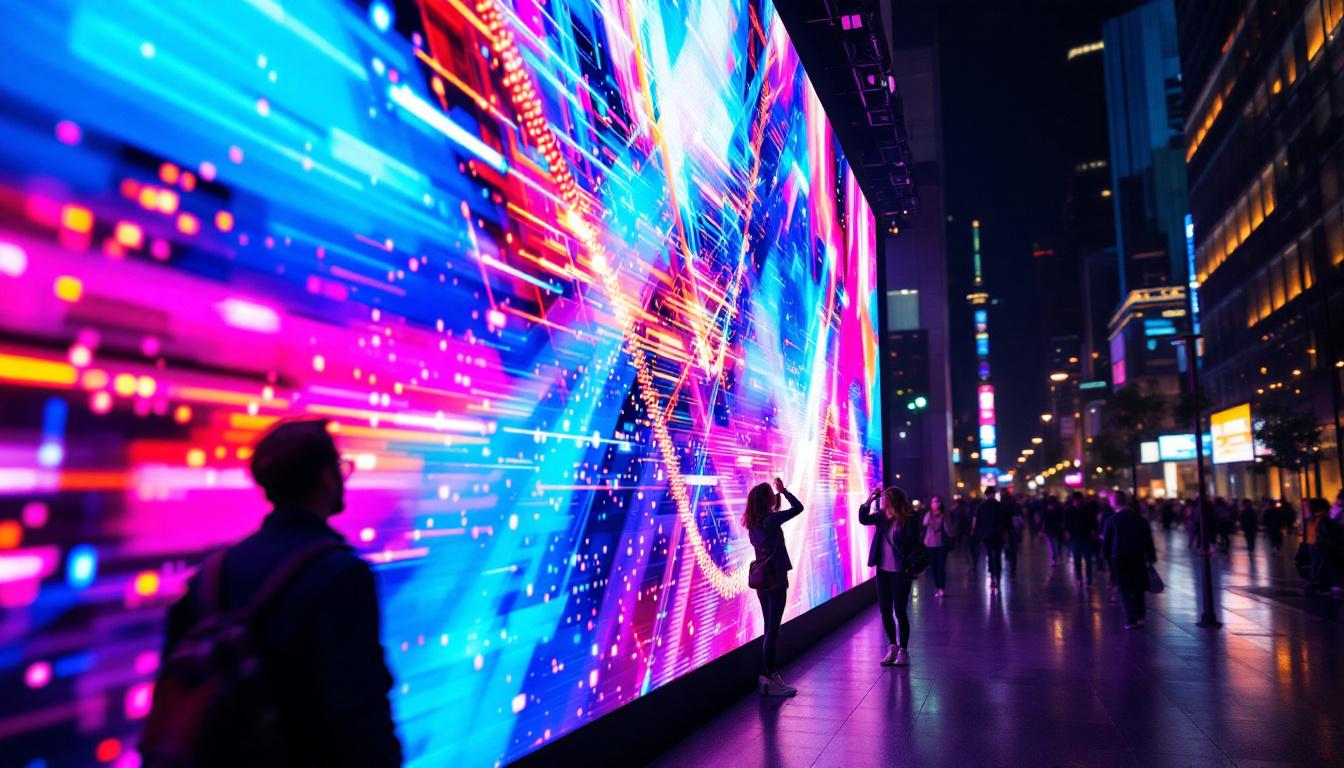
Interactive LED screens that respond to touch, motion, or mobile device inputs are gaining popularity. These innovations enhance user engagement, allowing audiences to interact with content in real time, which is particularly valuable in retail and event environments.
AI and Content Optimization
Artificial intelligence is being integrated into LED display management systems to optimize content delivery based on audience demographics, time of day, and environmental conditions. This ensures that displayed messages are relevant, timely, and impactful, maximizing return on investment for advertisers and event organizers.
Conclusion
Free standing LED screens represent a powerful and flexible medium for visual communication across a wide range of industries and applications. Their high brightness, modularity, durability, and energy efficiency make them ideal for outdoor advertising, live events, corporate presentations, and public information dissemination.
Understanding the technical aspects such as resolution, pixel pitch, brightness, and environmental ratings is essential to selecting the right screen for specific needs. As technology advances, free standing LED screens will continue to evolve, offering even more dynamic and interactive experiences for audiences worldwide.
Whether for a major festival, a retail promotion, or a public safety announcement, investing in a high-quality free standing LED screen can significantly enhance the effectiveness of visual messaging and audience engagement.
Discover LumenMatrix’s Innovative LED Display Solutions
Ready to elevate your visual communication strategy with a free standing LED screen that offers unmatched brightness, flexibility, and energy efficiency? Explore LumenMatrix’s comprehensive range of LED display solutions, including Indoor and Outdoor LED Wall Displays, Vehicle LED Displays, LED Poster Displays, and more. Each product is crafted to captivate your audience and amplify your message with the clarity and impact it deserves. Check out LumenMatrix LED Display Solutions today and experience the future of digital signage.