In the rapidly evolving world of digital displays, understanding the nuances of screen sizes and technologies is essential for consumers, businesses, and tech enthusiasts alike. Among the many options available, the 32-inch LED display stands out as a popular choice for a wide range of applications—from home entertainment to professional environments. This article delves into the specifics of what a 32-inch LED display entails, the meaning behind the term “mm” in this context, and why this size and technology combination continues to be relevant in today’s market.
Understanding the Basics: What Does 32 Inch Mm Mean?
Decoding the Measurement: Inches vs. Millimeters
When discussing display sizes, the term “32 inch” typically refers to the diagonal measurement of the screen. This is a standard way to describe screen size across various types of displays, including LED, LCD, and OLED. The “mm” or millimeter measurement, on the other hand, often relates to the pixel pitch or the thickness of certain components within the display.
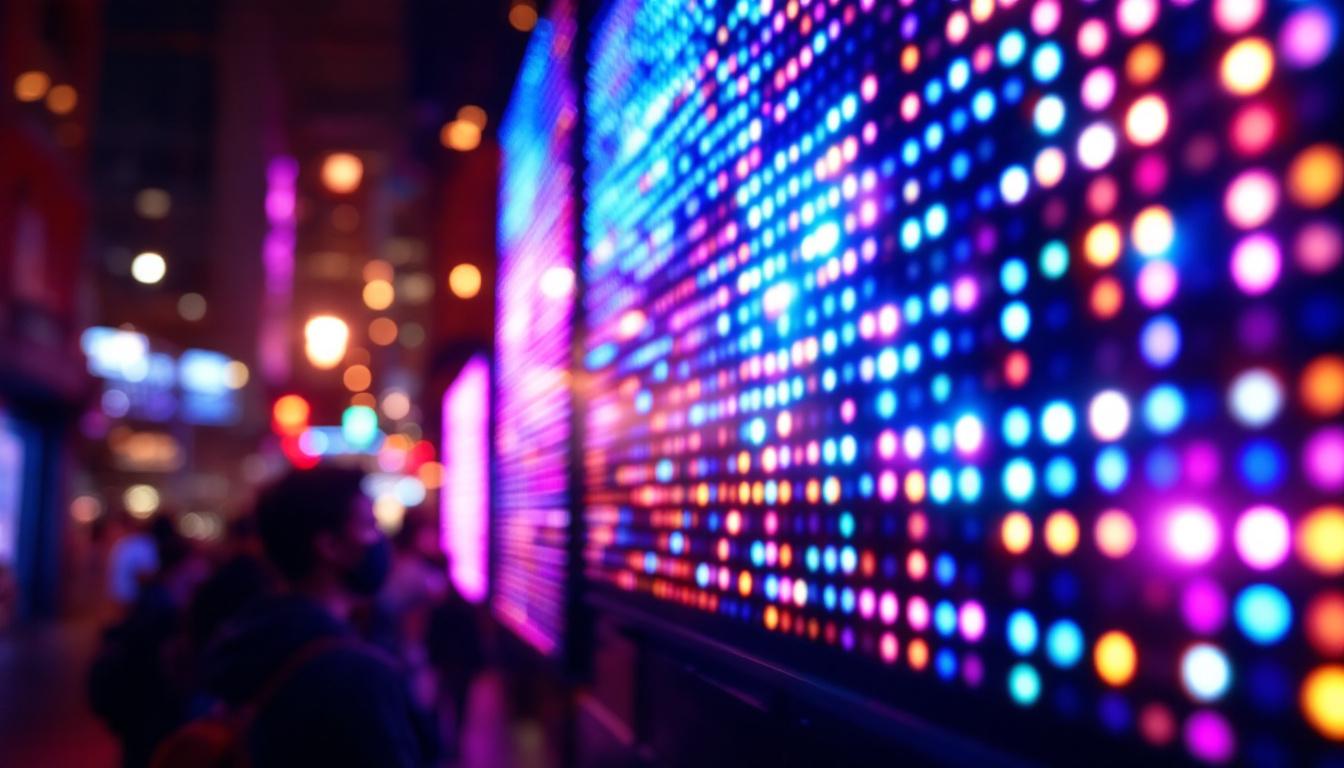
To put it simply, 32 inches equals approximately 812.8 millimeters diagonally. However, in the context of LED displays, “mm” is more commonly associated with pixel pitch—the distance between the centers of two adjacent pixels. This measurement is crucial because it directly impacts the display’s resolution and viewing distance. For example, a 1.5 mm pixel pitch means the pixels are spaced 1.5 millimeters apart, offering a higher resolution and sharper image quality than a display with a 4 mm pixel pitch.
Understanding these measurements is essential for consumers and professionals alike, as they can significantly influence the choice of display for specific applications. For instance, a 32-inch television intended for home use might prioritize vibrant colors and contrast ratios, while a 32-inch monitor for graphic design would focus on color accuracy and pixel density. Thus, knowing how to interpret these measurements can lead to more informed decisions when purchasing or recommending displays.
Why Pixel Pitch Matters for 32-Inch LED Displays
Pixel pitch is a critical specification for LED displays, especially when considering usage scenarios. A smaller pixel pitch means more pixels per inch, resulting in finer detail and better image clarity. For a 32-inch LED display, pixel pitch can vary depending on whether the screen is designed for close-up viewing, such as a computer monitor or television, or for larger venues where the screen is viewed from a distance, like digital signage.
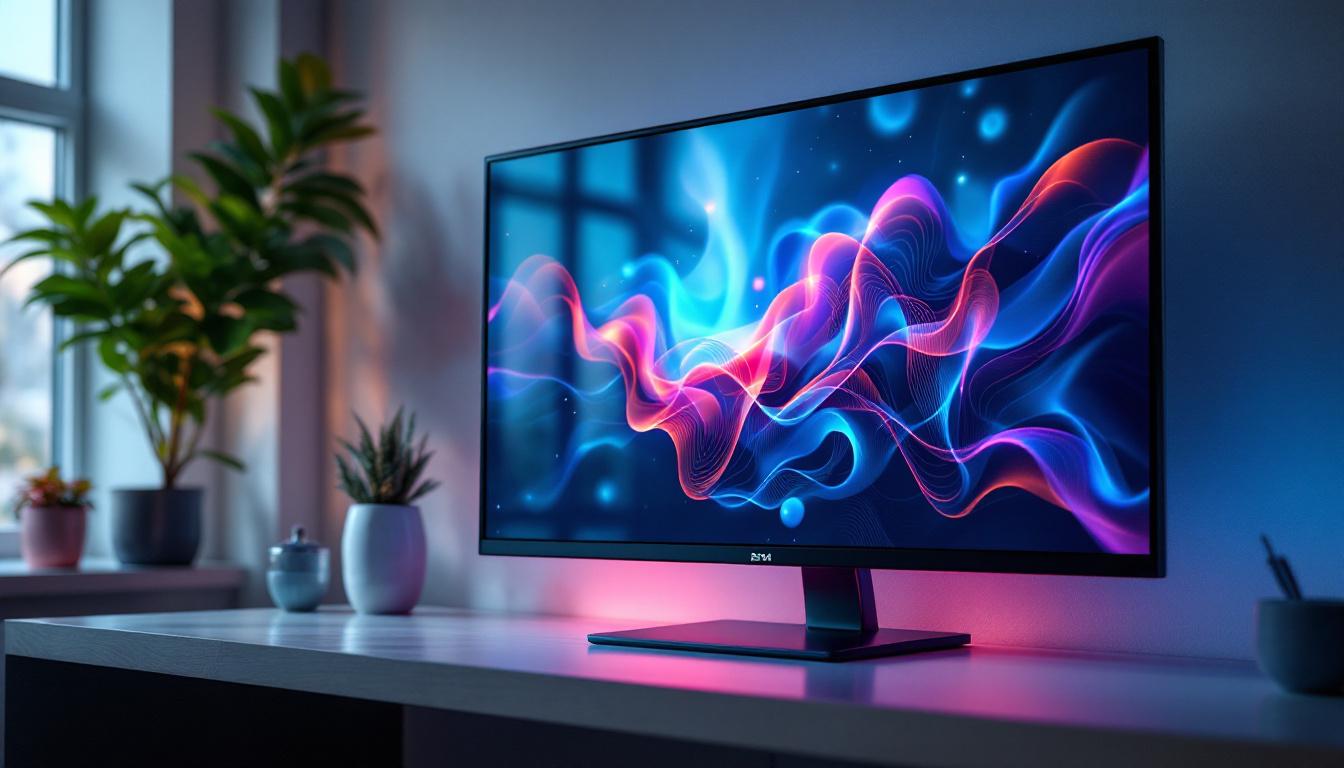
For instance, a 32-inch LED monitor with a pixel pitch of 0.4 mm to 0.7 mm is ideal for desktop use, providing crisp images and text. Conversely, a 32-inch LED display used in commercial applications might have a pixel pitch of 1.5 mm or higher, balancing resolution with visibility from several feet away. This is particularly important in environments like retail stores or trade shows, where the display needs to attract attention and convey information quickly to passersby.
Moreover, the choice of pixel pitch can also affect the overall cost of the display. Displays with smaller pixel pitches tend to be more expensive due to the increased number of LEDs required to create the finer resolution. Consequently, businesses must weigh the benefits of enhanced image quality against budget constraints. Additionally, factors such as ambient lighting and the intended use of the display can further influence the optimal pixel pitch selection, ensuring that the display performs well under various conditions.
The Technology Behind 32-Inch LED Displays
What is an LED Display?
LED stands for Light Emitting Diode, a technology that uses tiny diodes to produce light and color. Unlike traditional LCD screens that rely on backlighting, LED displays use these diodes as the light source themselves. This results in several advantages, including improved brightness, better contrast ratios, and energy efficiency. The ability of LED technology to produce vibrant colors and deep blacks has made it a popular choice in both consumer electronics and professional applications.
In the case of 32-inch LED displays, the technology can be implemented in various ways. Some 32-inch screens are actually LED-backlit LCDs, where LEDs serve as the backlight for an LCD panel. Others are true LED displays, often used in digital signage, where each pixel is an individual LED or cluster of LEDs. This versatility allows manufacturers to cater to different markets, from home entertainment systems to large-scale advertising displays, each requiring specific features and performance characteristics.
Types of 32-Inch LED Displays
There are primarily two types of 32-inch LED displays that consumers and businesses encounter:
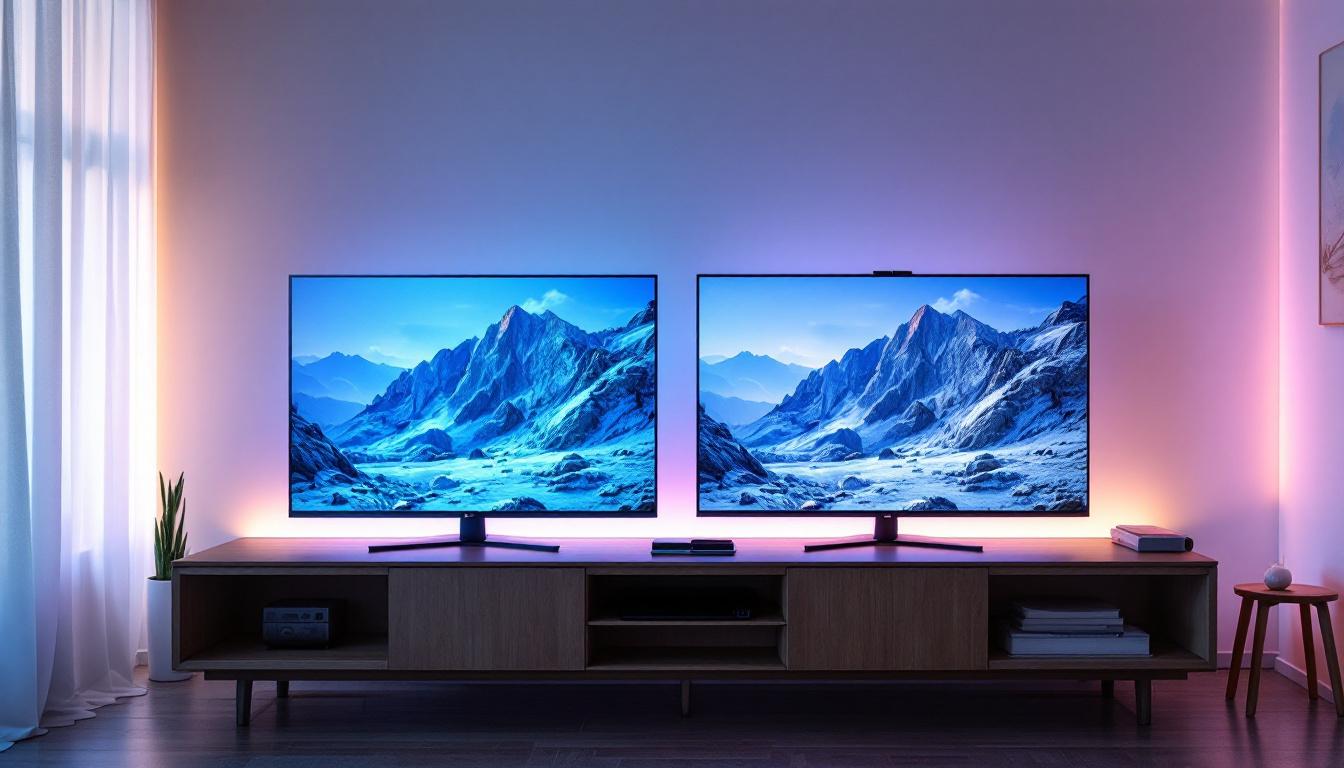
- LED-Backlit LCD Displays: These are the most common types of LED displays found in televisions and computer monitors. They use an LCD panel with an LED backlight, combining the color accuracy of LCDs with the brightness and efficiency of LEDs. This type of display is particularly favored for home use, as it provides a good balance between quality and cost, making it accessible to a wide range of consumers.
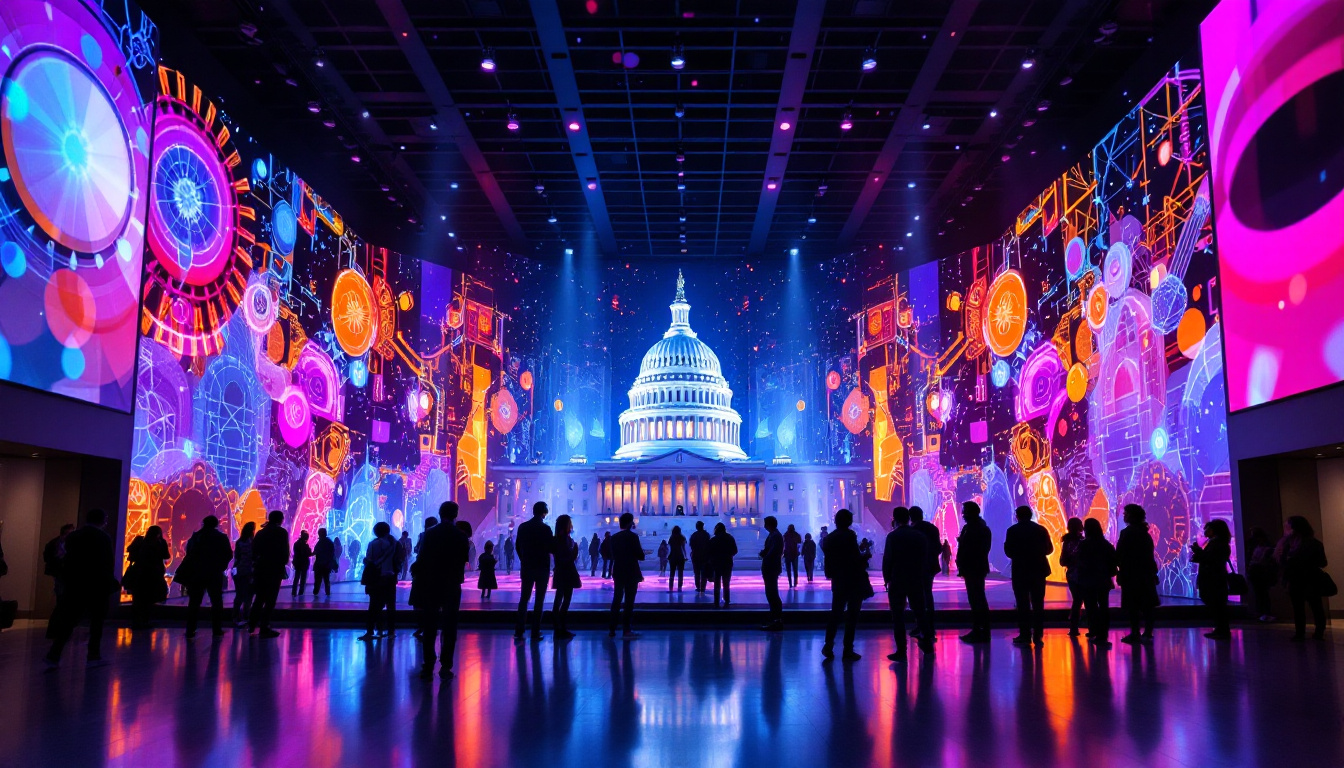
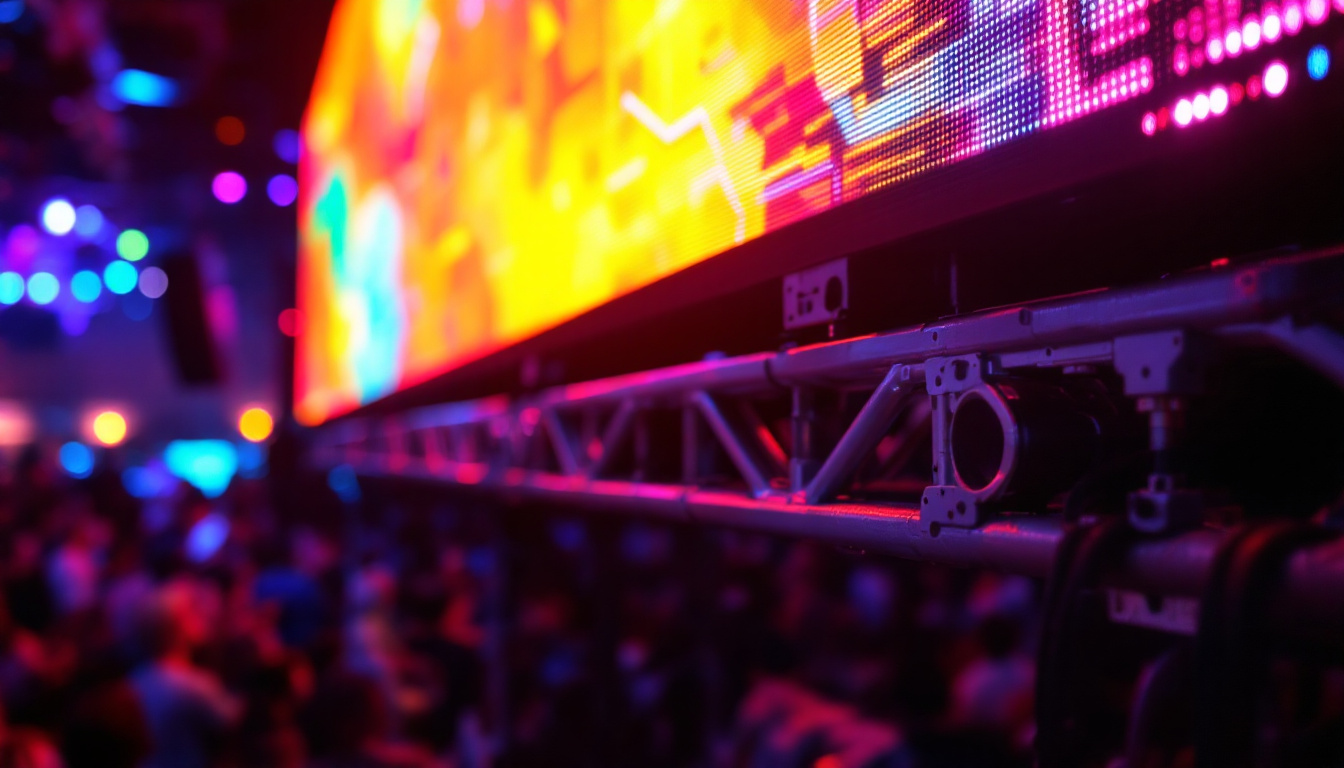
- Direct View LED Displays: These are composed of arrays of LEDs that form the image directly. They are typically used in commercial and outdoor settings for digital signage, offering high brightness and durability. Direct view displays are designed to withstand various environmental factors, making them ideal for use in locations with high foot traffic or outdoor exposure.
Understanding these distinctions helps consumers make informed decisions based on their needs—whether it’s for gaming, professional work, or advertising. Additionally, the choice between these types of displays can also influence viewing experiences, as LED-backlit LCDs may offer better color reproduction for movies and games, while direct view LED displays excel in brightness and visibility in well-lit environments. This is particularly important in commercial applications where the display must capture attention and convey information effectively, regardless of surrounding lighting conditions.
Moreover, advancements in LED technology continue to evolve, leading to innovations such as microLED and miniLED displays. These newer technologies promise even greater efficiency and picture quality, with microLED displays providing pixel-level control for stunning visuals and miniLED displays enhancing contrast and color accuracy by using smaller LED clusters. As these technologies become more mainstream, consumers can expect even more options in the 32-inch display market, catering to a variety of preferences and applications.
Applications and Benefits of 32-Inch LED Displays
Why Choose a 32-Inch Screen?
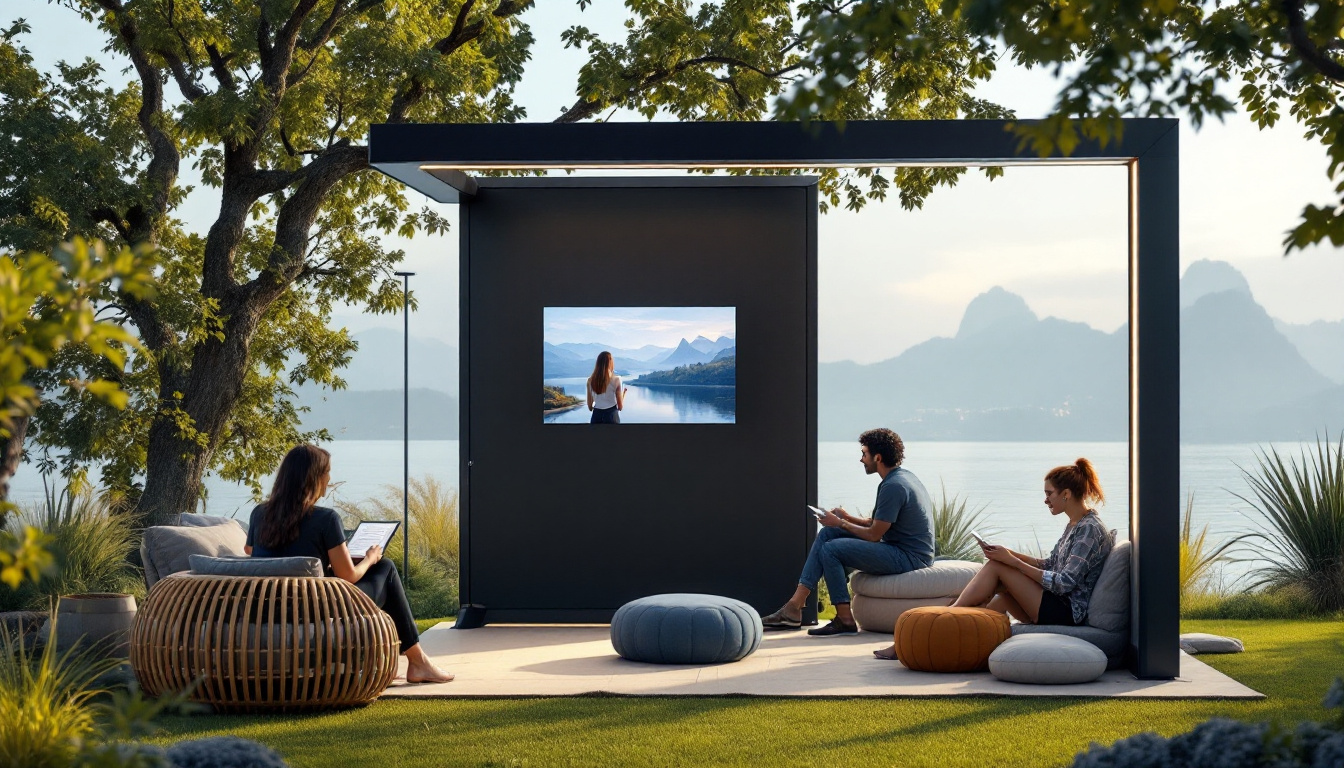
The 32-inch screen size strikes a balance between portability and usability. It is large enough to provide an immersive viewing experience yet compact enough to fit comfortably in most living rooms, offices, or retail spaces. This size is particularly favored for secondary monitors, small conference rooms, and kitchen TVs.
Moreover, 32-inch LED displays are versatile. They can serve as monitors for gaming and professional use, televisions for casual viewing, or digital signage in retail and corporate environments. Their moderate size makes them ideal for users who want a high-quality display without the bulk and expense of larger screens.
Energy Efficiency and Cost Considerations
LED technology is well-known for its energy efficiency compared to older display technologies like CCFL-backlit LCDs or plasma screens. A 32-inch LED display typically consumes less power, which translates into lower electricity bills and a smaller environmental footprint.
From a cost perspective, 32-inch LED displays are generally more affordable than larger screens while still offering excellent resolution and features. This makes them an attractive option for budget-conscious buyers who do not want to compromise on quality.
Choosing the Right 32-Inch LED Display: Key Factors to Consider
Resolution and Image Quality
Resolution is paramount when selecting a 32-inch LED display. Common resolutions for this size include Full HD (1920 x 1080 pixels) and 4K UHD (3840 x 2160 pixels). Full HD is sufficient for most casual users, providing clear and sharp images for everyday tasks and entertainment. However, professionals in graphic design, video editing, or gaming might prefer 4K displays for their enhanced detail and color accuracy.
Additionally, factors such as color gamut, contrast ratio, and refresh rate should be evaluated based on the intended use. For example, gamers benefit from higher refresh rates (120 Hz or above) and low response times, while video editors prioritize color accuracy and wide color gamuts.
Connectivity and Features
Modern 32-inch LED displays come equipped with various connectivity options like HDMI, DisplayPort, USB-C, and sometimes legacy ports such as VGA. Ensuring compatibility with existing devices is essential for seamless integration.
Additional features to consider include built-in speakers, adjustable stands, VESA mount compatibility, and smart TV capabilities. These can enhance the user experience and add value to the purchase.
Viewing Environment and Usage
The environment where the display will be used also influences the choice of a 32-inch LED display. For bright rooms or outdoor settings, screens with higher brightness levels and anti-glare coatings improve visibility. Conversely, for dark rooms or professional color work, displays with better contrast and color calibration are preferable.
Future Trends and Innovations in 32-Inch LED Displays
Advancements in Mini-LED and Micro-LED Technologies
Emerging technologies like Mini-LED and Micro-LED are revolutionizing the LED display market. These technologies use smaller LEDs to create displays with improved contrast, brightness, and energy efficiency. While currently more common in larger displays, the adoption of Mini-LED and Micro-LED in 32-inch formats is expected to grow, offering consumers even better image quality and durability.
Integration with Smart Technologies
Smart features are becoming standard in LED displays, including voice control, AI-driven picture optimization, and seamless integration with smart home ecosystems. For 32-inch LED displays, these innovations enhance convenience and functionality, making them more than just screens but integral parts of connected living and working spaces.
Sustainability and Eco-Friendly Manufacturing
As environmental concerns rise, manufacturers are focusing on sustainable materials and energy-efficient production processes. The future of 32-inch LED displays will likely include more eco-friendly designs, longer lifespans, and easier recyclability, aligning with global efforts to reduce electronic waste.
Conclusion
The 32-inch LED display remains a versatile and practical choice for a wide array of users. Understanding the significance of measurements like inches and millimeters, especially in relation to pixel pitch, helps in selecting the right display for specific needs. With advancements in LED technology, energy efficiency, and smart features, these displays continue to offer excellent value and performance.
Whether for home entertainment, professional work, or commercial applications, the 32-inch LED display combines size, quality, and affordability in a way that meets the demands of today’s digital world. Staying informed about the latest developments and specifications ensures that buyers make choices that enhance their viewing experience and investment.
Discover the Future of Visual Experience with LumenMatrix
Ready to elevate your visual experience with the latest in LED display technology? LumenMatrix offers a comprehensive range of innovative solutions tailored to your unique needs. From immersive Indoor LED Wall Displays to dynamic Outdoor LED Wall Displays, and from versatile Vehicle LED Displays to sleek LED Poster Displays, our products are designed to captivate and engage. Explore our cutting-edge LED Sports Displays, interactive Floor LED Displays, and customizable options that will transform your space. Embrace the revolution in visual communication and check out LumenMatrix LED Display Solutions today to share your message with unparalleled impact and clarity.