In today’s fast-paced digital landscape, video production companies are constantly seeking innovative ways to captivate audiences and deliver compelling visual experiences. One technology that has revolutionized the industry is the LED display. From live events and advertising to broadcast studios and corporate presentations, LED displays have become an indispensable tool for video professionals worldwide.
This comprehensive guide explores the fundamentals of LED display technology, its advantages, and why top video production companies are integrating it into their workflows. Whether you’re a creative director, event planner, or tech enthusiast, understanding LED displays will help you make informed decisions about your next video production project.
What Is an LED Display?
LED stands for Light Emitting Diode, a semiconductor device that emits light when an electric current passes through it. An LED display is a flat panel that uses an array of these diodes to produce images, videos, and animations. Unlike traditional LCD or projection screens, LED displays emit their own light, which results in superior brightness and contrast.
These displays come in various sizes and resolutions, from small indoor panels to massive outdoor video walls. The modular nature of LED panels allows video production companies to customize screen dimensions and shapes to fit specific venues or creative visions.
How LED Displays Work
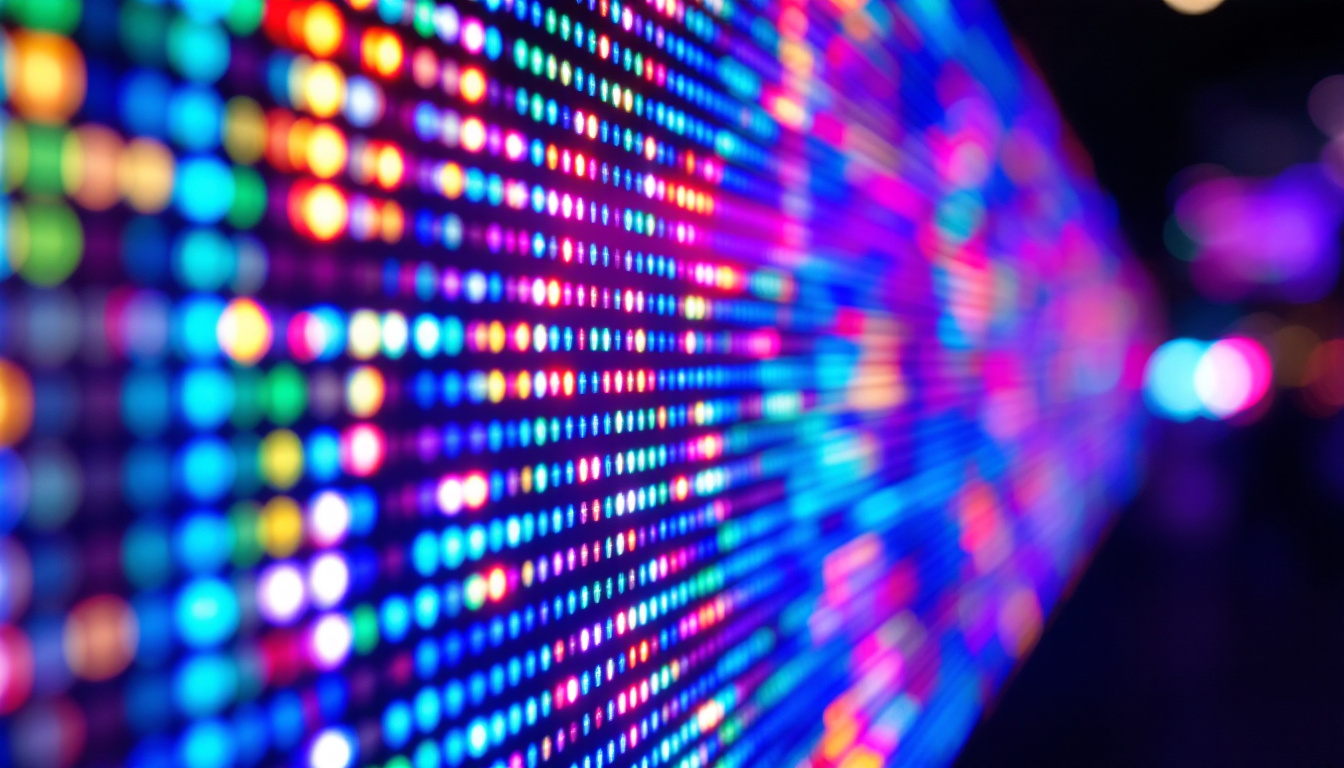
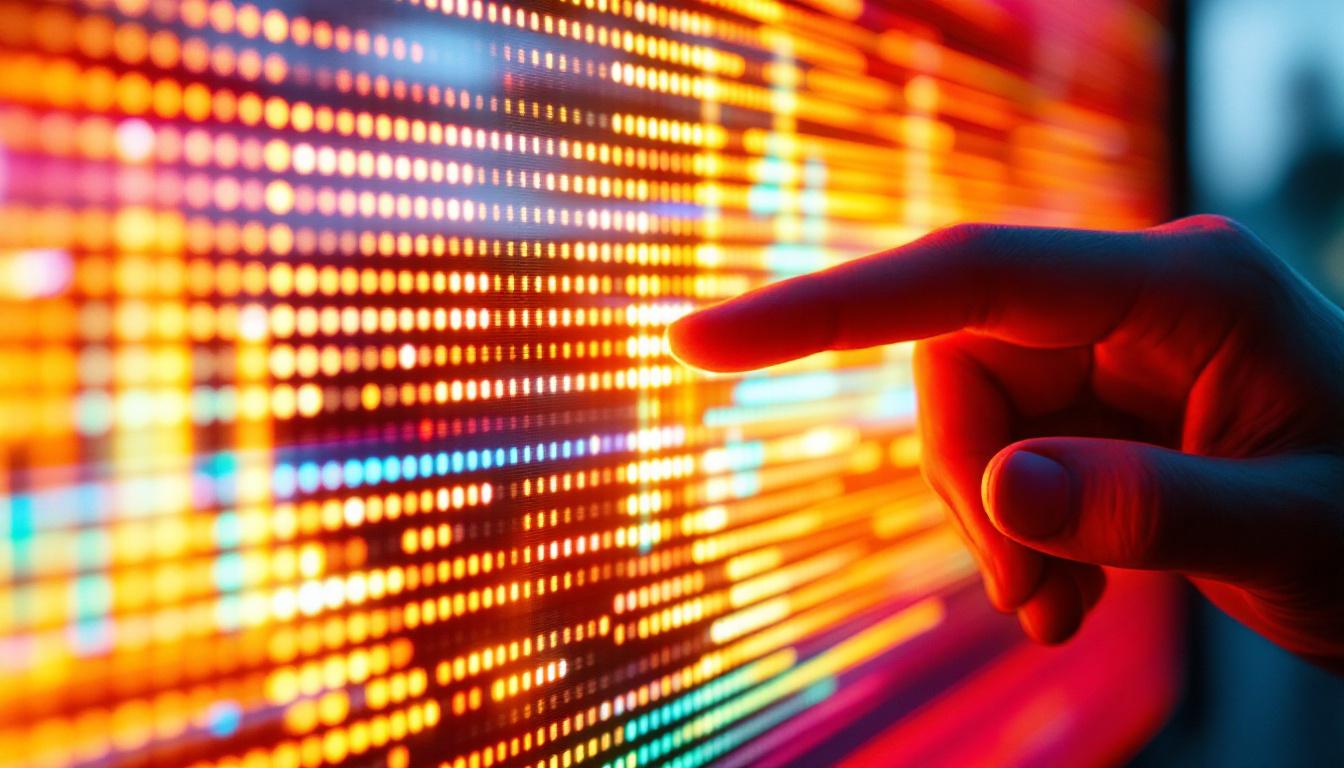
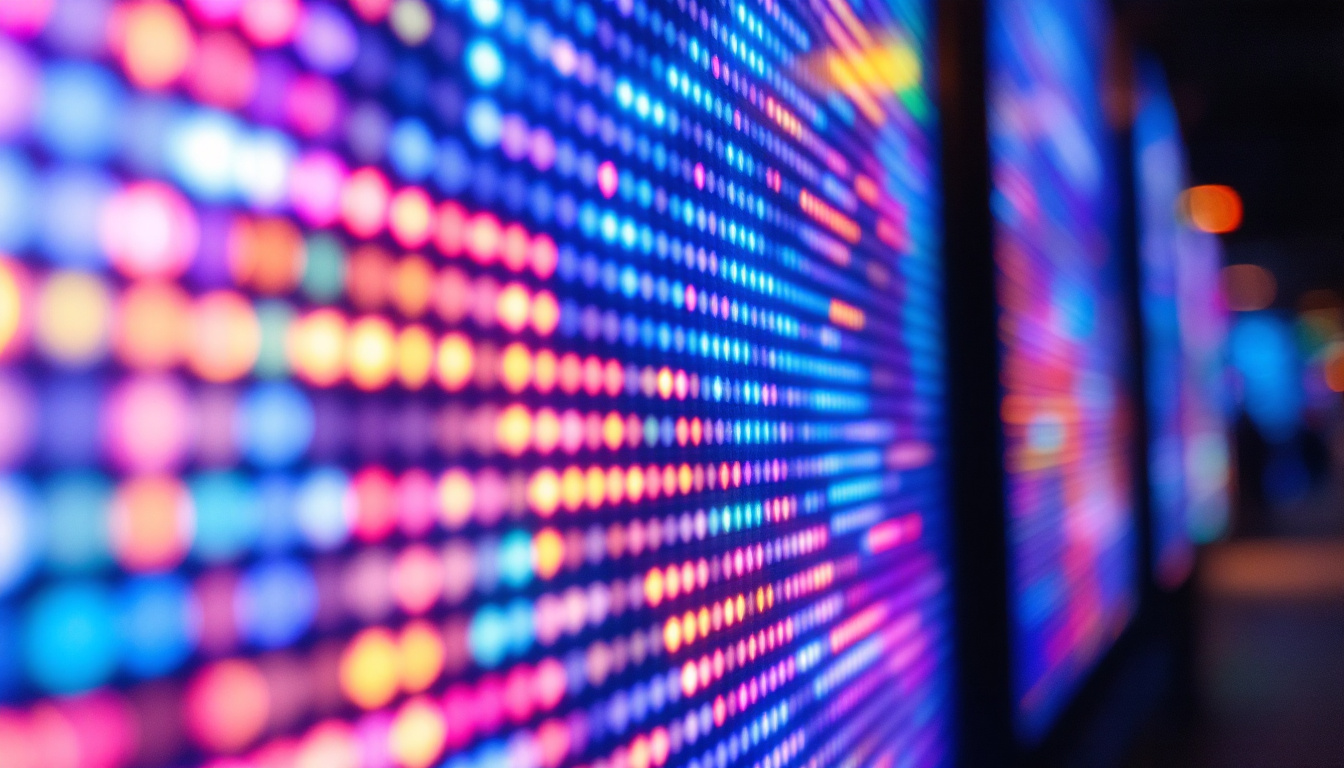
Each LED pixel comprises red, green, and blue diodes that combine to create a full spectrum of colors. The intensity of each diode is controlled to produce the desired color and brightness. By rapidly switching these pixels on and off, LED displays can render dynamic video content with smooth motion and vivid detail.
The key technical specification for LED displays is the pixel pitch, which measures the distance between the centers of adjacent pixels. Smaller pixel pitches mean higher resolution and sharper images, which is crucial for close viewing distances.
Advantages of LED Displays in Video Production
Video production companies are increasingly adopting LED displays due to their numerous benefits over traditional display technologies. Here are some of the main advantages that make LED displays a preferred choice:
Exceptional Brightness and Visibility
One of the standout features of LED displays is their brightness. They can achieve luminance levels of up to 5,000 nits or more, far exceeding typical LCD screens. This makes them ideal for outdoor events, concerts, and advertising billboards where ambient light can be intense.
High brightness ensures that content remains clear and vibrant even under direct sunlight or in brightly lit environments, enhancing audience engagement and message retention.
Superior Color Accuracy and Contrast
LED displays offer excellent color reproduction with a wide color gamut and high contrast ratios. The ability to display deep blacks and bright whites simultaneously creates a more immersive viewing experience.
For video production companies, this translates to more faithful representation of creative content, ensuring that every frame looks exactly as intended by the director or designer.
Flexibility and Customization
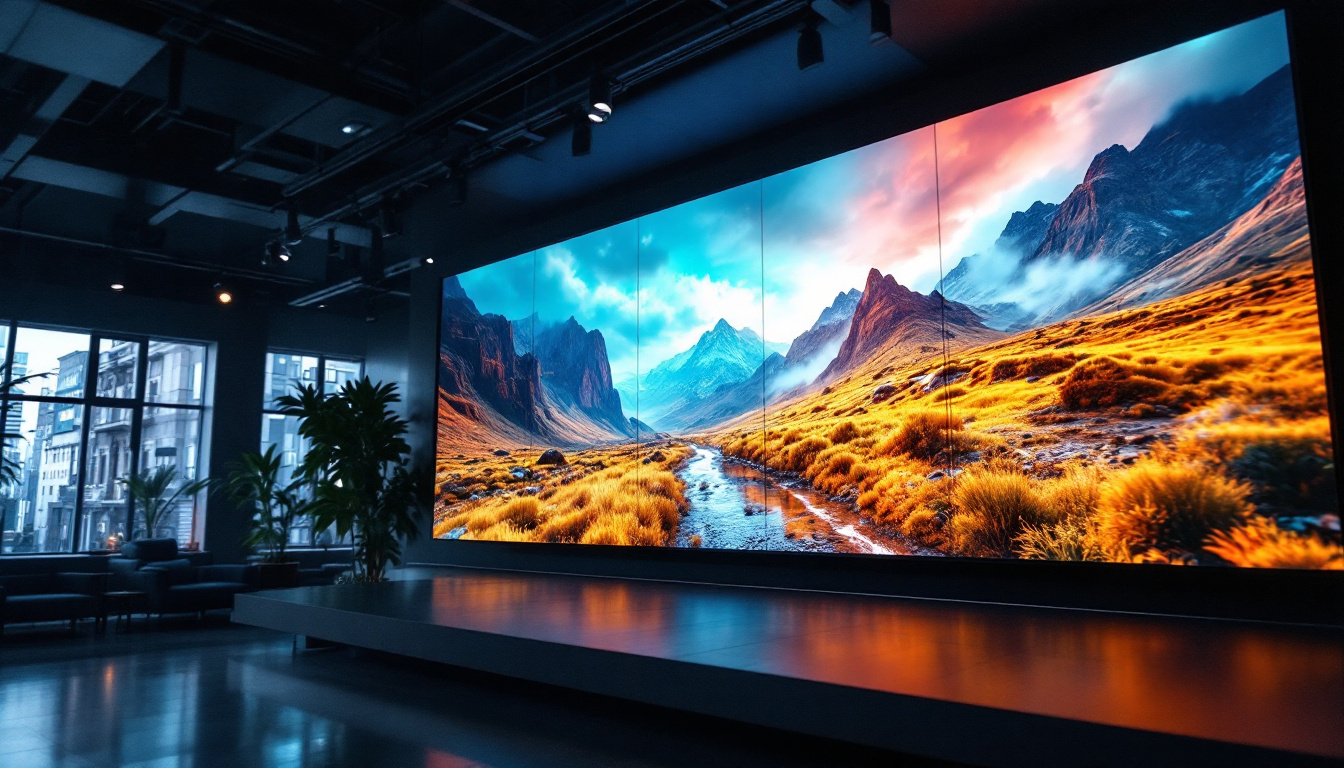
The modular design of LED panels allows for versatile configurations. Video production companies can assemble screens of virtually any size or shape, from curved walls to irregular geometric designs. This flexibility supports innovative stage designs and immersive environments.
Additionally, LED displays can be used indoors or outdoors, with weatherproof options available for harsh conditions. This adaptability makes them suitable for a wide range of applications, from corporate events to large-scale entertainment productions.
Durability and Longevity
LED technology is known for its robustness and long lifespan. High-quality LED displays can operate continuously for tens of thousands of hours with minimal degradation in performance. This reliability reduces maintenance costs and downtime, which is critical for live events and ongoing installations.
Moreover, LEDs are energy-efficient compared to other lighting technologies, contributing to lower operational expenses and a reduced environmental footprint.
Applications of LED Displays in Video Production
Top video production companies leverage LED displays across various sectors to enhance visual storytelling and audience engagement. Below are some prominent applications:
Live Events and Concerts
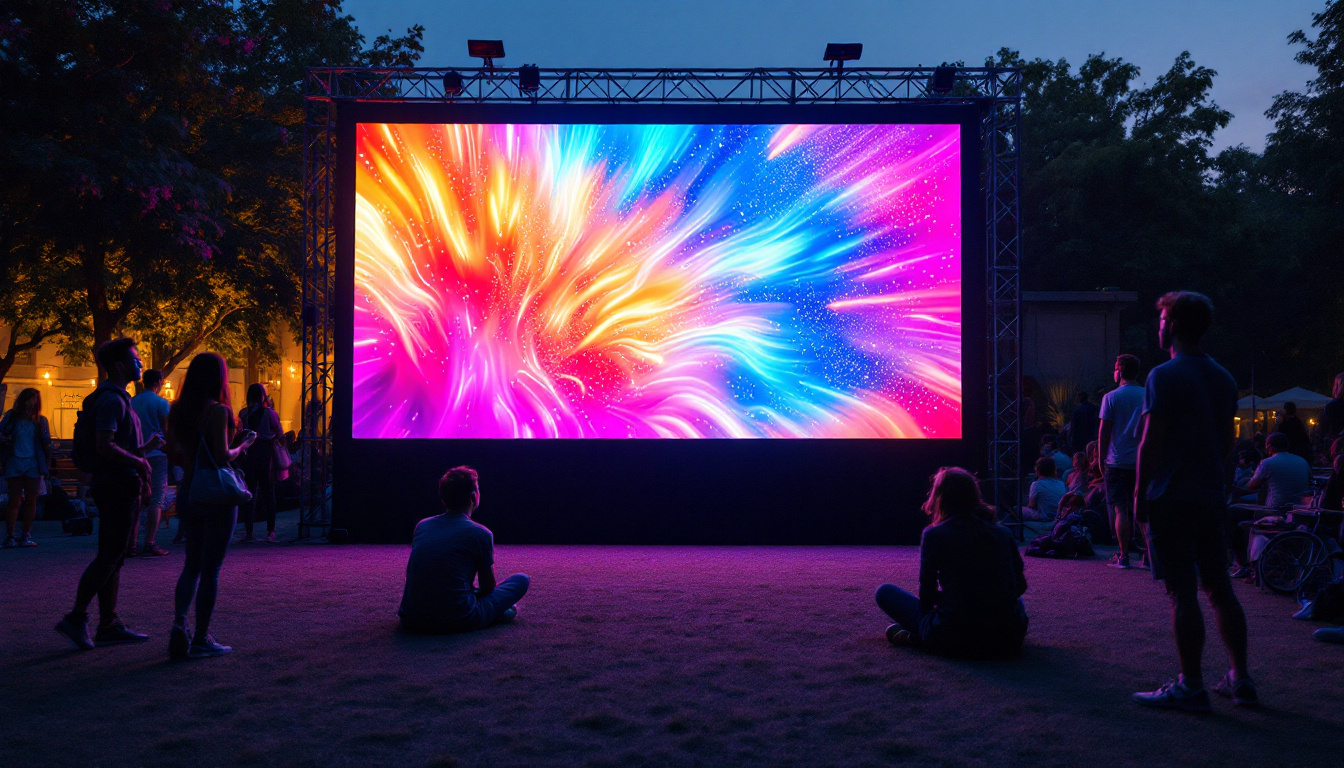
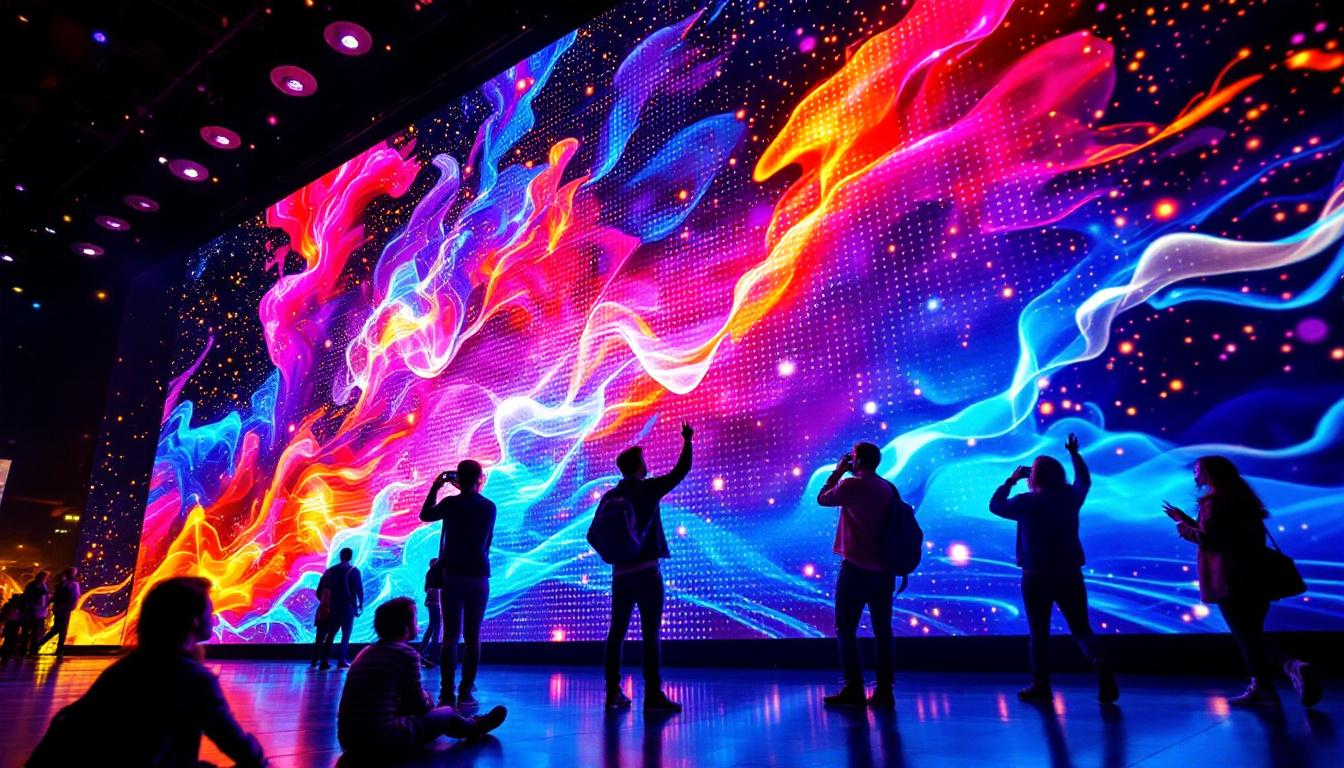
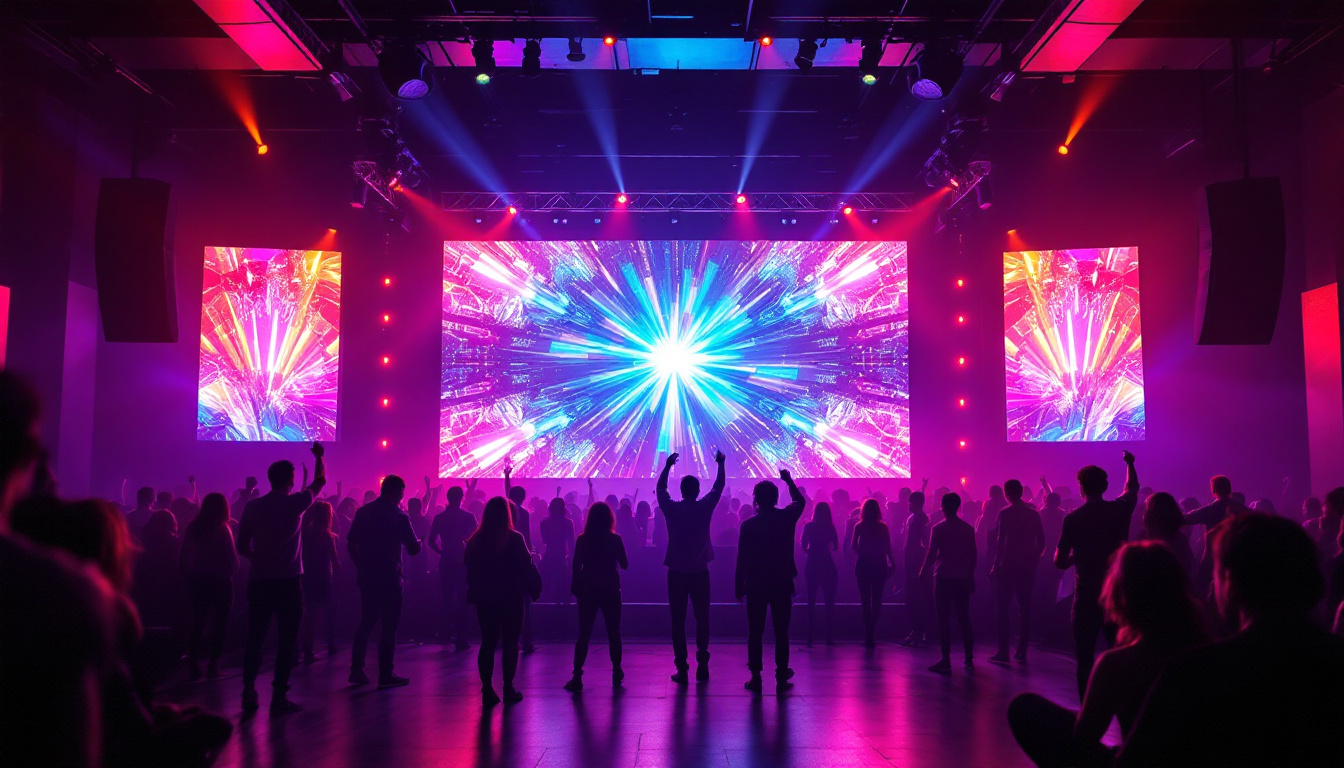
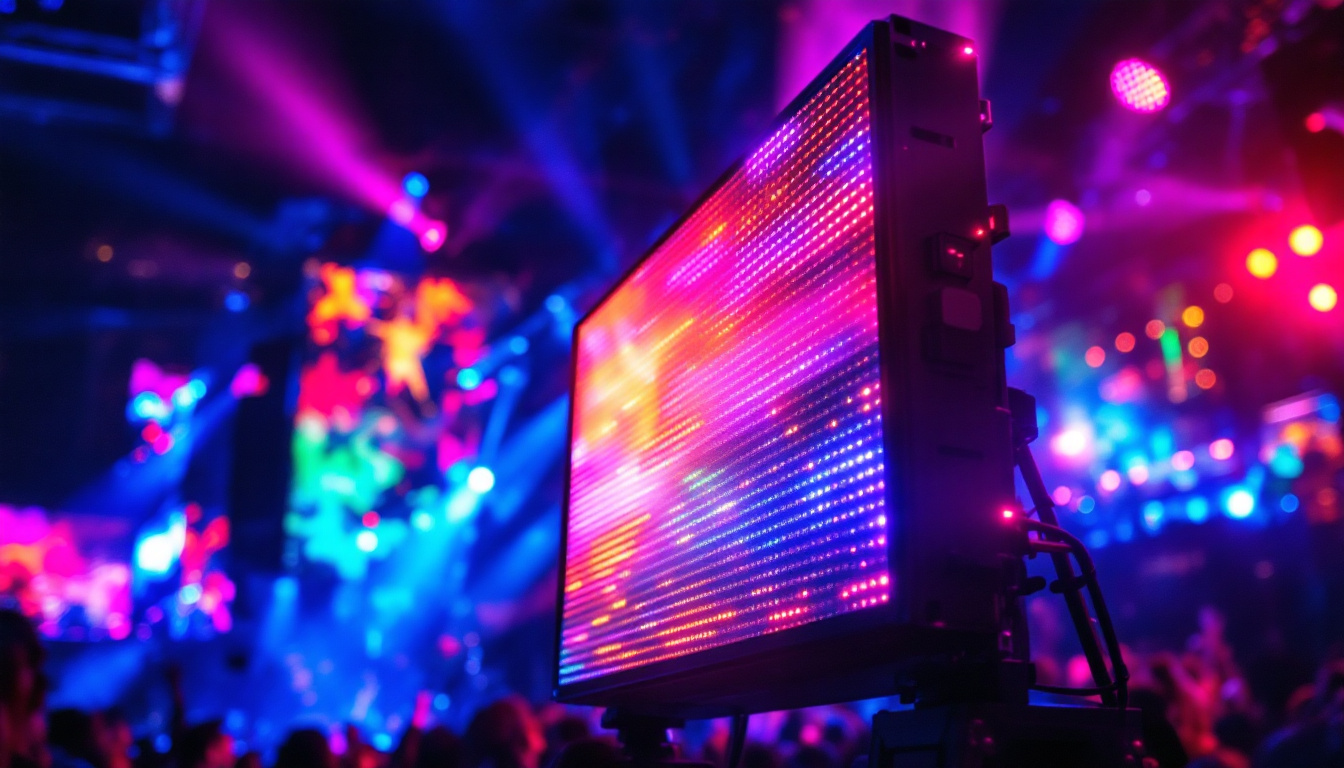
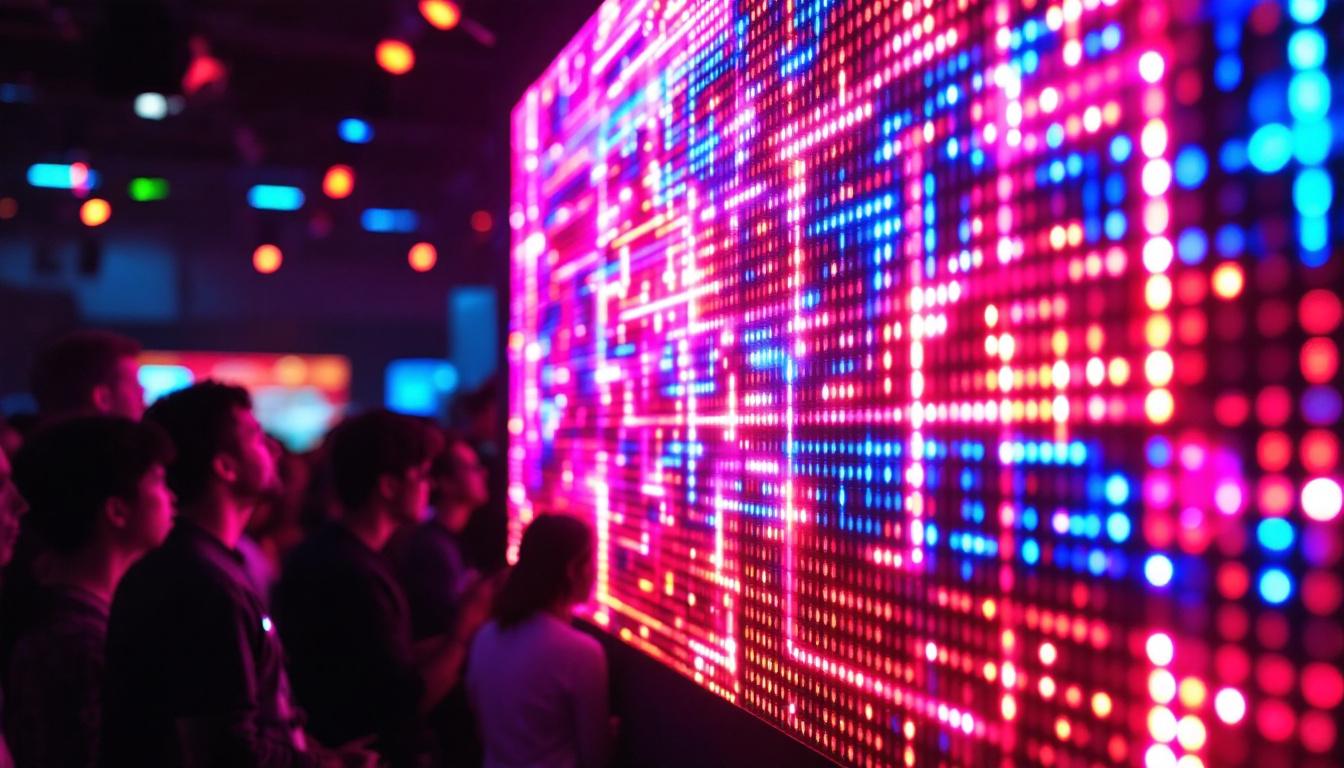
LED video walls have become a staple at concerts, festivals, and live performances. They provide dynamic backdrops that can change instantly to match the mood or theme of the show. High-resolution LED screens enable close-up shots of performers, ensuring that even attendees far from the stage have an immersive experience.
Companies like PRG (Production Resource Group) and VER, leaders in live event production, utilize massive LED installations to create visually stunning environments that elevate performances.
Broadcast Studios and Virtual Sets
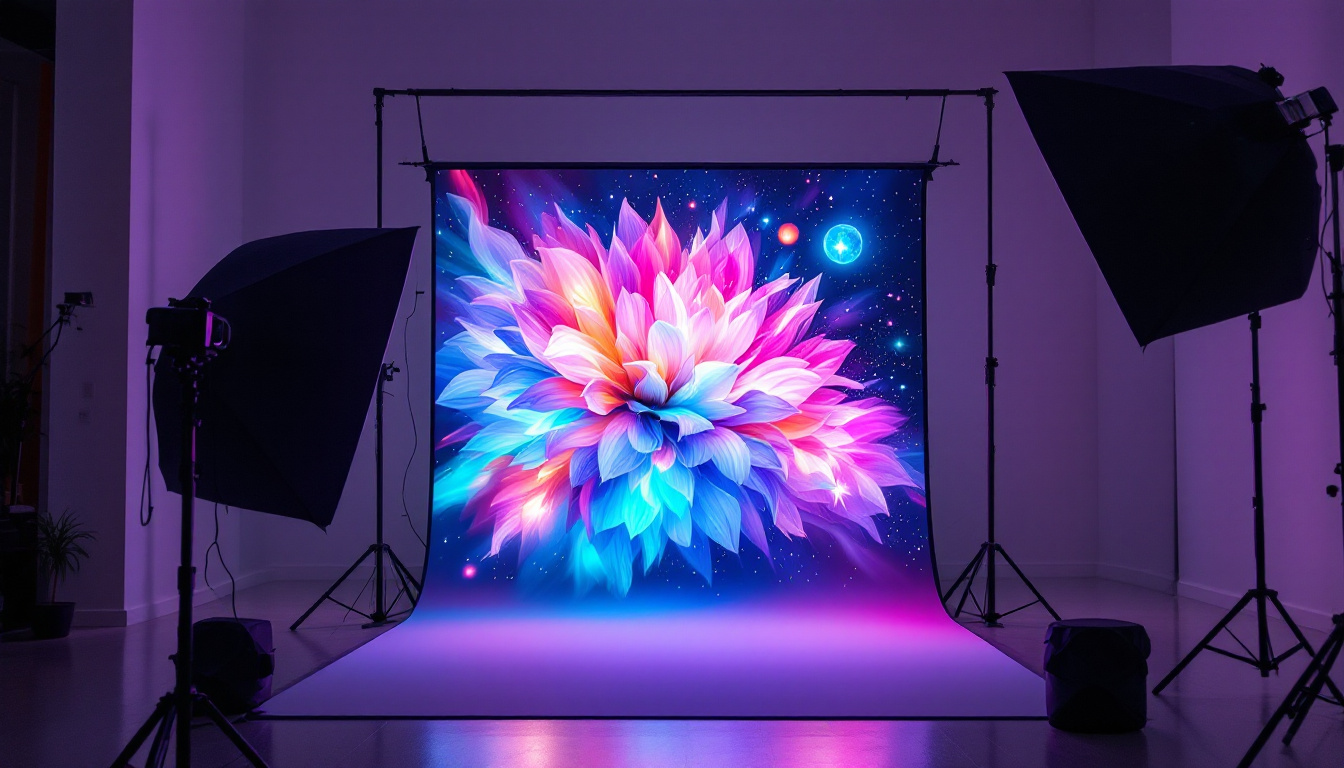
LED displays are transforming television and film production by enabling virtual sets and real-time background changes. Unlike green screens, LED walls provide natural lighting and reflections, improving realism and reducing post-production time.
Major broadcasters such as NBC and BBC have integrated LED display technology into their studios, allowing for flexible set designs and interactive graphics that enhance viewer engagement.
Corporate Events and Trade Shows
For corporate presentations, product launches, and trade shows, LED displays offer a powerful platform to showcase branding and multimedia content. Their high resolution and brightness ensure that key messages are communicated clearly to large audiences in diverse lighting conditions.
Video production companies often combine LED walls with live video feeds, animations, and interactive elements to create memorable experiences that leave a lasting impression on clients and stakeholders.
Advertising and Digital Signage
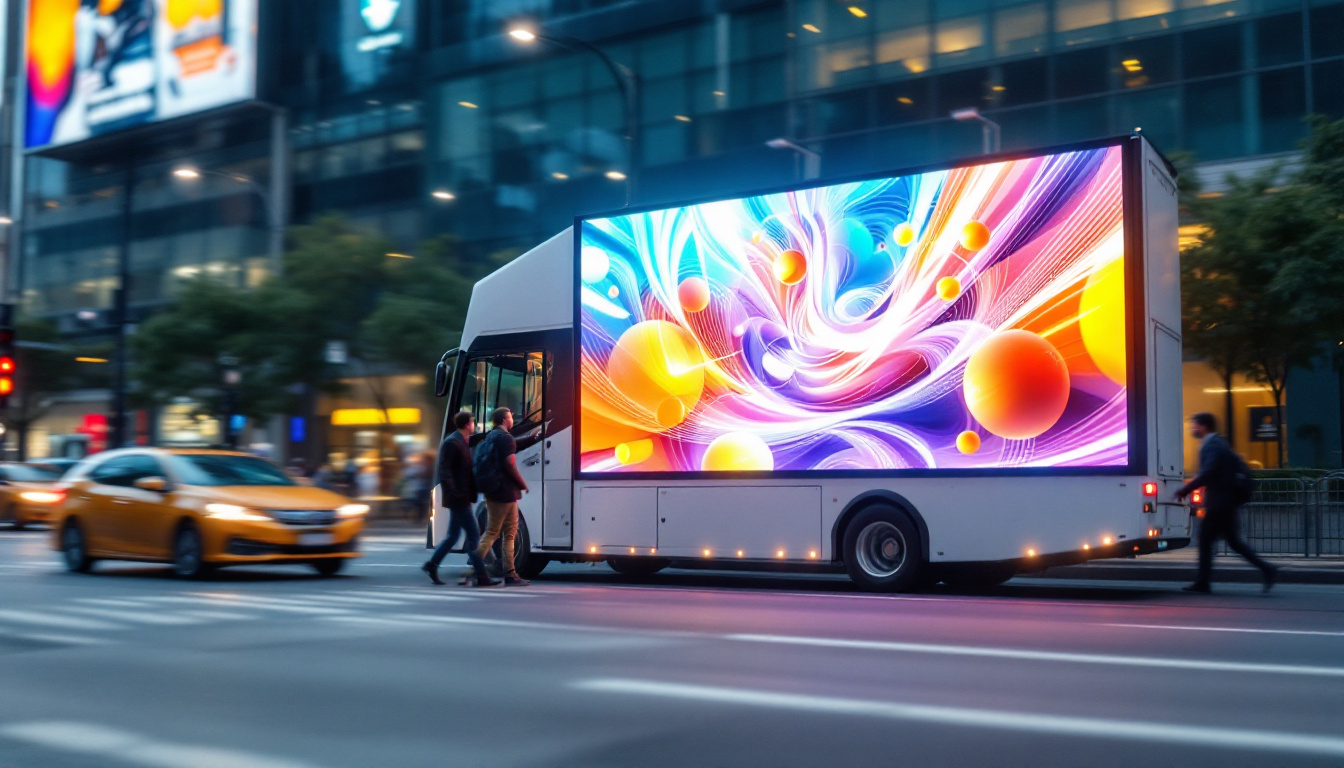
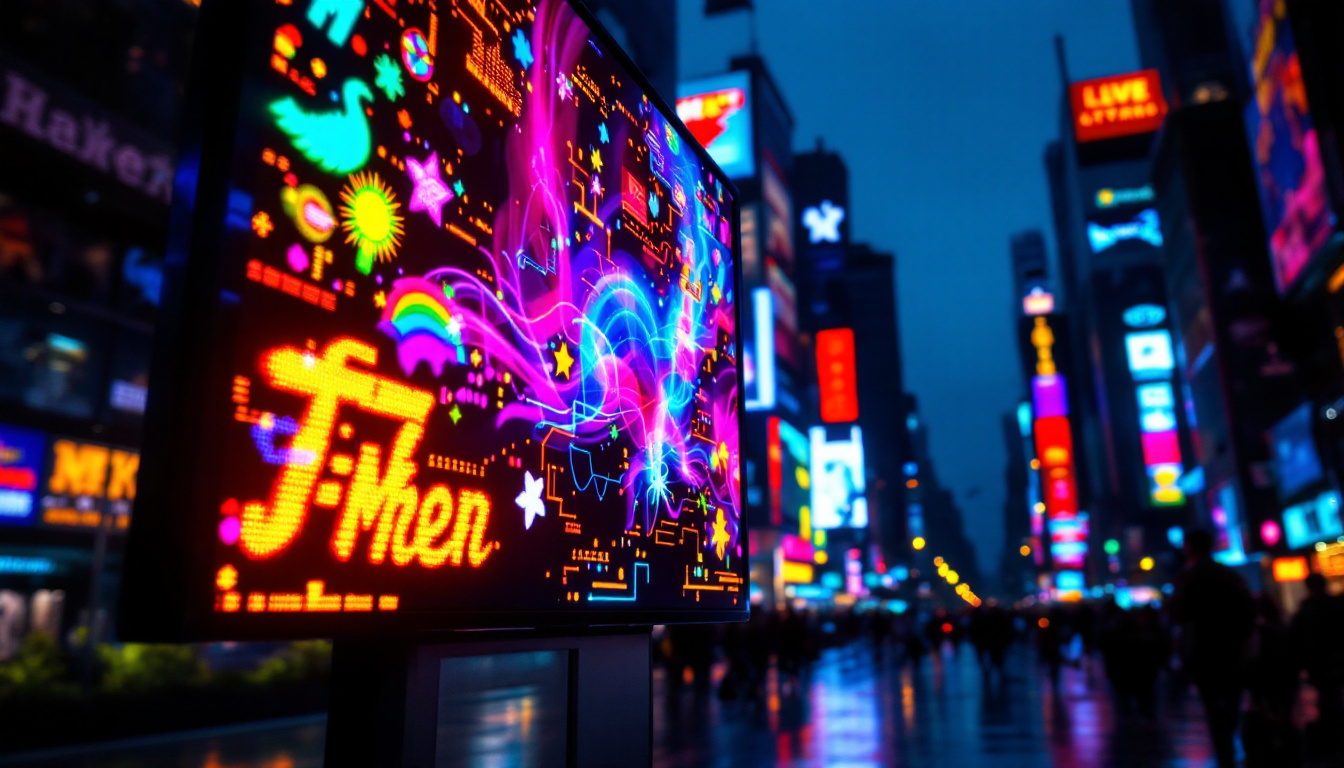
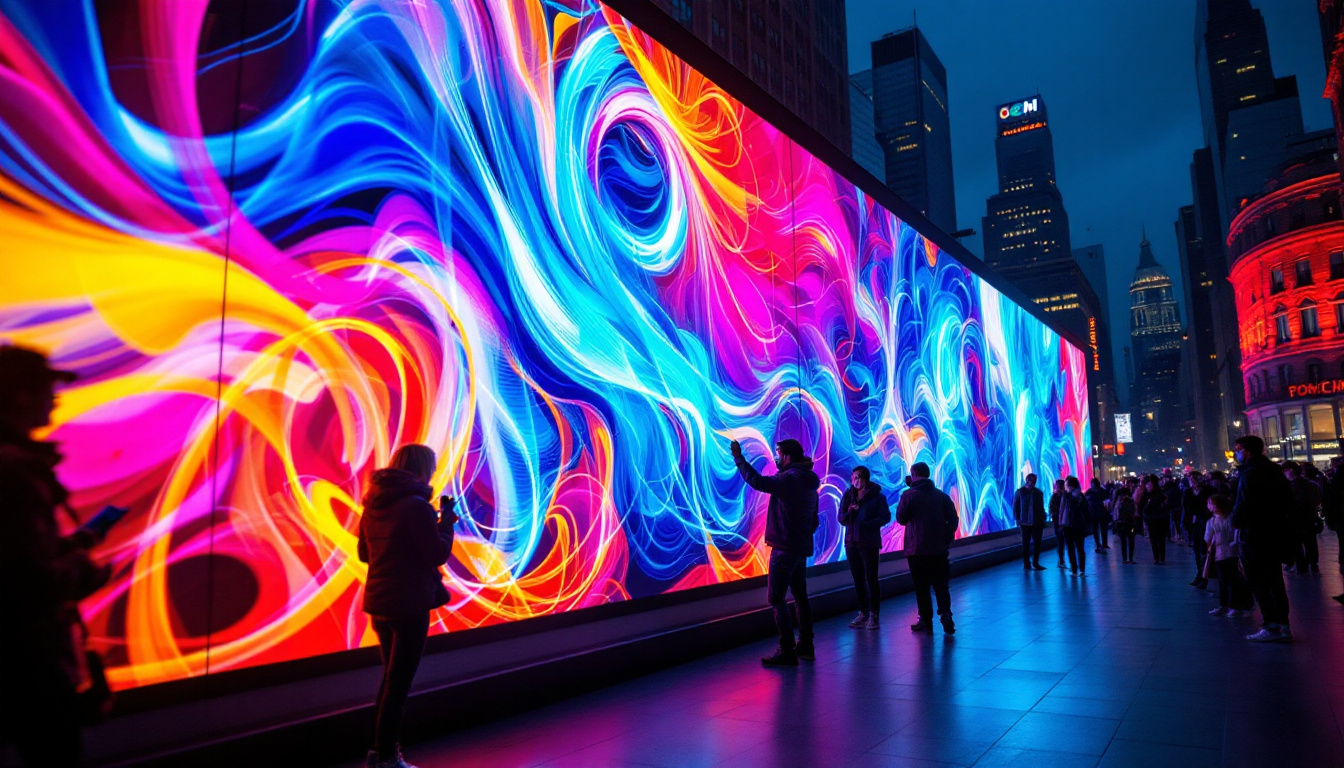
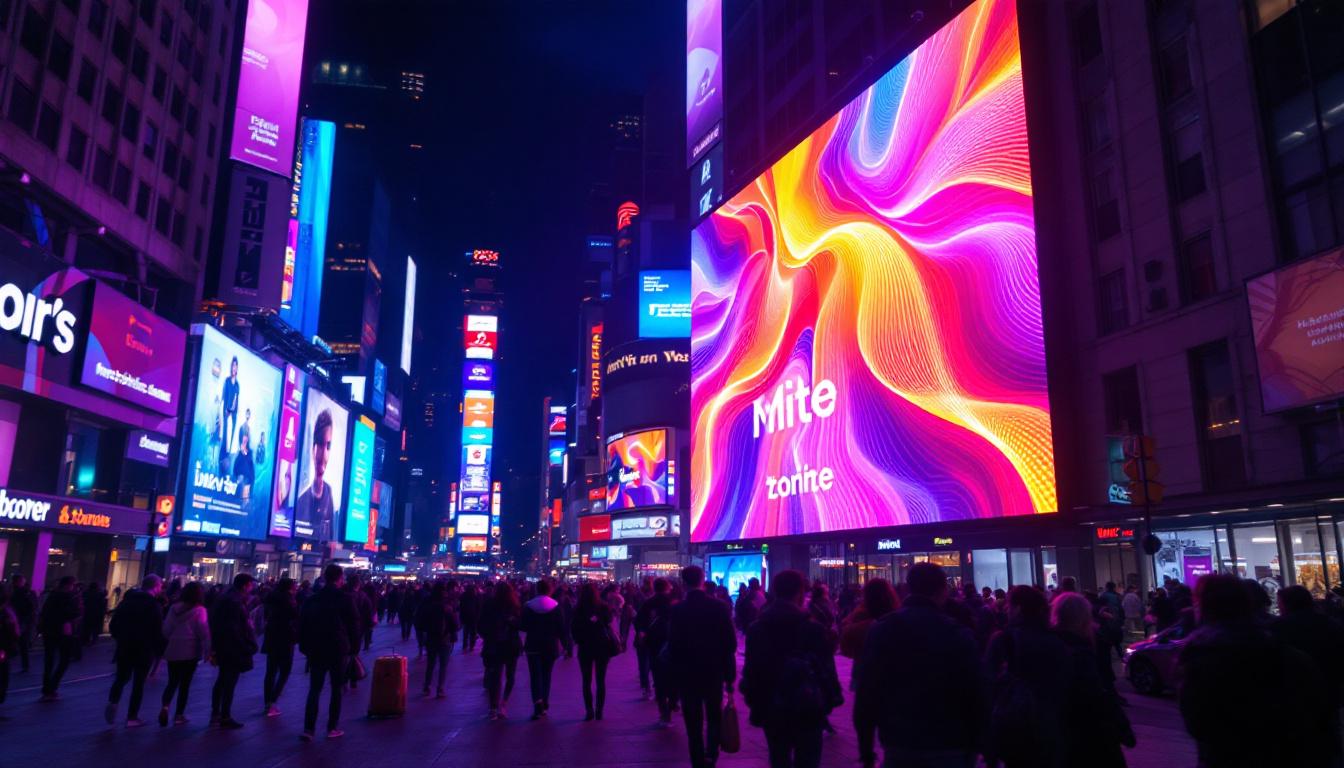
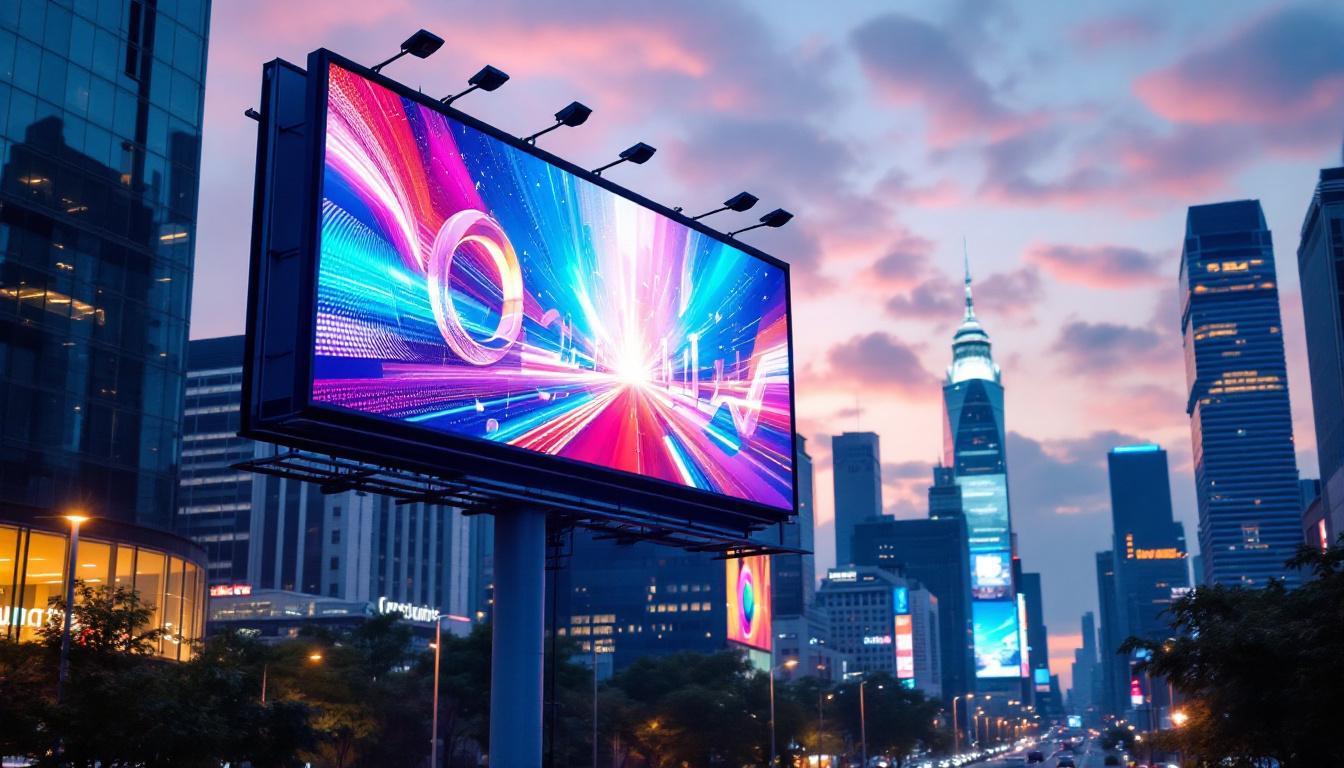
LED displays dominate the outdoor advertising market due to their visibility and durability. Iconic locations like Times Square in New York City and Shibuya Crossing in Tokyo feature massive LED billboards that deliver vibrant advertisements around the clock.
Video production companies specializing in digital signage create compelling content tailored to these displays, optimizing visuals for maximum impact and audience reach.
Choosing the Right LED Display for Your Project
With so many options available, selecting the appropriate LED display requires careful consideration of several factors. Video production companies must evaluate the following to ensure optimal results:
Pixel Pitch and Resolution
The viewing distance is the primary determinant of the required pixel pitch. For close-up viewing, such as indoor corporate events, a fine pixel pitch (1.5mm to 3mm) is necessary to avoid visible pixelation. For large outdoor screens viewed from afar, a coarser pitch (6mm or more) is acceptable and more cost-effective.
Higher resolution displays provide sharper images but come at a premium price. Balancing visual quality with budget constraints is essential.
Brightness and Contrast Requirements
Assess the ambient lighting conditions where the display will be installed. Outdoor venues or brightly lit indoor spaces demand higher brightness levels. Contrast ratios should be sufficient to maintain image clarity in varying light environments.
Installation Environment
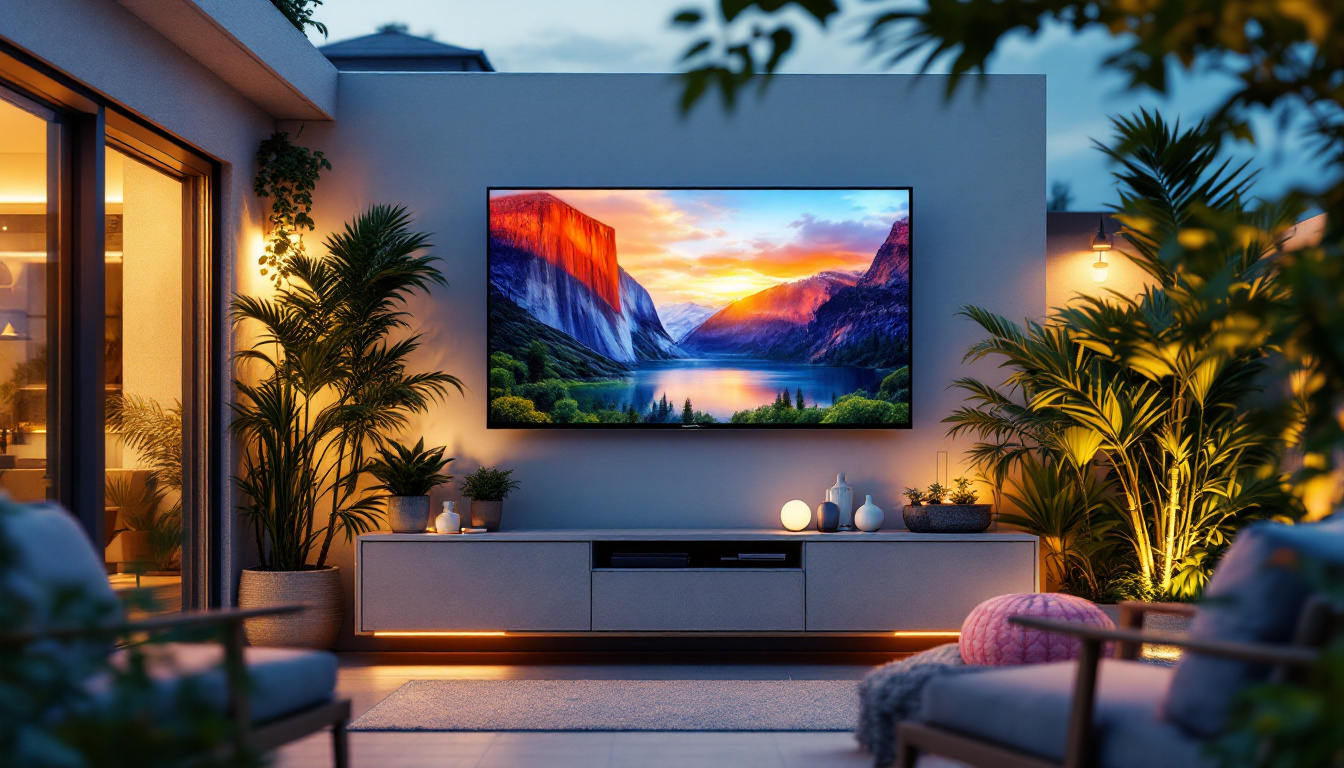
Consider whether the LED display will be used indoors or outdoors. Outdoor displays require weatherproofing, UV resistance, and temperature tolerance. Indoor installations may prioritize slim design and lower weight for ease of mounting.
Content and Control Systems
The complexity of the content and the need for real-time control influence the choice of LED display controllers and software. Integration with existing video production tools and workflows is critical for seamless operation.
Leading Video Production Companies Using LED Displays
Several industry leaders have pioneered the use of LED display technology to deliver groundbreaking video production services. Their expertise demonstrates the transformative potential of LED technology.
PRG (Production Resource Group)
PRG is a global powerhouse in event production, known for its innovative use of LED video walls in concerts, corporate events, and broadcast productions. Their extensive inventory of LED panels and experienced technical teams enable them to deliver custom solutions tailored to client needs.
VER
VER specializes in live event production and has been at the forefront of integrating LED displays into immersive stage designs. Their projects often feature cutting-edge LED technology combined with advanced lighting and video systems to create unforgettable experiences.
NEP Group
NEP Group provides comprehensive broadcast and live event production services, utilizing LED displays to enhance virtual sets and live broadcasts. Their expertise in LED technology supports high-profile sporting events, award shows, and television productions worldwide.
Obsidian Global
Obsidian Global is known for its creative approach to video production, leveraging LED displays to craft visually stunning environments for concerts, corporate events, and experiential marketing. Their focus on innovation and quality positions them as a leader in the industry.
Future Trends in LED Display Technology
The LED display market continues to evolve rapidly, driven by advancements in materials, manufacturing, and software. Video production companies can expect several exciting trends to shape the future:
MicroLED and MiniLED Innovations
Emerging MicroLED and MiniLED technologies promise even higher resolution, better color accuracy, and improved energy efficiency. These displays use smaller diodes, enabling ultra-fine pixel pitches and thinner, lighter panels.
As costs decrease, these technologies will become more accessible for a wider range of applications, from mobile devices to large-scale video walls.
Flexible and Transparent LED Displays
Flexible LED panels allow for curved and bendable screens, opening new possibilities for creative stage and architectural designs. Transparent LED displays enable content to be displayed on glass surfaces without obstructing views, ideal for retail and corporate environments.
AI-Driven Content and Control
Artificial intelligence is beginning to play a role in content optimization and display management. AI algorithms can adjust brightness, color balance, and content scheduling dynamically based on environmental factors and audience engagement metrics.
Conclusion
LED display technology has fundamentally transformed the video production industry, offering unparalleled brightness, color fidelity, and design flexibility. Top video production companies worldwide are harnessing these advantages to create immersive, impactful visual experiences across live events, broadcast, corporate presentations, and advertising.
Understanding the technical aspects and applications of LED displays empowers production professionals to select the right solutions for their projects, ensuring that their creative vision is realized with maximum impact. As LED technology continues to advance, its role in shaping the future of video production will only grow more significant.
Discover LumenMatrix LED Display Solutions
Ready to elevate your video production with the brightest and most flexible displays in the industry? Look no further than LumenMatrix. As a trailblazer in LED display technology, we offer an extensive range of solutions from Indoor and Outdoor LED Wall Displays to innovative LED Posters and Transparent Displays. Our mission is to revolutionize your visual storytelling with displays that captivate and engage. Check out LumenMatrix LED Display Solutions today and transform your creative vision into an unforgettable visual experience.