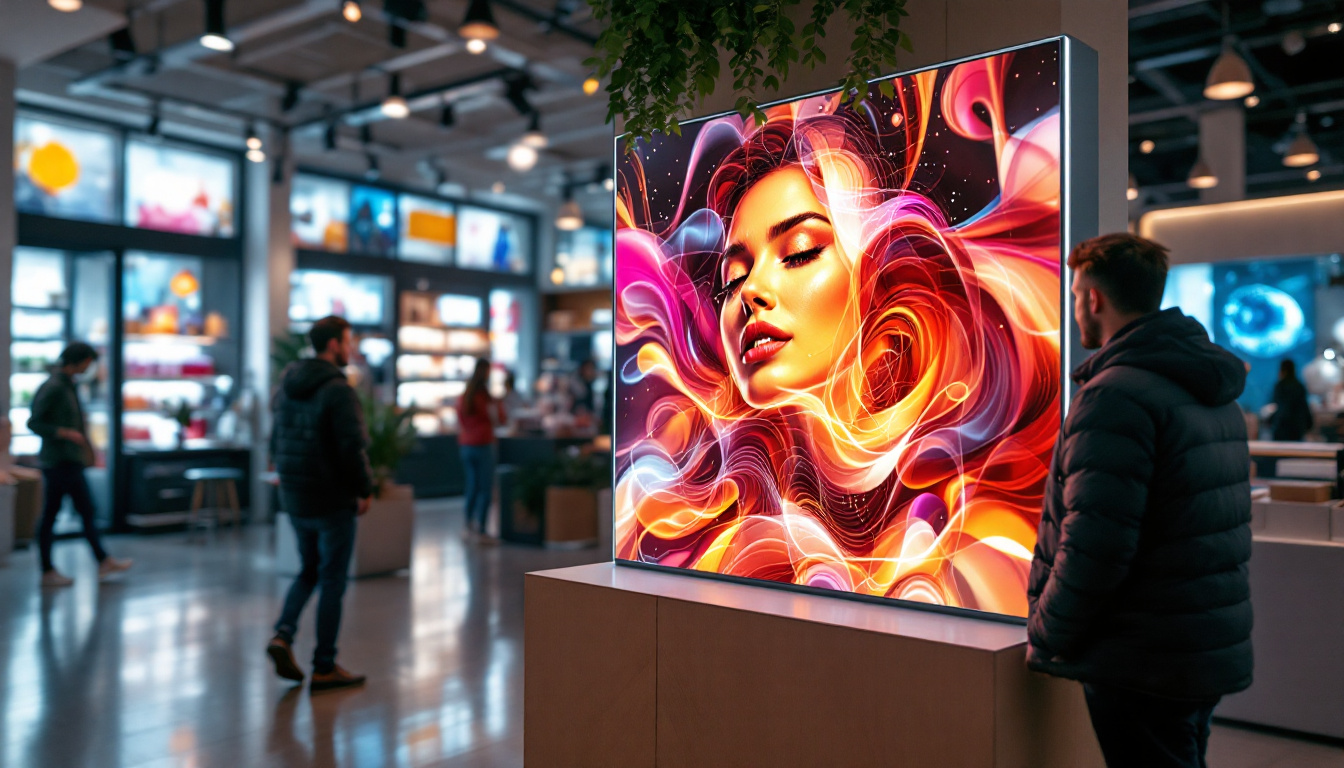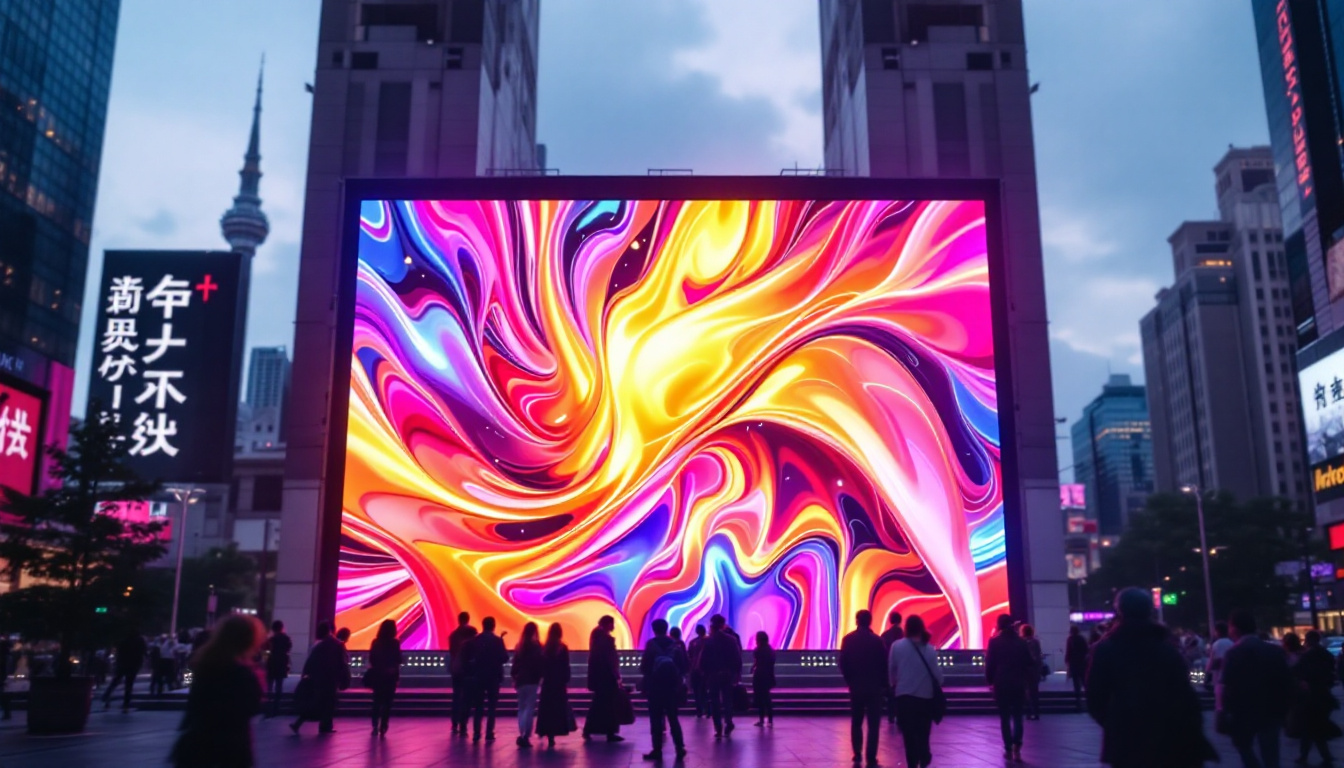
In recent years, the advertising industry has witnessed a remarkable transformation with the advent of innovative display technologies. Among the most eye-catching and talked-about advancements is the 3D giant cat billboard, a spectacular example of how LED displays are reshaping urban landscapes and capturing public attention. This article delves into the technology behind these mesmerizing 3D LED displays, exploring how they work, their applications, and the impact they have on advertising and public engagement.
The Evolution of Billboard Advertising
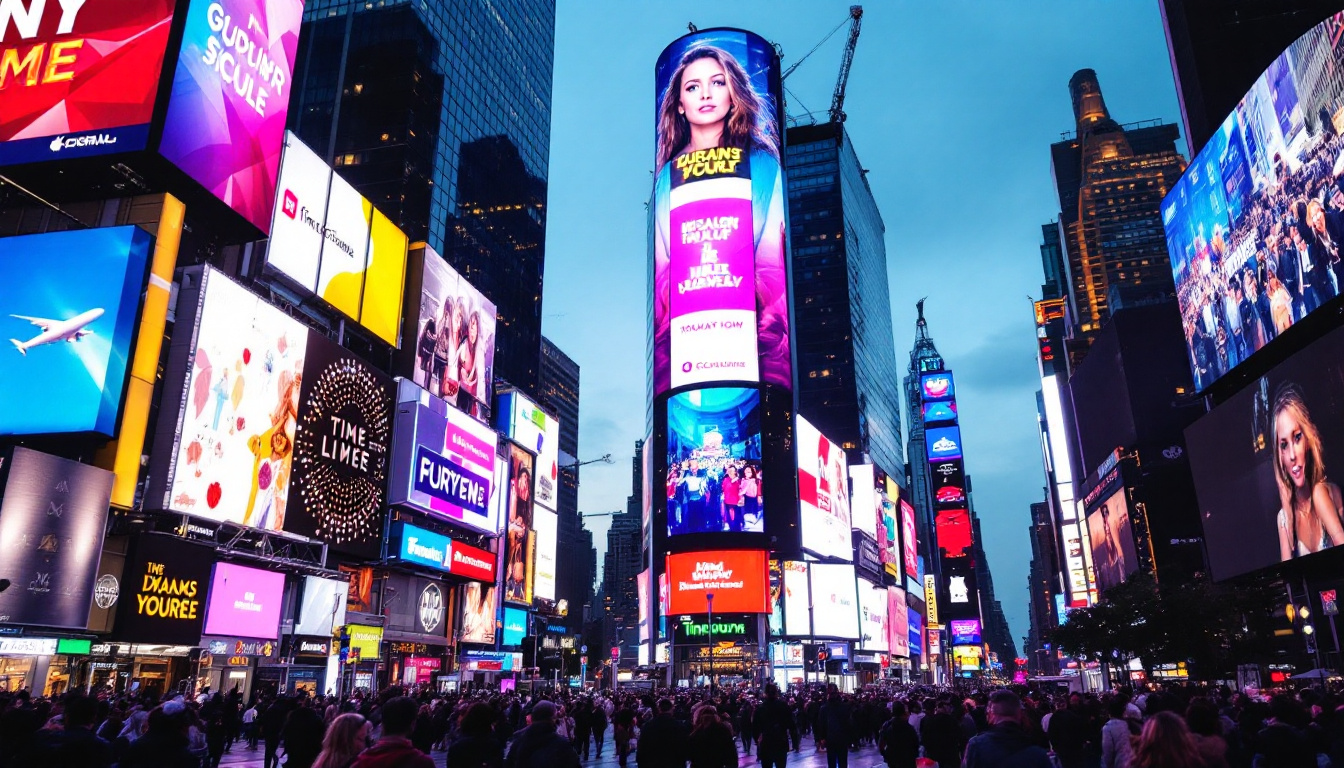
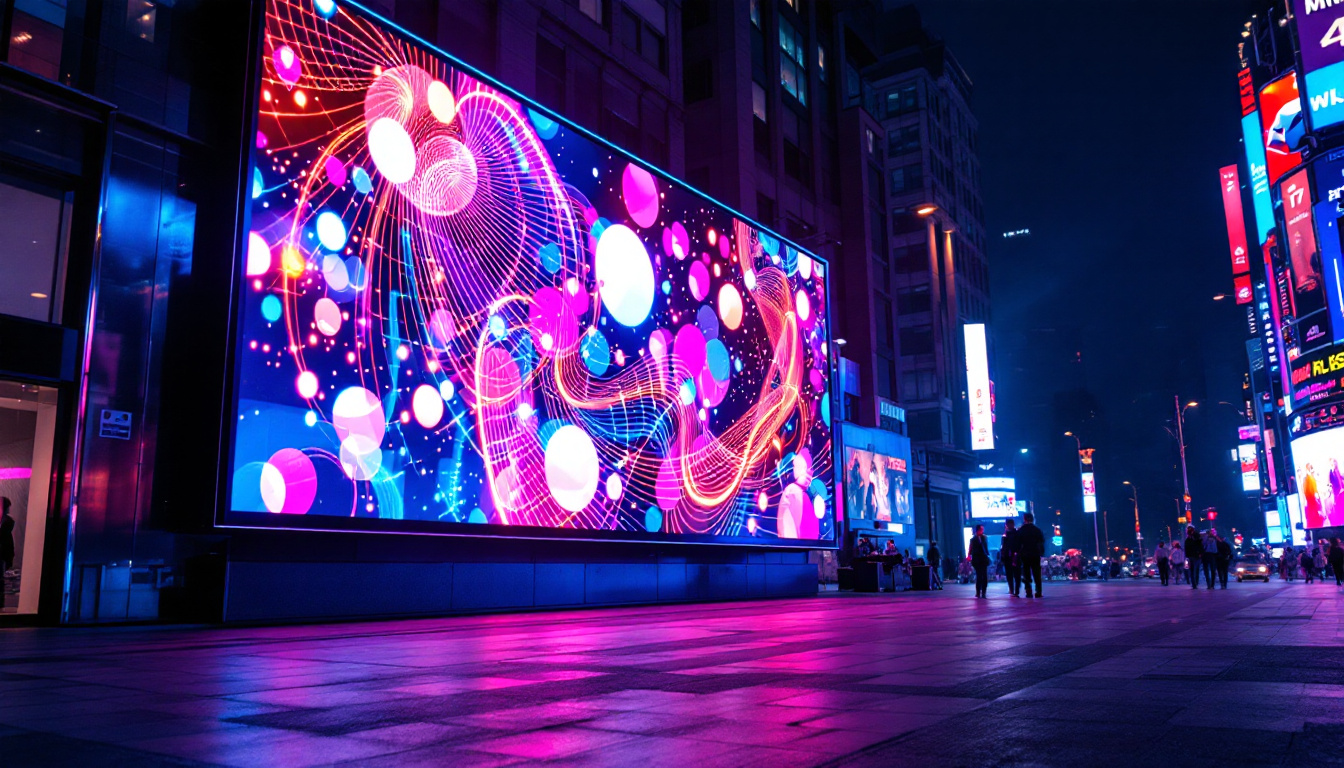
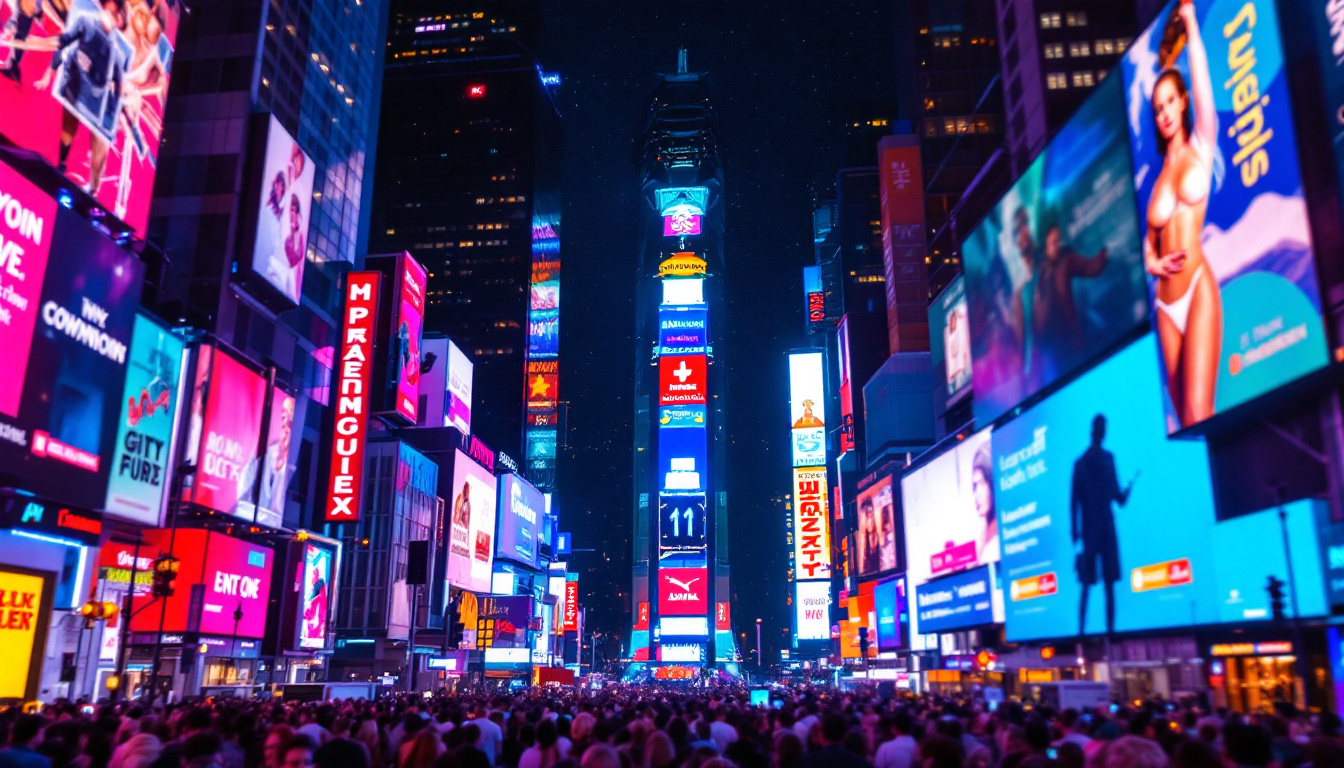
Billboards have long been a staple of outdoor advertising, dating back to the early 20th century when painted signs and printed posters dominated city streets. Over time, the medium evolved with the introduction of neon lighting and later, digital billboards. These digital displays allowed advertisers to showcase dynamic content, rotating ads, and even real-time updates, significantly increasing engagement rates.
However, the leap from flat digital screens to three-dimensional, lifelike visuals marks a new era. The 3D giant cat billboard is a prime example of this evolution, blending cutting-edge LED technology with creative design to produce an immersive visual experience that transcends traditional advertising.
As technology continues to advance, we are witnessing an increasing integration of augmented reality (AR) into billboard advertising. This innovative approach allows passersby to interact with advertisements in real-time using their smartphones. For instance, a billboard for a new movie might enable viewers to scan a QR code that brings characters to life through their screens, creating a memorable and engaging experience. This level of interactivity not only captivates audiences but also encourages them to share their experiences on social media, amplifying the reach of the campaign.
Moreover, the rise of data analytics and artificial intelligence is transforming how advertisers strategize their billboard placements. By analyzing foot traffic patterns, demographic data, and even weather conditions, companies can tailor their messages to resonate with specific audiences at optimal times. For example, a billboard advertising hot coffee might display a steaming cup during the chilly morning rush, while promoting iced beverages in the afternoon heat. This data-driven approach ensures that billboards remain relevant and impactful, adapting to the ever-changing landscape of consumer behavior.
Understanding 3D LED Display Technology
What Makes a Billboard “3D”?
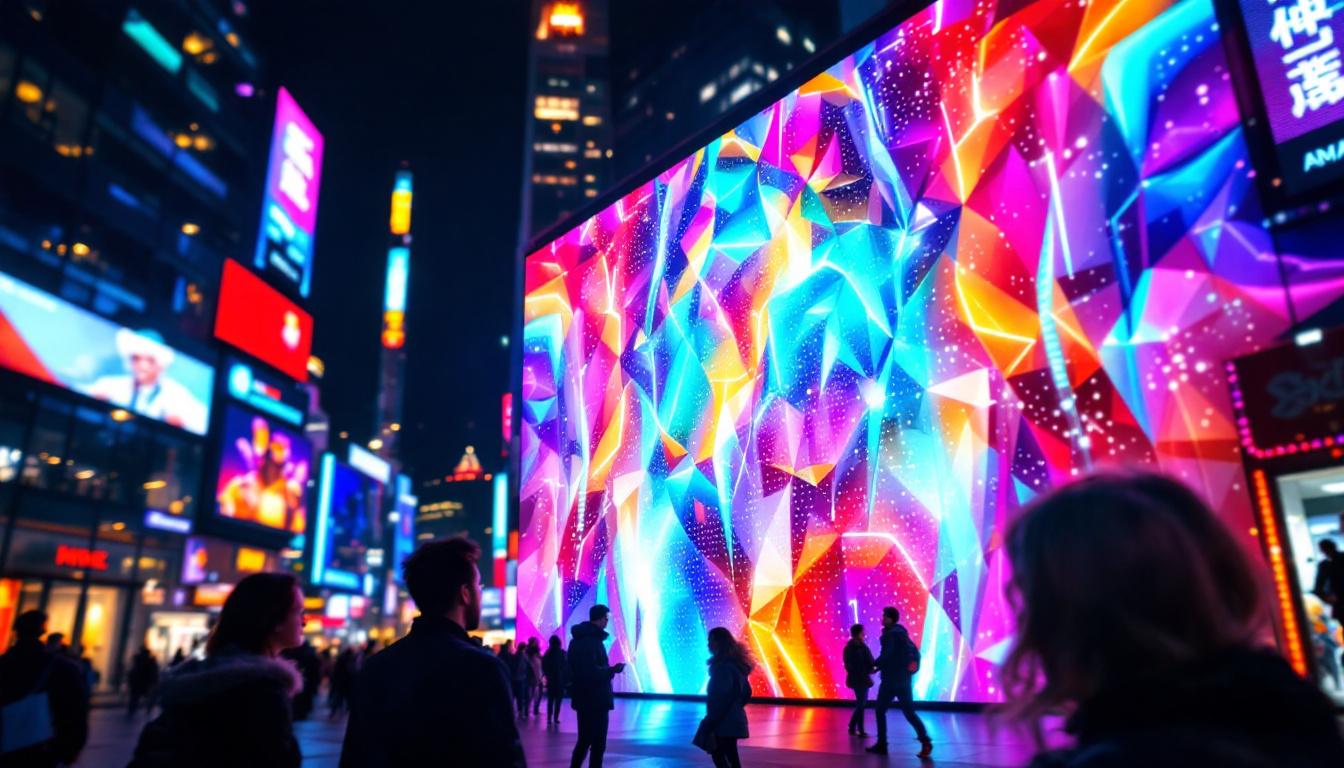
Unlike conventional billboards that display two-dimensional images, 3D LED billboards create the illusion of depth and motion, making objects appear as if they are popping out of the screen. This effect is achieved through a combination of advanced LED panel design, pixel arrangement, and content programming.
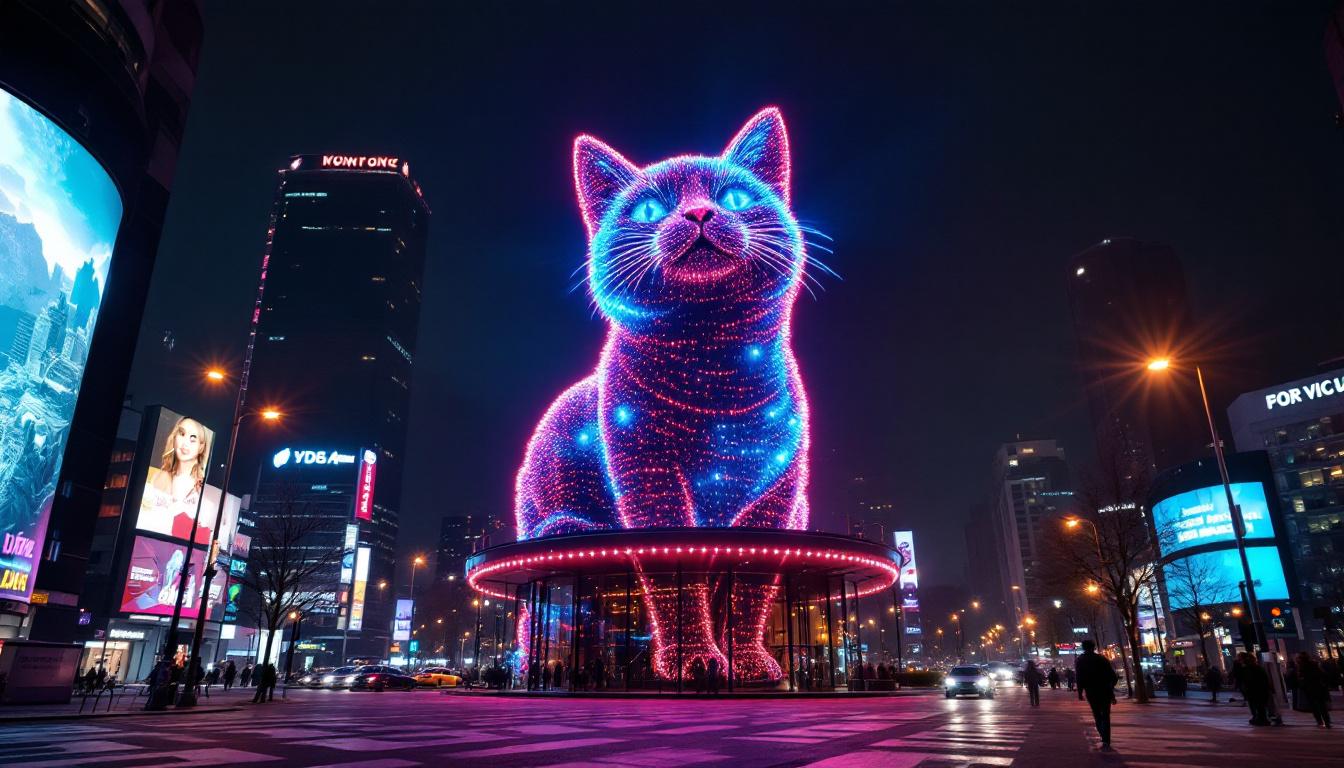
The 3D giant cat billboard, for instance, uses a curved LED surface and strategic lighting to simulate the contours and movements of a cat in three dimensions. The display is engineered to manipulate light and shadow, tricking the human eye into perceiving volume and spatial presence. This captivating effect not only draws attention but also enhances brand engagement, as viewers are more likely to stop and interact with a visually striking advertisement.
Moreover, the technology behind these displays is evolving rapidly, with innovations in holographic imaging and augmented reality starting to blend with traditional 3D LED displays. This fusion opens up new avenues for storytelling and advertising, allowing brands to create immersive experiences that resonate with audiences on a deeper level.
Key Components of 3D LED Displays
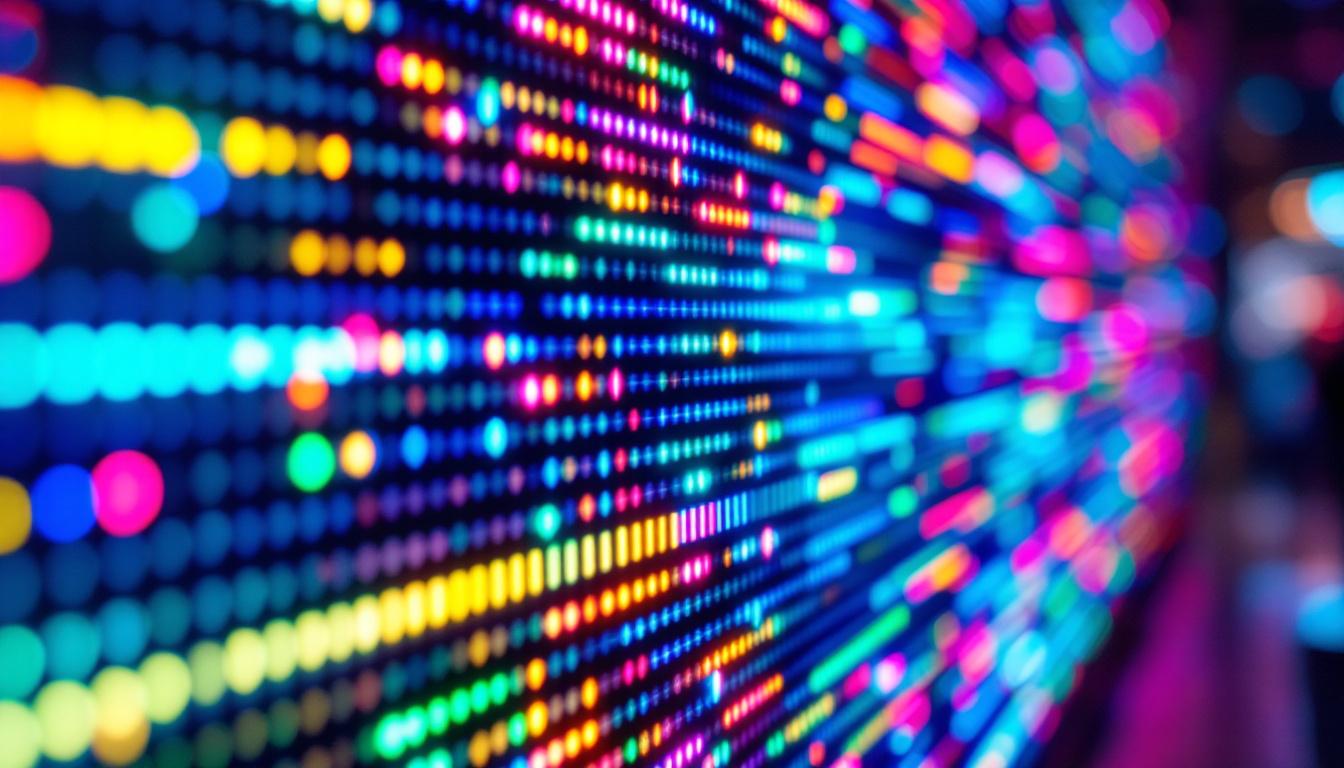
At the heart of these displays are high-resolution LED panels composed of thousands of tiny light-emitting diodes. Each diode can emit light in various colors and intensities, allowing for vibrant, detailed images. The panels are arranged on a curved or multi-faceted surface to enhance the three-dimensional effect.
Advanced video processors and graphic rendering software play a crucial role in generating the 3D visuals. These systems synchronize the LED panels to display content that changes dynamically, creating the illusion of movement and depth. Additionally, some 3D LED billboards incorporate sensors and cameras to adapt content based on viewer interaction or environmental conditions. This interactivity not only captivates passersby but also provides valuable data to advertisers, enabling them to tailor their messages in real-time based on audience demographics and behavior.
Furthermore, the integration of artificial intelligence into content creation is revolutionizing how these displays operate. AI algorithms can analyze viewer engagement and optimize content delivery, ensuring that the most effective advertisements are shown at peak times. This level of personalization enhances the overall impact of the billboard, making it a powerful tool for marketers.
Technical Challenges and Solutions
Creating a convincing 3D effect on a large-scale billboard poses several technical challenges. One major hurdle is ensuring image clarity and brightness from various viewing angles and distances. This requires precise calibration of LED brightness and color balance.
Another challenge is the physical construction of the billboard itself. The structure must support the weight of the LED panels and withstand weather conditions while maintaining the integrity of the 3D visual effect. Engineers often use lightweight materials and modular designs to facilitate installation and maintenance. Additionally, advancements in weather-resistant technology have led to the development of protective coatings that shield the displays from rain, snow, and UV damage, ensuring longevity and consistent performance.
Moreover, the power requirements for these high-energy displays can be significant, prompting the need for innovative energy solutions. Many companies are now exploring solar power integration and energy-efficient LED technologies to reduce operational costs and environmental impact. This shift not only makes 3D LED displays more sustainable but also aligns with the growing consumer preference for eco-friendly practices in advertising.
Case Study: The 3D Giant Cat Billboard in Action
Location and Design
One of the most famous examples of a 3D giant cat billboard is located in a bustling metropolitan area known for its vibrant advertising scene. Standing several stories tall, this billboard features a lifelike cat that appears to stretch, blink, and even play with a ball of yarn, captivating passersby day and night.
The design team collaborated closely with LED manufacturers and digital artists to create content that maximizes the 3D effect. The cat’s fur texture, eye reflections, and subtle movements were meticulously crafted to enhance realism. The curved LED panels were custom-built to fit the unique shape of the building facade, ensuring optimal viewing angles. This attention to detail not only made the cat appear more lifelike but also allowed it to interact with the surrounding environment, creating a sense of immersion that is rarely achieved in traditional advertising formats. The use of vibrant colors and dynamic animations further drew in viewers, making it a focal point of the urban landscape.
Audience Engagement and Impact
The 3D giant cat billboard quickly became a social media sensation, with thousands sharing videos and photos online. This organic digital buzz significantly amplified the billboard’s reach beyond its physical location. Studies show that 3D billboards can increase brand recall by up to 47% compared to traditional digital billboards, highlighting their effectiveness in capturing consumer attention. The billboard’s unique design and engaging content encouraged spontaneous interactions, with many people stopping to take selfies or record videos, thereby extending its visibility through user-generated content.
Moreover, the interactive element of the billboard—such as the cat’s playful movements timed with pedestrian flow—enhanced engagement. This demonstrates how 3D LED displays can create memorable experiences that foster emotional connections between brands and audiences. The billboard also featured a QR code that passersby could scan to access exclusive content, such as behind-the-scenes footage of the design process or interactive games related to the cat. This not only increased viewer participation but also allowed the brand to gather valuable data on audience preferences and behaviors, further informing future marketing strategies. The combination of innovative design and audience interaction has set a new standard for outdoor advertising, inspiring other brands to explore similar creative avenues.
Applications Beyond Advertising
Entertainment and Public Art
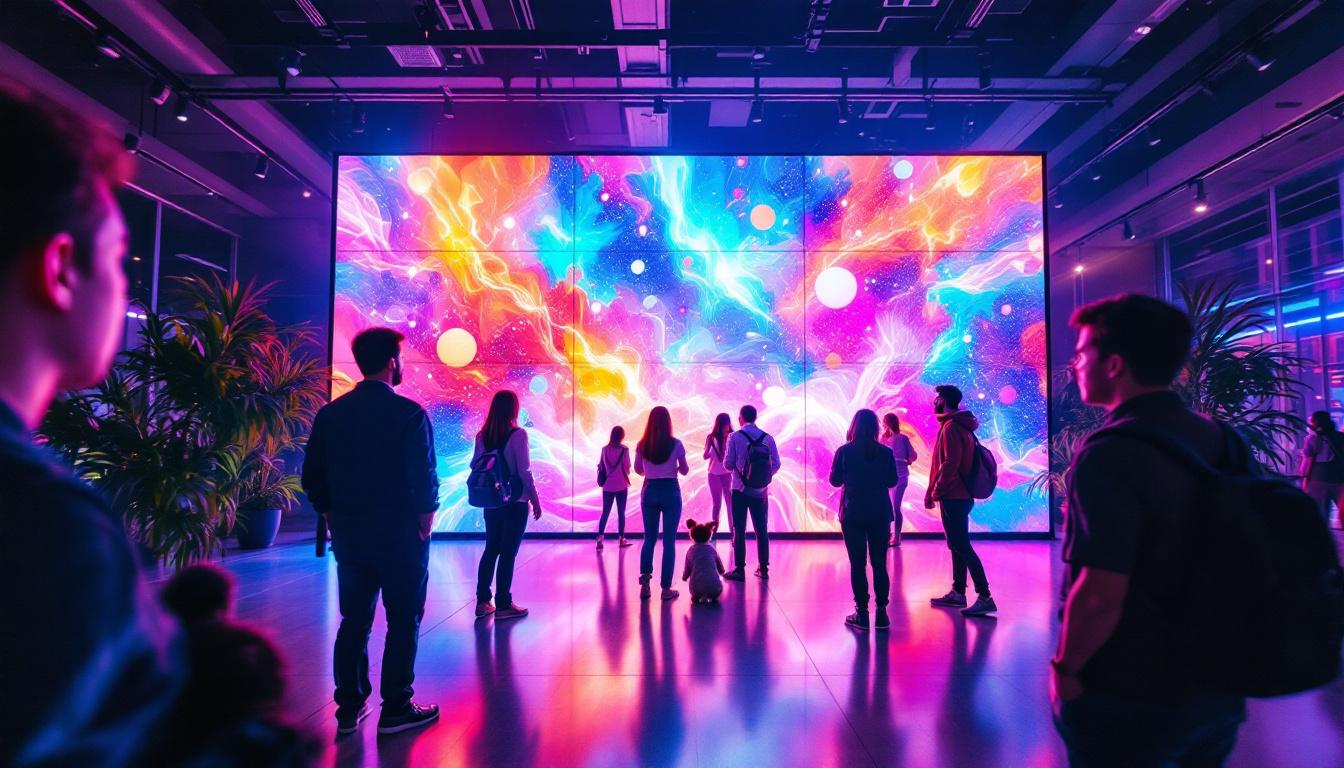
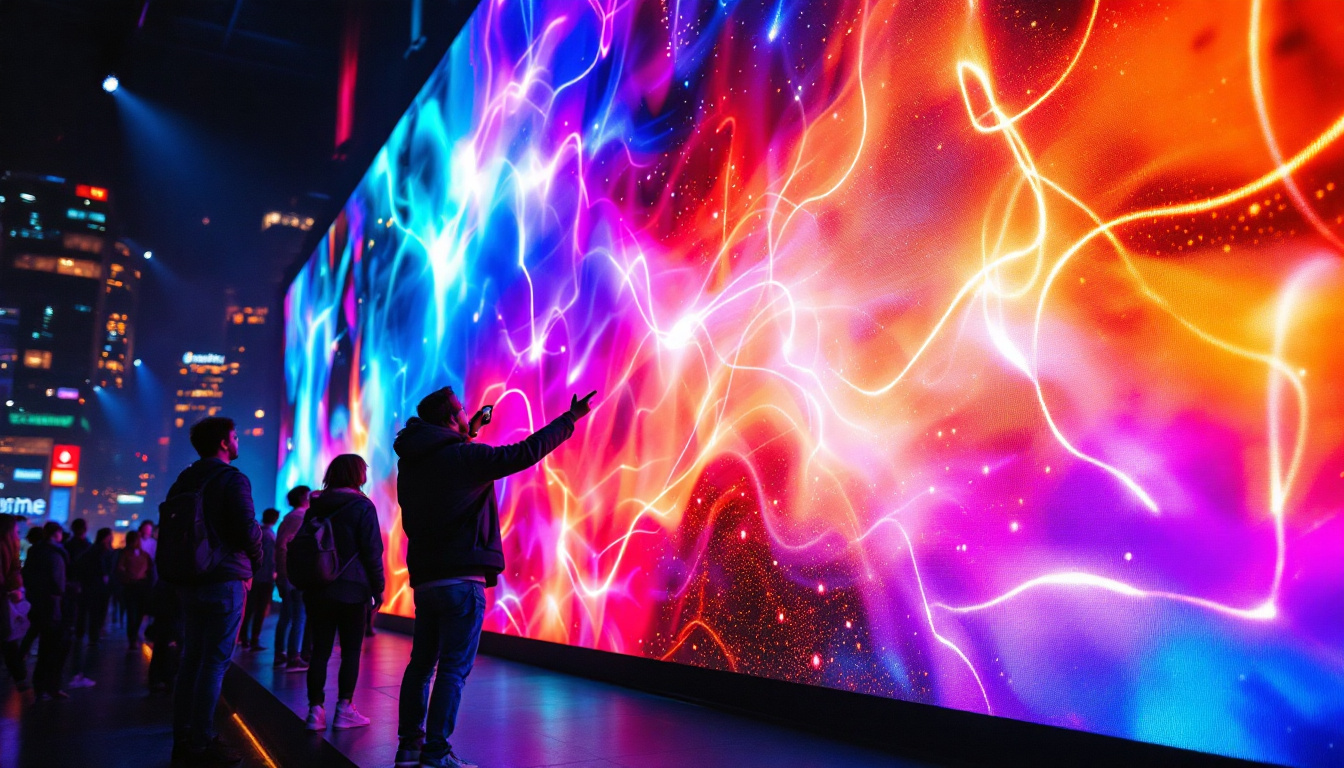
While advertising remains the primary driver of 3D LED billboard technology, its applications extend into entertainment and public art. Cities have begun using these displays to showcase digital sculptures, immersive storytelling, and interactive installations that enrich urban culture.
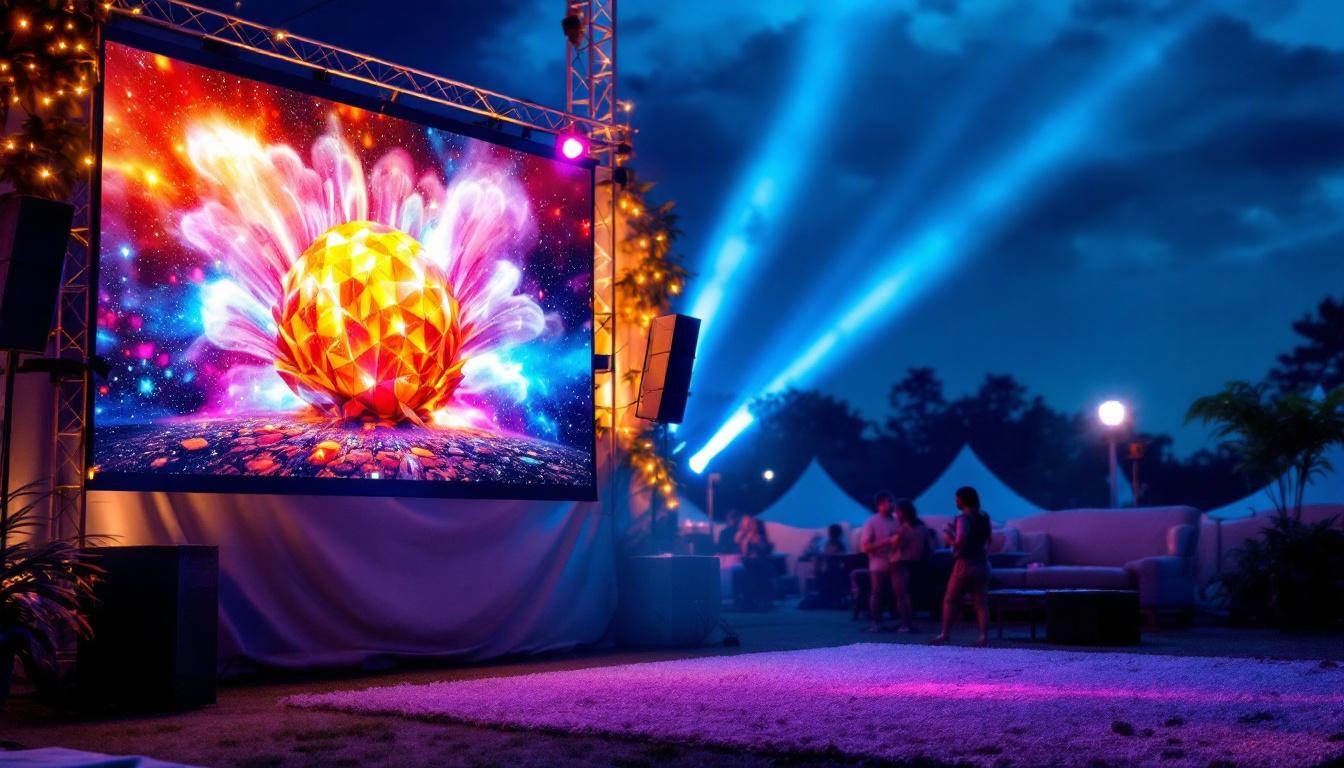
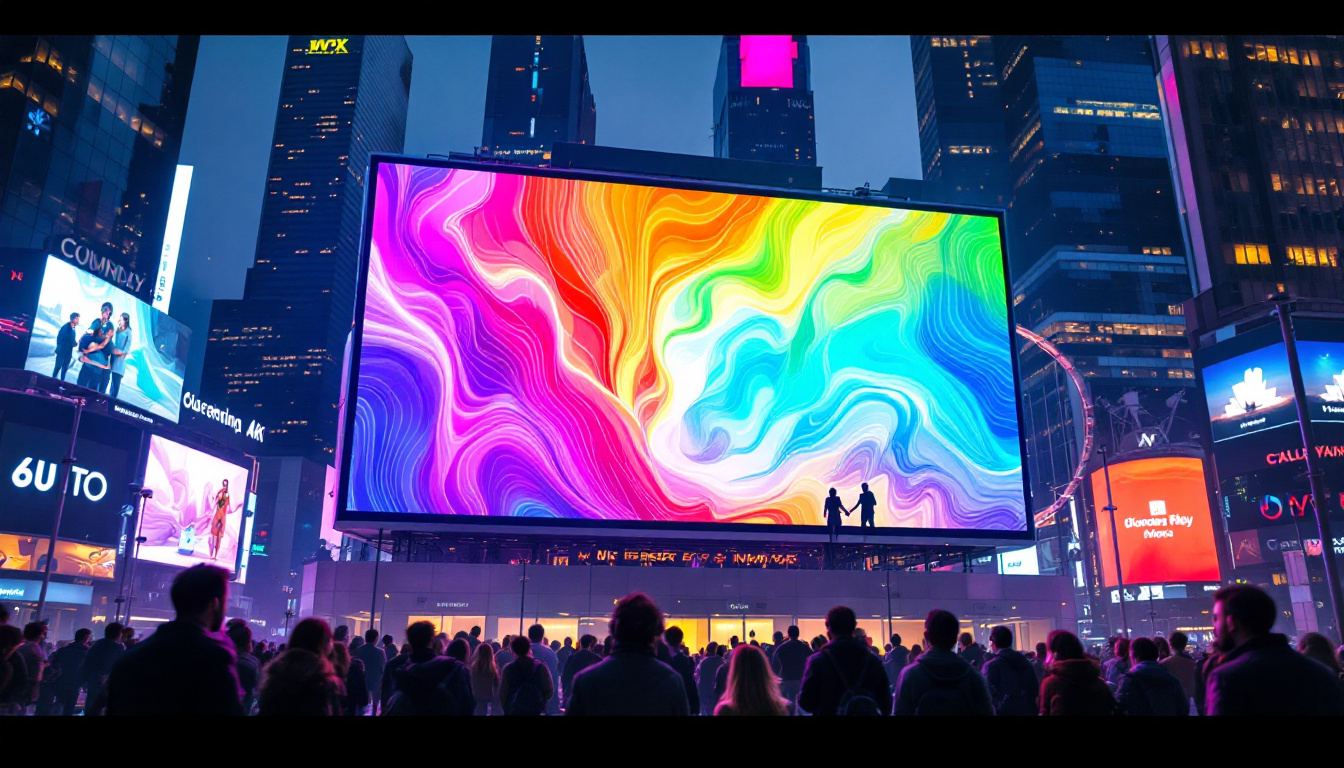
For example, during festivals or special events, 3D LED billboards can transform into dynamic canvases for artists, projecting vivid animations and visual narratives that engage diverse audiences. This fusion of technology and creativity contributes to vibrant public spaces and community identity.
Information and Safety Messaging
3D LED displays also hold potential for disseminating important information and safety messages. Their high visibility and ability to convey complex visuals make them ideal for emergency alerts, traffic updates, and public health campaigns. The dynamic nature of these billboards ensures messages can be quickly updated and tailored to specific contexts.
The Future of 3D LED Billboards
Technological Advancements on the Horizon
As LED technology continues to advance, 3D billboards are expected to become even more sophisticated. Innovations such as micro-LEDs promise higher resolution and brightness with lower power consumption, enhancing image quality and sustainability. Additionally, integration with augmented reality (AR) and artificial intelligence (AI) could enable personalized and interactive advertising experiences.
Researchers are also exploring flexible and transparent LED panels, which could open new possibilities for integrating 3D displays into unconventional surfaces like glass windows or curved architectural elements, further blurring the lines between digital content and physical environments.
Environmental and Ethical Considerations
While 3D LED billboards offer exciting opportunities, it is essential to consider their environmental impact. Large-scale LED installations consume significant energy, and their production involves resource-intensive processes. Industry leaders are increasingly focusing on energy-efficient designs and recyclable materials to mitigate these effects.
Ethically, advertisers and city planners must balance the benefits of eye-catching displays with concerns about light pollution and visual distraction, particularly in densely populated areas. Responsible deployment and regulation will be key to ensuring these technologies enhance, rather than detract from, urban life.
Conclusion
The 3D giant cat billboard exemplifies the remarkable potential of LED display technology to transform advertising and public engagement. By combining technical innovation with creative vision, these displays create immersive, memorable experiences that captivate audiences and elevate brand presence.
As the technology evolves, 3D LED billboards are poised to become integral elements of cityscapes worldwide, serving not only commercial purposes but also enriching cultural and informational landscapes. Understanding the technology behind these displays offers valuable insights into the future of visual communication and urban design.
Illuminate Your Brand with LumenMatrix
Ready to bring your advertising into the future and captivate audiences like never before? LumenMatrix is at the forefront of LED display innovation, offering a wide range of solutions tailored to your unique needs. From Indoor and Outdoor LED Wall Displays to Custom and Transparent LED options, our technology is designed to make your brand shine. Don’t just take our word for it; experience the transformative power of our LED displays for yourself. Check out LumenMatrix LED Display Solutions and see how we can help you create unforgettable visual experiences.